Skip to content
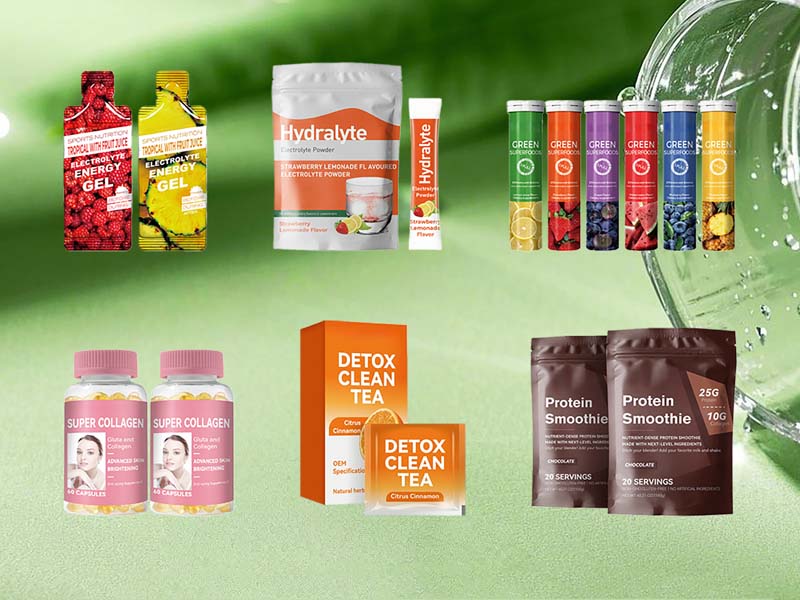
If your supplement shelf looks like a random science experiment, you’re not alone. The global market now offers tens of thousands of pills, powders, gummies, and drops—many promising faster recovery, sharper focus, better sleep, and a longer life. The truth is more nuanced: some supplements are powerfully effective when used for the right person, at the right dose, in the right form; others are weakly supported or outright unnecessary when diet and lifestyle already cover the bases.
The best supplements are those that correct proven nutrient gaps or serve clear, evidence-based goals: vitamin D for low serum levels, omega-3s when fish intake is limited, vitamin B12 for vegans or seniors, folate when planning pregnancy, iron only with confirmed deficiency, creatine for strength, fiber or magnesium for regularity, and condition-specific probiotics. Prioritize NSF/USP-certified products, check doses and interactions with your clinician, and anchor your plan in a balanced diet.
In this guide, we’ll cut through hype with clinician-level clarity, mapping 20 evidence-supported picks across core needs—Foundations, Performance, Women’s Health, Gut, Brain & Heart, and Longevity & Inflammation. You’ll learn which compounds consistently help, who is most likely to benefit, how to dose safely, and what to ignore. To bring this to life, meet Lena, a 38-year-old e-commerce founder who was juggling fatigue, poor sleep, and marathon training. After lab-guided tweaks—D for deficiency, magnesium glycinate for sleep, creatine for power, and a fiber/probiotic combo—her energy and metrics turned around in eight weeks. The goal here isn’t a shopping list; it’s a strategy you can adapt—grounded in data, filtered by safety, and built to work in the real world.
What makes a supplement “best”?
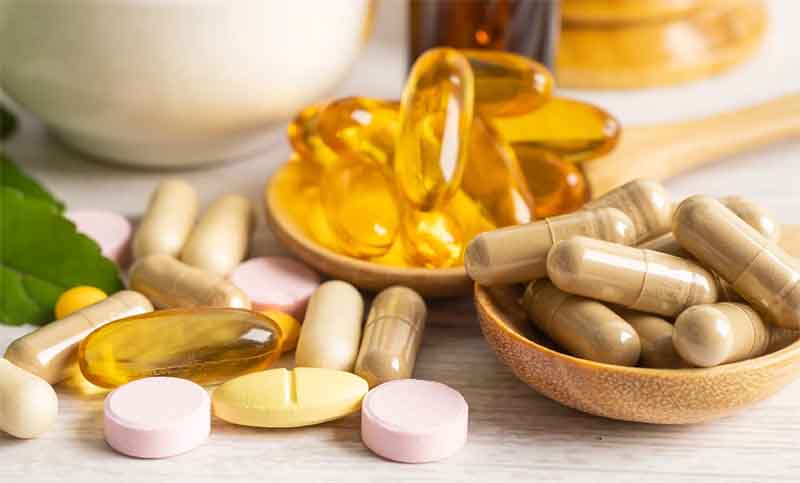
A top-tier supplement pairs strong evidence with a clinical dose in a bioavailable form, is batch-tested for purity and potency, fits your diet and labs, and has a favorable safety profile. Quality is not just the label claim—it’s identity testing, contamination screening, stability, and transparent Certificates of Analysis. “Best” also means it solves your specific problem efficiently, not just in theory.
Evidence Strength
A supplement earns “best” status when high-quality, peer-reviewed studies back its benefits. Randomized controlled trials (RCTs) and meta-analyses carry far more weight than anecdotal reports or animal studies. For instance, vitamin D for deficiency, omega-3 fatty acids for heart health, and creatine for strength and cognition have all shown consistent benefits across large human trials. If research is preliminary or based on tiny samples, claims should be treated cautiously until stronger evidence emerges.
Clinical Dosage
Another hallmark of a top supplement is whether it delivers the same dosage and potency used in successful clinical studies. Many mass-market multivitamins or proprietary blends contain “label dressing”—trace amounts of trendy ingredients just for marketing appeal, far below therapeutic levels. For example, curcumin requires 500–1,000 mg/day with absorption enhancers like piperine for joint benefits, while creatine monohydrate’s standard dose is 3–5 g/day for performance outcomes.
Bioavailability & Form
Even at the right dose, nutrients must be in absorbable, stable forms. Magnesium glycinate or citrate is far better absorbed than magnesium oxide; CoQ10 in the ubiquinol form raises blood levels more efficiently than ubiquinone in older adults; omega-3s in re-esterified triglyceride (rTG) or phospholipid forms outperform ethyl ester forms for bioavailability. The best supplements pair clinically validated doses with optimal forms to ensure real biological impact.
Safety Profile & Quality Control
Safety separates high-quality supplements from risky or ineffective ones. The best products undergo third-party testing (e.g., NSF, USP) to confirm identity, purity, potency, and freedom from heavy metals, microbes, or adulterants. Transparent Certificates of Analysis (COAs), GMP manufacturing, and clear labeling reduce consumer risk. Plus, safe supplementation respects tolerable upper limits (ULs) to prevent toxicity—especially with fat-soluble vitamins, minerals like iron, or botanicals affecting drug metabolism.
Which 20 Supplements Have Strong Evidence?

The 20 most evidence-supported supplements span nutrients, botanicals, and performance aids: Vitamin D, Omega-3 EPA/DHA, Magnesium, Creatine, Protein, Fiber, Probiotics, Zinc, Vitamin B12, Iron (if deficient), Calcium, Iodine, CoQ10, Curcumin, Melatonin, L-theanine, Ashwagandha, Rhodiola, Collagen Peptides, and Vitamin K2. Their benefits cover bone, heart, cognition, sleep, stress, immunity, gut health, and physical performance.
| Supplement | Core Benefit | Typical Adult Dose* | Form/Notes | Evidence Snapshot |
|---|---|---|---|---|
| Vitamin D3 | Bone, immunity | 1,000–2,000 IU/day (adjust by 25-OH-D labs) | D3 with fat | Strong RCTs for deficiency correction |
| Omega-3 EPA/DHA | Heart, mood, pregnancy | 1–2 g/day combined EPA+DHA | rTG or EE; with meals | Cardiometabolic & mood support |
| Magnesium (glycinate/citrate) | Sleep, cramps, BP | 200–400 mg elemental/day | Avoid oxide | Consistent benefits in deficiency |
| Creatine monohydrate | Strength, cognition | 3–5 g/day | No loading needed | Gold standard in sports RCTs |
| Protein (whey/plant) | Muscle, satiety | 20–40 g/serving | Complete amino profile | Strong for body comp |
| Fiber (psyllium/inulin) | Lipids, glycemia, satiety | 5–10 g/day | Hydrate well | LDL, glucose benefits |
| Probiotics | IBS, immunity | 1–20 B CFU/day strain-specific | Use named strains | Strain-outcome dependent |
| Zinc | Immunity, skin | 8–15 mg/day | Don’t exceed 40 mg UL | Best for deficiency |
| Vitamin B12 | Energy, neuro | 1,000 mcg/day oral (if low) | Methyl or cyano | Essential for vegans/B12-low |
| Iron** | Anemia, ferritin | Per clinician (e.g., 18–60 mg/day) | With vitamin C, away from Ca | Only if deficient |
| Calcium | Bone density | 500–700 mg/day from diet+supp | Split doses | Use with K2/D as needed |
| Iodine | Thyroid support | 150 mcg/day (RDA) | Don’t exceed without MD | Corrects insufficiency |
| CoQ10 (ubiquinol) | Mito/Statin users | 100–200 mg/day | Ubiquinol preferred | Energy, muscle symptom relief |
| Curcumin + Piperine | Inflammation, joints | 500–1,000 mg/day | Enhanced absorption | Pain & inflammatory markers |
| Melatonin | Sleep onset | 0.5–3 mg 30–60 min pre-bed | Start low | Sleep latency benefits |
| L-theanine | Calm focus | 100–200 mg | With/without caffeine | Alpha-wave relaxation |
| Ashwagandha | Stress, vitality | 300–600 mg/day (root extract) | KSM-66/Sensoril data | Cortisol reduction |
| Rhodiola | Fatigue, mood | 200–400 mg/day | Standardized rosavins | Anti-fatigue effects |
| Collagen peptides | Skin, joints | 5–10 g/day | Type I/II as goal | Dermal & joint outcomes |
| Vitamin K2 (MK-7) | Calcium direction | 90–180 mcg/day | With fats | Synergy with D & Ca |
1. Vitamin D3 (Cholecalciferol)
Vitamin D3 is often called the “sunshine vitamin” because the body synthesizes it when skin is exposed to sunlight. Yet, modern indoor lifestyles, higher latitudes, sunscreen use, and darker skin pigmentation have made deficiency remarkably common, even in developed countries. Research consistently links low vitamin D levels with weakened immune response, higher fracture risk, mood disorders, and poor cardiovascular outcomes.
Clinical studies show that raising serum 25(OH)D levels to 30–50 ng/mL through supplementation reduces fracture incidence in older adults by up to 20% and improves immune resilience, especially during winter months. Most experts recommend 1,000–2,000 IU/day, though doses may be individualized based on blood testing. Pairing vitamin D with vitamin K2 (MK-7) supports calcium deposition into bone rather than arteries, reducing calcification risks.
2. Omega-3 Fatty Acids (EPA/DHA)
Omega-3 fatty acids, particularly EPA (eicosapentaenoic acid) and DHA (docosahexaenoic acid), are key components of cell membranes, anti-inflammatory mediators, and brain tissue. Decades of research demonstrate benefits for cardiovascular health, cognitive performance, pregnancy outcomes, and even mood stabilization.
Meta-analyses of randomized controlled trials (RCTs) show that 1–2 g/day of combined EPA+DHA can lower triglycerides by 15–30%, reduce cardiovascular death risk, and support fetal brain development when taken by pregnant women. High-quality sources include fish oil, krill oil, and algae-based supplements for vegans. Enteric-coated or re-esterified triglyceride (rTG) forms offer better absorption and fewer gastrointestinal side effects compared to ethyl ester forms.
3. Magnesium (Glycinate, Citrate)
Magnesium participates in over 300 enzymatic reactions, regulating energy metabolism, nerve transmission, muscle contraction, and sleep cycles. Modern diets rich in processed foods but low in leafy greens, nuts, and legumes leave nearly 50% of U.S. adults below recommended magnesium intakes.
Clinical evidence supports magnesium supplementation for sleep improvement, migraine prevention, blood pressure control, and anxiety reduction. Forms like magnesium glycinate and magnesium citrate offer superior absorption with minimal laxative effects. Typical doses range from 200–400 mg/day, split into two servings, though higher amounts may be used under medical supervision for specific conditions like constipation or arrhythmias.
4. Creatine Monohydrate
Creatine is one of the most rigorously studied performance supplements. It works by replenishing phosphocreatine stores in muscles, enabling faster ATP regeneration during high-intensity exercise. Dozens of trials confirm its benefits for strength gains, sprint performance, and lean mass growth.
But creatine’s promise extends beyond athletics. Recent research suggests neuroprotective roles in aging, traumatic brain injury recovery, and even depression. The standard dosing protocol involves either a loading phase (20 g/day for 5 days) followed by 3–5 g/day maintenance or simply 3–5 g/day from the start for steady saturation over 3–4 weeks. Safety studies spanning decades show no adverse effects in healthy individuals at recommended doses.
5. Protein Powders
Protein supports muscle repair, metabolic health, satiety, and immune function. While whole-food sources should form the dietary foundation, protein powders provide convenient options for athletes, older adults, and those on calorie-restricted or plant-based diets.
Whey protein isolate offers rapid absorption and a complete amino acid profile rich in leucine, the key trigger for muscle protein synthesis (MPS). Plant-based blends using pea, rice, or soy proteins can achieve similar anabolic responses when dosed at 20–40 g per serving, especially when combined to balance amino acid profiles. Research consistently shows post-exercise protein intake improves strength, recovery, and body composition, particularly when paired with resistance training.
6. Fiber Supplements (Psyllium, Inulin)
Dietary fiber promotes gut health, cholesterol reduction, glycemic control, and satiety. Yet average intake in Western countries remains less than half the recommended 25–38 g/day.
Clinical studies show psyllium husk lowers LDL cholesterol by 5–10% and improves bowel regularity, while inulin selectively feeds beneficial gut bacteria like Bifidobacteria. Supplemental doses typically start at 5 g/day, gradually increasing to 10–15 g/day to minimize bloating or discomfort. Adequate water intake is essential when increasing fiber consumption to prevent constipation.
7. Probiotics
Probiotics introduce live microorganisms that confer health benefits when administered in adequate amounts. Effects are strain- and dose-specific: for example, Lactobacillus rhamnosus GG reduces antibiotic-associated diarrhea risk, while Bifidobacterium lactis BB-12 supports immune function in children and older adults.
Meta-analyses indicate multi-strain formulations often outperform single-strain products for broad-spectrum benefits, including improved digestion, reduced irritable bowel syndrome (IBS) symptoms, and enhanced immune resilience. Typical doses range from 1–20 billion CFU/day, delivered in shelf-stable, third-party-tested capsules to ensure viability through shelf life.
8. Zinc (Gluconate, Picolinate)
Zinc is vital for immune defense, wound healing, reproduction, and skin health. Deficiency impairs immune response and increases susceptibility to infections, especially in older adults and low-income regions.
Supplemental 8–15 mg/day of zinc gluconate or picolinate maintains adequate levels, while short-term high doses (e.g., 75 mg/day for 5–7 days) during cold onset may reduce symptom duration. However, chronic excess (>40 mg/day) risks copper deficiency and gastrointestinal irritation, highlighting the importance of dose control.
9. Vitamin B12 (Methylcobalamin, Cyanocobalamin)
Vitamin B12 supports DNA synthesis, red blood cell production, and neurological health. Deficiency leads to anemia, fatigue, neuropathy, and cognitive decline, with older adults, vegans, and individuals with gastrointestinal disorders at highest risk.
Oral supplementation with 1,000 mcg/day effectively restores serum B12 levels, though injections may be required in cases of severe malabsorption. Methylcobalamin offers slightly better tissue retention compared to cyanocobalamin, though both forms correct deficiency when dosed adequately.
10. Iron
Iron deficiency causes anemia, fatigue, cognitive impairment, and reduced immunity. Supplementation should always follow laboratory confirmation to avoid iron overload risks, which can damage organs via oxidative stress.
Common protocols use 18–60 mg elemental iron/day, taken with vitamin C to improve absorption. Gastrointestinal side effects like constipation or nausea can be reduced by using slow-release or chelated iron formulations or alternate-day dosing strategies supported by emerging research.
11. Calcium (Citrate, Carbonate)
Calcium is essential for bone health, muscle contraction, and nerve transmission. Deficiency increases osteoporosis risk, particularly in postmenopausal women and older adults.
Supplementation with 500–700 mg/day, divided into two doses, supports bone mineral density when combined with vitamin D, weight-bearing exercise, and adequate protein intake. Calcium citrate offers superior absorption compared to calcium carbonate, especially in individuals with low stomach acid or on proton-pump inhibitors.
12. Iodine (Potassium Iodide)
Iodine ensures thyroid hormone synthesis, regulating metabolism, growth, and cognitive function. Deficiency causes goiter, hypothyroidism, and developmental delays in children.
The RDA is 150 mcg/day for adults, increasing during pregnancy and lactation. Supplementation should balance deficiency prevention with caution, as excessive iodine intake can trigger thyroid dysfunction in susceptible populations.
13. Coenzyme Q10 (Ubiquinone, Ubiquinol)
CoQ10 supports mitochondrial energy production and acts as a potent antioxidant. Levels decline with age and statin therapy, leading to fatigue, muscle pain, and cardiovascular risk.
Clinical studies using 100–200 mg/day ubiquinol show improved endothelial function, reduced statin-associated muscle symptoms, and enhanced energy metabolism in aging populations. Softgel formulations with oil bases offer superior absorption compared to dry powder capsules.
14. Curcumin (with Piperine)
Curcumin, the bioactive compound in turmeric, exhibits anti-inflammatory and antioxidant properties but suffers from low bioavailability.
Combining curcumin with piperine (black pepper extract) or using liposomal formulations enhances absorption by up to 2,000%. Clinical trials show 500–1,000 mg/day reduces joint pain in osteoarthritis, improves inflammatory biomarkers, and supports metabolic health in prediabetic populations.
15. Melatonin
Melatonin regulates circadian rhythm and supports sleep onset in insomnia, jet lag, and shift work disorder.
Doses of 0.5–3 mg 30–60 min before bedtime improve sleep latency and quality without significant next-day drowsiness. Extended-release formulations may benefit older adults with declining natural melatonin production.
16. L-Theanine
Found in green tea, L-theanine induces relaxation without sedation by increasing alpha brainwave activity.
Doses of 100–200 mg reduce anxiety, improve attention, and synergize with caffeine to enhance focus while reducing jitteriness—making it popular in nootropic and stress-support formulas.
17. Ashwagandha (Withania somnifera)
Ashwagandha is an adaptogenic herb that helps the body resist stressors, both physical and psychological.
Standardized extracts like KSM-66 or Sensoril at 300–600 mg/day lower cortisol levels, improve sleep quality, and enhance endurance, with meta-analyses showing significant reductions in anxiety scores compared to placebo.
18. Rhodiola Rosea
Rhodiola improves fatigue resistance, stress adaptation, and cognitive function under pressure.
Clinical studies using 200–400 mg/day standardized to 3% rosavins and 1% salidroside demonstrate improved mental performance, reduced burnout symptoms, and better mood regulation in high-stress professionals and athletes.
19. Collagen Peptides
Collagen peptides supply amino acids like glycine and proline essential for skin, joint, and connective tissue health.
Studies show 5–10 g/day hydrolyzed collagen improves skin elasticity, hydration, and reduces joint pain within 8–12 weeks, particularly in aging populations or athletes with repetitive joint strain.
20. Vitamin K2 (MK-7)
Vitamin K2, especially the menaquinone-7 (MK-7) form, works synergistically with vitamin D and calcium to direct calcium into bones and teeth while preventing arterial calcification. Daily doses of 90–180 mcg improve bone mineral density and reduce cardiovascular calcification risk in clinical studies, particularly in postmenopausal women.
How do supplements work in the body?
Supplements work by correcting nutrient gaps, modulating biochemical pathways (hormonal, inflammatory, neurotransmitter), supporting structural tissues (bone, collagen), influencing the microbiome, and enhancing performance via energy systems and neuromuscular effects. The net effect depends on baseline status, dose, form, and timing.
1. Nutrient Replenishment
Supplements primarily fill dietary gaps by providing vitamins, minerals, or other compounds that people might lack due to poor diet, lifestyle, or medical conditions. For example, vitamin D3 raises serum 25(OH)D levels when sun exposure is inadequate, while iron restores hemoglobin production in iron-deficiency anemia. By correcting these deficiencies, supplements support normal cellular metabolism, immunity, and organ function.
2. Enzymatic and Hormonal Support
Many vitamins and minerals act as cofactors for enzymes or precursors for hormones, ensuring metabolic pathways run efficiently. For instance, magnesium is involved in over 300 enzymatic reactions, including ATP production, while iodine enables the thyroid gland to synthesize thyroxine (T4) and triiodothyronine (T3) hormones, which regulate metabolism, growth, and energy balance.
3. Antioxidant and Anti-inflammatory Actions
Certain supplements like vitamin C, vitamin E, coenzyme Q10, and curcumin reduce oxidative stress by neutralizing free radicals, protecting DNA, proteins, and cell membranes from damage. Others, such as omega-3 fatty acids and curcumin, modulate inflammatory pathways like NF-κB signaling, helping control chronic inflammation associated with aging, cardiovascular disease, and metabolic disorders.
4. Structural Support for Tissues
Some nutrients directly provide building blocks for body structures. Collagen peptides supply amino acids like glycine and proline for skin elasticity, joint cartilage repair, and connective tissue integrity. Calcium, phosphorus, and vitamin K2 support bone mineralization, while omega-3 fatty acids maintain healthy cell membranes and neural tissues.
5. Neurotransmitter and Cognitive Modulation
Supplements such as B-vitamins, omega-3s, and L-theanine influence neurotransmitter synthesis or brain signaling pathways, thereby supporting mood, focus, and cognitive health. For instance, omega-3 DHA integrates into neuronal membranes to enhance synaptic plasticity, while B12 and folate participate in methylation pathways essential for neurotransmitter metabolism.
6. Energy Metabolism Enhancement
Compounds like creatine and CoQ10 boost cellular energy systems. Creatine increases phosphocreatine stores for rapid ATP regeneration in muscles and the brain, while CoQ10 supports mitochondrial electron transport chain efficiency, improving overall energy output and reducing fatigue, especially in older adults or those on statin therapy.
7. Gut Microbiome Interaction
Probiotics and prebiotic fibers directly influence the gut microbiome composition, promoting beneficial bacteria that produce short-chain fatty acids (SCFAs) like butyrate. These SCFAs improve intestinal barrier integrity, regulate immunity, and even affect metabolic and mental health through the gut-brain axis.
Are supplements safe—and for whom?
Most supplements are safe when used appropriately, but risks rise with megadosing, poor quality control, interactions, and use in pregnancy, pediatrics, or chronic disease without supervision. Rely on upper limits, check drug-nutrient interactions, demand third-party testing and COAs, and personalize with labs and clinician input.
| Risk Area | Example | Practical Guardrail |
|---|---|---|
| Upper limits | Vitamin D, zinc | Use labs; do not exceed UL without guidance |
| Interactions | Mg with certain antibiotics; fish oil with anticoagulants | Separate timing; clinician oversight for anticoagulants |
| Contaminants | Heavy metals, solvents | Choose cGMP, COA-verified suppliers |
| Adulteration | “Fat burners,” libido blends | Avoid prop blends; verify actives |
| Pregnancy/Pediatrics | Botanicals, high vitamin A | Prenatal-safe lists only; pediatric dosing |
| Conditions | Hemochromatosis (iron), thyroid disease (iodine) | Supplement only if indicated by labs and MD |
Safety is a process, not a promise on a label. Dose discipline prevents toxicity and paradoxical effects (e.g., high zinc impairing copper). Interaction checks are essential: magnesium can bind tetracyclines and quinolones; St. John’s Wort (not on our top-20) induces CYP3A4, altering drug levels. Population-specific caution: pregnancy, lactation, pediatric and geriatric groups require tailored dosing and exclusions.
How to Build Smart Stacks By Goal?
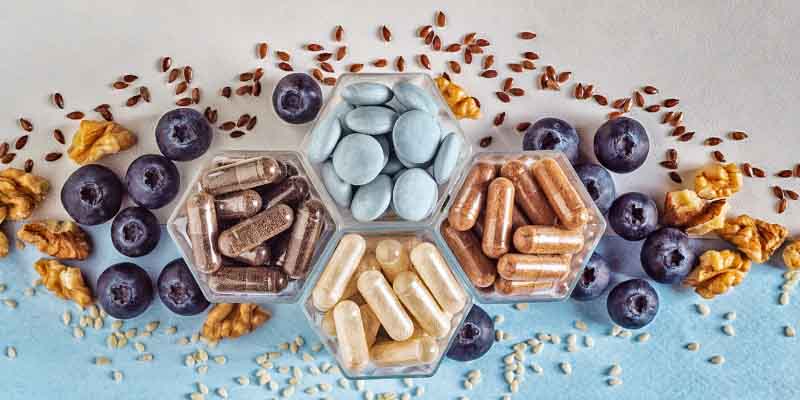
Start with your baseline (diet, labs, meds), pick a primary goal, and build a minimal, synergistic stack using evidence-backed doses and forms. Track outcomes for 8–12 weeks, adjust one variable at a time, and maintain safety guardrails.
Energy and Vitality Stack
For individuals dealing with fatigue, low energy, or demanding work schedules, a smart stack typically combines B-complex vitamins (for mitochondrial metabolism), Coenzyme Q10 (for ATP production), magnesium (to reduce neuromuscular fatigue), and creatine (to boost cellular energy reserves). Clinical studies show CoQ10 at 100–200 mg/day and creatine at 3–5 g/day improve endurance, reduce fatigue, and support cognitive performance under stress. Adding Rhodiola rosea at 200–400 mg/day can further enhance resilience to physical and mental fatigue.
Cognitive Performance & Focus Stack
For students, professionals, or anyone needing mental clarity, this stack combines omega-3 DHA (for neuronal membrane health), L-theanine with moderate caffeine (for focused alertness), and Bacopa monnieri or phosphatidylserine (for memory and learning). DHA at 250–500 mg/day supports long-term brain health, while L-theanine (200 mg) paired with caffeine (50–100 mg) improves attention without jitteriness. Clinical data on Bacopa (300 mg standardized extract) shows improved information processing speed and reduced anxiety over 8–12 weeks.
Muscle Strength & Recovery Stack
Athletes and active individuals benefit from combining whey or plant-based protein (20–40 g post-exercise), creatine monohydrate (3–5 g/day), beta-alanine (2–5 g/day for muscular endurance), and electrolytes (sodium, potassium, magnesium) for hydration. Omega-3s at 1–2 g/day may also reduce exercise-induced muscle soreness by lowering inflammation. Evidence consistently shows protein and creatine together enhance lean muscle gains and recovery speed compared to either alone.
Stress Reduction & Sleep Quality Stack
For managing anxiety, improving sleep, or balancing mood, a well-designed stack might include magnesium glycinate (200–400 mg/day), L-theanine (100–200 mg), ashwagandha (300–600 mg standardized extract), and melatonin (0.5–3 mg at bedtime). Meta-analyses suggest ashwagandha significantly reduces cortisol levels and improves perceived stress scores, while magnesium and L-theanine promote calmness and restorative sleep without next-day grogginess.
Gut Health & Immunity Stack
For digestive balance and immune support, the core stack combines multi-strain probiotics (10–20 billion CFU/day), prebiotic fibers like inulin or FOS (5–10 g/day), vitamin D3 (1,000–2,000 IU/day), and zinc (8–15 mg/day). Clinical studies link probiotics and vitamin D with reduced respiratory infections, while prebiotic fibers enhance beneficial gut flora that support immune modulation and intestinal barrier integrity.
Healthy Aging & Longevity Stack
For anti-aging and metabolic resilience, researchers focus on omega-3s (1–2 g/day), vitamin D3 + K2 (1,000 IU + 100 mcg), curcumin with piperine (500–1,000 mg/day), and resveratrol or nicotinamide mononucleotide (NMN) for cellular health. Curcumin reduces systemic inflammation (CRP levels), while omega-3s and vitamin D3 protect cardiovascular and bone health, making this stack highly relevant for older adults.
Food Supplement” vs “Dietary Supplement”
In many regions, “dietary supplement” (U.S.) and “food supplement” (EU/UK) refer to similar products—concentrated sources of nutrients or other substances with a nutritional or physiological effect. Pros include targeted deficiency correction and convenience; cons include variable quality, under-dosed blends, interactions, and overreliance when diet is the real lever. Regulatory definitions and claims rules differ by market.
Pros & Cons at a glance
| Advantages | Disadvantages |
|---|---|
| Correct deficiencies efficiently | Quality variability/adulteration risk |
| Standardized dosing & convenience | Potential interactions & side effects |
| Evidence-based support for specific goals | Cost without benefit if not indicated |
| Useful when diet is constrained | Regulatory differences by market |
Conclusion
Great supplementation is strategy, not superstition. By matching evidence-backed ingredients to your goals, dosing intelligently, insisting on verified quality, and tracking outcomes, you can turn a cluttered cabinet into a competitive advantage—whether you’re optimizing personal health or formulating products for demanding customers.
Partner with Zoxizo: We manufacture at cGMP standards with rigorous identity, potency, purity, and microbiological testing; support clinical-dose formulations; offer multilingual packaging design; and provide cross-border logistics guidance (including halal, organic raw-material support, and market-specific compliance). If you’re ready to build high-retention products with real-world results, we’re ready to help.