Skip to content
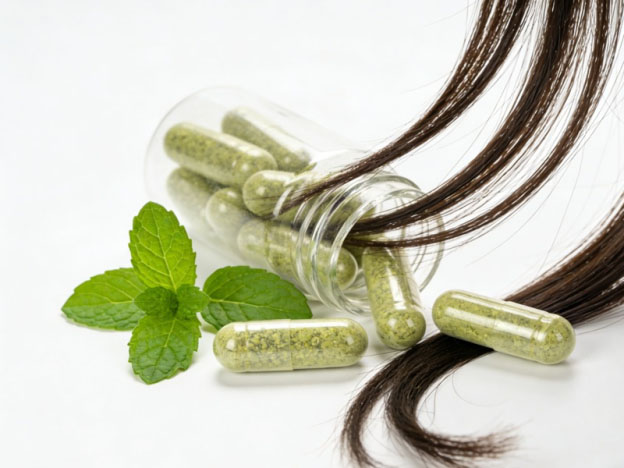
Hair growth is one of those topics where marketing is loud—but biology is quiet. If a product promises “new hair in 7 days,” it’s not being bold; it’s being careless. Real hair growth follows a biological cycle—growth (anagen), transition (catagen), and rest (telogen)—and visible improvement usually takes weeks or even months after the underlying constraint is addressed.
The good news is that supplements can be effective when hair issues are linked to nutrient gaps, stress-related shedding, inflammation, or weakened hair fiber structure. The downside is that many products on the market are under-dosed, overloaded with sugar (especially gummies), or built around trendy ingredients that do not match the user’s actual bottleneck.
This guide explains what truly works, what to avoid, and how brands can develop compliant, credible hair growth supplements that convert on Amazon and DTC—supported by manufacturing quality, transparent testing, and realistic positioning.
This guide breaks down what actually works, what to avoid, and how brands can build a compliant, credible product that converts on Amazon and DTC—backed by manufacturing quality and transparent testing.
What Are the Best Supplements for Hair Growth?

The best hair growth supplements are those that address the specific limiting factor affecting the user. In practice, this usually means correcting deficiencies (such as iron, zinc, or vitamin D), supporting keratin production through adequate protein and amino acids, strengthening the hair shaft with collagen and vitamin C, and reducing oxidative or stress-driven shedding.
“Best” is rarely about a single ingredient. Effective products function as a balanced system, combining foundational nutrients with supportive compounds at meaningful dosages and using traceable, quality-controlled raw materials.
In real-world applications, hair concerns typically fall into three common scenarios:
- sudden shedding after stress, illness, or postpartum changes;
- long-term thinning linked to nutritional or hormonal factors;
- slow growth combined with breakage and weak hair fiber.
| Supplement Category | Primary Function | Typical Use Case |
|---|---|---|
| Appetite control | Reduces caloric intake | Overeating and cravings |
| Metabolism support | Improves energy utilization | Age-related metabolic decline |
| Mild thermogenic | Enhances fat oxidation | Physically active individuals |
| Stress support | Modulates cortisol response | Stress-related weight gain |
Each scenario benefits from a slightly different formulation logic and messaging strategy. For OEM/ODM brands, the most successful approach is often a low-risk, high-trust formula: a transparent label, compliance-friendly claims, and proof assets such as COA and microbiological or heavy metal testing that reduce buyer hesitation and support repeat purchases.
In real market conditions, many hair growth supplements fail not because the idea is wrong, but because the formulation does not match how consumers actually use the product. Underdosed actives, poor absorption, and unrealistic timelines create disappointment long before any biological improvement can occur.
From a product design perspective, effective hair growth supplements must balance biological relevance and user adherence. A formula that looks impressive on paper but is difficult to take consistently—due to taste, dosage size, or gastrointestinal discomfort—rarely succeeds long term. This is why brands that prioritize formulation simplicity, clear benefit communication, and realistic expectations often outperform competitors with more complex ingredient lists.
Which Ingredients Are Most Effective for Hair Growth?
Hair follicles function like microscopic factories. When the body experiences stress, illness, or nutrient scarcity, resources are reallocated away from hair production, pushing more follicles into the resting (telogen) phase. The resulting shedding often appears 6–12 weeks after the triggering event, which is why the cause is frequently misunderstood.
Supplements support hair growth by removing constraints rather than forcing growth. They help restore iron, zinc, or vitamin D status when low, support protein synthesis for keratin production, strengthen antioxidant defenses, and reduce stress signaling that shortens the growth (anagen) phase.
A practical and honest customer message is essential: hair growth supplements do not create instant results. Instead, they support the biological cycle so that newly produced hair becomes stronger, thicker, and more consistent over time. Setting an 8–12 week expectation improves customer trust and reduces refund risk.
Effective hair growth supplements start with fundamentals. Hair follicles are metabolically active and highly sensitive to shortages, which is why ingredients that correct deficiencies often outperform trend-driven additives.
High-priority nutrients commonly include biotin (primarily when deficiency exists), zinc, iron (particularly when low ferritin contributes to shedding), vitamin D, selenium, and B-complex vitamins that support cellular turnover. These ingredients work because they address real physiological constraints rather than offering cosmetic appeal.
Collagen peptides combined with vitamin C can support connective tissue and hair fiber strength, while omega-3 fatty acids and antioxidants may help maintain a healthier scalp environment by supporting inflammation balance.
More advanced formulations may include standardized botanical extracts, such as saw palmetto in male-pattern concerns, or adaptogens like ashwagandha for stress-related shedding. In all cases, safety, dosage control, and regional compliance must remain the priority—especially for products intended for global markets.
| Ingredient | Primary Role | Evidence Level |
|---|---|---|
| Green tea extract | Fat oxidation | High |
| Glucomannan | Appetite control | High |
| Chromium | Blood sugar regulation | Medium–High |
| L-carnitine | Fat metabolism support | Medium |
| Ashwagandha | Stress modulation | Medium |
Dosage discipline is the difference between a label that sells once and a product that gets re-ordered. A long ingredient list with 10–20% of meaningful doses rarely creates strong reviews.
How Do Hair Growth Supplements Work?

Hair follicles function like microscopic factories. When the body experiences stress, illness, or nutrient scarcity, resources are reallocated away from hair production, pushing more follicles into the resting (telogen) phase. The resulting shedding often appears 6–12 weeks after the triggering event, which is why the cause is frequently misunderstood.
Supplements support hair growth by removing constraints rather than forcing growth. They help restore iron, zinc, or vitamin D status when low, support protein synthesis for keratin production, strengthen antioxidant defenses, and reduce stress signaling that shortens the growth (anagen) phase.
A practical and honest customer message is essential: hair growth supplements do not create instant results. Instead, they support the biological cycle so that newly produced hair becomes stronger, thicker, and more consistent over time. Setting an 8–12 week expectation improves customer trust and reduces refund risk.
Are Hair Growth Supplements Safe?

Hair growth supplements are generally safe when built around nutritional support, produced under GMP standards, and verified through batch-level testing. Most safety concerns arise not from supplementation itself, but from poor formulation practices.
Common risks include mega-dosing fat-soluble vitamins, undisclosed proprietary blends, or contaminated botanical ingredients. A safe product clearly discloses dosages, avoids drug-like claims, and provides documentation such as COA and microbiological or heavy metal test reports—especially for regulated platforms like Amazon.
| Lower-Risk Characteristics | Higher-Risk Characteristics |
|---|---|
| Moderate stimulation | High synthetic stimulant content |
| Transparent ingredient disclosure | Undisclosed blends |
| Quality-controlled manufacturing | Unverified production sources |
Extra caution is advised for specific groups, including pregnancy or postpartum users, individuals with thyroid conditions, those using anticoagulants, and consumers stacking multiple supplements with overlapping nutrients such as vitamin A, selenium, or zinc.
Beyond formulation, safety perception is strongly influenced by documentation transparency. Brands that openly communicate testing standards, sourcing policies, and manufacturing controls tend to earn higher trust, even among skeptical consumers. In competitive online marketplaces, visible quality signals often differentiate long-term brands from short-lived trend products.
For OEM/ODM projects, aligning safety positioning with documentation readiness—such as batch traceability and consistent test reporting—reduces downstream risk and supports smoother platform audits.
How Should You Choose the Right Hair Growth Supplement?
Selection should begin with the user profile: is the concern shedding, thinning, or breakage? From there, basic quality criteria matter most—GMP manufacturing, transparent dosages, and reliable testing.
The next step is matching the formula to likely causes, whether deficiency support, fiber strengthening, or stress and scalp environment optimization. Managing expectations is just as important as ingredient selection.
For brands, clarity converts. A simple benefit framework—such as cycle support, strength, and stress balance—combined with clean label design and visible proof assets builds confidence. Consumers often buy trust as much as they buy ingredients.
For OEM/ODM projects, it is generally more effective to avoid overstuffed “everything” formulas. Developing one or two clearly positioned hero SKUs, such as a women’s hair density formula or a men’s DHT-defense product, keeps messaging focused and advertising efficient.
Do Hair Growth Supplements Really Work Without Diet and Lifestyle?
Supplements can help, but they are not magic. Low protein intake, poor sleep, smoking, aggressive styling practices, and chronic stress can override even well-designed formulas. The most successful users pair supplementation with basic habits such as adequate protein consumption, scalp care, and stress management.
From a product perspective, including simple guidance—usage timelines, how to take the product, protein intake tips, or when to check iron or ferritin—often improves reviews because customers feel supported rather than oversold.
Considerations for Product Development and Manufacturing
Hair growth supplements are fundamentally trust products. Because users cannot feel immediate effects, proof matters: quality systems, ingredient specifications, and consistent batch performance directly influence conversion and repurchase rates.
At Zoxizo, product development typically includes positioning and market-fit evaluation, formulation logic with dosage targets, stability checks for the chosen format, compliance-friendly label drafting, and batch-level quality control planning. The objective is to protect your brand on Amazon and DTC platforms while maintaining realistic cost structures.
Popular formats include capsules for dosage precision, powders for higher gram delivery (such as collagen or amino acids), and gummies for appeal—though gummies require careful sugar and stability management. Format selection should align with sales channel, target price, and certification requirements.
From a manufacturing standpoint, hair growth supplements require tighter consistency control than many general wellness products. Small variations in mineral content, amino acid ratios, or excipient quality can affect stability and perceived effectiveness over time. This makes process standardization and supplier qualification critical for scalable production.
Brands that plan for long-term growth often benefit from early-stage decisions around batch sizing, raw material contracts, and format flexibility. These factors influence not only cost structure but also the ability to respond to market feedback without reformulating the entire product line.
Conclusion
The “best” hair growth supplement is not the one with the longest ingredient list—it’s the one that solves a clear bottleneck with real dosages, compliant messaging, and verified quality. Your real competitor is consumer skepticism, and you win by proving you’re reliable.
If you want to launch a market-ready hair growth supplement under your own label, Zoxizo can support you from formulation to packaging and documentation (COA, micro/heavy metal tests) with scalable production. Share your target market, format (capsule/powder/gummy), and target price—then we’ll propose a low-risk formula plan and MOQ options for you.