Skip to content
Imagine a world where a single capsule or scoop can help fill the gaps your diet leaves behind—boosting your immune system, sharpening your focus, or even improving skin elasticity. In today’s fast-paced lifestyle, more than 77% of adults in the US turn to health supplements to bridge nutritional shortfalls or target specific health concerns. But with endless aisles of products and glossy Instagram ads making bold claims, it’s hard to separate fact from fiction. Health supplements are concentrated sources of nutrients or bioactive compounds—such as vitamins, minerals, herbs, amino acids, enzymes, and probiotics—formulated to complement the diet and support specific body functions. They differ from drugs by filling dietary gaps, modulating metabolism, and bolstering systems like immunity or cognition, rather than claiming to treat diseases. Quality, dosage, and purity determine their safety and efficacy.
What Exactly Are Health Supplements?
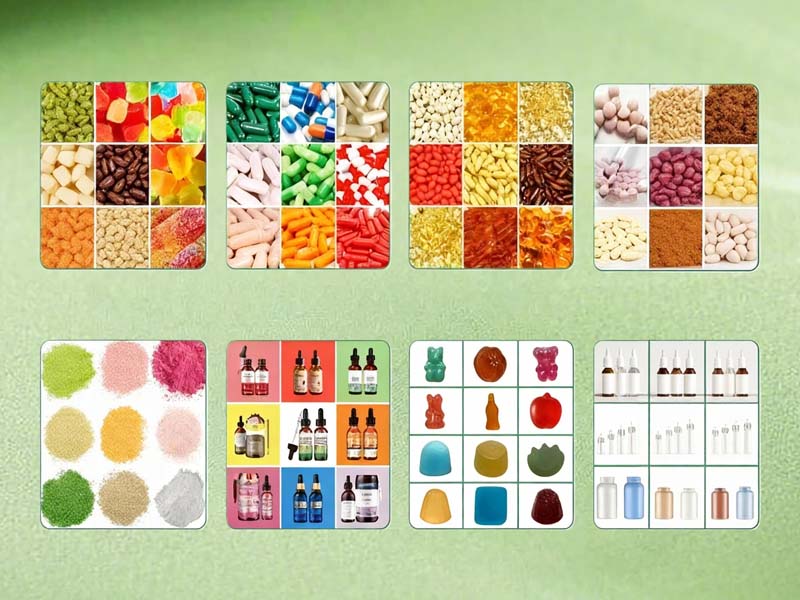
Health supplements are products designed to supplement the diet with specific nutrients or bioactives—like vitamins, minerals, herbs, amino acids, and probiotics—in forms such as capsules, powders, liquids, or gummies. They support health by filling nutritional gaps, enhancing bodily functions (e.g., immunity, cognition), and providing targeted benefits without being classified as drugs.
Health supplements occupy a unique niche between food and medicine. Under the U.S. Dietary Supplement Health and Education Act (DSHEA), they are regulated as “dietary supplements,” meaning manufacturers are responsible for ensuring safety and accuracy of labeling but do not require pre-market FDA approval. This framework allows rapid innovation yet demands rigorous internal quality controls.
Definition & Scope
- Dietary Role: Unlike pharmaceuticals, which treat or cure diseases, supplements aim to complement the diet.
- Forms Available: Pills, capsules, powders, liquids, gummies, effervescent tablets, and even transdermal patches.
- Function vs. Nutrition: Some supplements focus on general nutrition (multivitamins), while others target specific functions (e.g., L-theanine for calm).
Ingredient Categories
| Category | Examples | Primary Benefits |
|---|---|---|
| Vitamins & Minerals | Vitamin D, B12, Iron, Zinc | Immune support, energy metabolism |
| Botanicals | Turmeric, Ashwagandha, Ginkgo | Anti-inflammatory, stress relief |
| Amino Acids | BCAAs, L-Glutamine | Muscle recovery, gut health |
| Probiotics | Lactobacillus, Bifidobacterium | Digestive balance, immune modulation |
| Specialty Nutrients | Omega-3, CoQ10, Collagen Peptides | Heart health, antioxidant support, skin |
Regulatory Landscape
- U.S.: Manufacturers ensure GMP compliance; FDA inspects facilities post-market.
- EU: Novel Food regulation for new ingredients; EFSA evaluates health claims.
- Asia: Diverse frameworks (TGA in Australia, CFDA in China, ASEAN Harmonized Guidelines).
Why They Matter
Modern diets often lack diversity—soil depletion, processed foods, and busy lifestyles create gaps. Supplements can bridge these, but quality matters: look for third-party tested products (USP, NSF), transparent labels, and reputable manufacturers like Zoxizo, which offers full OEM/ODM services from formulation through packaging.
Which Types of Supplements Are Most Popular Today?
The market’s top supplements include multivitamins for broad nutrient support, probiotics for gut health, vitamin D for bone and immune function, omega-3 fish oil for heart and brain, collagen peptides for skin and joint health, protein powders for muscle repair, adaptogens like ashwagandha for stress resilience, and sleep aids (magnesium, melatonin) for restorative rest.
Multivitamins: The All-In-One Safety Net
Multivitamins remain the bestselling category, accounting for over 20% of U.S. supplement sales. They provide a baseline of essential micronutrients—vitamins A, C, D, E, K, B-complex, iron, zinc—and help guard against common deficiencies. Yet, research is mixed: some studies show reduced cancer risk; others find negligible effects in well-nourished populations. Brands often differentiate via forms (e.g., methylated B12), add-ons (probiotics), or high-potency formulas for seniors.
Probiotics & Gut Health Formulations
Probiotics surged 35% in Google search interest over the past five years. Strain-specific data—such as Lactobacillus rhamnosus GG reducing antibiotic-associated diarrhea—drives premium positioning. Symbiotic blends (probiotics + prebiotics) improve colonization and digestive resilience. However, survival through stomach acid and viability numbers (CFU count) vary by delivery technology.
Vitamin D: From Bone Health to Immunity
Almost 41% of adults worldwide are vitamin D deficient, fueling global demand. Its role extends beyond calcium absorption to immune modulation—e.g., 2,000 IU/day linked to reduced respiratory infections. Formulators choose D3 (cholecalciferol) for superior potency and often combine with magnesium to optimize metabolic activation.
Omega-3 Fish Oil & Marine Nutraceuticals
Omega-3’s cardioprotective benefits—1 g EPA/DHA daily reducing triglycerides by up to 30%—are clinically established. Concerns over purity (PCBs, heavy metals) have driven molecular distillation and third-party certification. Alternative vegan algal oils address sustainability and dietary restrictions.
Collagen Peptides & Beauty-From-Within
The ingestible beauty market is projected to hit \$6.5 billion by 2027. Collagen peptides—hydrolyzed for absorption—show improved skin elasticity and hydration after 8 weeks at 2.5 g/day. Brands often blend with hyaluronic acid, vitamin C, and biotin for synergistic effects.
Adaptogens & Stress Support
Adaptogens like ashwagandha, rhodiola, and holy basil promise HPA-axis modulation. Clinical trials—e.g., 300 mg ashwagandha reducing cortisol by 27%—underpin premium formulas. Yet, batch variability and standardization (withanolide content) remain challenges.
Sleep Aids: Magnesium, Melatonin, and Beyond
Chronic insomnia affects 30% of adults. Magnesium glycinate (200–400 mg) and melatonin (1–3 mg) combinations improve sleep onset and quality in trials, with fewer next-day grogginess compared to sedatives. Emerging botanicals (valerian root, lemon balm) offer gentle alternatives.
How Do Health Supplements Work in the Body?
Supplements deliver concentrated nutrients or bioacts that the body may lack or need in greater amounts. They act by replenishing deficiencies (e.g., B12 for vegans), modulating metabolic or immune pathways (e.g., vitamin D’s role in T-cell activation), enhancing bioavailability through combined compounds (piperine + curcumin), and providing targeted functional support (e.g., probiotics restoring microbiome balance).
Replenishing Nutrient Gaps
Modern diets often lack micronutrient density. For instance, serum 25(OH)D tests reveal widespread vitamin D insufficiency, impairing calcium homeostasis. Similarly, plant-based diets can lead to B12 deficits—critical for red blood cell formation and nerve health.
Modulating Biochemical Pathways
- Vitamin D upregulates antimicrobial peptides in respiratory epithelium, reducing infection risk.
- Omega-3 fatty acids incorporate into cell membranes, altering eicosanoid production toward anti-inflammatory mediators.
- Magnesium is a cofactor for over 300 enzyme systems, including those that regulate neurotransmitter release and muscle function.
Enhancing Bioavailability
Many botanicals suffer from poor absorption. Curcumin, for example, has sub-1% oral bioavailability. By co-administering with piperine, absorption can increase up to 2,000%. Liposomal encapsulation and nanoparticle carriers further optimize delivery for chemicals like resveratrol or CoQ10.
Synergy and Balanced Formulas
Combining actives can produce additive or synergistic effects:
- Calcium + Vitamin D3 for bone health.
- Probiotic strains + Prebiotic fibers to foster growth of beneficial microbiota.
- Adaptogen blends balancing HPA axis responses, rather than single-herb formulas that may provoke overstimulation.
Timing, Dosage, & Personalized Protocols
- Split dosing of water-soluble vitamins ensures sustained plasma levels.
- Timing of certain minerals (magnesium before bed) optimizes sleep support.
- Personalization based on nutrigenomic or metabolomic testing is an emerging frontier—tailoring potencies to individual genetic profiles.
Do Health Supplements Really Deliver Benefits?
Yes,when backed by quality ingredients, effective dosages, and proper delivery systems, supplements can deliver measurable benefits. Robust clinical trials validate fish oil for heart health, folic acid for neural tube defect prevention, and probiotics for IBS symptom relief. However, poor-quality products or sub-therapeutic dosages often underdeliver, highlighting the importance of manufacturer credibility and third-party testing.
Evidence-Based Efficacy
- Omega-3 (EPA/DHA): Meta-analysis of 21 trials shows 26% reduction in triglycerides.
- Folic Acid: 0.4–0.8 mg/day reduces neural tube defects by 70%.
- Probiotics: Specific strains like Lactobacillus rhamnosus GG reduce pediatric diarrhea duration by 24 hours.
Anecdotal vs. Clinical Data
Many supplement websites rely heavily on testimonials: “I lost 10 lbs in two weeks!” While compelling, randomized, placebo-controlled trials remain the gold standard. Brands that publish whitepapers or reference peer-reviewed studies on dosage and outcomes earn consumer trust.
Quality and Potency Issues
A study in JAMA (2018) found 1/3 of tested supplements contained less of the active ingredient than labeled. This underlines the necessity of Certificate of Analysis (COA) documentation and adherence to Good Manufacturing Practices (GMP). Zoxizo’s in-house QC lab runs HPLC and GC-MS testing on every batch to guarantee label accuracy.
Safety and Adverse Events
Supplements are generally safe when dosed correctly. However:
- High Vitamin A (>10,000 IU/day) can cause toxicity.
- St. John’s Wort interacts with numerous medications.
- Unregulated herbal extracts sometimes carry heavy-metal contamination.
Transparent labeling, third-party authentication (USP, NSF), and professional manufacturing standards mitigate these risks.
Consumer Perception & Long-Term Use
Surveys show 75% of regular users believe supplements improve their health. Long-term adherence—often tied to perceived benefits like better sleep or energy—drives sustained sales. Brands that educate via blogs, videos, and infographics help consumers understand realistic timelines and expected outcomes.
Who Needs Health Supplements and When?
Health supplements benefit anyone whose diet, lifestyle, or physiology creates gaps in essential nutrients or functional support. This includes vegans lacking B12 and iron, seniors with reduced absorption of vitamin D and calcium, athletes with heightened protein and electrolyte demands, pregnant women needing folate and iron, and individuals under chronic stress requiring adaptogens or magnesium for sleep and mood regulation.
Vegans, Vegetarians & Specialized Diets
- Nutrient Gaps: Plant-based eaters often lack vitamin B12 (only in animal foods), bioavailable iron, and long-chain omega-3s (EPA/DHA).
- Recommended Supplements:
- Methylcobalamin B12: 250–500 μg/day for neurological health.
- Iron Bisglycinate: 18 mg/day, less gastrointestinal discomfort.
- Algal Omega-3: 250 mg EPA/DHA per day to support cardiovascular and cognitive function.
Seniors & Age-Related Deficiencies
- Physiological Changes: Reduced stomach acid impairs B12 absorption; skin synthesis of vitamin D wanes; bone density declines with age.
- Key Supplements:
- Vitamin D3 (2,000 IU/day): Supports calcium absorption, immune function, and mood stabilization.
- Calcium Citrate (500 mg twice daily): More soluble than carbonate for older adults.
- Methylated B12 & Folate: 1,000 μg B12 + 400 μg folate helps prevent anemia and cognitive decline.
Athletes & Active Lifestyles
- Increased Needs: Strenuous exercise depletes amino acids, antioxidants, and electrolytes faster than a standard diet can replace.
- Suggested Regimen:
- Whey Protein Isolate: 20–30 g post-workout to stimulate muscle protein synthesis.
- Branched-Chain Amino Acids (BCAAs): 5–10 g pre- or intra-workout to reduce muscle breakdown.
- Electrolyte Blend: 300 mg magnesium, 200 mg sodium, 100 mg potassium per serving to prevent cramps and support hydration.
Pregnant & Lactating Women
- Elevated Requirements: Fetal development demands higher folate, iron, iodine, and DHA for neurodevelopment.
- Core Prenatal Supplements:
- Folic Acid: 600 μg/day before conception through first trimester to prevent neural tube defects.
- Iron (27 mg/day): Supports increased blood volume and prevents maternal anemia.
- DHA (200–300 mg/day): Critical for retinal and brain development.
Chronic Stress, Poor Sleep & Cognitive Demands
- Lifestyle Pressures: High-stress jobs and digital overload lead to magnesium depletion and disrupted neurotransmitter balance.
- Evidence-Backed Support:
- Magnesium Glycinate (200–400 mg at night): Promotes relaxation and improves sleep quality.
- Ashwagandha (300 mg twice daily): Lowers cortisol by \~27% in 60 days, reducing perceived stress.
- L-Theanine (100–200 mg): Enhances alpha brain waves, supports calm focus.
Population Segments & Needs
| Segment | Common Gaps | Recommended Supplements |
|---|---|---|
| Vegans/Vegetarians | B12, Iron, Omega-3 | B12 methylcobalamin, algae oil |
| Seniors (65+) | D, B12, Calcium | D3, methyl B12, calcium citrate |
| Athletes | Protein, Electrolytes | Whey isolate, BCAAs, magnesium |
| Pregnant Women | Folic Acid, Iron | Prenatal multivitamin |
| GI Disorders (IBS) | Probiotics, Enzymes | L. rhamnosus GG, bromelain |
Professional Guidance
Registered Dietitians (RDs) and Nutritionists can tailor supplement regimens, preventing redundant or conflicting nutrients. Brands like Zoxizo offer partnership with in-house nutrition experts to design compliant, targeted formulas.
Which Quality Factors Matter Most?
Key quality indicators are GMP certification, third-party testing (USP, NSF), transparent labels listing active ingredients with milligram dosages, COA availability, and clean facilities. Avoid “proprietary blends” hiding actual amounts. High-quality manufacturing, such as Zoxizo’s FDA-registered, ISO-certified plant, ensures consistency, purity, and consumer trust.
GMP & Facility Audits
- GMP Compliance: Ensures standardized processes, from raw material receipt to final packaging.
- ISO 22000 / FSSC 22000: Food safety system standards applicable to supplements.
Third-Party Testing & Certifications
- USP Verified / NSF Certified: Tests for potency and contaminants like heavy metals, microbes.
- Informed-Sport / BSCG Certified Drug Free: Crucial for athlete supplements.
Label Transparency
| Label Element | What to Look For |
|---|---|
| Active Ingredients | Exact mg per serving, not just blend |
| Inactive Ingredients | Minimal fillers, avoid magnesium stearate if possible |
| Expiration Date | Clearly printed, with batch codes |
| Country of Origin | Indicates supply chain transparency |
Avoiding Proprietary Blends
Proprietary blends often hide sub-therapeutic dosages. Always prefer labels that specify ingredient amounts individually.
Packaging & Shelf Stability
Opaque, airtight containers and blister packs protect photosensitive ingredients (e.g., vitamin A). Zoxizo tests stability under accelerated conditions (40 °C, 75% RH) for 6 months.
How Can Brands Partner with a Trusted Manufacturer?
Brands partner with Zoxizo for full-service OEM/ODM—from custom formulation and rapid prototyping to packaging design, regulatory filing, and global logistics. Low MOQs (500–1,000 units), flexible labeling, and turnkey turnkey support let startups and established brands accelerate product launches without compromising quality.
Shenzhen-Based, GMP/FDA-Certified Facility
- Annual Capacity: 50 million capsules; 30 million gummies; 10 million sachets.
- QC Labs: In-house HPLC, GC-MS, microbiology, heavy metal analysis.
OEM/ODM Services & Low MOQs
- Custom Formulation: 0→1 bespoke blends or white-label from 100+ proven formulas.
- Rapid Sampling: 5–7 day prototype turnaround.
- MOQ Structure: 500 units for labels-only; 1,000 units for custom formulas.
Regulatory & Compliance Support
- Document Prep: FDA registration, Supplement Facts label, EFSA claim dossier.
- Export Filing: COA, MSDS, phytosanitary certificates for EU, US, Australia.
Packaging & Design Integration
- End-to-End: Label design, dieline testing, print-ready AI/PSD, 3D mockups for marketing.
- Sustainability: Recyclable PET, biodegradable sachets.
Logistics & Fulfillment
- FBA-Ready: FNSKU labeling, expiration stamping, palletization per Amazon guides.
- Global Reach: DHL, UPS, sea freight to major markets; in-house customs brokerage.
Conclusion
You now have a comprehensive understanding of what health supplements are, which types dominate the market, how they work, their real-world benefits, who needs them, and the quality factors that separate winners from the also-rans. If you’re a brand owner or entrepreneur eager to launch or expand a premium supplement line—complete with custom formulations, top-tier quality assurance, and turnkey OEM/ODM support—Zoxizo is your strategic partner.
Ready to create a standout supplement product? Contact Zoxizo today for a personalized consultation and quote. Let us help you transform consumer insights into science-backed, market-ready products that build trust and drive growth.