Skip to content
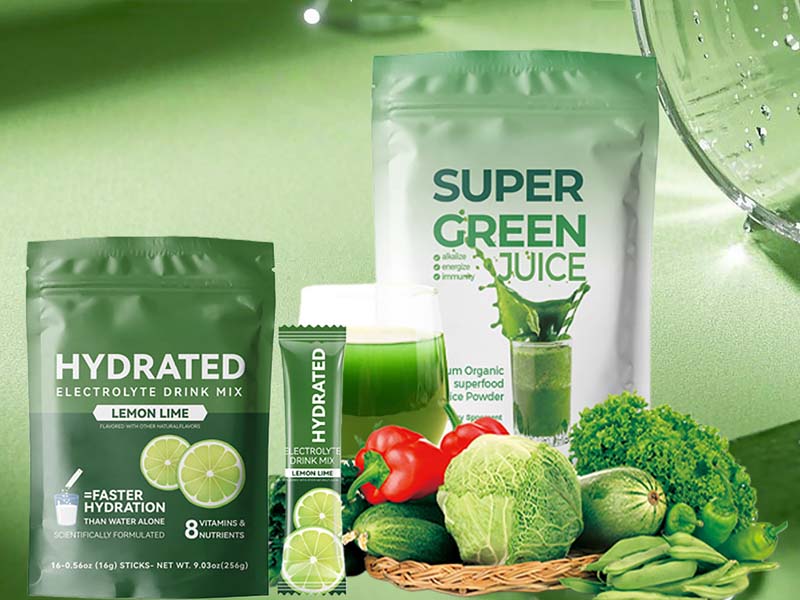
Dietary supplements are everywhere — from Instagram stories and TikTok ads to shelves in pharmacies and Amazon storefronts. But with so many options, labels, scientific claims, and price points, it can feel overwhelming: do supplements really help, who should use them, and how can you avoid wasting money or risking your health? Let’s cut through the noise.
Dietary supplements can offer real benefits in filling nutritional gaps, supporting immune health, boosting bone strength, enhancing mental focus, and assisting with aging. When selected properly — with evidence, dosage, safety, and purity in mind — supplements complement diet and lifestyle in ways whole foods alone may not. (This summary directly answers the question: What are the benefits of dietary supplements?)
Picture this: Maria, a 45-year-old working mom with little sun, poor sleep, and high stress, starts taking vitamin D, magnesium, and a standardized herbal adaptogen. Six months later, fewer colds, better sleep, less muscle pain. She didn’t overhaul her meals; she filled gaps the right way. If you’ve ever felt tired, wondered if your diet is “good enough,” or considered supplementation but felt confused — you’re not alone. By the end of this article, you’ll know exactly what supplements might help you, when to use them, and how to pick reliable products (so you avoid shady screens or wasted money).
What are Dietary Supplements?
Dietary supplements are products designed to complement your diet by delivering concentrated amounts of vitamins, minerals, herbs, amino acids, probiotics, or other bioactive compounds in formats like capsules, tablets, powders, gummies, or liquids. They help fill nutritional gaps, support specific health needs, and are regulated under specific national frameworks to ensure quality, safety, and labeling standards.
Definition, Scope & Regulatory Context
Dietary supplements sit at the intersection of nutrition, medicine, and consumer wellness. Unlike conventional foods that provide calories and macronutrients for energy and growth, supplements offer targeted, concentrated bioactive substances intended to support specific health goals — immune support, bone density, cognitive performance, stress resilience, and more.
Globally, definitions vary:
- United States: Under the Dietary Supplement Health and Education Act (DSHEA, 1994), a dietary supplement is a product taken by mouth containing a “dietary ingredient” intended to supplement the diet, including vitamins, minerals, herbs/botanicals, amino acids, and enzymes.
- European Union: Often referred to as Food Supplements, regulated under Directive 2002/46/EC, requiring standardized labeling and approved health claims by EFSA (European Food Safety Authority).
- Asia & Middle East: Countries like China, Japan, UAE often have overlapping categories like health food or functional foods, each with specific approval processes, labeling requirements, and claims regulation.
Despite differences in terminology, all share one principle: Supplements are not drugs — they cannot legally claim to treat, cure, or prevent diseases unless approved under separate pharmaceutical regulations.
Types & Formats
Dietary supplements come in multiple dosage forms designed for consumer convenience and product stability:
| Format | Examples | Advantages | Considerations |
|---|---|---|---|
| Capsules/Tablets | Multivitamins, Vitamin D3, Iron | Long shelf life, precise dosing | May be harder to swallow for some people |
| Powders | Electrolytes, Collagen, Protein blends | Flexible dosing, easy mixing | Risk of clumping, needs measuring tools |
| Gummies/Chewables | Kids’ vitamins, Biotin, Fiber supplements | Palatable, higher compliance | Added sugars, lower dose per serving |
| Liquids/Tinctures | Herbal extracts, Probiotics, Omega-3 oils | Faster absorption, customizable | Shorter shelf life, requires preservatives |
| Softgels | Fish oil, CoQ10, Vitamin E | Protects oils from oxidation, easy to swallow | Higher production cost |
Ingredients & Functional Categories
Dietary supplements cover a broad range of ingredient classes, often grouped by health function:
- Vitamins & Minerals – e.g., Vitamin D, Calcium, Magnesium, Zinc
- Herbal & Botanical Extracts – e.g., Ginseng, Ashwagandha, Turmeric (Curcumin)
- Amino Acids & Proteins – e.g., Collagen, Creatine, BCAAs
- Probiotics & Prebiotics – e.g., Lactobacillus strains, Inulin fiber
- Functional Compounds – e.g., Coenzyme Q10, Omega-3 EPA/DHA, L-Theanine
These ingredients may support:
- Immunity: Vitamin C, Zinc, Elderberry
- Bone & Joint Health: Calcium, Vitamin D3, Collagen
- Cognitive Function: Omega-3 DHA, Ginkgo Biloba
- Metabolism & Weight Management: Green Tea Extract, CLA, Probiotics
- Anti-Aging & Skin Health: Collagen Peptides, Hyaluronic Acid
Food Supplement vs Dietary Supplement
While sometimes used interchangeably, Food Supplement (common in Europe) and Dietary Supplement (used in the U.S.) differ mainly in regulatory scope and labeling:
| Aspect | Food Supplement (EU) | Dietary Supplement (US) |
|---|---|---|
| Legal Terminology | Directive 2002/46/EC | DSHEA, 1994 |
| Health Claims Regulation | EFSA Authorization | FDA Structure/Function claims allowed |
| Labeling Requirements | Nutritional Information Panel | Supplement Facts Panel |
| Market Examples | Fortified foods, vitamin capsules | Multivitamins, herbal extracts, probiotics |
For international brands like those in cross-border e-commerce (Amazon, Shopify), understanding these differences avoids customs delays, label rejections, or compliance penalties.
Advantages & Disadvantages
| Advantages | Disadvantages |
|---|---|
| Addresses nutrient deficiencies | Risk of overdose/toxicity if misused |
| Supports specific health goals (e.g., bone, immune) | Variable quality across brands |
| Convenient dosing for busy lifestyles | Potential drug–nutrient interactions |
| Evidence-based products improve outcomes | Overpromising claims in unregulated markets |
| Expands product portfolios for brands & retailers | Complex regulatory requirements per market |
Which supplements have proven benefits?

Supplements with the strongest evidence include vitamin D for immunity and bone health, omega-3 fatty acids for heart and brain function, folate for pregnancy, iron for anemia prevention, calcium + vitamin D for bone density, probiotics for gut health, magnesium for stress and sleep, and zinc for immunity. Clinical research supports these ingredients when taken at proper dosages, in high-quality forms, and matched to individual needs.
Vitamin D3: The Sunshine Vitamin
Vitamin D3 plays a vital role in bone health, immune function, and muscle performance. Studies, including large meta-analyses in The Lancet and BMJ, confirm that supplementing 1000–2000 IU/day can reduce respiratory infections by 20% and support bone density in people with low vitamin D status. For brands, offering vitamin D3 in oil-based softgels or microencapsulated forms enhances stability, bioavailability, and consumer trust.
Omega-3 Fatty Acids (EPA/DHA)
Omega-3 fatty acids, particularly EPA and DHA, have strong clinical evidence for lowering triglycerides, supporting cardiovascular health, and improving cognitive function. Research shows 500–2000 mg/day can significantly reduce heart disease risk factors and inflammation. Brands seeking clean-label certifications often source IFOS-certified fish oil or algae-based omega-3 for vegan markets, emphasizing oxidation control and purity to meet international quality standards.
Folate (Folic Acid) for Pregnancy
Folate, or folic acid, is essential for fetal neural tube development, with WHO and CDC recommending 400–800 mcg/day for women of childbearing age. Studies show supplementation reduces neural tube defect risk by up to 70%, making it a core prenatal product worldwide. Brands often choose L-methylfolate, the bioactive form, for higher absorption and broader consumer acceptance in prenatal health formulations.
Iron for Anemia Prevention
Iron deficiency anemia affects over 1.6 billion people globally, causing fatigue, reduced immunity, and impaired cognitive performance. Clinical data shows iron supplementation effectively improves hemoglobin levels and energy, particularly in women and children. Brands increasingly use microencapsulated iron to minimize gastrointestinal discomfort, ensuring better compliance and expanding appeal in functional nutrition markets.
Calcium + Vitamin D for Bone Health
Combining calcium with vitamin D supports bone mineral density and reduces fracture risk in aging populations. Meta-analyses reveal that 1000–1200 mg calcium plus vitamin D3 daily can reduce fracture risk by 15%. High-quality products use calcium citrate or hydroxyapatite for better absorption and pair with vitamin D3 to ensure synergistic effects, especially in women over 50 and seniors.
Probiotics for Gut & Immunity
Probiotics are supported by strain-specific evidence for digestive health, immunity, and even mood regulation. Lactobacillus rhamnosus GG, for example, prevents antibiotic-associated diarrhea, while Bifidobacterium strains benefit IBS sufferers. Brands focusing on probiotics must prioritize freeze-drying technology and moisture-protective packaging to maintain CFU stability, ensuring efficacy throughout the product’s shelf life.
Magnesium for Stress & Sleep
Magnesium supplementation has been shown to improve sleep quality, muscle recovery, and stress resilience. Research indicates 200–400 mg/day of magnesium glycinate or citrate can reduce mild anxiety and enhance relaxation without causing digestive discomfort. For supplement brands, positioning magnesium as part of stress-management or sleep-support lines aligns with growing consumer demand for mental wellness solutions.
Zinc for Immunity & Recovery
Zinc supports immune cell development, wound healing, and sensory functions like taste and smell. Clinical studies show that zinc, taken at 8–11 mg/day, can reduce cold duration if started within 24 hours of symptom onset. Supplement manufacturers typically choose zinc gluconate or zinc picolinate for better absorption while warning against excessive dosing above 40 mg/day to prevent adverse effects.
| Supplement | Primary Benefit | Key Evidence Sources | Common Dosage Range |
|---|---|---|---|
| Vitamin D3 | Bone density, immunity, muscle function | Lancet, BMJ meta-analyses | 1000–2000 IU/day for adults |
| Omega-3 (EPA/DHA) | Heart health, cognitive support, inflammation | American Heart Association, Cochrane Reviews | 500–2000 mg/day EPA+DHA |
| Folate (Folic Acid) | Neural tube defect prevention, pregnancy | WHO, CDC guidelines | 400–800 mcg/day for women of childbearing age |
| Iron | Anemia prevention, energy metabolism | WHO, JAMA meta-analyses | 18–27 mg/day (based on needs) |
| Calcium + Vitamin D | Bone density, fracture risk reduction | Cochrane Database, Endocrine Society | 1000–1200 mg calcium + vitamin D3 daily |
| Probiotics | Gut health, diarrhea prevention, immunity | EFSA-approved claims, meta-analyses | Strain-specific: 1–10 billion CFU/day |
| Magnesium | Sleep, stress, muscle function | Sleep Medicine Reviews, Nutrients journal | 200–400 mg/day (elemental magnesium) |
| Zinc | Immunity, wound healing, taste/smell function | JAMA Pediatrics, Cochrane Reviews | 8–11 mg/day (elemental zinc) |
How do supplements work in the body?
Supplements work by providing concentrated nutrients or bioactive compounds that fill dietary gaps, support biochemical pathways, and improve physiological functions. Their effects depend on factors like absorption, dosage, bioavailability, nutrient interactions, and individual health status.
1. Absorption and Bioavailability
The first step in supplement effectiveness is whether the body can absorb and utilize the active ingredient — known as bioavailability. Factors like chemical form, solubility, particle size, and delivery method all matter. For example, magnesium citrate absorbs better than magnesium oxide, and liposomal vitamin C shows higher plasma levels than conventional vitamin C tablets. Brands often use microencapsulation, chelation, or emulsification technologies to improve stability and absorption, ensuring better consumer outcomes and product reviews.
2. Dosage and Timing
Even the most bioavailable ingredient is useless without the correct dosage and timing. For instance, vitamin D should be taken with meals containing fat for optimal absorption, while iron works best on an empty stomach but may require vitamin C to improve uptake. Splitting calcium doses throughout the day rather than consuming one large dose improves retention. For supplement brands, evidence-based dosing strategies are a key differentiator in competitive markets.
3. Synergy with Diet and Lifestyle
Supplements work best when combined with balanced diets and healthy lifestyles. Omega-3 fatty acids, for instance, show greater cardiovascular benefits when taken alongside a Mediterranean-style diet rich in fruits, vegetables, and lean proteins. Likewise, probiotics thrive when paired with prebiotic fibers in the diet, creating a synergistic effect on gut health. Brands that educate consumers on lifestyle integration often build stronger loyalty and repeat sales.
4. Individual Health Factors
The same supplement can have very different effects depending on age, sex, genetics, and health conditions. Older adults often need vitamin B12 due to reduced stomach acid production; vegans require B12 and iron because they avoid animal products; people with malabsorption conditions like celiac disease may need higher doses or specific forms of nutrients. Personalized supplementation — supported by lab tests or digital health tools — is a growing trend shaping the premium supplement market.
5. Formulation and Delivery Innovations
Modern supplements use advanced delivery systems to enhance effectiveness. These include enteric-coated capsules to protect probiotics from stomach acid, sustained-release tablets for steady nutrient delivery, and liposomal or nanoemulsion technologies for fat-soluble vitamins. For B2B buyers, offering innovative delivery formats can create market differentiation and justify premium pricing, especially in competitive niches like sports nutrition or anti-aging products.
Are dietary supplements safe?

Dietary supplements are generally safe when manufactured under quality standards, taken at recommended dosages, and sourced from reputable brands. Safety concerns arise with overdosing, unregulated products, adulteration risks, or drug–nutrient interactions, making third-party testing, clear labeling, and compliance with national regulations essential for both consumers and manufacturers.
1. Regulatory Oversight and Quality Standards
The safety of dietary supplements largely depends on regulatory frameworks and manufacturing standards. In the United States, supplements fall under the Dietary Supplement Health and Education Act (DSHEA, 1994) and are regulated by the FDA for labeling, safety, and manufacturing compliance through cGMP (Current Good Manufacturing Practices). Similarly, the European Food Safety Authority (EFSA) sets strict rules for food supplements, requiring health claims to be evidence-based and pre-approved. Brands working in multiple regions often adopt ISO 22000, HACCP, or NSF/USP certification to meet global quality standards, boosting both safety and consumer trust.
2. Risks of Overdose and Toxicity
Many supplements are water-soluble (e.g., vitamin C, B-complex) and have a low risk of toxicity because excess amounts are excreted. However, fat-soluble vitamins like A, D, E, and K can accumulate in the body, causing hypervitaminosis if taken at high doses. For example, excessive vitamin A can lead to liver toxicity, while too much vitamin D can cause hypercalcemia. Iron and selenium overdoses are particularly concerning for children, making child-resistant packaging a crucial safety feature for brands targeting family markets.
3. Contamination and Adulteration Risks
Safety issues also arise from heavy metal contamination, pesticide residues, or undeclared pharmaceutical ingredients, particularly in poorly regulated markets. Cases of supplements adulterated with steroids, stimulants, or prescription drugs have led to FDA recalls in the U.S. and similar actions worldwide. To prevent such risks, reputable manufacturers conduct third-party testing for purity, potency, and contaminants, using labs certified under ISO/IEC 17025 standards. Displaying certifications like USP, NSF, or Informed-Choice on labels signals product safety and transparency to retailers and consumers.
4. Drug–Nutrient Interactions
Some supplements interact with prescription medications, affecting their absorption or metabolism. For instance, St. John’s Wort can reduce the efficacy of antidepressants and birth control pills, while vitamin K may interfere with blood thinners like warfarin. Similarly, high-dose calcium can inhibit iron absorption when taken together. Brands serving clinical or senior markets often include warning labels or educational inserts about potential interactions, minimizing liability risks and supporting informed consumer choices.
5. Importance of Proper Labeling and Consumer Education
Clear labeling is a critical safety factor. Regulatory agencies require Supplement Facts panels, ingredient lists, dosage instructions, and allergen disclosures. Some regions, like the EU, mandate health claim approvals before marketing a supplement for a specific function. Brands that invest in QR codes linking to lab test results, batch-specific Certificates of Analysis (COAs), and educational content on websites tend to build greater credibility and long-term customer loyalty.
6. Weighing Advantages and Disadvantages
| Advantages | Disadvantages / Risks |
|---|---|
| Fills nutritional gaps in the diet | Risk of overdose if misused |
| Supports targeted health goals | Potential drug–nutrient interactions |
| Backed by growing scientific evidence | Variable quality in poorly regulated markets |
| Convenient dosing for modern lifestyles | Contamination/adulteration risks if untested |
| Expanding global demand and product variety | Regulatory complexity across international markets |
How to choose the right supplements
To choose the right supplements, focus on scientific evidence, dosage accuracy, third-party testing, reputable brands, and individual health needs. Check labels for potency, purity certifications, and potential interactions with medications. For businesses, supplier quality, clinical research, and regulatory compliance are critical factors before launching or selling any product.
Start with Evidence-Based Health Goals
The first step is defining your health priorities or target customer needs. For example, vitamin D and calcium support bone health, omega-3 fatty acids benefit cardiovascular function, and probiotics improve gut health. Use meta-analyses, clinical trials, and health organization guidelines to identify ingredients backed by credible science. B2B buyers often build product portfolios around high-demand categories like immunity, cognitive support, and sports nutrition where clinical evidence and consumer awareness intersect.
Evaluate Dosage, Form, and Bioavailability
A supplement’s effectiveness depends on using the right dosage, delivery form, and bioavailable version. For instance, magnesium glycinate is better absorbed than magnesium oxide, and methylcobalamin (B12) offers improved bioavailability over cyanocobalamin. Brands seeking differentiation often use liposomal technology, sustained-release tablets, or chelated minerals to enhance absorption and consumer compliance. Reading dosage instructions ensures products meet clinically effective ranges rather than underdosed formulations marketed for profit only.
Verify Quality through Third-Party Testing
Independent certifications like USP, NSF, Informed-Choice, or ISO/IEC 17025 lab testing verify that supplements are free from contaminants like heavy metals, pesticides, or undeclared drugs. For brand owners, batch-specific Certificates of Analysis (COAs) provide traceability and legal protection. Consumers increasingly scan QR codes on labels to access lab reports, so transparency has become a key differentiator in e-commerce and retail settings.
Check Brand Reputation and Compliance
Reputable brands follow Good Manufacturing Practices (GMP), maintain transparent supply chains, and comply with FDA, EFSA, or TGA regulations depending on the market. Online reviews, industry certifications, and distributor references help verify credibility. For private-label brands, choosing cGMP-certified contract manufacturers ensures consistent product quality and minimizes regulatory risks when entering international markets.
Consider Safety, Interactions, and Allergen Information
Supplements can interact with medications or pre-existing conditions, so labels should disclose allergen warnings, dosage limits, and contraindications. For example, St. John’s Wort reduces the efficacy of antidepressants, while high-dose vitamin K may interfere with blood thinners. Brands serving clinical or senior populations often invest in pharmacist-reviewed product literature to improve safety perception and consumer trust.
Look for Sustainable and Ethical Sourcing
Modern consumers value eco-friendly packaging, fair-trade sourcing, and non-GMO or organic certifications. For instance, algae-based omega-3 appeals to vegan buyers, while sustainably harvested botanicals attract environmentally conscious consumers. Ethical sourcing also mitigates risks of supply chain disruptions and negative brand publicity.
Match Products to Target Market Demands
Choosing the right supplement isn’t only about health outcomes; it’s also about consumer lifestyle preferences. Gummies, effervescent powders, and ready-to-drink shots are popular with younger audiences, while softgels and tablets dominate clinical and senior markets. Understanding regional demand trends — like collagen in Asia or vitamin D in northern Europe — helps brands align product launches with consumer expectations.
Who benefits the most from supplementation?
People who often benefit most from dietary supplements include those with dietary gaps (vegans, restricted diets), life-stage needs (pregnancy, older age), high physical or mental stress (athletes, shift workers), or living in low-sunlight areas. Also, those with medical conditions impairing nutrient absorption.
Let’s break down key populations and contexts:
- Pregnant & breastfeeding women Nutrient demands rise (folate, iron, iodine, vitamin D). Supplements reduce risk of neural tube defects, support fetal development, and mitigate depletion from maternal stores.
- Older adults With age, absorption of vitamins like B12 declines; bone density losses accelerate; antioxidant defenses may weaken. Supplements like B12, vitamin D, calcium, possibly CoQ10 can help address these issues.
- Restricted or vegan diets Those who avoid animal products often lack B12, omega-3 DHA/EPA, iron, and sometimes zinc or iodine. Supplementation of these nutrients helps avoid long-term deficiency.
- Athletes & physically active people Increased needs for protein, electrolytes, antioxidants; risk of oxidative stress, inflammation; supplements like creatine, branched-chain amino acids (BCAAs), magnesium, and hydration formulas show benefit.
- People under stress, shift workers, low sunlight, or malabsorption conditions Individuals with poor sleep, high stress, irregular schedules may have disrupted turnover of nutrients; also those with conditions like celiac, Crohn’s, or those on certain medications may lose absorption efficiency.
Identifying where you belong helps target your supplementation to what you truly need, avoiding over-supplementing or chasing trends.
Practical tips for supplement use
Use supplements effectively by choosing trusted brands, reading labels, starting with essential core nutrients, dosing appropriately, monitoring effects, and integrating them into diet & lifestyle. Avoid stacking too many at once; adjust based on labs or feedback.
Here are actionable practices to maximize benefit and safety:
- Start with foundational nutrients Focus first on items many people are low on: vitamin D, magnesium, B vitamins (especially B12), a good multivitamin if diet is weak. Build from there toward specialized items like herbal extracts or performance enhancements.
- Read labels carefully Key items: active form (e.g., methylcobalamin vs cyanocobalamin), standardized extracts, full ingredient list, allergen warnings, serving size, expiration date, origin of ingredients, and third-party testing marks. Avoid secret blends.
- Dose smartly and schedule Some nutrients need to be taken with fat; some better morning or evening. For example, fat-soluble vitamins (A, D, E, K) with meals that contain fat. Minerals may interfere with absorption of other minerals — don’t take high iron and calcium together without spacing.
- Monitor and adjust Use lab tests (where available) for vitamin D, B12, iron, etc., plus tracking symptoms (energy, sleep, mood, digestion). If adverse effects or no improvement after expected timeframe, reconsider rationally rather than increasing dose blindly.
- Don’t overload Avoid combining many supplements at high doses without oversight. Risk of interactions, toxicity, waste. More is not always better.
- Lifestyle first Supplements support healthy eating, sleep, exercise, stress management. Without basic health habits, supplements can only do so much.
Conclusion
If you’re considering supplements, it’s worth partnering with a manufacturer who values identity, purity, scientific evidence, and transparency—because these factors make all the difference. At Zoxizo, we specialize in custom supplement design, formulating products that match your market’s needs, sourcing verified raw materials, and providing batch-level documentation and testing.
Ready to take the next step? Contact Zoxizo today for a free consultation — share your target formulation, market, and volume, and we’ll help design a custom product plan tailored to your audience, evidence, and safety standards. Your success starts with ingredients you can trust.