Skip to content
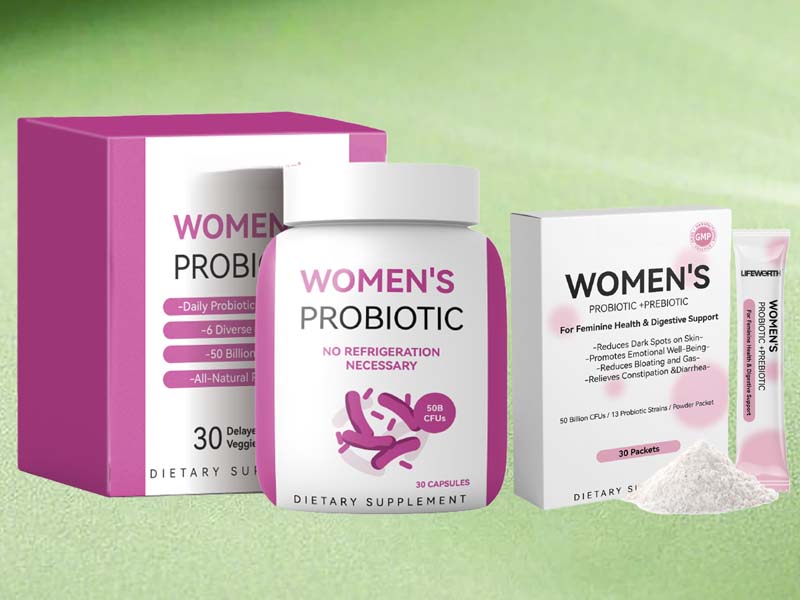
If your customers ask, “Do supplements actually help, and which ones are safe?”, they’re not alone. The global market is crowded with capsules, gummies, powders, and drops—some excellent, some overhyped. You’re about to get a clear, practical answer that you can act on, whether you’re a brand owner, a retailer, or an e-commerce entrepreneur scaling a product line.
A dietary supplement is an ingestible product—such as a vitamin, mineral, botanical, amino acid, probiotic, or other substance—meant to supplement the diet, not treat or cure disease. Sold as capsules, tablets, gummies, powders, or liquids, supplements carry “Supplement Facts” panels and must follow good manufacturing practices (cGMP). Quality varies, so look for third-party testing, evidence-based dosages, and appropriate use for the consumer’s age, diet, health status, and medications.
Picture a first-time buyer comparing a $9 multivitamin to a $39 one. The cheaper label looks loud; the pricier one lists standardized extracts and shows a QR code for batch COA. Which wins long-term loyalty? The brand that proves safety, quality, and honest efficacy—backed by transparent manufacturing. In the guide below, we’ll cut through jargon, show you how to vet products, and share practical frameworks our Shenzhen team uses when helping clients build winning SKUs. Stay with me—you’ll leave with checklists you can deploy this week.
What is a dietary supplement?

A dietary supplement is a product taken orally—in capsules, tablets, powders, gummies, or liquids—designed to add specific nutrients, bioactive compounds, or functional ingredients to the diet. Unlike conventional foods, which provide calories and macronutrients for energy and growth, supplements typically supply targeted vitamins, minerals, amino acids, botanicals, probiotics, or specialty ingredients that may be missing or insufficient in regular diets.
A dietary supplement is an ingestible product formulated to supplement the normal diet with specific nutrients or bioactive compounds. It cannot legally claim to treat or cure diseases but may support health structure and function, fill nutritional gaps, or deliver functional benefits like improved energy, immunity, or cognitive support when backed by appropriate evidence.
1. Purpose and Role in Modern Diets
Today’s diets vary greatly by geography, lifestyle, and cultural patterns. Supplements address several common scenarios:
- Deficiency correction: Example: Vitamin D in low-sunlight regions, iron for anemia-prone groups.
- Dietary gaps: Vegans often lack B12, omega-3 DHA/EPA, and iodine; athletes may need electrolytes, creatine, or higher protein intake.
- Life-stage support: Prenatal vitamins for pregnancy, calcium/vitamin D for seniors, DHA for infant brain development.
- Functional or performance goals: Stress-adaptogen blends, joint-support botanicals, or nootropics for cognitive focus.
Instead of a one-size-fits-all approach, reputable brands now target precise use cases, supported by ingredient standardization and clinical dosing studies to build consumer trust.
2. Common Ingredient Categories
| Category | Examples | Typical Purpose |
|---|---|---|
| Vitamins | A, C, D, E, K, B-complex | Immunity, energy, bone health |
| Minerals | Iron, calcium, magnesium, zinc, selenium | Metabolism, bone, enzyme co-factors |
| Botanicals | Ashwagandha, turmeric, ginseng, echinacea | Adaptogens, anti-inflammatory, immune |
| Probiotics | Lactobacillus, Bifidobacterium strains | Gut and immune health |
| Omega-3s | EPA, DHA (fish oil, algal oil) | Heart, brain, anti-inflammatory support |
| Amino Acids | BCAAs, glutamine, L-theanine | Sports recovery, stress resilience |
| Specialty | CoQ10, collagen peptides, NAC | Cellular energy, skin health, detox |
High-quality suppliers always disclose ingredient sources, standardization levels, and clinical study references to support claims.
3. Forms and Why They Matter
Each dosage form offers unique benefits and limitations:
Capsules/Tablets:
- Pros: Stable, cost-effective, precise dosing, easy scalability for manufacturing.
- Cons: Limited room for very large dosages (e.g., protein, electrolytes).
Powders/Stick Packs:
- Pros: Ideal for sports nutrition, customizable flavors, high-dose capacity.
- Cons: Taste masking, moisture sensitivity, requires good packaging.
Gummies/Chews:
- Pros: High compliance, kid- and senior-friendly, lifestyle branding appeal.
- Cons: Limited potency space, risk of added sugars.
Liquids/Droppers:
- Pros: Fast-absorption perception, easy for pediatric or geriatric use.
- Cons: Stability challenges (light, oxygen, microbial risk).
4. Regulatory Classification
- Food vs. Drug: Supplements are regulated as foods in most jurisdictions (e.g., under DSHEA in the U.S., EFSA in Europe), not as pharmaceuticals.
- Labeling Rules:
- Must include “Supplement Facts” (not “Drug Facts”).
- Structure/function claims allowed (“supports immune health”); disease claims forbidden (“treats COVID-19”).
- FDA/FTC in the U.S., EFSA in the EU, and SFDA in China regulate labeling and advertising claims differently.
- Certifications: cGMP, ISO22000, HACCP, Halal/Kosher, Organic, NSF Certified for Sport depending on market needs.
5. How They Differ from Fortified Foods
| Feature | Supplements | Fortified Foods (e.g., cereals) | Drugs |
|---|---|---|---|
| Regulatory Category | Food (special subset) | Food | Drug |
| Pre-market Approval | No | No | Yes |
| Label Panel | Supplement Facts | Nutrition Facts | Drug Facts |
| Claims Allowed | Structure/function | Nutrient content | Disease treatment |
| Efficacy Proof Requirement | Not pre-market | Not pre-market | Required before sale |
6. Industry Perspective for Brands & Sellers
From a B2B manufacturing viewpoint:
- Brands must balance science, safety, compliance, and marketing.
- Amazon, Shopify, and EU marketplaces now demand COAs, GMP docs, and stability data to avoid product takedowns.
- Smart players invest in clinical evidence and traceable supply chains to differentiate from generic private-label sellers.
For example, a U.S. Amazon brand sourcing from our Shenzhen facility scaled sales 3X after adding QR-coded batch CoAs, Halal certification, and third-party testing seals to product pages. Consumers trust transparency and compliance as much as price or flavor.
How are dietary supplements regulated?
Dietary supplements are regulated primarily as foods, not drugs, under frameworks such as DSHEA (U.S.), EFSA (Europe), or SAMR (China). They must follow current Good Manufacturing Practices (cGMP), use truthful labeling, and avoid disease treatment claims. Regulators require post-market safety reporting, while quality assurance relies on manufacturer testing, third-party certifications, and clear documentation for import/export compliance.
1. Global Regulatory Landscape
Unlike pharmaceuticals, supplements have no pre-market approval requirement in most regions. However, brands must comply with ingredient, labeling, safety, and advertising regulations before going to market.
| Region/Body | Key Regulation / Authority | Major Requirements |
|---|---|---|
| U.S. (FDA + FTC) | DSHEA (1994), cGMP 21 CFR 111, FTC advertising rules | Labeling accuracy, cGMP compliance, adverse event reporting, claim substantiation |
| Europe (EFSA) | EU Food Supplements Directive, Novel Foods Regulation | Authorized health claims only, ingredient safety dossiers, multilingual labeling |
| China (SAMR) | “Blue Hat” registration for health foods | Pre-approval for functional claims, strict import labeling rules |
| GCC / Middle East | SFDA (Saudi), UAE Ministry of Health | Halal certification, Arabic labeling, import registration |
| Australia (TGA) | Therapeutic Goods Administration (Complementary Medicines) | Pre-market listing, GMP compliance, evidence-based claims |
Example:
A collagen powder exported from China to Germany must comply with EU nutrition labeling, EFSA authorized health claims, and novel food approvals if it contains new peptide forms. For the U.S., the same product only requires cGMP compliance, Supplement Facts labeling, and serious adverse event reporting post-market.
2. Current Good Manufacturing Practices (cGMP)
cGMP is the quality backbone for supplements in the U.S. (21 CFR 111) and has equivalents globally (e.g., ISO 22000, FSSC 22000).
Core Elements of cGMP:
- Raw Material Controls:
- Supplier qualification, incoming COA verification, heavy metal & microbial testing.
- Production Standards:
- Identity & potency testing for each batch, validated mixing & encapsulation processes.
- In-Process Controls:
- Blend uniformity, tablet weight checks, capsule fill consistency, visual inspections.
- Finished Product Testing:
- Potency, stability, micro, heavy metals, pesticides, residual solvents, allergens.
- Documentation & Traceability:
- Batch records, deviation logs, recall SOPs, corrective/preventive actions (CAPA).
- Personnel Training:
- Hygiene, cross-contamination prevention, SOP adherence, GMP certifications.
3. Labeling & Claims Regulations
Regulators classify claims into three major groups:
| Claim Type | Example | Legal Requirement |
|---|---|---|
| Nutrient Content | “Excellent source of vitamin C” | Must meet %DV thresholds |
| Structure/Function | “Supports immune health” | FDA disclaimer required |
| Health/Disease | “Prevents osteoporosis” | Prohibited unless drug-approved |
Mandatory Label Elements:
- Supplement Facts panel with serving size, ingredients, %DV, and amounts per serving.
- Manufacturer/distributor name & address for traceability.
- Allergen disclosures (e.g., soy, gluten, shellfish).
- Country of origin for imports/exports.
- Expiration date or lot code for quality tracking.
Common Import/Export Pain Points:
- EU requires multilingual labels (e.g., German + French + Italian).
- Gulf countries require Arabic translations + Halal seals.
- China requires SAMR-compliant Chinese labels even for cross-border e-commerce.
4. Third-Party Certifications for Quality & Market Access
Third-party seals improve consumer trust and sometimes enable market entry for retailers or e-commerce platforms:
| Certification | What It Covers | Required For / Markets |
|---|---|---|
| USP Verified | Identity, potency, purity, GMP | U.S. retail credibility, export docs |
| NSF / NSF Sport | Contaminants, banned substances | Sports nutrition, anti-doping trust |
| Informed Choice/Sport | WADA banned substance screening | EU & UK athletes, sports teams |
| Organic / USDA / EU | Organic sourcing, processing | U.S., EU organic-labeled products |
| Halal / Kosher | Religious compliance | GCC, Middle East, Jewish markets |
| Non-GMO Project | GMO-free verification | Clean-label consumers, EU exports |
| ISO 22000 / FSSC 22000 | Food safety management systems | Global manufacturing credibility |
Case Example:
A U.S. Amazon brand selling plant-based protein needed Non-GMO, Vegan, and NSF certifications to access Whole Foods Market and avoid ad account suspensions due to “unverified claims.”
5. Adverse Event Reporting & Post-Market Surveillance
- U.S.: Serious Adverse Events (SAEs) must be reported to the FDA within 15 business days.
- EU: Member states coordinate through RASFF (Rapid Alert System for Food and Feed) for recalls.
- China: Blue Hat registered products require periodic safety reporting to SAMR.
- GCC: Local distributors must maintain recall SOPs for customs clearance renewals.
6. Cross-Border E-Commerce Compliance
Platforms like Amazon, Shopify, Tmall Global impose additional rules:
- Amazon U.S.: COA from ISO 17025 labs, GMP certificate, and FBA labeling rules.
- EU Amazon: EFSA-compliant claims, multilingual labels, and no disease claims in listings.
- GCC e-commerce: Arabic labels + Halal documents mandatory for customs clearance.
- China CBEC (Cross-Border E-Commerce): Requires Chinese electronic labels + product registration or filing.
Common Mistake:
Many new brands fail to localize labels for destination markets, causing customs holds or Amazon product takedowns.
Do dietary supplements work—and for whom?
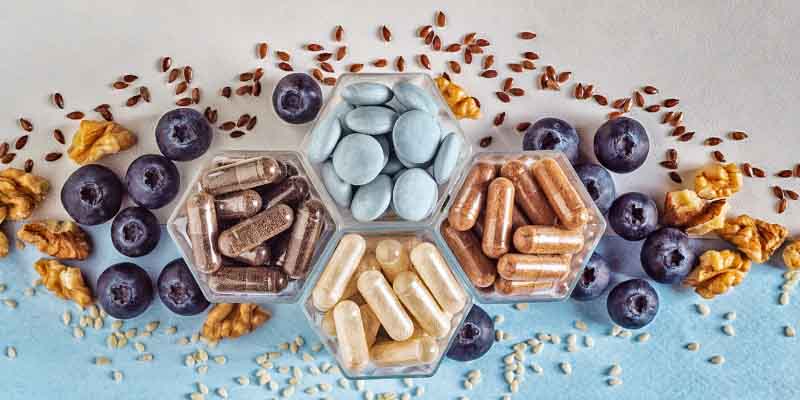
Dietary supplements can be effective when they address a specific nutritional gap, life-stage requirement, or clinically validated health goal. Evidence is strongest for deficiency correction (e.g., iron, vitamin D), moderate for functional support (e.g., probiotics for gut health), and variable for botanicals or performance enhancers. Effectiveness depends on dosage, ingredient standardization, user population, baseline diet, and adherence—not all products work equally for all consumers.
Evidence-Based Effectiveness Framework
Supplement efficacy varies by scientific evidence quality and target outcome.
| Evidence Tier | Example Nutrients / Ingredients | Use Case | Evidence Strength |
|---|---|---|---|
| Tier 1: Deficiency Correction | Iron, Vitamin D, Vitamin B12, Iodine | Lab-confirmed nutrient gaps | Strong (RCTs, meta-analyses) |
| Tier 2: Risk Reduction / Health Maintenance | Omega-3 (EPA/DHA), Calcium + D, Folate | Pregnancy, cardiovascular health | Moderate to strong |
| Tier 3: Functional Performance | Creatine, Beta-Alanine, Probiotics | Sports, gut health, cognition | Moderate (depends on strain/form) |
| Tier 4: Emerging Botanicals | Ashwagandha, Curcumin, Rhodiola | Stress, inflammation, fatigue | Variable, formulation-dependent |
Key Insight:
High-quality brands invest in clinical substantiation or align doses with recognized monographs (e.g., USP, EFSA, Health Canada) to gain retailer trust and e-commerce compliance approval.
Core Consumer Segments Who Benefit Most
Not all consumers need supplements. Those who benefit usually fall into one or more of these groups:
a) Nutrient Deficiency Populations
- Vitamin D: Low sunlight regions; 40% of global population deficient (Lancet 2021).
- Iron: Women of childbearing age, vegans, low-meat diets—risk of anemia.
- B12: Elderly (reduced absorption), vegans (no animal products).
- Iodine: Areas without iodized salt programs.
Example:
WHO data shows 2 billion people worldwide have micronutrient deficiencies—mainly vitamin D, iron, and iodine—making supplements a public health and commercial priority.
b) Life-Stage Specific Needs
| Life Stage / Condition | Key Supplements | Rationale |
|---|---|---|
| Pregnancy / Lactation | Folic acid, iron, DHA | Neural tube defect prevention, fetal brain |
| Infancy / Childhood | Vitamin D, iron, probiotics | Bone health, immunity, gut microbiome |
| Elderly (>60 yrs) | B12, D, calcium, omega-3s | Bone density, cognitive support |
| Athletes / Active Adults | Creatine, electrolytes, protein, beta-alanine | Muscle recovery, endurance, strength |
| High-Stress Professionals | Magnesium glycinate, L-theanine, adaptogens | Stress resilience, sleep quality |
c) Diet-Restricted Groups
- Vegans / Vegetarians: B12, iodine, omega-3 (algal DHA/EPA), zinc, iron if needed.
- Low-calorie dieters: May lack fat-soluble vitamins (A, D, E, K) and minerals.
- Lactose-intolerant consumers: Calcium, vitamin D supplementation for bone health.
d) Performance & Lifestyle Users
- Sports nutrition: Creatine (strength/power), beta-alanine (endurance), BCAAs (recovery).
- Cognitive health: Omega-3 DHA, phosphatidylserine, citicoline, certain adaptogens.
- Beauty-from-within: Collagen peptides, vitamin C, biotin for skin/hair/nails.
Case Study:
A cross-border Shopify seller scaled a collagen + vitamin C gummy SKU 5X after adding clinical dosage claims (2.5–10 g/day) + Halal certification for Middle East markets.
Key Factors Determining Effectiveness
- Dosage & Bioavailability
- Magnesium oxide = poor absorption vs. magnesium glycinate = high absorption.
- Curcumin poorly absorbed unless combined with piperine or formulated as phytosomes.
- Probiotic CFU counts must be guaranteed at end of shelf life, not manufacture date.
- Standardization & Quality
- Botanical extracts should list standardized actives (e.g., Ashwagandha ≥5% withanolides).
- Omega-3 oils: test for oxidation (TOTOX value) + heavy metal contaminants.
- Adherence & Duration
- Iron therapy: 8–12 weeks for ferritin normalization.
- Vitamin D: 3–6 months for blood level optimization.
- Creatine: 4-week loading/saturation period; benefits persist with daily 3–5g maintenance.
- Baseline Diet & Lifestyle
- Supplements amplify outcomes when combined with balanced diets, exercise, and medical guidance.
Timelines for Expected Outcomes
| Supplement | Typical Time to See Effects | Outcome Measured |
|---|---|---|
| Iron (anemia) | 2–3 months | Hemoglobin / ferritin levels |
| Vitamin D | 3–6 months | Serum 25(OH)D levels |
| Creatine | 2–4 weeks (loading), ongoing | Muscle strength, lean mass |
| Probiotics | Days–weeks (strain dependent) | GI symptoms, gut microbiome shifts |
| Collagen Peptides | 8–12 weeks | Skin elasticity, joint comfort |
| Ashwagandha | 6–8 weeks | Cortisol levels, perceived stress |
Risks of Overpromising vs. Evidence-Based Marketing
Common Mistakes by New Brands:
- Using generic dosage levels below clinical efficacy ranges.
- Making illegal disease claims → regulatory risk (FDA/FTC, EFSA warnings).
- Ignoring drug–nutrient interactions (e.g., St. John’s Wort, vitamin K with warfarin).
Best Practices for B2B Sellers:
- Provide QR codes linking to batch CoAs + dosage evidence.
- Use structure/function claims (“supports joint health”) vs. disease claims (“treats arthritis”).
- Publish stability + potency test reports for retailer onboarding & consumer trust.
Are dietary supplements safe?
Most are safe when used as directed, but risks include overdosing (fat-soluble vitamins), interactions (e.g., St. John’s Wort with many medicines; high-dose vitamin K with warfarin), allergens, and contamination in poorly made products. Choose reputable manufacturers, check third-party testing, and consult a clinician if pregnant, on medications, or managing chronic conditions.
Safety pillars
- Dose discipline: Respect ULs (Tolerable Upper Intake Levels). Vitamin A (retinol) excess risks teratogenicity; vitamin D mega-dosing can cause hypercalcemia; niacin flush vs. liver stress at high sustained-release doses.
- Interactions:
- Anticoagulants: Vitamin K and some botanicals can alter coagulation.
- CYP inducers/inhibitors: St. John’s Wort reduces drug effectiveness; grapefruit compounds affect metabolism.
- Serotonergic agents: 5-HTP + SSRIs warrants medical oversight.
- Population cautions:
- Pregnancy/lactation: Avoid high-dose vitamin A (retinol), certain herbs.
- Pre-surgery: Stop stimulants/anticoagulant-like herbs as advised.
- Renal/hepatic issues: Protein load, minerals, and certain extracts require review.
Contaminants & adulterants
Robust suppliers specify limits for heavy metals (Pb, Cd, As, Hg), pesticides, microbials (incl. pathogens), and residual solvents. Sports products are a special case: misbranded stimulants or steroids risk athlete bans—hence the value of “Certified for Sport.”
Label transparency
- Use clear, single-ingredient panels or fully decoded blends.
- Provide lot-specific COA via QR code.
- State allergens (soy, gluten, shellfish) and excipients.
Practical safeguards for brands
- Deploy a Supplier Approval Program and quarantine incoming raw materials until identity tests pass.
- Run stability (accelerated & real-time) to ensure label potency through shelf life.
- Maintain pharmacovigilance-style AE/complaints SOPs; trend analysis beats surprises.
Which supplements should different groups consider?

Supplement needs vary by age, lifestyle, health goals, and dietary patterns. For example, pregnant women may require folic acid and DHA, athletes often benefit from protein, creatine, and electrolytes, while vegans need vitamin B12, iron, and omega-3 DHA/EPA. The right supplement choice depends on nutritional gaps, clinical evidence, safety, and regulatory approvals for each target population.
Life-Stage and Lifestyle-Specific Supplement Recommendations
| Group / Life Stage | Key Supplements | Primary Goals | Evidence Strength |
|---|---|---|---|
| Pregnancy & Lactation | Folic acid, iron, DHA, iodine, calcium | Fetal brain & bone development, anemia prevention | Strong (RCTs, WHO guidelines) |
| Infants & Children | Vitamin D, iron, probiotics, DHA | Growth, immunity, bone health, microbiome | Strong to moderate |
| Adolescents & Students | Multivitamins, omega-3s, iron (girls), vitamin D | Cognitive performance, energy, bone health | Moderate evidence |
| Adults (18–50 yrs) | Omega-3s, vitamin D, magnesium, probiotics, collagen | Heart health, immunity, skin, gut support | Moderate to strong |
| Elderly (>60 yrs) | Vitamin B12, D3, calcium, omega-3s, CoQ10 | Bone density, cognitive & heart health | Strong (meta-analyses) |
| Athletes & Active Adults | Protein, creatine, beta-alanine, electrolytes, BCAAs | Muscle recovery, endurance, hydration | Strong (sports nutrition RCTs) |
| High-Stress Professionals | Magnesium glycinate, L-theanine, adaptogens (ashwagandha, rhodiola) | Stress, sleep quality, mental focus | Moderate evidence |
| Women’s Health | Calcium, vitamin D, iron (menstruating women), evening primrose oil | Bone health, anemia prevention, hormonal support | Strong for bone & iron; moderate for hormonal balance |
| Men’s Health | Zinc, magnesium, omega-3, CoQ10, saw palmetto | Testosterone support, cardiovascular health | Moderate to strong |
Condition-Specific Supplement Categories
a) Cardiovascular Health
- Omega-3 (EPA/DHA): EFSA claims ≥250 mg/day supports normal heart function.
- CoQ10: May improve endothelial function; useful for statin users with low CoQ10.
- Magnesium: Linked to better blood pressure control.
b) Bone & Joint Health
- Calcium + Vitamin D3: Prevents osteoporosis; recommended by NIH & EFSA.
- Collagen Peptides: 2.5–10g/day improves joint comfort & skin elasticity after 8–12 weeks (RCT data).
- Magnesium: Aids bone mineralization alongside calcium.
Case Study:
A European Shopify brand doubled collagen sales after adding EFSA-permitted claims + clinical dosage graphics on product pages.
c) Cognitive Health & Mental Wellbeing
- Omega-3 DHA: Critical for brain structure; EFSA recognizes its role in normal brain development in infants/children.
- Phosphatidylserine & Citicoline: Studied for memory, attention, and cognitive decline.
- L-Theanine + Magnesium Glycinate: Supports relaxation & stress resilience.
d) Gut & Immune Health
- Probiotics (e.g., Lactobacillus GG, Bifidobacterium): Supports gut microbiota balance; strain-specific evidence required.
- Vitamin C + Zinc: Shortens common cold duration (Cochrane meta-analysis).
- Vitamin D: Immunomodulatory benefits; deficiency linked to higher infection risk.
Compliance Note:
EU strictly regulates probiotic claims—brands must avoid unsubstantiated “boost immunity” slogans without EFSA-authorized wording.
e) Weight Management & Metabolic Health
- Green Tea Extract (EGCG): Thermogenic effect; EFSA claims limited but supportive studies exist.
- Glucomannan (Konjac Fiber): EFSA recognizes its role in weight reduction under calorie restriction.
- Chromium Picolinate: May support glucose metabolism; FDA allows qualified claims for Type 2 diabetes risk reduction.
f) Sports Nutrition & Performance
| Ingredient | Typical Dosage | Evidence-Based Benefits |
|---|---|---|
| Creatine Monohydrate | 3–5g/day | Strength, lean mass, recovery |
| Beta-Alanine | 3.2–6.4g/day | Muscular endurance, buffering |
| BCAAs | 5–10g pre/post-workout | Muscle protein synthesis support |
| Electrolytes (Na, K, Mg) | As per sweat loss | Hydration, cramp prevention |
| Protein (Whey/Plant) | 20–40g per serving | Muscle repair, mass gain |
3. Diet-Restricted & Ethical Lifestyle Groups
a) Vegan & Vegetarian Consumers
- Vitamin B12 (Methylcobalamin): No reliable plant source; 1000 mcg weekly or 50 mcg daily recommended.
- Iron (Bisglycinate): Non-heme iron absorption lower vs. heme sources; pair with vitamin C for better uptake.
- Algal Oil DHA/EPA: Fish-free omega-3 alternative; vegan certified.
b) Religious & Cultural Needs
- Halal/Kosher-certified supplements critical for Middle East, Malaysia, and Jewish markets.
- Brands must secure certification bodies like IFANCA or Star-K for import clearance.
c) Low-Income & Underserved Populations
- Affordable Multivitamins: WHO recommends basic vitamin/mineral fortification for public health programs.
- Partnerships with government or NGOs often use low-cost, high-volume tablet formulations vs. gummies or liquids.
Safety & Dosage Considerations by Group
| Group | Supplement Concern | Regulatory / Safety Guidance |
|---|---|---|
| Pregnancy | Vitamin A >10,000 IU teratogenic risk | Use beta-carotene vs. retinol forms |
| Elderly | Polypharmacy interactions | Review warfarin-vitamin K, St. John’s Wort-SSRIs |
| Children | Gummy vitamin overconsumption risk | Child-resistant caps, clear dosage labels |
| Athletes | Banned substance contamination | NSF/Informed-Sport certification needed |
| Vegans | Iron overload rare, but B12 deficiency common | Serum monitoring recommended |
Regional Labeling & Claim Restrictions
- EU: Only EFSA-authorized claims allowed; e.g., “Vitamin D contributes to the normal function of the immune system.”
- U.S.: Structure/function claims need FDA disclaimer: “This statement has not been evaluated by the FDA…”
- China: “Blue Hat” registration required for health food with functional claims.
- GCC: Arabic labels + Halal logo mandatory for import clearance.
How do you read labels and choose quality?
Start with the Supplement Facts panel: serving size, dosage, %DV, and the form of each nutrient. Look for standardized extracts, strain IDs for probiotics, and end-of-shelf-life potency. Verify third-party testing and scan QR codes for batch COAs. Avoid proprietary blends that hide dosages and labels making disease claims.
Label anatomy
- Serving Size: “Two capsules” means all actives listed are per two caps—not per one. This matters for adherence and cost per day.
- %DV: Helps gauge dose relative to daily needs; very high %DVs for fat-soluble vitamins warrant caution.
- Chemical Forms:
- Magnesium oxide vs. citrate vs. glycinate—different GI tolerance and bioavailability.
- B12 cyanocobalamin (stable, cost-effective) vs. methylcobalamin (active form focus).
- Botanical Specifics: Latin name, plant part, extraction solvent, and standardization (e.g., curcuminoids ≥95%).
- Probiotics: Must list genus-species-strain (e.g., Lactobacillus rhamnosus GG), CFU count at end of shelf life, and storage needs.
Transparency tech
- QR codes linking to batch COAs (identity, potency, heavy metals, micro) demonstrate confidence.
- Serialization/lot numbers support recalls and customer trust.
- Clean label doesn’t just mean “no artificial color”—it means disclosing excipients and rationale (e.g., “magnesium stearate for flow; <1%”).
Red flags
- Outlandish promises (“cure,” “melt fat in days”).
- Proprietary blends with no per-ingredient mg.
- No manufacturer address or contact.
- No cGMP mention or third-party certifications for higher-risk categories (sports, botanicals).
Quick comparison table
| Item | Supplement | Drug | Fortified Food |
|---|---|---|---|
| Pre-market approval | No | Yes | No |
| Claims allowed | Structure/function | Disease treatment | Nutrition/fortification |
| Label panel | Supplement Facts | Drug Facts | Nutrition Facts |
| Efficacy proof required | No (but substantiation for ads) | Yes | No |
How should supplements be used in practice?
Match dose and timing to the ingredient (e.g., iron away from calcium; fat-soluble vitamins with meals). Avoid stacking overlapping products that exceed ULs. Store away from heat, light, and humidity, and log lot numbers. Always tell clinicians about your supplement regimen, especially before surgery or when starting new medications.
Timing & food effects
- With fat: Vitamins A, D, E, K, curcumin, and CoQ10 often absorb better with a meal containing fat.
- Empty stomach: Iron and some amino acids absorb best away from calcium/coffee; consider gentle chelates to reduce GI upset.
- Split dosing: Magnesium and vitamin C may be better tolerated split; creatine timing is flexible—daily total matters more.
Stack design without overdosing
- Start by listing actives per day across all products (multi + targeted + beverage).
- Cross-check against %DV and ULs; adjust to avoid cumulative excess (common with D, zinc, niacin).
- Use a “minimal overlap” approach: let the multivitamin cover general needs; add single-ingredient products for specific goals.
Storage & stability
- Avoid bathrooms and hot cars.
- Respect expiry dates informed by real-time stability, not just accelerated assumptions.
- For probiotics, confirm whether shelf-stable strains/formulations were used; refrigerate as labeled.
Clinician dialogue
- Share your full supplement list, doses, and reasons; ask specifically about interactions with your medications.
- Before surgeries or invasive dental work, ask about stopping window for botanicals and fish oil.
Final Thoughts
Supplements are tools, not magic. They’re most effective when they fill a verified gap, use the right dose and form, and arrive in a clean, tested, stable product. As a Shenzhen-based manufacturer, Zoxizo supports brands and retailers with evidence-aware formulation, cGMP production, multilingual compliant labels, and cross-border documentation (Halal/Kosher/GMP). We also understand e-commerce realities: fast iterations, low-MOQs for pilots, and scale-ready lines once a SKU proves itself.
Ready to build or refine your line?
Tell us your target consumer, channels (Amazon, Shopify, pharmacies, gyms, social), budget window, and desired launch date. We’ll propose 3–5 formulation options, packaging specs, and a timeline from pilot to scale—including stability, third-party testing, and label/localization support.