Skip to content

20 Best Supplements for Weight Loss
The global weight management supplement market has expanded dramatically over the past decade. According to industry research, the global weight loss supplement market exceeded $36 billion in 2024, and demand continues to grow across e-commerce platforms, pharmacies, and social media channels.
Consumers today are more informed than ever. They don’t just want quick weight loss promises—they want science-backed ingredients, transparent labeling, and safe formulations. As a result, the supplement market has shifted toward products that combine appetite control, metabolic support, gut health, and energy balance.
Many successful brands today build their product lines around well-known ingredients like green tea extract, glucomannan, L-carnitine, and fiber blends. At the same time, innovative formulations such as metabolism booster capsules, slimming coffees, and fat-burning gummies are gaining popularity across Amazon, Shopify stores, and social media platforms.
The best supplements for weight loss typically include ingredients that support appetite control, fat metabolism, energy balance, and blood sugar regulation. Common examples include green tea extract, glucomannan fiber, L-carnitine, conjugated linoleic acid (CLA), chromium, and Garcinia cambogia. These supplements work best when combined with balanced nutrition, physical activity, and consistent lifestyle habits.
But choosing the right ingredients—or developing a successful weight loss supplement product—requires more than simply following trends. Behind every successful product is a careful balance of scientific formulation, manufacturing quality, regulatory compliance, and smart branding.
To understand how weight loss supplements actually work—and which ingredients brands and consumers trust most—let’s start with the fundamentals.
What Are Supplements for Weight Loss?
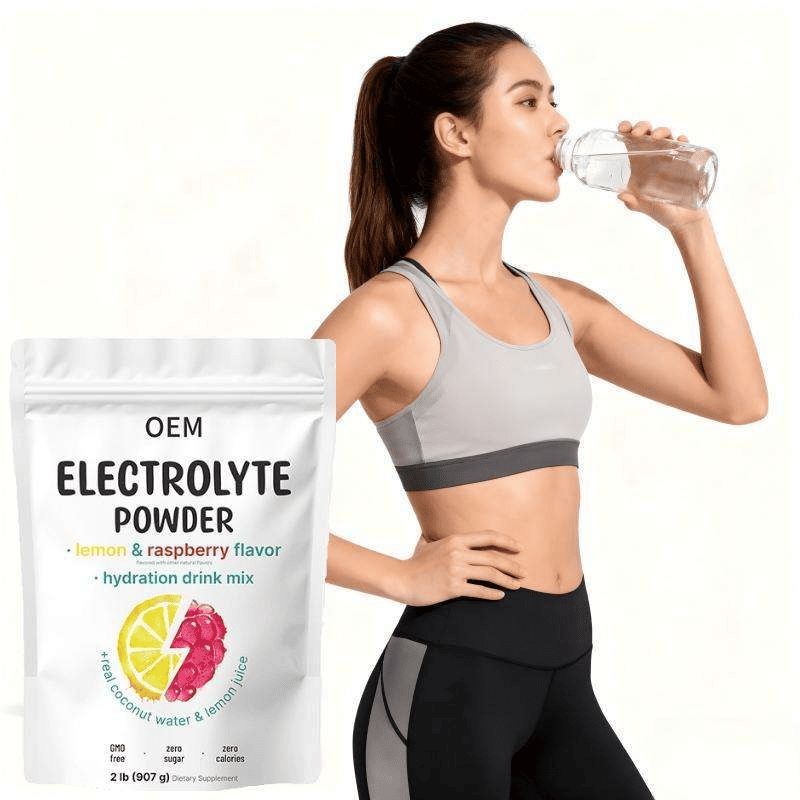
Weight loss supplements are dietary products designed to support weight management through specific mechanisms such as appetite control, calorie burning support, blood sugar regulation, and digestion support. They are sold as capsules, tablets, powders, gummies, drinks, or drops.
A good weight loss supplement is not designed to “force weight loss.” It is designed to make the weight-loss process easier to stick to. When customers can control hunger, reduce cravings, and maintain energy, they are more likely to stay consistent long enough to see real results.
Supplements for weight loss are formulas that support dieting by helping appetite control, reducing cravings, supporting metabolic activity, balancing blood sugar, or improving digestion. They don’t replace diet and exercise, but they can make calorie control easier and improve consistency. The best products use clinically reasonable dosages, avoid unsafe stimulants, and include quality testing. Most customer satisfaction comes from small daily improvements, not dramatic overnight changes.
Weight loss supplements generally fall into four product “types” that customers understand quickly:
| Weight Loss Type | What Customers Want to Feel | Common Format |
|---|---|---|
| Appetite control | “I’m full sooner, I snack less” | capsules, fiber powders |
| Metabolism support | “More energy, better workouts” | capsules, slimming coffee |
| Blood sugar balance | “Fewer crashes, fewer cravings” | capsules, powders |
| Gut comfort | “Less bloating, better digestion” | capsules, gummies |
Customers usually choose based on pain points, not science terms. A product page should speak in practical outcomes while keeping claims compliant.
How Do Supplements for Weight Loss Work?
Most weight loss supplements work through a limited number of pathways. The strongest commercial formulas are usually those that focus on one main pathway and support it with 2–4 complementary ingredients, rather than trying to include “everything” at low dosages.
The four main mechanisms are:
- Appetite and satiety support
- Thermogenesis and energy expenditure support
- Fat metabolism support
- Blood sugar and insulin response support
To make this easier for customers, brands often explain it like this: “eat less, crave less, move more, and recover better.”
Below is a practical mechanism table that customers and product managers can both understand:
| Mechanism | What It Helps With | Ingredient Examples | Notes Customers Care About |
|---|---|---|---|
| Satiety | smaller portions, less snacking | glucomannan, psyllium | must drink water, otherwise constipation risk |
| Thermogenesis | more energy, higher calorie burn | caffeine, green tea | too much = jittery, sleep issues |
| Fat metabolism | workout support, body composition | L-carnitine, CLA | works better with exercise |
| Blood sugar | cravings, afternoon crashes | berberine, chromium | must avoid over-claiming, check interactions |
A common mistake in the market is using “trendy ingredients” without dosage strength. Customers notice when a product looks good on paper but doesn’t change anything.
Useful dosage reality check (daily ranges often seen in successful products):
| Ingredient | Typical Daily Range Used in Products | What Customers Usually Feel |
|---|---|---|
| Glucomannan | 1–3 g | quicker fullness before meals |
| Psyllium husk | 2–6 g | steadier appetite + digestion |
| Green tea extract | 300–600 mg | slightly better fat burning + energy |
| Caffeine | 100–200 mg | energy increase, possible jitters |
| Berberine | 500–1500 mg | fewer cravings, better meal control |
| Chromium | 200–400 mcg | steadier appetite in some users |
| L-carnitine | 1000–2000 mg | better workout endurance for some |
| CLA | 2000–3200 mg | slow body composition support |
These ranges are not medical advice; they show what customers typically see on real market products.
Why Do People Use Supplements for Weight Loss?
Customers usually buy weight loss supplements because they want to solve a daily friction point, not because they lack knowledge.
In real customer conversations, the top reasons are usually:
- “I can’t stop snacking at night.”
- “I do well for one week then cravings destroy me.”
- “I feel tired when dieting.”
- “My digestion gets worse when I reduce carbs.”
- “I want something to support my workouts while cutting calories.”
From a brand perspective, the weight loss category sells because it overlaps with many other high-demand niches such as energy, detox, gut health, and beauty.
Here is a practical view of the most common customer types and how they sell:
| Customer Type | How They Sell | Why They Need Weight Loss Products | What They Usually Ask |
|---|---|---|---|
| Amazon/Shopify sellers | ads + listings + reviews | high search demand + repeat buys | dosage, cost, MOQ, compliance |
| Social media creators | content + followers | fast trend cycles | gummies, slimming coffee, packaging |
| Gyms/fitness channels | coaching + bundles | body comp + performance | high-dose powders, clean labels |
| Pharmacies | shelf + repeat customers | steady demand | certifications, stability, shelf life |
| Small retailers | local trust | fast moving items | lower MOQ, good margin |
Are Supplements for Weight Loss Safe?
Safety is one of the biggest conversion factors. A customer might like your product, but if they worry about side effects or compliance, they won’t buy again.
Safety is affected by four things:
- Ingredient legality and permitted use in target market
- Dosage and stimulant management
- Contamination control (heavy metals, microbes)
- Label compliance and claim control
Many weight loss products fail because they are too aggressive: too much stimulant, unclear ingredient disclosure, or unrealistic claims. Those products might sell fast, but they create refund risk and brand damage.
Here are safety checks that serious customers usually ask for:
| Safety Check | What It Proves | Why It Matters |
|---|---|---|
| COA for raw materials | identity + potency | prevents fake/low purity materials |
| Microbial test | bacteria/mold control | avoids safety complaints |
| Heavy metals test | Pb, Hg, As, Cd | avoids compliance risk |
| Stability guidance | shelf life + storage | reduces returns, protects efficacy |
| Allergen statement | customer safety | avoids marketplace issues |
For export markets, additional requirements may apply depending on the channel. Middle East customers often ask for Halal compliance for certain products; some EU markets are strict on claims and labeling formats. Brands that plan ahead avoid relabel costs later.
Which Supplements for Weight Loss Are Most Popular?
The most popular supplements for weight loss are usually the ones that customers can understand quickly and feel in their daily routine. Products that reduce cravings, stabilize energy levels, or help people stay consistent with a calorie-controlled diet tend to outperform products that promise extreme or unrealistic fat loss.
In today’s supplement market, successful weight-loss formulas typically focus on four high-demand ingredient groups: appetite control ingredients, metabolism support ingredients, fat metabolism ingredients, and digestion support ingredients. These groups reflect the real challenges people face during weight loss, such as overeating, fatigue during dieting, slow metabolism, and digestive discomfort. The most popular supplements for weight loss include appetite control ingredients such as glucomannan and fiber blends, metabolism boosters like green tea extract and caffeine, fat metabolism compounds like L-carnitine and CLA, and blood sugar support ingredients such as berberine and chromium. These ingredients are widely used because they address common dieting challenges while remaining relatively safe when used within recommended ranges.
When analyzing successful weight-loss products on large online marketplaces and supplement retailers, certain ingredients appear repeatedly. The following table summarizes ingredients that appear frequently in popular formulas.
| Ingredient Category | Common Ingredients | Why They Are Used | Typical Product Forms |
|---|---|---|---|
| Appetite control | Glucomannan, psyllium husk, inulin | Reduce hunger and increase fullness | Capsules, fiber powders |
| Metabolism support | Green tea extract, caffeine, capsaicin | Support calorie burning and energy | Capsules, slimming drinks |
| Fat metabolism | L-carnitine, CLA, green coffee extract | Support fat utilization during activity | Capsules, powders |
| Blood sugar support | Berberine, chromium, cinnamon extract | Reduce cravings and sugar spikes | Capsules |
Products that combine ingredients from two of these categories often perform better because they address both behavioral factors (hunger and cravings) and physiological factors (metabolism and energy use).
Which Supplements for Weight Loss Control Appetite?
Appetite control supplements are one of the most widely used weight-loss product types because they target the behavior that causes many diets to fail: overeating. When people feel satisfied sooner and experience fewer cravings, they are more likely to maintain a calorie deficit.
One of the most widely used appetite control ingredients is glucomannan, a soluble fiber extracted from konjac root. When consumed with water, it expands in the stomach and slows gastric emptying. This physical expansion contributes to the sensation of fullness before meals.
Fiber-based appetite control ingredients are also favored because they support digestive health while helping manage calorie intake.
Common appetite-control ingredients used in supplements include:
| Ingredient | Typical Daily Dose | Main Role |
|---|---|---|
| Glucomannan | 1–3 g | Satiety and fullness |
| Psyllium husk | 2–6 g | Fiber intake and appetite control |
| Inulin | 2–4 g | Prebiotic fiber support |
| Apple cider vinegar powder | 500–1500 mg | Appetite and digestion support |
Many appetite-control supplements are taken 15–30 minutes before meals, allowing the fiber to expand and create a feeling of fullness.
From a product development perspective, appetite control supplements often appeal to:
- customers trying to reduce portion sizes
- customers who snack frequently between meals
- customers starting a new weight-loss routine
These products are usually formulated as capsules or drink powders because they require relatively larger ingredient quantities compared with stimulant-based supplements.
Which Supplements for Weight Loss Boost Metabolism?
Metabolism-support supplements focus on increasing the body’s ability to convert stored energy into usable energy. These supplements often contain compounds that support thermogenesis, which is the production of heat during metabolism.
Thermogenic ingredients stimulate metabolic activity and may increase energy expenditure during physical activity.
Among the most widely recognized metabolism-support ingredients are green tea extract and caffeine. Green tea extract contains catechins such as EGCG, which are believed to support fat oxidation, particularly when combined with exercise.
Caffeine is another commonly used ingredient because it stimulates the central nervous system and temporarily increases energy output.
Common metabolism-support ingredients include:
| Ingredient | Typical Dose | Function |
|---|---|---|
| Green tea extract | 300–600 mg | Supports fat oxidation |
| Caffeine | 100–200 mg | Energy and thermogenesis |
| Capsaicin | 2–10 mg | Supports metabolic heat production |
| Guarana extract | 200–800 mg | Natural caffeine source |
Thermogenic supplements are especially popular in the sports nutrition and fitness communities because they may enhance workout intensity.
However, stimulant levels must be carefully managed. Excessive stimulant content can lead to side effects such as restlessness or sleep disturbances. Responsible formulations balance stimulants with ingredients that provide smoother energy support.
Some modern metabolism formulas combine thermogenic compounds with B-vitamins, which support energy metabolism.
Which Supplements for Weight Loss Support Fat Burning?
Fat metabolism supplements aim to support the body’s ability to utilize stored fat as an energy source. These supplements are often marketed as “fat burners,” but the term usually refers to ingredients that assist metabolic processes rather than directly causing fat loss.
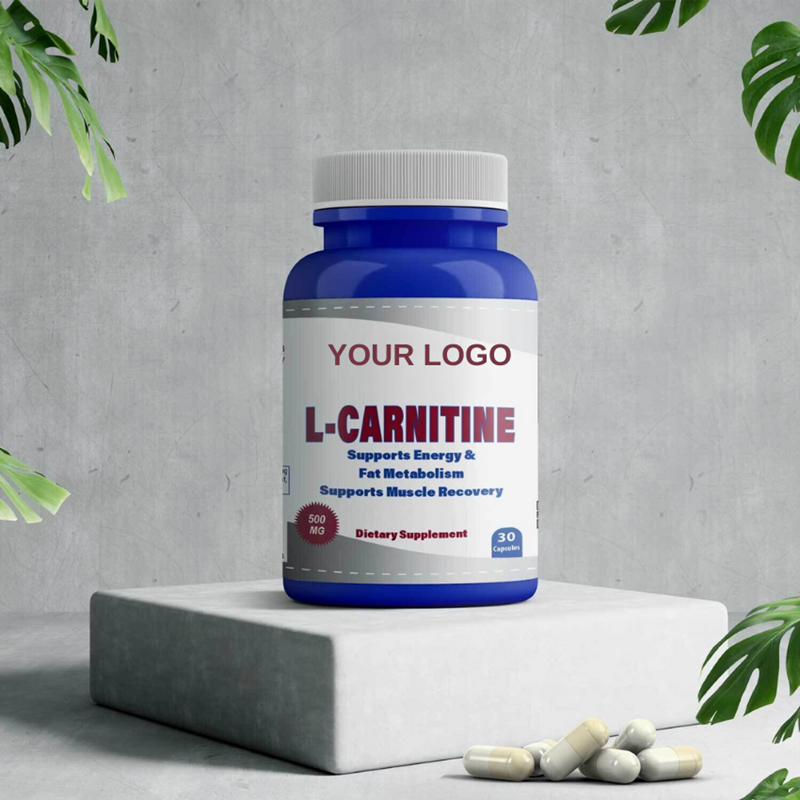
One of the most widely used ingredients in this category is L-carnitine. This amino-acid-derived compound helps transport fatty acids into mitochondria, where they can be used for energy production. Because of this mechanism, L-carnitine is widely used in sports nutrition products.
Another well-known ingredient is CLA (conjugated linoleic acid), a fatty acid that has been studied for its role in body composition management.
Common fat metabolism ingredients include:
| Ingredient | Typical Dose | Main Role |
|---|---|---|
| L-carnitine | 1000–2000 mg | Fat transport for energy |
| CLA | 2000–3200 mg | Body composition support |
| Green coffee extract | 200–400 mg | Fat metabolism |
| Raspberry ketones | 100–300 mg | Fat breakdown support |
Fat metabolism supplements are often combined with metabolism-support ingredients to create multi-function formulas. For example, a fat burner capsule might include L-carnitine, green tea extract, and caffeine.
This combination supports energy production, thermogenesis, and fat utilization simultaneously.
Which Supplements for Weight Loss Support Digestion?
Digestive health plays an increasingly important role in weight management products. Many people experience digestive discomfort when changing their diet, particularly when increasing protein intake or reducing carbohydrates.
For this reason, gut-health ingredients are now frequently included in weight-loss supplements.
The gut microbiome influences digestion, nutrient absorption, and even appetite regulation. Supporting digestive balance can help individuals maintain healthier eating patterns.
Common digestive support ingredients include:
| Ingredient | Function |
|---|---|
| Probiotics | Gut microbiome balance |
| Digestive enzymes | Improve nutrient digestion |
| Inulin fiber | Prebiotic gut support |
| Ginger extract | Digestive comfort |
Products that combine digestive support with appetite control ingredients can provide a more comprehensive solution for customers adjusting their eating habits.
Gut-support ingredients are often included in powder drinks, capsules, and functional beverages.
What Are the 20 Best Supplements for Weight Loss?
The phrase “best supplements for weight loss” is often misunderstood. In practice, there is no single ingredient that works for everyone. Successful weight-management products usually combine several ingredients that support satiety, metabolic activity, fat metabolism, blood sugar balance, or digestion. The most reliable ingredients are the ones that have remained popular for many years across different markets and product formats.
From a product development perspective, the best-selling weight-loss supplements usually follow two practical rules. First, the ingredients must address real problems customers experience during dieting, such as hunger, low energy, and cravings. Second, the formula must be easy to take daily without causing unpleasant side effects. Products that meet these conditions are more likely to generate repeat orders.
The following table shows twenty ingredients that appear frequently in commercial weight-management supplements. These ingredients are widely used because they are relatively well studied, compatible with different dosage forms, and accepted in many international markets.
| Category | Ingredient | Typical Daily Dose | Why Brands Use It |
|---|---|---|---|
| Appetite control | Glucomannan | 1–3 g | Creates fullness before meals |
| Appetite control | Psyllium husk | 2–6 g | Fiber intake and satiety |
| Appetite control | Inulin | 2–4 g | Prebiotic fiber and appetite balance |
| Metabolism support | Green tea extract | 300–600 mg | Supports fat oxidation |
| Metabolism support | Caffeine | 100–200 mg | Increases energy expenditure |
| Metabolism support | Capsaicin | 2–10 mg | Stimulates thermogenesis |
| Metabolism support | Guarana extract | 200–800 mg | Natural caffeine source |
| Fat metabolism | L-carnitine | 1000–2000 mg | Fatty acid transport for energy |
| Fat metabolism | CLA | 2000–3200 mg | Body composition support |
| Fat metabolism | Green coffee extract | 200–400 mg | Supports metabolic balance |
| Fat metabolism | Raspberry ketones | 100–300 mg | Supports fat breakdown |
| Blood sugar balance | Berberine | 500–1500 mg | Helps regulate glucose metabolism |
| Blood sugar balance | Chromium picolinate | 200–400 mcg | Supports insulin sensitivity |
| Blood sugar balance | Cinnamon extract | 300–1000 mg | Helps stabilize blood sugar |
| Herbal support | Garcinia cambogia | 500–1500 mg | Appetite management |
| Herbal support | Gymnema sylvestre | 200–400 mg | Reduces sugar cravings |
| Digestive support | Probiotics | 1–10 billion CFU | Supports gut balance |
| Digestive support | Digestive enzymes | varies | Helps digestion during dieting |
| Energy support | Vitamin B complex | varies | Supports metabolism |
| Energy support | Coenzyme Q10 | 50–200 mg | Supports cellular energy |
These ingredients are rarely used alone. Most successful products combine three to six ingredients to support multiple aspects of weight management.
Below is a closer look at how these ingredients are commonly grouped in real commercial formulas.
Appetite Control Supplements
Appetite control is one of the most important factors in successful weight management. Many people do not struggle with physical activity but instead struggle with portion size and frequent snacking.
Fiber-based ingredients are widely used because they expand in the stomach and slow digestion. This mechanism helps reduce hunger between meals.
For example, glucomannan can absorb up to 50 times its weight in water, forming a gel-like structure in the stomach. When taken before meals with water, it increases the sensation of fullness and can reduce calorie intake.
A typical appetite-control formula might look like this:
| Ingredient | Dose | Function |
|---|---|---|
| Glucomannan | 1000 mg | Satiety support |
| Psyllium husk | 1500 mg | Fiber intake |
| Apple cider vinegar powder | 500 mg | Appetite balance |
| Inulin | 1000 mg | Prebiotic digestion support |
Products like this are commonly taken before meals, allowing the fiber to expand before food is consumed.
Metabolism Support Supplements
Metabolism-support formulas are designed to increase the body’s energy expenditure. These supplements are especially popular among people who combine supplements with exercise programs.
Green tea extract is widely used because it contains catechins such as epigallocatechin gallate (EGCG), which may support fat oxidation during physical activity.
Caffeine is also frequently included because it stimulates the central nervous system and temporarily increases metabolic activity.
A metabolism-support formula might include:
| Ingredient | Dose | Function |
|---|---|---|
| Green tea extract | 400 mg | Fat oxidation support |
| Caffeine | 150 mg | Energy stimulation |
| Capsaicin | 5 mg | Thermogenic support |
| Vitamin B6 | 5 mg | Energy metabolism |
These products are typically consumed before workouts or during the morning hours to support daily activity levels.
Fat Metabolism Supplements
Fat metabolism supplements focus on improving the body’s ability to use stored fat as energy. These supplements are often used in sports nutrition products.
L-carnitine is one of the most commonly used ingredients in this category. It helps transport fatty acids into mitochondria, where they can be converted into energy.
CLA is another ingredient frequently used for body composition support. While its effects are generally modest, it is often included in long-term weight management products.
A common fat metabolism formula might include:
| Ingredient | Dose | Function |
|---|---|---|
| L-carnitine | 1500 mg | Fat transport |
| CLA | 3000 mg | Body composition support |
| Green coffee extract | 300 mg | Metabolic activity |
These supplements are often taken before exercise sessions.
Blood Sugar Balance Supplements
Blood sugar regulation has become an increasingly important focus in weight management products. Large fluctuations in blood sugar can lead to sudden hunger and cravings, which often cause dieting efforts to fail.
Ingredients like berberine and chromium help support healthy glucose metabolism.
A blood sugar support formula may include:
| Ingredient | Dose | Function |
|---|---|---|
| Berberine | 500 mg | Glucose metabolism |
| Chromium picolinate | 200 mcg | Insulin sensitivity |
| Cinnamon extract | 500 mg | Blood sugar stability |
These products are often taken with meals to help stabilize glucose levels.
Digestive Support Supplements
Digestive health is increasingly linked to metabolic health and weight management. When digestion is inefficient or uncomfortable, maintaining healthy eating habits becomes more difficult.
Probiotics and digestive enzymes help support gut health and nutrient absorption. These ingredients are frequently included in modern weight-loss formulas.
A digestive-support formula may include:
| Ingredient | Dose | Function |
|---|---|---|
| Probiotic blend | 5 billion CFU | Gut microbiome support |
| Digestive enzyme blend | 200 mg | Food digestion |
| Ginger extract | 200 mg | Digestive comfort |
These supplements help support dietary changes and reduce digestive discomfort.
Real-World Weight Loss Formula Example
A balanced weight-loss supplement often combines several ingredient categories.
Example capsule formula:
| Ingredient | Dose | Function |
|---|---|---|
| Glucomannan | 1000 mg | Appetite control |
| Green tea extract | 400 mg | Metabolism support |
| L-carnitine | 1000 mg | Fat metabolism |
| Chromium | 200 mcg | Blood sugar regulation |
| Vitamin B12 | 500 mcg | Energy support |
This type of formula targets multiple aspects of weight management simultaneously.
Which Natural Supplements for Weight Loss Work Best?
Natural plant-based ingredients continue to dominate the weight-loss supplement category. Consumers often prefer botanical extracts because they appear more aligned with wellness lifestyles.
Among the most widely used natural ingredients are green tea extract, Garcinia cambogia, and cinnamon extract.
Green tea extract remains popular because of its catechin content and its association with metabolic support.
Garcinia cambogia is used in many appetite-control supplements due to its hydroxycitric acid content, which may influence appetite signals.
Natural weight-loss formulas often emphasize plant-based ingredients and minimal synthetic additives to attract wellness-focused customers.
Which Herbal Supplements for Weight Loss Are Trending?
Herbal supplements have become particularly popular among social media brands and natural wellness retailers.
Several herbs frequently appear in trending weight-loss products.
| Herbal Ingredient | Traditional Use |
|---|---|
| Garcinia cambogia | Appetite support |
| Gymnema sylvestre | Sugar craving control |
| Ginger extract | Digestive support |
| Turmeric extract | Metabolic health |
These herbs are often combined with modern nutritional ingredients to create hybrid formulas that combine traditional knowledge with contemporary supplement science.
Which Nutrient Supplements for Weight Loss Are Common?
In addition to botanical ingredients, certain vitamins and nutrients are commonly used in weight-loss supplements to support metabolic processes.
Vitamins in the B-complex group are frequently included because they play important roles in energy metabolism.
Minerals such as chromium are also used because they contribute to normal macronutrient metabolism and blood sugar regulation.
Common nutrient additions include:
| Nutrient | Role |
|---|---|
| Vitamin B6 | Energy metabolism |
| Vitamin B12 | Fatigue reduction |
| Chromium | Blood sugar balance |
| Magnesium | Metabolic support |
These nutrients are rarely marketed as primary weight-loss ingredients but are included to support overall metabolic health and energy production.
How Do You Choose Supplements for Weight Loss?
Choosing the right supplements for weight loss is often more difficult than people expect. The market is crowded with products that look similar on the surface but differ greatly in ingredient quality, dosage strength, manufacturing standards, and formulation logic. For both consumers and brands developing their own supplement products, understanding how to evaluate a formula is essential.
A reliable weight loss supplement should combine appropriate ingredients, correct dosage levels, quality raw materials, and safe manufacturing processes. When these factors are properly balanced, supplements can support dieting and lifestyle improvements without unnecessary risks.
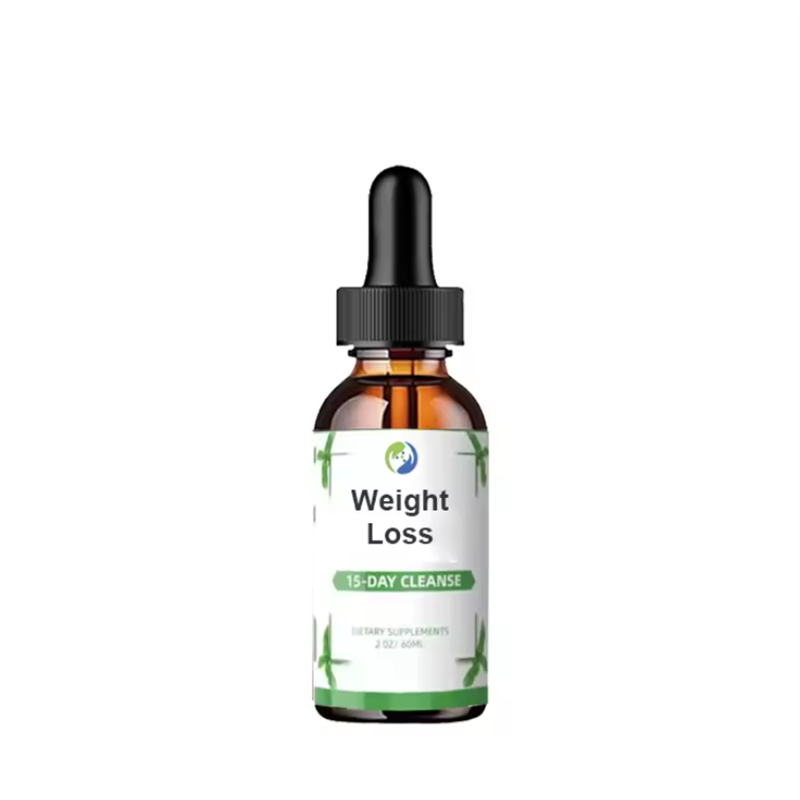
Choosing supplements for weight loss involves evaluating ingredient quality, effective dosage levels, safety testing, and manufacturing standards. Products that provide transparent labels, third-party testing reports, and well-balanced formulations are more likely to deliver consistent results. Reliable manufacturers also ensure compliance with international food safety standards and provide documentation such as COA reports and GMP certifications.
For brands entering the supplement market, careful product design also affects customer trust and repeat orders. Customers are increasingly knowledgeable and often compare ingredient lists, dosage strengths, and certifications before purchasing.
Below are several key areas that determine the quality of a weight-loss supplement.
What Ingredients Matter in Supplements for Weight Loss?
Ingredients are the foundation of any supplement formula. A product that contains recognizable and properly dosed ingredients tends to perform better than products filled with underdosed or trendy ingredients without functional value.
The most successful weight-loss formulas usually combine ingredients that target different physiological pathways, including appetite control, energy metabolism, fat utilization, and blood sugar balance.
For example, a well-balanced formula might combine:
- Glucomannan for appetite control
- Green tea extract for metabolism support
- Chromium for blood sugar stability
- L-carnitine for fat metabolism
This type of combination addresses multiple challenges people face when losing weight.
Another important factor is ingredient standardization. Many plant extracts must be standardized to specific active compounds in order to provide consistent effects.
For example:
| Ingredient | Standardized Component | Common Standardization |
|---|---|---|
| Green tea extract | EGCG catechins | 40–60% EGCG |
| Garcinia cambogia | Hydroxycitric acid | 50–60% HCA |
| Turmeric extract | Curcuminoids | 95% curcuminoids |
| Ginseng extract | Ginsenosides | 5–20% ginsenosides |
Standardization ensures that each batch of the supplement contains consistent levels of the active compounds responsible for the product’s effects.
Another consideration is ingredient sourcing. High-quality supplement manufacturers typically purchase raw materials from certified suppliers that provide documentation such as:
- Certificate of analysis (COA)
- Heavy metal testing reports
- Microbiological testing reports
These documents confirm ingredient purity and safety.
What Dosage Is Common for Supplements for Weight Loss?
Ingredient dosage is one of the most important factors influencing supplement effectiveness. A formula may contain well-known ingredients but still produce weak results if the dosage is too low.
When developing weight-loss products, manufacturers generally follow dosage ranges supported by nutritional research and commercial market experience.
Below is a general overview of common dosage ranges used in commercial weight-loss supplements.
| Ingredient | Typical Daily Dose | Primary Role |
|---|---|---|
| Glucomannan | 1–3 g | Appetite control |
| Green tea extract | 300–600 mg | Fat oxidation |
| L-carnitine | 1000–2000 mg | Fat metabolism |
| CLA | 2000–3200 mg | Body composition support |
| Berberine | 500–1500 mg | Blood sugar balance |
| Chromium | 200–400 mcg | Metabolic regulation |
| Caffeine | 100–200 mg | Energy support |
The exact dosage used in a product depends on factors such as the intended serving size, product format, and the presence of other active ingredients.
For example, capsule supplements often include more concentrated ingredients, while powdered drink formulas may include larger fiber-based ingredients.
Correct dosage also affects product safety. Excessive stimulant levels can lead to side effects such as restlessness or increased heart rate. Responsible formulations avoid extreme stimulant content and instead rely on balanced ingredient combinations.
What Certifications Should Supplements for Weight Loss Have?
Certifications and regulatory compliance play a critical role in the global supplement industry. Retail platforms, pharmacies, and international distributors often require documentation confirming that products meet safety and manufacturing standards.
Several certifications are widely recognized in the supplement industry.
| Certification | Purpose |
|---|---|
| GMP (Good Manufacturing Practice) | Confirms standardized manufacturing procedures |
| FDA registration | Indicates facility registration with the US FDA |
| HACCP | Food safety management system |
| FSSC 22000 | Advanced food safety certification |
| Halal certification | Required for many Middle Eastern markets |
| Organic certification | Required for organic-labeled products |
For example, brands selling supplements in Middle Eastern markets often need Halal certification for both raw materials and finished products.
Similarly, products sold through international e-commerce platforms may require documentation such as:
- product testing reports
- ingredient compliance documentation
- manufacturing certification
Providing these documents helps brands establish credibility and reduces regulatory risks.
How Are Supplements for Weight Loss Manufactured?
Manufacturing weight-loss supplements is a multi-stage process that combines ingredient sourcing, formulation development, quality control, production technology, and packaging. For brands, understanding how supplements are produced helps ensure product safety, consistency, and compliance with regulatory requirements.
In practical terms, supplement manufacturing is not just about mixing ingredients. Each step—from raw material testing to final packaging—affects the stability, potency, and safety of the finished product. Well-established manufacturers follow strict production procedures to minimize contamination risks and ensure that each batch meets label claims.
A standard supplement production workflow generally includes five main stages: formula development, raw material verification, production processing, quality testing, and packaging.
Below is a simplified overview of the typical manufacturing flow.
| Production Stage | Key Activities | Why It Matters |
|---|---|---|
| Formula development | Selecting ingredients, determining dosage | Ensures effectiveness and safety |
| Raw material inspection | Identity testing, purity verification | Prevents contaminated ingredients |
| Production processing | Blending, encapsulation, tableting | Ensures consistent dosage |
| Quality testing | Microbial testing, potency analysis | Confirms product safety |
| Packaging | Bottling, labeling, sealing | Protects product stability |
When these steps are carefully controlled, manufacturers can produce supplements that maintain consistent quality across large production batches.
Formula Development and Product Design
The first step in supplement manufacturing is product design. During this stage, the manufacturer works with the client to determine the product’s purpose, target market, and preferred format.
Important considerations during formulation include:
- ingredient compatibility
- dosage levels
- serving size
- product format (capsule, powder, gummy, etc.)
- regulatory requirements in target markets
For example, a brand targeting fitness consumers may develop a thermogenic capsule formula, while a lifestyle brand may prefer gummies or drink powders that are easier for everyday use.
Manufacturers often maintain libraries of previously developed formulas that can be modified based on client requirements. This approach reduces development time and ensures ingredient compatibility.
A typical formula development timeline may look like this:
| Stage | Approximate Time |
|---|---|
| Concept discussion | 1–3 days |
| Ingredient selection | 3–5 days |
| Prototype formulation | 5–7 days |
| Sample production | 7–10 days |
Once the prototype is approved, production planning begins.
Raw Material Sourcing and Verification
Raw material quality is one of the most important factors in supplement safety. Manufacturers usually purchase ingredients from certified suppliers who provide documentation verifying purity and composition.
Before ingredients enter production, they undergo several verification tests.
Common raw material tests include:
| Test Type | Purpose |
|---|---|
| Identity testing | Confirms correct ingredient |
| Heavy metal testing | Detects contaminants such as lead or mercury |
| Microbial testing | Detects bacteria or mold |
| Purity testing | Confirms concentration of active compounds |
For plant extracts, additional testing may confirm the percentage of active compounds. For example, green tea extract may be standardized to contain a certain percentage of EGCG.
Strict ingredient verification reduces the risk of contamination and ensures the finished supplement matches its label claims.
Production Processing and Blending
After raw materials are approved, the production process begins. The specific processing steps vary depending on the product format.
For capsule supplements, the typical process includes:
- ingredient weighing
- powder blending
- encapsulation
- capsule polishing
For tablet supplements, additional steps such as compression and coating may be required.
Powder supplements usually involve blending, flavoring, and filling into containers or sachets.
Below is an overview of common supplement production formats.
| Product Format | Key Production Steps |
|---|---|
| Capsules | Blending → encapsulation → polishing |
| Tablets | Blending → compression → coating |
| Powders | Blending → flavoring → filling |
| Gummies | Cooking → molding → drying |
| Liquids | Mixing → filtration → bottling |
Production equipment is calibrated to ensure each serving contains the correct ingredient quantities.
Large manufacturing facilities can produce hundreds of thousands of capsules or tablets per hour, allowing brands to scale production efficiently.
Quality Control and Laboratory Testing
Quality testing occurs throughout the manufacturing process to ensure product safety and consistency.
Quality control teams typically monitor several parameters during production.
| Parameter | Purpose |
|---|---|
| Weight uniformity | Ensures consistent dosage |
| Moisture content | Prevents microbial growth |
| Particle size | Ensures proper blending |
| Ingredient potency | Confirms label accuracy |
After production, finished products undergo additional laboratory testing.
Finished product testing may include:
- microbial contamination testing
- heavy metal analysis
- active ingredient verification
- stability testing
Manufacturers often provide Certificates of Analysis (COA) for each production batch. These documents summarize laboratory test results and confirm that the product meets quality standards.
Testing is essential because even small variations in ingredient concentration can affect product effectiveness.
Packaging and Labeling
Once supplements pass quality testing, they move to the packaging stage. Proper packaging protects the product from moisture, light, and oxygen, which can degrade sensitive ingredients.
Common packaging options include:
| Packaging Type | Typical Use |
|---|---|
| Plastic bottles | Capsules and tablets |
| Glass bottles | Premium supplements |
| Sachets | Single-serving powders |
| Stick packs | Slimming drink mixes |
| Pouches | Powder supplements |
Packaging also includes labeling, which must comply with regulatory requirements in the product’s destination market.
Labels typically include:
- ingredient list
- serving size
- recommended use
- storage instructions
- manufacturing information
Clear labeling is important because it helps customers understand how to use the product correctly.
Production Scale and Lead Time
Production lead time varies depending on the complexity of the product and the order quantity.
A general production timeline for supplement manufacturing may look like this:
| Production Stage | Estimated Time |
|---|---|
| Formula confirmation | 3–7 days |
| Raw material preparation | 7–15 days |
| Production | 7–10 days |
| Quality testing | 3–5 days |
| Packaging | 5–7 days |
Total manufacturing time usually ranges from 20 to 40 days depending on ingredient availability and production scheduling.
Minimum order quantities also vary by product type. Capsule supplements typically require 5,000–10,000 bottles per batch, while powder supplements may require slightly larger production runs.
Why Manufacturing Standards Matter for Brands
For brands launching weight-loss supplements, manufacturing standards directly affect product reputation and customer trust.
Reliable manufacturers provide:
- consistent ingredient sourcing
- documented quality testing
- transparent production procedures
- stable supply chains
These factors help ensure that each production batch maintains the same quality and performance.
When brands partner with experienced supplement manufacturers, they can focus more on marketing and distribution while relying on the manufacturer’s expertise for product development and quality assurance.
In a competitive industry like weight-loss supplements, consistent product quality is often the difference between short-term sales and long-term brand success.
Conclusion
The weight-loss supplement industry continues to expand as consumers look for practical tools to support healthier lifestyles. Successful products rarely rely on a single ingredient. Instead, they combine scientifically supported compounds that help control appetite, support metabolism, and maintain stable energy levels.
At the same time, product quality and manufacturing standards are becoming increasingly important. Customers today expect clear ingredient labeling, responsible dosage levels, and reliable quality testing.
For brands entering the weight-loss supplement market, partnering with a professional manufacturer can significantly simplify product development. An experienced manufacturing partner can assist with formula design, ingredient sourcing, quality testing, packaging, and regulatory documentation.
ZOXIZO specializes in developing customized health supplement products for global brands, distributors, and e-commerce businesses. Our manufacturing facilities operate under strict quality management systems and support a wide range of dosage forms, including capsules, powders, gummies, and liquid formulations.
Whether you are launching a new supplement brand or expanding an existing product line, the ZOXIZO team can help transform your concept into a market-ready product.
If you are interested in developing custom supplements for weight loss, contact ZOXIZO to discuss formulation options, packaging solutions, and production capabilities. Our team will help you create a product that aligns with your market strategy and delivers reliable quality for your customers.