 Skip to content
Future of Supplement Business

The future of supplement business will favor brands that build around repeatable routines, clearer formulas, stronger trust signals, and product structures that actually fit real channels. The next winners are likely to be those who connect personalized wellness, healthy aging, functional nutrition, weight support, and smarter delivery formats with realistic MOQ, packaging, pricing, and reorder logic. In simple terms, the market is moving away from random product chasing and toward better product planning.
How to Choose Between OEM and ODM

Choosing between OEM and ODM for supplements depends on your stage, budget, launch speed, product goals, and channel strategy. OEM usually gives you more room to customize formula, dosage form, and packaging. ODM usually helps you move faster by starting from a ready-made formula structure. The better option is not the one that sounds more advanced. It is the one that fits your first order, your reorder plan, and your real market path.
How to Price Supplement Products
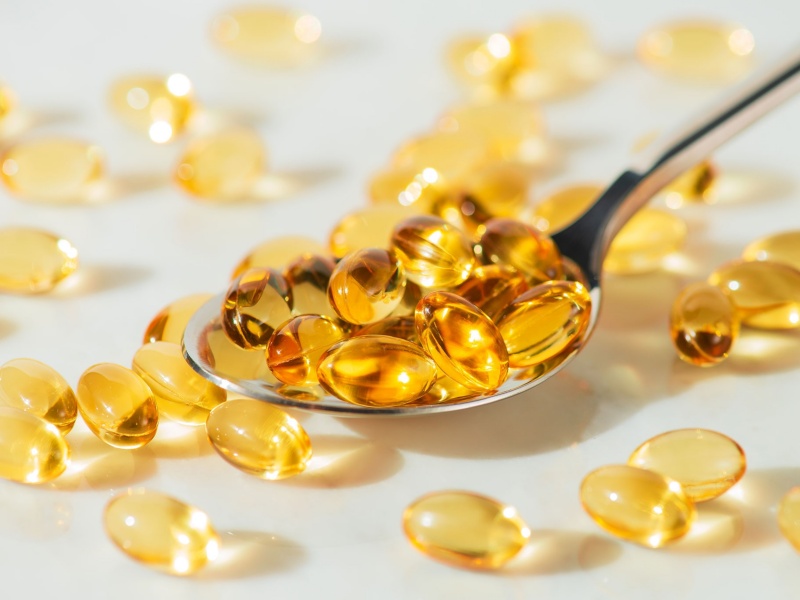
Pricing supplement products properly means building from the full cost structure, not from raw material cost alone. A workable price has to cover formula, dosage form, packaging, testing, freight, channel pressure, and discount room while still leaving enough margin for reorder, growth, and customer acquisition. The best pricing model is not the lowest one. It is the one that can survive the first order and still look healthy on the second, third, and fourth.
Zinc Supplement: Benefits and Selection Guide

Zinc looks like a small mineral, but a zinc product can quickly become confusing when you start planning a real supplement line. Should it focus on immune support, skin wellness, daily mineral balance, or men’s and women’s wellness? Should you make it as a capsule, gummy, tablet, drop, or powder? If the formula is too broad, the product becomes hard to explain. If the dosage form is wrong, taste, MOQ, packaging, and reorder pressure may appear before the product even reaches the market.
Practical Guide:What Does Magnesium Supplement Do?

Magnesium often appears in conversations about sleep, muscle tightness, workout recovery, daily stress, and mineral balance. For many supplement projects, it is also one of those ingredients that looks simple at first, but needs careful planning once you turn it into a real product.
What Do Fish Oil Supplements Do? Benefits, Uses, and Product Choices

Fish oil is one of those supplement categories almost everyone has heard of, yet not everyone knows how to judge. One bottle may look clean and premium. Another may look cheap and simple. Both may say “fish oil,” yet the real product value can be very different.
Supplement Brand vs Reselling: Which Is Better

For most serious supplement businesses, dropshipping is easier to test with, while private label is usually better for long-term growth. Dropshipping lowers early cost and speeds up launch, but private label gives stronger control over branding, product structure, margins, packaging, and repeat purchase strategy. In supplements, that control matters because companies that market these products are responsible for safety, truthful claims, and compliant labeling.
Dropshipping vs Private Label Supplements

Private label is usually the better route for a business that wants stronger control, better long-term margin, clearer brand identity, and more room to shape pricing and packaging. Dropshipping is usually better for testing demand with lower upfront commitment, especially when the operator wants to move quickly and avoid inventory risk. The right choice depends less on hype and more on budget, channel strength, product vision, compliance discipline, and how serious the project is about building a repeatable supplement business.
How to Sell Supplements on Shopify

Selling supplements on Shopify looks simple from the outside. A new seller sees a clean storefront, a few product photos, a subscription app, some influencer videos, and a product page that seems ready to collect orders. The harder part starts before the store even launches: choosing the right first SKU, checking whether the claims are safe, finding a manufacturer who can control quality, deciding how much MOQ the first order can carry, and making sure the packaging does not turn a small test order into a heavy launch. Many supplement projects do not fail because Shopify is a weak channel. They fail because the product structure was too ambitious, the claims were too aggressive, the margin was calculated only from the factory quote, or the first order left no room for reorders.
How to Build a DTC Supplement Brand

A strong DTC supplement brand is built around one clear audience, one easy-to-understand product promise, one realistic first SKU, and one repeat-order path that fits real shopping behavior. It works best when formula, price band, packaging, content, and website all support the same sales story. In most cases, the strongest launch is not the widest launch. It is the one that is easiest to explain, easiest to trust, and easiest to reorder.
Top Supplement Business Ideas in 2026
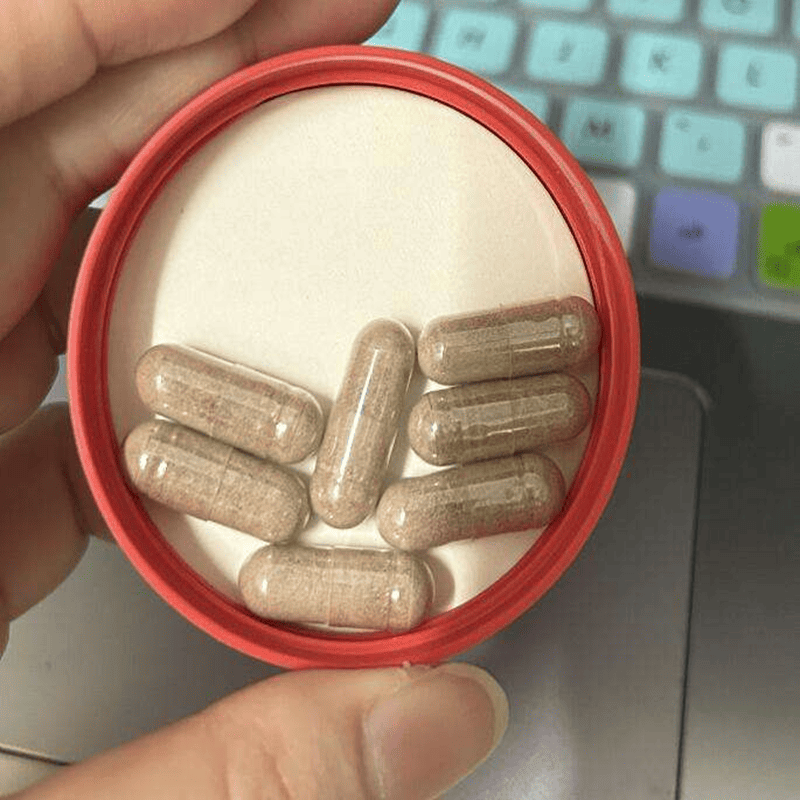
The most promising business ideas in 2026 are the ones that connect broad demand with a clear commercial entry point. Current trend coverage keeps returning to the same clusters: women’s health, protein, longevity, gut health, and creatine, with hydration also staying commercially relevant through performance and everyday wellness positioning. Those areas are active because they fit real routines rather than one-off curiosity. The best first launch is usually not the most complicated formula in the market. It is the one that matches a real buyer group, a workable dosage form, and a sensible first-order structure.
Best Business Model for Supplement Brands
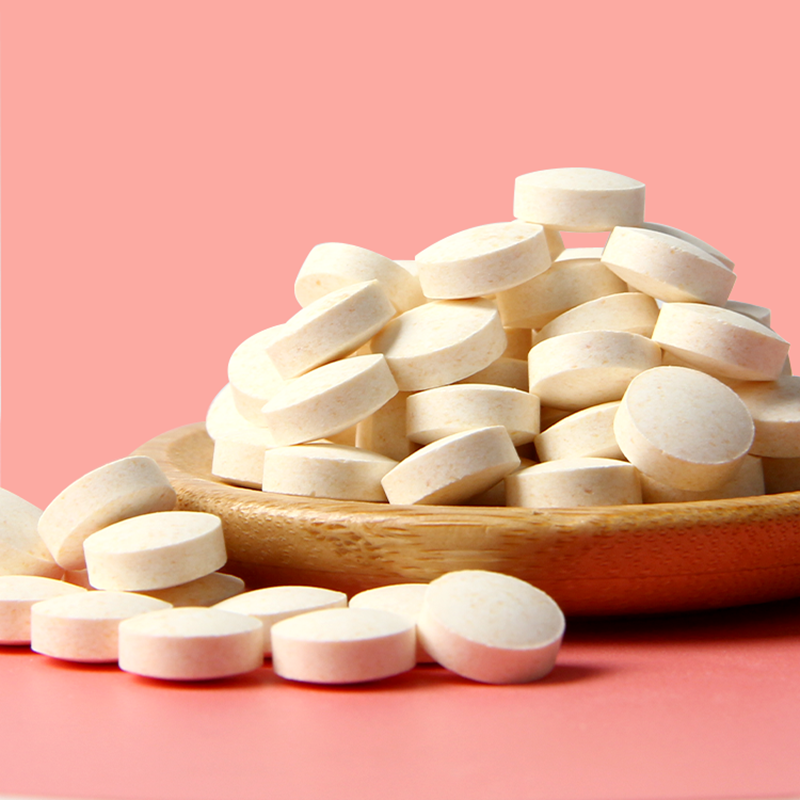
A good business model for supplement brands is usually one that keeps the first launch commercially clean: one clear audience, one product with a believable daily use case, one packaging structure that does not push MOQ too high, and one price band that still leaves room after freight, samples, design, and selling costs. In supplements, the strongest model is rarely the most complicated one. It is the one that can launch, reorder, and scale without breaking cash flow.