Skip to content
The future of supplement business will not be decided by whoever launches the most products. It will be decided by whoever understands how people are changing, how discovery is changing, and how buying decisions are changing. Wellness is no longer treated like an occasional purchase for many people. It is becoming part of a daily routine, shaped by sleep goals, energy needs, gut comfort, healthy aging, mood support, weight balance, hydration, appearance, and long-term health planning. McKinsey’s recent wellness research describes the global wellness market as a roughly $2 trillion space, with younger groups treating wellness as a daily, personalized practice rather than an occasional activity. At the same time, NIH’s Office of Dietary Supplements says about one-half of U.S. adults use dietary supplements, often to improve health or help prevent future health problems. That combination matters. It means demand is no longer driven only by a single seasonal trend or one popular ingredient. It is being pulled by daily behavior, prevention, and routine use.
The future of supplement business will favor brands that build around repeatable routines, clearer formulas, stronger trust signals, and product structures that actually fit real channels. The next winners are likely to be those who connect personalized wellness, healthy aging, functional nutrition, weight support, and smarter delivery formats with realistic MOQ, packaging, pricing, and reorder logic. In simple terms, the market is moving away from random product chasing and toward better product planning.
You can already see where this is heading. A few years ago, many teams could still grow by following one viral ingredient, one copied formula, or one platform spike. That path is getting weaker. Search behavior is changing. Trust expectations are rising. Label scrutiny is tighter. People want products that fit their day, their goal, and their budget. For supplement brands, that creates pressure, but it also creates a real opening. If you understand which trends are durable and which ones only look exciting for a moment, you can build a line that lasts longer than the hype.
What Is Changing the Future of Supplement Business?
The future of supplement business is being shaped by a group of changes happening at the same time, not by one single trend. Search behavior is changing. Product discovery is changing. Customers compare faster, question labels more carefully, and expect products to fit into real routines instead of sitting on a shelf as a vague “wellness” idea. On the business side, packaging cost, channel fit, reorder pressure, and compliance review are all becoming more important much earlier in the project.
For a supplement team, that changes how decisions should be made. A good formula alone is no longer enough. A nice-looking label alone is no longer enough. A brand now needs a product structure that can survive search comparison, page review, first-order cost pressure, and repeat purchase testing. The market is becoming more selective, more transparent, and less forgiving of products that are confusing, overpriced, badly positioned, or too difficult to reorder.
Search and AI discovery are changing how people find products
More supplement projects are now being discovered through layered search behavior rather than one direct product search. People may start with a symptom, then move to a function, then compare ingredient types, then check product format, then search for a manufacturer or private label route. That means a product is no longer judged only on a marketplace listing or a retail shelf. It may be judged across search summaries, AI-generated comparisons, product pages, reviews, social content, and brand explanation pages before the first inquiry even happens.
For a brand owner, that creates a more demanding environment. A product has to make sense quickly. If the product name, formula direction, dosage form, and packaging story do not connect, the audience loses interest fast. A hydration stick, a sleep capsule, and a beauty powder each need a different style of explanation. A future-facing product page should help people understand three things almost immediately:
- what the product is for
- why the format fits that purpose
- why the formula deserves attention in that category
That shift also changes how manufacturers and brand owners should work together. It is no longer enough to ask whether a product can be produced. The better question is whether the product can be understood clearly enough to sell.
Buyers are moving from generic wellness to targeted use cases
The supplement market is becoming more specific. Broad “good for health” positioning feels weak in many channels now. The products that move more easily are usually tied to a daily use case, a visible routine, or a defined audience. That is why categories such as electrolytes, weight management support, anti-aging support, immunity, gut health, sleep support, mental wellness, and protein continue to attract attention. They are easier to place into a real schedule and easier to communicate in a short sentence.
This also explains why different dosage forms are rising or falling depending on the category. A hydration concept often works better in stick packs or powder. A sleep or liver support idea may feel cleaner in capsules. A premium healthy-aging concept may lean toward softgels or drops. A protein line may work better in tubs or pouches because the usage scene is already familiar.
The commercial lesson is important. You do not build a stronger product by making it cover more needs. You usually build a stronger product by helping one target group solve one clearer problem. That makes the product easier to position, easier to price, and easier to reorder.
Margin pressure is becoming more visible earlier
One of the biggest changes in the future of supplement business is that cost pressure appears earlier than many new brands expect. In the past, some teams could build around a product concept first and work out the numbers later. That approach is becoming riskier. Today, formula cost, packaging route, serving count, freight structure, and channel pricing all need attention before the product is finalized.
A product may look attractive at concept stage and still fail commercially because the first order gets too heavy. In real projects, the pressure often does not come from only one place. It comes from a stack of small choices:
- active ingredients are too expensive for the intended retail band
- packaging design pushes MOQ higher than expected
- stick packs or printed pouches increase inner-pack cost
- serving size makes the jar, pouch, or box too large
- target price and target channel do not match each other
This is exactly why many early-stage projects slow down after the first quotation round. A formula that sounds exciting on paper may not fit the market price. A beautiful box may not fit the order quantity. A premium ingredient story may not survive the actual landed cost.
Future-ready supplement businesses will increasingly make commercial decisions earlier. They will ask not only “Can we make it?” but also “Can we price it, ship it, and reorder it without damaging the business?”
Packaging is becoming part of strategy, not decoration
Packaging used to be treated by many new teams as a visual layer added near the end. That approach no longer works well in a more competitive supplement market. Packaging now shapes cost, MOQ, shipping efficiency, shelf presentation, and even product credibility. A product in the wrong package may still function well, but it can feel overpriced, inconvenient, or poorly matched to the channel.
Your own project data makes this very clear. A paper box may start around 500 units. Labels may start around 300, with smaller runs possible at a higher unit cost. Printed foil bags and stick packs often require much higher minimums. Paper cans, PET options, PP jars, and dropper bottles all bring different quantity and cost pressure. Once those packaging decisions are added to the formula structure, the first order can change shape very quickly.
That is why packaging should be discussed together with:
- dosage form
- target market
- target quantity
- retail price band
- shipping route
- reorder expectations
In the future of supplement business, brands that manage packaging earlier will usually move faster. They spend less time redesigning. They quote more accurately. They are less likely to discover too late that the visual direction is not commercially realistic.
Compliance and claims control are getting harder to ignore
As the market gets more crowded, claims are receiving more attention from platforms, distributors, and more informed customers. A supplement can no longer rely on loose, exaggerated language and expect long-term stability. People check labels more carefully now. They compare ingredient levels. They ask for testing logic. They want to know what the product is actually designed to do.
That changes brand building in a very practical way. The strongest projects are moving toward clearer formula logic and more disciplined claims. A product should not try to say everything. It should say enough to be credible, specific, and commercially useful. If the promise is too wide, the message becomes weak. If the wording is too aggressive, the project becomes harder to support safely across channels.
A safer and stronger route usually includes:
- a more focused function
- ingredient levels that support the intended message
- label wording that fits supplement communication better
- cleaner front-panel hierarchy
- product pages that explain routine and usage clearly
This shift is especially important for brands that want to scale beyond one small channel. The higher the volume, the greater the need for consistency between formula, label, product page, and actual customer expectation.
Faster sample cycles are raising expectations
Another important change is speed. The market is not only more competitive; it is also moving faster. Brand owners want to validate product ideas sooner, test flavors sooner, and shorten the time between concept and market entry. That increases pressure on both the manufacturer and the brand side to make decisions earlier and communicate more clearly.
From the workflow you shared, simple samples may move in about 3–7 days, raw-material purchasing can push timing to around 7–12 days, and more complex custom work may take about 10–15 days. Those numbers matter because they set the pace of the project. A team that keeps changing product direction, format, and packaging at the same time can burn weeks without real progress. A team that locks the product route early can move much faster.
That is one reason the future of supplement business will favor clearer project logic. The brands that move better are usually not the ones asking for the most features. They are the ones that decide faster on the right features.
A smoother project often follows this sequence:
| Stage | Key decision | Why it matters |
|---|---|---|
| Product direction | One category and one use case | Prevents message drift |
| Format | Powder, capsule, softgel, gummy, drops, etc. | Shapes cost, compliance, and daily use |
| Formula | Active structure and dosage level | Determines commercial feasibility |
| Packaging | Jar, bottle, pouch, box, stick pack | Controls MOQ and first-order pressure |
| Sample route | Existing, simple custom, or complex custom | Sets development timing |
| Production plan | Quantity, lead time, reorder path | Protects launch and next-stage supply |
Reorder logic matters more than launch excitement
A launch can make a brand feel alive, but reorder is what makes it durable. One of the biggest shifts in the future of supplement business is that more teams are starting to realize that first-order success does not guarantee a healthy business. A product can get early traffic, even early sales, and still fail if the second order becomes too difficult.
Several things usually create that problem:
- the packaging route is too expensive to repeat comfortably
- the formula cost leaves no room for paid traffic or channel discounting
- the product is too hard to explain outside the founder’s own circle
- the customer experience is acceptable once, but not strong enough for a second purchase
- the brand launches too many SKUs before one proves stable
This is why more serious supplement businesses are building around repeatable structures. They want one or two products that can keep moving, not six products that look impressive in a pitch deck but remain fragile in the real market.
A better supplement business in the next few years will usually have these traits:
- a sharper first SKU
- a clearer channel match
- a more realistic packaging route
- a more believable formula message
- a cleaner reorder path
The future is not only about innovation. It is also about discipline. The brands that understand that difference will usually build more stable growth.
Which Categories Will Grow Fastest in the Future of Supplement Business?
The fastest-growing areas in the future of supplement business are likely to cluster around functional nutrition, healthy aging, weight management, mental wellness, and beauty-from-within. McKinsey’s 2025 wellness research identifies those as major growth pockets, with especially strong demand from younger consumers, while broader market data still points to steady expansion for the supplement industry overall. For supplement brands, the real opportunity is not chasing every hot topic at once. It is choosing the category where demand, format, price band, and repeat purchase logic can work together.
Functional nutrition
Functional nutrition will probably remain the strongest commercial engine for many supplement brands because it sits closest to daily behavior. McKinsey notes that in the United States, United Kingdom, and Germany, about half of consumers—and roughly two-thirds of Gen Z and millennials—said they bought functional-nutrition products last year. The most sought-after benefits were energy, gut health, immunity, and muscle, bone, and joint support. For a supplement business, that matters because these are not niche needs. They fit everyday routines, repeat use, and multiple dosage forms such as powders, sticks, capsules, gummies, and drink-adjacent concepts.
What makes this category move faster is not only demand volume. It is the way customers already understand the use case. A hydration powder, protein support formula, gut-health capsule, or immunity stick pack is usually easier to explain than a highly abstract wellness concept. It also gives brands more room to build a first SKU with a clear routine: morning energy, post-workout recovery, daily digestion, seasonal immune support, or bone and joint maintenance. When a product fits a habit people already have, conversion pressure becomes lower and reorder potential becomes stronger.
For product planning, the most practical sub-directions inside functional nutrition are:
- Hydration and electrolytes for sports, travel, heat exposure, and daily performance
- Protein and recovery for fitness, meal replacement, and active-lifestyle positioning
- Gut health through probiotics, prebiotics, enzymes, fiber, and fermented-positioned concepts
- Immunity support through vitamins, minerals, mushrooms, and botanical blends
- Joint, bone, and muscle support for both active users and older audiences
These routes are easier to commercialize because they connect a known problem, a familiar format, and a believable daily usage scene.
Healthy aging
Healthy aging will grow fast because it is no longer a category aimed only at older adults. McKinsey reports that up to 60 percent of consumers across markets describe healthy aging as a top or very important priority. The meaning is also broader than “anti-aging.” It covers energy, cognitive support, independence, chronic-disease prevention, mobility, and long-term function. That makes the category commercially attractive, because it can support multiple product lines instead of a single hero ingredient story.
For supplement teams, healthy aging works best when it is translated into more immediate needs rather than presented as a vague longevity promise. Customers do not usually buy a bottle because it sounds futuristic. They buy when the product connects with something concrete: staying sharp, keeping up energy, supporting joints, improving recovery, supporting heart and metabolic health, or maintaining skin quality over time. McKinsey explicitly points out that brands in longevity-related spaces should highlight near-term benefits alongside long-term positioning. That is commercially important because short-term felt value usually supports retention better than a distant promise.
The categories inside healthy aging that often have stronger product logic include:
- Cognitive support
- Mobility and joint support
- Heart and metabolic support
- Cellular-energy or mitochondrial positioning
- Skin, hair, and structural-aging support
- Daily healthy-aging foundations built around vitamins, minerals, omega systems, or targeted blends
This category also fits both premium and mainstream pricing. A clean capsule line can target pharmacy-style channels, while powders, softgels, and beauty-oriented formats can support more premium direct-to-consumer positioning.
Weight management
Weight management will remain one of the fastest-moving categories because the need is persistent, global, and emotionally charged. McKinsey notes that more than one in eight people globally live with obesity, and that younger consumers in particular report difficulty managing weight and staying motivated to exercise. The category is also widening beyond fat-loss language. It now includes appetite control, meal structure, protein intake, gut comfort, muscle maintenance, metabolic support, and routine-building systems that fit daily life better than old-style “diet products.”
The commercial shift here is important. Growth is no longer limited to stimulant-heavy formulas or superficial slimming claims. McKinsey points to the broader ecosystem forming around GLP-1 use, where protein-fortified products, gut-health support, and muscle-maintenance solutions are positioned to grow. For supplement businesses, that opens a more credible route: instead of selling only “weight loss,” brands can build products around satiety support, lean-mass protection, digestive comfort, portion control, or structured meal support. Those are easier to position, easier to bundle, and often easier to repurchase.
From a product-development angle, the strongest subcategories are likely to include:
- Protein powders and meal-support systems
- Fiber and satiety support
- Gut-support formulas linked to diet change
- Metabolic-support capsules or powders
- Muscle-preservation and workout-support products for people reducing calories
For many brands, weight management becomes more stable when it is built as a system instead of a single SKU. One appetite-support capsule, one protein-led powder, and one digestive-support add-on can create a more believable line than one aggressive formula trying to do everything at once.
Mental wellness, sleep, and cognition
Mental wellness will grow quickly because demand is deep, recurring, and still not fully satisfied. McKinsey reports that unmet needs remain high in cognitive health, mindfulness, and mental health, especially among younger consumers. In the United States, 40 percent of Gen Z said they feel almost always stressed, compared with 23 percent overall, and 42 percent of Gen Z and millennials said mindfulness is a very high priority, versus 29 percent of baby boomers. Those are powerful signals for any supplement business deciding where future demand may concentrate.
For supplement brands, the opportunity inside this category is broader than “calm.” Customers often want products that support a more usable day: better sleep quality, less evening overstimulation, more focus, more emotional steadiness, or a calmer transition between work and rest. That opens room for multiple formats and multiple price bands. Capsules still work well for sleep or stress-support formulas. Powders, sticks, gummies, and drink-mix concepts can work well for mood, focus, and routine-oriented positioning. What matters most is that the formula promise remains disciplined and the product fits the time of day it claims to support.
The most workable sub-segments often include:
- Sleep support
- Stress and calm support
- Focus and cognitive performance
- Mood-balance support
- Evening recovery and screen-fatigue support
Compared with some other categories, mental wellness often needs stronger communication discipline. Customers are interested, but they are also skeptical of exaggerated promises. Brands that combine realistic claims, clear timing, and easy daily use will probably be in a better position than brands using vague “brain optimization” language with no structure behind it.
Beauty from within
Beauty-from-within will keep growing because the line between wellness and appearance is getting weaker, not stronger. McKinsey says more consumers are interested in ingestible beauty supplements, and that better appearance rose from the sixth-most-important wellness dimension for U.S. Gen Z consumers in 2023 to the third-most-important in 2024. Social media is clearly part of the growth engine, but the category is not only visual. It also benefits from repeat behavior, giftability, and strong compatibility with powders, gummies, stick packs, softgels, and liquid concepts.
For supplement businesses, beauty works especially well when it is linked to a precise benefit rather than a broad glamour message. Collagen alone is not enough as a positioning strategy anymore. Brands are more likely to grow when they define the usage scene: daily skin support, hair and nail maintenance, anti-fatigue beauty, hydration plus glow, or healthy-aging beauty support. Beauty products also tend to perform better when packaging, flavor, and presentation are handled carefully, because perceived value influences conversion more strongly here than in many technical-health categories.
A commercially useful way to think about the next few years is:
| Growth category | Why it can grow fast | Strong supplement routes |
|---|---|---|
| Functional nutrition | Daily-use demand, easy routines, wide age appeal | Electrolytes, protein, gut, immunity, recovery |
| Healthy aging | Bigger age range, long-term demand, multiple sub-needs | Cognition, joints, heart, energy, beauty-aging support |
| Weight management | Global need, lifestyle pressure, GLP-1 ecosystem spillover | Protein, satiety, gut comfort, metabolic support |
| Mental wellness | High unmet demand, especially among younger groups | Sleep, calm, focus, mood support |
| Beauty from within | Social relevance, repeat use, premium positioning | Collagen, skin/hair/nail support, beauty powders, gummies |
This table is a commercial reading of current wellness growth pockets and supplement-market expansion signals rather than a ranking of guaranteed winners in every channel. The right category still depends on your audience, price band, format, and how you plan to sell.
The best category for growth is rarely the one with the loudest trend headlines. It is usually the one where need is clear, repeat use is natural, packaging is manageable, and the first order does not become too heavy. That is where future supplement businesses are more likely to build something durable instead of something briefly fashionable.
How Will Product Formats Shape the Future of Supplement Business?
Product format will play a larger role in the future of supplement business because people are no longer choosing only by ingredient list. They are choosing by routine, taste, portability, visual appeal, serving convenience, storage ease, and perceived value. A good formula in the wrong format often struggles. A simpler formula in the right format can move faster, earn better reviews, and reorder more steadily. For brands planning new launches, format is no longer a packaging decision made at the end. It sits much closer to channel fit, cost control, daily use habits, and long-term brand positioning.
Daily routine fit
The strongest formats in the next stage of the market will be the ones people can keep using without friction. Many supplement teams still spend too much time debating ingredients while giving too little attention to what daily use actually feels like. A product may look excellent on paper, yet if the serving is inconvenient, messy, unpleasant, or hard to remember, repeat sales start weakening.
A format should match the rhythm of the target user’s day. That sounds simple, but it changes everything.
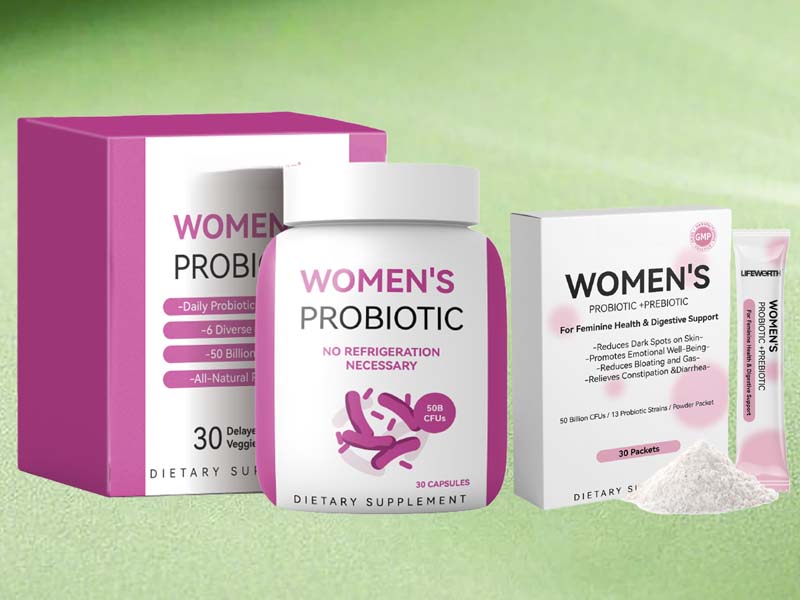
- Capsules and tablets work well when the audience wants structure, speed, and low sensory burden. They suit sleep, immunity, liver support, men’s health, women’s balance, and many support categories where taste is not the key selling point.
- Powders work better when the product needs experience, ritual, visible serving size, or stronger lifestyle storytelling. Hydration, protein, fiber, beauty blends, and some functional nutrition products often perform better in powder form.
- Stick packs support mobility, office use, gym use, travel use, and social sharing. They are especially strong for electrolytes, beauty powders, collagen-style daily use, and quick-mix functional drinks.
- Drops and liquid formats work best when dosage flexibility, easy swallowing, or faster-feeling use matters more than low packaging complexity.
- Gummies perform best when compliance is the biggest challenge and the audience responds better to flavor and ease than to technical-looking formats.
A future-focused supplement business will increasingly win by reducing usage resistance. When a product slides naturally into breakfast, commute, workout, office time, or bedtime, the chance of reorder usually improves.
Channel fit
Format decisions should also follow channel behavior. A format that works on Amazon may not work as well in a clinic setting. A format that performs nicely in creator-led short video content may struggle in pharmacy-like environments. The future of supplement business will reward brands that stop treating all formats as equal across all channels.
For marketplace channels, clarity matters fast. Customers scan product thumbnails, key claims, pack count, servings, and price in seconds. Capsules, softgels, powders, and stick packs often do better here because the format is easy to understand immediately. Confusing hybrid formats may attract curiosity, but they can also reduce conversion when customers do not understand the use case quickly.
For independent sites and DTC brands, there is more room to build a stronger story around experience. Flavor, ritual, premium packaging, bundle structure, subscription logic, and content education can support powder blends, sachets, drops, or format combinations more effectively. A DTC brand can often explain why a powder makes more sense than a capsule, or why a stick pack fits travel and daily use better than a jar.
For offline retail, shelf presence matters more. Packaging dimensions, front-label readability, and ease of comparison become more important than creative complexity. In this environment:
- Capsules, tablets, softgels, and gummies often feel more familiar.
- Powder jars can work well in sports nutrition, meal replacement, and larger-format daily use categories.
- Stick packs can feel premium and giftable, but the price architecture must still make sense.
- Bottles and cartons need clear size logic, otherwise customers struggle to understand value quickly.
For professional recommendation channels such as clinics, nutrition consultants, and some pharmacy-linked routes, disciplined presentation usually wins over novelty. A clean capsule or softgel line often feels easier to trust than a visually loud format built mainly for social media attention.
Margin and MOQ pressure
One of the biggest format mistakes happens when brands choose based on trend appeal and only later discover the cost structure is too heavy. The future of supplement business will put more pressure on cash flow discipline because packaging, fulfillment, paid traffic, sample development, and content production all compete for the same launch budget.
Different formats create very different business pressure.
| Format | Margin advantage | Pressure point | Best use case |
|---|---|---|---|
| Capsules/Tablets | Efficient packaging and simple daily logic | Harder to stand out visually | Support categories, daily health lines |
| Powder Jars | Strong serving visibility and flexible formula loading | Larger shipping volume, scoop and fill control | Protein, fiber, hydration, beauty |
| Stick Packs | Premium feel, portability, clean serving control | Inner pack MOQ and print cost rise quickly | Electrolytes, travel wellness, beauty powders |
| Softgels | Strong premium perception | Raw material and packaging cost can rise fast | Oil-based and premium support products |
| Gummies | High compliance and wider appeal | Stability, sugar system, shipping and unit cost | Mainstream wellness and lighter education categories |
| Drops/Liquids | Easy differentiation and flexible use | Bottle choice, leakage control, transport pressure | Kids, niche premium use, fast-use concepts |
A brand may love the look of stick packs, but the project can become heavy if flavor count is high, printed inner packs are required, and the opening order is still small. A powder jar may feel less trendy, yet it can create a more manageable first order if the channel allows larger serving formats. Gummies may look commercially attractive, but the unit economics, texture stability, climate sensitivity, and freight behavior all need careful review before launch.
The better decision often comes from asking three grounded questions:
- Which format keeps the first order commercially safe?
- Which format still looks credible at the target price?
- Which format can reorder without forcing a complete structural reset?
If those answers are weak, the format is probably wrong even if it looks exciting.
Stability and manufacturing reality
The future of supplement business will also favor brands that respect production reality earlier. Many format ideas sound strong in meetings and weak in factory execution. A product can be hard to dissolve, too dusty for clean filling, too sticky for stable handling, too sensitive to humidity, too bitter for the planned flavor system, or too fragile for long-distance shipping. When the format and formula are not matched properly, the launch slows down and the second order becomes even harder.
This is where experienced manufacturing judgment matters. A format should be chosen with full awareness of:
- ingredient solubility
- flavor masking difficulty
- moisture sensitivity
- fill-weight consistency
- leak risk for liquid systems
- texture stability over shelf life
- compatibility between formula and packaging material
- storage and freight conditions in the target market
For example, a high-load active system may look stronger in powder form, but if the taste becomes too aggressive, the formula may need sweetener, acid balance, or flavor work that changes both cost and positioning. A liquid idea may feel premium, but if transport routes are long or unstable, capsules or powders can sometimes deliver a safer business model. A gummy concept may help with compliance, yet if climate conditions are hot and freight is slow, the quality risk rises quickly.
Brands that build with manufacturing logic from the start usually save time later. They do not keep changing direction after samples. They move more cleanly from concept to sample, from sample to label, and from label to mass production.
Format as brand identity
Format is not only a delivery method. It becomes part of brand identity. In the future, stronger supplement brands will use format to express how they want to be perceived.
A clinically disciplined line often works best in capsules, tablets, or softgels because these formats communicate structure, precision, and seriousness. A lifestyle-led brand often performs better with powders, stick packs, or drops because these formats photograph better, feel more interactive, and create a stronger sense of daily ritual. A performance line may prefer stick packs, gels, or tubs because the format connects directly to gym, sport, hydration, or endurance behavior. A beauty line may shift toward powders, softgels, or liquids depending on whether the brand wants to emphasize ritual, convenience, or premium perception.
The most effective format strategy usually follows a brand ladder rather than a random product mix.
- First SKU: easiest format to sell, explain, and reorder
- Second SKU: complementary format or adjacent function
- Third SKU: stronger routine-building or bundle-supporting format
- Later expansion: line extensions shaped by real demand data, not internal enthusiasm
That kind of structure is far healthier than launching one gummy, one capsule, one powder, and one drop at the same time without a clear reason. A product line feels stronger when the formats relate to each other and reflect a recognizable commercial logic.
What brands should do next
For teams planning new supplement launches, the real job is not to pick the most fashionable format. The job is to choose the format that gives the product the best chance to sell, repeat, and scale. A future-proof format decision should connect product use, audience behavior, price band, packaging route, and operational reality in one clear line.
A practical format review should cover these points before development moves too far:
- target market and target user routine
- main sales channel
- ideal serving experience
- acceptable first-order MOQ
- packaging route and print pressure
- landed cost and margin target
- shipping conditions and storage risk
- reorder potential after the first successful run
The brands that take format seriously at the start usually build stronger businesses later. They waste less money on mismatched packaging. They get cleaner samples. They explain the product more clearly. They hold margin more safely. Most importantly, they create something people can keep buying instead of something that only looks good on a launch slide.
Why Will Trust Matter More in the Future of Supplement Business?
Trust will carry more weight in the future of supplement business because discovery is getting faster while scrutiny is getting sharper. Google says it now sees more than 5 trillion searches per year, and AI Overviews are driving more than a 10% increase in Google usage for the kinds of queries where they appear in major markets such as the U.S. and India. At the same time, supplement use is already common: 57.6% of U.S. adults reported using dietary supplements in the past 30 days, and among adults aged 60 and over, 24.9% reported taking four or more. That means many people comparing your formula are not completely new to the category. They have seen dozens of labels before, and they can spot weak logic quickly.
Clear formula logic
A trustworthy supplement usually starts with a formula that makes sense in one glance. Many weak products lose credibility before anyone asks for a COA or a factory certificate. The problem appears earlier: the ingredient list feels random, the dosage looks unbalanced, the serving size looks inconvenient, or the formula promise does not match the format. When that happens, customers may not say “I do not trust it,” but they hesitate, compare longer, and postpone the order.
In the next stage of the market, formula logic will need to be cleaner and more commercially grounded. A hydration product needs an electrolyte structure, serving size, flavor system, and packaging route that all point in the same direction. A sleep product needs an evening-use rhythm, reasonable dose stacking, and a format that feels easy to maintain daily. A beauty formula should not read like a sports recovery powder with collagen added at the end. Buyers, operators, and even content creators are becoming more sensitive to internal logic because they are comparing products across AI summaries, social videos, marketplace listings, and brand sites much faster than before. Google’s own update on AI in Search makes that pressure clear: brands are now meeting people inside AI Overviews and AI Mode, where the product idea often has to make sense before the shopper even reaches the brand page.
A more credible formula structure usually includes these qualities:
- One clear use case rather than four weak promises crowded together
- Ingredient choices that support the same outcome instead of fighting for label space
- Dosage levels that fit the target price band and real daily use
- A serving format that does not create avoidable friction
- A product story that can be explained simply without overselling
When those basics are in place, trust rises earlier in the buying process. The product feels designed, not assembled.
Proof and substantiation
Proof will matter more because the market is becoming less tolerant of vague performance language. The Federal Trade Commission says health-related claims must be truthful, not misleading, and supported by science. Its current guidance also notes that, since 1998, the FTC has settled or adjudicated more than 200 cases involving false or misleading claims about the benefits or safety of dietary supplements and other health-related products. That record matters commercially. It shows that unsupported marketing is not just a theoretical risk sitting in the background. It is a real operating risk.
From a business angle, stronger proof does more than protect legal exposure. It improves conversion quality. A better-supported product is easier to explain to distributors, easier to submit to platform reviewers, easier to defend when a shopper asks for details, and easier to keep in market when the business starts growing. Weak proof often does not break a project at the beginning. It breaks it later, after money has already been spent on design, traffic, content, or inventory.
A more trust-ready project should usually have these pieces lined up before scale:
- Supplier-side raw material documentation
- Clear active-ingredient specifications where relevant
- Batch-level finished-product testing logic
- Label review before printing
- Claim wording checked against the evidence level
- Product-page language aligned with what the formula can honestly support
NIH’s Office of Dietary Supplements also highlights ongoing federal work on validated analytical methods, reference materials, population studies, and supplement databases. That wider research environment raises the standard for what serious projects should look like. The market is moving toward more verification, not less. A brand that can show it understands that direction will look safer, more mature, and easier to work with.
Claims discipline
Claims discipline will become one of the clearest trust signals in the future of supplement business. FDA explains that label claims for foods and dietary supplements fall into three main categories: health claims, nutrient content claims, and structure/function claims. FDA also states that structure/function claims for dietary supplements are not pre-approved, but the manufacturer must have substantiation showing the claim is truthful and not misleading, must include the required disclaimer on the label, and must notify FDA within 30 days after first marketing the product with that claim.
That regulatory structure has a direct commercial meaning. If a brand uses language that sounds stronger than the substantiation behind it, the problem does not stay confined to compliance paperwork. It damages trust across the whole project. Customers become unsure about the formula. Agencies become cautious about running ads. Marketplace teams may ask more questions. Retail partners may hesitate. Internal content also becomes harder to write because nobody is sure how far the wording can go.
Safer and stronger brands usually follow a simpler pattern:
- Keep the benefit language aligned with the actual role of the formula
- Avoid disease-style wording when the product is a dietary supplement
- Use label claims and marketing claims that can stay consistent across pages, ads, and packaging
- Avoid stacking too many dramatic outcomes into one SKU
- Treat claims as part of product design, not as copywriting added at the end
In a market shaped by AI-assisted search and faster product comparison, exaggerated language tends to lose value more quickly. Calm, believable, well-supported wording often converts better over time because it holds up under repeated review.
Label clarity and reading confidence
Trust now depends heavily on how easy the product is to read. Many supplement teams still think credibility comes mainly from technical density, long ingredient lists, and crowded packaging. In reality, experienced shoppers often read that clutter as confusion. The CDC data shows supplement use is widespread, and usage rises with age; NIH’s Office of Dietary Supplements also maintains fact sheets, consumer resources, and public databases because people actively seek understandable information about ingredients and supplement use. A product label that takes too much effort to decode can lose trust even if the formula itself is acceptable.
A cleaner label improves trust because it lowers mental friction. People should be able to understand what the product is for, how to use it, what format it comes in, how many servings it contains, and what kind of ingredient logic it follows. If the front panel is overloaded with promises, if the Supplement Facts panel looks inconsistent with the positioning, or if the serving count does not match the value story, confidence drops.
A stronger label and product-page structure often includes:
- A front panel with one dominant message rather than several competing ones
- Serving logic that is easy to follow
- Clear differentiation between hero actives and supporting ingredients
- A Supplement Facts panel that does not feel visually chaotic
- Simple explanation of use scene, timing, and expected fit in daily life
- Page copy that sounds informed without sounding inflated
That clarity matters even more now because many first impressions are no longer formed only on the brand site. They happen through snippets, comparisons, AI summaries, ad previews, and marketplace thumbnails. If the product cannot be understood quickly, it becomes easier to skip.
Supply consistency and factory credibility
Trust is also operational. Many brand owners focus so heavily on front-end messaging that they forget trust can collapse after purchase. Late delivery, batch inconsistency, unstable flavor, leaking bottles, poor fill appearance, or different label placement across production runs can undo months of brand-building work. For repeat business, operational stability is often more important than launch creativity.
FDA notes that companies that manufacture or market dietary supplements are responsible for ensuring their products are safe and that label claims are truthful and substantiated. FDA also states that it regulates both finished dietary supplement products and dietary ingredients under a distinct regulatory framework from conventional foods and drugs. In plain business terms, that means manufacturing discipline is not optional support work in the background. It is part of the brand promise, whether the shopper sees the factory or not.
When customers assess whether a supplement project feels reliable, they are often asking a broader question than “Do you have certificates?” They are really asking whether the product can remain stable from sample to first order to reorder. Stronger manufacturing trust usually comes from visible control points such as:
- clear sample process and feedback loop
- realistic lead times rather than optimistic promises
- packaging advice tied to MOQ and production reality
- batch testing logic
- raw-material sourcing discipline
- stable documentation and clearer communication during revisions
A supplement brand does not become trusted by presentation alone. It becomes trusted when the formula is coherent, the proof is supportable, the claims are controlled, the label is readable, and the production route remains stable when orders move from idea stage to repeat business.
Trust checkpoints table
| Trust area | What customers notice quickly | What stronger brands control early |
|---|---|---|
| Formula logic | Random ingredient stacking, awkward serving size, weak format fit | One use case, cleaner structure, realistic dosage |
| Proof quality | Vague promises, no testing pathway, unclear documentation | Supplier specs, batch logic, substantiation review |
| Claim safety | Overstated outcomes, risky wording, inconsistent messaging | Label review, claim discipline, evidence-aligned copy |
| Label clarity | Crowded panels, confusing hierarchy, poor reading flow | Cleaner front panel, readable facts, better information order |
| Supply reliability | Delays, unstable batches, packaging inconsistency | Realistic lead times, stable processes, better coordination |
In the future of supplement business, trust will not be a soft branding idea sitting beside the real work. It will be one of the real work layers itself. Brands that understand that earlier will usually move faster, convert more cleanly, and build stronger repeat business.
How Should You Build a Brand for the Future of Supplement Business?
Trust will matter more in the future of supplement business because the category is already large, supplement use is common, and people are comparing products in more compressed decision windows. CDC reported that 60.2% of U.S. adults used a dietary supplement in the past 30 days during August 2021–August 2023, while 38.7% used two or more. NIH’s Office of Dietary Supplements also says about half of U.S. adults take dietary supplements and spend almost $60 billion a year. In a market with that level of usage, trust stops being a soft branding idea and becomes a conversion, compliance, and reorder issue.
Market maturity
A younger category can grow on novelty for a while. A more mature category grows on confidence. Once a large share of adults already use supplements, new products are no longer judged only by packaging appeal or a fashionable ingredient name. They are judged against what people have already tried, what they already know, and what they have learned to doubt. CDC’s latest data shows not only high overall usage, but also rising use of two or more supplements among adults over time. That means many shoppers are no longer making isolated one-product decisions. They are looking at overlap, serving burden, ingredient duplication, and whether a formula genuinely deserves a place in the daily routine.
For a brand owner, the commercial meaning is direct. A first order can sometimes be won with a good concept, a clean label, and attractive pricing. Reorders depend on whether the product still looks trustworthy after people read the Supplement Facts panel, compare ingredient levels, check claims, and decide whether it fits with the rest of what they already take. Mature categories reward products that are easier to explain, easier to defend, and easier to believe. That is one reason trust will carry more weight in future supplement business than pure launch excitement.
Claims and proof
Claims discipline will become one of the clearest dividing lines between serious brands and short-lived projects. FDA states that structure/function claims for dietary supplements are not pre-approved, but the manufacturer must have substantiation that the claim is truthful and not misleading, submit a notification to FDA within 30 days after marketing, and include the required disclaimer on the label. FDA also distinguishes structure/function claims from other claim categories, which means wording choices are not a minor label-editing issue. They shape legal exposure, retailer acceptance, and platform risk.
FTC adds another layer of pressure. Its health products compliance guidance says claims about benefits and safety must be truthful, not misleading, and supported by science. FTC also notes that it has settled or adjudicated more than 200 cases involving false or misleading claims for dietary supplements and other health-related products since the earlier guide was issued. For operators building in weight management, immunity, cognition, beauty, or energy, that number matters. It shows enforcement is not theoretical. Weak substantiation can damage ad performance, distribution conversations, investor confidence, and long-term brand value. A product with stronger documentation usually costs more discipline upfront, but it is far easier to scale later.
A safer route usually includes several working rules:
- Match the formula story to what the ingredients can realistically support.
- Keep label language, landing-page language, and ad language aligned.
- Avoid disease-style wording when the evidence or claim category does not support it.
- Treat testing files, batch records, and raw-material documents as growth assets, not paperwork.
Brands that manage those basics early tend to move through content review, partner review, and repeat purchasing with less friction.
Batch consistency
Trust is not built only by compliant wording. It is also built by repeatable product experience. A supplement can look strong on paper and still lose momentum if flavor drifts, fill weight changes, color shifts, capsule smell varies, powder clumps, or solubility performs differently from batch to batch. CDC’s 2026 brief notes both widespread use and multi-supplement use, then points to the need to watch for overlapping ingredients, excess intake, interactions, and accessible evidence-based information. In a market where people are already paying attention at that level, inconsistency becomes more visible and less forgivable.
From a business angle, consistency affects more than complaints. It shapes review quality, subscription retention, and how confidently you can place reorders. A stable batch profile also supports cleaner marketing because your team does not need to keep explaining why the product looks or tastes different from last time. Reliable supply partners matter here because quality control begins long before finished-goods inspection. It starts with ingredient specifications, supplier screening, process control, retained samples, and packaging choices that protect the formula through shipping and storage. In the next phase of supplement business, reliability at the factory level will increasingly decide trust at the brand level.
Faster comparison
Trust matters more now because comparison happens faster than before. Google says AI in Search is helping people ask more questions and find information in AI Overviews and AI Mode, while Google Ads documentation explains that AI Overviews help users quickly understand information from a range of sources. For supplement brands, that means your formula logic, label clarity, and claim quality may be judged before the shopper even lands on your full product page. Search, marketplaces, social content, creator reviews, and AI-assisted summaries are compressing the time you have to look credible.
That change has a practical effect on product-building. Overloaded formulas, vague promises, inflated benefit language, and cluttered packaging become easier to reject at a glance. Clearer structures travel better across modern discovery channels. A hydration formula with a believable mineral balance and clean serving story is easier to trust than a long, messy ingredient list trying to promise everything at once. A sleep support capsule with disciplined positioning will often outperform a louder formula that reads like a copywriting exercise. The market is moving toward faster screening, and faster screening rewards brands that look organized, evidence-aware, and operationally serious from the first impression.
Operational trust
Operational trust is often the least discussed part of the category, yet it is one of the biggest reasons projects stall or scale. Buyers and brand owners may accept a higher unit cost when timelines hold, documents arrive on time, formula changes are handled transparently, and sampling feedback leads to clear action. They often lose confidence when the opposite happens: slow replies, vague revisions, unclear MOQ logic, inconsistent lead times, and poor explanation of what caused the price to move. In supplement work, trust is built through process as much as through ingredients.
The strongest manufacturers and brand teams usually align on a few operational basics early:
| Trust area | What the customer watches closely | What builds confidence |
|---|---|---|
| Formula trust | Whether the structure makes sense | Clear ingredient role, believable dosage, realistic positioning |
| Claims trust | Whether the promises feel safe and defensible | Proper substantiation, disciplined wording, compliant disclaimers |
| Quality trust | Whether the product feels stable every time | Batch control, testing, retained samples, packaging protection |
| Process trust | Whether the project moves cleanly | Clear quotations, timing discipline, transparent revisions |
| Reorder trust | Whether scale feels manageable | Stable supply, repeatable quality, consistent documentation |
When those layers are strong, trust starts lowering customer-acquisition friction and improving reorder confidence at the same time. That is why trust will matter more in the future of supplement business: not because the word sounds good in branding meetings, but because the category is more crowded, more regulated, more searchable, and more comparison-driven than before. Brands that can prove what they say, deliver what they show, and repeat what they promised will hold an increasingly unfair advantage.
How Can ZOXIZO Help You Act on the Future of Supplement Business?
Seeing where the supplement market is going is only the first step. The harder part is turning a trend into a product that can actually launch, hold margin, fit your channel, and survive reorder. Many teams already know the broad direction they want to follow. They may be interested in hydration, healthy aging, beauty-from-within, weight management, gut health, better sleep, or daily wellness support. The delay usually starts when those ideas need to become a real SKU with a clear format, workable cost, realistic packaging, sensible MOQ, and stable delivery plan.
That is where ZOXIZO can play a more useful role than a factory that only waits for final instructions. We can help you narrow the route earlier, reduce unnecessary trial and error, and shape a project around launch logic instead of only around ingredient imagination. A future-facing supplement business needs products that are easier to understand, easier to produce, and easier to reorder. Our value is helping you move in that direction with more structure.
Turning trend ideas into commercially workable SKUs
A trend is not yet a product. Many inquiries begin with a general direction such as “I want a hydration product,” “I want a beauty supplement,” or “I want something for women’s wellness.” Those ideas are valid, but the project still has too many open variables. The actual business result depends on what format you choose, what ingredients you keep or remove, how strong the dosage needs to be, what price your channel can support, and how the packaging changes the first order.
ZOXIZO can help you make those early decisions in a more grounded way. Instead of building an overcomplicated concept too soon, we can help you identify a first SKU that is easier to sell and easier to repeat. In many cases, the strongest opening move is not the most complex formula. It is the version that balances market fit, product feel, pricing room, and production feasibility.
We usually help narrow the route through questions like these:
- Which sales channel will carry the first volume: Amazon, Shopify, social traffic, clinics, gyms, or retail?
- Does the audience need a powder, capsule, gummy, softgel, drop, or stick pack?
- Is the product meant to look more lifestyle-led, practitioner-led, premium, or value-focused?
- Does the formula need to feel differentiated, or does it need to enter quickly with lower risk?
- Will the first order succeed more easily with one hero product or with a small line?
That kind of filtering saves time because it turns “market interest” into “product direction.” Once the direction becomes sharper, your formula, pack size, and cost structure become much easier to control.
Matching formula design with channel reality
A strong supplement formula should not only look good on a spreadsheet. It should also make sense for the channel that will sell it. A product for short-video traffic usually needs quick communication, strong daily use logic, and a clear reason to buy now. A product for Amazon often needs sharper comparison value, cleaner listing structure, and more disciplined packaging economics. A product for clinics or practitioner-led channels may require a more focused presentation and a more serious ingredient story.
ZOXIZO can support that matching process by helping you avoid a common mistake: building the formula first and only later discovering it does not fit the audience, the price band, or the usage routine. We can help you look at the formula through several commercial filters at the same time.
For example, we can help assess:
- whether the active level is appropriate for the retail price you want to reach
- whether the ingredient story is strong enough for your chosen channel
- whether the serving size creates taste, texture, or capsule-count pressure
- whether the formula looks better in powder, capsule, softgel, or drop form
- whether the concept should start with a lighter version and expand later
This matters because many first orders get too heavy for avoidable reasons. Sometimes the problem is not the trend category. Sometimes the formula is carrying too many expensive actives for a market that is not ready to pay for them. Sometimes the target audience wants convenience, but the product structure creates too much friction. Sometimes the formula is technically attractive, yet the format makes it hard to explain in one sentence. A better manufacturing partner helps you catch that earlier.
Reducing MOQ and packaging pressure before it becomes a problem
One of the biggest reasons supplement projects slow down is packaging pressure. Many brand owners spend a lot of time discussing ingredients and flavor, then discover that inner packs, boxes, labels, jars, pouches, droppers, or stick-pack printing lift the order weight faster than expected. In many supplement projects, packaging—not the formula alone—is what turns a manageable launch into an expensive one.
ZOXIZO can help reduce that risk by bringing packaging logic into the discussion much earlier. Instead of waiting until the formula is finished, we can help you compare pack routes while there is still room to adjust. That gives you better control over MOQ, unit cost, and visual effect.
We can help you evaluate packaging from several angles:
- first-order pressure
- print MOQ
- shelf appearance
- shipping efficiency
- product protection
- refill or reorder convenience
- channel suitability
A practical example: a stick-pack electrolyte line may look more premium and travel-friendly than a jar, but it may also create heavier inner-pack requirements. A pouch may lower some packaging pressure, but it may not support the same retail presentation in every channel. A dropper bottle may create a stronger premium feel for certain liquid concepts, yet leakage control, cap choice, and bottle MOQ need careful attention. A paper box can improve shelf presence, but the added packaging layers may change the cost structure quickly.
This is where project judgment matters. ZOXIZO can help you choose a route that still looks market-ready without making the first production run unnecessarily heavy.
Making sample development more useful
Sample development is often treated like a small technical step. In reality, it is one of the most important decision stages in the whole project. A sample is not only for tasting or checking appearance. It is where you begin testing whether your formula, format, serving logic, and commercial expectations are actually aligned.
ZOXIZO can support a more useful sample process by helping you focus feedback on the points that affect the future order most. That means not only asking whether the sample is “good” or “bad,” but helping you assess what exactly should change and whether those changes will push the project closer to a workable market product.
A stronger sample review usually looks at:
- taste and aftertaste
- solubility or texture
- serving feel
- capsule size or swallow experience
- color stability
- sweetness direction
- visual alignment with positioning
- expected price acceptance after formula confirmation
This stage becomes even more important when your category sits in a fast-moving area such as hydration, beauty, protein, nootropic support, or wellness powders. The audience in these spaces often expects a complete product experience, not just ingredients. If the taste is off, the texture feels rough, the daily serving feels too large, or the flavor profile does not match the positioning, the reorder path weakens fast.
Our role is not only to send a sample. It is to help you use the sample stage to make better decisions before mass production.
Supporting label, compliance, and product presentation earlier
A future-facing supplement business needs stronger alignment between formula, label, claims, and product page language. Many teams still handle these separately. One conversation focuses on ingredients. Another focuses on design. A later one focuses on claim wording. That fragmented process creates delays and risk, especially once the product needs to go live on marketplaces, independent sites, social campaigns, or retail channels.
ZOXIZO can help you bring those pieces together earlier. We can support you in reviewing how the product should be presented based on the channel, the format, and the formula direction. That does not mean turning the project into legal paperwork. It means helping you build a cleaner path so the label and presentation do not work against the product.
Support in this area may include:
- reviewing how the Supplement Facts or product information should be structured
- checking whether the active story is being presented clearly
- helping you think through label space versus ingredient complexity
- advising whether a product title is too broad or too vague
- guiding the packaging direction so it better matches the price band and channel
This becomes more valuable as the market gets more crowded. A good formula can still underperform if the label is hard to understand, the front panel looks messy, or the positioning sounds too broad. Clearer presentation helps people trust the product faster, compare it more easily, and understand how it fits into their daily routine.
Helping you build around reorder, not only launch
A successful launch is important, but a supplement business becomes stronger at reorder stage. That is the point where early excitement fades and the real project structure gets tested. Can the formula still make sense at a larger volume? Can the same packaging route hold up? Can the timeline stay stable? Can the price remain workable after freight, channel cost, and promotional pressure? Can the next order be arranged without starting the whole discussion from zero again?
ZOXIZO can help you build with reorder in mind from the beginning. That means thinking beyond the first quotation and looking at whether the product route is stable enough to support future orders. Many factories can make a first batch. Fewer partners help you shape a structure that becomes easier, cleaner, and more efficient with repetition.
A reorder-minded approach usually includes:
- choosing a format that can scale without constant redesign
- selecting packaging that does not trap the business in inefficient quantities
- keeping the formula strong enough to sell, but not overloaded beyond the channel’s price tolerance
- confirming ingredient sourcing and supply logic earlier
- reducing avoidable complexity in the first version of the product
- preparing a path for line extension only after the first SKU proves itself
This way of working is especially useful for teams building in categories with repeat potential, such as electrolytes, protein powders, daily women’s wellness, gut support, sleep support, mineral drops, or beauty-support powders. These categories can grow well, but only when the business structure is stable enough to support repeated production and channel expansion.
Helping different kinds of supplement businesses move at the right speed
Not every project should move in the same way. A team with strong Amazon operations, a social-media-led brand, a gym-linked business, a clinic-focused concept, and a first-time founder with a small test budget do not need the same product route. One of the most useful things a manufacturer can do is stop treating all inquiries as if they were identical.
ZOXIZO can be more helpful when the project is judged according to real operating conditions. The right decision is often linked to your current stage, not only to the market trend itself.
For example:
| Business type | Common pressure point | Better support direction |
|---|---|---|
| Amazon-focused seller | Comparison pressure and review risk | Clear hero SKU, sharper cost control, clean product logic |
| Shopify / DTC brand | Storytelling and repeat use | Better format fit, stronger packaging feel, subscription-friendly structure |
| Social traffic brand | Fast attention and visual appeal | Simpler message, experience-driven format, easier daily routine |
| Gym / clinic route | Trust and consistency | More disciplined format, stronger presentation, repeat-friendly dosing |
| New market tester | Low-risk first order | Lighter customization path, manageable packaging, easier sample route |
That kind of differentiation matters because the future of supplement business will not reward random expansion. It will reward better fit between product model and growth model. A manufacturer that understands the difference can help you avoid expensive detours.
Giving you a more structured path from idea to production
Many supplement teams do not need more information. They need a better sequence. Projects often become slow because too many decisions are happening at once. Category, formula, format, packaging, claims, sample scope, certification questions, cost control, and freight expectations all get mixed together. Once that happens, progress becomes messy.
ZOXIZO can help by making the path more structured. A clearer project sequence usually makes the whole launch feel lighter and more controllable.
A stronger working path often looks like this:
- Define the category, audience, and main channel.
- Narrow the first SKU and dosage form.
- Balance formula ambition with price acceptance.
- Compare packaging routes before finalizing the sample structure.
- Run sample development with commercial feedback, not only technical feedback.
- Confirm label direction and production details before mass order.
- Build the first order around reorder logic, not only around visual ambition.
That sequence helps reduce wasted motion. It also improves communication between your business side and the manufacturing side. Instead of constantly revisiting earlier decisions, you move forward with more confidence and fewer contradictions.
A stronger partner for the next stage of the market
The supplement market is not becoming easier. It is becoming faster, more compared, more format-sensitive, and more demanding in terms of product clarity. Stronger brands will be built by teams that can connect market direction with disciplined execution. They will need partners who understand not just how to make a product, but how to shape a more workable route from idea to launch and from launch to reorder.
ZOXIZO can support that process by helping you turn broad trend interest into product logic, by helping you control formula and packaging pressure earlier, by making sample development more decision-driven, and by supporting a cleaner path into production. That kind of support matters more when you are trying to move on market timing without making avoidable mistakes.
If you are planning your next supplement project and want a more grounded way to evaluate it, send ZOXIZO your target market, sales channel, benchmark product, preferred dosage form, packaging direction, and expected quantity. We can help you review the route, identify the main pressure points, and build a product structure with a better chance of holding up in the next phase of the supplement business.