Skip to content

A lot of supplement brands do not struggle because demand is weak. They struggle because the business model is wrong for the stage they are in. Some launch too many products before one SKU has proved itself. Some choose a category that sounds exciting but is too hard to explain, too expensive to package, or too slow to reorder. Others try to look like a full-scale brand before they have even learned what their first real customer wants. That is where margin starts leaking. The supplement market is large enough to support new brands, but it is also crowded enough to punish weak structure quickly. Grand View Research estimates the U.S. dietary supplements market at USD 68.74 billion in 2025, with projected growth to USD 131.08 billion by 2033, while the NIH’s Dietary Supplement Label Database now includes more than 200,000 labels, which tells you how noisy the shelf has become.
A good business model for supplement brands is usually one that keeps the first launch commercially clean: one clear audience, one product with a believable daily use case, one packaging structure that does not push MOQ too high, and one price band that still leaves room after freight, samples, design, and selling costs. In supplements, the strongest model is rarely the most complicated one. It is the one that can launch, reorder, and scale without breaking cash flow.
There is also a harder operational side behind this. FDA states that supplement manufacturers and distributors are responsible for evaluating safety and labeling before marketing, and supplement labels fall under defined claim categories such as health claims, nutrient content claims, and structure/function claims. That means the business model cannot be separated from compliance, packaging discipline, and product clarity. A brand can look polished online and still lose money fast if the model depends on the wrong formula, the wrong claims language, or the wrong packaging weight.
What Is the Best Business Model for Supplement Brands?
A strong business model for a supplement brand is not built around what sounds impressive in a pitch. It is built around what can launch cleanly, sell at a believable retail price, reorder without cash stress, and expand without breaking the operation. In supplements, that usually means starting with a clear customer group, a product category people already understand, a dosage form that matches the sales channel, and a packaging structure that does not force the first order into a level the brand cannot comfortably carry. The best model is rarely the most complicated one. It is the one that lets the brand survive the first launch, learn from real buyers, and still have enough margin left to grow.
What Makes a Supplement Brand Model Work?
A supplement brand model works when product logic, pricing logic, and channel logic all point in the same direction. If the brand is trying to sell on Amazon, the product usually needs to be easy to understand in a few seconds. If the brand is trying to sell through a founder-led Shopify store, the product can carry a little more story and positioning. If the brand wants to sell through gyms, clinics, nutrition consultants, or private communities, the formula and format need to feel credible in that setting. The model starts breaking when the product is too hard to explain, too expensive to package, or too heavy to reorder.
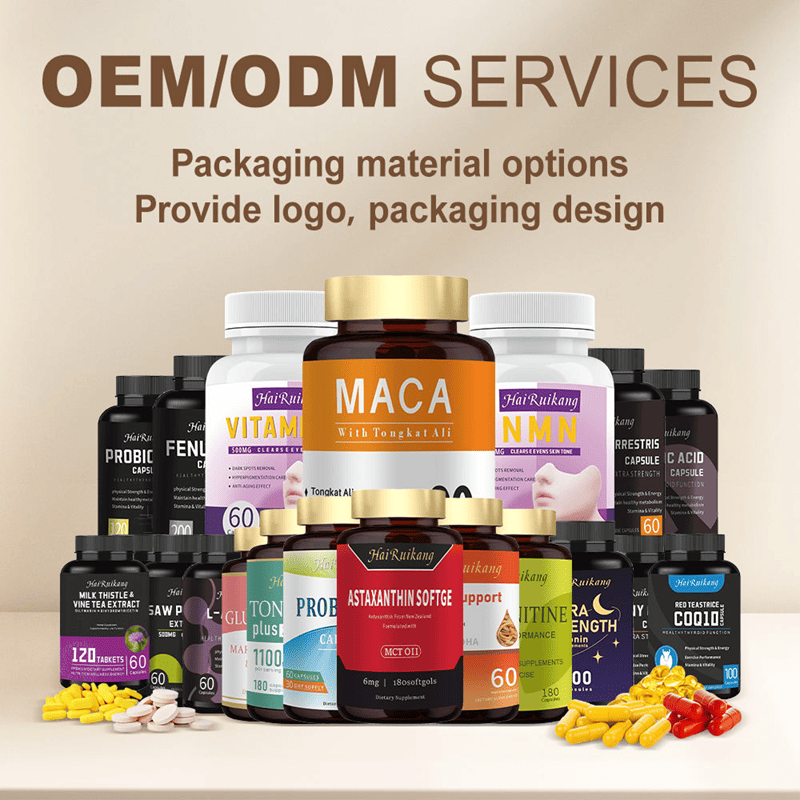
A practical model also respects customer behavior. Daily-use categories such as hydration, collagen, magnesium, sleep support, protein powder, or simple wellness support usually fit stronger business models because customers already know how those products are used. That lowers education cost and helps the first purchase happen faster. A category can still be competitive and commercially attractive at the same time. What matters is whether the brand can present a clear version of that category with a workable margin and a realistic reorder path.
Which Supplement Brand Model Makes Money?
The model that usually makes money is the one that protects profit after the full cost stack is counted, not just the factory quote. In real supplement projects, margin is shaped by formula cost, packaging cost, carton size, freight, samples, label changes, content creation, platform fees, discount pressure, and how quickly stock actually moves. A bottle that looks very attractive on a raw product quote can become weak once shipping, marketplace spend, or promotional cost are added. This is why commercially healthy brands often look simpler than founders expect. Their profit comes from cleaner structure, not from looking more advanced.
In practice, the strongest early model is often one hero SKU in a familiar category, sold in one main channel, with one packaging route that can be repeated easily. A brand does not need three uncertain products to look serious. It needs one product that can sell at a stable price, hold margin after channel cost, and create enough customer response to justify the second order. A supplement brand starts making real money when the first product is no longer an experiment every time it reorders. That is when the business model begins to strengthen.
How Should a Supplement Brand Start?
A supplement brand should usually start with less range and more clarity. One audience is enough. One category is enough. One dosage form is enough. One SKU is enough. The first launch is not supposed to prove that the company can do everything. It is supposed to prove that the company can bring one commercial product to market, get customer response, and learn whether the category deserves more capital. That is a much better use of the first order than launching a broad line with weak focus.
The first product should also be chosen with production and packaging reality in mind. A capsule or simple powder often makes a cleaner opening move than a more complex gummy, liquid, or heavily engineered format because it is easier to cost, easier to sample, and easier to package without driving MOQ too high. If the first project also uses a stock bottle, simple label, or practical pouch instead of a heavy packaging system, the brand preserves more room for freight, photos, testing, creator seeding, or the next production run. A strong start is not flashy. It is commercially stable.
Why Do Some Supplement Brand Models Fail?
Most supplement brand models fail because too much weight is loaded into the first launch. The formula gets more ambitious than the price band can support. The packaging gets more premium than the MOQ can justify. The product range gets wider before one SKU has proved itself. The founder tries to solve branding, innovation, product depth, retail image, and margin all in one batch. The result is usually a product that looks strong internally but behaves badly in the market. It sells slower than expected, ties up too much cash, or forces price compromises that weaken profit.
Another common failure point is weak alignment between the product and the channel. A product that needs explanation is pushed into a channel that rewards speed. A product built for premium storytelling is forced into direct price comparison. A visually complex pack is chosen for a brand that has not yet proved reorder velocity. In supplements, the wrong business model is often not obviously wrong at the beginning. It feels exciting. The problem shows up later, when sample revisions drag on, packaging minimums lift the order, freight gets heavier, and the retail price starts moving away from what the customer will comfortably accept.
Which Supplement Brand Model Fits New Brands?
For most new brands, the best model is a light but commercially credible one. That usually means entering a category that already has customer awareness, choosing a product format that is easier to produce and package, and avoiding too many customized layers before the first market signal arrives. A new brand does not need a weak product. It needs a product that can be launched without forcing the founder to spend too much money on complexity before the business has earned it. That is why private label or semi-custom models are often healthier starting points for Amazon sellers, Shopify startups, and creators moving into supplements for the first time.
A new brand usually benefits more from fast learning than from early over-design. If the first product is a hydration powder, collagen powder, magnesium capsule, sleep-support capsule, or another clear daily-use category, the founder can learn faster what price converts, what label language works, which audience responds, and whether reorder is realistic. Once those answers become clearer, the brand can decide whether deeper formula customization, stronger packaging, or a wider line truly makes business sense. The best model for a new supplement brand is the one that keeps the first order strong enough to sell and light enough to survive.
Which Supplement Brand Model Sells Best?
The supplement brand model that sells best is usually the one built around familiar demand, clear daily use, manageable pricing, and a product structure that does not become too heavy before sales start. In real business terms, the best-selling model is rarely the most complicated one. It is usually a focused model with one strong category, one clear customer group, and one SKU that can move fast enough to support reorders, content, and margin at the same time.
Fast-Moving Categories
The fastest-selling supplement brand models usually sit inside categories that customers already understand without much explanation. Hydration, collagen, magnesium, sleep support, protein powder, daily vitamins, immunity support, and gut-health basics often move faster than more conceptual formulas because the customer already knows where the product fits in daily life. A buyer does not need a long lesson to understand why a hydration powder is used before training, during travel, or after sweating. That lower education cost matters more than most founders expect, especially in the first six months.
This is also why many new brands do better with a category that already has proven search demand and repeat behavior. A clean electrolyte product, a collagen powder, or a magnesium capsule may not look revolutionary on paper, but these are easier to sell because they belong to a routine customers already recognize. By contrast, a highly specialized formula with complicated ingredient logic may look more differentiated, yet move slowly because the customer cannot understand the benefit quickly enough.
From a sales perspective, a category that can be explained in one sentence usually performs better than a category that needs three paragraphs. The product page converts faster, the ad creative is easier to build, and creator or influencer recommendations sound more natural. That is one reason why many profitable supplement brands begin with a practical daily-use category instead of trying to launch something that feels too new, too niche, or too expensive for first purchase.
Better Reorder Niches
The supplement brand model that sells best over time is usually built on a niche with repeat-purchase logic, not just first-order curiosity. A profitable brand does not only need traffic. It needs customers to come back. Products connected to daily or weekly habits perform better because the reorder cycle is easier to predict. Hydration products, collagen, sleep formulas, probiotics, protein powders, daily minerals, and basic wellness support often create stronger reorder behavior than novelty products or heavily trend-driven concepts.
This is where many founders make a common mistake. They pick a product because it feels exciting in the market right now, but they do not ask whether customers will realistically buy it again next month. A product can generate attention once and still be a weak business model if repeat behavior is poor. A profitable supplement brand usually sells something that becomes part of a routine: morning wellness, workout recovery, beauty support, sleep support, or everyday nutrition. Routine is one of the strongest drivers of stable revenue in supplements.
A vertical niche often performs better than a broad one for this reason. A brand known for one clear role, such as hydration, sleep, or beauty-from-within, is easier for customers to remember than a new brand trying to cover ten unrelated health claims at once. Reorder improves when the customer knows exactly what the brand is for and when the first product solves a problem they meet again and again.
The Right First SKU
The best-selling supplement brand model usually starts with one SKU, not a full line. The first product should be chosen based on commercial clarity, not only on what the founder likes personally. A strong first SKU usually meets several conditions at once: the category is familiar, the dosage form is easy to accept, the formula fits the intended price band, the packaging does not force an unnecessarily high MOQ, and the product has a believable chance of repeat purchase.
This is why one strong product often outperforms three average ones. When the first launch includes too many SKUs, too many flavors, or too many dosage forms, the budget gets divided before the brand has learned what customers actually want. The founder ends up paying for more packaging versions, more design work, more sample revisions, and more inventory risk. That usually weakens the business model rather than improving it. In supplements, focus sells better than variety in the beginning.
A good first SKU is often something simple enough to move quickly and strong enough to represent the brand well. A 60-capsule bottle, a 300 g to 500 g powder jar, or a straightforward daily wellness product usually behaves better than a complicated launch system with several pack sizes and multiple flavor splits. The best-selling model is often the one that gives the founder the clearest signal on what deserves to be scaled next.
Daily-Use Fit
Daily-use fit is one of the strongest reasons some supplement brand models sell better than others. A supplement that belongs naturally in a daily routine is easier to explain, easier to remember, and easier to reorder. Customers do not need to create a new behavior from zero. They only need to place the product into an existing habit. This is why categories like hydration, sleep support, collagen, magnesium, protein, and basic digestive support often outperform products that feel occasional or experimental.
The dosage form also matters here. A daily-use product should feel easy enough that the customer does not resist it after the first week. Capsules and powders often perform well because they are familiar and straightforward. Gummies can also work in the right audience, but they usually create more cost and development pressure. A good-selling brand model does not only ask whether the product is attractive at first glance. It asks whether the format is convenient enough for the customer to stay with it long enough to create repeat revenue.
In practical sales terms, daily-use fit also improves content and marketing. A product that belongs in a morning routine, gym bag, skincare ritual, or bedtime habit is easier to show in short-form content, product photography, and customer testimonials. That makes the sales model stronger because the product does not need to rely only on technical explanation. It can be sold through visible routine behavior, which is usually much more persuasive.
Weak Categories to Avoid Early
The supplement brand model that sells best is often shaped as much by what it avoids as by what it chooses. Some categories are simply too heavy for an early-stage launch. They may require too much customer education, too much formula explanation, too much sensory perfection, or too much packaging complexity before the business has even proven demand. These are not always bad categories forever, but they are often poor first-stage categories.
A common example is a product with complicated ingredient logic and a premium retail target but no strong audience already waiting for it. Another example is a powder or gummy concept that sounds attractive in branding terms but becomes expensive because of flavor development, higher serving size, printed inner packaging, or difficult actives loading. Ready-to-drink and other heavier liquid systems often fall into this problem too. The idea may be strong, but the business model becomes too expensive, too slow, or too operationally demanding for a first launch.
Weak early categories also include products where the buying reason is too vague. If the customer cannot quickly understand what the product is for, who it is for, and when to take it, the model usually sells more slowly. In supplements, slow understanding usually means slow cash turnover. That is why many strong brands stay away from overbuilt concepts at the beginning and choose a cleaner category that can be sold, tested, and improved with less risk.
| Category Direction | Customer Understanding Speed | Reorder Potential | Packaging / MOQ Pressure | Early-Stage Sales Strength |
|---|---|---|---|---|
| Electrolytes / hydration powders | High | High | Medium to High if stick packs | Strong |
| Collagen powders | High | High | Medium | Strong |
| Magnesium / sleep capsules | High | High | Low to Medium | Strong |
| Protein powders | High | Medium to High | Medium | Strong |
| Daily immunity basics | High | Medium to High | Low to Medium | Strong |
| Probiotics / gut basics | Medium to High | High | Low to Medium | Strong |
| Complex niche formulas | Low to Medium | Unclear at launch | Medium to High | Weaker |
| Heavy liquid systems / RTD concepts | Medium | Medium | High | Weaker for first launch |
| First-SKU Factor | Better-Selling Model | Weaker-Selling Model |
|---|---|---|
| Number of SKUs | 1 hero product | 3 to 5 products at launch |
| Product logic | Clear in one sentence | Needs long explanation |
| Dosage form | Familiar and easy to use | Complex or inconvenient |
| Packaging route | Stock bottle / jar / simple pouch | Multi-layer custom structure |
| Price band | Easy to compare and accept | Too high for first trial |
| Repeat behavior | Routine-based | Curiosity-based |
A supplement brand usually sells best when the product is easy to understand, easy to buy the first time, and easy to buy again. That is why the strongest sales model is usually not the broadest model. It is the cleanest one.
How Does a Supplement Brand Model Stay Profitable?
A supplement brand model stays profitable when margin is protected before launch, not repaired after launch. The real work is choosing a category with repeat potential, keeping the first SKU structure light, matching format and packaging to the channel, and making sure the retail price still works after formula cost, packaging, freight, samples, platform fees, and customer acquisition are counted together. Most brands do not lose money because one ingredient is too expensive. They lose money because too many small structural mistakes pile up in the first order.
How Does a Supplement Brand Control Cost?
Cost control starts at product architecture level. The first product should be built around a category people already understand, a dosage form that is easy to produce, and a packaging route that does not force the project into unnecessary minimums. A simple magnesium capsule, collagen powder, hydration formula, or sleep-support product in a standard bottle or pouch usually gives a cleaner commercial start than a multi-flavor powder in printed inner sticks with a custom box and premium finish. The second one may look stronger in a presentation, but the first one is often stronger in actual cash flow.
The main reason is that supplement cost is rarely created by formula alone. Once a founder asks for higher-actives loading, multiple flavors, more decorative packaging, or several SKUs at the same time, the whole project becomes heavier. Sample revisions increase, packaging MOQs rise, freight becomes harder to control, and retail price starts drifting upward. A profitable model usually begins with one hero SKU, one practical dosage form, and one packaging choice that can be repeated easily. Brands that stay lean at the beginning usually have more room for content, ads, creator seeding, and the second order that really determines whether the business is becoming stable.
Which Supplement Brand Costs Hurt Margin Most?
The costs that damage margin fastest are often the ones founders underestimate because they do not look dramatic on the first quote sheet. Formula cost matters, but packaging, freight, sample rounds, marketplace fees, storage pressure, and slow-moving stock often do just as much damage. A bottle that looks attractive at ex-factory level may become a weak commercial product once label printing, cartons, export packaging, shipping, discounts, and channel fees are added. That is why profitable brands usually calculate landed cost and channel cost together before they lock the retail price.
The other hidden margin killer is poor packaging logic. A powder product can look commercially strong in a jar or pouch, then become much weaker once it is converted into printed sachets, inner boxes, and outer cartons without a proven sales reason. The same issue appears when the serving size grows too large and forces a bigger container, more label area, more carton volume, and higher freight weight. In supplements, one decision often affects four other cost lines. Brands that understand this early usually keep their first launch cleaner and price their products more honestly.
| Cost Area | What Usually Raises It | Why It Hurts Profit |
|---|---|---|
| Formula | Overbuilt actives, specialty ingredients, unnecessary high dosages | Pushes retail price out of the comfortable buying range |
| Packaging | Boxes, printed stick packs, custom jars, decorative finishes | Raises MOQ, slows sell-through, adds waste risk |
| Freight | Heavy jars, oversized cartons, poor pack efficiency | Reduces true margin after product leaves factory |
| Samples | Too many revisions, vague briefs, late changes | Delays launch and eats early working capital |
| Channel Costs | Amazon fees, ads, discounts, commissions | Shrinks usable gross margin after sales begin |
| Inventory Drag | Too many SKUs, too many flavors, wrong forecasts | Freezes cash in stock that is not moving fast enough |
How Does MOQ Change a Supplement Brand Model?
MOQ changes the business model because it decides how much cash gets locked before the brand has enough sales proof. A lower MOQ sounds safer, but if the structure is wrong, the unit cost becomes too high to support the intended retail price. A higher MOQ can improve cost per unit, but it also raises risk if the brand has not yet proved the channel, the audience, or the reorder speed. The strongest supplement business models do not chase the lowest MOQ or the cheapest unit cost in isolation. They choose the order size that can still be sold through without damaging cash flow.
Packaging is often what changes MOQ faster than formula. In your own operating structure, labels can begin around 300 pieces, paper boxes around 500, paper cans around 1,000, PET boxes around 1,000, PP jars around 2,000, and dropper bottles around 1,000. That means a project can stop behaving like a light first launch the moment several packaging layers are added together. A founder may think the formula is manageable, but once a product requires labels, printed cartons, inner packaging, and multiple flavor splits, the first order becomes much heavier than expected. A profitable model usually chooses packaging that the current business stage can afford to repeat, not just afford to produce once.
How Does Packaging Change Profit?
Packaging changes profit because it affects unit cost, MOQ, freight, perceived value, and sell-through speed at the same time. Good packaging supports trust and clarity. Overbuilt packaging adds cost without always adding enough conversion. A standard bottle with a clean, credible label often protects margin better than a product wrapped in several packaging layers that the first customer never asked for. In supplements, packaging should support the sales channel and the stage of the brand. It should not be used to compensate for weak product structure or weak positioning.
This matters even more in powders, gummies, and premium-looking formats. A powder in a jar or pouch can stay commercially clean and still look professional. The same product in printed inner sticks with a custom carton may feel more premium, but it immediately brings higher print minimums, more complex packing, more wastage risk, and a more fragile first-order structure. A brand that has not yet earned strong reorder data usually does better by holding packaging steady at launch and upgrading later. Margin usually improves when packaging develops with the business instead of trying to outrun the business.
How Can a Supplement Brand Protect Cash Flow?
Cash flow is protected when the first launch is built for proof, not for ego. One clear category, one strong SKU, one reasonable pack format, and one main sales channel usually produce better commercial learning than a broad first catalog. The reason is simple. The first order should tell the founder what is working. If money is spread across too many SKUs, too many pack types, or too many flavors, the brand gets less useful information and more slow-moving inventory. A profitable supplement model keeps enough reserve for real-world needs after launch, including freight changes, content production, creator samples, label fixes, and reorders.
A strong cash-flow model also respects the sales channel. Amazon products usually need clear comparison logic, straightforward packaging, and a retail price that can survive fees and ad pressure. Shopify can support more story and stronger brand framing, but it still needs enough budget left for traffic and retention work. Creator-led sales can move quickly, but only when the product already fits the audience and routine naturally. A supplement brand protects cash flow when it chooses a launch structure that the channel can absorb without constant discounting. The first goal is not to look big. The first goal is to stay flexible long enough to learn, reorder, and improve.
How Does Reorder Logic Keep a Supplement Brand Profitable?
A supplement brand becomes healthier when reorder is designed into the business model from the beginning. Profit is not created by one good opening month. It is created when customers come back, the next order is easier to plan, and the packaging and formula choices still make sense at scale. Categories tied to daily routines usually perform better here. Hydration, collagen, magnesium, sleep support, protein powders, and other repeat-use products often give the brand a stronger chance to build steady revenue than products based mainly on novelty or trend excitement.
This is why the first product should not be judged only by launch appeal. It should be judged by whether customers can live with it. Is the serving count practical? Is the retail price sustainable for repeat purchase? Is the dosage form easy to stay consistent with? Can the brand reorder without rebuilding the whole packaging structure every time? A profitable supplement model is one that gets heavier only after the market proves it deserves to get heavier. Reorder logic is where many brands either become real businesses or remain expensive projects.
Which Supplement Brand Model Should You Choose?
The right supplement brand model depends on what your first product is supposed to do for the business. If the job is to launch quickly, test demand, protect cash flow, and learn what customers will reorder, a lighter private label route is usually the better starting point. If the brand already has a defined audience, a clearer formula direction, and enough budget to support longer development, a custom model can create stronger long-term positioning. The decision should be made around stage, margin, channel, and execution capacity.
What Is a Private Label Supplement Brand Model?
A private label supplement brand model is usually the cleaner entry point for a new or still-testing business. The product direction is closer to formulas the factory already understands well, which means the launch is less likely to get stuck in endless discussion around active combinations, taste correction, unusual raw materials, or technical instability. That gives the founder more time to work on the things that actually decide whether the product will move: price band, label clarity, customer angle, listing content, launch visuals, channel strategy, and repeat-purchase logic.
This model is especially practical for founders who already know how to sell but do not yet have enough product data to justify a heavy first build. An Amazon seller, a Shopify operator, a creator with a defined audience, or a cross-border seller entering supplements for the first time often does better with one commercially clean product than with a technically ambitious concept. A private label model does not mean the brand has no identity. It means the brand is choosing to keep the first order lighter, faster, and easier to repeat. For many businesses, that is the difference between a first launch that teaches something useful and a first launch that simply burns budget.
What Is a Custom Supplement Brand Model?
A custom supplement brand model makes more sense when the brand already knows what the market is missing and has a realistic reason to build around that gap. That may be a dosage profile that fits a more serious consumer, a formula that combines actives in a more commercially useful way, a delivery format that better matches the routine, or a positioning angle that is too specific to be served well by a standard product structure. In those cases, custom development can create a more defensible product and give the brand a stronger story than a lookalike market entry.
The problem is not custom itself. The problem is choosing custom before the business is ready for what comes with it. A custom product usually asks for more sample rounds, more formula discussion, more time spent balancing cost against actives, and often more packaging pressure because the founder wants the visual presentation to match the extra product work. That means the brand needs more than product ambition. It needs budget tolerance, clearer market insight, and enough operational discipline to make the extra development commercially worthwhile. A custom model works best when the formula difference is easy to defend and easy to sell, not when it only sounds more advanced inside the project discussion.
Which Supplement Brand Model Launches Faster?
Private label usually launches faster because fewer parts of the project are still moving at the same time. The factory is already closer to a working production route, the sourcing path is often more stable, and the product is less likely to be delayed by repeated formula adjustments. That matters because launch speed is not only about saving time on a calendar. It affects when the brand can start collecting real market feedback, when the first sales page can go live, when ads or creator seeding can begin, and when the founder gets the first clear signal about whether the category is worth pushing further.
Based on your own operating rhythm, sample timing alone can already change the project direction. A straightforward sample may move in about 3 to 7 days, while a formula that needs extra raw material purchasing can move toward a 7 to 12 day range, and more difficult custom work may stretch further. Then packaging decisions start waiting on sample confirmation, content creation starts waiting on packaging, and launch timing becomes softer than expected. A private label model gives a founder a better chance of keeping that sequence under control. A custom model can still launch successfully, but it usually needs a business with stronger planning, clearer priorities, and more patience for pre-launch refinement.
Which Supplement Brand Model Costs Less?
A private label model usually costs less across the full launch, not only on the formula line. Founders often focus on ingredient cost first, but the heavier cost pressure usually comes from the whole structure around the product. Once a project moves into custom development, the brand often starts spending more in several places at once: formula work, additional samples, packaging revisions, longer coordination time, and a more premium packaging expectation. The formula may only be slightly more expensive, but the project as a whole becomes harder to hold inside a healthy first-stage budget.
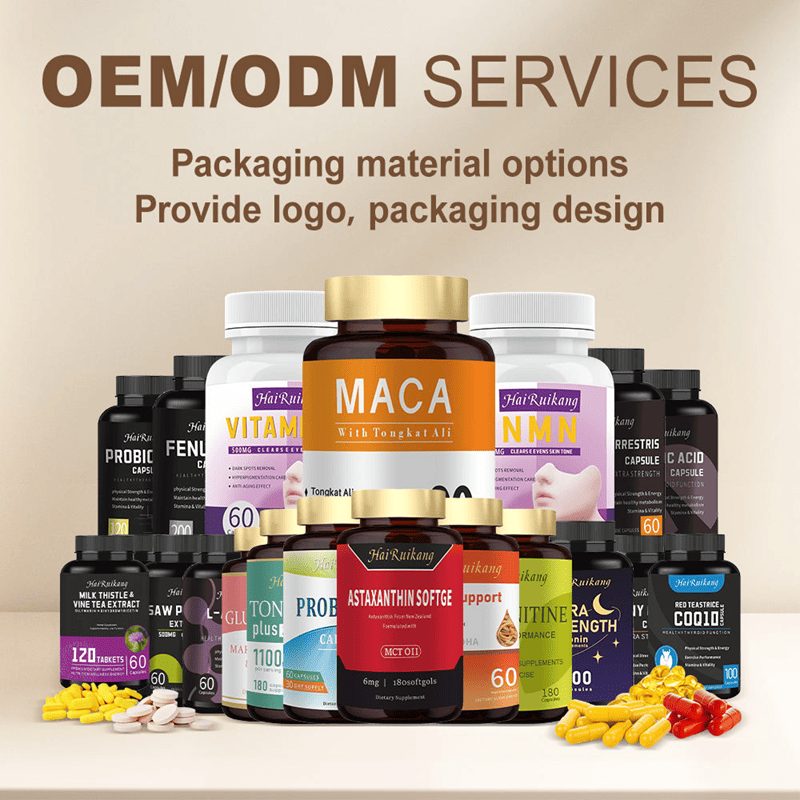
Packaging is often where that difference becomes obvious. From the structure you shared, labels may begin around 300 pieces, paper boxes around 500, paper cans around 1,000, PET boxes around 1,000, PP jars around 2,000, and dropper bottles around 1,000. Those are not minor details. They shape how much stock has to be committed before the brand has real demand proof. A founder who chooses a private label product in a stock bottle with a clean label is building a very different business model from a founder who chooses a custom powder with printed inner sachets and a carton from the start. One model leaves more room for selling and reordering. The other asks the business to spend more money before the market has answered basic commercial questions.
Which Supplement Brand Model Builds Better Moat?
A custom supplement model usually builds a stronger long-term moat when the product difference is visible enough to matter and commercial enough to defend. If the brand can say clearly why this formula fits a specific audience better, why the dosage makes more sense, why the format improves the experience, or why the product solves a better-defined problem than standard options, it becomes harder for the market to compare the offer only on price. That is where long-term brand value starts improving. The product stops being one more option on the shelf and starts becoming a more intentional choice.
Still, moat is not built by complexity alone. A private label brand with sharper positioning, better audience fit, stronger content, and better channel execution can outperform a custom product that has a more interesting formula but weaker commercial communication. In the early stage, many brands build their first real moat through execution rather than through formulation. They win because they chose the right category, the right pack size, the right channel, and the right price relationship. Then, once the market has shown which product deserves deeper investment, they strengthen the moat with more formula control. That sequence is often healthier than trying to force a fully differentiated product into the market before the business has earned enough clarity to support it.
How Should a Founder Actually Make the Choice?
The choice should be made by looking at four things honestly: budget, timeline, channel, and product certainty. If the budget is limited, the timeline matters, the first channel is comparison-driven, and the founder is still learning what the audience will reorder, a private label model is usually the better commercial decision. If the budget is stronger, the audience is clearer, the founder already understands the niche, and the product difference can be sold without forcing heavy education, then custom becomes much more reasonable. This decision is not about which model sounds more serious. It is about which model gives the business the best chance to survive the first order and benefit from the second one.
A simple way to judge it is to ask what the first product is really supposed to do. If it is supposed to prove demand, private label is often enough. If it is supposed to define the brand around a sharper product point from the beginning, custom may deserve the extra cost and time. The mistake is mixing those two goals without admitting the tension between them. A founder cannot usually ask the first SKU to be low-risk, fast, low-MOQ, highly original, premium-looking, and deeply customized all at once. A stronger business model comes from knowing which of those goals matters most right now, and building the first supplement product around that answer.
How Should a Supplement Brand Sell?
A supplement brand should sell through the channel that matches its product logic, budget, and customer trust level. The strongest sales model is usually not the widest one. It is the one that lets the first SKU move with the least friction. For most new brands, that means starting with one main channel, one clear product, one price band, and one pack format that fits how customers already buy supplements in that environment.
| Sales Channel | Best First Product Type | Typical Early Pressure Point | Better for First-Stage Brands |
|---|---|---|---|
| Amazon | Capsules, softgels, simple powders, electrolytes | Fees, ad spend, direct comparison | Yes |
| Shopify | Collagen, beauty, sleep, hormone balance, daily wellness | Traffic cost and conversion quality | Yes |
| Influencer / social selling | Hydration, collagen, beauty, protein-adjacent products | Audience-product fit | Yes, if audience trust is real |
| Gyms / clinics / nutrition consultants | Electrolytes, protein, recovery, magnesium, sleep support | Slower volume growth | Yes, if local trust is strong |
| Wholesale / small retail | Familiar daily-use categories | Margin squeeze and slower shelf movement | Selectively |
Which Channel Should Carry the First Supplement SKU?
The first SKU should go into the channel that requires the least explanation and the least cash burn. That sounds simple, but many founders do the opposite. They choose a product that needs education, then choose a channel that gives them no room to educate. A first supplement SKU usually performs better when the customer can understand the use case in a few seconds. Hydration, collagen, magnesium, sleep support, probiotics, immunity support, and protein-related products often work better for this reason than highly conceptual formulas.
A founder should also judge the channel by how much capital it absorbs before the first reorder. If the channel requires heavy content production, aggressive discounting, a wide SKU line, or custom packaging just to look credible, the first launch becomes harder than necessary. A cleaner model is usually one product, one main channel, and one strong buying reason. That is how the brand gets real data instead of vague market noise. Once the first channel starts producing stable orders, the second channel becomes much easier to choose.
How Should a Supplement Brand Sell on Amazon?
Amazon works best when the product is easy to compare, easy to trust, and easy to price. Customers usually make decisions quickly. They look at the title, the main image, the dosage form, the bottle count, the review profile, and the price band. That means the product itself has to be commercially clean. A supplement that sells well on Amazon usually belongs to a category the customer already understands. The listing does not need to teach the whole category from zero. It needs to show why this version is the safer or more attractive purchase.
This is why capsules, softgels, straightforward powders, and familiar daily-use support products often perform better there. The buyer already knows what magnesium, collagen, sleep support, probiotics, or electrolytes are supposed to do. The brand’s job is to reduce hesitation. A crowded label, oversized serving claims, vague benefits, or an inflated price can all hurt conversion very quickly. Amazon is not a forgiving place for confused positioning. A founder should also remember that the Amazon model compresses margin. Marketplace fees, sponsored ads, coupon pressure, and direct competitor comparison all take money out of the order. A product that looks healthy at ex-factory price can feel much tighter once those costs are added. For Amazon, the best-selling supplement is usually not the most creative one. It is the one that wins on clarity, trust, and repeat use.
How Should a Supplement Brand Sell on Shopify?
Shopify is stronger when the brand needs room to explain the product, build a stronger identity, and create repeat-purchase systems around one or two core SKUs. A Shopify store is not only a shopping cart. It is where the brand can shape the product story, show lifestyle context, explain the formula in a more natural way, build bundles, collect email, and guide customers toward subscriptions or repeat purchase routines. That makes it especially useful for categories such as beauty-from-within, anti-aging, sleep support, women’s wellness, daily wellness powders, collagen, and other products that benefit from slightly richer explanation.
The pressure point on Shopify is different from Amazon. The issue is usually not instant comparison. It is traffic quality. A strong Shopify supplement brand needs a real source of attention. That may come from social media, SEO content, creators, email marketing, affiliates, or paid traffic. Without that, even a well-designed product page will not move enough volume. This is why the Shopify model works best for brands that already understand their audience or can build content consistently. It is also where packaging and brand language matter more. The customer is not only buying a product. They are buying a reason to trust this specific brand. If the first product has a believable routine, a visually clean presentation, and a price that still feels realistic, Shopify can build stronger lifetime value than many founders expect.
How Should a Supplement Brand Sell Through Influencers and Social Commerce?
Influencer and social selling work when the product fits the creator’s audience in a very natural way. This channel is not simply about sending products to people with followers. A supplement moves faster when the audience already accepts that person as a source of advice in that category. A fitness creator can sell electrolytes, recovery formulas, protein-adjacent products, or pre-workout support more naturally than a highly technical gut-health formula. A beauty creator can usually sell collagen or beauty-positioned daily powders more smoothly than a hardcore sports formula. A women’s wellness creator may be better suited for hormone-balance, beauty, or daily support products.
The product choice matters even more than the follower number. Social selling customers often want lower-risk entry products and cleaner stories. In your own project context, social media customers commonly ask for around 100 to 200 boxes. That tells you something important. This channel often favors faster-testing, lighter-commitment products rather than a heavy first launch with multiple SKUs and complicated packaging. The better strategy is often one hero SKU with one clear use case and one clean visual identity. A brand that tries to push too many products through creators usually weakens the message. A brand that gives the audience one obvious daily-use product often converts better and learns faster.
How Should a Supplement Brand Sell Through Gyms, Clinics, and Nutrition Professionals?
Gyms, clinics, nutrition consultants, and private wellness practitioners are slower channels than mass ecommerce, but they can be more stable when the product fits the recommendation context. A gym does not need a decorative product line. It needs products that connect directly to training, hydration, recovery, energy, sleep, or protein intake. A clinic or nutrition consultant usually wants a cleaner routine story, a clearer daily role, and a product that does not feel exaggerated. This channel is often better for focused products than for wide lifestyle catalogs.
The advantage of this route is trust. The customer is not choosing only from a page of ads. They are often buying because someone they already listen to has recommended the product. That can support stronger repeat behavior and lower discount pressure. The downside is scale. These channels rarely explode overnight unless the operator already controls a large network. The most workable model is usually a vertical one. One gym-friendly hydration or recovery product. One clinic-friendly daily magnesium or sleep-support product. One nutrition-practice collagen or protein-support product. When the channel is trust-led, product clarity matters more than brand drama.
Which Sales Channel Usually Brings Better Margin?
Higher margin does not always come from the channel with the highest retail price. It comes from the channel where the relationship between acquisition cost, selling price, reorder rate, and discount pressure stays healthiest over time. Shopify can produce very strong margins if the brand builds email capture, bundle logic, repeat purchase, and subscription behavior well. Amazon can move volume faster, but fee pressure and ad spend often narrow the room left after the order is complete. Influencer-led selling can be very profitable when the creator fit is strong, but weak fit turns the channel into an expensive trial method rather than a repeatable business model.
Offline trust channels such as gyms, clinics, and nutrition consultants often produce healthier unit economics on the product side because the customer is buying with more trust and less direct comparison pressure. The trade-off is usually speed and scale. A smart supplement brand does not ask which channel sounds best. It asks which channel fits the first product with the least friction and the highest chance of reorder. That is the channel that deserves the first serious push. Later, the brand can widen distribution, but early profit usually comes from focus, not from being everywhere.
How Should a Supplement Brand Build a Multi-Channel Sales Path?
A supplement brand should build channels in layers, not all at once. The first layer should be the one that gives the cleanest product feedback. The second layer should use what the first one already taught the business. For example, if a hydration powder begins working on Amazon, the brand may later open Shopify with bundles, subscriptions, or a more polished founder story. If a collagen product begins working through creators and Instagram traffic, the brand may later expand into Amazon once reviews, content, and pricing confidence are stronger. If a clinic or gym product performs well locally, the brand may widen into small retail or practitioner wholesale later.
This staged model usually protects cash flow much better than launching everywhere at once. Every channel asks something different from the product. Amazon wants clean comparison logic. Shopify wants stronger storytelling and retention. Social selling wants audience-fit and trust. Offline channels want recommendation credibility and reliable repeat supply. A brand that tries to satisfy all of those requirements in the first batch usually ends up with a heavier product, heavier packaging, and a weaker message. A brand that moves channel by channel learns faster and usually builds a stronger profit structure underneath the growth.
How Can ZOXIZO Support the Best Business Model for Supplement Brands?
ZOXIZO can support the best business model for supplement brands by helping founders make commercially sound decisions before the first order becomes too expensive, too slow, or too complicated. The real value is not only manufacturing. It is helping a brand choose the right product type, the right packaging path, the right MOQ structure, and the right launch rhythm for its actual sales channel, budget, and stage.
Turning a Product Idea into a Workable Business Plan
Many supplement founders do not fail because their idea is bad. They fail because the first project is built like a mature brand while the business is still in test stage. A brand may want custom actives, multiple flavors, printed stick packs, a premium box, and a full product line at the same time. On a mood board, that looks serious. In production and cash-flow terms, it often creates pressure before the market has given any proof.
ZOXIZO is most useful when it helps narrow the first launch into something the founder can actually sell and repeat. That may mean keeping the launch to one hero SKU instead of three. It may mean choosing a capsule or powder instead of a more difficult gummy or liquid format. It may mean using a stock bottle and label first, then upgrading the packaging after the reorder pattern becomes clearer. A good business model starts with a product structure that can survive real selling conditions, not just a product concept that looks impressive in planning.
Matching the Product to the Right Brand Type
Not every buyer needs the same launch route. An Amazon seller, a Shopify founder, a social media creator, a gym owner, a clinic buyer, and a cross-border operator usually need different product structures even when they are selling into the same broad category. ZOXIZO can support these differences because the right business model is not only about what the product is. It is also about how the product will be sold, how quickly it needs to launch, and how much complexity the buyer can realistically handle.
For example, a new Amazon seller usually benefits from a clean, easy-to-understand product in a familiar category such as electrolytes, collagen, sleep support, magnesium, probiotics, or daily wellness. A Shopify founder with stronger storytelling capacity may be able to carry a more premium or more niche product if the audience already trusts the brand voice. A creator-led brand often needs a product that fits naturally into the creator’s daily content rather than a technically interesting formula that is difficult to explain. ZOXIZO can help shape the first product around these practical differences instead of treating every project as the same type of supplement order.
Keeping MOQ Under Control Before It Damages Cash Flow
MOQ is one of the biggest reasons a supplement project becomes commercially heavy too early. Many founders think MOQ is only a formula issue, but in real projects packaging often changes MOQ faster than ingredients do. Once the brand asks for a special bottle, a carton, a digital-printed pouch, inner stick packs, or decorative surface treatment, the whole order starts behaving differently. If the first launch is not ready for that level of commitment, margin and cash flow can tighten very quickly.
This is where ZOXIZO can help protect the business model. Based on the operating structure you shared, labels can begin around 300 pieces, paper boxes around 500, paper cans around 1,000, PET boxes around 1,000, PP jars around 2,000, and dropper bottles around 1,000. Foil pouches, kraft pouches, and printed sachet systems also behave differently depending on whether the project uses labels, digital print, or higher-volume print runs. A founder who understands these numbers can choose a more realistic first route. A manufacturer who explains them early can prevent the first launch from becoming too heavy before it even reaches the market.
| Packaging route | Typical starting level | Business impact |
|---|---|---|
| Labels | 300 pcs | Good for lighter first launches |
| Paper boxes | 500 pcs | Adds structure without extreme pressure |
| Paper cans | 1,000 pcs | Better after basic product proof |
| PET boxes | 1,000 pcs | Useful when presentation matters more |
| PP jars | 2,000 pcs | Better for brands ready for larger runs |
| Dropper bottles | 1,000 pcs | Suitable for liquids but less flexible than labels-only routes |
Choosing the Right Dosage Form for the First Launch
A profitable business model often depends on choosing a dosage form that fits both the product idea and the founder’s current stage. Many founders choose a format because it looks trendy or premium, but format affects almost everything: development time, taste work, MOQ, packaging, shipping weight, label space, and customer expectations. A difficult dosage form can turn a promising supplement idea into a slow, expensive launch.
ZOXIZO can help founders choose formats more practically. Capsules and powders are often better first-stage formats because they are easier to cost, easier to revise, and easier to package without pushing the order into a more complicated structure. Gummies can be strong consumer products, but they usually bring more sensory and packaging pressure. Liquids and certain engineered formats may require even more coordination, especially when freight and storage conditions become part of the equation. The right format is the one that fits the target channel, target retail band, and current budget without forcing the founder to solve five extra problems at once.
Building the Formula Around the Market, Not Around Fantasy
A formula is only commercially strong when it fits the market that will buy it. Many first-time brand owners assume that a more complicated or more premium formula automatically creates a better business model. In practice, a formula becomes valuable when it still fits the intended sales channel, still fits the customer’s expected use case, and still fits a retail price that can move volume without destroying margin.
ZOXIZO can help by testing formula ideas against real production and commercial logic. If the active load is too high for the intended format, that needs to be said early. If the flavor direction sounds attractive but becomes hard to stabilize in the target dosage form, that needs to be addressed before design is finalized. If the brand’s target price does not match the ingredient ambition, the formula may need to be simplified or repositioned. This kind of early adjustment is one of the most important ways a manufacturer helps build a profitable business model. It keeps the brand from launching a product that sounds strong on paper but behaves poorly once sampling, packaging, and freight are counted.
Sample Development That Actually Helps the Business
Samples should help the founder make better business decisions, not just satisfy curiosity. A lot of brands spend time and money on samples without a clear plan for what they are testing. They ask for too many variations, change direction after the first round, or evaluate taste and texture without checking whether the final product still fits the intended retail band and packaging route. That slows the launch and raises invisible cost.
ZOXIZO can support a more disciplined sample path. From the operational details you shared, standard sample cycles can move around 3 to 7 days, while projects needing new raw material procurement may move into the 7 to 10 day or 7 to 12 day range, and more difficult custom work can take longer. Those numbers matter because every sample revision affects packaging timing, launch content, and sales preparation. A better business model uses samples to answer specific questions: Is the format right? Is the flavor acceptable? Is the formula commercially viable? Is the serving size still realistic? A sample process linked to those questions is much more valuable than a sample process driven only by experimentation.
Supporting Compliance and Market Entry Without Overcomplicating the Launch
A supplement business model becomes fragile when compliance is treated as an afterthought. Even brands with good design and decent formulas can lose momentum if the label structure is weak, the claims direction is careless, or the product documents do not match the target market’s basic expectations. For many founders, especially those selling through Amazon, Shopify, social channels, clinics, or export markets, this part of the project feels abstract until it causes a delay.
ZOXIZO can help by keeping the project closer to what the channel and market can realistically support. Based on the details you provided, the company can support common documentation and manufacturing expectations such as GMP-related manufacturing standards, COA-style quality documentation, raw-material and product-level coordination for certifications, and market-facing packaging support. The important point is not to turn the first launch into a paperwork-heavy project for no reason. The important point is to make sure the product can enter the intended market without avoidable friction. Strong business models do not ignore compliance, but they also do not let documentation ambition overload a first launch that still needs commercial proof.
Helping the Founder Price the Product More Realistically
Many early-stage supplement brands price their product from the factory outward instead of from the market backward. They ask for a quote, add a markup, and assume the number will work. That usually creates problems later because the final retail price also has to carry freight, platform fees, promotional cost, content creation, sampling waste, and sometimes distributor or creator margin. A product can feel profitable at ex-factory level and still be commercially weak once it enters the actual selling channel.
ZOXIZO can help a founder build a more realistic price structure by showing how formula choice, dosage form, packaging route, and MOQ interact. A simpler powder in a jar behaves differently from a flavored stick-pack system in a printed carton. A capsule in a stock bottle behaves differently from a liquid in a custom-colored dropper pack. When those differences are explained early, the founder has a better chance of choosing a product that can actually sit inside the intended retail band. A profitable business model needs a product the customer can buy comfortably and the founder can reorder confidently.
Helping Brands Scale in Stages Instead of Jumping Too Early
A brand usually becomes stronger when it scales in layers. The first task is to prove one product. The second task is to improve reorder rhythm. The third task is to add complexity only where the market has already shown it deserves more investment. This staged approach is especially important in supplements because inventory, packaging stock, and lead-time decisions can quickly become expensive if the founder jumps from test-stage logic straight into mature-brand behavior.
ZOXIZO can support this staged growth path. A founder may start with one SKU, one label format, and one channel. Once demand becomes clearer, the business can move toward stronger packaging, broader flavor depth, additional SKUs, or more customized formulation. From the production structure you shared, common lead times can sit around 25 to 30 days, with some orders moving into the 25 to 40 day range depending on size and queue. That kind of planning matters because scaling too fast without reorder rhythm can hurt just as much as scaling too slowly. A better manufacturer does not simply accept bigger orders. It helps the founder decide when the business is ready for heavier commitments.
Supporting Different Service Levels Instead of Forcing One Path
One reason ZOXIZO can support different business models well is that the services are not limited to one rigid route. From your description, the company can support semi-finished supply, OEM production, reverse-development style projects, and fuller ODM support that includes a broader one-stop path from concept toward launch. That matters because not every buyer enters the market with the same starting point. Some already know the formula they want. Some need help simplifying a benchmark product into something commercially workable. Some care more about speed than originality. Others care more about long-term uniqueness than first-order simplicity.
The business model improves when the service route matches the founder’s actual need. A buyer with strong ecommerce skill but weak product knowledge needs a different kind of support from a buyer with a mature channel but no stable supplier. A clinic buyer may care more about format clarity and professional credibility. A creator may care more about taste, repeat use, and audience fit. ZOXIZO can be most effective when it helps each buyer choose the service level that makes the project more workable rather than automatically pushing every project toward the heaviest version of customization.
Creating a Better First Conversation So the Project Starts Right
A productive first conversation saves more time than most founders realize. When a buyer approaches a manufacturer with only a broad category word such as “collagen,” “electrolytes,” or “fat loss,” the discussion usually stays too abstract. The business model becomes clearer much faster when the founder can also state the target market, sales channel, rough retail band, expected dosage form, benchmark products, and whether the real priority is speed, low MOQ, premium positioning, or differentiation.
ZOXIZO can support the right business model much better when those inputs are clear. If the founder is budget-sensitive and testing demand, the product structure should stay clean. If the founder already has strong traffic and wants a more distinctive product, the project can carry more customization. If the target market requires halal-related coordination, packaging decisions and formula route may need to stay simpler in the first stage. If the founder wants to move on Amazon, count, format, and comparison clarity matter more. Better input leads to better product structure. Better product structure usually leads to better profit behavior. That is where strong supplement brands usually start.
Which Supplement Brand Model Deserves to Win?
The best business model for supplement brands is usually not the one with the biggest product line or the most elaborate packaging. It is the one that fits the founder’s stage, the customer’s buying habit, and the product’s real commercial role. A profitable model starts with a category people already understand, a format the business can support, a channel that matches the product naturally, and a manufacturer that helps keep the launch commercially realistic.
That is where strong supplement brands separate from weak ones. Strong brands do not try to prove everything in the first order. They prove one thing clearly, protect enough margin to reorder, then build outward from real customer behavior. Weak brands often do the reverse. They build wide before they build strong. If the goal is to create a supplement brand that can actually last, the business model should be built around repeatability, not just launch excitement.
If you are planning your first product or trying to improve an existing supplement brand model, ZOXIZO can help you review the category, dosage form, packaging structure, MOQ route, and launch channel before cost starts spreading in the wrong direction. Send your benchmark, target market, formula idea, or rough budget, and ZOXIZO can help you build a cleaner path to a supplement brand that is easier to launch, easier to price, and easier to grow.