Skip to content

Most new supplement brands do not make the wrong decision because they lack ambition. They make the wrong decision because they choose a product model that does not match their stage. Private label looks simple, so some teams dismiss it too quickly. Custom formulation sounds more impressive, so some teams move into it before they have enough market proof. In practice, the better choice is rarely the one that sounds more advanced. It is the one that keeps the first launch commercially clean, gives the brand enough room to sell, and does not overload the project with unnecessary cost, timing pressure, or packaging complexity before the market has responded.
A private label supplement is usually the better option when a brand needs faster launch speed, lower early-stage risk, and a lighter first order. A custom supplement makes more sense when the business already knows what formula gap it wants to fill, what audience it is targeting, and what level of differentiation the market can actually support. The right choice depends on budget, channel, MOQ tolerance, launch timing, and long-term brand goals.
That is why this comparison matters so much. The choice is not only about ingredients. It affects sample speed, packaging structure, unit cost, testing pressure, retail positioning, and how easy the product will be to reorder once the first batch starts moving. A clean private label launch can build momentum faster than an overbuilt custom project. A strong custom formula can create better long-term separation than a standard stock product. The key is knowing which stage your brand is really in before you decide which route looks better on paper.
What Is a Private Label Supplement?
A private label supplement is a product manufactured on an existing production path and sold under your own brand name, with the brand mainly shaping the label, packaging presentation, count, and market positioning rather than building the formula from zero. For many early-stage supplement businesses, private label is not the “less serious” route. It is often the cleaner commercial route because it lowers development pressure, shortens launch time, and keeps the first order easier to manage.
What Does a Private Label Supplement Mean?
A private label supplement means the product is yours in the market, even if the formulation base did not begin as your own custom invention. The customer sees your brand, your label, your promise, your bottle or pouch, and your positioning. Behind the scenes, the manufacturer is using a formula and production structure that is already closer to factory reality. That usually means fewer unknowns at the beginning. For a startup, that matters a lot. The first commercial challenge is rarely “how do I invent the most original formula in the category?” The first real challenge is “how do I launch a product that looks credible, stays within budget, and can still reorder if the first batch sells well?”
That is why private label is often misunderstood. Some buyers hear the phrase and assume it means a generic, low-value product with no room for brand building. In practice, the opposite can be true. A private label product can still be packaged well, positioned clearly, and sold into a very specific channel. A magnesium capsule for Amazon, a collagen powder for Shopify, a hydration product for a gym, or a sleep-support product for a wellness creator can all be private label and still feel commercially sharp. The difference is that the brand is using a proven production base and spending more of its early energy on branding, channel fit, pricing, and sales execution instead of dragging the whole launch into a long formula-development cycle.
How Does a Private Label Supplement Work?
A private label project usually starts with category choice, not with a blank formula sheet. The brand first decides what it wants to sell: hydration, collagen, magnesium, sleep support, immunity, mushroom coffee, weight management, or another familiar category. Then the manufacturer helps narrow that idea into a workable SKU: dosage form, serving count, packaging route, label size, carton need or no carton, target cost range, and launch quantity. That sequence is important because it keeps the project grounded. The product is not being treated like a lab exercise. It is being treated like a launch.
In a practical factory workflow, the brand often chooses from an existing formula range or a lightly adjustable version of one, then decides how “light” or “heavy” the first launch should be. A stock bottle with a custom label is usually lighter than a custom-color bottle with a box. A single-flavor powder in a jar is usually lighter than a three-flavor stick-pack line in printed inner sachets. Private label works well because it lets these decisions happen in the right order. The business first gets a saleable product structure, then adds branding in a controlled way. That is why many first-time buyers move faster with private label: fewer technical problems appear at the same time, sample decisions are cleaner, and the brand gets to market with less internal confusion.
A simple way to look at it is this: private label shifts the project focus from invention to execution. That is not a weak strategy. It is often the more disciplined strategy when the business still needs to prove customer demand.
| Launch Element | Typical Private Label Approach | Why It Helps Early-Stage Brands |
|---|---|---|
| Formula route | Existing or lightly adjusted formula | Fewer unknowns before sample stage |
| Packaging route | Stock bottle, stock jar, simple pouch | Lower packaging pressure |
| Brand control | Label, naming, count, positioning | Enough control to build a real brand |
| Launch speed | Faster than full custom | Easier to test the market |
| First-order risk | Lower | Leaves more room for freight, content, and reorder |
Is a Private Label Supplement the Same as White Label?
In real supplement business conversations, the two terms are often used loosely, and many buyers get stuck on terminology when they should be paying attention to structure. Some suppliers use “white label” for very standard ready-made products with very little room for change, while “private label” may suggest stronger branding control, better packaging flexibility, or a more brand-specific presentation. Other suppliers use both phrases almost interchangeably. From a customer’s side, the name matters less than the actual flexibility of the project.
The better question is not whether the supplier calls it private label or white label. The better question is what the brand can actually control without turning the project into a full custom development job. Can the brand choose bottle count? Can it select label design freely? Can it skip the box and keep the first order light? Can it choose one flavor instead of three? Can it use stock packaging first and upgrade later? Those are the questions that affect launch cost and launch speed. In real projects, many buyers waste time debating wording while ignoring the decisions that actually shape cash flow. A strong private label route is not defined by vocabulary. It is defined by how much of the project can stay commercially clean while still giving the brand enough ownership in the market.
Which Products Fit a Private Label Supplement Model?
Private label fits best in supplement categories where customers already understand the product and do not need a long education process before buying. Capsules, tablets, softgels, and simple powders are usually the most practical starting points. Categories like magnesium, sleep support, hydration, collagen, daily wellness, beauty-from-within basics, immunity support, mushroom coffee, and standard weight-management directions often work well because the market already knows how to read them. The brand does not need the formula alone to do all the selling. Packaging clarity, price band, channel fit, and use-case relevance can already carry a lot of the buying decision.
Private label is usually less ideal when the whole business depends on the formula being visibly different from what the market already offers. A highly customized gummy with unusual active loading, a sensory-heavy powder with multiple flavor expectations, or a specialist niche formula that must prove its uniqueness at first glance may not be the best private label candidate. Those products often belong in a more custom route later, once the brand has stronger market proof or a clearer reason to invest heavier. Early-stage brands usually do better when the first SKU sits in a category customers already trust and the factory can already make cleanly.
At factory level, format choice also changes how well private label works. In your operating model, labels may begin around 300 pieces, boxes around 500, paper cans around 1,000, PET boxes around 1,000, PP jars around 2,000, and dropper bottles around 1,000. That makes some private label routes much easier than others. A capsule bottle with a label is usually far lighter than a fully structured powder launch with jar, box, flavor split, and custom print requirements layered together.
| Product Type | Private Label Fit | Why It Works |
|---|---|---|
| Capsules | Very strong | Easy to package, easy to launch, familiar to buyers |
| Softgels | Strong | Common format, good for many wellness categories |
| Tablets | Strong | Practical for standard daily products |
| Simple powders | Good | Works well when category is clear and flavor pressure is manageable |
| Gummies | Moderate to weak | Often become heavier in texture, cost, and packaging |
| Complex multi-flavor powders | Weak for first launch | Flavor split and print structure raise pressure quickly |
Who Should Start with a Private Label Supplement?
Private label is usually the best starting route for brands that still need speed, proof, and better control of their first order. Amazon sellers are a strong example. Many Amazon operators already understand listings, keywords, reviews, bundle logic, and price comparison, but they do not need a long custom R&D cycle to test whether a category will move. A private label magnesium, hydration, sleep support, or collagen product often makes much more sense there than a fully custom product that arrives late and lands with a heavier cost base. The same logic applies to Shopify brands that already know how to build pages and run traffic but still need to validate which SKU deserves to become the hero product.
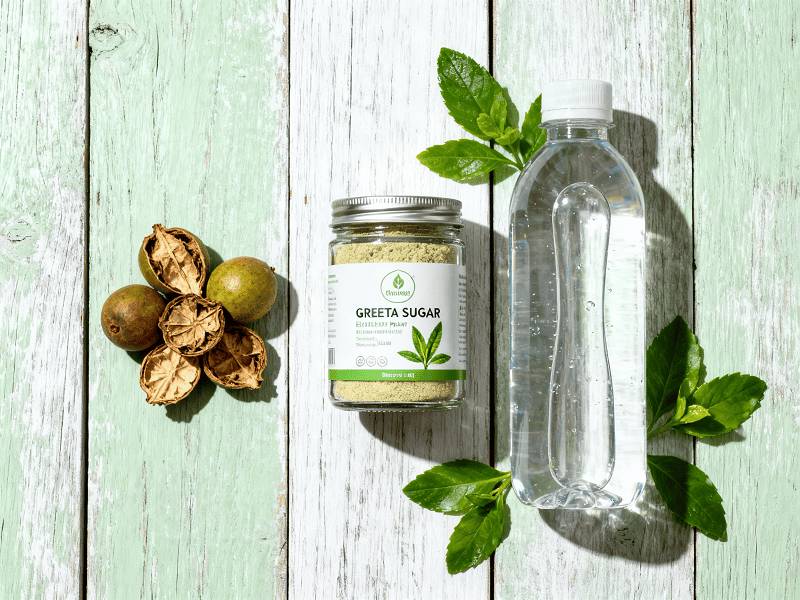
The model also fits creators, gyms, clinics, pharmacies, and smaller wellness businesses that want a branded supplement line without taking on unnecessary early-stage technical weight. A fitness coach does not always need a fully custom electrolyte formula to start. A clinic does not always need a brand-new immunity formula to put a usable, professional product in front of its audience. A private label route gives these operators something they can actually launch, test, and reorder. That matters because many businesses are not really asking for maximum originality at stage one. They are asking for a supplement line that looks legitimate, fits the channel, and does not break the budget before the first repeat order appears.
Private label is especially useful for brands in one of these situations: they are entering the supplement category for the first time, they have channel experience but not product development experience, they need one fast test SKU, or they want to protect cash flow while they learn what their audience will really buy. In those cases, private label is not a fallback choice. It is often the smartest commercial choice.
| Buyer Type | Why Private Label Often Fits Better |
|---|---|
| Amazon seller | Faster category testing and cleaner unit planning |
| Shopify brand | Easier hero-SKU launch without heavy R&D burden |
| Influencer / creator | Faster path from audience trust to real product |
| Gym or clinic | Practical branded line without overcomplicating the first launch |
| Cross-border operator | Better control of MOQ, packaging, and launch timing |
| First-time supplement founder | Lower risk while learning category demand |
Why Does Private Label Often Make More Sense for a First Launch?
A first supplement launch usually fails from structural mistakes, not from lack of passion. Too many brands make the first order too heavy. They choose a formula that is more ambitious than the budget can carry, packaging that looks better in mockups than in the cost sheet, and a SKU count that belongs to a second-stage brand rather than a first-stage business. Private label helps reduce that risk because it keeps the product closer to commercial reality from day one.
That does not mean private label should stay forever. Many strong supplement brands begin there, learn what moves, then take selected products into deeper customization later. That is often the healthier sequence. First prove that the category, channel, pricing, and packaging route work. Then decide where the formula deserves more investment. Brands that skip that sequence often spend too much money proving they can build a product, while never really proving they can sell one.
What Is a Custom Supplement?
A custom supplement is a product built around your brand’s own formula direction instead of being selected from a ready-made manufacturer formula. That usually means more control over ingredients, dosage levels, format, taste profile, positioning, and target customer fit. It can create a stronger long-term product moat, but it also brings more work in development, sampling, pricing, packaging, and launch planning. In real business terms, custom is not just “more unique.” It is a heavier project that only works well when the brand has a clear reason to build it.
What Does a Custom Supplement Mean?
A custom supplement starts with a business idea, not with a stock formula list. The brand already has a more specific direction in mind. That direction may come from a product gap the founder has identified, a channel that needs a different formula structure, a customer segment that is not well served by common market products, or a pricing band that requires a more intentional ingredient story. In other words, the product is not being picked because it is available. It is being built because the brand wants a formula that fits a sharper commercial purpose.
That difference matters because a custom supplement is not only about swapping one ingredient for another. It changes how the whole product is judged. Once the formula is custom, the brand usually expects the product to feel more targeted, more defensible, and less replaceable. Customers may not see the full formula complexity on first glance, but they will feel the difference if the product positioning becomes clearer, the dosage logic makes more sense, or the format fits the use case better.
In practical project terms, a custom supplement usually involves control over several areas at once. The brand may want to adjust active ingredient combinations, raise or lower certain dosages, avoid specific excipients, choose a cleaner sweetener system, shape a stronger single-benefit or dual-benefit angle, or build a formula that matches a more precise customer routine. That is why custom supplements often make more sense for brands that already know how they want to sell, who they want to sell to, and why a standard formula is not enough.
How Is a Custom Supplement Developed?
A custom supplement is usually developed in stages, and each stage affects the next one. The process often begins with a product brief. That brief should not only describe the function the brand wants. It should also define the target customer, preferred dosage form, intended channel, budget range, retail price target, benchmark product if there is one, and any non-negotiable ingredient requirements. If that early brief is vague, the whole project tends to become slower and more expensive because every later decision needs to be reopened.
After the brief, the manufacturer and brand usually move into formula feasibility. This is where many founders realize custom work is more commercial than theoretical. A formula that looks strong on paper may not fit the target serving size. A powder formula may become too large for one scoop. A capsule formula may need too many capsules per day. A gummy formula may not carry the active load cleanly. A liquid formula may create stability or freight issues. That is why a good manufacturer does not just say whether something can be made. It helps judge whether it can be made in a way that still makes business sense.
Then comes sampling and revision. This stage is not only about taste or appearance. It is where the product begins to show whether it still fits the launch plan. If a powder tastes too bitter, the brand may need more sweetener or flavor correction. If a capsule formula becomes too dense or too bulky, bottle count and daily serving logic may need to change. If a gummy cannot carry the intended actives cleanly, the whole format may need to be reconsidered. A custom supplement moves forward best when the team accepts that development is not a straight line. It is a sequence of adjustments that has to end in a sellable product, not just a technically interesting one.
Which Formats Fit a Custom Supplement?
Custom supplements can be built in many formats, but not every format is equally friendly to every formula. This is where many brands make early mistakes. They choose the format they like visually, then try to force the formula into it. In real supplement work, the better route is the opposite. Start with the formula goal and customer use case, then choose the format that can carry that goal most cleanly.
Capsules are often the most manageable custom route when the brand wants formula differentiation without too much sensory complexity. They are easier to quote, easier to revise, and usually easier to launch than flavored formats. That makes them a practical choice for custom sleep support, liver support, hormone balance, beauty support, cognition, or immunity products where the value is mostly in the ingredient logic rather than the taste experience.
Powders are stronger when the customer expects a drinkable routine and the format itself adds value. Hydration, collagen, protein, beauty-from-within, or functional lifestyle products often fit custom powder development well. But powders are less forgiving. Flavor, sweetness, smell, scoop size, dissolution, and fill perception all matter. A custom powder may tell a stronger story than a capsule, but it also asks more from development, packaging, and channel execution.
Gummies and liquids can also fit custom projects, but they usually require more caution. Gummies often look attractive because they feel premium and consumer-friendly, but active loading, texture, sweetness, and mold limitations can quickly make the project heavier. Liquids and drops may suit certain wellness or beauty categories, but they bring more sensitivity around stability, packaging, and shipping structure. In short, custom formats should be chosen for commercial fit, not just visual appeal. The best format is the one that carries the formula well and still allows the product to launch profitably.
Does a Custom Supplement Need More Testing?
A custom supplement usually needs more checking, more revision, and more decision discipline than a private label product. The reason is simple: there are more unknowns. Once the formula moves away from a standard production path, the team has more variables to confirm before the product is truly ready. These variables may include taste, dosage logic, filling behavior, serving size, sweetness balance, powder flow, ingredient interaction, packaging fit, and the overall question of whether the product still matches the intended retail price.
For capsules, testing pressure may focus more on formula practicality, fill weight, serving count, and label structure. For powders, it becomes much more visible. Taste and mouthfeel can make or break the product. A formula may technically work, but if the flavor correction makes the cost too high or the serving too large, the product is no longer as strong commercially as it first appeared. Gummies and liquids usually add even more testing pressure because the product experience is harder to separate from the formula itself.
This does not mean custom supplements are unstable by default. It means they need more discipline before launch. A brand should expect more than one sample review cycle when the product is genuinely custom. It should also expect that some “ideal” formula ideas may need to be adjusted once they meet real manufacturing conditions. Good custom development does not treat those revisions as failure. It treats them as part of turning a concept into a product customers will actually buy, finish, and reorder.
Who Should Choose a Custom Supplement?
A custom supplement is usually the better choice for a brand that already knows what it is trying to solve. That could mean a founder who has already sold in the category and sees a clear gap. It could mean a brand serving a more specific audience, such as women’s hormone support, premium hydration, practitioner-led wellness, clean-label beauty support, or a channel that needs a different ingredient story than what common stock products offer. In those cases, the added effort behind custom development can be worth it because the product is doing more than filling shelf space. It is trying to create a reason for the customer to choose this brand over an easier substitute.
Custom also makes more sense when the business already has better control over its channel, pricing, and product direction. A company with strong Shopify traffic, a clear practitioner audience, a loyal influencer following, or a repeat-buying customer base may be in a much better position to justify custom work than a brand that is still trying to figure out what its first hero SKU should be. The more clearly the business understands its own audience, the more useful formula control becomes.
It is usually a weaker choice for brands that are still in basic discovery mode. If the business is not yet sure which category to launch in, how much the market will pay, which format customers want most, or whether the first product should be capsules, powder, or gummies, custom development can magnify uncertainty instead of reducing it. A custom supplement should be chosen when the brand is ready to turn clarity into product advantage. It should not be chosen just because “custom” sounds more premium in a presentation.
| Custom Supplement Area | What It Usually Changes | Why It Matters Commercially |
|---|---|---|
| Formula direction | More control over ingredients and dosage | Helps build sharper positioning |
| Development time | Longer than stock-based projects | Affects launch window and cash flow |
| Sample work | Usually more rounds | Needed to align formula with real use |
| Packaging impact | Often becomes heavier | Can lift MOQ and total project cost |
| Brand value | Stronger potential differentiation | Useful only if customers can feel or understand it |
| Best-fit stage | More mature or more intentional launch | Works better when the business already has clearer market logic |
Which Model Launches Better?
The model that launches better is usually the one that keeps the first order commercially lighter while still looking credible in the market. For most early-stage supplement brands, private label launches more smoothly because formula, sourcing, sampling, and packaging decisions are easier to control. Custom supplement can launch very well too, but it usually needs stronger planning, clearer product logic, and more budget discipline before it becomes a better business move.
Which Model Launches Faster?
Private label usually launches faster because fewer parts of the project are still unresolved. The manufacturer often already understands the formula structure, ingredient sourcing is more predictable, and the brand does not need to spend as much time going back and forth on formula balance, sensory targets, or whether the product can actually be produced in the intended format. That time saving matters far more than most new brands expect. A launch that moves four to eight weeks faster does not just save calendar time. It lets the business start collecting market feedback earlier, build content earlier, and adjust pricing or positioning before too much cash gets trapped in a slow project.
In real startup work, “faster” usually means smoother movement across five practical steps: quote, sample, packaging confirmation, production scheduling, and shipment. Private label tends to reduce friction at each one. A custom supplement, especially in powders, gummies, stick packs, and liquids, often slows down because one change triggers another. A sweeter flavor may need a different sweetener system. A heavier formula may change serving size. A bigger serving may change pack format. Then the label has to be revised again. This is why a custom project that looks only slightly more advanced on paper can take much longer to become commercially ready.
- Private label usually shortens the path from idea to first sellable batch.
- Faster launch means earlier customer feedback, not just earlier production.
- Custom projects often slow down because formula, flavor, format, and packaging affect each other.
- When the first goal is proof of demand, speed is often worth more than extra formula originality.
Which Model Keeps MOQ Lower?
Private label usually keeps MOQ lower in a more practical sense, even when the quoted minimum number is not dramatically different. The reason is simple: the whole project stays lighter. A stock or near-stock formula often works with standard packaging routes, fewer material changes, and less pressure to split the first order across multiple flavors or visual variations. For a startup, that means the first order is more likely to remain one clean commercial test instead of turning into a mini product line before the market has even answered.
Custom supplement tends to raise MOQ pressure indirectly. The brand may begin by asking only for a special formula, but that request often leads to stronger expectations around presentation, differentiation, and packaging. A custom hydration powder becomes more likely to need custom printed sachets. A custom gummy becomes more likely to need special shape, color, or bottle styling. A custom beauty formula starts pushing toward a more “premium” outer box. Each one of those moves may look small in isolation, but together they turn a manageable MOQ into a heavy first order. The real problem is not always the formula minimum itself. It is how the formula changes everything around it.
- Private label keeps MOQ lower because the whole launch structure stays simpler.
- Lower MOQ is not just about units. It is about how much cash the first order absorbs.
- Custom supplement often lifts MOQ through packaging and flavor expectations, not just formulation.
- A small quoted MOQ can still behave like a heavy launch if the structure around it is too ambitious.
Which Model Carries Less Risk?
Private label usually carries less early-stage risk because it reduces the number of unknowns the brand has to manage at once. For a young supplement business, the biggest risk is rarely that the product cannot be produced at all. The bigger risk is that too many variables remain unstable while the brand is already spending money. A private label model cuts down those variables. The business can focus on category fit, label clarity, pricing, first-channel response, and reorder behavior instead of also trying to validate a more complex technical product at the same time.
Custom supplement carries a different kind of risk. It may create stronger upside if the formula is truly better and the audience sees why. But if the formula difference is not obvious enough, or if the category itself is still uncertain, the brand takes on more cost and more delay without enough extra selling power in return. In early-stage projects, risk often hides in ordinary places: an extra sample round, a packaging revision, a changed serving size, a formula that no longer fits the intended retail price, or a freight cost that hurts margin more than expected. Private label does not eliminate those risks, but it usually keeps them more contained.
- Private label reduces the number of moving parts in the first launch.
- Lower risk matters because early brands usually have less room for correction.
- Custom supplement adds upside only when the product difference is commercially meaningful.
- A heavier project is not automatically a stronger project.
Which Model Gives Better First-Order Economics?
For most early-stage brands, private label gives better first-order economics because the business can keep more of the budget available for what happens after production. That includes freight, marketplace setup, content creation, sampling to creators or buyers, small label revisions, and the second production decision. Many founders judge the launch only by factory quote, but the real first-order economics are much wider than that. A private label product may not have the most exciting formula story, but it often gives the brand a healthier balance between product cost, presentation cost, and room to actually sell.
Custom supplement can still produce strong economics, but usually only when the brand already knows the formula advantage will support a higher retail band or a stronger repeat purchase story. If the extra development cost does not create more margin, more customer trust, or better reorder behavior, the economics are weaker even if the product sounds more differentiated. In other words, first-order economics should not be judged by how impressive the product sounds internally. They should be judged by whether the product can launch, sell, and leave enough space for the business to keep moving.
| Launch Factor | Private Label | Custom Supplement | Why It Matters |
|---|---|---|---|
| Sample rounds | Usually fewer | Usually more | More rounds mean more time and cost |
| Formula quoting speed | Faster | Slower | Delayed quotes delay all later decisions |
| Packaging pressure | Lower | Higher | Packaging often lifts first-order cash need |
| Launch cash flexibility | Stronger | Weaker | Early brands need room after production |
| First-order predictability | Higher | Lower | Predictability protects smaller budgets |
- Strong first-order economics come from total launch structure, not factory quote alone.
- Private label usually protects more working cash for post-production selling needs.
- Custom economics only improve when the formula difference supports real commercial value.
- The first batch should not use up the brand’s ability to market and reorder.
Which Model Fits a New Brand Better?
A new brand usually needs a product model that helps it learn quickly without forcing it to prove too many things at once. That is why private label often fits better in the first stage. A new supplement brand usually still needs answers to very practical questions: which category moves fastest, which format customers trust most, what count feels acceptable, what retail price converts, and what kind of packaging actually looks credible in the chosen channel. Private label helps the business answer those questions faster because it removes some of the technical burden and leaves more room for commercial learning.
Custom supplement fits a new brand better only when the business is “new” in name but not new in understanding. Some operators come in with a strong sales channel, a defined niche, previous product knowledge, and a very clear view of what current market products are missing. In that case, custom can be the right opening move. But most new brands do not yet have that level of clarity. They are better served by getting the first product live, learning what the market rewards, and then deciding where deeper customization will truly strengthen the business instead of simply making it heavier.
- Most new brands need speed, clarity, and cleaner commercial learning.
- Private label usually supports those needs better than custom in the beginning.
- Custom can work early when the business already has stronger market knowledge.
- A new brand should not overbuild its first product just to sound more established.
Which Model Handles Reorders Better?
Reorder performance is where many launch decisions finally reveal whether they were healthy or not. Private label often handles reorders better in the beginning because the product structure is easier to repeat. The formula is already closer to stable production conditions, packaging is usually simpler, and the brand is less likely to have created a first batch that is difficult or expensive to rebuild exactly the same way. That consistency matters because reorders are not only operational events. They are the point where the product begins behaving like a business rather than just a launch project.
Custom supplement can become very strong at reorder stage too, but only after the formula, packaging, and customer response are all aligned. If that alignment is good, custom can become a stronger long-term product because it creates better separation. But if the initial setup is too delicate, too expensive, or too dependent on multiple revisions, reorder friction can become a real problem. A launch model should always be judged not only by how it performs in batch one, but by how easily it can repeat in batch two and batch three.
- Reorders show whether the launch model was commercially healthy.
- Private label usually gives a smoother repeat structure early on.
- Custom supplement becomes stronger only when the product structure is already well-settled.
- Launch success without reorder practicality is incomplete.
| Comparison Point | Private Label | Custom Supplement |
|---|---|---|
| Launch speed | Faster | Slower |
| First-order complexity | Lower | Higher |
| Early-stage risk | Lower | Higher |
| Cash flexibility after production | Stronger | Weaker |
| Best fit for most new brands | Stronger | More selective |
| Reorder smoothness in early stage | Better | Depends on project stability |
How Do Cost and MOQ Change the Choice?
Cost and MOQ often decide this choice long before branding language does. A project may sound more attractive as a custom supplement, but once formula complexity, packaging layers, flavor count, and printing minimums are added, the first order can become far heavier than expected. Private label usually keeps the structure lighter. Custom supplement can still be the right move, but only when the extra investment creates a product difference the market can actually recognize, accept, and pay for.

How Does Formula Change Cost?
Formula cost is not only about whether one ingredient is expensive. In real supplement projects, formula cost starts changing when three things move at the same time: ingredient grade, dosage level, and serving size. A simple private label capsule with a known ingredient system is usually easier to cost because the manufacturer already understands sourcing, fill weight, and production behavior. A custom supplement often becomes more expensive because the formula asks for more than one upgrade at once. The brand may want higher dosages, branded raw materials, cleaner excipient systems, or more complicated active combinations. Each of those choices may still be reasonable on its own, but together they push the product into a different cost band.
This matters because formula decisions rarely stay inside the formula alone. A higher-dose powder may need a larger serving. A larger serving may push the pack size up. A bigger pack may then require a different jar, pouch, or carton size. A stronger capsule formula may need more capsules per daily serving, which changes bottle count logic and customer value perception. Many founders focus on ingredient strength first and only later realize that the formula no longer fits the target retail band. A supplement does not become commercially stronger just because the formula sounds stronger. It becomes stronger when formula, serving size, packaging, and expected selling price still work together.
- Formula cost rises through ingredient type, dosage level, and serving size together.
- Custom supplements often become expensive because several “small upgrades” stack at once.
- A better formula still has to fit the product’s retail price and daily use logic.
- If the formula changes bottle count, pouch size, or serving weight, total cost moves quickly.
How Does Packaging Change Cost?
Packaging is where many supplement launches quietly lose control. A founder may compare two formulas and think the main cost difference is inside the ingredient list. In practice, packaging often changes the economics faster than the actives do. A stock bottle plus label behaves very differently from a custom printed pouch, a paper box, a printed inner sachet system, or a multi-layer presentation with outer carton, insert, and finish upgrades. The product may still be the same category, but the project no longer behaves like the same launch.
Your own packaging ranges show exactly how this happens. Labels may start around 300 pieces. Paper boxes may start around 500. Paper cans are commonly around 1,000. PET boxes are commonly around 1,000, and PET with heavier finishing can go higher. PP jars may start around 2,000. Aluminum foil bags may start around 2,000 for digital printing, while more formal printing can move into around 5,000. Inner stick or sachet packaging can push much higher, and custom cap colors or container adjustments can lift minimums again. This is why a founder can ask for “just a better look” and unintentionally turn a manageable launch into a heavy packaging job. A private label product usually tolerates simpler packaging better. A custom formula often tempts the brand to spend more on presentation before the market has proven that it should.
- Packaging changes cost through structure, print method, material, and minimums.
- A stock bottle plus label is usually much lighter than a layered carton or printed stick-pack system.
- Low formula cost does not help much if packaging makes the project too heavy.
- Early-stage brands usually do better with packaging that looks clean, not oversized.
| Packaging Item | Typical MOQ Signal from Your Project | Why It Matters to Cost |
|---|---|---|
| Label | 300 pcs | Often the lightest branded start |
| Paper box | 500 pcs | Adds a second packaging layer early |
| Paper can | 1,000 pcs | Better shelf feel, heavier first order |
| PET box | 1,000 pcs | Raises packaging threshold quickly |
| PP jar | 2,000 pcs | Common for powders, but heavier inventory commitment |
| Foil bag, digital print | 2,000 pcs | Can work for powders, still needs volume planning |
| Foil bag, standard print | 5,000 pcs | Unit cost may improve later, but first order gets heavy |
| Inner stick / sachet | around 20,000 pcs level in many projects | Strong branding, but often too heavy for a first small launch |
How Does MOQ Change Unit Price?
MOQ changes unit price, but it also changes risk. That is the part many new brands miss. A higher MOQ usually lowers unit cost because fixed setup, packaging, and production charges are spread across more units. On paper, the quote looks better. But that lower unit cost only helps if the brand can actually move the inventory without tying up too much cash. A cheaper per-bottle number is not automatically a better business decision if the first order uses most of the launch budget and leaves no room for freight, content creation, or reorder flexibility.
Private label often wins here because it gives the brand a better chance to start with a cleaner, lighter order structure. A custom supplement may eventually achieve strong unit economics too, but often only after the business commits to more scale. That is why some founders get trapped by “good pricing” on a first order that is too large. The quote looks efficient, but the business becomes less agile. A healthy first launch does not chase the lowest unit cost at any price. It chooses the order size that still allows the brand to test the product properly, learn from the market, and reorder without stress if the product works.
- Lower unit cost can be misleading if MOQ becomes too heavy for the launch stage.
- A higher MOQ only helps when inventory turnover is realistic.
- Private label usually gives brands more flexibility at smaller first-order levels.
- The best first order balances price efficiency with cash-flow safety.
Do Samples and Testing Add More Cost?
They do, and they matter much earlier than many founders plan for. Sample work is where commercial reality usually starts showing up. A private label supplement often moves through this stage more smoothly because the manufacturer already knows the formula route and the product behavior. A custom supplement usually needs more discussion, more sample adjustment, and more rounds of checking because there are more moving parts to settle. That extra work may be worthwhile, but it should never be treated like a small side cost.

Your own project notes already show how sample economics behave. Normal sample timing can sit around 3 to 7 days, while extra raw-material purchase can push the process into 7 to 10 or even 10 to 12 days depending on complexity. Higher-value or difficult ingredients can lift sample fees further. For international sample situations, the fee can also rise when the formula is not built from available stock materials. This matters because sample cost is not just a lab expense. It affects project rhythm, launch timing, and how quickly a founder can move from idea to confident quoting. Testing pressure also rises once the formula becomes more original, the format becomes more sensory-driven, or the product requires more confidence around taste, texture, or dosage stability.
- Sample cost is part of launch cost, not a minor pre-launch extra.
- Custom supplement usually needs more sample rounds and more adjustment time.
- Higher-value ingredients can raise sample fees early.
- Slow or expensive sample work also affects momentum, not just cash.
How Can a Brand Keep Budget Under Control?
Budget control usually comes from structure, not from aggressive price cutting. The healthiest way to control cost is to simplify the first launch before the quote becomes heavy. One SKU is usually stronger than three weak test products. One flavor is usually safer than splitting the first order across several versions. A stock bottle plus strong label often works better than a premium packaging system that eats budget before sales begin. The right first product should leave room for freight, content, small revisions, and the next batch if the market responds well.
This is where private label often has the practical edge. It allows the brand to hold back complexity until complexity has a reason. A custom supplement should only carry extra formula and packaging weight when that weight clearly improves the product’s market position. Founders usually protect budget best when they ask tougher commercial questions early: Does the product need this ingredient level to sell? Does the first order really need a box? Does the channel need three flavors, or just one clear hero SKU? Does this packaging upgrade help conversion now, or does it only make the project feel more sophisticated internally? Strong budget control comes from those decisions, not from trying to force a low price after the product has already been built too heavy.
- Budget is protected best by simplifying the launch structure early.
- One SKU, one flavor, and cleaner packaging often beat a more ambitious first order.
- Private label usually helps brands hold back unnecessary complexity.
- The right question is not “How cheap can this be?” but “What does this first launch really need?”
| Decision Area | Private Label Tendency | Custom Supplement Tendency | Commercial Impact |
|---|---|---|---|
| Formula cost band | More stable | More variable | Affects margin and target retail price |
| Packaging weight | Usually lighter | Often heavier | Can lift MOQ before sales proof exists |
| Sample burden | Lower | Higher | Changes speed, feedback cycle, and launch confidence |
| MOQ pressure | Easier to control | More likely to escalate | Affects first-order risk |
| Budget flexibility after production | Stronger | Often tighter | Determines how much room remains to actually sell the product |
Which Model Builds a Better Brand?
The stronger branding model is the one that gives the business a product customers can understand, trust, reorder, and later expand around. Private label usually builds a cleaner early brand because it is easier to launch, price, and explain. Custom supplement usually builds a deeper long-term brand because the product itself can carry more distinct value. The real answer depends on whether the brand needs fast market proof first or stronger differentiation later.
Which Model Builds Differentiation Better?
Custom supplement usually gives a brand more real room to stand apart, but only when the difference shows up in a way customers can actually recognize. A new formula, a better daily serving structure, a cleaner ingredient philosophy, or a more targeted benefit stack can all support stronger brand identity. That matters most in categories where shelves and listings already look crowded. If ten magnesium capsules look similar, the one with a clearer formula logic, cleaner positioning, and better use-case fit has a better chance of becoming memorable.
At the same time, many brands overestimate how much customers care about hidden complexity. A formula can be technically different and still feel generic if the label, pricing, and channel story are weak. A private label product with sharper positioning can still outperform a custom formula if the customer immediately understands who it is for, why it fits their routine, and why the product feels easier to trust. So custom usually wins on theoretical differentiation, but private label can still win on practical differentiation when branding execution is better.
Which Model Fits Amazon Better?
Private label often builds a stronger Amazon brand in the beginning because Amazon rewards clarity more than creative ambition. On Amazon, the buyer usually decides fast. The product has to make sense in a few seconds through title, main image, count, benefit language, and price. A private label supplement often performs better in that environment because the business can spend more time improving positioning, pack structure, A+ content, and review flow instead of stretching time and budget into development work the shopper may never notice.
Custom supplement can still work very well on Amazon, but only when the formula difference is easy to communicate without long explanation. If the custom story is too technical, too niche, or too subtle, the product may end up more expensive without becoming more clickable. On Amazon, branding is closely tied to conversion discipline. A 60-count sleep capsule with a clean message and sensible price often builds a stronger brand than a highly customized formula that needs half a page of education before the customer sees the value. In marketplace selling, simple and well-framed usually builds faster than complex and under-explained.
Which Model Fits Shopify Better?
Custom supplement usually gives a brand more room to build identity on Shopify because Shopify gives the business more space to explain why the product exists. A brand can control page flow, education, ingredient storytelling, bundles, subscription logic, before-and-after routine building, and email follow-up. That helps when the formula difference is meaningful but needs context. A stronger custom product can feel much more valuable on a branded site than it does in a marketplace comparison box.
Private label still works very well on Shopify, especially for focused early-stage brands. In fact, a private label product can be the smarter choice if the brand wants to test one clear offer, collect customer feedback, and build a content funnel around one strong hero SKU. A collagen powder, hydration formula, magnesium capsule, or beauty-from-within product can build a very solid Shopify brand even if the formula itself is not deeply custom. On Shopify, the better branding model is the one that matches the brand’s content strength. If the business can educate and nurture well, custom has more upside. If it still needs fast proof of offer-market fit, private label often gives a cleaner path.
Which Model Supports Higher Margin Better?
Custom supplement can support stronger margins, but not automatically. The reason is simple: a brand usually earns higher margin only when the customer believes the product is harder to compare and more worth paying for. A custom formula can help create that effect because the brand is not trapped in a pure price comparison with other stock products. A more targeted blend, better delivery logic, cleaner product story, or more niche positioning can all support a healthier retail price if the audience sees the value.
But margin is never created by formula alone. A heavy custom product can also destroy margin if it pushes up sample cost, flavor work, packaging cost, freight burden, and slow-moving inventory. A private label product with disciplined packaging and a good channel fit can actually produce cleaner profit because it launches lighter and reorders more easily. In real projects, margin should be judged across the full structure: formula cost, packaging cost, shipping, content cost, discount pressure, and reorder speed. A product with a lower gross margin on paper may still be the better brand business if it turns stock faster and needs fewer commercial repairs.
| Brand Profit Factor | Private Label | Custom Supplement |
|---|---|---|
| Early formula cost control | Usually stronger | Usually weaker |
| Retail price upside | Moderate | Usually stronger |
| Packaging pressure | Lower in most early launches | Often higher |
| Risk of slow-moving stock | Lower | Higher if positioning is unclear |
| Margin stability in first launch | Often stronger | Depends on execution |
| Long-term price defensibility | Moderate | Usually stronger |
Which Model Works Better Long Term?
Custom supplement usually gives a brand a stronger long-term foundation because it allows the business to build product architecture around its own customer logic instead of staying inside a broader stock-formula lane. Over time, that matters. A brand that wants to expand into bundles, line extensions, practitioner recommendations, or more premium DTC positioning usually benefits from having more control over ingredient direction, dosage structure, and product identity. Custom formula work can make the brand harder to copy and easier to grow into a more recognizable specialist.
Still, private label often works better in the first one to two stages of brand building because it helps the business survive long enough to earn the right to go deeper. Many brands do not need full custom on day one. They need one product that sells, reorders, and teaches them what customers care about. In that sequence, private label is not a weak branding route. It is often the commercial bridge that lets the brand later invest in smarter customization. The strongest long-term brands often do not choose one model forever. They start with the lighter model where needed, then move selected winners into custom once the market has shown exactly where deeper differentiation will pay back.
Which Model Builds More Trust with Customers?
Trust is often built faster by the model that feels more coherent, not the one that is more advanced. Private label usually builds trust more quickly when the product is in a familiar category and the brand presents it with clarity. A clean label, a believable price, a sensible serving count, and a product format customers already accept can do a lot of brand-building work. Customers rarely say, “I trust this because the formula is stock.” They trust it because the product looks clear, usable, and professionally put together.
Custom supplement builds stronger trust when the brand has already reached the point where customers expect more from it. That may happen when the audience is more educated, when repeat buyers want better problem-solution fit, or when the brand is moving into premium channels where formula depth matters more. In those cases, a custom product can increase trust because it signals that the brand is not just labeling a market-standard item. But if the product story becomes too complicated, trust can fall instead of rise. In real buying behavior, trust grows when the brand promise, formula logic, packaging, and retail channel all line up. That alignment matters more than whether the product began as private label or custom.
Which Model Gives a Brand More Expansion Room?
Custom supplement usually gives a brand more room to expand with discipline because the product line can be built around a clearer internal logic. Once the brand understands what kind of customer it serves, it can extend from one custom formula into adjacent products with more consistency. A stress-support brand can move into sleep, mood, and recovery. A women’s beauty brand can move from collagen into skin hydration, hair support, and hormonal support. A performance brand can extend from hydration into recovery and daily strength support. That kind of growth tends to feel more connected when the formula strategy is intentional.
Private label still gives useful expansion room, especially in the early stage, but the expansion often happens more around category breadth than around deep formula logic. A brand may add several solid products faster, but if they do not connect strongly enough, the line can start to feel like a collection instead of a system. That does not mean private label is poor for growth. It simply means the business needs stronger discipline in naming, positioning, and audience focus if it wants the line to feel like one brand instead of several unrelated items under one logo.
How Should a Brand Choose Between Private Label and Custom Supplement?
The choice between private label and custom supplement should be made at project level, not at slogan level. A brand needs to look at real budget, real launch timing, real channel pressure, and the real job the first product is supposed to do. Private label usually works better when the business needs a cleaner first order, lower decision pressure, and faster market proof. Custom supplement works better when the brand already has a sharper formula direction, stronger budget tolerance, and a reason for the market to care about the difference.
How Should Budget Shape the Choice?
Budget should decide the structure before it decides the formula. Many early supplement brands start the discussion from ingredients, then discover later that packaging, sample revisions, freight, and launch content are what actually strain cash flow. A private label route is usually easier on the budget because the formula side is more stable from the beginning. The business can often stay with a stock bottle, a standard label, one SKU, and a simpler sample path. That leaves more money for photography, listing work, ads, creator seeding, or the second order that matters far more than the first one.
Custom supplement needs a wider financial cushion because the pressure does not stop at ingredient cost. Once a brand asks for a more specific formula, it often also wants a stronger packaging story, more sample rounds, and tighter control over presentation. The project starts carrying more moving parts at the same time. A brand working with a modest first launch budget is usually safer when it keeps the first structure light. If the label MOQ begins around 300 pieces, the box around 500, and printed stick-pack systems move much higher, a custom powder or gummy concept can become heavy very quickly. Budget discipline is not about choosing the cheapest route. It is about choosing the route that still leaves enough money to sell the product after production is finished.
How Should Timeline Shape the Choice?
Timeline should be treated as a commercial factor, not just a scheduling detail. A product that reaches market two months earlier can generate feedback, reviews, repeat orders, and pricing lessons while a slower project is still moving through revisions. Private label usually supports a faster launch because fewer technical decisions need to be settled before the brand can finalize its packaging and quote structure. If the category is already familiar and the brand mainly needs a sellable first SKU, speed has real financial value.
Custom supplement is more suitable when the brand can afford a slower development rhythm and has a product reason strong enough to justify the wait. A custom route can still be worth it, but the launch calendar must be honest. A straightforward sample may move in roughly 3 to 7 days, while projects needing extra raw material procurement can move into a 7 to 12 day range, and more difficult development work may take longer again. Those numbers are not minor details for a new brand. They affect when packaging can be finalized, when content can be shot, when sales pages can go live, and when cash starts coming back. A tight commercial window usually favors private label. A longer preparation window can support custom, but only when the extra time creates a better product rather than a more complicated one.
How Should Channel Shape the Choice?
Channel should be one of the first filters in the decision, because not every selling environment rewards the same kind of product structure. Amazon usually rewards products that can be understood quickly. Customers compare count, format, price band, and visual clarity within seconds. A private label capsule, softgel, or simple powder often fits that environment very well because the launch can stay commercially clean and the product promise is easier to scan. The customer is not usually asking for a deep formulation backstory before making a first purchase.
Shopify, practitioner channels, gyms, clinics, and creator-led brands often give more room for a custom story, but each of those channels still needs a product that matches how people buy. A gym does not need a highly conceptual formula if customers mainly want hydration, protein, or recovery. A clinic does not benefit from flashy differentiation if the product lacks dosage clarity and daily-use logic. A direct-to-consumer brand with strong content may gain more from a custom supplement because it has room to explain why the formula is different and why the customer should care. The wrong choice often happens when a brand chooses custom because it sounds stronger, even though the actual sales channel only rewards speed, clarity, and price discipline.
How Should Product Goals Shape the Choice?
Product goals need to be stated in practical terms. A brand should know whether the first product is meant to test demand, anchor the brand visually, enter a familiar category fast, solve a narrow market gap, or build a stronger long-term product moat. Private label is usually the better route when the first job is market proof. It allows the team to find out whether the audience responds to the category, whether the pricing feels right, whether the packaging converts, and whether reorder behavior exists at all. Those are not small questions. They are the foundation of whether the business should invest more in the category later.
Custom supplement fits better when the first job is not simple proof but sharper product separation. That usually means the brand already knows what standard market products are missing. Maybe the ingredient balance is wrong, maybe the serving count is awkward, maybe the format is poorly matched to the intended user, or maybe the brand has already learned from previous sales that customers want something more specific. Custom is strongest when the extra formula work serves a clear business objective. It is weaker when the formula is being customized only to make the product feel more special internally. The market does not reward effort by itself. It rewards products that solve a clearer buying problem.
How Can ZOXIZO Support the Right Choice?
ZOXIZO can support this decision best when the project is judged as a full commercial structure rather than a formula-only request. Most brands do not actually struggle with the words private label or custom supplement. They struggle with what those choices do to MOQ, sample rhythm, packaging weight, target retail price, and channel fit. A product that looks manageable on an ingredient list can stop being manageable once printed packaging, flavor split, serving size, and freight are added. Early guidance matters most at that point, because mistakes are still cheap to fix before sampling and packaging are locked.
A useful manufacturing partner should be able to tell a brand when a project is becoming too heavy for its stage. If a startup is better served by one private label capsule in a stock bottle, that should be said clearly. If a custom powder makes more sense because the brand has strong DTC content, a clear niche, and enough budget for sample rounds and packaging, that should be said clearly too. ZOXIZO is most valuable when it helps narrow the first product, match the dosage form to the channel, keep the packaging realistic, and protect the brand from building a first order that looks impressive but behaves badly. A strong launch usually begins with the right amount of complexity, not the highest amount of customization.
How Can You Turn the Better Choice into a Stronger Launch?
Private label vs custom supplement is not really a debate about which model is universally better. It is a decision about fit. Private label is often stronger when the brand needs speed, lower complexity, and a cleaner first order. Custom supplement is often stronger when the brand already understands its audience, product gap, and long-term brand direction well enough to justify the extra development weight. The wrong model can slow down a good business. The right model can make even a modest first launch feel commercially strong.
That is why the smartest supplement brands do not chase complexity for its own sake. They choose the structure that supports the stage they are actually in. Some begin with a lighter private label route, collect proof, then move selected products into custom development once demand is clearer. Others enter with a stronger custom idea from day one because they already know exactly what the market is missing. Neither route is automatically better. The better route is the one that keeps the project commercially aligned.
If you are deciding between private label and custom supplement for your next launch, ZOXIZO can help you review the formula direction, packaging structure, MOQ pressure, target market, and launch timeline before you commit. Send us your product idea, benchmark, target channel, or rough budget, and we can help you choose a route that is easier to produce, easier to price, and easier to grow into a real supplement brand.