Skip to content
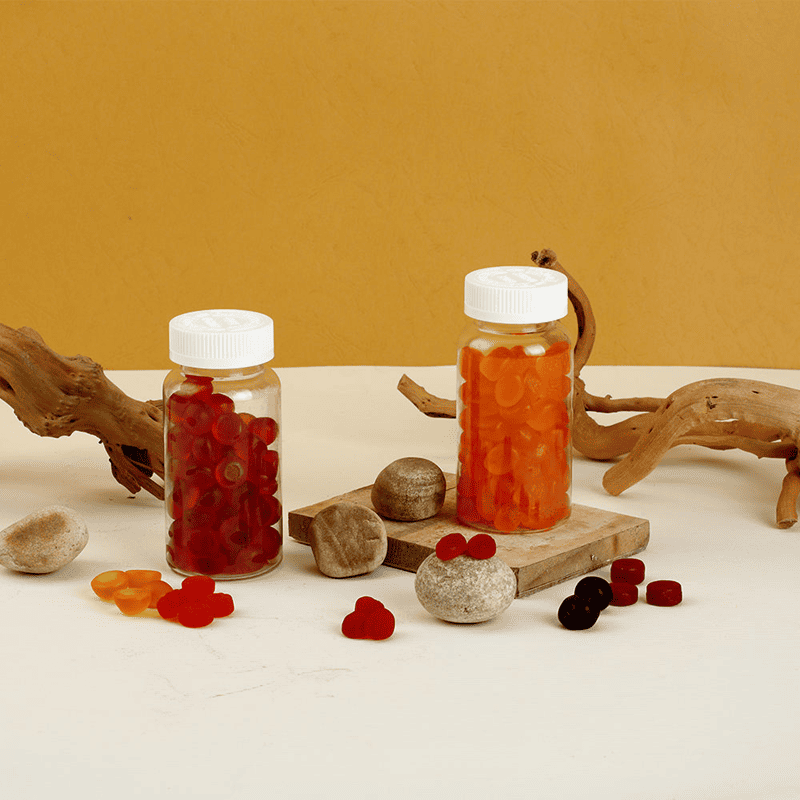
Selling supplements on Shopify looks simple from the outside. A new seller sees a clean storefront, a few product photos, a subscription app, some influencer videos, and a product page that seems ready to collect orders. The harder part starts before the store even launches: choosing the right first SKU, checking whether the claims are safe, finding a manufacturer who can control quality, deciding how much MOQ the first order can carry, and making sure the packaging does not turn a small test order into a heavy launch. Many supplement projects do not fail because Shopify is a weak channel. They fail because the product structure was too ambitious, the claims were too aggressive, the margin was calculated only from the factory quote, or the first order left no room for reorders.
To sell supplements on Shopify, a brand needs a compliant product, a clear customer problem, a reliable manufacturer, realistic MOQ, suitable packaging, trustworthy product content, and a launch structure that can support repeat purchase. Shopify can work well for capsules, powders, drops, gummies, and functional nutrition products, but the first product should match the channel, budget, compliance risk, and customer acquisition cost.
A Shopify supplement store is not just a website. It is a test of whether the product can survive real traffic, real questions, real refund pressure, and real reorder behavior. A bottle of capsules may look easier than an electrolyte powder, but the reorder logic can be completely different. A custom gummy may look attractive on social media, but the mold, flavor, sugar system, and packaging can make the first order heavy very fast. The better question is not only “Can I sell this on Shopify?” The better question is: “Can this product be launched, explained, shipped, reordered, and still leave enough margin after content, ads, samples, testing, and packaging?”
What Should You Know Before Selling Supplements on Shopify?
Selling supplements on Shopify is not only about opening a store and uploading product photos. The real work starts earlier: choosing a product that fits the channel, checking whether the formula can support the retail price, keeping the first order light enough to test, and making sure the product page can answer the buyer’s doubts before they leave.
For most new Shopify supplement brands, the first mistake is not traffic. It is usually the product structure. A formula may look attractive, but once MOQ, packaging, freight, testing, samples, ad cost, and discount pressure are added, the launch can become much heavier than expected. A safer Shopify project starts with one clear product, one clear customer group, and one launch path that can still make sense at reorder stage.
Channel Fit
Shopify works better when the product has a clear story, a clear use moment, and enough margin to survive customer acquisition cost. Unlike Amazon, Shopify does not give a new supplement product instant search traffic. The seller has to bring people in through ads, SEO, social media, influencers, email, community, clinics, gyms, or existing customers.
A Shopify supplement product should be easy to explain within the first few seconds. If the buyer cannot quickly understand who the product is for, when to take it, and why it is different, the page will struggle even with good design. Electrolytes, sleep support, collagen, creatine, mushroom coffee, magnesium, gut health, and beauty-from-within products often work better because they connect to daily routines.
A practical way to judge channel fit is to look at the traffic source before choosing the dosage form:
| Traffic Source | Better Product Style | Project Risk |
|---|---|---|
| TikTok / Instagram | Powders, gummies, beauty products, lifestyle wellness | Easy to get attention, harder to build trust |
| Google SEO | Capsules, powders, ingredient-led formulas | Needs deeper content and slower traffic build |
| Influencer audience | Simple products with clear use moments | Product must match creator credibility |
| Clinic / gym / nutrition advisor | Clean-label capsules, powders, drops | Needs stronger trust and professional positioning |
| Paid ads | Products with strong margin and repeat purchase | CAC can eat profit quickly |
For a first Shopify launch, the channel should decide the product structure, not the other way around. A seller with strong video content may handle a flavored powder better. A practitioner-led business may be safer with capsules or drops. A paid-ad team needs to check margin before choosing a heavy formula with expensive packaging.
First SKU
The first SKU should not try to prove everything at once. Many new supplement brands want to launch three flavors, two bottle sizes, custom boxes, and a fully original formula from the beginning. The store may look more complete, but the project becomes harder to manage, and the cash gets locked into too many small decisions before demand is proven.
A stronger first SKU usually has one clear function, one main customer group, and one simple purchase reason. For example, an electrolyte powder for daily hydration, a magnesium capsule for sleep support, a collagen powder for beauty routines, or a probiotic capsule for gut balance is easier to explain than a formula trying to cover energy, immunity, weight, hormones, mood, and digestion in one product.
For early Shopify sellers, one focused SKU is often safer than three weak launches because:
- Inventory is easier to control, and reorder timing becomes clearer.
- Product page content can go deeper instead of spreading attention across too many items.
- Ad testing becomes cleaner because the seller knows which product receives traffic.
- Sample feedback is easier to collect and act on.
- Packaging cost stays lower because fewer versions need to be printed.
A first SKU should also be chosen with reorder in mind. A product that sells once because of curiosity is not as valuable as a product that fits a monthly routine. Supplements with 30-day or 60-day usage cycles can support subscriptions, bundles, email reminders, and stronger customer lifetime value.
Product Cost
The factory quote is only the starting point. A Shopify seller also has to count packaging, freight, payment fees, storage, testing, sample rounds, influencer cost, ad spend, discounts, returns, and customer support. A product that looks profitable at the factory level can become weak after the full launch cost is added.
For example, a capsule bottle may have a lower freight burden than a 500g powder tub, but the capsule formula may carry higher ingredient cost if the actives are expensive. A powder may offer stronger perceived value and better content material, but flavor work, tub size, sachet MOQ, and shipping weight can push up the first order quickly.
A practical Shopify cost check should include:
| Cost Area | What to Check Before Launch |
|---|---|
| Formula cost | Active ingredients, dosage, serving count, flavor system |
| Packaging cost | Bottle, jar, pouch, box, label, inner sachet, printing MOQ |
| Freight cost | Product weight, carton size, destination, shipping route |
| Testing cost | Microbiology, heavy metals, COA, third-party tests if needed |
| Marketing cost | Ads, influencer seeding, content, samples, discount codes |
| Reorder cost | Lead time, minimum batch, packaging repeat order, cash cycle |
A safer margin calculation should not only ask whether the product can be produced cheaply. The better question is whether the landed cost, retail price, and repeat purchase cycle can still work after the store starts paying for traffic.
MOQ Pressure
MOQ is one of the first places where a Shopify supplement project becomes heavier than expected. Many sellers ask for low MOQ because they want to test the market, but supplement MOQ is not only decided by the factory’s willingness. It is often shaped by raw material purchase quantity, blending requirements, packaging printing, filling line setup, and quality control steps.
Capsules and standard bottles are often easier to start with because stock bottles and label customization can keep the first order more flexible. Powders can be profitable, but stick packs, flavor splits, printed sachets, and large tubs can increase MOQ quickly. Gummies and softgels usually need more careful planning because production setup, stability, and piece quantity can make very small orders difficult.
Typical MOQ pressure often appears like this:
| Product Type | Common First-Order Pressure |
|---|---|
| Capsules | Bottle count, capsule count, active ingredient cost |
| Powder tubs | Powder weight, jar size, flavor adjustment, freight |
| Stick packs | Inner sachet printing, flavor split, box assembly |
| Gummies | Mold, texture, flavor, sugar system, stability |
| Drops | Bottle MOQ, cap choice, liquid stability |
| Softgels | Higher piece quantity and longer production setup |
The lowest MOQ is not always the safest choice if the unit cost becomes too high. A better first order should be small enough to test, but large enough to keep the retail price realistic. For many Shopify sellers, the goal is not “the smallest possible quantity,” but a first batch that can be sold through without destroying margin.
Packaging Choices
Packaging can make a Shopify product look more trustworthy, but it can also push the first order too early. Many sellers think the formula is the expensive part. In real projects, packaging often starts lifting MOQ before the formula does, especially when the plan includes custom boxes, printed inner sachets, special jars, metallic labels, colored caps, or multi-flavor variety packs.
For a first Shopify launch, packaging should support trust without making the project too heavy. A clean stock bottle with a good label may be more practical than a custom bottle color with a high minimum order. A simple box may be enough for a first test, while a complex gift-pack structure can wait until reorder data proves the product has demand.
Packaging choices should be judged by three things:
- Does it make the product easier to trust online?
- Does it keep MOQ and first-order cash under control?
- Can the same packaging structure be reordered smoothly?
A Shopify buyer cares about appearance, but the business also needs reorder stability. A beautiful first batch is not useful if the second batch becomes too expensive, too slow, or too complicated to repeat. Packaging should lift the product’s value, not trap the seller in a launch structure that only works once.
Trust Building
Supplement buyers are more cautious than buyers of ordinary consumer goods. They put the product into their body, so they want to see dosage, ingredients, directions, quality signals, and a clear reason to believe the brand. A Shopify page with only lifestyle photos and short benefit lines usually feels weak for supplements.
Trust should be built through concrete details. The product page should include Supplement Facts or nutrition information, ingredient explanations, suggested use, warnings, target users, quality documents where suitable, and clear shipping or return information. For powders, taste, serving size, mixing method, and flavor notes matter. For capsules, capsule count, daily serving, active dosage, and ingredient source matter.
A strong product page usually includes:
- Clear product function without disease-treatment claims.
- Ingredient list and active dosage where allowed.
- Directions for use and serving count.
- Quality control information such as COA, microbiology, heavy metal testing, or GMP-related factory background.
- FAQ section covering taste, timing, storage, shipping, and who the product is suitable for.
- Real photos, simple routine explanation, and customer-friendly language.
Trust is not built by saying “high quality.” It is built by showing what is controlled. Stable batch performance, cleaner ingredient structure, reliable testing, and consistent packaging across reorders are more convincing than broad claims.
Launch Timing
A Shopify supplement launch usually takes longer than a normal product launch because formula, sample, label, packaging, testing, production, and logistics all affect timing. A seller who starts content and ad planning only after production is finished often loses useful preparation time.
A practical launch calendar should separate the work into sample stage, packaging stage, production stage, and pre-sale content stage. Existing formulas may allow faster sampling, while custom formulas may need more time for raw material checks, taste adjustment, dosage review, and stability review. Packaging approval can also become a hidden delay if the label, box, or sachet design is not confirmed early.
A realistic first launch often moves through these steps:
| Stage | What Happens | Common Timing Pressure |
|---|---|---|
| Product direction | Choose function, dosage form, target market | Too many ideas slow the first decision |
| Sample | Check taste, texture, dosage, appearance | Custom ingredients may need extra time |
| Label and packaging | Confirm size, design, claims, compliance | Late changes delay printing |
| Production | Blend, fill, pack, inspect | Queue depends on order size and season |
| Quality check | COA, microbiology, heavy metals if needed | Testing time must be counted |
| Shipping | Export, freight, customs, delivery | Remote countries may need extra planning |
Launch timing should also connect to marketing. If the product is for summer hydration, holiday weight management, New Year wellness, or gym-season demand, the production calendar should work backward from the selling season. A good formula arriving late can still miss the best sales window.
Reorder Logic
Reorder is where a Shopify supplement product proves whether it is a real business. A first launch can be pushed by ads, influencer videos, or a founder story. Reorder depends more on product experience, routine fit, price, delivery timing, and whether the customer feels the product is worth buying again.
The first order should be designed with the second order in mind. Too many flavors, too much custom packaging, or a formula that barely fits the retail price can make reorder stressful. If the first batch sells faster than expected, the seller needs a manufacturer who can repeat the formula, keep packaging consistent, and manage lead time without quality dropping.
Several details affect reorder more than new sellers expect:
- A 30-day supply can support monthly subscription but may require stronger retention.
- A 60-serving powder can feel better value but may delay repeat purchase.
- A product with poor taste may sell once but struggle to retain customers.
- A low-margin product may grow revenue while weakening cash flow.
- A packaging structure with long lead time can create stockouts after the first campaign.
Shopify gives the seller more control over subscriptions, email flows, bundles, and customer data. That control only helps if the product itself supports repeat use. The best first Shopify supplement product is not the one that looks most impressive on launch day. It is the one that customers can understand, use, trust, and buy again.
Is It Legal to Sell Supplements on Shopify?
Selling supplements on Shopify is possible, but the legal work starts before the product page is written. The seller needs to check the target country, ingredients, label wording, claims, certificates, payment support, and shipping route before paying for packaging or opening pre-orders.
For Shopify supplement projects, the most common risk is not the store itself. The real problems usually come from disease-style claims, ingredients that are not suitable for the target market, missing Supplement Facts or local label details, certificate gaps, and payment or shipping limits for ingestible products. In the U.S., FDA rules apply to dietary supplement labeling and manufacturing, while FTC guidance applies to advertising claims; Shopify Payments also has product and business restrictions even when a product is otherwise legal.
Target Market Rules
A Shopify store can receive visitors from many countries, but the product still needs one main sales market before the formula and label are finalized. A U.S.-focused supplement, UK-focused supplement, UAE-focused supplement, and Malaysia-focused supplement may need different claim wording, import documents, certificate expectations, and label details. Treating “global selling” as one simple rule often creates rework after the artwork has already been printed.
For a first Shopify launch, the practical route is to choose the first target country, then check the product against that market. This keeps the project from becoming too broad too early.
- A U.S. launch usually needs careful Supplement Facts formatting, claim wording, responsible company information, batch quality records, and advertising review. FDA states that the dietary supplement labeling guide applies to products made domestically and in foreign countries when sold in the U.S.; imported products do not avoid U.S. labeling expectations.
- A Muslim-market launch may need Halal planning earlier than many sellers expect. Halal is not just a logo on the label. The raw materials, production route, product list, certificate holder, validity period, and certification cost can affect whether the first order is still practical.
- An international Shopify launch should also check shipping before accepting orders. Shopify’s Managed Markets guidance lists ingestibles, including vitamins, supplements, and shakes, as restricted items for international selling, and notes that countries, carriers, and payment processors can all create restrictions.
Ingredient Check
Ingredient review should happen before the seller gets attached to the formula. Many Shopify projects start with a competitor link or a social media trend, but the same ingredient may not be suitable for every sales market. A formula that looks attractive for TikTok can still create issues if the ingredient is novel, too high in dosage, not allowed in the target country, or difficult to support with documents.
For the U.S. market, new dietary ingredients can add a serious timing issue. FDA’s New Dietary Ingredient process generally requires a notification at least 75 days before introducing a supplement containing a new dietary ingredient into interstate commerce, unless an exemption applies. That kind of delay can change the whole launch calendar, especially if the brand has already booked influencers, paid for design, or planned a product drop.
A practical ingredient check should cover:
- Ingredient status in the target market. A raw material that is common in one region may need extra review in another. The seller should not assume that a competitor listing proves compliance, because online stores often copy each other without checking the actual rule behind the ingredient.
- Active dosage and serving count. A formula may be legal but still commercially weak if the active dose requires too many capsules per day, too large a scoop, or a serving size that makes the product expensive to ship and difficult to reorder.
- Supplier documents. For plant extracts, minerals, probiotics, branded actives, and high-value ingredients, the project should check COA, specification, allergen information, origin, heavy metals, microbiology, and any market-specific documents before bulk production.
- Formula feasibility. Some ingredients look good on a label but create taste, solubility, stability, color, moisture, or odor problems. These issues matter more on Shopify because customer reviews, refund requests, and subscription cancellation feedback arrive quickly.
Claims and Website Copy
Claims are where many supplement stores take the biggest risk. The bottle may say “supports restful sleep,” while the product page, ad video, influencer script, or FAQ says the product “treats insomnia.” That gap can make the project risky even if the label itself looks clean. Claims need to be checked across the whole sales system, not only on the printed packaging.
For U.S. supplement labeling, FDA requires certain structure/function claim notifications within 30 days after first marketing the dietary supplement with the claim. FDA also states that the disclaimer must say the product is not intended to diagnose, treat, cure, or prevent any disease. Advertising claims must also be truthful, not misleading, and supported by science under FTC health product guidance.
A safer Shopify supplement page usually avoids disease-style language and keeps the benefit tied to normal structure or function support.
| Risky Direction | Safer Direction |
|---|---|
| Cures insomnia | Supports a calm nighttime routine |
| Treats anxiety | Supports relaxation and stress balance |
| Burns belly fat fast | Supports weight management with diet and exercise |
| Prevents flu | Supports normal immune function |
| Fixes joint pain | Supports joint comfort and mobility |
| Reverses fatty liver | Supports normal liver health |
The safer wording still needs evidence. A weak formula cannot be saved by careful copy. If the product claims to support hydration, sleep, digestion, energy, beauty, or immunity, the ingredient structure should match that promise. For Shopify, the product page should explain the benefit in a way normal buyers understand, without turning the page into a medical treatment pitch.
Label Content
Label work should not be left until the end. Once bottles, boxes, sachets, or pouches are printed, even a small compliance change can become expensive. For supplements sold into the U.S., FDA describes the dietary supplement nutrition label as a “Supplement Facts” panel, and the serving size should use a term suitable for the form, such as tablets, capsules, packets, or teaspoonfuls.
A Shopify seller should prepare label information before final artwork starts. The label usually needs product name, Supplement Facts or local equivalent, serving size, servings per container, ingredients, net content, suggested use, warnings, storage condition, distributor or responsible company information, batch or lot control, and any required market-specific statements.
Several details affect both compliance and cost:
- Serving size must match real usage. A capsule product requiring six capsules per day may look strong in formula design but feel inconvenient to buyers. A powder product with a large scoop may raise freight cost and reduce margin. The label should reflect a serving structure the customer can actually follow.
- Warning statements should match the formula and audience. Caffeine, melatonin, iron, pregnancy-related cautions, children’s products, allergens, and botanical extracts may require more careful wording. Generic warnings can miss real product-specific risk.
- Barcode planning should not be treated as decoration. Barcodes are often expected by retailers, warehouses, and some platforms even when not every sales route legally requires one. Shopify-only sellers may not need the same retail setup at the beginning, but future channel expansion can be harder if packaging was not planned cleanly.
- Small packaging makes label design harder. Stick packs, small dropper bottles, and mini jars have limited space. If the seller wants strong branding, long ingredient education, multiple claims, and several languages on a tiny label, the design can become crowded and harder to read.
Certificates and Quality Documents
Certificates do not all mean the same thing. A factory-level GMP or food safety certificate shows part of the production quality system, while a product COA shows batch-level test information. Halal, Organic, and Kosher are usually connected to specific materials, products, production routes, and certificate holders. Mixing these together in one sentence can confuse buyers and slow down the project.
For U.S. dietary supplements, FDA’s current good manufacturing practice rule applies to those who manufacture, package, label, or hold dietary supplements, including imported or offered-for-import products; FDA also states the DS CGMP rule requires firms to establish and follow current good manufacturing practice to ensure supplement quality and proper packaging and labeling.
For a Shopify launch, the useful document set often includes:
- Factory quality system documents. GMP, HACCP, FSSC 22000, FDA facility-related information, or similar documents can help serious buyers understand the production background, especially when the store sells internationally or later moves into retail.
- Batch COA. A COA is more useful when it connects to the actual batch, not only a general sample. For supplements, buyers often care about active content, microbiology, heavy metals, appearance, and other product-specific checks.
- Raw material documents. Botanical extracts, probiotics, minerals, collagen, branded ingredients, and high-cost actives should have supplier COA and specification support. Without these records, later quality questions become harder to answer.
- Product-level certificates. Halal, Organic, and Kosher should be discussed before the quote is finalized. Certification cost, product binding, validity, review time, and certificate holder name can affect the first order more than expected.
Payment and Shipping
Payment should be checked before the store starts taking orders. Supplements are legal in many cases, but payment providers may still review or restrict certain product types, claims, or business models. Shopify Payments tells merchants to check whether their business type or products are prohibited, and notes that some legal business models cannot be supported.
For supplement sellers, this is not a small technical issue. If a store runs paid ads, collects subscription customers, and then loses payment support, the business can lose momentum fast. The safer route is to prepare a backup payment option, keep claims conservative, avoid high-risk ingredients, and make sure the product page does not look like a drug, miracle cure, or exaggerated weight-loss offer.
Shipping needs the same early check. Capsules and tablets are usually easier than heavy powders, but destination country rules still matter. Powders can raise freight cost because of weight and volume. Drops and liquids may face leakage, temperature, and carrier restrictions. Gummies can be sensitive to heat in summer shipping. A product that looks profitable in the factory quote can lose margin if freight, reshipping, customs delays, and refunds are not counted.
A practical logistics review should include:
- Target country and postal code range. Remote regions can change cost and delivery stability. A global Shopify checkout should not accept every destination without knowing whether the product can actually arrive safely.
- Product form and shipping condition. Powders, liquids, gummies, softgels, and glass bottles carry different freight and damage risks. Packaging needs to protect the product, but overpacking also increases landed cost.
- Customs description and documents. The product name, ingredient list, invoice description, COA, and other documents should be consistent. Mismatched documents can create unnecessary customs questions.
- Delivery time and customer promise. A supplement brand should avoid promising fast delivery before confirming the real logistics route. Failed delivery and refund pressure can damage a small Shopify launch before the product has time to prove itself.
Adverse Event and After-Sales Records
A Shopify supplement brand should prepare a simple after-sales record system before launch. Customer complaints are not only customer service problems. For ingestible products, reports about allergic reaction, stomach discomfort, dizziness, rash, or other serious symptoms need to be recorded and handled carefully.
In the U.S., FDA guidance says responsible persons must submit serious adverse event reports within 15 business days from receipt, and reports may still be required even when a supplement has been discontinued. This matters for private label brands because the company name on the label may carry real responsibility, not just marketing ownership.
A practical Shopify setup should keep records for:
- Product batch number and order number. If a customer reports a problem, the seller needs to know which batch, formula version, packaging lot, and shipment were involved. Without batch tracking, even a small complaint becomes difficult to investigate.
- Customer symptom details. The support team should record timing, serving amount, other products used, medical conditions if voluntarily shared, and whether the customer has stopped taking the product. The goal is not to diagnose the customer. The goal is to collect clear facts and respond responsibly.
- Retained sample and supplier traceability. The manufacturer should keep production records and retained samples where applicable. A brand that cannot trace a batch will struggle to answer quality concerns, especially after sales volume grows.
- Refund and replacement rules. For supplements, the business needs a fair but controlled policy. A loose refund policy can be abused. A harsh policy can damage trust. The better route is to separate taste preference, shipping damage, allergic response, and suspected quality issue into different handling paths.
Practical Launch Checklist
Legal safety is easier when the launch is built in the right order. Many problems appear because the seller designs the label first, books influencers second, and asks the manufacturer about compliance third. That sequence makes rework expensive.
A safer Shopify supplement launch should move through these steps:
- Confirm the first target market before finalizing the product. A store can expand later, but the first label and claim set should be built for one main sales market. This keeps the formula, packaging, certificates, and content easier to control.
- Check ingredients before sample approval. The seller should review ingredient status, active dosage, allergen issues, target audience, and document availability before becoming attached to flavor, color, or packaging design.
- Draft claim wording before printing. Product page benefits, label claims, ad angles, influencer scripts, and FAQ answers should use the same claim discipline. A safe bottle with aggressive website copy is still a weak launch structure.
- Confirm document needs before quotation. COA, microbiology, heavy metals, Halal, Organic, Kosher, export documents, and import support can affect cost and timeline. These items should not appear only after the buyer asks for final shipping.
- Check payment and shipping before opening orders. Payment review, carrier restrictions, import rules, heat sensitivity, liquid restrictions, powder freight, and delivery promises should be clear before the store collects money.
- Keep the first SKU simple enough to reorder. Compliance, packaging, and logistics become easier when the first SKU is not overloaded with too many flavors, custom parts, risky ingredients, or aggressive claims.
For ZOXIZO projects, this is where early manufacturer discussion can save time. If a Shopify seller already has a benchmark link, target market, formula idea, or packaging direction, the factory can help check whether the route is practical before the buyer spends money on design, ads, or a product page that later needs to be changed.
Which Supplements Sell Better on Shopify?
Supplements that usually perform better on Shopify are not only the “hot” products. They are products with a clear daily use moment, easy explanation, repeat purchase potential, and a cost structure that still leaves margin after ads, samples, packaging, shipping, and discounts. For a new Shopify supplement brand, product choice should not start from trend alone. It should start from three questions: can the customer understand it quickly, can the first order stay manageable, and can the product be reordered without rebuilding the whole project?
For Shopify, the strongest categories often include electrolytes, collagen powders, protein powders, magnesium or sleep support, probiotics, mushroom coffee, weight management formulas, beauty-from-within products, creatine, mineral drops, and simple immunity support formulas. The right choice depends on the seller’s channel. A TikTok-driven brand may need a visible and easy-to-show product. A Google SEO-driven store may need educational content around ingredients and routines. A clinic, gym, or nutrition consultant may need cleaner formulas, stronger trust signals, and less aggressive packaging.
Daily Routine Fit
Products that fit into a daily routine usually have better Shopify potential because customers can understand when and why they should take them. Hydration before workouts, magnesium before sleep, collagen in morning coffee, probiotics after breakfast, mushroom coffee during work, and creatine after training all create simple use scenes that content creators, product pages, and email flows can explain.
A daily-use product also supports reorder planning. If one bottle or box covers 30 days, the store can build subscription reminders, bundle offers, and reorder emails around that rhythm. A product with no clear use timing may still sell during a launch campaign, but it becomes harder to turn one-time buyers into repeat customers.
Electrolytes and Hydration
Electrolytes are often strong for Shopify because the use case is easy to explain: hydration, workout support, travel, sweating, sauna, outdoor activity, or daily wellness. Stick packs are also easy to show in videos and convenient for customers to carry, which helps social media content and influencer marketing.
The pressure point is packaging. A powder formula may look affordable at ingredient level, but printed stick packs, outer boxes, multi-flavor sets, and flavor splitting can lift the first MOQ quickly. For many projects, a practical structure is 20–30 sticks per box, 4–12g per stick, and around 1,000 boxes per flavor as a more realistic starting point. If the brand wants three flavors at launch, the first order becomes heavier very fast.
| Hydration Product Route | Suitable For | Typical Pressure Point | First-Order Judgment |
|---|---|---|---|
| Single-flavor stick box | Shopify, Amazon, gyms | Inner sachet MOQ | Safer for first launch |
| Variety pack | Influencers, gift sets | Multi-flavor split | Better after demand proof |
| Tub powder | Fitness, family use | Freight and scoop accuracy | Good if serving size is large |
| Premium electrolyte blend | DTC wellness brand | Ingredient and flavor cost | Needs stronger retail price |
Collagen and Beauty Powders
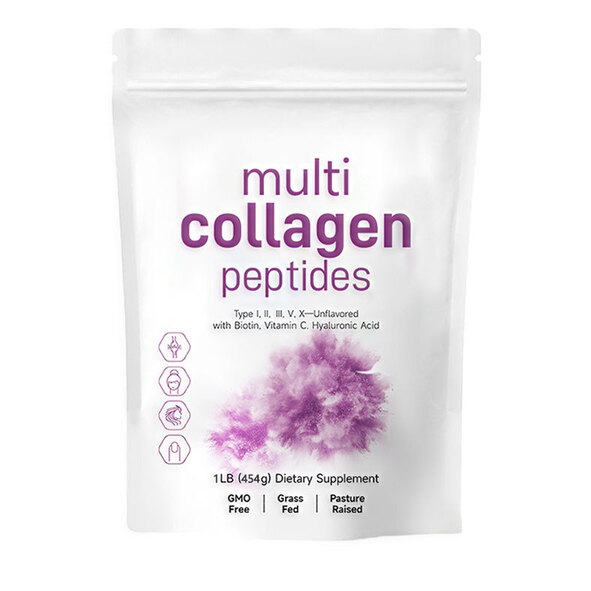
Collagen powder works well on Shopify when the brand can connect the product with a clear beauty, joint, or daily wellness routine. The category is already familiar to many consumers, so the education burden is lower than with niche herbal formulas. It also works well with content around coffee, smoothies, morning routines, and beauty-from-within positioning.
The main decision is serving size and packaging. A 150g pouch, 300g pouch, 500g jar, or stick format changes the product story and shipping cost. Smaller formats may be easier for first orders and trial packs, while larger jars can offer better perceived value. If the product needs added vitamin C, hyaluronic acid, biotin, or flavoring, the formula should still fit the retail price band before packaging is finalized.
Protein and Meal Support
Protein powders can sell on Shopify because the customer already understands the product. The education cost is lower, and the category works well for fitness, weight management, women’s health, vegan nutrition, and meal replacement positioning. Shopify gives the brand space to explain protein source, flavor, texture, sweetness level, and target user.
The cost issue usually comes from weight, jar size, freight, and flavor testing. A 1kg tub may look more competitive, but freight and storage become heavier. A smaller 400–500g jar or pouch may be easier for a first launch, especially when the brand is still testing flavor acceptance. Protein is not only a formula project; it is also a taste, texture, packaging, and shipping project.
Sleep and Relaxation Capsules
Sleep and relaxation capsules are usually easier to control than custom gummies or multi-flavor powders. Capsules can use standard bottles, clearer dosage, and lighter packaging. Ingredients such as magnesium, L-theanine, lemon balm, GABA, passionflower, or other calming ingredients can be positioned around relaxation and sleep routine, as long as claims stay within a safer structure/function direction.
The risk is overpromising. A Shopify page should not make the product sound like a treatment for insomnia or anxiety. Safer wording around “supporting relaxation,” “evening routine,” or “healthy sleep quality” is usually more practical. From a manufacturing view, capsules also allow the brand to test one focused formula before spending more on taste development, molds, or complex packaging.
Probiotics and Gut Health
Probiotics can work well on Shopify because gut health has strong consumer awareness and repeat-purchase potential. A customer who buys probiotics usually understands daily use, and a 30-day bottle naturally supports subscription, bundles, and reorder emails. Gut health also gives the brand enough room for educational content without relying only on ads.
The product needs careful strain selection, dosage planning, stability thinking, and packaging review. A low-cost probiotic with weak strain logic may be hard to defend on a standalone Shopify page. A formula with too many claims can also create compliance risk. The better route is to define the target user first, then decide strain, CFU level, capsule count, bottle type, and whether additional prebiotics or digestive support ingredients are needed.
Mushroom Coffee and Functional Drinks
Mushroom coffee and functional drink powders can fit Shopify when the brand has a strong lifestyle angle. These products are easier to show in content than capsules because the customer can see the drink, preparation, flavor, and daily routine. They can also support positioning around focus, calm energy, morning habits, or coffee alternatives.
The formula should not become too complicated too early. Adding too many mushrooms, adaptogens, flavors, sweeteners, and functional ingredients can raise cost and make the taste harder to control. A first Shopify launch usually works better with one clear drinking occasion and a formula that the customer can understand in a few seconds.
Gummies and Chewables
Gummies can look attractive for Shopify because they are easy to photograph, easy to explain, and more lifestyle-friendly than capsules. Beauty gummies, sleep gummies, kids’ nutrition, immunity support, and apple cider vinegar gummies often get attention on social media because the product feels simple and approachable.
The manufacturing side is less simple. Gummies involve texture, sweetness, moisture, flavor, shape, stability, bottle count, and sometimes mold fees. Custom shapes or special colors can make the first order heavier than expected. For many new brands, a standard shape with a strong formula story is safer than a fully custom gummy project before demand is proven.
Drops and Liquid Supplements
Drops can work well for Shopify when the product needs convenience, dosage flexibility, or a cleaner daily routine. Mineral drops, vitamin drops, kids’ drops, beauty drops, and immunity-related liquid products can support higher perceived value in the right category. They also fit customers who dislike swallowing capsules.
The key pressure points are bottle MOQ, dropper choice, liquid stability, flavor, and shipping. A 30ml or 60ml bottle may look simple, but cap style, bottle color, label material, and ingredient stability must be confirmed early. Drops should not be chosen only because they look “premium.” The format needs to match the formula and the target user’s real habit.
Weight Management Products
Weight management products can sell on Shopify, but the category needs careful handling. Customers care about visible results, price, reviews, and speed, but aggressive claims can create compliance and advertising risk. Coffee mixes, fiber powders, probiotics, herbal capsules, and metabolism support formulas may all appear in this category, but the product page should avoid drug-like or unrealistic promises.
A safer weight management product is usually built around routine, satiety, digestion, energy support, or lifestyle support rather than “quick fat loss.” The formula also needs to match the customer’s tolerance. A cheap product may convert once, but if taste, digestion comfort, or trust is weak, reorder becomes difficult.
Product Choice by Channel
A Shopify product should match the seller’s traffic source. A social media seller needs a product that can be demonstrated quickly. An SEO-focused store needs a category with enough search questions and educational angles. A gym or clinic seller needs formulas that look credible, clean, and easy to recommend. A paid-ad seller needs enough margin to handle customer acquisition cost.
| Shopify Seller Type | Better Product Direction | Why It Fits | Product Risk |
|---|---|---|---|
| Influencer brand | Gummies, powders, hydration sticks | Easy to show in content | Packaging can become too ambitious |
| Fitness seller | Protein, creatine, electrolytes | Clear use occasion | Freight and serving size pressure |
| Wellness DTC brand | Sleep, gut, collagen, mushroom coffee | Strong routine content | Needs better trust signals |
| Clinic or nutrition advisor | Capsules, drops, clean powders | Professional recommendation fit | Claims must stay controlled |
| Amazon seller expanding to Shopify | Existing best-selling SKU upgrade | Already has demand proof | Shopify page needs stronger education |
First SKU Selection
The first SKU should be the product that gives the brand the best chance to learn, sell, and reorder. It does not need to be the most complicated formula in the market. A focused capsule, a single-flavor powder, a standard bottle drop, or one well-positioned gummy can be more practical than launching three products with weak budgets.
A useful first-SKU test is simple: can the product be explained in one sentence, does the customer know when to take it, can the first MOQ be sold through, and does the reorder still make sense after packaging and freight? If the answer is unclear, the project may need to narrow before sampling.
Products to Avoid at the Beginning
New Shopify sellers should be careful with products that require too many custom parts before demand is proven. Custom gummy molds, multi-flavor stick packs, special jar colors, printed inner sachets for many flavors, high-cost branded ingredients, and heavy liquid formats can all make the first launch harder to manage.
The issue is not that these products are bad. Many of them can sell well after the brand has traffic, cash flow, and reorder data. The problem is timing. A first order should not use up too much budget before the seller knows whether customers will actually buy again.
Practical Product Comparison
For a Shopify first launch, the best product is usually the one that balances market understanding, first-order control, and reorder potential. A product with strong visual content but weak reorder logic may create a good launch week and a poor second month. A product with reasonable MOQ, clear routine, and stable packaging may look less exciting but build a stronger business.
| Product Category | Shopify Potential | First Launch Cost Pressure | Reorder Potential | Better Starting Route |
|---|---|---|---|---|
| Electrolytes | High | Medium | High | One flavor first, then expand |
| Collagen Powder | High | Medium | Medium to high | Pouch or jar with clear serving |
| Sleep Capsules | Medium to high | Low to medium | High | Standard bottle, clear routine |
| Probiotics | High | Medium | High | Strain logic and trust content |
| Mushroom Coffee | Medium to high | Medium | Medium | One clear taste direction |
| Gummies | High | Medium to high | Medium | Standard shape before custom mold |
| Drops | Medium | Medium | Medium to high | Confirm bottle and stability first |
| Protein Powder | High | Medium to high | Medium | Watch freight and jar size |
How Do You Choose Private Label or Custom Formula?
Choosing between private label and custom formula should start from the seller’s current stage, not from the desire to look different. A Shopify supplement launch still has to pass several practical checks: Can the product be explained clearly? Can the first order stay within budget? Can the retail price leave enough margin after ads, discounts, freight, and packaging? Can the product be reordered without rebuilding the whole project?
Private label is usually safer when the seller still needs market proof, faster sampling, and lower MOQ pressure. Custom formula becomes more suitable when the seller already understands the target customer, has a clear product angle, and can afford a longer sample route, ingredient review, packaging confirmation, and higher first-order commitment.
Private Label for Market Proof
Private label is usually the better starting route when a Shopify seller still needs to test the product category, customer response, price band, and reorder potential. At this stage, the main risk is not whether the formula is “original enough.” The bigger risk is launching a product that consumes too much cash before the seller knows whether the audience will buy again.
For many early Shopify projects, a mature formula with light customization is enough to start. The seller can adjust flavor, serving size, label design, packaging style, bundle structure, and product page positioning without carrying the cost of full formula development. This route is especially practical for capsules, mineral drops, collagen powder, mushroom coffee, electrolytes, sleep support, digestive support, and daily wellness products.
A realistic first launch often looks like this: one focused SKU, one main customer problem, one simple dosage form, and packaging that does not push MOQ too early. For example, a capsule product with stock bottle and custom label is usually easier to manage than a three-flavor powder stick pack with printed sachets and custom box. The second option may look better on the website, but the first option often leaves more room for sampling, content, ads, and reorder.
Custom Formula for Clear Differentiation
Custom formula makes more sense when the seller already knows what needs to be different. That difference may come from a benchmark product, a specific ingredient dosage, a target customer group, a cleaner label direction, a flavor gap, or a channel requirement. Without that clear reason, custom development can become expensive decoration rather than a better commercial path.
A custom formula should help the product sell more clearly, not just look more complicated on the supplement facts panel. If a Shopify brand wants a sleep product, adding too many calming ingredients may increase cost and create label pressure without improving customer understanding. If the product is positioned for hydration, the sodium, potassium, magnesium, flavor system, sweetness level, and serving size matter more than adding every trending ingredient into one stick.
The cost needs to stay inside the target retail band. A formula that looks strong in development may become difficult once the seller adds bottle cost, label printing, carton, testing, freight, Shopify fees, influencer commission, and launch discounts. A $3.50 factory cost may look acceptable at first, but if the retail price is only $19.99 and paid ads are required, the project may become tight before the first reorder.
First Order Budget
The first order should be judged by total launch pressure, not only unit price. A seller may ask for the lowest MOQ, but MOQ alone does not decide safety. A very small order can protect cash, but it can also raise the unit cost too much. A larger order can reduce unit cost, but it can trap money in inventory if the product page, traffic, or offer is not ready.
For many supplement formats, the first practical MOQ depends on packaging more than the formula. Capsules often start around 1,000 bottles when using standard bottles and label customization. Gummies may be calculated by total piece count, such as 60,000 pieces depending on bottle count. Softgels can be much heavier, often around 200,000 pieces. Powder stick packs may look simple, but printed inner sachets, flavor split, and box structure can quickly push the order into tens of thousands of sticks.
A Shopify seller should leave budget for more than product manufacturing. Samples, label review, product photography, content, influencer testing, ads, freight, warehousing, and possible reformulation all affect the real launch cost. A first order that uses the entire budget on product and packaging leaves no room to test traffic, fix the product page, or support the second purchase.
| Launch Route | Typical Use Case | Main Benefit | Main Risk |
|---|---|---|---|
| Private label | First Shopify SKU, category test, low-risk launch | Faster sample route and lower development pressure | Less formula uniqueness if positioning is weak |
| Light customization | Seller has a product direction but needs cost control | Better balance between speed and differentiation | Packaging can still push MOQ if over-customized |
| Custom formula | Clear benchmark, clear audience, stronger product story | More control over ingredients, dosage, and positioning | Higher sample cost, longer timeline, heavier first order |
| Full custom formula + custom packaging | Mature seller with strong traffic and budget | Stronger ownership and presentation | High MOQ, longer lead time, harder reorder if sales are not proven |
Sample Route and Timing
Sampling is where many projects become clearer. A seller may start by saying “I want a premium electrolyte” or “I want a beauty gummy,” but the real decision usually appears after sample testing. Taste, sweetness, capsule size, serving count, powder solubility, gummy texture, dropper dosage, and price expectation often decide whether the product can move forward.
For existing formulas or simple customization, samples can often be arranged faster, usually around 3–7 days when raw materials are available. If special raw materials need to be purchased, the sample timeline may extend to around 7–12 days. More difficult samples involving special process, finished product format, flavor adjustment, or higher-cost ingredients may need around 10–15 days before the seller can make a serious judgment.
A useful sample process should not only ask whether the product tastes good. The seller should check whether the serving size makes sense, whether the product can be explained on Shopify, whether the customer can use it daily, whether the flavor fits the target market, and whether the final cost still works after packaging. Sample feedback such as “make it stronger” or “make it more premium” is too vague. Better feedback points to sweetness level, active dosage, aftertaste, mouthfeel, capsule count, target retail price, or benchmark comparison.
Packaging Before Formula
Packaging often makes the first order heavier before the formula does. Many sellers focus on ingredients first, then discover that printed inner sachets, custom cartons, special jars, metallic labels, colored caps, multi-flavor packs, or custom gummy molds have their own MOQ and setup pressure. A product that looked affordable at formula level can become expensive once the packaging route is added.
For Shopify, packaging still matters because the customer sees the product before they touch the formula. The mistake is trying to make the first order look like a mature retail brand before the product has proven demand. A stock bottle with a clean label, a simple carton, or a standard pouch can still look credible if the product page, ingredient story, and brand positioning are clear.
A practical packaging route should match the stage. For early capsules, standard bottles and custom labels are usually easier. For powders, tubs or pouches may be safer than printed sticks if the first order is small. For electrolytes, stick packs can work well, but flavor count and inner sachet printing need to be controlled. For gummies, avoiding custom shapes at the first stage often protects the budget.
Shopify Channel Fit
Shopify does not reward every product in the same way. A product that works on Amazon because it has search volume and reviews may need a stronger story on Shopify. A product that sells through a gym or clinic may need cleaner positioning and more professional packaging. A product sold by an influencer may need a simple visual hook and a routine that can be demonstrated quickly.
Private label works well when the seller already has traffic but still needs a fast product route. For example, a fitness creator may start with electrolytes, creatine, collagen, or magnesium because these products fit daily routines and content. A nutrition consultant may prefer capsules, drops, or powders with cleaner ingredient positioning. A Shopify wellness brand may need a product that supports subscription and repeat purchase, not just a one-time launch push.
Custom formula becomes stronger when the channel can support education. If the brand has blog traffic, email subscribers, practitioner trust, or strong content production, a deeper formula story can be explained. If the traffic comes mainly from short ads and cold audiences, the first product may need a simpler message. Complicated formulas are harder to sell when the buyer only gives the page a few seconds.
Reorder Planning
The first product should be designed with reorder in mind. A launch can look successful for 30 days because ads, influencers, and discounts push the first purchase. The real test starts when the brand needs to reorder inventory, keep packaging consistent, maintain quality, and convince customers to buy again without the same launch excitement.
Private label often makes reorder easier because the formula and process are already more stable. The seller can focus on sell-through speed, customer feedback, product page improvement, and subscription structure. Custom formula can also reorder well, but only when the first batch proves that customers accept the taste, dosage, price, and result expectation.
A good first-order structure keeps the second order visible. Too many flavors, too many packaging parts, or too many custom details can make reorder slower and more expensive. A Shopify supplement product should not only be attractive at launch. It should be practical enough for the seller to replenish before stock runs out, especially if ads or influencer traffic suddenly starts working.
ZOXIZO Project Review
ZOXIZO can help Shopify sellers review the launch route before the project becomes too heavy. The useful starting information is simple: target country, sales channel, benchmark product, dosage form, ingredient direction, expected retail price, packaging idea, and first-order quantity. With these details, the project can be checked from formula feasibility, MOQ, sample timing, packaging pressure, and cost structure.
For a seller still choosing between private label and custom formula, the safer first step is often a feasibility review rather than immediate quotation. A quote without product structure can mislead the project. The real question is whether the formula, packaging, serving size, and retail price can work together. If the product is too expensive for the target channel, the formula or packaging should be adjusted before the first order.
ZOXIZO supports private label, light customization, and custom formula development across capsules, powders, gummies, drops, softgels, and other supplement formats. The goal is not to push every seller toward the most complex option. A better project route helps the brand launch one product clearly, control the first order, collect real customer feedback, and prepare for reorder with less pressure.
How Do MOQ, Packaging, and Cost Affect Profit?
aunch to reorder. A product may look profitable when only the factory quote is considered, but the real margin changes after packaging, freight, testing, payment fees, discounts, samples, content cost, and inventory pressure are added.
In many supplement projects, the formula is not the first thing that makes the order heavy. Packaging often pushes MOQ earlier. Printed sachets, custom cartons, special jars, colored caps, multi-flavor packs, and mold-based gummies can turn a simple first SKU into a much larger cash commitment before the seller has enough market proof.
First-Order MOQ
The first MOQ should be judged by sell-through ability, not only by the supplier’s minimum quantity. A Shopify seller may feel safer ordering the smallest possible batch, but very low quantity can raise unit cost, reduce packaging options, and leave little room for ad discounts or influencer commission. A first order only works when the quantity is large enough to support a real launch, but not so large that the business is trapped if the product angle needs adjustment.
For many early Shopify projects, the safer structure is one focused SKU with controlled packaging. Capsules around 1,000 bottles are usually easier to manage than several powder flavors with printed stick packs. Powder sticks can be attractive for hydration, collagen, greens, and sports nutrition, but the inner sachet MOQ may quickly move the project toward 20,000 sticks per flavor or around 1,000 boxes when each box contains 20 sticks.
- A capsule product with 1,000 bottles and 60 capsules per bottle is often easier for a first Shopify launch because the packaging can stay simple, the freight weight is lighter, and the product page can explain dosage clearly. The main cost pressure usually comes from active ingredients, capsule count, bottle choice, and label design.
- A powder stick product may look small because each serving is only 4–12g, but printed sachets, flavor split, blending volume, and box assembly can lift the order fast. If the seller wants three flavors at the beginning, the real MOQ may multiply by flavor, not only by total order quantity.
- A gummy product can be attractive for social media, but it becomes heavy when the seller asks for custom shape, custom color, special flavor, low sugar texture, and private mold at the same time. Even when the bottle count looks acceptable, the production setup and stability testing can make the first order harder than expected.
Packaging MOQ
Packaging MOQ often decides the real first-order pressure. Many new sellers look at the formula first, then ask why the quotation is higher than expected. In actual production, packaging choices such as cartons, labels, printed bags, inner sachets, jars, and special caps often decide whether the launch stays light or becomes heavy.
A simple label on a stock bottle can keep the first batch easier to control. A full custom box, foil pouch, printed inner sachet, special jar color, and metallic finish may look better on a Shopify page, but each decision adds a separate MOQ, production step, and approval cycle. Better packaging is useful only when it still fits the first-order budget and retail price.
| Packaging Item | Common MOQ Reference | Best Used For | Risk in First Launch |
|---|---|---|---|
| Labels | Around 300 pcs; lower quantity possible at higher unit cost | Capsules, drops, gummies, stock bottles | Low quantity raises unit cost |
| Paper Boxes | Around 500 pcs | Bottles, sachet boxes, gift-style packs | Adds assembly and printing time |
| Paper Tubes | Around 1,000 pcs | Electrolytes, collagen, powder sticks | Can lift MOQ before formula does |
| PP Jars | Around 2,000 pcs | Protein, greens, collagen powder | Bulky freight and storage pressure |
| PET Boxes | Around 1,000 pcs; stock options may allow lower quantity | Display packs, retail-style products | Custom printing may need higher MOQ |
| Printed Foil Pouches | Often 500–5,000 depending on printing method | Powder refills, protein, coffee blends | Printing method changes cost sharply |
| Printed Stick Packs | Often around 20,000 sticks per flavor | Electrolytes, powder shots, collagen sticks | Flavor split makes MOQ heavier |
- Stock packaging with custom labels is usually the safer route when a Shopify seller still needs to test demand. It may not look as polished as a fully custom pack, but it allows the business to collect real feedback before committing to cartons, special printing, or multiple packaging components.
- Printed inner sachets are useful for powder products because they look clean, portable, and professional. The issue is that sachet printing usually has its own MOQ, and multi-flavor packs can multiply cost. A three-flavor electrolyte launch may look strong on the website, but the production structure becomes heavier than one hero flavor.
- Custom jars and special caps are better suited for brands with clearer reorder confidence. A colored cap or special bottle shape may improve shelf appearance, but the cap MOQ alone can be much higher than the first order. For a Shopify launch, that money may work harder in sampling, content, or customer acquisition.
Formula Cost
Formula cost affects more than the factory price. It also affects serving size, dosage claims, retail band, repeat purchase, and customer trust. A formula with higher active dosage may support a stronger product story, but it must still fit the target price after packaging, freight, testing, and marketing cost are added.
A common mistake is building the formula from a competitor label without checking whether the same dosage still works for the seller’s retail price. Some branded ingredients, high-content extracts, probiotics, collagen peptides, minerals, and oil-based nutrients can move cost quickly. The formula should be strong enough to support the claim, but not so expensive that the store cannot offer discounts, bundles, or subscription incentives.
- Ingredient dosage should match the product position. A low-cost formula may be easier to quote, but it can create weak product value and poor reorder performance. A high-dosage formula may look better on the supplement facts panel, but the seller needs to check whether the final bottle price still fits the Shopify audience.
- Functional powders need special cost control because flavor, sweetener, acidity, solubility, and mouthfeel all affect customer feedback. An electrolyte powder, protein blend, or mushroom coffee is not only about active ingredients. Taste complaints can hurt repeat purchase even when the formula looks correct on paper.
- Capsule formulas need attention to serving count. A formula requiring four capsules per day may look strong, but customers may dislike the daily pill burden. A 60-capsule bottle becomes only 15 days of supply if the serving is four capsules, which changes perceived value and reorder timing.
Real Profit Calculation
Profit should be calculated from landed cost and selling structure, not just factory quote. A Shopify seller needs to count product cost, packaging, freight, testing, payment fees, storage, fulfillment, ad spend, influencer commission, discount codes, subscription incentives, and return risk. A product can look profitable at factory level but become weak once launch costs are included.
For example, a bottle quoted at USD 3.50 does not mean the seller has strong margin at a USD 24.99 retail price. After freight, packaging upgrades, payment fees, fulfillment, influencer samples, discounts, and customer acquisition cost, the available margin may shrink quickly. The product needs enough room for both first purchase and reorder, especially when Shopify traffic depends on paid content or influencer promotion.
| Cost Layer | What It Includes | Why It Changes Profit |
|---|---|---|
| Factory Cost | Formula, labor, filling, basic packaging | Starting point, not final margin |
| Packaging Cost | Label, box, jar, pouch, sachet, printing | Often lifts MOQ and unit cost |
| Freight Cost | Air, sea, DDP, customs handling | Powders and liquids can become expensive |
| Testing Cost | COA, heavy metals, microbiology, special tests | Needed for trust and compliance |
| Launch Cost | Samples, photos, videos, influencer seeding | Often ignored before launch |
| Sales Cost | Ads, discount codes, payment fees, commissions | Decides whether Shopify traffic is profitable |
| Reorder Cost | Lead time, inventory planning, packaging repeat | Determines whether the product can scale |
- A 30-serving product and a 60-serving product can produce very different reorder behavior. A 30-day supply may support monthly subscription and easier cash recovery. A 60-serving product may look better value to the buyer, but the reorder cycle becomes longer and the first purchase price may need to be higher.
- Freight can quietly damage profit, especially for powders, liquids, jars, and multi-pack offers. A collagen powder or protein product may have a good factory quote, but the landed cost changes once carton size, product weight, shipping method, and destination country are added.
- Discounts should be planned before launch, not added after weak conversion. If the product margin only works at full price, Shopify ads, influencer codes, bundles, and subscription offers will become difficult. A product built for DTC should leave room for normal selling tools.
First Order vs Reorder
The first order should not only make the website look complete. It should create a reorder path the business can repeat. Many Shopify sellers spend too much on first-order appearance: too many flavors, too many SKUs, too much custom packaging, and too many claims. The launch may look strong, but the reorder becomes difficult when cash is tied up in slow-moving inventory.
Reorder is where the product proves whether the structure works. If the first SKU sells through, the seller should be able to reorder without redesigning the whole project, renegotiating every material, or waiting too long for packaging. A product with stable packaging, clear serving count, controlled MOQ, and repeatable production is usually stronger than a visually impressive launch that is hard to replenish.
- One focused SKU usually gives better feedback than three weak SKUs. A Shopify seller can see which message, traffic source, price point, and product experience work. When the first product has clear data, the second SKU can be planned with less guesswork and better packaging confidence.
- Multi-flavor launches should be used carefully. Variety packs can improve conversion for electrolytes or powders, but each flavor adds formulation, tasting, packaging, and inventory pressure. A better route is often one main flavor first, then expand once repeat purchase and customer feedback are clear.
- Reorder lead time should be discussed before the first order is placed. If packaging takes longer than production, the seller may run out of stock even when the factory can produce quickly. For Shopify, stockout can hurt ads, email flows, subscriptions, and customer trust.
Safer Cost Structure
A safer Shopify cost structure usually starts with a controlled first SKU, simple packaging, clear serving logic, and enough margin for traffic. The goal is not to make the cheapest supplement. The goal is to build a product that the seller can explain, sell, ship, and reorder without losing control of cash flow.
ZOXIZO usually recommends checking the product route before locking in packaging. The product idea, target market, sales channel, formula, dosage form, MOQ, sample route, and packaging should be reviewed together. A formula that fits Shopify may become difficult if the packaging is too heavy. A beautiful package may not help if the serving count or landed cost makes the retail price uncomfortable.
- For low-budget Shopify launches, capsules or simple stock-bottle products are often easier to control. The seller can spend more attention on product page content, education, reviews, and traffic testing instead of locking too much money into packaging components before demand is proven.
- For powder launches, stick packs are better when portability and daily routine matter, but tubs or pouches may be more practical when the serving size is large. An electrolyte product can work well in sticks, while protein or collagen may need jars or pouches because serving weight is higher.
- For stronger Shopify operators, custom formula and better packaging can make sense after the first market signal is clear. At that stage, higher retail positioning, cleaner presentation, and stronger ingredient story can support better margin, but the project still needs to protect reorder speed and packaging availability.
How Can a Shopify Supplement Brand Grow Long Term?
A Shopify supplement brand grows when the product is easy to understand, safe to explain, practical to reorder, and strong enough to survive real customer feedback. Traffic can bring the first sale, but repeat purchase usually comes from a clearer routine, stable product experience, controlled cost structure, and a supplier that can keep formula, packaging, lead time, and batch quality consistent.
Long-term growth should not start after the store becomes successful. It should be built into the first SKU. A 30-day capsule product, a 20-stick electrolyte box, a 500g collagen tub, or a 30ml mineral drop all create different reorder cycles, freight pressure, packaging needs, and content angles. Shopify works better when the product, page content, offer, and reorder plan are designed together instead of being fixed one by one after launch.
Product Page Trust
A Shopify supplement product page needs to reduce buyer hesitation quickly. Most buyers are not only asking whether the product looks good; they are checking whether the formula feels safe, whether the serving size makes sense, whether the benefits sound believable, and whether the store looks real enough to take payment from. A clean product page should show supplement facts, serving directions, key ingredients, target users, warnings, quality checks, and common usage scenarios without making the copy sound like a medical claim.
For supplements, trust is often built through specific details rather than big promises. A product page that says “supports hydration with sodium, potassium, and magnesium” usually feels safer than a page that only says “boost your performance.” A capsule product with clear active ingredient dosage, 60 capsules per bottle, suggested daily intake, allergen notes, and batch testing support gives the buyer more reasons to continue reading. A powder product should explain flavor, sweetness, mixing method, grams per serving, stick count or tub size, and when the customer should use it.
A practical Shopify page should also answer objections before they become customer service messages. For example, buyers often want to know whether the product is vegan, sugar-free, Halal-friendly, caffeine-free, suitable for daily use, easy to mix, or safe to combine with other routines. These details may not all fit above the fold, but they should appear in product descriptions, icons, FAQs, images, or comparison sections. A supplement buyer who cannot find basic information may not ask the store; they may simply leave.
SEO Content
Shopify SEO should not only chase high-volume keywords. A supplement store needs content that matches real buying questions. Search traffic often comes from people comparing dosage forms, ingredients, benefits, routines, and product types before they are ready to buy. Articles such as “capsules vs powder supplements,” “how to choose an electrolyte powder,” “what to check on a supplement facts label,” and “private label supplements for Shopify brands” can bring visitors who are closer to a product decision.
For long-term growth, SEO content should connect to the product route. A collagen brand can write about serving size, powder texture, flavor pairing, beauty routines, and how collagen fits into coffee or smoothies. An electrolyte brand can write about sodium-to-potassium balance, stick pack convenience, sugar-free sweeteners, and hydration routines for travel, fitness, or outdoor work. A sleep supplement brand can explain magnesium forms, L-theanine, herbal blends, evening routines, and safe wording around relaxation support.
The content should be useful enough that Google and AI search tools can understand the page as a practical answer, not just a keyword page. A strong article usually includes clear headings, simple explanations, realistic product examples, ingredient logic, dosage form comparison, and buying concerns. For B2B supplement projects, useful data can include MOQ ranges, sample timing, production lead time, serving counts, packaging options, and reorder planning. Those details make the content harder to copy and more helpful for serious buyers.
Social Media Traffic
Social media can drive the first wave of Shopify sales, but the product must be easy to show and easy to explain. Powders, gummies, drops, and functional drinks usually create stronger visual content than capsules because the viewer can see the mixing, texture, color, or usage moment. Capsules can still sell well, but they usually need a stronger story around ingredients, daily routine, professional trust, or a specific customer problem.
Influencer traffic works better when the product has one clear use moment. Electrolytes can be shown before training, during travel, after sweating, or in a morning hydration routine. Protein powder can appear in breakfast, gym, weight management, or meal replacement content. Mushroom coffee can fit office focus and morning routine videos. A supplement that needs a long explanation may still work, but the content creator must have enough trust with the audience to explain why it matters.
A common mistake is giving influencers a product that looks good but has weak reorder logic. If the flavor is not pleasant, the capsule serving count is too high, the powder does not mix well, or the claims are too strong, first-time buyers may not come back. For Shopify, social content should not only create clicks; it should prepare the customer for realistic use. Overpromising may produce the first order, but it often damages the second order.
Subscription and Reorder
Subscription works best when the product has a natural usage cycle. A 30-serving powder, 60-capsule bottle taken twice daily, or 30ml drop used every day can support monthly reorder planning. The product should be designed so the customer understands how long one unit lasts, when to reorder, and whether a bundle makes sense. Confusing serving instructions weaken subscription performance because the buyer cannot judge value clearly.
Reorder planning should begin before production. A 20-stick electrolyte box may create faster repeat purchase than a large tub, but stick packs usually bring higher packaging pressure. A 60-capsule bottle may feel standard, but if the dosage requires four capsules per day, one bottle only lasts 15 days. A 500g powder tub may look better in value, but freight and storage cost may become heavier. These details affect both customer satisfaction and profit.
For many Shopify supplement stores, the second order is more important than the launch spike. A first campaign can sell inventory through ads or influencer traffic, but reorder shows whether the product has become part of the customer’s routine. Better reorder structures usually have clear usage timing, stable sensory experience, enough perceived value, and packaging that does not make every replenishment difficult or expensive.
Cost and Margin Control
Long-term growth depends on margin after real selling costs, not only factory price. A product with a low unit cost can still become weak if freight is heavy, packaging is over-customized, ad cost is high, or discounting becomes necessary. A Shopify seller needs to look at landed cost, payment fees, fulfillment, testing, content cost, influencer commission, returns, and reorder timing before deciding whether the product is truly profitable.
A practical cost check should include formula, packaging, shipping weight, serving count, and expected retail price. For example, a capsule project using stock bottles and label customization may be easier to control at around 1,000 bottles. A powder stick project may look attractive for Shopify because it is portable and content-friendly, but printed inner sachets and flavor splits can push MOQ quickly. A gummy product may convert well visually, but custom molds, flavor adjustment, texture control, and bottle packaging can make the first order heavier than expected.
The safest route is not always the cheapest route. A very cheap formula may create weak repeat purchase if customers feel no difference or cannot understand the value. A very expensive formula may fail if the retail price moves above what the traffic channel can support. A stronger Shopify product usually sits in the middle: enough ingredient value to support the price, but not so much complexity that the brand cannot reorder with confidence.
| Growth Factor | Practical Number to Check | Why It Affects Long-Term Sales |
|---|---|---|
| Serving count | 20, 30, 60, or 90 servings | Controls reorder timing and perceived value |
| Capsule bottle count | Commonly 60 capsules | Affects daily dosage and monthly supply |
| Powder stick count | Often 20–30 sticks per box | Affects portability, MOQ, and packaging cost |
| Label MOQ | Often around 300 labels | Helps lighter customization for first orders |
| Box MOQ | Often around 500 boxes | Can push first-order quantity earlier than expected |
| Mass production time | Often 25–40 days | Affects stock planning and ad schedule |
| Sample timing | Often 3–7 days if materials are ready | Helps test taste, texture, dosage, and direction |
Packaging Consistency
Packaging should help the product sell, but it should not trap the first order. Shopify brands often care about the unboxing feeling because product photos, influencer videos, and customer posts all need a clean visual. The risk appears when the brand adds printed sachets, custom boxes, special jars, colored caps, metallic finishes, or multiple flavors before demand is proven.
A more controlled first launch often uses stock bottles, label customization, simple boxes, or one main flavor. This route may look less ambitious, but it protects cash and makes reorder easier. Once a product sells through and the audience responds well, packaging can be upgraded in the second or third order. That sequence is usually safer than building a beautiful but expensive first order that becomes hard to repeat.
Packaging also affects production communication. A powder tub needs the right jar volume because powder density changes fill level. A 1000cc jar may not always hold exactly 500g comfortably, especially when powder is light or dusty. Stick packs need correct width, sealing type, and material choice. Drops need bottle size, cap type, dropper fit, and label dimensions. These small details decide whether the finished product looks stable and professional in the customer’s hand.
Supplier Reliability
A Shopify supplement brand needs a supplier that can support more than the first production run. The factory should help check formula feasibility, sample timing, active ingredient dosage, packaging MOQ, quality documents, production schedule, and export logistics. Long-term growth becomes harder when the seller must solve every formula, label, packaging, and logistics issue alone.
For a growing store, lead time matters as much as price. If a product sells faster than expected and production takes 25–40 days, the brand needs reorder planning before inventory reaches zero. A large campaign or influencer push can create a temporary sales spike, but if the next batch is not planned early, the store may run out of stock. Stockouts damage ad learning, subscription confidence, SEO momentum, and customer trust.
ZOXIZO’s role is most useful when the seller wants to judge the project before making the first order too heavy. A Shopify brand can send a benchmark product, formula idea, target country, dosage form, expected quantity, and packaging direction. The factory team can help review whether private label, light customization, or full custom development makes more sense, then guide sample preparation, MOQ, packaging choice, quotation, production, testing, and shipping route.
How Can ZOXIZO Help You Start Selling Supplements on Shopify?
ZOXIZO helps Shopify supplement brands turn product ideas into practical launch plans. If you already have a benchmark product, formula table, target market, or rough product direction, our team can help check feasibility, dosage form, MOQ, packaging route, sampling time, quality documents, and production schedule.
For early-stage sellers, the first step does not need to be a heavy custom project. It can begin with one focused SKU, a safer formula route, suitable packaging, and a sample process that helps confirm taste, texture, serving size, and positioning before mass production. That is usually a better way to protect cash and prepare for reorder.
If you want to build a Shopify supplement product, you can send ZOXIZO your target market, sales channel, product idea, benchmark link, preferred dosage form, packaging direction, and expected order quantity. Our team can help you review whether the product is more suitable for private label, light customization, or custom formula development, then provide a practical route for sampling, packaging, MOQ, quotation, production, and delivery.