Skip to content

A lot of new supplement projects start with the wrong question. People ask which model is cheaper, which model is faster, or which one needs the lowest upfront budget. That is understandable, but it is rarely enough. In supplements, a model can look easy in the beginning and still create problems later when reviews, repeat orders, claim control, packaging consistency, fulfillment quality, and advertising rules start to matter. A store can go live quickly and still be weak underneath. It can look like a business, but not behave like one. That gap is where many early supplement projects lose time, lose margin, and lose trust.
For most serious supplement businesses, dropshipping is easier to test with, while private label is usually better for long-term growth. Dropshipping lowers early cost and speeds up launch, but private label gives stronger control over branding, product structure, margins, packaging, and repeat purchase strategy. In supplements, that control matters because companies that market these products are responsible for safety, truthful claims, and compliant labeling.
The better choice depends on stage, not hype. A very small project with limited cash may need a lighter route first. A business with stronger channel access, a clear category, and a real plan to build repeat sales often reaches a point where generic fulfillment is no longer enough. That shift usually shows up earlier than expected. Orders start coming in, then questions follow. Why does the packaging feel generic? Why is the margin still thin? Why is it hard to improve the formula, serving count, or retail story? That is usually the moment when a simple launch stops being enough, and the real model decision begins.
What Is the Difference Between Dropshipping and Private Label Supplements?
Dropshipping and private label supplements may both let a company sell health products without owning a factory, but the operating logic is very different. Dropshipping is mainly a low-commitment distribution model. Private label is a product-building model. One is built around speed and low upfront pressure. The other is built around control, positioning, repeat orders, and stronger long-term margin.
The real difference shows up in product control, cost structure, packaging freedom, lead time planning, compliance handling, and how easy it is to build a business that can still grow after the first few sales. A dropshipping setup can help test traffic and category response. A private label setup makes more sense when the goal is to shape the formula, packaging, retail price, and brand story in a way that can support better profitability later.
Control over the product
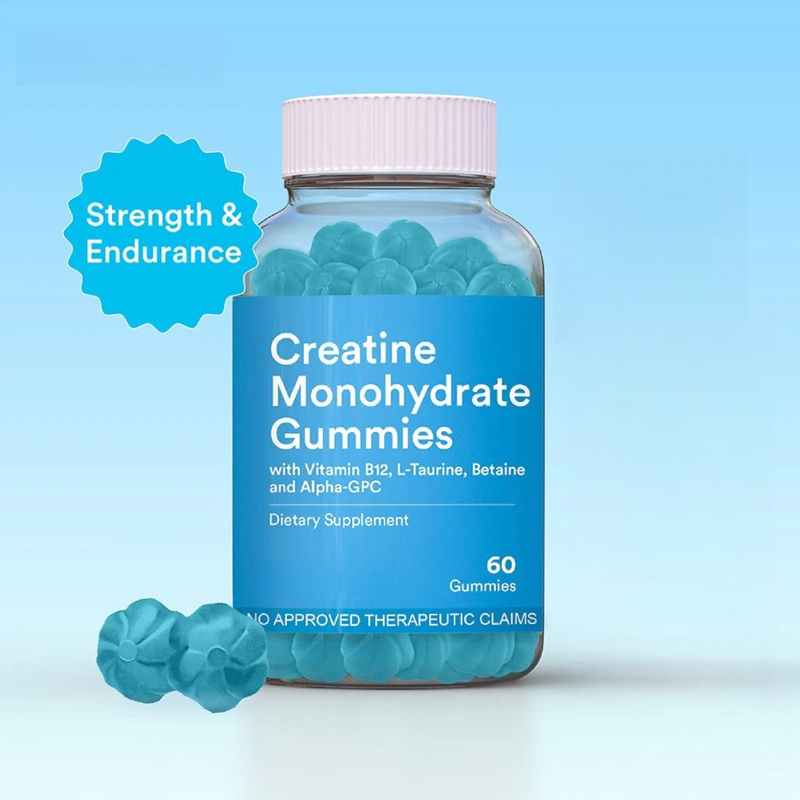
In a dropshipping structure, the operator usually sells a finished item that already exists in someone else’s system. Formula, serving count, packaging style, ingredient level, flavor profile, label format, and stock status are often fixed or only lightly adjustable. That makes the launch feel easier, but it also means many of the most important commercial decisions are not really yours.
Private label works very differently. The product may start from an existing base formula or a mature formula library, but the project can still be adjusted around the actual market. That includes dosage form, ingredient strength, flavor direction, packaging route, serving count, label presentation, and target price band. That extra control matters because supplement performance in the market is not only about whether a product exists. It is about whether the product feels right for the channel, price point, and customer expectation.
A more controlled structure usually helps with:
- matching serving count to retail price
- adjusting ingredient level to fit margin targets
- choosing packaging that fits the launch budget
- building a cleaner front label for the sales channel
- avoiding the exact same product setup used by many other stores
- creating a more believable reorder path
A generic hydration powder in a dropshipping catalog may be fast to list, but the team may have no ability to change sweetness, sodium level, pack count, or visual structure. A private label electrolyte project can be built with a more specific commercial role, such as Amazon-focused, gym-focused, clinic-friendly, or DTC-oriented. That difference becomes important once the business starts paying for traffic, discounting, content creation, and retention.
Margin structure is not built the same way
Many new operators assume dropshipping is cheaper because the first order is lighter. That is only partly true. It reduces early inventory pressure, but it often leaves less room to improve economics later. In supplement categories, better margin does not come only from avoiding inventory. It comes from controlling unit structure, packaging choices, pricing logic, and reorder efficiency.
With dropshipping, the unit cost is usually higher because someone else has already built in their own handling margin, stock risk, packaging route, and fulfillment cost. That may still be acceptable for fast testing, but the ceiling appears quickly. Once advertising costs rise or marketplaces start pushing more discount pressure, a thin structure becomes difficult to defend.
Private label usually requires more planning at the start, but it gives more room to shape the commercial model. Cost can be managed through formula design, dosage form, packaging simplification, quantity planning, and serving-count logic. A business that wants to move from surviving to scaling usually needs that room.
A practical comparison looks like this:
| Area | Dropshipping Supplements | Private Label Supplements |
|---|---|---|
| Upfront pressure | Lower | Higher |
| Product control | Limited | Stronger |
| Formula flexibility | Very low to low | Medium to high |
| Packaging flexibility | Very low | Medium to high |
| Unit margin potential | Lower | Higher |
| Differentiation | Weak | Stronger |
| Reorder leverage | Limited | Better |
| Brand asset building | Weak | Stronger |
| Launch speed | Fast | Moderate |
| Long-term pricing control | Weak | Better |
That does not mean private label is automatically the right move on day one. It means the path to stronger profitability usually becomes clearer once the project has enough product control to manage cost instead of simply accepting it.
Packaging, MOQ, and launch pressure
One of the biggest differences between these two models is where launch pressure sits. In dropshipping, stock already exists, so MOQ pressure is often hidden from the store owner. That feels convenient, but it also means the operator is working inside someone else’s product structure. There is little power to redesign the business around a better pack size, more suitable bottle, cleaner pouch format, or improved label presentation.
In private label, MOQ becomes part of the real project discussion. That may sound more difficult, but it is also where smarter decisions start. A factory-side conversation can show whether the main cost pressure comes from formula, carton printing, flavor split, bottle customization, pouch printing, or serving count. Many early-stage teams think the formula is the biggest problem. In reality, packaging often starts lifting MOQ before the actives do.
Common pressure points in private label include:
- printed inner sachets
- multiple flavors in one first run
- custom bottle colors
- custom cap colors
- boxes for every SKU at a small volume
- oversized serving counts
- premium finishes such as embossing, foil, or laser effects
That is why a private label project needs more judgment. A 20-stick electrolyte box may sound simple, but printed sticks plus printed boxes can make the first order much heavier than a pouch or stock-jar route. A capsule formula may look affordable, but once a custom bottle, induction seal, color label, and outer box are added, the launch may no longer fit the original price band.
Dropshipping avoids part of that pain, but it also removes the chance to solve it well. Private label exposes the structure earlier, which is uncomfortable, but commercially healthier for teams that want real control.
Brand identity and market trust
In a dropshipping setup, the store may carry a supplement under its own storefront name, but the product itself often does not feel deeply owned. Other stores may be listing nearly identical formulas, similar product images, and matching benefit claims. That weakens trust over time because the brand layer is thin. The business becomes more dependent on traffic tricks, pricing tactics, or temporary content wins.
Private label gives the team a better chance to shape how the product is understood. That includes naming, pack architecture, dosage logic, claim hierarchy, label feel, and the overall relationship between the formula and the intended audience. In supplement categories, trust is a major commercial asset. People do not only compare price. They compare clarity, consistency, packaging feel, dosage credibility, and whether the product looks like it was built with a specific use case in mind.
A stronger branded structure helps with:
- cleaner landing-page communication
- more believable premium or mid-tier positioning
- better repeat purchase confidence
- easier bundle building
- improved visual consistency across SKUs
- less direct comparison against generic catalog listings
For example, a sleep support capsule sold through a generic dropshipping route may be just another sleep product among many similar listings. A private label sleep formula built with clearer serving logic, cleaner bottle design, more readable label hierarchy, and a tighter price band has a better chance of feeling like a real branded product instead of a commodity.
Operations after the first sale
A lot of people compare models only at launch stage. The better comparison comes after the first sale, when the business has to deal with customer feedback, stock reliability, quality consistency, product updates, and repeat orders. That is where the gap becomes much clearer.
In dropshipping, the operator is highly dependent on someone else’s stock rhythm and operating standards. If the source changes the formula, pauses a SKU, updates packaging, runs out of stock, or delays fulfillment, the store has limited control. That makes long-term planning harder, especially for brands trying to run ads consistently or build repeat purchase cycles.
Private label carries more responsibility, but it also creates more operating stability when done properly. Once the formula, packaging route, supplier relationship, and reorder logic are set up, the business can plan more clearly around production, inventory, seasonal demand, bundle strategy, and margin improvement.
Operational advantages that often become stronger under private label include:
- better visibility on lead time
- clearer sample-to-production process
- more consistent packaging appearance
- better batch-to-batch planning
- easier product line expansion
- more control over reorder timing
This is also where supplier quality matters. A strong private label manufacturer does more than fill a purchase order. The factory should help review formula practicality, packaging load, MOQ pressure, sample route, production timing, and reorder structure. That kind of support is difficult to get in a generic dropshipping supply chain.
Which model fits which stage
Neither model is always right or always wrong. The better choice depends on what stage the business is in and what kind of control it needs next. A first-time operator with very little capital may still use dropshipping to test whether a category can attract attention. But once the team starts seeing real demand, private label usually becomes the more serious path because it gives room to improve pricing, packaging, and long-term positioning.
Dropshipping tends to fit situations like these:
- very early category testing
- low upfront capital
- fast listing experiments
- learning basic market response
- short-term traffic validation
Private label tends to fit situations like these:
- moving from testing to real brand building
- wanting better pricing control
- needing stronger visual differentiation
- wanting a cleaner formula story
- preparing for repeat orders and product expansion
- selling through channels where trust and packaging matter more
A useful decision test is not “which one sounds easier.” A better test is “which structure still works after advertising cost, packaging pressure, fulfillment issues, and repeat-order expectations start shaping the business.” That question usually leads to a much clearer answer.
For many supplement businesses, dropshipping is a temporary learning model. Private label is the structure that makes it easier to build a more defensible product, a healthier margin plan, and a brand that can still grow when the easy early stage is over.
Which Model Is Easier to Start With?
Dropshipping is usually easier to start with when the goal is speed, low upfront pressure, and simple market testing. Private label becomes the better starting point when the team already has a clearer channel, stronger budget discipline, and a real plan to build margin, repeat purchase, and brand control. The easier path is not the one with fewer steps on paper. It is the one that better matches launch budget, sales ability, packaging tolerance, and reorder expectations.
Starting pressure is very different
A dropshipping setup is lighter at the beginning because inventory, production, packaging development, and sampling pressure are much lower. That matters for small operators, new entrants, and content-driven projects that want to test whether traffic can convert before putting cash into formula work, labels, and minimum runs.
Private label asks for more decisions earlier. Formula direction, dosage form, pack format, artwork, and quantity all need to be settled before production moves. Even a simple launch can involve label minimums around 300 pieces, folding cartons around 500, pouches around 1,000 or more depending on format, and some bottle types at 1,000 to 2,000 units. For stick powders, the real requirement can become much heavier once printed inner packs are involved.
Dropshipping is easier when the business still needs proof
This route tends to be more forgiving when the team is still learning four basic things:
- whether the audience will buy at all
- which claims or product angle attract clicks
- what price range gets stable conversion
- whether the channel can bring repeat traffic without losing money
That is why many new projects start there. A small operator running social media traffic, a niche content page, or a light Shopify test often benefits from speed more than control. There is less money tied up in stock, and mistakes are less expensive.
The weakness appears later. Once the store starts getting traction, the product itself often becomes hard to defend. Margins are usually tighter. Brand memory is weaker. Packaging does not create much separation. Product pages can start looking similar to many others in the market. Growth becomes more dependent on traffic skill than on product control.
Private label is easier when the team already knows what it wants to sell
Private label can actually be the easier starting model for a more prepared business. Not easier in workload, but easier in building something that can hold margin and scale with more control. When the product category is already clear, the sales route is known, and the budget can support a first production run, private label often creates a cleaner foundation.
This tends to be true for teams that already have:
- an existing audience or channel
- a benchmark product or formula direction
- a target retail price band
- some understanding of compliance and packaging
- enough cash flow to carry a first order properly
For that kind of launch, doing all the work upfront can reduce confusion later. The label can match the positioning. The packaging can match the channel. The serving count can be built around the intended price. The business gets more control over how the product is explained and how it is remembered.
Channel fit changes which model feels easier
The easiest route depends heavily on where the product will be sold.
For content-led testing, influencer traffic, or early Shopify experiments, dropshipping often feels easier because it lowers the cost of being wrong. The team can test hooks, bundles, landing pages, and audience response without carrying a large stock burden.
For Amazon, pharmacy-adjacent retail, clinic channels, gyms, or a more serious DTC plan, private label often becomes easier in practice because the product needs to look more finished. Those channels care more about trust, clearer presentation, repeat purchase, and stronger brand recall. A generic product may get listed fast, but it is often harder to turn into a durable business.
A useful way to think about it:
- Use dropshipping when traffic testing matters more than product control
- Use private label when product control matters more than launch speed
- Use private label earlier when the audience already exists and the team can narrow the first SKU well
The real difficulty is hidden in reorder logic
Many people judge difficulty by asking which model is cheaper to start. That is only part of the picture. The better question is which one becomes easier to operate after the first 60 to 120 days.
Dropshipping is easier on day one, but often harder to defend later. Private label is heavier on day one, but often easier to grow once repeat orders begin. A product with better packaging fit, stronger perceived value, and more pricing control usually gives the business more room to improve retention, bundles, and average order value.
That difference becomes obvious when reorder planning starts. A team that launches private label with one focused SKU, a realistic formula, and sensible packaging often has a more stable path than a team that launches fast with a generic item and then struggles to build identity afterward.
A simple decision rule
Dropshipping is usually the easier starting point for low-budget testing, uncertain demand, and fast traffic experiments.
Private label is usually the easier starting point for businesses that already have channel clarity, a target category, and enough structure to avoid making the first order too heavy.
A practical decision checklist helps:
- Choose dropshipping first when capital is limited and product-market proof is still missing
- Choose private label first when the team already knows the category, customer type, and retail price range
- Delay complex packaging if the first order is getting too heavy
- Avoid launching too many SKUs before one clear winner appears
- Build around reorder feasibility, not launch excitement alone
The model that feels easier at the beginning is not always the one that leads to a stronger supplement business. The better starting point is the one that fits the team’s real stage, real budget, and real ability to turn a first order into a second one.
Which Model Gives You Better Margin Over Time?
Private label usually creates stronger long-term margin when the business has a clear product direction, repeat demand, and enough control to place stable reorders. Dropshipping can feel lighter at the beginning because it reduces inventory pressure, but margin often stays thin because pricing, packaging, formula, and brand value are not truly under your control. Over time, the model with better margin is usually the one that allows stronger pricing power, lower landed cost, and a cleaner reorder structure.
Margin should never be judged only from the first few weeks of sales. A supplement business becomes healthier when unit economics still work after platform fees, content spend, discounts, customer support, freight, sample cost, and reorder timing are all included. In most cases, private label becomes more attractive once the team knows which SKU can keep moving and which packaging route will not make the first order too heavy.
Gross margin and real margin are not the same thing
A lot of early-stage operators look only at the gap between purchase cost and retail price. That number matters, but it is not enough. A supplement project can look profitable on paper and still become weak once freight, payment fees, ad spend, chargebacks, promotions, and slow-moving stock begin to affect the account.
Dropshipping often looks easier because there is little or no upfront production commitment. The problem is that the gross spread is usually narrow from the beginning. The business is buying a finished product that already includes another company’s manufacturing cost, packaging cost, operating margin, and fulfillment structure. There is not much room left to improve the numbers.
Private label usually starts with more work, but it gives more places to improve the economics later:
- serving count can be adjusted
- packaging can be simplified
- formula can be tuned to fit a target retail band
- freight efficiency can improve with better pack structure
- repeat orders can reduce unit cost
- bundle pricing becomes easier to control
A business that wants stronger long-term cash generation usually needs margin levers. Private label gives more of them.
Where dropshipping protects cash but limits margin
Dropshipping has a valid role, especially for teams that are still learning a niche, testing creative angles, or checking whether a category can convert at all. It reduces risk at the inventory stage and allows faster entry into the market. For a very early test, that can be useful.
The margin problem appears later. Since the product is not truly yours, several pressure points stay outside your control:
- limited room to improve formula cost
- limited control over label and packaging story
- weaker pricing power when the same or similar product appears elsewhere
- less room to defend discounts during competitive periods
- more exposure to supplier-side price changes
- lower flexibility on bundle architecture and repeat-offer design
In supplements, repeat purchase matters more than many people expect. A hydration product, sleep formula, probiotic, collagen item, or daily capsule usually performs better when the business can shape the product experience over time. Under a dropshipping setup, that flexibility is often weak. The result is that acquisition cost can rise faster than margin improves.
A low-commitment model can still make sense when the goal is information, not scale. It becomes weaker when the goal is a durable supplement business with better economics quarter after quarter.
Why private label often improves after the first few reorders
The strongest reason private label tends to win on margin is not only lower production cost. It is compounding control. Once the first SKU starts moving, several decisions become easier to optimize because the team has real sales feedback instead of guesses.
After one or two reorders, a private label project can often improve in ways like these:
- remove unnecessary packaging layers
- increase purchase quantity on the winning SKU only
- shift from expensive small-run print methods to better-volume options
- refine ingredient levels around commercial reality
- improve pack count for a stronger price ladder
- reduce dead stock caused by weak flavor splits
This is where many teams begin to feel the difference between “selling supplements” and “building a supplement business.” In the first stage, the goal is to get listed and get orders. In the second stage, the goal is to make each reorder cleaner than the last one.
A powder project that begins with an expensive carton and printed inner structure may later move to a more efficient pouch or jar setup. A capsule line that begins with a complicated formula may later simplify one or two costly ingredients while keeping the same market position. A gummy line may narrow flavor count and reduce waste. Those changes often lift margin more than a small retail price increase ever could.
Illustrative margin comparison
The numbers below are only an example, but they show why long-term margin often favors private label once a product has proven demand.
| Model | Retail Price | Product Cost | Freight / Fulfillment | Platform & Payment Fees | Promo / Support Buffer | Estimated Contribution Before Ads |
|---|---|---|---|---|---|---|
| Dropshipping | $29.99 | $14.50 | $4.20 | $4.20 | $1.50 | $5.59 |
| Private Label First Order | $29.99 | $8.80 | $3.60 | $4.20 | $1.50 | $11.89 |
| Private Label Reorder | $29.99 | $7.60 | $3.20 | $4.20 | $1.50 | $13.49 |
The biggest takeaway is not the exact dollar amount. The real point is that private label usually creates more room to survive rising ad cost, seasonal discounting, and slower months. A business with a $5 to $6 contribution cushion is much easier to break than one with $11 to $13 to work with.
That difference becomes even more important when the team wants to pay creators, run bundles, offer subscriptions, or absorb occasional freight fluctuations.
Pricing power matters more over time than launch convenience
Margin is not only a cost conversation. It is also a pricing conversation. A supplement business with weak differentiation often ends up competing too heavily on discounts. That is one of the main reasons generic resale models struggle when the market gets crowded.
Private label gives better chances to build pricing power because the team can shape more of the commercial story:
- formula positioning
- dosage form choice
- ingredient narrative
- packaging feel
- label clarity
- target user promise
- bundle logic
A generic resale product may still generate revenue, but the market can compare it too easily. When comparison becomes too easy, discount pressure rises. Once discount pressure rises, margin shrinks even if sales volume looks active.
A private label SKU with a clearer concept usually holds price better. That does not mean it must be extremely innovative or highly complex. In many cases, a cleaner structure works better than an overbuilt one. One well-positioned electrolyte powder, sleep capsule, greens blend, or collagen formula with sensible packaging often carries better pricing power than a crowded catalog of generic offers.
Over time, stronger pricing discipline often contributes more to profit than chasing the lowest quote.
Packaging and reorder structure decide whether margin gets stronger or weaker
Many teams think margin depends mainly on raw material cost. In real projects, packaging often changes the economics faster than the formula does. A product may look affordable at formula level and still become heavy because the pack route is too ambitious for the stage of the business.
Common pressure points include:
- printed stick packs with high minimum runs
- custom bottle colors
- specialty lids or molds
- too many flavor splits
- cartons added too early
- oversized jars that increase freight inefficiency
- premium finishes that do not raise retail conversion enough
A good private label setup becomes more profitable when packaging matches volume reality. The first order should not be designed like a large retail rollout if the business is still testing channel fit. A cleaner starting structure usually protects margin better and gives more freedom on reorder.
This is also why reorder planning matters so much. A business that chooses the wrong first packaging route can trap itself in weak economics even if sales begin well. A business that chooses a more practical first structure often earns the right to upgrade presentation later, after the demand base is clearer.
When dropshipping can still be the better financial choice
Private label is not always the better answer on day one. Dropshipping can still be more sensible when the business has one or more of these conditions:
- very limited launch capital
- no proven demand in the target niche
- no clarity on which SKU will actually move
- no operational capacity for sample review and production planning
- a need to test messaging before committing to inventory
- a short-term traffic experiment rather than a long-term brand plan
In those cases, the lower commitment model can protect cash. The mistake is staying there too long after the data becomes clear. Once a product concept shows stable demand, continuing with thin margins can become more expensive than moving into private label. The business may save inventory cash while losing far more through weak contribution margin, discount dependence, and poor reorder economics.
The better financial decision often changes with stage. Early testing may favor lighter commitment. Stable demand usually favors more control.
The better-margin model is the one that improves after reorder, not just after launch
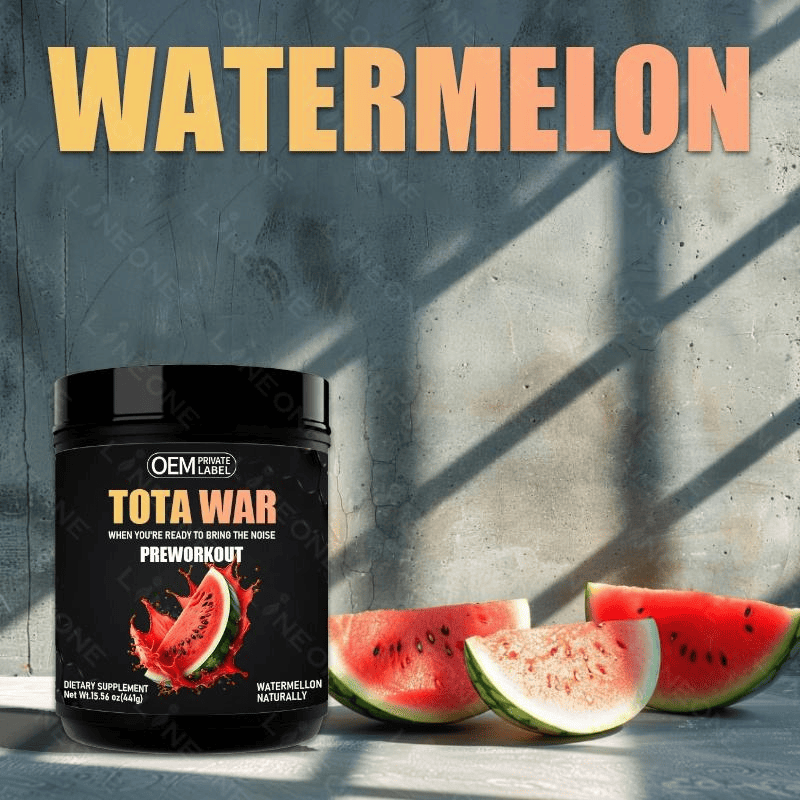
The most useful way to judge supplement margin is to ask whether the structure gets better after reorder. If every new order feels just as tight as the first one, the model may be too weak for long-term growth. If each repeat run creates better cost control, better freight efficiency, stronger pricing confidence, and cleaner forecasting, the economics are moving in the right direction.
Private label usually wins on that test because it allows the business to improve what matters most:
- cost per serving
- landed unit cost
- pricing discipline
- pack structure
- subscription or bundle strategy
- repeat-order confidence
Dropshipping still has a place, especially at the earliest stage. But for a supplement business that wants stronger long-term profit, better control over pricing, packaging, formula structure, and reorder planning usually leads to healthier margin.
A team that already has a benchmark product, clear target market, or early sales proof is often closer to private label than it first appears. At that stage, the smartest move is not to ask which model feels easier. The smarter question is which structure leaves enough room to grow after freight, promotions, and reorder pressure begin to shape the numbers.
What Risks Matter Most in Brand Control and Compliance?
Brand control and compliance problems usually do not destroy a supplement project on day one. They show up later, when the product is already online, inventory is already paid for, and the team is trying to scale. That is why this part of the business deserves more attention than many new operators give it. A formula that looks commercially attractive can still become hard to sell if the label wording is weak, the documentation is incomplete, the packaging presentation creates confusion, or the production partner cannot keep batch performance steady across reorders.
The most serious risks are rarely dramatic at the beginning. They often start as small gaps: a claim that sounds too aggressive, a supplement facts panel that does not match the actual formula, a barcode setup that creates listing friction, a bottle presentation that weakens trust, or a supplier that cannot clearly explain testing and production control. Once traffic is running and repeat customers start comparing batches, those small gaps become expensive.
Control over label claims
One of the biggest mistakes in supplement projects is treating label copy as a marketing task only. In real business terms, label language affects listing approval, platform risk, distributor confidence, and long-term brand trust. A front panel that promises too much may attract attention at the start, but it also raises the chance of compliance trouble, customer complaints, and forced revisions later.
What deserves close review:
- product name and functional direction
- ingredient naming consistency
- supplement facts or nutrition panel accuracy
- suggested use and warning language
- country-specific wording sensitivity
- whether the marketing message goes beyond what the formula can reasonably support
A weak label often creates three separate problems at once. First, the sales page becomes harder to defend if the packaging says one thing and the actual formula suggests another. Second, platform review becomes more stressful because wording may look aggressive or misleading. Third, reorder updates become messy, because once packaging is printed, fixing a wording mistake costs time and money.
A more stable route is to keep the commercial message strong but controlled. Clean structure usually wins over exaggerated wording. In many markets, a product that looks clear, balanced, and professionally presented performs better long term than one that tries to sound dramatic.
Control over formula-document consistency
Brand control becomes fragile when the formula, the label, the quotation sheet, and the testing documents are not fully aligned. This is more common than many teams expect. A project can start with a sample formula, then shift during cost control, then change again during packaging approval. If those adjustments are not tracked carefully, the business can end up selling one version on paper and another in the bottle or pouch.
That risk matters because it affects:
- customer trust
- distributor review
- marketplace listing stability
- complaint handling
- future reformulation work
- batch-to-batch traceability
A disciplined project should keep the same core data flowing through every stage: ingredient list, active content, serving size, serving count, dosage form, packaging specification, and final approved wording. When those details drift apart, problems become hard to isolate. The team may think the issue is flavor, while the real issue is that the approved label still reflects an older specification.
A practical way to reduce this risk is to confirm one locked version before packaging goes to print. That version should include the final formula direction, the exact pack count, the approved panel format, and the documentation path for production. This sounds simple, but it saves a great deal of confusion once the project moves into mass production.
Control over batch consistency
A supplement brand does not get judged only by how the first sample looks. It gets judged by whether the product feels stable on reorder. This is where many early projects lose momentum. The launch batch may perform well, but later orders begin showing differences in color, taste, smell, fill weight, dissolving behavior, or capsule appearance. Once customers notice those changes, trust becomes harder to rebuild.
The main batch risks usually involve:
- raw material variation
- flavor adjustment drift
- blending uniformity
- fill weight inconsistency
- packaging component changes
- storage and transport effects
This matters even more in categories where user perception is immediate. Electrolytes, flavored powders, gummies, drops, collagen products, and drink-style supplements are all sensitive to sensory shifts. A small change in sweetness, color tone, or powder flow may not look serious inside the factory, but it is very noticeable to an end customer who bought the same item last month.
A better manufacturing partner will not only say that quality is important. They will explain how consistency is controlled in practice. That usually includes supplier standards for raw materials, production checks, retained samples, batch records, and a clear method for dealing with any quality deviation. A brand that wants long-term control should ask about those systems early, not after a complaint appears.
Control over packaging compliance and presentation
Packaging risk is often underestimated because many teams focus on the formula first. In real projects, packaging can create just as many control problems as the product itself. Wrong bottle size, weak sealing logic, poor label fit, unclear carton text, or visually crowded design can all make a supplement look less reliable before anyone even tries it.
Common packaging control risks include:
- the pack size does not match the intended serving count
- the label area is too small for required information
- the bottle or pouch looks cheap relative to the planned retail price
- carton printing or inner pack design creates MOQ pressure too early
- the final presentation does not fit the channel where the product will be sold
For example, a supplement planned for Shopify may need a stronger visual story because the pack must sell through images and landing-page copy. A clinic-oriented product often needs a cleaner, more restrained look. A marketplace-driven launch usually benefits from packaging that is easy to understand at a glance. If those channel differences are ignored, the business loses control of how the brand is perceived.
A useful internal check is to ask whether the packaging supports trust, not just whether it looks attractive. Trust usually comes from clarity: readable panel structure, sensible serving presentation, professional warnings, strong sealing, and a pack format that does not feel mismatched to the product type.
| Risk Area | What Usually Goes Wrong | Business Impact |
|---|---|---|
| Label wording | claims too aggressive or unclear | listing trouble, loss of trust |
| Formula alignment | label and final formula do not match | complaints, reprint cost, confusion |
| Batch consistency | taste, color, fill weight, texture change | weaker repeat purchase |
| Packaging logic | wrong format, weak presentation, early MOQ pressure | lower margin, delayed launch |
| Documentation flow | records incomplete or hard to retrieve | slower problem-solving, weaker compliance confidence |
Control over testing and document readiness
Many brand teams ask about certificates early, but fewer ask the harder question: can the supplier actually support the right document flow when production begins. That is where risk becomes real. A supplier may mention GMP, testing, or compliance support, yet still respond slowly when batch documents, product reports, ingredient clarification, or export paperwork are needed.
The document side matters because it affects several business stages:
- platform submission
- customs and shipping support
- distributor or retail review
- internal quality tracking
- dispute handling
- future market expansion
A product line becomes easier to manage when the team knows which documents are available at sample stage, which are production-stage only, and which require extra arrangement. Confusion in this area can delay launch decisions or create false expectations with partners.
A stronger routine is to confirm document scope in advance:
- what testing is standard for production
- what is product-level versus factory-level
- what can be shown during qualification
- what may require formal order stage
- what needs extra time or extra cost
That kind of clarity protects the brand from overpromising to its own sales channels.
Control over supplier decision-making power
One of the least discussed risks is giving too much practical control to a supplier without realizing it. This does not only mean formula ownership. It also includes packaging decisions, substitution habits, timeline assumptions, revision logic, and how much the factory influences the final product experience.
A weakly managed project often has these signs:
- the team accepts packaging recommendations without understanding MOQ effect
- formula revisions are made mainly to make production easier, not to fit the retail plan
- the brand side does not know which version is final
- too many important decisions live only in email threads or chat messages
- there is no clean approval point before printing and production
That structure is risky because the business starts reacting instead of directing. Brand control does not require the team to micromanage technical work. It requires clear approval discipline. The business should know what was approved, why it was approved, and how that choice affects cost, presentation, lead time, and reorder potential.
A healthier working model is simple: the supplier provides expertise, but the brand side keeps control over final commercial direction. That includes formula positioning, label tone, packaging route, claim boundaries, and reorder standards.
Control over what happens after launch
Compliance and brand control do not end once the first order ships. Post-launch risk is where many supplement businesses get exposed. Reviews begin to accumulate, marketplaces compare images and panels, repeat customers notice small changes, and expansion into new channels creates new document needs. A product that looked fine during launch can become harder to manage once volume grows.
Post-launch control should include:
- keeping retained samples by batch
- tracking complaint patterns by SKU
- recording flavor or appearance feedback
- reviewing whether the retail price still fits the cost structure
- checking whether packaging should be simplified or upgraded at reorder stage
- confirming whether documentation remains usable for the next channel expansion
This is one reason reorder planning matters so much. A supplement brand becomes stronger when the second and third orders are easier to control than the first. If every repeat order feels like a new negotiation, the business does not really own the structure yet.
The safest long-term position is not just having a factory that can produce. It is having a project structure where formula, label, packaging, testing, and reorder standards stay connected. That is what protects margin, customer trust, and brand credibility at the same time.
How Should You Choose a Supplier and Make the Final Decision?
A supplement supplier should be judged by how well they support the whole project, not by quotation price alone. The right partner helps control first-order weight, keeps packaging from pushing MOQ too early, explains cost clearly, moves samples forward efficiently, and gives a realistic path to repeat orders. A factory that looks inexpensive at inquiry stage can become costly once delays, weak communication, unstable packaging, or poor execution begin affecting launch timing and reorder rhythm.
The strongest final decision usually comes from comparing suppliers against the actual business model. A Shopify launch, an Amazon listing plan, a clinic channel, and a distributor route do not need the same structure. A useful manufacturing partner is the one that understands the target market, dosage form, price band, packaging logic, compliance needs, and repeat-order pressure at the same time, then helps simplify the launch instead of making it heavier.
Judge commercial fit before you judge factory scale
A large plant may have stronger capacity, but that does not always make it the best choice for an early-stage supplement project. A smaller supplier may sound flexible, yet that flexibility can disappear when custom packaging, formula adjustments, or documentation requests begin piling up. The better decision starts with commercial fit: can the factory support the kind of launch you are actually building, at the speed, MOQ, and quality level your channel requires.
That review should connect factory capability with real operating conditions. A powder SKU for cross-border e-commerce usually needs different support from a capsule line built for pharmacy shelves. A hydration item in stick packs carries different packaging pressure from a capsule bottle using stock components. A good supplier helps you match dosage form, serving count, packaging route, and expected retail band before the project becomes too complex to manage.
A practical screening check often includes the following:
- Can they handle the dosage form properly, not just quote it?
- Can they explain where MOQ comes from: formula, printed packaging, bottle sourcing, or flavor split?
- Can they support one clean first SKU instead of pushing a broad line too early?
- Can they separate product cost from packaging cost when reviewing structure?
- Can they give a realistic sample-to-production timeline instead of only optimistic promises?
- Can they adjust the plan when the channel changes from Amazon to Shopify, or from online to clinic/retail?
Many teams make the wrong choice because they compare factories like general vendors. Supplement production does not work that way. The right partner is usually the one that reduces decision errors before production starts.
Review samples like a commercial tool, not like a presentation piece
A sample should not be judged only by whether it tastes good or looks attractive. It should be reviewed as a commercial tool. The key question is whether the sample can support the planned retail price, product story, packaging route, and repeat-order logic. A beautiful sample that cannot survive normal reorder economics is weaker than a simpler sample that fits the real business model.
For example, a powder can taste impressive because it uses a heavy sweetener system, stronger flavor load, or higher-cost actives, yet the finished product may no longer fit the intended price range. A bottle can feel premium because of custom components, but once cap color, outer box, label finish, and freight are added together, the project may become too heavy for a first launch. Sample review should therefore include sensory quality, channel fit, and cost discipline at the same time.
A stronger internal sample review usually covers:
| Review Area | What to Check | Why It Matters |
|---|---|---|
| Taste or user experience | flavor balance, odor, swallow feel, aftertaste | affects reviews, retention, and complaint rate |
| Visual quality | powder color, capsule fill consistency, gummy shape, bottle presentation | shapes first impression and trust |
| Retail fit | whether the sample matches the intended price band | prevents overbuilding too early |
| Packaging realism | whether the pack format fits MOQ and freight logic | protects first-order structure |
| Formula practicality | whether the formula can stay stable in production and reorder | supports long-term consistency |
| Revision quality | whether the supplier can improve the sample based on feedback | shows problem-solving ability |
A disciplined team also asks whether the sample still makes sense after three more realities are added: freight, platform discount pressure, and reorder expectations. If the answer becomes weak after those are included, the sample is not ready yet, no matter how attractive it feels in isolation.
Compare quotation structure, not quotation totals
One of the most common mistakes in supplier selection is comparing only the final unit price. That number often hides the real structure behind the quote. Two quotations may look close, but one may use lower active levels, one may exclude certain packaging steps, and another may assume a different bottle, label, testing scope, or pack-out method. Without structural comparison, a lower quotation can easily lead the team into a weaker project.
A better review breaks the quote into layers. Formula cost, filling cost, bottle or pouch cost, label cost, outer box cost, carton count, testing support, and estimated lead time should be understood separately. When a team sees the project in layers, it becomes much easier to judge where cost is coming from and which part can be adjusted without damaging the product story.
This is especially important in supplement projects because packaging often changes the economics faster than formula does. A business may spend too much time trying to reduce ingredient cost while the real problem is custom inner sachets, printed cartons, or low-efficiency flavor splits. A supplier that can show cost drivers clearly is usually more useful than one that only gives a low headline price.
Communication quality predicts future execution
In supplement manufacturing, communication quality is not a soft issue. It is an execution issue. Weak communication usually shows up first in small delays, vague wording, or incomplete answers, then later turns into sample confusion, packaging errors, missed confirmations, slow revisions, and production friction. Many projects that look acceptable at quotation stage begin to fail because the supplier cannot manage detail once the work becomes more specific.
A reliable partner usually confirms assumptions early, explains trade-offs clearly, and flags risks before they become expensive. For example, if a planned box design will raise MOQ, the right factory says so early. If the bottle size does not match the intended fill weight, they should explain that before label sizing begins. If the target price is unrealistic for the chosen formula and pack format, they should say that directly rather than waiting for the project to drift into failure.
The following signals often separate stronger partners from weaker ones:
- Replies are clear instead of overly broad
- Technical questions are answered with specifics, not slogans
- Packaging constraints are explained before approval, not after deposit
- Sample revision feedback is tracked carefully
- Production timing is confirmed with practical detail
- Problems are raised early instead of being hidden
A useful way to judge communication is to watch how the supplier handles one round of real complexity. Send a formula note, packaging preference, target price band, and launch timing together. A good factory will organize the information, ask the right follow-up questions, and identify risk points. A weak one will either say yes to everything or answer only part of the request. That difference matters far more than presentation style.
Check reorder strength before placing the first order
Many teams choose a supplier based on whether the first order can be made. The stronger decision comes from asking whether the second and third orders can still work. A project that looks successful on launch day can still break down quickly if repeat timing becomes unstable, packaging components are hard to replenish, formula cost is too exposed to raw material swings, or the production route becomes inefficient at scale.
Repeat-order strength should be reviewed before the first PO is placed. That includes checking whether the formula can be sourced consistently, whether packaging components are standard enough to replenish without long delays, whether the unit economics improve or at least stay healthy at higher quantities, and whether the manufacturer can keep label, flavor, and fill quality stable over time.
This is where many low-price suppliers become risky. They may quote aggressively to win the first order, then struggle with packaging continuity, ingredient consistency, document support, or production scheduling when the business starts moving faster. Repeat-order weakness usually hurts more than first-order overpricing, because it damages cash flow, listing stability, retail relationships, and customer trust at the same time.
A useful reorder review should cover:
| Reorder Factor | What to Review | Risk if Weak |
|---|---|---|
| Raw material continuity | whether key inputs are stable and regularly sourced | formula changes, delays, cost spikes |
| Packaging continuity | whether bottles, caps, cartons, and labels are easy to repeat | stock gaps, visual inconsistency |
| Batch consistency | whether taste, color, fill weight, and finish stay stable | bad reviews and trust loss |
| Lead time discipline | whether reorder timing can stay predictable | listing interruption and missed sales |
| Price stability | whether the cost model can survive raw material or packaging changes | margin erosion |
| Revision control | whether formula or artwork updates are managed carefully | production error and waste |
A healthy launch does not end at first shipment. It should create a repeatable operating pattern. A good supplier helps build that pattern from the beginning.
Make the final decision with a weighted score, not gut feeling alone
When two or three factories look acceptable, teams often choose based on instinct, speed of reply, or a small price difference. That usually leads to avoidable mistakes. A weighted scorecard creates a more stable final decision because it forces the team to compare suppliers against the factors that actually drive long-term execution.
The scorecard should reflect the real project, not a generic manufacturing checklist. For a Shopify-led launch, packaging flexibility, visual consistency, and margin structure may matter more than extreme capacity. For an Amazon-focused launch, unit economics, replenishment speed, and listing-safe consistency may carry more weight. For clinic or pharmacy channels, documentation quality and product reliability often become more important than decorative packaging.
A useful scoring model may look like this:
| Decision Factor | Weight | Supplier A | Supplier B | Supplier C |
|---|---|---|---|---|
| Formula fit | 20% | 8 | 7 | 6 |
| Packaging practicality | 20% | 9 | 6 | 7 |
| MOQ realism | 15% | 8 | 5 | 7 |
| Sample quality | 15% | 7 | 8 | 6 |
| Communication quality | 15% | 9 | 6 | 7 |
| Reorder confidence | 15% | 8 | 5 | 6 |
This method helps reduce bias. A supplier with a slightly higher quote may still win because they score better on packaging realism, sample revision ability, and reorder reliability. That often produces a better result than choosing the lowest price and trying to fix structural issues later.
In most private label supplement projects, the final decision should balance six things together:
- fit with the intended channel
- realistic first-order structure
- packaging and MOQ control
- sample and revision quality
- execution communication
- repeat-order confidence
The strongest supplier is rarely the one that says yes the fastest. It is usually the one that helps the team launch with fewer mistakes, fewer hidden costs, and a clearer path to stable growth.
How Can ZOXIZO Help You Move From Idea to a Stronger Private Label Supplement Business?
A stronger private label supplement business usually starts with better project structure, not with more SKUs, more flavors, or more packaging layers. Many early launches become expensive for reasons that have little to do with the formula itself. The real pressure often comes from pack format, print MOQ, serving count, label complexity, channel mismatch, or a first order that tries to do too much at once. ZOXIZO helps narrow those decisions before money is locked into the wrong setup.
As a Shenzhen-based supplement manufacturer working with Amazon operators, Shopify brands, social-media-led projects, clinics, pharmacies, gyms, and cross-border teams, ZOXIZO can help turn a rough idea into a clearer launch path. That usually means reviewing the category, dosage form, ingredient logic, packaging route, sample plan, MOQ pressure, lead time, and reorder path together, instead of discussing each item in isolation and discovering the real cost too late.
Narrow the first SKU before the project becomes too heavy
A large number of new supplement projects do not fail because demand is missing. They fail because the first order was built like a full brand rollout instead of a controlled market entry. The formula may be acceptable, but the total structure becomes difficult once custom bottles, outer boxes, multiple flavors, printed inner packs, or premium finishing are added at the same time. ZOXIZO can help strip that back and identify what the first SKU actually needs to prove.
That kind of support matters most when a team is still deciding between capsules, powders, gummies, softgels, drops, or tablets. A powder may tell a stronger story for hydration or protein, but stick packs can lift MOQ very quickly. Capsules are often easier to manage in a first launch because packaging is simpler, fill count is flexible, and reorder control is usually better. Gummies can look attractive from a branding angle, yet the mold, piece count, bottle format, and formula stability can make the project heavier much faster than expected.
Instead of pushing every idea into production, ZOXIZO can help review:
- whether the category is commercially suitable for a first launch
- whether the dosage form matches the intended channel
- whether one SKU is enough to test the market properly
- whether the serving count still fits the target retail band
- whether the packaging route is lifting cost before sales begin
- whether a simpler first version will create a stronger reorder path
A cleaner first structure usually gives the business more room to adjust after real market feedback. That is far more useful than placing a visually impressive opening order that becomes difficult to repeat.
Turn benchmark products and rough ideas into workable factory plans
Many supplement projects do not begin with a finished formula. They begin with a link, a reference bottle, a screenshot from Amazon, a local competitor, or a rough ingredient wish list. That is normal. What matters is whether the idea can be converted into a formula and packaging route that still works after compliance review, sourcing, flavor feasibility, filling, and price positioning are considered together.
ZOXIZO can help review a benchmark product from a practical factory angle. That includes checking dosage form, ingredient structure, likely cost drivers, packaging assumptions, flavor direction, and whether the product is suitable for private label, light customization, or deeper formula development. That step is especially valuable for teams entering supplements from another category, because the marketing idea may be clear while the manufacturing logic is still incomplete.
Typical review points include:
- active ingredients and likely dosage range
- whether the ingredient story fits the intended market
- whether the formula feels too heavy for the target price point
- whether flavor expectations are realistic
- whether the pack format fits the product type
- whether the item is better suited to stock packaging or custom packaging
- whether the first order should use a lighter version before upgrading
For example, a hydration product that looks simple on a product page can become heavy once printed sticks, outer cartons, flavor splits, and premium sweetener systems are added. A sleep or focus formula may look commercially strong, yet one or two high-cost extracts can push the unit cost well beyond the retail band. A protein or wellness powder may be easier to launch in a stock jar or pouch first, then upgrade later if repeat volume supports it.
This is where ZOXIZO can be useful beyond basic production. The goal is not just to say whether something can be made. The goal is to help decide whether it should be made in that version, in that format, at that stage.
Build sample timing, packaging, and MOQ as one decision
In real supplement projects, sample work, packaging decisions, and MOQ pressure are tightly connected. When these are handled separately, teams often approve a sample first and only later discover that the packaging route forces a quantity or cost level that does not fit the launch plan. ZOXIZO can help connect those steps earlier so the project is easier to manage from sample stage through production approval.
A practical launch discussion often includes sample speed, pack choice, and print method at the same time. Existing or simple samples can often move in about 3 to 7 days. Custom samples that require new raw material purchasing often need around 7 to 12 days. More complex work can take roughly 10 to 15 days. That timing only helps if the packaging path is still realistic after the sample is approved.
The table below shows where early decisions usually create pressure:
| Project Area | Typical Reference Range | Why It Matters |
|---|---|---|
| Sample timing | 3–7 days for simple work | helps estimate launch rhythm |
| Custom sample timing | 7–12 days | new raw materials can slow approval |
| Complex sample timing | 10–15 days | formula and process complexity need more time |
| Box MOQ | around 500 pcs | often manageable for first runs |
| Label MOQ | around 300 pcs | low quantities are possible, but unit cost rises |
| Paper can MOQ | around 1000 pcs | common for powder lines |
| PP jar MOQ | around 2000 pcs | more pressure on first order volume |
| Dropper bottle MOQ | around 1000 pcs | suitable for many liquid formats |
| Stick pack print MOQ | often much higher | packaging can become the main launch constraint |
| Mass production lead time | around 25–40 days | affects campaign timing and restock planning |
This is where many teams make an avoidable mistake. They assume MOQ is being driven by formula weight, while the real pressure is coming from packaging. Printed stick packs, color customization, outer cartons, mold-related choices, or multi-flavor splits often push the first order higher before the active ingredients do. ZOXIZO can help flag that early and suggest lighter options such as stock bottles, simpler pouches, fewer flavors, or a phased packaging upgrade.
That saves more than cost. It protects launch timing, cash flow, and the chance of getting to reorder without having to clear an oversized first production run.
Keep the launch aligned with the actual sales channel
A supplement that looks right for one channel can be badly structured for another. ZOXIZO can help match product form, pack format, and cost structure to the way the product will actually be sold. That matters because Amazon, Shopify, social media storefronts, clinics, pharmacies, and small retail shelves do not carry the same pricing pressure or the same packaging logic.
A Shopify-led launch often needs a product that can tell a clear story quickly, ship at a reasonable cost, and hold margin after content spend, discounting, and direct-to-consumer fulfillment. Amazon usually puts more pressure on price discipline, review performance, packaging durability, and replenishment rhythm. Clinic or pharmacy channels may care more about label clarity, consistent quality presentation, documentation, and a cleaner overall structure than about highly decorative packaging.
ZOXIZO can help review:
- which dosage form is easier to sell in the intended channel
- whether the packaging supports margin after freight and fulfillment
- whether the formula still fits the target retail band
- whether the product should launch as one SKU or a small system
- whether a premium presentation is justified at first order stage
- whether reorder will still work after channel discount pressure
That kind of channel-based guidance is useful because many launch mistakes start with copying a competitor without copying the business model behind it. A product built for high-volume Amazon movement may not be the right structure for a content-led Shopify brand. A clinic-oriented formula may need trust and clarity more than aggressive visual design. The strongest product line decisions come from matching the structure to the sales path, not from copying what looks popular.
Protect the reorder path instead of focusing only on the first shipment
The first order gets attention because it feels like the launch moment. The second and third orders matter more because they reveal whether the structure is stable enough to grow. ZOXIZO can help review the business from that angle, especially when a project looks attractive at quotation stage but risky at reorder stage.
A reorder-friendly supplement project usually has a few characteristics:
- the SKU count is still manageable
- the packaging route is repeatable
- the formula cost does not trap the retail price
- the lead time can be planned around normal stock cycles
- the supplier communication is clear enough for fast updates
- quality expectations can be maintained batch after batch
A launch can look strong while hiding future weakness. The first batch may be acceptable because the team is willing to absorb higher cost, slower revisions, or extra packaging complexity. That model often becomes harder once the business needs consistent margin, faster restock, and more predictable inventory planning. ZOXIZO can help identify those pressure points before the product line expands.
This is one reason product-line planning should not start with three weak items when one stronger SKU can do the real testing. Once repeat demand is visible, it becomes easier to add line extensions, flavor variants, or adjacent products without forcing too much risk into the earliest stage.
Where ZOXIZO usually adds the most practical value
ZOXIZO is most useful when the project still has room to be shaped. Once a team has already approved the wrong serving count, the wrong bottle, the wrong pack route, and the wrong flavor plan, fixing the business becomes harder and more expensive. Earlier involvement usually gives better commercial control.
In practice, support often includes:
| Stage | What ZOXIZO Can Help Review | Business Value |
|---|---|---|
| Idea stage | category, dosage form, benchmark product, target channel | prevents weak product direction |
| Formula stage | ingredient logic, cost pressure, flavor feasibility | keeps formula aligned with retail plan |
| Packaging stage | stock vs custom packaging, pack format, print MOQ | reduces first-order pressure |
| Sample stage | revision direction, taste or appearance feedback | improves approval efficiency |
| Production stage | lead time, quantity planning, packaging confirmation | lowers execution risk |
| Reorder stage | repeatability, cost stability, expansion sequence | supports longer-term margin |
That kind of support is not about making the process look more complicated. It is about helping the brand move from idea to a launch structure that can actually survive first production, first sales, and first reorder without unnecessary weight.
If your team already has a benchmark product, formula direction, packaging preference, target price band, or target market, ZOXIZO can help review the project before packaging, MOQ, or formula complexity starts working against the business.
Which Supplement Model Deserves to Win?
The better path is usually the one that matches the stage of the business, the commercial role of the product, and the amount of control needed to grow. Dropshipping can be useful for quick testing, especially when the team wants to learn the category with lower early pressure. Private label usually becomes the stronger model when the goal shifts toward better margin, cleaner positioning, stronger trust, and a product experience that is easier to defend over time.
The real decision is not whether one model sounds easier. It is whether the current structure can still work after traffic costs, discount pressure, packaging limits, and repeat-order expectations start shaping the business. A supplement business that wants to last usually needs more control over formula direction, packaging logic, price structure, and reorder planning than a generic supply route can provide.
If you are planning your first supplement launch or preparing to move from a lighter model into a stronger private label structure, ZOXIZO can help review the category, dosage form, packaging route, MOQ, and launch plan before cost starts spreading in the wrong direction. Send your benchmark product, target market, formula idea, packaging direction, or rough budget, and ZOXIZO can help you build a cleaner path to a supplement business that is easier to launch, easier to price, and easier to grow.