 Skip to content

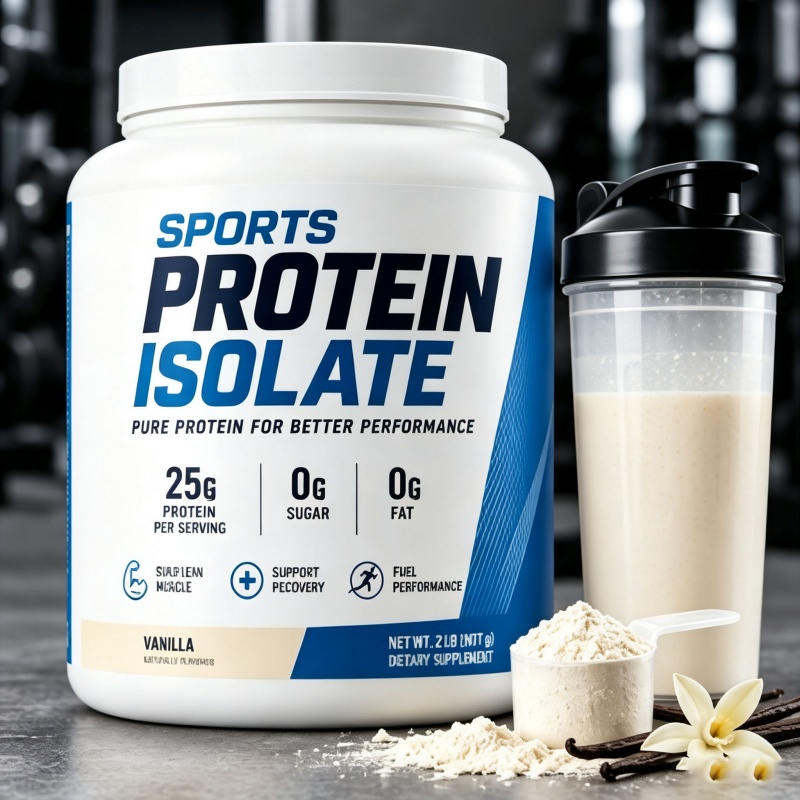
Sports nutrition is becoming harder to define, and that may be the most important trend heading into 2027. The category was once centered on bodybuilding powders, stimulant-heavy pre-workouts, protein tubs, and products used mainly before or after structured training. That world still exists, but it now shares the shelf with electrolyte sticks carried to work, daily creatine routines, lighter protein drinks, endurance gels, recovery formulas, and products aimed at consumers whose idea of performance may simply be staying strong and active for longer.
The major sports nutrition dietary supplement trends for 2027 are likely to include continued growth in creatine and hydration, broader protein applications, more convenient dosage forms, greater segmentation by consumer and occasion, increasing overlap with cognition and healthy aging, and stronger expectations around evidence, formulation quality, testing, transparency, and repeatable manufacturing. The strongest products will increasingly solve a clearly defined problem rather than simply contain a long list of fashionable ingredients.
That distinction matters because a trend does not become a successful product just because consumers are searching for it. A creatine gummy still has to deliver a sensible serving. An electrolyte powder must taste good enough to drink repeatedly. A pre-workout needs a clear reason for every stimulant and amino acid in the formula. A protein product has to fit naturally into somebody’s day. The interesting story of 2027 is therefore not simply what ingredients become popular, but how brands turn familiar ingredients into products people can understand, trust, use consistently, and eventually buy again.
What Is Driving Sports Nutrition in 2027?
Sports nutrition in 2027 is being shaped by the expansion of active lifestyles beyond competitive athletes, sustained interest in protein and hydration, renewed attention to evidence-backed ingredients such as creatine, and consumer demand for supplements that are convenient, understandable, enjoyable, and relevant to daily life. The category is increasingly organized around specific goals and consumption occasions rather than traditional bodybuilding alone.
How Is Active Nutrition Expanding?
The traditional sports nutrition consumer was easy to picture: someone training seriously, using a protein shake after exercise and perhaps a pre-workout beforehand. That consumer remains important, but the modern market reaches far beyond competitive sport. Recreational runners, gym members, cyclists, hikers, hybrid-training enthusiasts, older adults maintaining strength, and people who simply want better hydration can now enter the same category without thinking of themselves as athletes.
This expansion helps explain why the phrase “active nutrition” has become useful. It connects performance products with everyday wellness without eliminating the performance foundation. Current market reporting already places hydration, protein, creatine, healthy-aging concepts, and multifunctional products within the broader active-nutrition conversation. Hydration and electrolyte products, for example, recorded 29% year-over-year growth in the SPINS market period reported in 2025, while the category was already expanding into combinations such as hydration plus energy, immunity, and protein.
The practical consequence is that one ingredient can now serve several very different consumption moments. An electrolyte powder might be used during a long training session, on a hot afternoon, during travel, or before an evening workout. Creatine can sit beside a toothbrush as part of a daily routine rather than appearing only in a bodybuilding stack. Protein can support post-training recovery, convenient nutrition, active aging, or a body-composition program.
Those occasions should not automatically receive identical formulas. A product intended for prolonged endurance activity may require a different electrolyte and carbohydrate strategy from a lightly flavored product intended for everyday hydration. A performance powder designed for experienced lifters can tolerate different sensory characteristics from a product intended for mainstream daily use. By 2027, defining the real usage situation before selecting ingredients should become one of the most valuable steps in product development.
Are Mainstream Consumers Reshaping Demand?
Mainstream consumers change the rules because they often judge supplements through convenience and experience as much as through technical specifications. A serious athlete may accept bitterness, a large scoop, multiple capsules, or complicated timing instructions when the expected performance benefit feels worthwhile. Someone adding sports nutrition to an ordinary fitness routine is usually less tolerant of inconvenience. Taste, portability, simple preparation, understandable ingredients, and an obvious purpose become more important.
That does not mean performance matters less. It means performance now has to coexist with usability. A technically interesting electrolyte formula can struggle if it is unpleasant enough that consumers avoid finishing the bottle. A creatine product may communicate convenience, but that promise becomes weak if the consumer must take a large handful of units every day to reach the intended serving. A protein beverage can offer excellent nutritional value while still losing repeat purchases because its texture becomes tiring after several weeks.
Convenience also changes how premium products are judged. Adding more ingredients does not automatically make a formula more sophisticated. A focused six-ingredient formula with meaningful amounts, a clear reason for use, good flavor, and reliable manufacturing can offer more value than a 20-ingredient blend where much of the label exists mainly to create visual complexity.
For development teams, repeat use deserves the same attention as first-purchase appeal. A useful question is whether the target consumer could realistically use the product three, four, or five times per week for several months. If the serving is unpleasant, difficult to prepare, expensive, or confusing, the formula may look impressive on launch day yet remain commercially fragile once the novelty disappears.
Is Science Becoming More Important?
Science has always mattered in sports nutrition, but the difference between genuinely evidence-supported formulation and science-shaped marketing is becoming easier to see. The NIH Office of Dietary Supplements shows that evidence varies widely across popular performance ingredients. Creatine and caffeine have substantial bodies of performance research, while findings for several amino acids and other commonly marketed compounds are more mixed, limited, or dependent on the activity and population studied.
That makes one question especially important: does the finished product resemble the conditions under which the ingredient was studied? A label can contain a well-researched active while delivering an amount far below quantities normally investigated. The opposite problem also occurs when a product copies a study dose without considering taste, serving size, tolerance, cost, or whether the target consumer actually needs that quantity.
Multi-ingredient formulas require even more care. Evidence for several individual ingredients does not automatically prove that the complete combination will produce every benefit associated with each component. Different actives can influence serving size, sensory characteristics, tolerance, and the way consumers use the product. The strongest formulas therefore begin with a defined objective and then select ingredients that have a logical role in reaching that objective.
Scientific credibility also requires restraint in communication. A developing evidence base should be described as developing rather than definitive. A result observed in a narrow population should not automatically become a universal promise. Brands that handle these distinctions well may appear less dramatic in the short term, but they build stronger trust with informed consumers and create content that remains useful after the next social-media trend has passed.
How Does Personalization Affect Sports Nutrition?
Personalization does not have to mean producing an individual formula for every person. In practice, much of the strongest personalization happens when a product is designed around a clearly defined consumer, activity, or occasion. A strength-focused adult training four times each week, an endurance cyclist, a woman starting resistance training, and an older adult maintaining mobility may all purchase sports nutrition, but their desired serving size, stimulant level, flavor, format, and benefit hierarchy can differ substantially.
Meaningful segmentation can affect nearly every formulation decision. A long-duration endurance product may place hydration and energy delivery near the center of the formula. A strength product may prioritize creatine, protein, or selected pre-workout ingredients. A daily active-aging product may prioritize simplicity, tolerability, lower sensory intensity, and a format that fits easily into an established routine.
Poor personalization changes only the label. Calling the same formula “for runners,” “for women,” or “for active adults” without changing the ingredient strategy or usage logic adds little value. A useful test is to remove the product name and branding from the development brief. If the formulation team can still describe exactly who will use the product, at what moment, and what that person expects from it, the segmentation is probably meaningful.
The most durable products for 2027 may therefore sit between generic mass-market supplements and excessively narrow micro-products. They will be specialized enough to feel relevant while remaining simple enough that consumers immediately understand what they do and where they belong in a daily routine.
Which Supplement Categories Will Lead Growth?
Protein, creatine, hydration, pre-workout, and recovery should remain central sports nutrition categories, but much of their opportunity comes from evolution rather than replacement. Protein is moving into more occasions, creatine is reaching new audiences and formats, hydration is becoming an everyday category, and pre-workout and recovery are becoming more segmented. Current signals suggest that established categories can still create substantial growth when their use cases change.
Is Protein Still the Core Category?
Protein remains one of the foundations of sports nutrition because it connects several large consumer needs at once: muscle recovery, strength training, convenient nutrition, body-composition goals, and maintenance of lean tissue. The NIH summarizes athlete protein requirements at approximately 1.2–2.0 grams per kilogram of body weight per day, depending on training and circumstances. These numbers refer to total dietary intake rather than a required amount from supplements alone.
The next stage of protein innovation is therefore not simply about putting a larger number on the front of the package. Product developers are increasingly working on how protein fits different occasions. A traditional thick shake may remain suitable after a hard resistance-training session, while a lighter clear protein drink may feel more appropriate during the afternoon or in warmer weather. Single-serve beverages and portable products can reach consumers who do not want to carry a tub and shaker.
Protein source remains important as well. Whey concentrates and isolates remain familiar options, while plant-based systems introduce different challenges around amino-acid composition, taste, texture, sedimentation, and serving size. Blended systems can solve some problems while creating others. The best choice depends on the target consumer and product promise rather than on which source currently receives the most online attention.
The category also demonstrates a broader 2027 lesson: mature ingredients can still generate innovation when the format and occasion improve. Instead of asking whether protein is “still trending,” brands may gain more from asking when consumers currently avoid protein products and what would make those occasions easier. That can lead to new textures, serving sizes, flavor profiles, combinations, and packaging without pretending that the underlying nutritional need is new.
How Fast Is Creatine Expanding?
Creatine has become one of the clearest momentum stories in sports nutrition because strong consumer interest is meeting an unusually well-established performance evidence base. NIH states that creatine can increase strength, power, and work during repeated maximal-effort muscular activity. Common research protocols include a loading period around 20 grams per day divided into several doses for five to seven days, followed by approximately 3–5 grams per day, although lower daily approaches without a loading phase have also been investigated.
Those quantities explain both the opportunity and the formulation challenge. Three to five grams sounds small in a scoop, but it represents 3,000–5,000 milligrams of material before flavors, acids, sweeteners, texture systems, or any secondary ingredients are added. That makes powder naturally efficient while creating constraints for gummies, capsules, small-volume liquids, and other compact delivery formats.
The expanding audience may be even more important than format innovation. Creatine is increasingly discussed outside the narrow bodybuilding context, making it relevant to recreational strength training, women’s active nutrition, healthy-aging conversations, and research into other potential applications. That broader visibility can support category growth, although emerging benefits should not be marketed as if they have the same level of evidence as creatine’s established physical-performance uses.
For brands considering creatine in 2027, the competitive question is therefore not simply whether to launch another creatine product. The stronger question is what problem the product removes: unpleasant flavor, inconvenient packaging, poor portability, unclear dosing, difficulty combining it with a routine, or confusion around how it should be used. Solving one of those problems can create a more durable product than adding several unnecessary ingredients to an already well-understood active.
Are Hydration Products Becoming Everyday Products?
Hydration is one of the clearest examples of sports nutrition expanding into ordinary life. SPINS reported 29% year-over-year growth for hydration and electrolyte products in its active-nutrition analysis and identified combinations such as hydration plus energy, immunity, and protein, along with emerging formats including drops and gummies. The important trend is not merely more electrolyte products; it is that hydration now reaches situations that have little to do with competitive sport.
That wider audience makes formulation more complicated. A product intended for prolonged sweating during endurance exercise should not automatically use the same electrolyte profile as a lightly flavored everyday hydration product. Sodium, potassium, magnesium, and other mineral sources influence not only the nutrition panel but also salinity, bitterness, metallic notes, mouthfeel, hygroscopicity, dissolution, and cost.
Carbohydrate is another major decision. Certain sports situations may benefit from carbohydrate alongside fluids and electrolytes, while consumers buying hydration for daily use may deliberately seek low- or no-sugar products. Acidity and flavor intensity also change according to how much water the product is intended to be mixed with and how frequently it will be consumed.
The strongest hydration concepts therefore begin with a real scenario. How long is the activity? How much sweating is expected? Is the consumer training or simply trying to drink more water? Will the product be used once a week or twice a day? Once those questions are answered, mineral selection, flavor, sweetness, package size, and serving instructions become much easier to define.
Do Pre-Workout and Recovery Still Matter?
Pre-workout remains important, but a single formula can no longer represent the entire category. Consumers vary widely in stimulant tolerance, training style, timing, and preferred experience. Some still want a noticeable high-stimulant effect, while others prefer moderate caffeine, stimulant-free formulas, pump-focused products, or products designed for training later in the day.
Caffeine remains one of the better researched performance ingredients. NIH notes that studies commonly investigate approximately 2–6 milligrams per kilogram of body weight before exercise, with larger quantities generally offering little additional performance advantage while increasing the likelihood of unwanted effects. For a 70-kilogram adult, 3 milligrams per kilogram already equals 210 milligrams, illustrating why a thoughtful stimulant strategy matters more than competing for the highest number on the label.
Recovery is expanding in the opposite direction, moving from one traditional post-workout shake into a broader sequence of needs. Protein remains central, but consumers also think about hydration, carbohydrate replacement, sleep, soreness, and readiness for the next training session. That creates opportunities for more clearly separated products used before exercise, during exercise, immediately after training, and later in the recovery routine.
The biggest risk is formula inflation. Once one product tries to cover energy, focus, pump, endurance, hydration, protein, stress, sleep, and recovery, the serving becomes large, the flavor becomes difficult, the cost rises, and the consumer no longer knows what the product is actually for. Clearer category architecture may ultimately provide more value than putting every trending ingredient into the same scoop.
| Category | Useful Current Reference Point | Implication for 2027 Product Development |
| Protein | Athlete total intake commonly discussed around 1.2–2.0 g/kg/day | Opportunity increasingly comes from convenience, format, taste, and use occasion rather than simply higher protein claims |
| Creatine | Maintenance research commonly uses about 3–5 g/day | Gram-level dose favors powders while encouraging careful development of sticks, chews, gummies, and combination products |
| Hydration & Electrolytes | SPINS reported 29% YoY category growth in its 2025 active-nutrition analysis | Daily-use hydration, hybrid functionality, and portable formats may continue expanding |
| Caffeine | Performance studies frequently use about 2–6 mg/kg | More precise stimulant positioning can distinguish formulas without relying on extreme caffeine levels |
| Beta-Alanine | Research commonly uses approximately 4–6 g/day over several weeks | Meaningful quantities materially affect scoop size, sensory design, and overall formula architecture |
These figures are research ranges and recent category indicators rather than guaranteed 2027 sales forecasts. They are most useful when treated as development reference points rather than marketing promises.

Which Ingredients Are Gaining Momentum?
Creatine and electrolytes have strong current momentum, while protein ingredients, caffeine, selected amino acids, and cognition-oriented ingredients continue competing for formulation space. For 2027, the important distinction will be between ingredients that are simply popular and ingredients that combine consumer relevance, credible evidence, workable serving quantities, acceptable sensory characteristics, regulatory suitability, and a clear functional role in the finished product.
Which Creatine Products Are Emerging?
Creatine innovation is increasingly about how consumers take it rather than whether the ingredient itself is new. Creatine monohydrate remains the reference form for much of the established research, yet the market is experimenting with sticks, gummies, chews, combination powders, protein products, bars, and other formats intended to make regular use more convenient.
The technical reality is important because creatine is not a micro-dose ingredient. A product aiming to deliver 3–5 grams per day must accommodate 3,000–5,000 milligrams of creatine itself. That calculation comes before sweeteners, flavors, gummy matrix materials, capsule shells, acids, coatings, or any additional active ingredients. The serving architecture therefore needs to be solved before a fashionable dosage form is selected.
A powder handles this quantity efficiently and can be packaged in a tub, pouch, or individual stick. Gummies and chews can offer a more familiar consumer experience, but the intended daily amount may require several pieces. Capsules face an even more obvious volume limitation. Liquid concepts introduce different questions around formulation conditions, solubility, processing, and stability through the intended shelf life.
That does not mean alternative creatine formats are poor ideas. It means convenience must be measured from the consumer’s perspective rather than from the front of the package. A product that requires too many units, carries an awkward serving, or compromises the intended amount may be less convenient than a simple single-serve powder. The best emerging creatine products will use format innovation to remove friction without breaking the dose logic that made the ingredient attractive in the first place.
Are Electrolytes Moving Beyond Sports?
Electrolytes are increasingly used in fitness, outdoor recreation, travel, warm-weather routines, and ordinary daily hydration. The category’s recent double-digit growth and expansion into hybrid functionality help explain the amount of development activity around sodium, potassium, magnesium, and other minerals. Yet these ingredients are not interchangeable labels that can simply be added until the panel looks complete.
Different mineral sources provide different percentages of elemental minerals and behave differently in formulation. Some create stronger bitterness or salinity, some absorb moisture readily, and some influence solubility or sediment. Magnesium is a common example: the amount of the compound used is not the same as the amount of elemental magnesium delivered, and the selected source can materially affect flavor, cost, and physical behavior.
The intended occasion should therefore determine the mineral strategy. A prolonged endurance product may justify a more performance-oriented electrolyte profile, while an everyday hydration mix may prioritize pleasant repeated consumption and moderate mineral delivery. A product designed for heat exposure, travel, or outdoor activity may emphasize a different balance again.
For 2027, the most credible hydration brands may increasingly explain not merely that their products “contain electrolytes,” but why the mineral profile makes sense for the intended situation. That is a stronger story for consumers, formulation teams, retailers, and search engines because it turns a generic ingredient list into a recognizable product purpose.
Which Amino Acids Still Matter?
Amino acids remain familiar territory in sports nutrition, but their roles should be examined individually. BCAA, EAA, citrulline, arginine, beta-alanine, glutamine, taurine, and glycine differ in evidence, serving quantities, sensory behavior, and intended applications. Grouping all of them under a general “performance amino acid” label makes product development easier to market but harder to defend.
The NIH evidence review demonstrates this clearly. Evidence for BCAA supplementation beyond sufficient high-quality protein is not as straightforward as many older sports-nutrition labels imply, while findings for citrulline and arginine remain more limited or inconsistent in certain performance contexts. Beta-alanine has a more defined use case, with research commonly using around 4–6 grams per day for at least several weeks and focusing particularly on certain high-intensity exercise durations.
Those quantities have practical consequences. Four grams of beta-alanine materially affects the weight of a serving and may cause the familiar temporary tingling sensation in some users. Several grams of amino acids can also produce substantial bitterness that must be managed with flavor, acid, sweetness, and the overall drink system.
A useful formulation discipline is to assign every amino acid a specific job. If the product team cannot explain in one clear sentence what the ingredient contributes to the intended formula, and if it cannot be included at a realistic quantity without damaging the finished product, removing it may create a stronger formula. By 2027, focused formulas with defensible ingredient roles may age better than crowded panels designed mainly for visual impact.
Are Nootropics Entering Sports Nutrition?
Mental performance is becoming a natural extension of sports nutrition because physical activity often involves concentration, motivation, reaction, decision-making, and perceived effort as well as muscular output. A technically demanding training session or long endurance event can challenge both physical and mental resources, creating a plausible space between traditional pre-workout products and cognitive-support supplements.
Caffeine already demonstrates this overlap. Its effects can influence alertness and perceived effort as well as certain physical-performance outcomes. Creatine provides a different example because research has increasingly explored possible cognitive effects in addition to its much more established physical-performance applications. These developing areas are interesting, but they should not be communicated as if every cognitive outcome has the same evidence quality as creatine’s established strength and repeated high-intensity uses.
The broader category also needs clearer language. Focus, alertness, memory, mood, reaction time, mental stamina, and stress resilience are not interchangeable outcomes. A product developed to keep a consumer alert during an early-morning workout requires a different evidence and ingredient discussion from a formula intended for general cognitive wellness.
That distinction can become an advantage. Instead of creating another vague “mind and muscle” blend, brands can identify a specific performance moment where cognition matters and develop around it. The concept becomes easier to explain, easier to formulate, and easier to evaluate because the desired experience is defined before the ingredient list is assembled.
How Are Sports Nutrition Formats Changing?
Powders will remain central to sports nutrition because many performance ingredients require gram-level servings, but convenience is broadening the format mix. Stick packs, ready-to-drink products, capsules, tablets, gummies, chews, and energy gels can address different occasions. The correct format should follow the intended serving, stability, sensory requirements, consumer routine, manufacturing feasibility, packaging needs, and commercial economics rather than novelty alone.
Are Powders Still Dominant?
Powder remains difficult to replace because sports nutrition often deals with relatively large quantities of active material. Twenty or thirty grams of protein, several grams of creatine, multiple grams of beta-alanine or amino acids, and an electrolyte-plus-carbohydrate system can fit naturally into a scoop or sachet. Moving the same quantities into capsules or gummies can create an unrealistic number of units.
The research quantities discussed earlier show the problem clearly. Creatine commonly appears at several grams per day, while beta-alanine research frequently involves around 4–6 grams daily. Combining only those two ingredients can approach ten grams before flavor, sweetener, acid, electrolyte, and secondary active ingredients are added.
Yet powder is no longer a basic format from a consumer-experience perspective. People increasingly expect it to disperse easily, taste balanced, produce manageable foam, avoid excessive sediment, and remain free-flowing through storage. Moisture-sensitive formulations also need appropriate packaging to prevent clumping and degradation of the experience after opening.
The category therefore has plenty of room for innovation without abandoning powder. Single-serve sachets, smaller pouches, travel packs, variety boxes, different dilution formats, and lighter beverage profiles can substantially change how the same ingredient system fits into daily life. For many 2027 products, the smartest format decision may still be powder—but a much better designed version of powder than consumers were willing to accept ten years ago.
Do RTDs and Stick Packs Gain Ground?
Ready-to-drink products and stick packs solve different versions of the same problem: consumers do not always want to measure a scoop from a large container. Single-serve sticks retain many advantages of dry powder while making the product portable and premeasured. RTDs remove preparation entirely and can work especially well where immediate convenience matters more than freight or packaging efficiency.
Stick packs can be particularly attractive for electrolyte powders, creatine, pre-workouts, recovery drinks, and other formulas where one serving fits comfortably into a sachet. They can also support variety packs, travel formats, subscription systems, and trial programs. The formula remains dry until consumption, which can simplify certain stability challenges compared with holding the same ingredients in water for months.
RTDs create a different development environment. Ingredients that behave well in a dry blend may precipitate, settle, react, or change flavor in a liquid system. Processing conditions, pH, microbiological control, packaging compatibility, shelf-life behavior, and transport all need to be considered. The product may be easier for the consumer but significantly more demanding for the development and supply chain teams.
Freight economics matter too. Shipping concentrated powder is fundamentally different from transporting large quantities of water. The right choice therefore depends on where convenience creates enough consumer value to justify the additional technical and logistical cost. RTDs are unlikely to replace powders; instead, they will own particular consumption occasions where mixing represents enough friction that consumers are willing to pay for a ready-made solution.
Are Gummies and Chews Suitable for Performance Products?
Gummies and chews can make supplementation feel familiar and easy, but sports nutrition exposes their physical limitations faster than many general-wellness categories. A gummy may work naturally for ingredients dosed in milligrams, while a formula requiring several grams of active material can quickly become too large or require an inconvenient number of pieces per serving.
Creatine illustrates the calculation. A daily concept delivering 3–5 grams must provide thousands of milligrams of creatine before the gummy base and other ingredients are considered. A product requiring five or six large pieces each day may still attract attention on a product page, but consumers may eventually question whether it is genuinely more convenient than one scoop or stick.
Processing creates additional considerations. Gummies contain a structured food matrix that needs consistent texture, moisture, sweetness, flavor, and physical stability. Adding substantial amounts of mineral salts or sports-nutrition actives can affect all of those properties. Certain ingredients may also require careful evaluation of how processing and storage conditions influence stability.
Chews can sometimes accommodate more material, while capsules may suit concentrated lower-dose ingredients. None of these formats is inherently better or worse. The useful principle is to define the intended active quantities first and select the delivery form second. If a dosage form forces the product to reduce meaningful ingredients simply to make the format possible, the product concept may be serving the trend rather than serving the consumer.
How Does Convenience Shape Product Design?
Convenience is more than portability. It includes how many steps the consumer must take, whether water is required, how many capsules or gummies make a serving, how much preparation creates mess, whether the package travels easily, how the product is stored, and whether the flavor remains enjoyable after repeated use. The best format can therefore change dramatically according to the occasion.
A home-based protein consumer may prefer a large tub because it offers efficient cost per serving. A runner may value a gel that can be consumed during activity. Someone moving from the office to the gym may prefer a premixed beverage. Travelers may value electrolyte sticks because they take almost no luggage space. A consumer using a concentrated daily ingredient may find capsules simpler than any beverage.
This is why dosage form should be discussed near the beginning of development rather than after the formula has been completed. The intended quantity, user routine, package size, shelf environment, distribution method, freight cost, and retail price all influence which form makes commercial and technical sense.
| Format | Main Advantage | Main Development Constraint | Common Sports Nutrition Fit |
| Tub Powder | Efficient for high active loads | Flavor, flow, moisture, scoop consistency | Protein, creatine, pre-workout, recovery |
| Stick Pack | Portable, premeasured powder | Fill weight, seal quality, moisture barrier | Electrolytes, creatine, drink mixes |
| RTD | Maximum grab-and-go convenience | Liquid stability, processing, packaging, freight | Hydration, protein beverages, energy |
| Capsule | Precise dosing for smaller quantities | Capsule count at gram-level doses | Concentrated actives and supporting ingredients |
| Gummy/Chew | Familiar and convenient experience | Active load, texture, moisture, serving count | Lower-load performance and wellness crossover products |
| Energy Gel | Compact delivery during activity | Viscosity, flavor, pouch performance | Endurance and event-based fueling |
The right format is therefore not the newest format. It is the one that carries the intended formula in a way the target consumer can use repeatedly while keeping manufacturing, stability, packaging, distribution, and price within realistic limits.

How Are Consumer Needs Expanding Beyond Performance?
Sports nutrition is expanding from improving one workout toward supporting strength, recovery, hydration, body composition, cognition, healthy aging, and everyday physical capability. Women, older active adults, recreational exercisers, and consumers managing weight are creating different needs and expectations. The strongest 2027 products will recognize these differences without turning every demographic into a superficial marketing segment.
Is Brain Health Joining Sports Nutrition?
Brain health is beginning to overlap with sports nutrition because physical performance is not purely muscular. Training can require concentration, decision-making, reaction, motivation, pacing, and the ability to continue performing when fatigue rises. This becomes especially relevant in endurance events, technically demanding sports, early-morning training, competitive environments, and activities where mental mistakes affect physical results.
Caffeine already occupies this intersection because it can influence alertness and perceived effort as well as certain physical-performance outcomes. Creatine has attracted growing research interest in cognitive outcomes, although its cognitive evidence should still be distinguished from the stronger and more established body of research around repeated high-intensity physical performance.
That distinction matters when product concepts move toward terms such as focus, mental stamina, or cognitive performance. These phrases describe different outcomes, and a formula should not treat them as synonyms simply because they all sound relevant to the brain. The intended use should determine what evidence and ingredients are appropriate.
A useful 2027 direction is therefore not necessarily to turn every pre-workout into a nootropic stack. It is to identify where mental demand genuinely intersects with physical activity. A product designed around alertness during an early training session can be much more coherent than a broad “brain, mood, energy, stress, and performance” blend that promises too much and explains too little.
How Does Healthy Aging Affect Demand?
Healthy aging changes the definition of performance. A younger athlete may think about personal records, speed, or maximal strength, while an active person in their fifties or sixties may think about maintaining muscle, continuing to hike, traveling comfortably, participating in recreational sport, or simply preserving enough physical capacity to remain independent. Those goals still belong within a broad performance conversation.
Protein naturally fits this shift because adequate dietary protein and resistance exercise are important parts of maintaining muscle. The athlete ranges summarized by NIH are not automatically recommendations for every older adult, but they illustrate how strongly protein and physical activity are linked in sports-nutrition research.
Creatine is also receiving greater attention outside younger strength athletes, including research into older populations and other potential applications. This creates an interesting expansion opportunity, but communication needs to separate established evidence from newer questions that are still being investigated.
Product design may also need to change. Older active consumers may value straightforward preparation, moderate flavor intensity, easy-to-read packaging, digestive tolerance, and a routine that does not require several separate products. The strongest opportunity is not to put “anti-aging” on a conventional bodybuilding formula. It is to develop around recognizable goals such as strength maintenance, active recovery, everyday mobility, and the ability to keep participating in activities people enjoy.
Are Women Driving New Product Concepts?
Women are becoming increasingly visible in sports nutrition categories that were historically developed and marketed primarily around male consumers. Strength training, endurance sport, recreational fitness, hydration, protein, and creatine all create substantial opportunities, but meaningful product development requires more than changing the packaging palette or adding the word “women” to a conventional formula.
The scientific context also deserves care because sports-supplement research has historically included uneven representation across populations. Product teams should therefore pay attention to who was actually studied and avoid turning findings from one group into universal conclusions. The broader NIH performance-supplement evidence review repeatedly illustrates how population, exercise type, duration, and dose can influence interpretation.
A useful female-focused concept begins with a functional need. Is the product intended for resistance training, endurance, hydration, recovery, convenient protein intake, or active aging? Once that is clear, serving behavior, stimulant level, flavor, ingredient quantity, packaging, and communication can be developed around the actual situation.
It is equally important to avoid assuming that women automatically want lower doses, sweeter flavors, or smaller products. Those assumptions can become another form of superficial segmentation. The most credible products will treat women as serious participants in performance nutrition and make formulation decisions because the use case requires them, not because traditional marketing conventions expect the package to look different.
Do Weight Management and Performance Converge?
Weight management and sports nutrition increasingly meet around body composition rather than simple scale weight. Many consumers want to reduce body fat while maintaining muscle, strength, energy, and the ability to train. That creates a more constructive overlap between active nutrition and weight management than the older model built mainly around aggressive stimulant formulas and rapid-weight-loss promises.
Protein is a natural bridge because it can help people structure dietary intake while supporting training and muscle-related goals. Hydration can also become relevant when consumers are changing eating patterns, increasing activity, or using more structured routines. Strength-support products may have a place where resistance training is central, provided their claims and ingredient choices remain appropriate.
This area requires especially careful communication. Supplements should not be presented as substitutes for medical care, and consumers using prescription therapies or managing health conditions may need professional guidance. A mainstream sports-nutrition product can still address convenient protein intake, hydration, recovery, or training support without stepping into disease treatment or promising unrealistic weight-loss outcomes.
For 2027, the strongest overlap may therefore come from helping consumers maintain a good routine rather than selling a dramatic transformation. Products that make adequate protein, hydration, and exercise-support habits easier to follow can occupy a clear role without relying on the exaggerated language that has historically damaged trust in some parts of the weight-management category.
What Should Brands Consider for 2027 Products?
A strong 2027 sports nutrition product should begin with a clearly defined consumer, occasion, and functional objective. Ingredient evidence, realistic quantities, dosage-form capacity, taste, stability, manufacturing repeatability, packaging, testing, documentation, and commercial cost should then be evaluated together. The most sophisticated formula is rarely the longest one; it is the formula whose promise and execution remain coherent from concept through repeated commercial production.
How Should Ingredients and Doses Be Selected?
Ingredient selection should begin with the outcome the product is intended to support. “We want creatine, electrolytes, beta-alanine, citrulline, BCAA, caffeine, adaptogens, and nootropics because they are trending” is not a useful development brief. A much stronger brief might define a moderate-stimulant pre-training powder for recreational strength athletes who want one simple serving before evening workouts.
Once the objective is defined, ingredient evidence and quantity can be evaluated. The NIH performance-supplement review demonstrates how different these quantities can be. Creatine commonly appears at several grams per day, beta-alanine research frequently uses 4–6 grams per day over a sustained period, and caffeine performance studies often investigate approximately 2–6 milligrams per kilogram. Other commonly marketed ingredients have less consistent evidence.
Those numbers quickly become manufacturing constraints. Several gram-level ingredients can turn a compact-looking concept into a 15- or 20-gram serving before flavor systems are added. Moving the same formula into gummies or capsules can create an even larger serving burden.
Every active ingredient should therefore survive a simple set of questions:
- What specific role does the ingredient have in this product?
- What evidence is relevant to the intended consumer and use?
- What amount is appropriate for the formulation concept?
- Can the selected dosage form realistically carry that amount?
- What does the ingredient do to taste, texture, stability, and cost?
- Does it fit the regulatory and claim framework of the intended market?
- Can it be sourced and manufactured consistently at commercial scale?
Ingredients that cannot answer those questions are usually better removed than left at token quantities simply to make the label appear more impressive.
What Makes a Formula Market-Ready?
A formula becomes market-ready when it works outside the formulation spreadsheet. Raw materials need reliable specifications and sourcing. The blend must run correctly through commercial equipment. Flavor and texture need to remain acceptable at the real active levels. The package must protect the product, and finished production needs clearly defined specifications that can be reproduced from batch to batch.
For products offered in the United States, FDA’s dietary supplement CGMP requirements under 21 CFR Part 111 establish controls across manufacturing, packaging, labeling, holding, specifications, quality-control operations, and master manufacturing records. FDA also requires a written master manufacturing record for each unique formulation and batch size, with controls designed to support uniformity in finished batches.
This is where early cooperation between formulation, production, quality, packaging, and commercial teams becomes valuable. A marketing concept may call for five gram-level actives in a very small stick, only for the actual weight calculation to show that the concept cannot fit comfortably. A clear beverage may look perfect on a design board but become cloudy once the real mineral and amino-acid levels are incorporated.
Market-ready development is therefore iterative rather than linear. Bench samples help establish feasibility, sensory evaluation reveals problems, adjusted samples improve the experience, and scale-up work shows whether the approved concept survives commercial manufacturing. Packaging and stability considerations then determine whether the product remains acceptable through its intended life rather than only on the day the sample is produced.
For brands moving from a trend idea into a commercial project, Zoxizo’s documented development scope includes formula development based on target market, dosage form, ingredient strategy, flavor, stability, packaging, cost, and compliance considerations, together with multiple dosage-form manufacturing options. This type of early feasibility discussion can help identify technical conflicts before packaging, claims, and production plans become expensive to change.
How Should Taste and Stability Be Balanced?
Taste is part of product performance because an effective formula that consumers dislike using has limited practical value. Sports nutrition ingredients are often difficult from a sensory perspective. Mineral salts can taste salty, metallic, or bitter. Amino acids can create strong bitterness. Plant proteins may introduce earthy notes or grainy mouthfeel. High active loads leave less room for flavor correction, while acids and sweeteners can solve one problem and create another.
A useful sensory development process therefore starts with realistic active quantities. A prototype built at half strength may taste excellent and then become dramatically different when the intended levels of minerals, amino acids, or creatine are restored. Flavor development should occur around the real formula rather than a simplified demonstration version.
Stability adds another layer because the product has to remain acceptable beyond the sample stage. Powders can absorb moisture and clump. Minerals can influence flow and hygroscopicity. Colors may shift during storage. Drink mixes can sediment. Gummies may harden or soften. Liquid formulas can experience precipitation, pH-related changes, or flavor drift.
Packaging is part of this system rather than decoration added at the end. Film barrier properties, bottle closure, headspace, package size, light exposure, humidity, and storage conditions can all influence the finished product. FDA’s CGMP framework also requires appropriate handling and holding conditions so product quality is protected against deterioration and contamination.
The practical sequence is straightforward: define a realistic active formula, develop the sensory system around it, evaluate physical behavior, choose appropriate packaging, and establish stability and quality criteria that fit the product. Solving these issues before final artwork and large-volume purchasing can prevent expensive redesign later.

What Quality and Documentation Matter?
Quality should be designed into the product before the purchase order is issued. FDA’s Part 111 requirements cover production and process controls, quality-control operations, specifications, component handling, packaging and labeling controls, manufacturing records, reserve samples, and traceability-related documentation for dietary supplements supplied in the United States. These requirements show why quality is more than obtaining a single Certificate of Analysis at the end of production.
Testing scope should follow product risk and specification. Depending on the formulation, market, ingredient type, and commercial requirements, relevant work can include raw-material identity, ingredient specifications, microbiological criteria, heavy metals, active-content analysis, physical properties, or other defined parameters. A COA is useful only when the tests and specifications behind it are appropriate for the specific product.
Sports-oriented products can have an additional consideration when they are intended for competitive athletes. NSF’s current Certified for Sport program states that production lots are tested for 290 banned substances and that certification also addresses label-content verification and unsafe contaminant levels. Not every sports supplement requires this certification, but brands targeting tested athletes should explicitly evaluate banned-substance risk rather than assume routine supplement QC automatically covers it.
| Development Checkpoint | What Should Be Defined | Practical Reason |
| Raw Materials | Identity, specification, supplier documents, lot status | Helps control variability before manufacturing begins |
| Formula | Exact ingredient quantities and serving size | Prevents impractical, underfilled, or physically oversized concepts |
| Sensory Standard | Flavor, sweetness, acidity, texture, appearance | Creates a reference against which commercial batches can be assessed |
| Process Controls | Mixing, filling, weight and in-process checks | Supports repeatability from batch to batch |
| Finished Specification | Relevant chemical, physical and microbiological criteria | Defines what an acceptable released batch actually means |
| Packaging | Material, barrier requirements, count or fill, coding | Protects the product during storage and distribution |
| Batch Records | Ingredient lots, manufacturing steps, QC review | Supports traceability and investigation when questions arise |
| Market Documentation | Label information, COA and project-specific files | Helps support compliance, distribution, platform review, and commercial delivery |
A manufacturing partner should also be willing to explain where project-specific confirmation is still required. Zoxizo’s documented quality approach includes raw-material review, in-process controls, finished-product testing, batch documentation, and support for COA and other product files according to formula, active ingredients, product type, testing scope, and target-market requirements. That kind of conditional language is more credible than claiming that every product automatically receives every possible test or certificate.
Sports nutrition heading into 2027 is not becoming simpler. Protein is expanding into new occasions, creatine is reaching consumers who may never have considered it a few years ago, hydration is moving into ordinary daily routines, and the border between physical performance, recovery, cognition, body composition, and healthy aging is becoming less rigid. At the same time, consumers have more information available to question serving quantities, scientific claims, ingredient quality, and whether a convenient-looking format actually makes sense.
That complexity creates opportunity for companies willing to develop products patiently. The most useful starting questions remain surprisingly straightforward: Who will use the product? When will they use it? What benefit are they really seeking? What serving can they realistically take? Which ingredients meaningfully support that purpose? Can those quantities be made to taste acceptable, remain stable, fit the selected format, and survive commercial manufacturing? What testing and documentation should define an acceptable finished batch?
A trend becomes commercially valuable when those questions produce one coherent answer. Brands exploring new creatine, electrolyte, protein, pre-workout, recovery, energy-gel, or other active-nutrition concepts can use early formulation and manufacturing discussions to test feasibility before committing to packaging and bulk production. Zoxizo supports custom supplement development across multiple sports-nutrition product directions and dosage forms, allowing concepts to be reviewed through formulation, sample development, manufacturing, packaging, and quality considerations before they are scaled.
The products most likely to remain relevant beyond 2027 will not necessarily be the ones carrying the newest ingredient or the loudest claim. They will be the products consumers understand immediately, enjoy enough to use consistently, trust enough to reorder, and find useful enough to keep in their routine after the excitement surrounding a trend has faded. That is the point where sports nutrition innovation stops being a forecast and becomes a sustainable product.
Frequently Asked Questions
What sports nutrition supplements will be popular in 2027?
Creatine, protein, electrolyte and hydration products, pre-workout formulas, recovery supplements, and convenient active-nutrition products are positioned to remain important in 2027. The more interesting change is likely to occur inside these established categories. Creatine is moving into new audiences and formats, hydration is becoming relevant outside formal exercise, and protein is being developed around more dayparts and consumer groups. New products will increasingly compete through occasion, serving experience, formulation quality, and convenience rather than through ingredient novelty alone.
Is creatine still a major sports nutrition trend for 2027?
Yes. Creatine has a strong combination of consumer momentum and a substantial performance-research foundation, which gives it more durability than many short-lived supplement trends. Creatine monohydrate remains the benchmark form in much of the research, with common maintenance protocols around 3–5 grams per day. For 2027, much of the innovation is likely to focus on convenient delivery, better flavor, single-serve packaging, combination products, and ways to make regular daily use easier without compromising sensible serving quantities.
Are electrolyte supplements becoming more popular than traditional sports drinks?
Electrolyte supplements are becoming a broader category rather than simply replacing traditional sports drinks. Powder sticks, tubs, tablets, drops, gummies, and functional beverages allow consumers to use electrolyte products during training, travel, heat exposure, outdoor activities, and ordinary daily hydration. SPINS reported 29% year-over-year growth for hydration and electrolyte products in its 2025 active-nutrition analysis, illustrating substantial category momentum. Formula quality still depends on selecting an electrolyte profile appropriate for the intended use rather than maximizing the number of minerals on the label.
Will sports nutrition powders remain important in 2027?
Powders are likely to remain one of the most important sports nutrition formats because many performance ingredients are consumed in gram-level quantities. Protein can require tens of grams per serving, while creatine and beta-alanine commonly appear in research at several grams per day. Powders can carry those quantities efficiently without requiring numerous capsules or gummies. The format itself is evolving, however, through improved flavor, faster dispersion, portable stick packs, smaller pouches, travel formats, and more beverage-like sensory experiences.
What should a brand consider before developing a new sports supplement?
A brand should first define the target consumer, use occasion, desired benefit, intended market, dosage form, and realistic retail position. Ingredient selection should follow those decisions rather than precede them. Development should then evaluate evidence, serving quantities, flavor, solubility or texture, stability, raw-material availability, manufacturing feasibility, packaging, testing requirements, label considerations, and commercial cost. Reviewing these factors before finalizing packaging can prevent situations where an attractive marketing concept cannot be manufactured reliably or cannot deliver its intended ingredients in a practical serving.
How important is third-party testing for sports nutrition supplements?
The importance of third-party testing depends on the product, target market, ingredients, risk profile, distribution requirements, and intended consumer. Routine quality control and appropriate finished-product specifications remain fundamental, while brands serving competitive or drug-tested athletes may need additional banned-substance assurance. NSF Certified for Sport currently describes testing production lots against 290 banned substances alongside label-content and contaminant requirements. Brands should determine the appropriate testing and certification scope for each project rather than assume one universal program is necessary for every supplement.
How can supplement brands turn a 2027 trend into a long-term product?
The best approach is to treat a trend as evidence of a consumer problem rather than as an instruction to copy an ingredient. A brand seeing strong creatine demand, for example, should ask which users still find existing products inconvenient and what format or routine could improve the experience. A hydration concept should define exactly when and why the consumer needs electrolytes. When formulation, serving size, sensory quality, manufacturing, packaging, testing, and positioning all support the same use case, the product has a better chance of remaining useful after the trend itself becomes less newsworthy.



