 Skip to content
Electrolyte & Hydration Dietary Supplement Cost: A Guide

An electrolyte supplement that sells for $29.99 may look remarkably similar to one selling for $19.99. Both might contain sodium, potassium, and magnesium, come in a citrus flavor, and promise a convenient way to support hydration. Yet their manufacturing costs can be very different. One may use a familiar formula packed in a standard tub; another may require specialized mineral sources, several rounds of flavor testing, custom-printed sticks, and more demanding packaging inspections. The biggest price difference is often hidden in decisions customers never see on the label.
How Are Digestive Enzymes Used in Gut Health Supplement Formulation?

A digestive enzyme capsule can look reassuringly scientific: six or eight enzyme names, some impressive numbers, and a promise of everyday digestive comfort. But ingredient count is not a measure of formulation quality. A short, carefully specified blend can be more coherent than a long list of enzymes that were chosen because they happen to appear on competing labels. For a supplement brand, the real question is what each enzyme is supposed to accomplish once the product is manufactured, stored, and used with food.
What Are the Probiotic Dietary Supplement Trends for 2027?

For years, probiotic supplements were relatively easy to explain. Put several familiar microorganisms into a capsule, print a large CFU number on the front, and position the finished product around digestive or immune support. That model is not disappearing, but it is becoming much harder to distinguish in a crowded market. As microbiome research becomes more detailed and consumers become more familiar with probiotics, the more useful questions are changing from “Does this product contain probiotics?” to “Which strains are included, for whom, at what viable dose, and can the product reliably deliver that dose throughout its shelf life?”
How Do Stick Packs Work in Creatine Supplement Formulation?

A creatine stick pack looks like a small packaging change: move the powder from a tub into a slim packet, print an attractive design, and sell it as a travel-friendly option. In practice, that change can expose problems that were invisible in the original product. A powder that fills a wide jar comfortably may dust, bridge, or settle differently inside a stick pack machine, and a formula that tastes fine from a scoop may need different directions when prepared from one measured serving.
How Biotin Is Used in Dietary Supplement Formulation

Two bottles can contain the same vitamin and tell very different stories. One might provide 30 micrograms of biotin in a daily multivitamin; another might advertise 5,000 micrograms in a beauty supplement. The number on the front label is easy to notice, but it tells you surprisingly little about whether the formula makes nutritional sense, whether every serving contains the stated amount, or whether the product can be manufactured consistently. Those questions matter to anyone developing a supplement meant to earn repeat purchases rather than just attract a first click.
How Do You Choose Jars for Creatine Supplement Formulation?

The jar surrounding a creatine powder can seem like the easiest part of a supplement launch. A brand chooses a color, approves a label, and expects the filling line to handle the rest. Then the physical sample arrives: the measuring scoop will not fit comfortably through the opening, the powder sits lower than expected, or the selected cap does not work with the intended seal. Suddenly, a straightforward packaging decision starts affecting the formula, purchase order, production schedule, and customer experience. Those small details are exactly where reliable product development begins.
How Does Dispersion Affect Creatine Supplement Formulation?

Two creatine powders can contain exactly the same amount of creatine monohydrate and still feel like different products. One sinks into a shaker, mixes with a few movements, and leaves little powder on the lid. The other floats in pale islands, forms stubborn lumps, and leaves a gritty deposit after the first sip. The difference may have little to do with the creatine dose and much more to do with particle properties, supporting ingredients, storage conditions, and the way the powder is prepared.
How Does Stick Pack Packaging Affect Electrolyte & Hydration Supplement Formulation?

A refreshing electrolyte powder can perform beautifully in a sample cup and still create expensive problems on a stick pack filling line. The powder may collect around the sealing jaws, separate as it moves through a hopper, or form stubborn lumps after a few weeks in storage. Those failures are rarely solved by making the packaging look better. They arise when ingredients, powder behavior, package dimensions, and manufacturing conditions are developed as separate decisions instead of parts of one finished product.
How Much Does a Creatine Dietary Supplement Cost?

Creatine seems like a straightforward purchase until two products containing the same familiar ingredient have dramatically different price tags. One may be a basic powder in a large pouch; another comes in a polished jar with flavoring, independent testing, or convenient capsules. For someone comparing products online, the important question is whether the additional expense buys more creatine, greater convenience, or a meaningful quality distinction. For a supplement brand, the calculation becomes more complicated once manufacturing, packaging, inventory, and freight enter the picture.
What Are the Probiotic Dietary Supplement Trends for 2027?

For years, probiotic supplements were relatively easy to explain. Put several familiar microorganisms into a capsule, print a large CFU number on the front, and position the finished product around digestive or immune support. That model is not disappearing, but it is becoming much harder to distinguish in a crowded market. As microbiome research becomes more detailed and consumers become more familiar with probiotics, the more useful questions are changing from “Does this product contain probiotics?” to “Which strains are included, for whom, at what viable dose, and can the product reliably deliver that dose throughout its shelf life?”
What Causes Caking in Creatine Supplement Formulations?
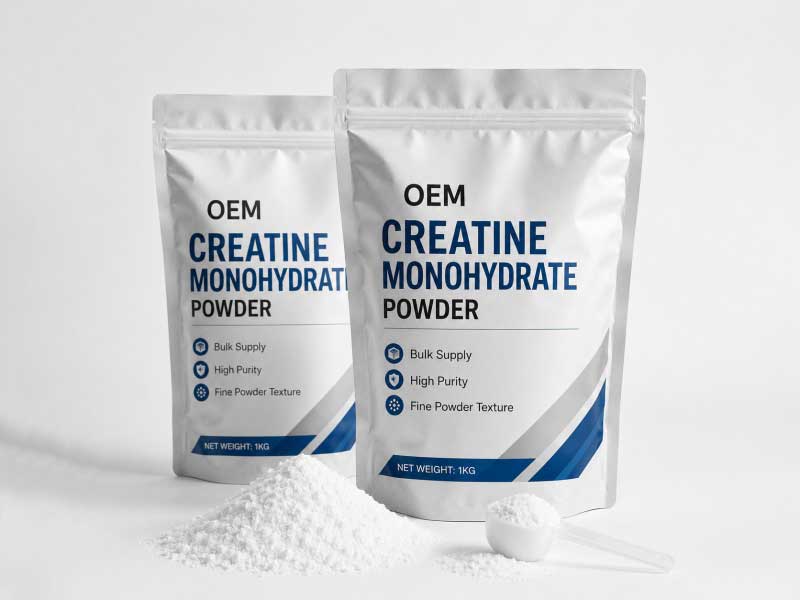
A creatine powder can look excellent when it leaves the blending room and still become a hard, frustrating lump weeks later. For a supplement brand, the immediate problem is a consumer who cannot scoop a normal serving. Behind that complaint may be a more expensive concern: an ingredient change, a packaging weakness, or a production condition that was never tested against real storage conditions. A product does not become commercially reliable simply because its first sample looks good.
How Is Chloride Used in Electrolyte & Hydration Supplement Formulation?
An electrolyte powder can promise a refreshing flavor and display an impressive mineral panel, yet a small change to one ingredient may alter several numbers on that label. Chloride is a good example. It rarely gets the attention given to sodium, potassium, or magnesium, even though the salts used to supply those minerals often determine how much chloride ends up in the finished serving. For a brand developing a hydration supplement, ignoring that connection can lead to avoidable changes in taste, cost, and declared nutrient content.