
What Causes Caking in Creatine Supplement Formulations?
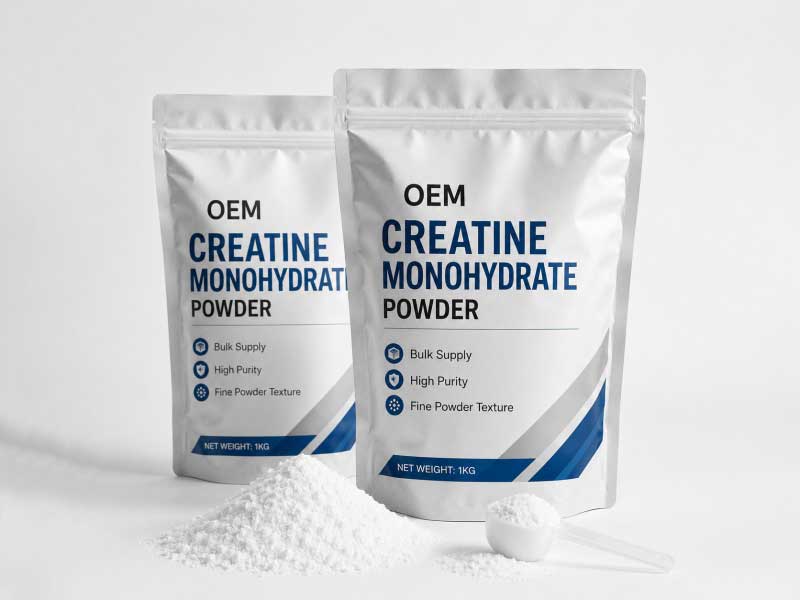
A creatine powder can look excellent when it leaves the blending room and still become a hard, frustrating lump weeks later. For a supplement brand, the immediate problem is a consumer who cannot scoop a normal serving. Behind that complaint may be a more expensive concern: an ingredient change, a packaging weakness, or a production condition that was never tested against real storage conditions. A product does not become commercially reliable simply because its first sample looks good.
How Is Chloride Used in Electrolyte & Hydration Supplement Formulation?
An electrolyte powder can promise a refreshing flavor and display an impressive mineral panel, yet a small change to one ingredient may alter several numbers on that label. Chloride is a good example. It rarely gets the attention given to sodium, potassium, or magnesium, even though the salts used to supply those minerals often determine how much chloride ends up in the finished serving. For a brand developing a hydration supplement, ignoring that connection can lead to avoidable changes in taste, cost, and declared nutrient content.
How Is Chlorella Used in Dietary Supplement Formulation?
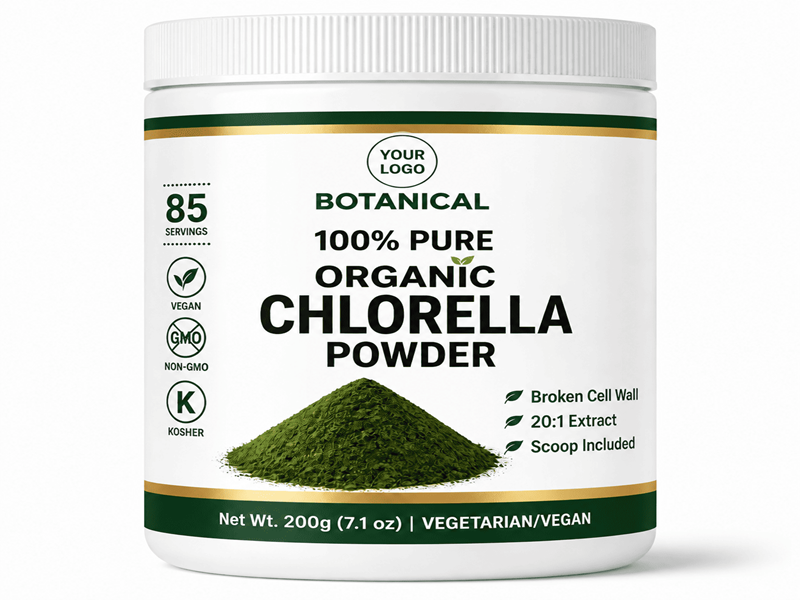
A deep green powder can make a supplement look convincing long before anyone knows whether the formula will work. Chlorella is a good example. It brings a recognizable microalgae ingredient story, but it also brings questions about cell-wall processing, flavor, powder handling, ingredient consistency, and contaminant testing. For an established supplement brand, those practical questions usually matter more than a long list of possible benefits. A product has to remain consistent from the development sample through repeated commercial batches.
How Is Chaga Used in Dietary Supplement Formulation?
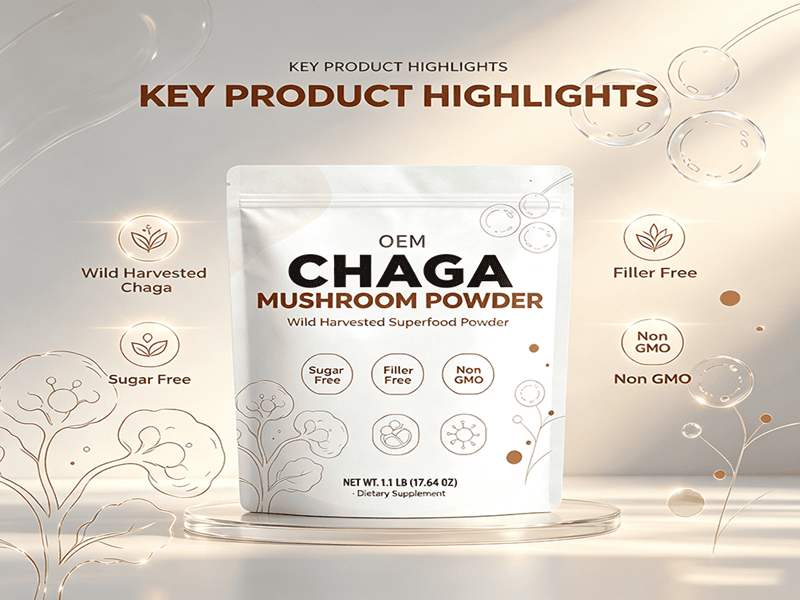
Chaga has an unusual problem for a supplement ingredient: its name is familiar, but its commercial forms are not necessarily comparable. One supplier may offer powdered wild-harvested conk, another a cultivated fungal preparation, and a third a water extract advertised by its polysaccharide percentage. All three can look convincing in a product presentation. Yet they may behave differently in a capsule machine, taste different in coffee, and require different safety assessments. For established supplement brands, the question is less about whether Chaga sounds appealing and more about what can be verified in the finished product.
Private Label Dietary Supplement Trends for 2027
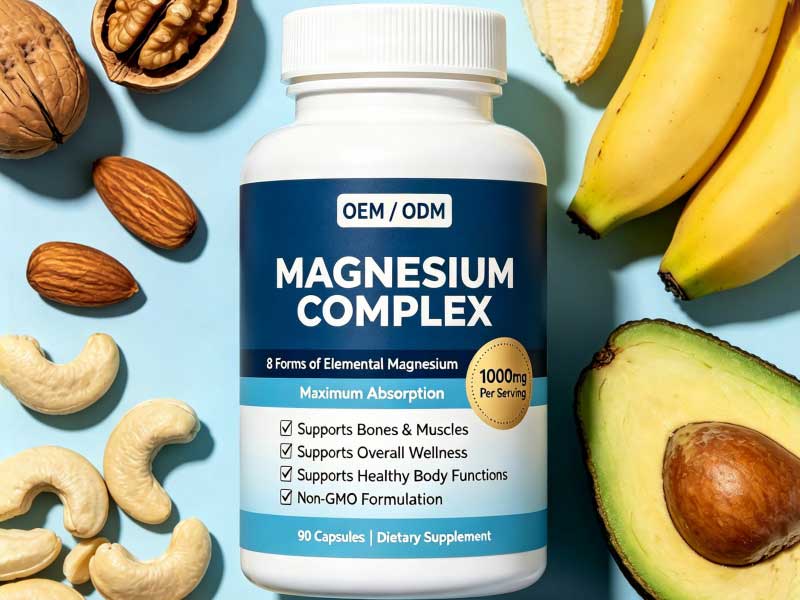
The supplement market heading into 2027 is becoming harder to impress and easier to misunderstand. A few years ago, a recognizable ingredient, attractive packaging, and a competitive price could be enough to create interest. Today, consumers can compare Supplement Facts panels, research ingredients, read thousands of reviews, ask AI tools to compare formulas, and question whether a trendy ingredient is present at a meaningful amount before they ever place an order. For brands, the challenge is no longer simply finding the next popular ingredient. It is deciding which consumer needs are durable enough to justify product development and which ideas can survive formulation, manufacturing, quality control, regulation, pricing, and repeat purchase.
How Are Ceramides Used in Dietary Supplement Formulation?
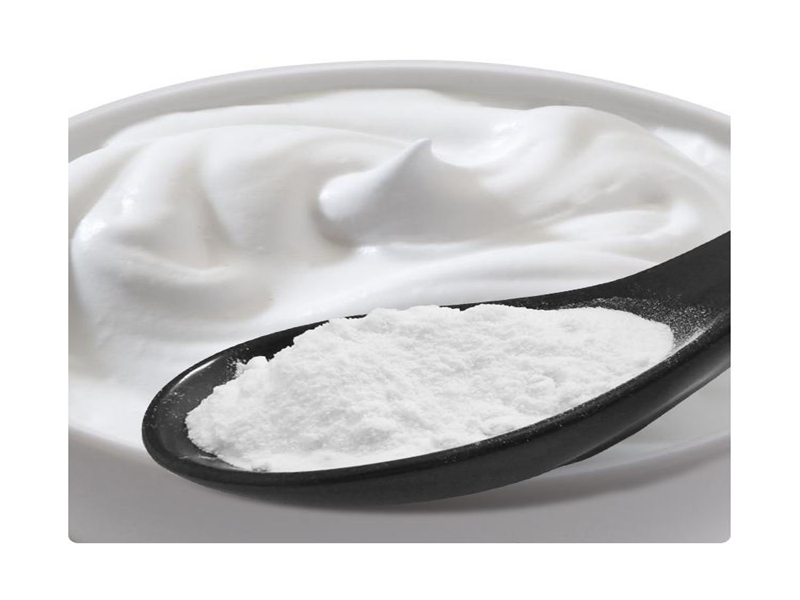
A skin hydration supplement can look simple on a product label: one recognizable ingredient, a daily serving, and a promise of support from within. Behind that label, however, formulators have to answer a much harder question. What exactly is the ceramide ingredient, and is the finished product built around evidence for that particular material? A rice extract, a wheat lipid preparation, and a highly standardized glucosylceramide powder may all be described as phytoceramides, yet they are not automatically interchangeable.
What Will Shape Personalized Dietary Supplement Trends in 2027?
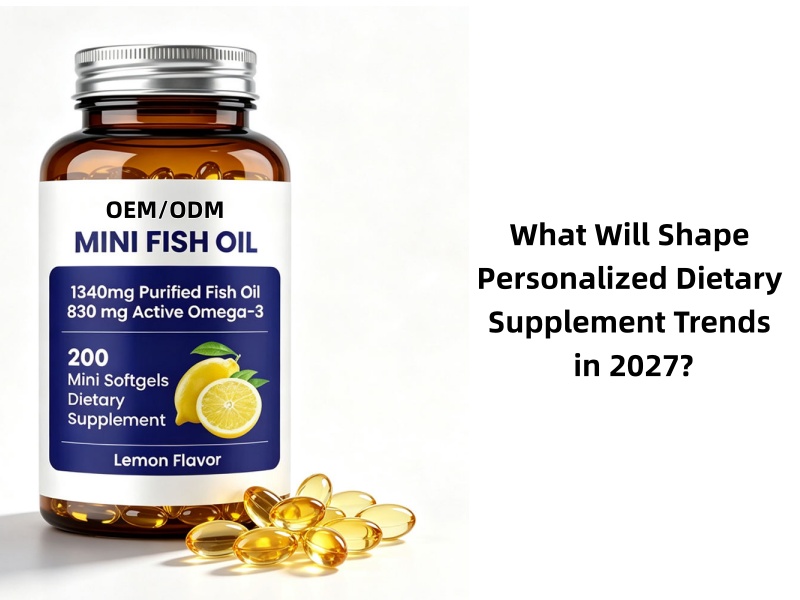
Personalized supplements are moving beyond the familiar model in which a consumer answers a short quiz and receives a preselected vitamin bundle. The more important change for 2027 is happening behind the recommendation screen. Brands are beginning to connect diet, activity, sleep, life stage, wellness goals, product preferences, selected biological data, and repeat-purchase behavior to more relevant supplement decisions. That sounds simple, but the difficult part is turning more information into a product that is useful, explainable, manufacturable, and consistent from one order to the next.
How Is Camu Camu Used in Dietary Supplement Formulation?
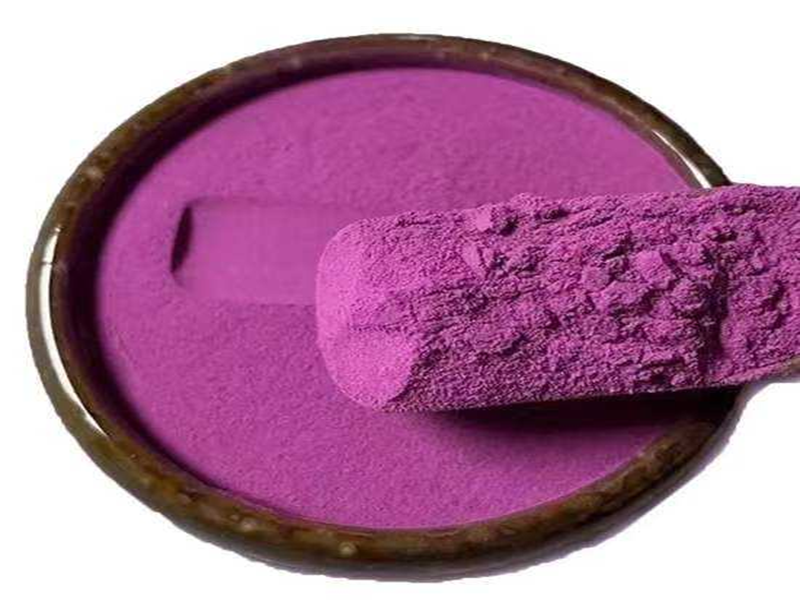
Camu camu looks like an easy ingredient to introduce into a supplement: it is a recognizable Amazonian fruit, naturally contains vitamin C, and fits the growing interest in plant-derived nutrition. Yet the moment a product developer asks how much fruit powder belongs in one capsule or whether a gummy will retain its vitamin C until the end of shelf life, the answer becomes less straightforward. The ingredient’s reputation is only a starting point; the material’s actual composition and behavior decide what the finished product can promise.
How Does Jar Packaging Affect Electrolyte & Hydration Supplement Formulation?
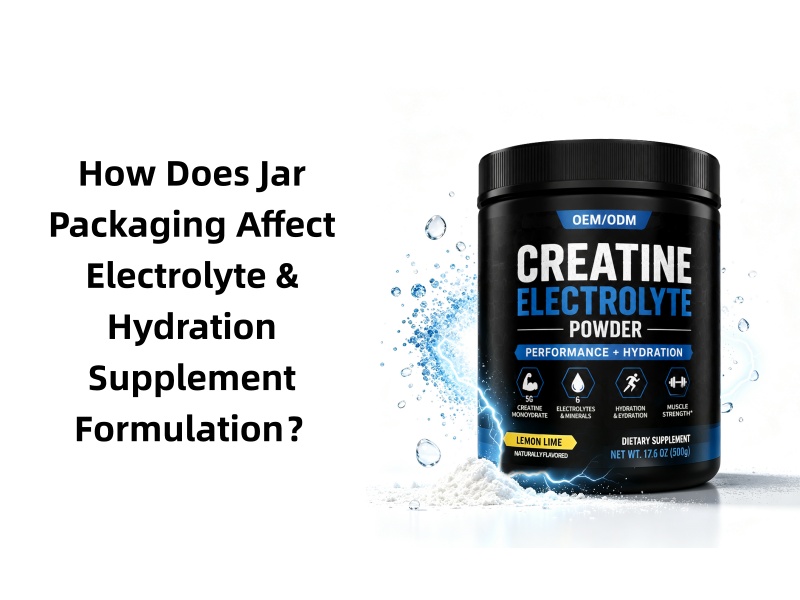
An electrolyte powder can taste excellent in a sample cup and still disappoint the customer a month after launch. Picture a bright, well-designed jar that arrives in perfect condition, only for the powder to become lumpy after a few weeks of daily scooping. Nothing about the label has changed, but the experience inside the container has. For brands developing hydration supplements, that is a reminder that packaging belongs in the formulation conversation from the beginning, not at the end.
How Is Blueberry Extract Used in Dietary Supplement Formulation?
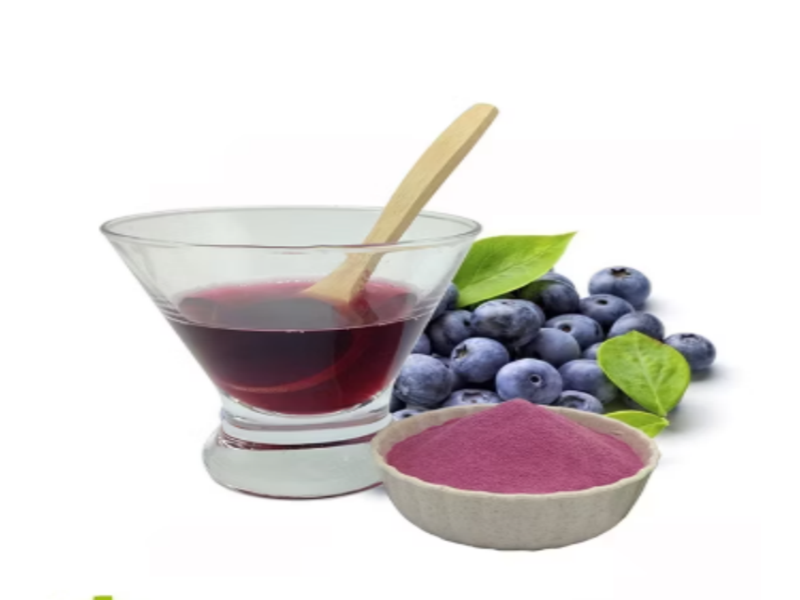
Blueberry extract can look like an easy ingredient to add to a supplement. It comes from a familiar fruit, has a recognizable color, and is often associated with anthocyanins and polyphenols. Yet the first sample can reveal complications that are invisible on an ingredient list. A purple gummy may lose its color during storage. A capsule blend may not flow properly. Two extracts carrying similar names may contain different amounts of the compounds a brand actually wants to measure.
Stick Pack Dietary Supplement Trends for 2027: What Will Shape the Next Generation of Single-Serve Supplements?
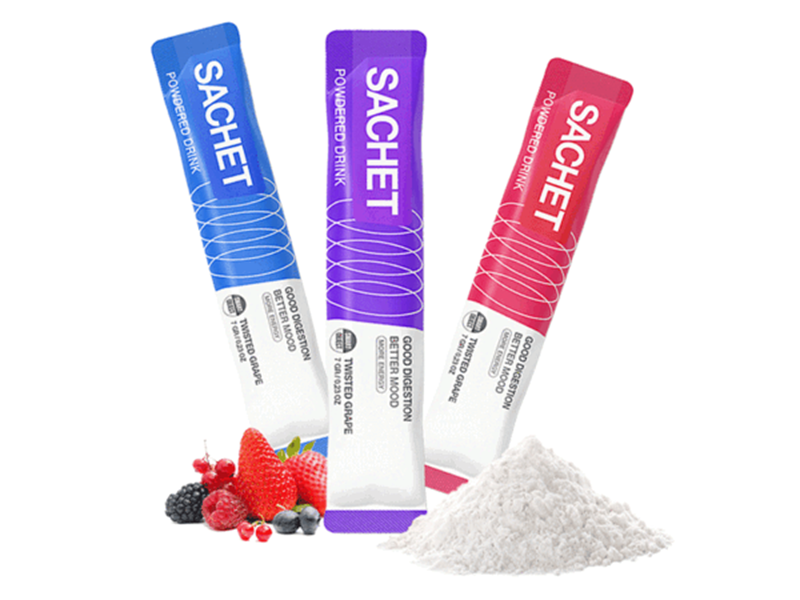
A stick pack looks almost too simple to deserve a strategic product meeting. It is only a narrow strip of flexible film filled with a measured amount of powder, sealed at both ends and usually packed into a carton. Yet this small format sits at the intersection of several important changes in the supplement industry: portable nutrition, functional beverages, sports hydration, cleaner labels, lower-sugar products, personalization, packaging regulation, e-commerce logistics, and consumers who increasingly expect supplements to fit naturally into everyday routines rather than requiring a complicated ritual.
What Are the Biggest Women’s Wellness Dietary Supplement Trends for 2027?
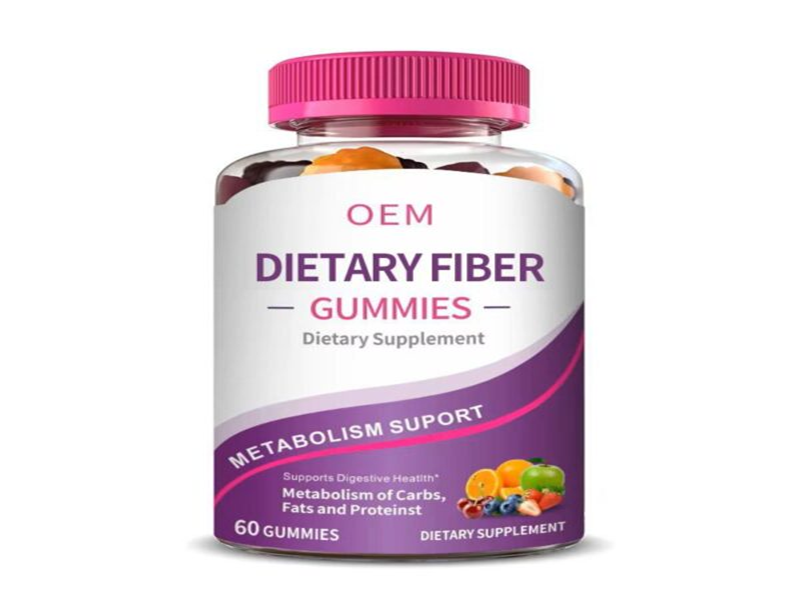
Women’s wellness is entering a more mature stage. For years, the category was dominated by broad multivitamins, prenatal products, beauty supplements, and a relatively small number of menopause formulas. That landscape is changing as women increasingly look for products that reflect a specific life stage, daily routine, nutritional goal, and level of scientific credibility. At the same time, brands are discovering that a fashionable ingredient is not enough. A product still has to deliver a practical serving size, acceptable taste, realistic cost, stable shelf life, compliant positioning, and consistent quality when production scales.