
What Are the Top Magnesium Dietary Supplement Trends for 2027?
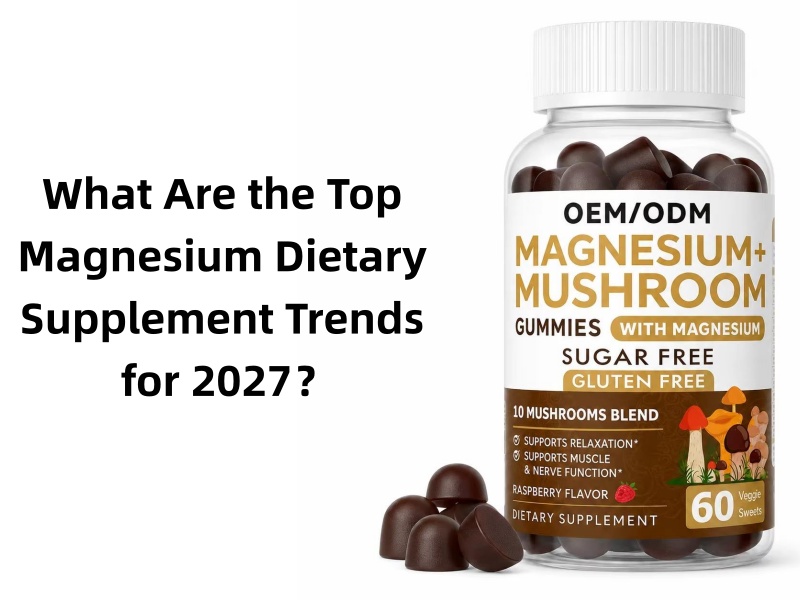
Magnesium is one of those supplement ingredients that looks familiar until you examine what is actually happening around it. For years, the category was largely built around straightforward mineral tablets and capsules. Heading into 2027, consumers are encountering magnesium in very different ways: flavored nighttime powders, magnesium glycinate capsules, electrolyte stick packs, gummies, premium L-threonate formulas, recovery products, and multi-ingredient relaxation blends. The mineral itself has not suddenly changed, but the occasions, formats, expectations, and product-development decisions surrounding it have.
How to Extend a Dietary Supplement Into New Dosage Forms
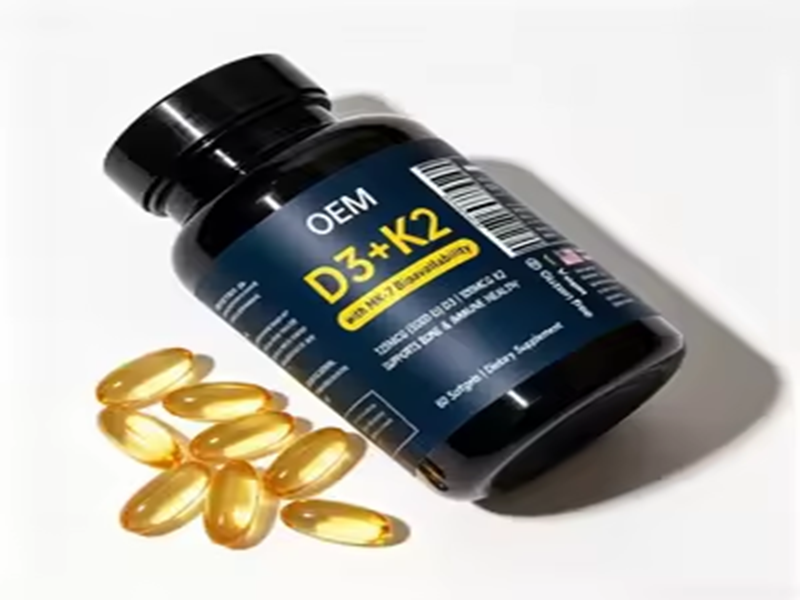
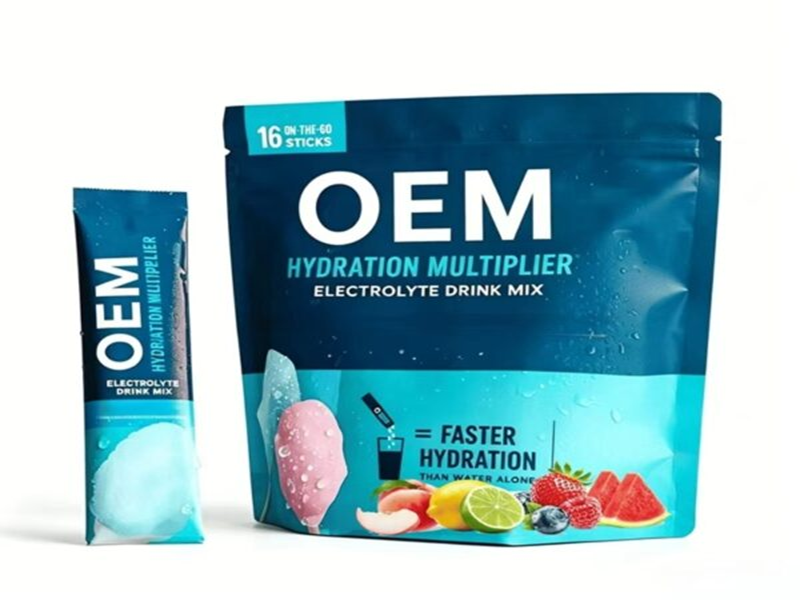
A successful supplement does not always need a completely new formula to create its next growth opportunity. Sometimes the better move is to take an established product concept and adapt it to a different daily routine. A magnesium capsule may become a flavored drink powder. A vitamin tablet may become a gummy. An oil-based nutrient may be better suited to a softgel, while an existing powder can be repackaged into portable stick packs for a different use occasion. The commercial idea sounds simple, but the development work rarely is.
How Is a Custom Dietary Supplement Formula Developed?
A custom dietary supplement formula does not really begin when ingredients are weighed in a laboratory. It begins when a product idea is translated into a set of decisions that can survive the realities of manufacturing, consumer use, cost, compliance, and repeat production. A request such as “We want a magnesium sleep supplement” may sound specific, but a formulation team still needs to know who will take it, where it will be sold, which dosage form is preferred, what serving size consumers will accept, what ingredients are essential, what retail position the brand wants, and what price structure the finished product must support.
Healthy Aging Dietary Supplement Trends for 2027: What Will Shape the Next Generation of Longevity Products?
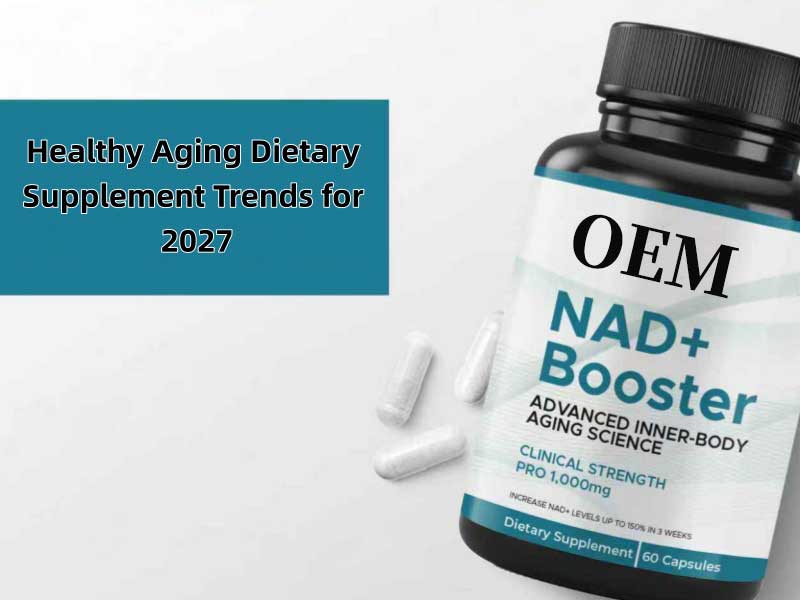
Healthy aging is undergoing a quiet but important change. Consumers are becoming less interested in products that simply promise to make them “look younger” and more interested in staying physically capable, mentally sharp, metabolically healthy, and independent for as long as possible. That shift changes almost every decision involved in supplement development, from the benefit a product targets to the ingredient dose, delivery format, packaging, scientific substantiation, and language used on the label.
How to Determine Ingredient Dosages in Dietary Supplement Formulation
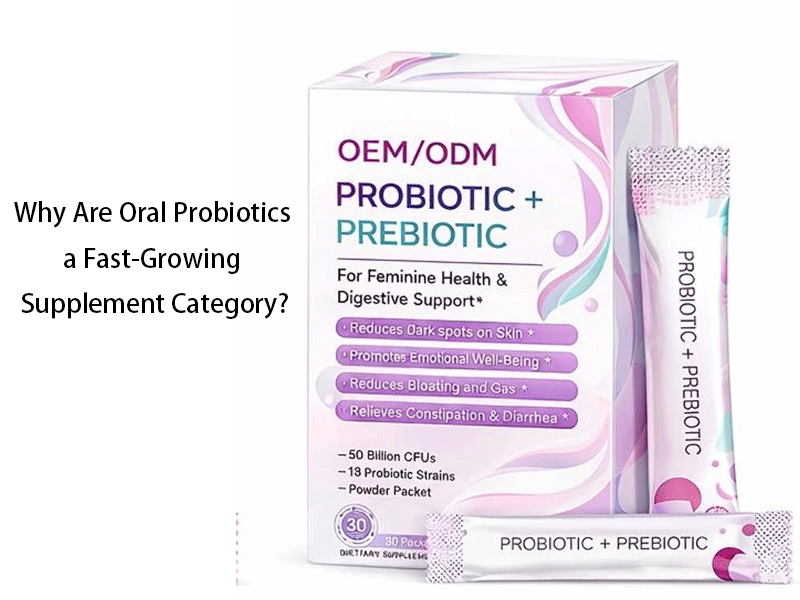
A supplement can have an impressive ingredient list and still be poorly formulated. The difficult part is rarely deciding whether magnesium, a botanical extract, amino acids, probiotics, or vitamins belong in a product. The difficult part is deciding exactly how much belongs there—and being able to explain that decision six months later when regulatory, quality, purchasing, manufacturing, and marketing teams are looking at the same formula from different angles. A useful dosage must work scientifically, remain within a reasonable safety margin, fit the intended dosage form, survive processing and shelf life, make sense for the target consumer, and still produce a commercially realistic product.
How to Develop a Multi-SKU Dietary Supplement Line?
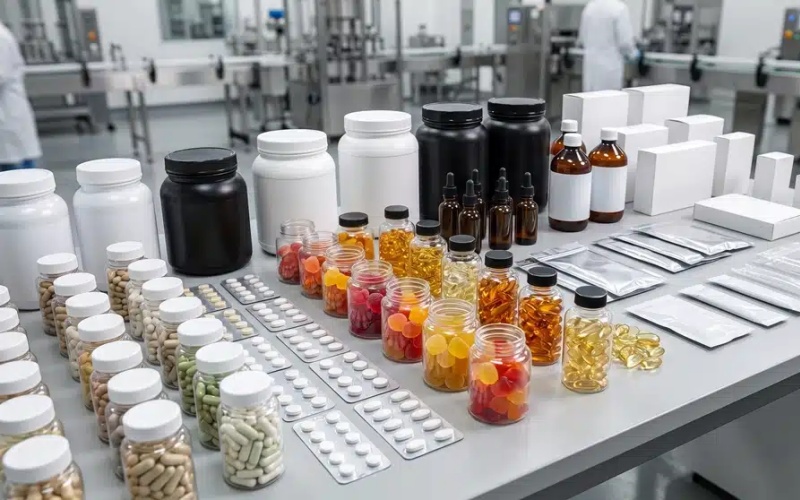
Launching one dietary supplement is largely a product-development exercise. Launching five, eight, or twelve related supplements is a portfolio and supply-chain exercise. The difference becomes clear long before production starts. A formula change can affect ingredient purchasing, serving size, testing, artwork, and packaging. A gummy can require a very different development path from a capsule. A custom stick pack can be delayed by printed film even when the powder is already approved. Once several SKUs move at the same time, decisions that looked independent begin to affect one another.
How to Create a Dietary Supplement Product Brief: What Brands Should Define Before Formulation?
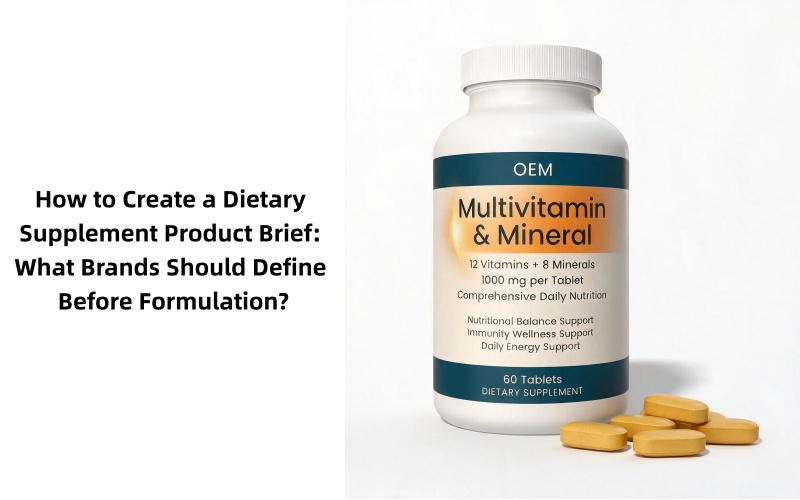
A dietary supplement idea often starts with one short sentence: “We want a magnesium sleep powder,” “We need a premium collagen product,” or “We want an electrolyte formula that tastes cleaner than the products already on the market.” That sentence may be enough to start a conversation, but it is not enough to guide formulation, pricing, sampling, packaging, quality control, and commercial production. As soon as development begins, dozens of practical questions appear. Which consumer is the product designed for? Which ingredients are essential? How much should each serving deliver? Should it be a powder, capsule, gummy, tablet, softgel, or liquid? What price must the finished product support? Which market will it enter, and what claims, labeling, testing, and documentation will be needed?
Top Dietary Supplement Product Trends in North America for 2026: Which Products Are Gaining Momentum?
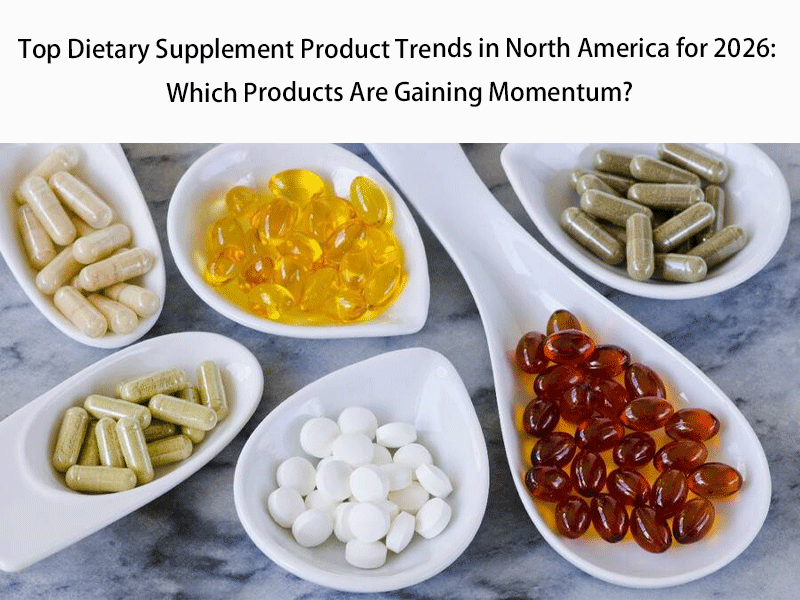
The North American supplement market in 2026 is not being reshaped by one miracle ingredient. The more important change is that consumers are becoming clearer about what they want a supplement to do, when they want to use it, and how easily it should fit into everyday life. Hydration at the desk or gym, creatine as part of an active-aging routine, magnesium before bed, fiber with breakfast, and probiotics for daily digestive support all reflect the same shift: products are moving closer to recognizable routines and specific use cases. Grand View Research estimates the North American dietary supplements market at about USD 81.64 billion in 2026 and projects an 8.4% CAGR through 2033, but growth at the market level does not automatically tell a brand which SKU deserves investment. The more useful question is which trends combine real demand, workable formulation, responsible claims, repeat purchase, and scalable production.
Why Are Oral Probiotics a Fast-Growing Supplement Category?
For years, probiotics meant one thing to most consumers: gut health. Supplement shelves filled with digestive probiotic capsules, fiber powders, fermented products, and synbiotic blends, while oral care remained largely divided among toothpaste, floss, mouthwash, whitening products, and breath fresheners. That separation is now becoming less clear. Consumers are increasingly learning that the mouth has its own complex microbial ecosystem, and supplement developers are asking whether supporting that ecosystem could become another practical part of a daily wellness routine.
How Do You Develop a Dietary Supplement Formula From Scratch?

Developing a dietary supplement formula from scratch usually begins with an idea that sounds simple: a magnesium sleep product, an electrolyte powder, a gut-health capsule, a women’s wellness gummy, or a healthy-aging formula. The complexity appears when that idea has to become a real product. Which ingredients belong in the formula? Which forms should be used? How much of each ingredient should one serving contain? Can the desired dose physically fit into the chosen format? Will the product taste acceptable, remain stable, comply with the intended market, meet cost targets, and perform consistently in commercial production?
Why Is Magnesium Complex for Women Growing in 2026?
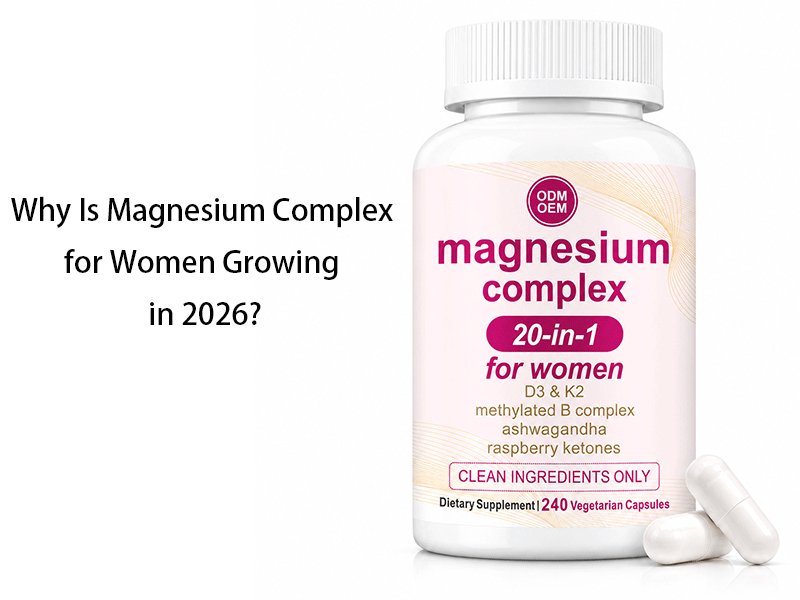
Magnesium used to be one of the quieter products in the supplement aisle. A brand could sell a bottle around a simple milligram claim and a familiar mineral name without explaining much more. That has changed. Consumers now arrive with much more specific questions about glycinate, citrate, sleep routines, stress, perimenopause, gummies, powders, multi-form blends, and supporting ingredients such as vitamin B6 or L-theanine. The category is becoming less about a single mineral and more about how that mineral fits into a woman’s daily routine, preferred format, life stage, and reason for taking supplements in the first place.
How to Make a Dietary Supplement Formula Scalable
A dietary supplement formula can look excellent on a spreadsheet, taste convincing in a development sample, and still become difficult when it reaches commercial production. That gap between a successful sample and a repeatable finished product is where many formulation projects become expensive. Larger batches change ingredient movement, mixing behavior, powder flow, heating and cooling, filling accuracy, moisture exposure, production yield, packaging demands, testing requirements, and the amount of raw material that must be sourced consistently.