 Skip to content

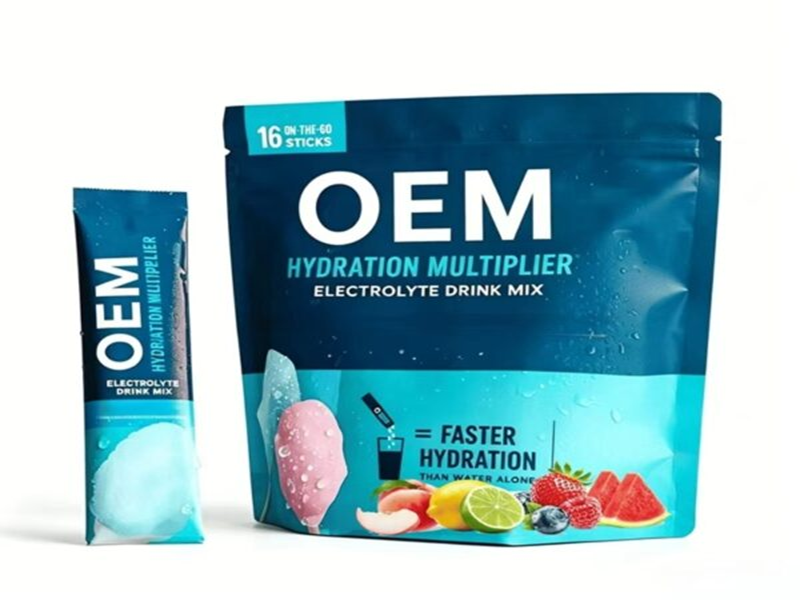
A custom dietary supplement formula does not really begin when ingredients are weighed in a laboratory. It begins when a product idea is translated into a set of decisions that can survive the realities of manufacturing, consumer use, cost, compliance, and repeat production. A request such as “We want a magnesium sleep supplement” may sound specific, but a formulation team still needs to know who will take it, where it will be sold, which dosage form is preferred, what serving size consumers will accept, what ingredients are essential, what retail position the brand wants, and what price structure the finished product must support.
A custom dietary supplement formula is developed by turning a product brief into a manufacturable specification through market definition, ingredient and dosage selection, dosage-form engineering, prototype development, sensory and physical evaluation, compliance review, cost analysis, and production feasibility checks. The formula is considered production-ready only when the approved product can be sourced, processed, tested, packaged, and reproduced consistently at commercial scale.
This difference between an attractive ingredient list and a production-ready formula is where most of the real development work happens. A formula may look impressive in a spreadsheet yet become too large for the desired capsule serving, unpleasant in a drink, unstable in a gummy, too costly for the intended price point, or difficult to reproduce across repeated batches. The best development process discovers those problems while they can still be fixed. That is the journey explored below: not simply how ingredients are combined, but how a supplement idea becomes a product that can actually be manufactured and sold.
What Starts a Custom Supplement Formula?
A custom supplement formula starts with a clear product brief defining the target consumer, market, intended function, dosage form, sales channel, price position, ingredient preferences, packaging expectations, and commercial constraints. These decisions create the boundaries within which formulators work. Without them, choosing ingredients and dosages becomes guesswork rather than structured product development.
The Product Brief Comes First
“We need a sleep supplement” is an idea. “We need a once-daily evening product for adults who prefer capsules, positioned above basic mass-market magnesium products and intended for a U.S. wellness channel” is the beginning of a usable product brief. The second description gives a development team enough context to start asking technically meaningful questions about ingredients, serving size, capsule capacity, label positioning, cost, and sourcing.
The brief should describe the product consumers are expected to experience rather than simply provide a list of fashionable ingredients. A sports hydration formula, for example, might require gram-level electrolytes and carbohydrates and therefore fit naturally into powder or liquid formats. A botanical relaxation product may be better suited to capsules because several ingredients have strong bitterness or aroma. A beauty-focused gummy may prioritize taste, color, texture, appearance, and daily convenience more heavily than a professional-channel capsule.
A good brief also identifies which requirements are essential and which are negotiable. A brand may insist on vegan ingredients, a specific standardized extract, no added sugar, two capsules per serving, or individual stick packaging. If these conditions are known at the start, formulation can be designed around them. When they emerge after several prototype rounds, the project often has to move backward.
| Product Brief Item | Practical Question | What It Can Change |
| Target consumer | Who is expected to use it? | Ingredients, serving size, sensory profile |
| Target market | Where will it be sold? | Ingredient review, labeling, claims |
| Product function | What is the intended positioning? | Active and supporting ingredients |
| Dosage form | Capsule, powder, gummy, liquid? | Capacity, processing, excipients |
| Price position | Mainstream or premium? | Ingredient grade, dose, packaging |
| Benchmark product | What is the reference point? | Differentiation and product architecture |
| Sales channel | Retail, pharmacy, Amazon, DTC? | Pack size, presentation, economics |
| Packaging | Bottle, jar, pouch, stick, blister? | Serving format and product protection |
Experienced development teams sometimes challenge the original brief. That is usually helpful. If the desired ingredient quantities cannot fit into two capsules, or if the requested mineral load will make a drink extremely difficult to flavor, changing the brief early is less costly than pretending every initial requirement can coexist.
Market and Consumer Fit
A formula needs to work in the life of the person expected to take it. Technical sophistication alone does not guarantee a commercially useful product. A working professional who wants an evening supplement may not want to swallow six capsules. An endurance athlete may have no issue mixing a larger serving of powder in a bottle. A consumer purchasing gummies may place unusually high value on flavor and texture because those characteristics are part of the daily routine rather than incidental features.
Sales channels create additional differences. Pharmacy and distributor programs often place strong emphasis on consistent specifications, documentation, predictable replenishment, and packaging suitable for established retail systems. E-commerce products may depend more heavily on recognizable differentiation, strong repeat-use experience, serving convenience, and packaging that communicates clearly through digital product pages.
This does not mean formulators should design products around marketing trends alone. It means product development works best when ingredient science, consumer behavior, manufacturing limits, and commercial positioning are considered together. An expensive high-dose formula that consumers dislike taking every day may be less successful than a more focused product whose ingredients, serving format, taste, and cost all support consistent use.
Brand-Supplied vs New Formula
Custom development can begin at several different stages. Some brands already own complete formulas and need a manufacturer to review ingredient specifications, production feasibility, sourcing, testing, and packaging. Others bring a competitor label or reference product and want a differentiated version. Another group may arrive with only a category, consumer profile, preferred format, and target price and require deeper development work.
A customer-supplied formula should still be reviewed rather than moved directly into production. Ingredient names may be too general, raw-material forms may not be defined, target quantities may not fit the dosage form, or a key component may be difficult to source consistently. A formula originally designed without consideration for the manufacturing process can require significant adjustment even when its nutritional concept is sound.
Benchmark-led development requires a different approach. The purpose is not to reproduce another label blindly but to understand its structure and then decide what should be maintained, removed, upgraded, simplified, or repositioned. That might involve changing ingredient forms, dose architecture, serving size, flavor, dosage form, packaging, or price strategy.
Zoxizo documents both mature-formula customization and concept-to-sample development, supported by a 25+ person R&D team and a 20,000+ formula library. Those resources can provide useful reference points, but an established formula library is most valuable when it helps development teams compare previous technical experience against the specific requirements of a new project rather than simply recycling an existing recipe.
Commercial Limits Matter Early
Commercial restrictions are not obstacles to good formulation; they are part of good formulation. A product can be technically impressive and still fail the project brief if the ingredient cost is too high, the serving requires too many units, a critical raw material has an unrealistic purchase quantity, or the packaging pushes the finished cost beyond the intended retail position.
For that reason, professional development usually evaluates cost per serving, not only raw-material price per kilogram. A premium ingredient may be expensive by weight but used at a relatively small amount. Another material may look inexpensive until the formula requires several grams in every serving. In powders, that difference can significantly change stick size and freight weight. In gummies, it can affect the number of gummies required per daily serving.
Commercial planning also helps determine where a brand wants to invest. A premium product may justify a standardized botanical or specialty ingredient while keeping the rest of the formula focused. A mainstream product may need a simpler ingredient architecture and more efficient packaging. A product intended for frequent repeat purchase may benefit from a serving size that feels convenient even if that means avoiding unnecessary ingredients.
These are not compromises made after the “real” formulation work. They are the real formulation work. The objective is to create something that performs as a complete product rather than something that looks good only as an ingredient list.
How Are Ingredients and Dosages Selected?
Ingredients and dosages are selected by balancing the intended product concept with ingredient form, available evidence, serving size, dosage-form capacity, compatibility, target-market requirements, supply reliability, and cost. Each ingredient should have a defined role and practical amount. A strong formula asks not only which ingredients are desirable, but whether the complete combination can function as a stable, manufacturable product.
Ingredient Form Matters
An ingredient name on a label often hides important technical differences. Minerals can be supplied in multiple chemical forms. Botanical materials may differ by species, plant part, extract ratio, and standardized constituent. Vitamins may be available at different concentrations or in coated forms intended to improve handling. Probiotic materials can differ by strain, carrier, potency specification, moisture sensitivity, and storage conditions.
These distinctions affect more than product positioning. They influence how much raw material is required, how much physical volume it occupies, how it tastes, how it behaves during processing, and how consistently it can be sourced. Two raw materials with similar consumer-facing names may therefore behave very differently in a capsule filling line, powdered drink, gummy process, or liquid system.
When evaluating raw materials, formulators commonly consider identity, concentration, specifications, particle characteristics, solubility, odor, flavor, storage requirements, supplier documentation, physical stability, availability, and suitability for the intended market. Depending on the product, microbiological parameters, heavy-metal limits, active markers, allergen information, or other specifications may also matter.
This level of detail prevents a common problem in custom development: building the formula around generic ingredient names and only discovering later that the exact commercially available materials behave differently from what was imagined.
Dosage Is a Multi-Part Decision
The number placed next to an ingredient is rarely determined by one consideration alone. Development teams have to look at the product concept, the intended use, the selected ingredient form, market requirements, serving practicality, dosage-form capacity, and cost. These factors sometimes point in different directions.
Capsules make the conflict easy to understand. A formula may contain ingredients whose combined weight appears reasonable, yet the blend occupies too much volume because some powders have low bulk density. The result may require four or six capsules rather than the two originally planned. At that point the brand must decide whether to increase the serving count, change ingredient forms, simplify the formula, or move to another dosage format.
Powders give developers more physical space, but the trade-off moves into taste, serving weight, packaging, and cost. A larger scoop may accommodate gram-level nutrients, yet every additional gram can change flavor intensity, sweetness requirements, jar size, stick dimensions, freight weight, and consumer experience.
Gummies bring another set of limits. Active ingredients must coexist with the structural portion of the gummy, while the finished product still needs acceptable texture, taste, moisture behavior, and shelf performance. Adding more actives eventually stops being a simple nutritional decision and becomes a processing problem.
A practical dosage discussion therefore answers four questions at the same time: Is the amount relevant to the intended concept? Is it appropriate for the intended market? Can the chosen dosage form physically carry it? And can the finished product still meet the intended commercial position?
Compatibility Is More Than Ingredient Synergy
Brands often discuss whether ingredients “work together” conceptually. Formulators also have to determine whether those ingredients behave well together as physical materials. A combination can make perfect sense from a product-positioning perspective and still create bitterness, moisture problems, settling, poor powder flow, color changes, excessive capsule volume, or processing difficulties.
For powders, developers may need to evaluate particle-size differences, blending behavior, caking, dispersibility, solubility, foam, sediment, and flavor interactions. In capsules, flow and bulk density become especially important because they influence fill consistency and serving count. Gummies require careful balance among active loading, acidity, moisture, texture, heat exposure, and taste. Liquids can create questions around dissolution, suspension, oxidation, and dose uniformity.
Functional ingredients used for processing also matter. Depending on format, formulations may include flow agents, binders, acids, carriers, flavors, sweeteners, stabilizing systems, coating materials, or other supporting ingredients. These components should have a practical purpose. They help the formula move through production equipment, remain stable, provide the expected texture, or create an acceptable consumer experience.
In other words, the formula is not only the collection of ingredients consumers recognize on the front of a package. It is the complete material system required to manufacture the product properly.
Cost and Supply Reliability
Ingredient selection has to survive repeated commercial production. A formula built around a difficult-to-source raw material may work for one prototype and create problems when a large replenishment order arrives six months later. Availability, supplier qualification, minimum purchasing requirements, lead time, storage conditions, and specification consistency therefore deserve attention before the formula is locked.
Cost is best analyzed at the serving level. An ingredient costing several times more per kilogram may contribute little to the total serving cost if used in a small quantity. By contrast, a relatively ordinary ingredient used at multiple grams per serving can become one of the dominant cost drivers in a powder formula. This distinction is important when deciding where premium ingredients genuinely add value.
Established products also benefit from supply-continuity planning. If one ingredient is critical to the formula, development teams should understand whether the same specification can be sourced reliably over time and what would happen if the original supplier became unavailable. An alternative material should never be treated as identical simply because its generic ingredient name is the same.
For brands planning regular replenishment or several SKUs, the conversation about ingredient control should continue after launch. Consistent raw-material specifications are one of the foundations of consistent finished products, especially when taste, color, flow, potency, or texture are sensitive to small material differences.

How Does Dosage Form Shape the Formula?
Dosage form determines how much active material can be delivered, how ingredients are processed, what consumers taste or feel, which stability challenges matter, and how the product is packaged. Capsules, tablets, powders, gummies, liquids, and softgels have different physical limitations. The dosage form should therefore be selected while the formula is being developed rather than after the ingredient list is finished.
Capacity Sets Real Limits
Every dosage form has a capacity ceiling, although the practical limit depends on the formula and materials rather than a universal number. Capsules can be excellent for masking undesirable flavors and creating convenient daily routines, but there is only so much powder that can fit into a manageable serving count. A formula requiring several grams of minerals or amino acids may simply not belong in a two-capsule format.
Powders offer much more room for high-dose ingredients, making them natural choices for categories such as electrolyte products, protein, collagen, creatine, greens blends, and some functional beverages. The trade-off is that consumers directly experience the flavor, aroma, texture, and dispersibility of the ingredients.
Gummies usually provide stronger sensory appeal and a familiar consumption experience, but their active load competes with the materials needed to create the gummy structure itself. Adding more powder into the system can influence chew, stickiness, moisture behavior, color, flavor, and processing.
Liquids can create flexible serving formats but bring their own questions around solubility, suspension, oxidation, flavor, container compatibility, and dose accuracy. Softgels are often suitable for oil-based fills or fat-soluble ingredients but involve fill-shell compatibility and specialized production considerations.
| Dosage Form | Common Advantage | Common Development Constraint |
| Capsule | Convenience and taste masking | Limited fill volume and capsule count |
| Tablet | Compact solid format | Compression, hardness, disintegration |
| Powder | High ingredient capacity | Taste, solubility, moisture, serving weight |
| Gummy | Strong consumer experience | Active load, texture, heat, moisture |
| Liquid | Flexible dosing | Solubility, suspension, oxidation |
| Softgel | Suitable for many oil-based fills | Shell and fill compatibility |
| Drink Mix | Useful for gram-level actives | Flavor, dispersibility, sediment |
| Energy Gel | Portable sports format | Viscosity, flavor, pouch filling |
Zoxizo’s documented manufacturing scope includes powders, capsules, tablets, gummies, drops, softgels, drink powders, energy gels, and related formats. The value of multiple dosage-form capability is not simply offering more choices; it allows a product concept to be evaluated against the format that can realistically support its ingredient load and consumer experience.
Taste Is Part of Formula Engineering
Taste should not be postponed until an ingredient formula has already been finalized. In products that consumers chew or drink, sensory performance can change the entire formula architecture. Bitter botanicals, salty minerals, acidic vitamins, amino acids, mushrooms, and certain plant extracts can become dominant when their concentration increases.
Adding more flavor is not always enough. Sweetness, acidity, bitterness, aroma, mouthfeel, and aftertaste interact. A strongly flavored berry system might mask one botanical combination effectively but fail in a high-mineral powder. Increasing acidity may brighten a fruit flavor while making another formula too sharp. Sweetener changes can alter not only sweetness intensity but also the way bitterness is perceived.
The intended dilution volume matters as well. A drink designed for 250 mL of water can taste completely different when consumers mix it into 500 mL. A large serving of active powder may also increase chalkiness or sediment even if the flavor itself is acceptable.
This is why physical sampling becomes essential. Zoxizo documents approximately 1,000 m² of R&D trial space used for formula trials, sample development, sensory evaluation, solubility checks, texture adjustment, and early-stage stability observation. Those activities matter because they expose what consumers will actually taste, see, chew, dissolve, or swallow rather than what the formula appears to be on paper.
Solubility and Physical Behavior
Consumers often use the word “soluble” very broadly, but formulators distinguish among dissolving, dispersing, suspending, settling, floating, foaming, and agglomerating. Not every ingredient needs to disappear completely in water, yet the finished behavior should match what consumers reasonably expect from the product.
A protein drink can naturally be opaque. A botanical beverage may contain some visible plant material. A hydration powder marketed as fast-mixing, however, should not leave large floating clumps that require repeated shaking. These practical distinctions influence particle size, carriers, mixing order, flavor systems, acids, and recommended dilution.
Moisture sensitivity is another important concern. Hygroscopic materials can pull moisture from the surrounding environment, encouraging caking or reducing powder flow. Gummies can change texture when moisture migrates into or out of the product. Packaging therefore becomes part of formula performance because barrier properties influence what the formulation experiences during distribution and storage.
Appearance also matters. Natural colors, botanicals, vitamins, and minerals may respond to heat, light, oxygen, or pH. A gradual color shift may not automatically mean the product is unusable, but it can create consumer concern if appearance is an important part of the product promise. Early development should therefore consider physical behavior and packaging together.
Changing Formats Means Reformulating
A successful capsule formula cannot usually be transferred directly into a gummy simply by changing the production equipment. The new dosage form creates a different physical environment and often requires changes to active quantities, excipients, serving count, processing conditions, flavor, and packaging.
Imagine a powder formula delivering several grams of total actives per serving. Moving that formula into capsules could require a large number of units each day. Moving it into gummies might be even more difficult because the active powders would need to coexist with the gummy matrix while keeping texture and flavor acceptable.
The opposite transition can be equally challenging. A two-capsule botanical formula moved into powder format suddenly exposes every bitter or earthy ingredient directly to the consumer. Ingredients that needed no flavor masking inside a capsule can become the central problem in the new format.
Brands building product families should therefore think in terms of a shared product concept rather than one identical recipe used across every dosage form. The product promise can remain consistent while the technical formula changes. A sleep-support capsule, sleep-support gummy, and sleep-support drink may belong to one product family while using different ingredient architecture because each delivery system has different strengths and constraints.
How Is the Formula Tested and Refined?
A supplement formula is tested by turning the theoretical specification into physical prototypes and evaluating characteristics such as appearance, taste, aroma, texture, solubility, serving size, flow, filling behavior, and other dosage-form-specific properties. The formula is then refined through controlled revisions so technical problems can be solved before the product reaches full commercial production.
First Prototype
The first prototype is not expected to answer every question. Its value is that it turns assumptions into something observable. A drink powder that looks balanced on a formulation sheet may reveal strong mineral notes when mixed. A capsule blend may require more space than estimated. A gummy may taste acceptable at a lower active load but become bitter or too soft when the target ingredients are increased.
Those findings are useful because development changes are usually easier to make at prototype scale. The cost of adjusting flavor, serving size, excipients, or ingredient levels during R&D is far lower than trying to correct thousands of finished units after commercial production.
Each sample should correspond to a controlled formula version. Ingredient quantities, flavor systems, process conditions, and major observations need to be recorded so that version two can be compared with version one. Without that discipline, teams can lose track of which combination actually produced the preferred result.
Customer feedback also becomes more valuable when it is specific. “Make the flavor better” gives formulators little direction. Feedback such as “reduce sweetness, keep the acidity, strengthen citrus aroma, and reduce the chalky finish” makes the next iteration much more targeted.
The documented Zoxizo workflow includes requirement analysis, formula development or matching, ingredient and cost evaluation, dosage-form confirmation, sample preparation, customer feedback, and revision before moving into later production stages.
What Gets Evaluated
Prototype review should reflect the intended dosage form and use conditions. A capsule project may focus on fill volume, powder flow, capsule size, odor, and serving count. A drink powder may require more attention to flavor, mixing, foam, sediment, serving weight, and moisture sensitivity. Gummies introduce texture, surface condition, sweetness, acidity, active load, and physical stability.
Common checks may include:
- serving weight or serving count;
- appearance and color consistency;
- aroma and unusual off-notes;
- sweetness, acidity, bitterness, and aftertaste;
- powder flow and mixing behavior;
- solubility or dispersibility;
- foam and sediment;
- capsule or tablet dimensions;
- gummy hardness and chew;
- liquid suspension behavior;
- package fit;
- obvious moisture sensitivity;
- changes affecting ingredient cost.
These observations are not merely cosmetic. A powder that tastes excellent but requires a serving too large for the proposed stick package still needs work. A gummy with attractive color and flavor may be unsuitable if the texture changes substantially after the active load reaches the intended amount.
Sample testing therefore connects formulation to everyday use. The objective is not laboratory perfection. It is to determine whether the product behaves in the way the brief promised.
Controlled Formula Revision
Professional formula refinement is purposeful. Each revision should solve a clearly identified problem rather than creating endless samples with small, undocumented changes. If a powder is too bitter, the development team may investigate active concentration, sweetener balance, acidity, flavor type, or one particularly dominant ingredient instead of rebuilding the formula from the beginning.
Cost optimization should be handled with the same discipline. When a formula exceeds its target cost, reducing every ingredient proportionally can weaken the product without solving the underlying issue. It may be better to identify one expensive secondary ingredient, reconsider the serving size, use a different raw-material grade where appropriate, or change packaging.
Version control becomes more important as iterations accumulate. A brand should be able to identify which raw-material specifications and quantities produced the approved sample. For flavored powders, gummies, liquids, and other sensory products, the physical approved sample can also become an important production reference because written specifications cannot fully describe aroma, chew, color, sweetness, and mouthfeel.
This disciplined approach shortens development rather than making it slower. The goal is not to generate many samples. It is to learn from each sample until the product is technically and commercially ready to advance.
Stability Starts Before Launch
Stability is broader than one laboratory test. It asks whether the finished product is likely to maintain acceptable characteristics over its intended shelf life when stored in the specified packaging and conditions. Different dosage forms create different risks, so the evaluation strategy must reflect the actual product.
Potential changes can include active degradation, color shift, flavor deterioration, oxidation, moisture absorption, caking, sedimentation, gummy hardening or softening, changes in tablet characteristics, or interactions between a capsule shell and the fill material. Early observation can reveal obvious problems, but it should not be mistaken for a complete shelf-life program.
Packaging belongs in the same discussion. A moisture-sensitive powder protected by an appropriate barrier package may perform very differently from the same formula in a weak package. Light-sensitive components may need better protection. Oils and some sensitive ingredients can require careful consideration of oxygen exposure.
The most useful way to think about stability is therefore to view the product as a system consisting of the formula, processing method, packaging, storage conditions, and distribution environment. A stable ingredient list alone does not guarantee a stable finished product.

How Are Compliance and Feasibility Checked?
Compliance and feasibility are checked by reviewing target-market requirements, ingredient specifications, intended labeling and claims, raw-material availability, processing conditions, testing needs, packaging, and commercial production requirements. A formula should not progress simply because the prototype looks and tastes good. It also needs to be appropriate for the intended market, documentable, sourceable, and practical to manufacture consistently.
Market Comes Before Final Approval
The intended market should be known before a custom formula is locked. Dietary supplement requirements differ across countries and regions, and a formula created for one market should not automatically be treated as suitable for every other market without review.
The relevant questions can include whether each ingredient is appropriate for the target market, whether the intended product category has particular labeling requirements, whether certain claims are acceptable, what information must appear on the package, and whether additional documents or testing may be expected by importers, retailers, platforms, or distributors.
Multi-market projects require even more planning. A brand selling one product across several countries may discover that ingredient status, label terminology, mandatory information, or permissible claims differ. In some situations, separate formula or label versions may be more practical than forcing one configuration to fit every destination.
Manufacturers can support this process by raising practical questions and providing product or batch documentation within their scope, but the company placing a product on the market should confirm its responsibilities in each jurisdiction. Unusual ingredients, novel materials, aggressive claims, or complex product classifications may also warrant review by qualified regulatory professionals.
The point of early compliance thinking is not to slow development. It is to prevent late-stage redesign after the formula, packaging, or marketing materials have already been finalized.
Raw-Material Feasibility
A raw material being commercially advertised does not mean it is automatically suitable for a production program. Development teams need to know exactly what material is being purchased, who supplies it, what specifications are available, what minimum purchase quantity applies, how it should be stored, and whether the supplier can support future production.
This becomes especially important for botanicals, probiotics, specialty oils, branded ingredients, highly concentrated extracts, and materials sensitive to heat, oxygen, or moisture. A formula dependent on one difficult-to-source component can become a supply-chain problem even when every other part of the product performs well.
Quality documentation may include supplier specifications, raw-material certificates of analysis, identity information, contaminant limits, microbiological information, or other product-dependent records. The exact documentation required varies according to ingredient type, customer expectations, testing strategy, and destination.
For repeat programs, specification consistency deserves particular attention. The same generic ingredient name does not guarantee identical concentration, carrier system, color, taste, particle size, or physical behavior. If an alternative supplier is introduced later, the new material should be evaluated against the approved formula rather than assumed to be interchangeable.
Manufacturing Feasibility
A successful laboratory sample still has to work on commercial equipment. Larger batches introduce longer mixing times, different equipment geometry, transfer steps, heat exposure, filling speed, material handling, and other variables that do not appear in small-batch development.
Powder systems may require attention to segregation, mixing uniformity, particle-size differences, adhesion, static, moisture, and flow. Capsule production needs a blend that can be filled consistently while meeting target weights. Tablet projects bring questions around compression and disintegration. Gummies require control of temperature, solids, texture, active addition, and filling. Liquid systems may need attention to viscosity, suspension, mixing, and dose uniformity.
Low-dose components can be particularly sensitive because they have to be distributed evenly throughout a much larger mass of other ingredients. Materials with very different particle size or density may also create greater blending challenges.
This is why practical R&D should maintain a direct connection with manufacturing knowledge. Zoxizo describes its development approach as focused on market-ready formulas, taste, stability, cost control, dosage-form feasibility, and scalable production rather than laboratory concepts alone.
| Feasibility Area | Practical Question | Risk if Missed |
| Ingredient identity | Is the exact material defined? | Batch-to-batch variation |
| Supplier documents | Are specifications and COAs available? | Weak traceability |
| Supply continuity | Can the same material be reordered? | Replenishment delays |
| Process fit | Can the formula run on commercial equipment? | Production difficulty |
| Packaging fit | Does the package protect the product? | Stability or handling issues |
| Testing plan | What needs to be verified? | Incomplete release information |
| Market review | Is the product suitable for its destination? | Label or launch problems |
Quality and Batch Control
Quality control begins before the manufacturing line starts. Raw-material identity, supplier documentation, production instructions, formula version, packaging specifications, and batch requirements all need to be clear before processing begins. During production, relevant checkpoints help determine whether the batch remains within the intended process and product parameters.
Finished-product evaluation may include physical, microbiological, chemical, or other product-dependent testing according to the agreed specification and relevant requirements. The appropriate test program varies significantly among a basic vitamin capsule, probiotic product, mineral powder, botanical formula, gummy, or liquid supplement, so universal claims about testing every product in exactly the same way should be treated cautiously.
Documentation matters because it creates traceability. Raw-material records, production information, finished-product results, certificates of analysis, and other batch-related documents help identify what happened if a question arises after shipment.
Zoxizo documents 30+ quality and testing personnel supporting raw-material review, in-process checks, finished-product inspection, batch documentation, and broader production quality control. The company also documents support for product-dependent COA, MSDS/SDS, raw-material files, batch documents, and related quality information.
For established brands, this traceability becomes increasingly important as order volumes grow. A small variation in one pilot project may be manageable. The same uncontrolled variation repeated over multiple batches, distribution channels, or countries can become expensive.
When Is a Formula Ready for Production?
A custom supplement formula is ready for production when ingredient specifications, amounts, serving configuration, dosage form, sensory profile, processing requirements, raw-material supply, packaging, testing expectations, and quality standards are sufficiently defined for repeatable commercial manufacturing. Approving one attractive prototype is not enough. Production readiness means the complete product can be documented, sourced, manufactured, checked, and reproduced consistently.
Formula Lock
Before commercial production begins, the approved formula needs to become a controlled specification. Ingredient names should be precise enough to identify the actual materials being purchased, quantities and serving information should be confirmed, and sensory characteristics should correspond to an approved version when flavor, color, texture, or aroma matter.
A vague specification creates unnecessary room for interpretation. “Magnesium” may not be specific enough if the product requires a particular form. “Berry flavor” may not identify which of several prototypes was approved. A capsule project also needs details such as serving count and capsule configuration, while a powder project may require confirmed scoop or stick weight.
Typical items confirmed before production include:
- final formula version;
- ingredient specifications;
- serving size;
- capsule, tablet, gummy, scoop, or liquid serving count;
- approved flavor and color reference;
- packaging type and pack size;
- label artwork;
- batch and expiry coding requirements;
- relevant testing requirements;
- carton and shipping specifications.
The purpose of locking these details is not bureaucracy. It is repeatability. Every unresolved variable leaves another decision to be made during production, and production is the wrong stage for teams to rediscover what the product is supposed to be.
Scaling Beyond the Lab
Scale-up is where laboratory success meets commercial reality. A formula that works in a small development batch may behave differently when hundreds of kilograms are blended, transferred, filled, or processed through production equipment.
Mixing sequence can become more important at scale. Very small-quantity ingredients need to be distributed consistently throughout a much larger batch. Hygroscopic materials may absorb more moisture during longer handling periods. Powders can adhere to equipment or separate during transfer. Gummy systems experience time and temperature conditions that are different from a small bench sample. Liquid viscosity can affect pumping and filling behavior.
Scale-up reviews therefore look at the process rather than only the recipe. The team may evaluate mixing time, order of addition, transfer loss, temperature exposure, filling consistency, moisture pickup, viscosity, compression behavior, or packaging-line performance depending on dosage form.
Once an effective manufacturing method has been established, those process controls should become part of the production standard. A repeat-order product should not depend solely on one experienced operator remembering how the first batch was made.
The goal of scale-up is simple: preserve the product approved during development while creating a process capable of reproducing that product under commercial manufacturing conditions.
What Happens After Approval?
After formula approval, development moves into production preparation. Raw materials and packaging components are confirmed, purchasing requirements are checked, production planning begins, and the manufacturer prepares the specifications and documents needed to control the batch.
Although the exact sequence varies by dosage form, a typical workflow resembles:
Approved Formula → Raw-Material Confirmation → Packaging Confirmation → Production Planning → Weighing → Processing → Filling → Packaging → Quality Review → Finished-Product Testing → Batch Documentation → Release
Packaging must remain connected to the formula at this stage. Moisture-sensitive powders, gummies, oils, liquids, and products containing light- or oxygen-sensitive ingredients may have different packaging requirements. A container is therefore not simply the final visual element of the project; it contributes to storage, handling, dosing, and stability.
Zoxizo’s documented service chain follows this connected approach, moving from customer requirements and market analysis through formulation, ingredient evaluation, sampling, revision, packaging confirmation, bulk production, process QC, finished-product testing, batch documentation, and delivery preparation.
Brands considering a custom project can often begin the discussion before every detail is finalized. A benchmark product, draft Supplement Facts panel, ingredient wish list, dosage-form preference, or target product concept can provide enough information for an initial feasibility review and help determine whether the project needs straightforward manufacturing, formula optimization, or development from an earlier stage.
Repeatability Is the Final Test
One successful batch proves that the product can be made once. Established brands need to know whether it can be made repeatedly.
Repeatability depends on controlled raw-material specifications, qualified sourcing, formula version management, manufacturing procedures, packaging standards, in-process checks, finished-product specifications, and traceable batch records. If any of these components drift, the finished product can gradually change even though the consumer-facing label remains identical.
Change management becomes particularly important over the life of a product. A raw-material supplier may discontinue a grade. A flavor may become unavailable. A packaging component may change dimensions. A production line may require a different setup. None of these events automatically means the product cannot continue, but each change should be evaluated against the approved standard.
Formula confidentiality and ownership also deserve attention before substantial development value has been created. Some brands provide their own proprietary formulas, while other products are developed collaboratively or adapted from existing platforms. Confidentiality, permitted use, ownership, and exclusivity should therefore be addressed commercially rather than assumed.
A professionally developed formula is ultimately more than a list of active ingredients. It is a controlled product specification that connects ingredient identity, dose, consumer experience, manufacturing, quality, packaging, supply, and repeat production.
Conclusion
The development of a custom dietary supplement formula is best understood as a sequence of connected decisions rather than a single laboratory task. The product brief defines where the development needs to go. Ingredient selection determines what the formula is made from. Dosage and dosage form establish physical limits. Sampling reveals what consumers will actually experience. Feasibility and quality review determine whether the product can move beyond a prototype, while scale-up tests whether the same standard can survive commercial production.
The most useful formulation partners are therefore not simply companies that can mix ingredients after receiving a spreadsheet. They should be able to identify conflicts early, explain the consequences of dosage-form choices, evaluate ingredient and supply constraints, refine physical samples, connect packaging with stability, and establish a repeatable manufacturing path. This becomes particularly important for brands planning regular replenishment, larger orders, or multiple related SKUs.
If a project currently exists only as an idea, competitor reference, draft formula, ingredient list, or target product concept, that can still be enough to begin a meaningful technical conversation. A feasibility review before sampling often identifies the decisions that will have the greatest effect on cost, consumer experience, manufacturing, and long-term product consistency. The goal is not merely to make a custom formula. It is to develop a product that can move from concept to shelf without losing the qualities that made the idea worth developing in the first place.

Frequently Asked Questions
How long does it take to develop a custom supplement formula?
There is no single development period that applies to every formula because timelines depend on ingredient availability, dosage form, formula complexity, flavor work, number of sample revisions, testing requirements, packaging, and market-related review. Adjusting an established capsule formula can be much simpler than developing a new high-active gummy or flavored functional powder. Brands can reduce unnecessary delays by confirming the target market, product brief, must-have ingredients, dosage form, and consolidated sample feedback early in the project.
How much does custom supplement formulation cost?
Custom formulation cost depends on the amount of R&D work required, ingredient complexity, dosage form, number of prototypes, specialty raw materials, flavor development, testing requirements, and other project conditions. The finished formula also has its own cost structure, which should normally be evaluated per serving rather than only by raw-material price per kilogram. Brands planning a commercially realistic product should discuss both development cost and expected finished-product economics before locking an ambitious ingredient architecture.
Can I provide my own supplement formula to a manufacturer?
Yes. Brands commonly provide complete formulas, draft ingredient lists, existing Supplement Facts panels, competitor references, or products they want to improve. A manufacturer should still review a customer-provided formula for raw-material specifications, serving size, dosage-form capacity, sourcing, processing, and production feasibility before bulk manufacturing. A formula that looks complete on paper may still require adjustment if its ingredients cannot be sourced as specified or if the total active load does not fit the intended format.
Can a manufacturer create a supplement formula from an idea?
Yes. A custom development project can begin with a target consumer, product category, dosage-form preference, benchmark product, price position, or functional concept rather than a finished recipe. The formulation team then translates that information into ingredient strategy, serving size, prototypes, and a manufacturing specification. The clearer the brand is about intended consumers, sales market, product positioning, must-have ingredients, packaging direction, and commercial constraints, the more efficiently meaningful development decisions can be made.
What is the difference between a custom formula and a stock formula?
A stock or mature formula already has an established basic ingredient architecture and may allow adjustments to elements such as flavor, sweetness, serving size, selected ingredients, labels, or packaging. A fully custom formula is developed around a specific brief and can require more extensive ingredient selection, dosage design, prototype work, feasibility review, and optimization. Neither approach is automatically better; the appropriate choice depends on the desired differentiation, launch schedule, technical complexity, investment level, and long-term product strategy.
Does every custom supplement formula require stability testing?
The appropriate stability program depends on the formulation, dosage form, ingredients, packaging, intended shelf life, market, and customer requirements. Early-stage observation can identify obvious problems such as caking, sediment, color change, texture changes, or flavor deterioration, but short observations should not automatically be treated as proof of a long shelf life. Products containing moisture-sensitive, oxidation-sensitive, heat-sensitive, probiotic, liquid, gummy, or other technically sensitive components may require more carefully planned stability evaluation.
What should I prepare before contacting a supplement formulation manufacturer?
A useful starting package includes the intended product category, target consumer, destination market, preferred dosage form, must-have or excluded ingredients, benchmark products, desired serving format, packaging ideas, expected positioning, and approximate commercial target. A complete formula is not necessary. Even a competitor link, draft ingredient list, packaging reference, or clear product concept can help an experienced development team identify feasibility questions and determine whether the project is best approached through an existing formula, formula optimization, or full custom development.



