
What Are the Top Women’s Probiotic and Microbiome Product Trends in 2026?
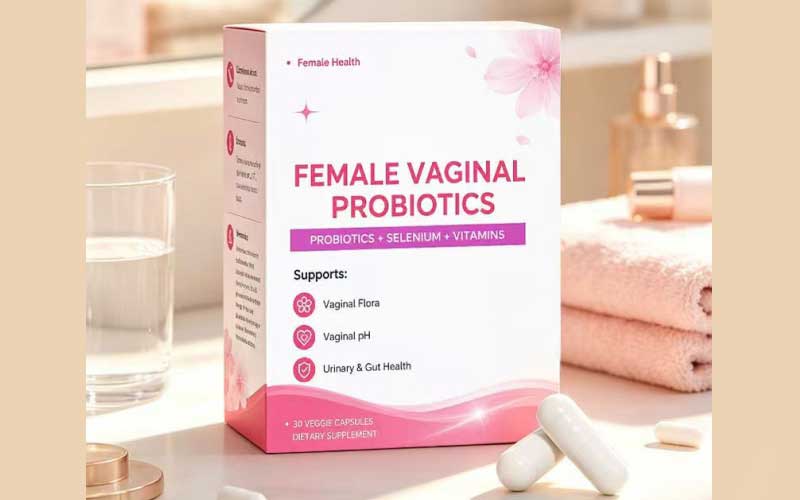
Women’s probiotics are entering a more demanding phase. A few years ago, a product could stand out with a large CFU number, a long strain list, and a general “for women” message. In 2026, that formula for differentiation is getting weaker. Consumers, retailers, and product teams are asking more specific questions: Which microorganisms are included, why were they selected, will they remain viable through shelf life, and is the product built around a real microbiome need rather than a generic digestive formula placed into women-focused packaging?
How Do You Select the Right Ingredient Forms for Dietary Supplement Formulation?
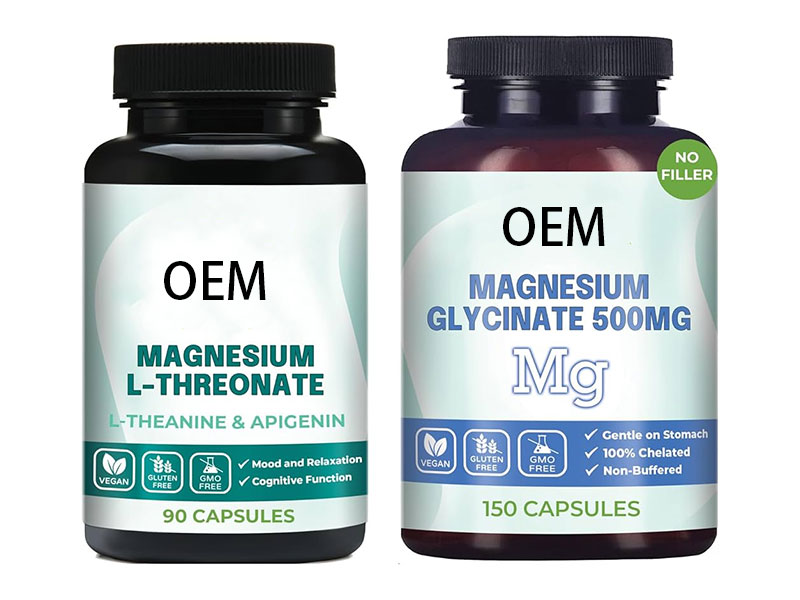
Choosing ingredients is only the beginning of supplement formulation. The more difficult decision often comes one step later: deciding which exact form of each ingredient should enter the formula. Magnesium can be supplied as oxide, citrate, glycinate, malate, chloride, and several other forms. Folate may be supplied as folic acid or 5-MTHF. Botanical ingredients may be whole powders, concentrated extracts, standardized extracts, or proprietary preparations. These choices can change the amount of raw material required, capsule count, taste, solubility, stability, manufacturing behavior, evidence relevance, finished-product cost, and even whether the original product concept remains practical.
What Are the Top Women’s Supplement Product Trends in 2026?
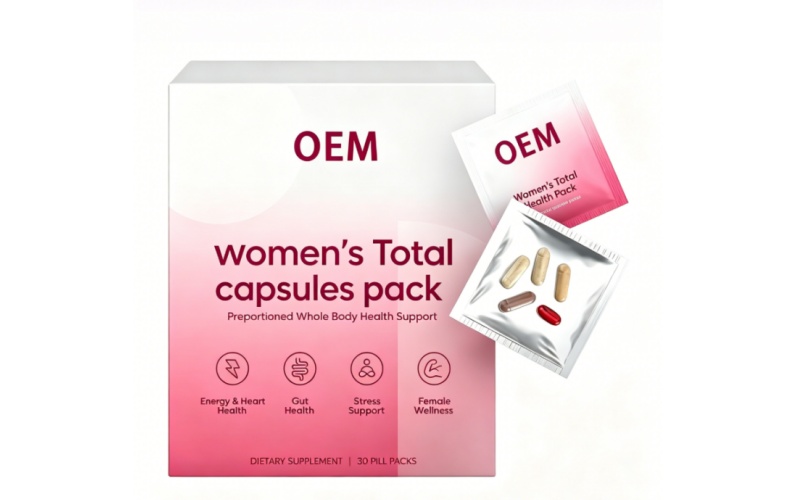
Women’s supplements are changing in a more meaningful way than simply adding another botanical to a multivitamin. The market is becoming more specific about life stage, more demanding about evidence, and more creative about the way products fit into everyday routines. A woman choosing a cycle-support gummy, an active woman taking creatine, a consumer preparing for pregnancy, and someone entering perimenopause may all shop in the same broad category, yet they expect very different formulas, formats, claims, and experiences.
Pumpkin Seed Oil in Women’s Hair Wellness Products: What Should Supplement Brands Know?

Pumpkin seed oil has moved from a traditional edible oil into a surprisingly visible hair wellness ingredient. Search results now place softgels, botanical capsules, scalp oils, serums, beauty formulas, and DHT-focused products side by side, which makes the category look simpler than it really is. The ingredient does have human research behind it, but the studies do not all test the same population, delivery route, formula, or endpoint. For a supplement brand, those differences matter because a topical study in women cannot automatically validate an oral softgel, and a multi-ingredient oral trial cannot prove that pumpkin seed oil alone produced the observed result. The practical opportunity is therefore not to make the loudest hair-loss promise, but to build a product whose ingredient story, serving format, quality specifications, and claims all match the available evidence.
How Do You Select Ingredients for a Dietary Supplement Formula?
A supplement formula can look excellent in a spreadsheet and still become a difficult product to manufacture. The problem usually appears after development moves beyond ingredient names. A mineral may require more space than the intended capsule serving allows. A botanical extract may bring intense bitterness, color variation, or sourcing concerns. A probiotic may fit the concept perfectly but introduce viability and storage questions. A high-value active may make sense scientifically while pushing the finished product far beyond its intended cost.
What Is Custom Dietary Supplement Formulation? From Idea to Market-Ready Product
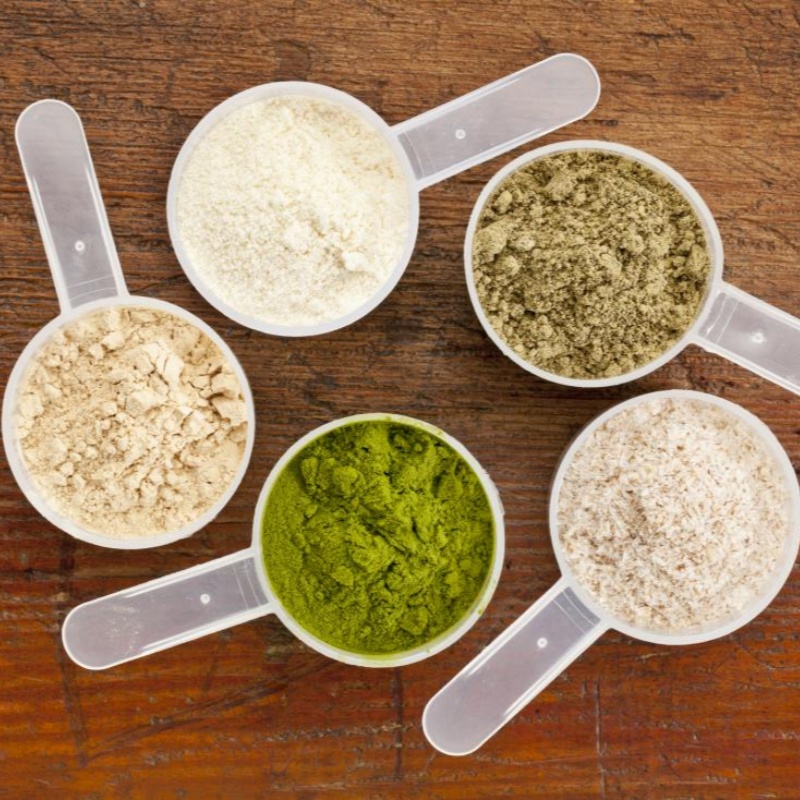
A finished supplement can look deceptively simple. Consumers see a bottle, jar, stick pack, gummy, capsule, or powder with an ingredient panel and a few lines explaining how to use it. Behind that finished product, however, are dozens of decisions involving ingredient forms, serving amounts, taste, solubility, stability, processing, cost, packaging, quality specifications, documentation, and manufacturing feasibility. A formula that looks impressive on a spreadsheet can become commercially difficult once those variables start interacting with one another.
Protein Coffee vs Traditional Protein Shakes: Which Is Better for Protein, Energy, and Everyday Nutrition?
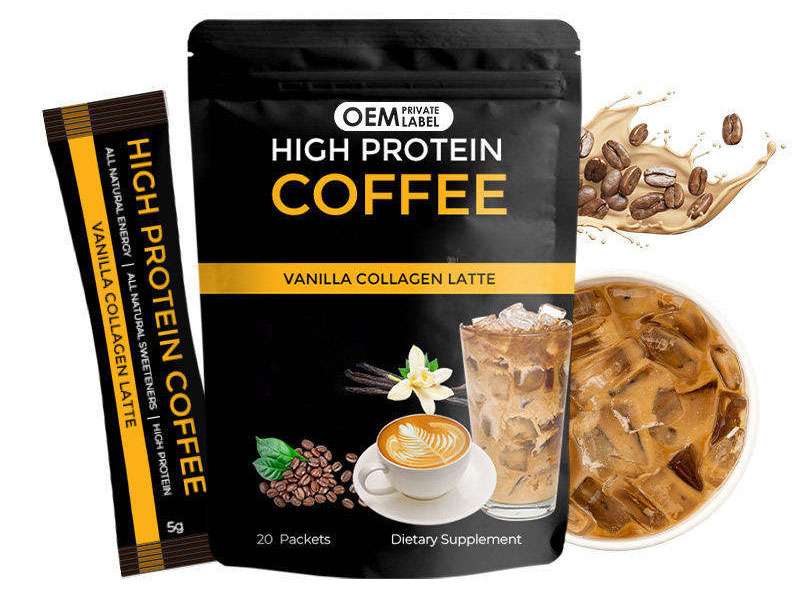
Protein coffee has moved beyond the simple social-media trick of pouring a bottled shake into iced coffee. It now sits at the intersection of two routines people already understand: drinking coffee for alertness and using protein-rich foods or supplements to support daily nutrition. That sounds straightforward, but the products can behave very differently. A light coffee drink with 10 grams of protein is not the same nutritional tool as a 30-gram shake, while a high-protein latte may contain enough protein to overlap directly with a conventional sports-nutrition drink. The real comparison is therefore about the job each beverage is designed to do, not the label on the front.
Prebiotic vs Probiotic vs Synbiotic: What’s the Difference and Which One Is Better?
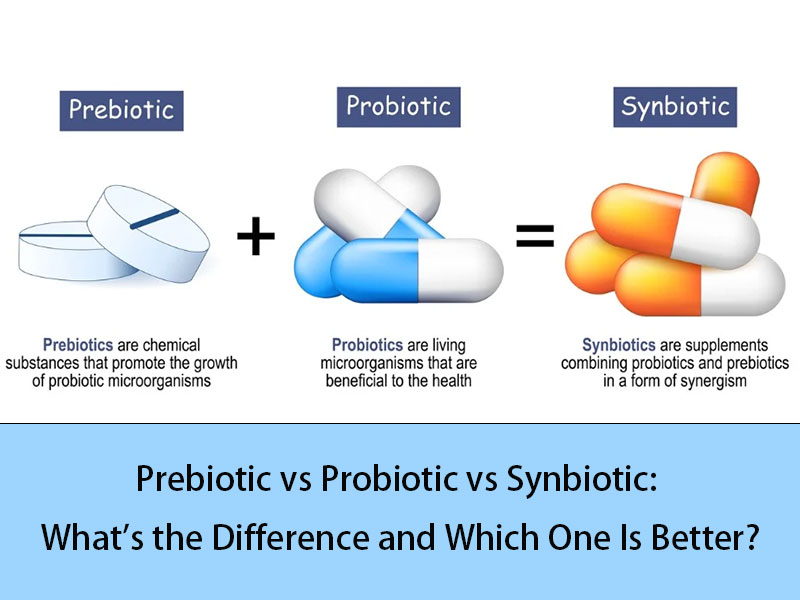
Gut-health products often look simple from the front of the bottle. One says “prebiotic,” another says “50 billion CFU probiotic,” and a third promises the convenience of a “synbiotic” formula. The temptation is to treat those words as a ranking system, with synbiotic automatically sitting at the top because it appears to combine the other two. In practice, the categories describe different approaches, and none of them is automatically the best choice. The important questions are what the product contains, how the ingredients are expected to work, whether the strain or substrate has relevant evidence, whether the serving is practical, and whether the finished product can maintain its intended quality through shelf life.
How to Develop a Multi-Ingredient Dietary Supplement Formula
The difficult part of developing a multi-ingredient dietary supplement is rarely finding interesting ingredients. The real challenge is making several ingredients work together at useful amounts while keeping the finished product practical to manufacture, pleasant enough to use, stable during storage, commercially sensible, and appropriate for the intended market. A formula that looks impressive in a spreadsheet can quickly become difficult when capsule count doubles, a botanical creates bitterness, a mineral raises serving weight, or a premium raw material pushes the product beyond its target cost.
How to Develop a Capsule Dietary Supplement Formula

A capsule supplement often begins with what looks like a straightforward idea: choose several promising ingredients, decide how many milligrams of each one to use, put them into a capsule, and prepare the label. In practice, the ingredient list is only the beginning. A formula that looks excellent in a spreadsheet may occupy too much physical volume, separate during blending, absorb moisture, flow poorly through filling equipment, require an inconvenient number of capsules per serving, or become too expensive once testing, packaging, and commercial production are considered.
How to Develop a Weight Management Dietary Supplement
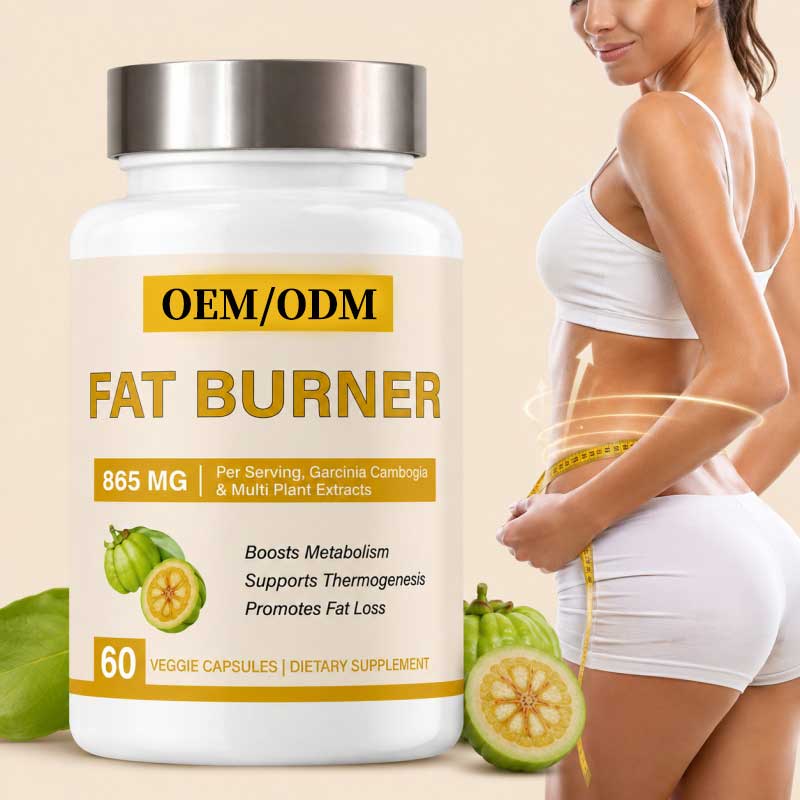
Weight management is one of the easiest supplement categories to misunderstand during product development. At first glance, the brief may sound simple: choose several ingredients associated with metabolism or appetite, place them in capsules or powder, design attractive packaging, and bring the product to market. In practice, the difficult work starts long before manufacturing. A credible product has to connect the intended consumer, mechanism, ingredient evidence, dose, dosage form, safety profile, claims, sensory performance, production process, packaging, and target-market requirements into one workable system.
How Do You Develop a Sugar-Free Electrolyte Formula?
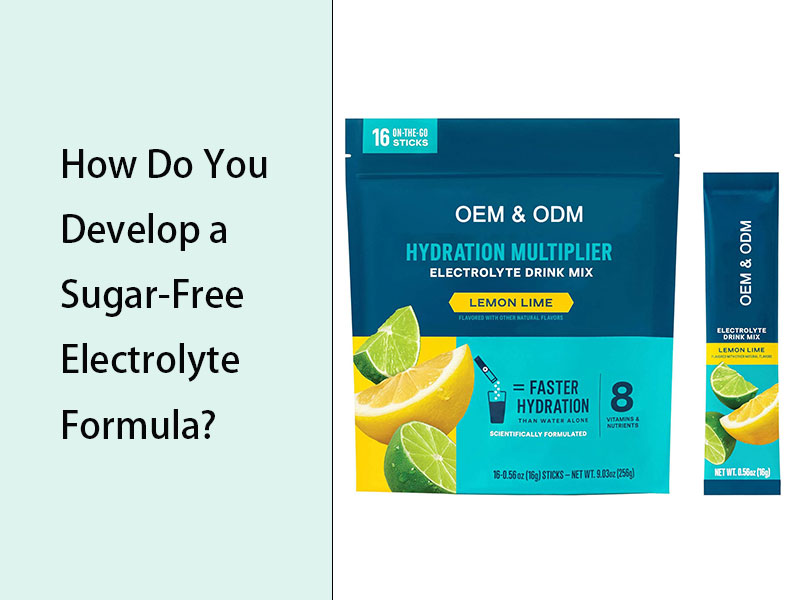
A sugar-free electrolyte formula looks simple on a finished label, yet the development work behind it is rarely simple. Removing sugar changes more than sweetness. Sodium becomes easier to taste, potassium bitterness becomes more obvious, some magnesium sources can affect mouthfeel or dissolution, and a high mineral load can quickly consume the space available in a compact stick pack. The product also has to make sense at a real drinking volume, survive storage, run through production equipment, and support the claims printed on the finished package.