
How to Develop a Beauty Dietary Supplement
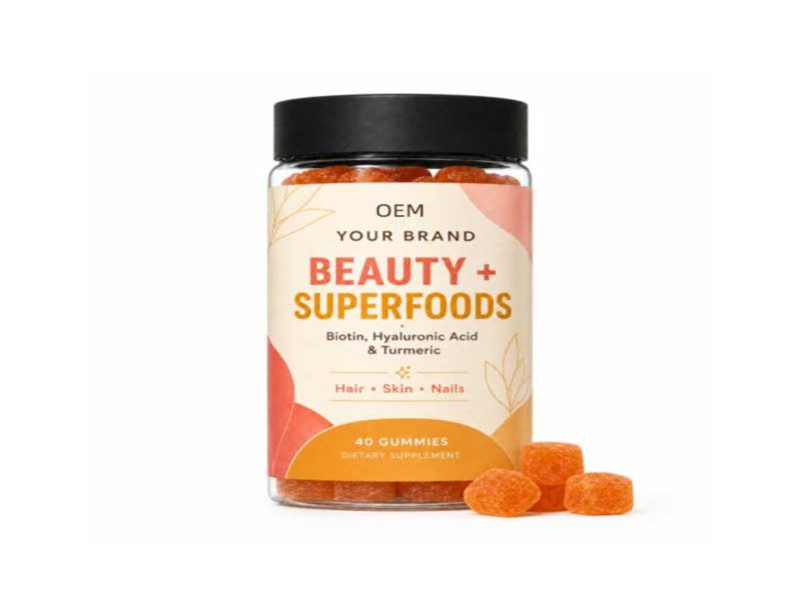
Beauty supplements often look simple from the outside. Pick collagen, biotin, hyaluronic acid, glutathione, or a few fashionable antioxidants, put them into a powder, capsule, or gummy, design attractive packaging, and launch. In practice, this is exactly where expensive mistakes begin. A commercially successful beauty supplement has to satisfy several things at once: consumers must understand the benefit, the formula must be technically workable, the serving size has to be practical, the taste or swallowing experience must be acceptable, the product must remain stable, the package must protect it, and the claims need to make sense in the intended market.
What Are the Key Milk Thistle Supplement Product Trends in 2026?
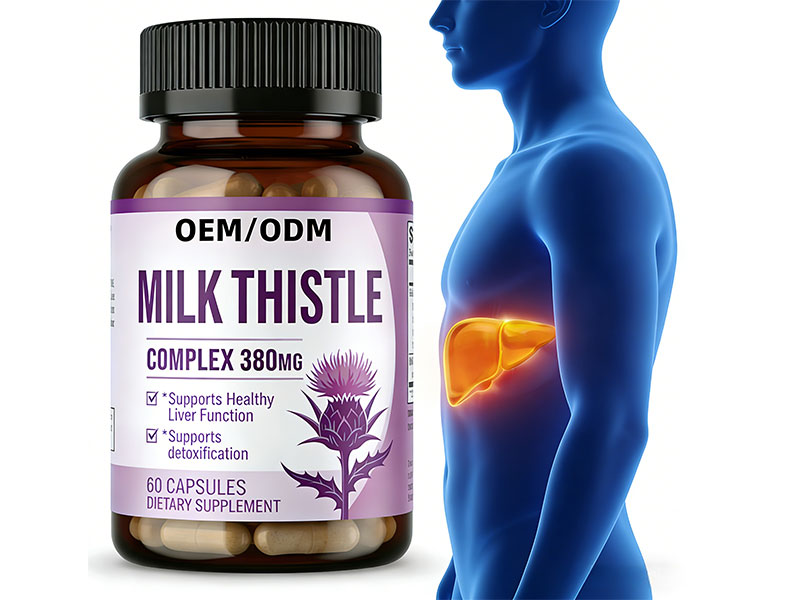
Milk thistle is not a new botanical, but the product category around it is changing quickly. In 2026, the most interesting movement is not a sudden discovery of Silybum marianum. It is the way brands are rebuilding a familiar ingredient around more precise extract specifications, standardized silymarin, combination formulas, modern dosage forms, better testing, and a broader everyday wellness story. The Vitamin Shoppe reported that searches for “liver health” on its website had risen nearly 700% during the year, while liver-cleanse sales had almost doubled, showing that the consumer conversation around this category is becoming more visible and more commercially important.
Mushroom Coffee Product Trends: What Is Shaping Formulas, Formats, and Brand Innovation in 2026?
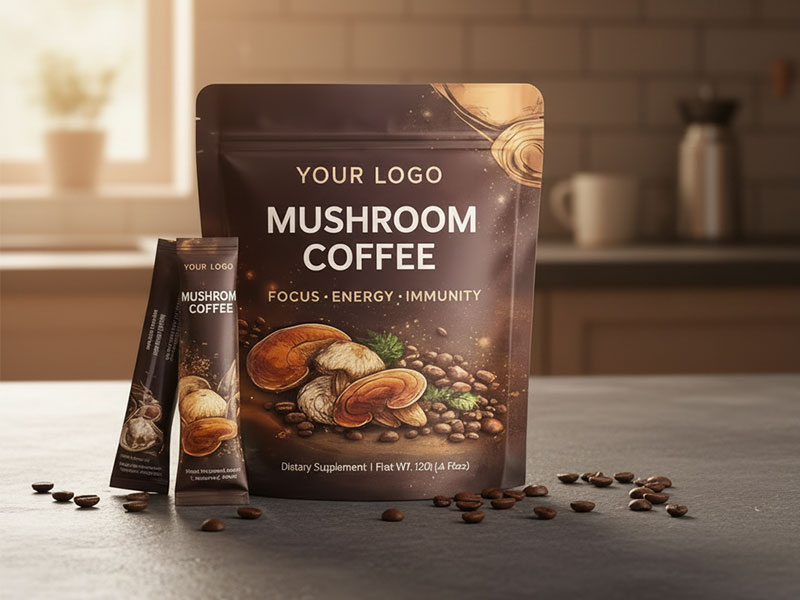
Mushroom coffee is no longer interesting simply because it contains mushrooms. The category has moved into a more demanding phase where a product has to compete on the same things that decide the future of any daily beverage: taste, convenience, price, ingredient credibility, repeat-use experience, and a clear reason to choose it over ordinary coffee. That shift matters for brands because novelty can generate a first click or first order, but it rarely carries a product through subscriptions, retail shelves, repeat purchase, and large-scale replenishment on its own.
Beauty Dietary Supplement Packaging: Which Formats, Materials, and Designs Work Best?
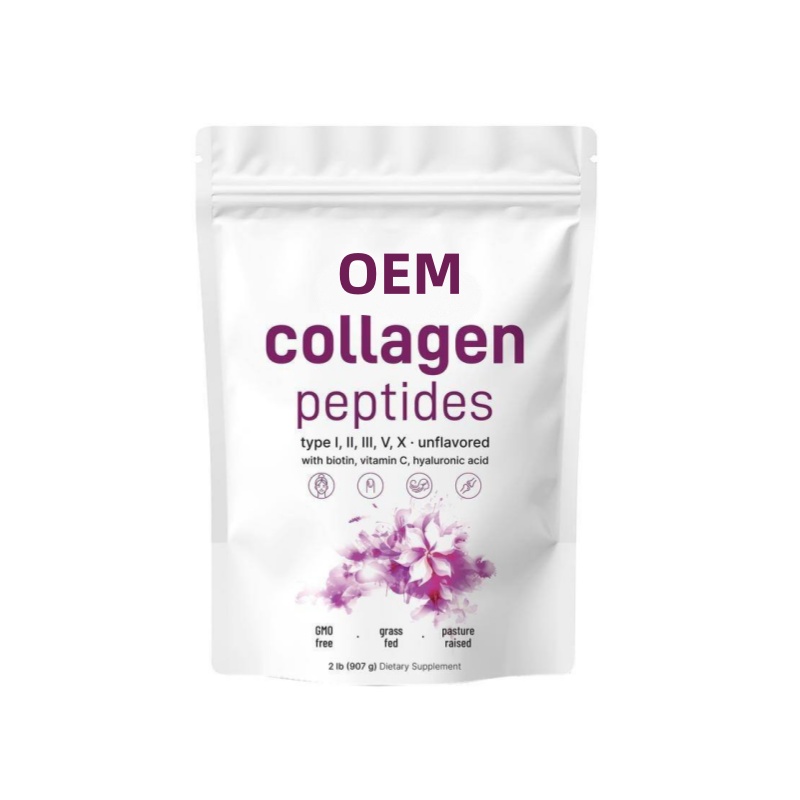
Beauty supplements have a packaging problem that ordinary vitamins do not always face. A collagen powder, skin-support gummy, glutathione capsule, beauty drink, or healthy-aging formula has to perform like a dietary supplement while often looking closer to skincare, prestige wellness, or personal-care products. The package must protect the formula, survive filling and shipping, support compliant labeling, fit the consumer’s daily routine, and still create enough visual value to justify its position on the shelf or online.
How Is Protein Coffee Formulated? Protein Selection, Solubility, Flavor, Caffeine, and Manufacturing
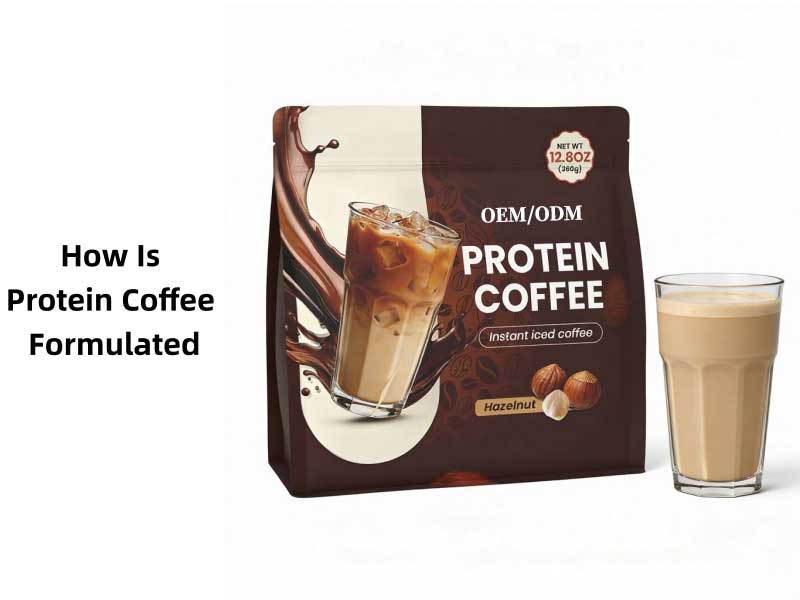
Protein coffee looks simple because the consumer sees only one scoop, one stick pack, or one cup. Behind that convenience, however, several ingredients with very different behaviors have to cooperate. Coffee brings aroma, bitterness, acidity, color, and naturally occurring caffeine. Protein brings nutrition but also changes body, foam, sediment, heat response, and the way flavors are perceived. Sweeteners and flavor systems have to soften harsh edges without turning the drink into a dessert, while the powder still needs to flow through equipment, stay dry in its package, and reproduce the approved sample across commercial batches.
Fiber Gummies vs Powder vs Liquid Fiber: Which Format Is Best?
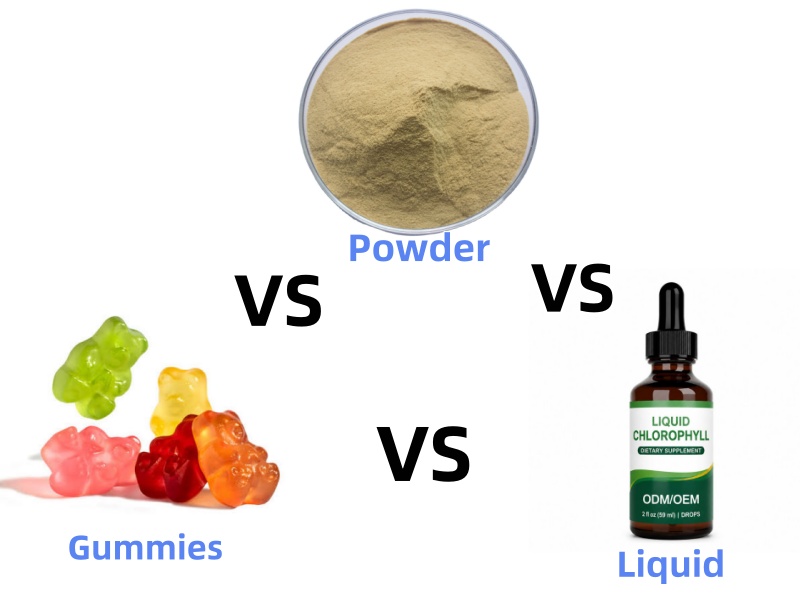
Fiber used to be one of the least glamorous corners of the supplement aisle, but that has changed. Consumers can now choose fruit-flavored gummies, scoopable powders, stick packs, concentrated liquids, and gut-health blends that combine fiber with prebiotics or other ingredients. The choice looks simple until you compare what each format can realistically deliver. A gummy has to remain pleasant to chew, a powder has to disperse without becoming an unpleasant sludge, and a liquid has to stay stable in water for months. Those practical differences affect dose, taste, cost, packaging, and whether people will actually keep using the product after the first week.
How to Develop a Protein Dietary Supplement
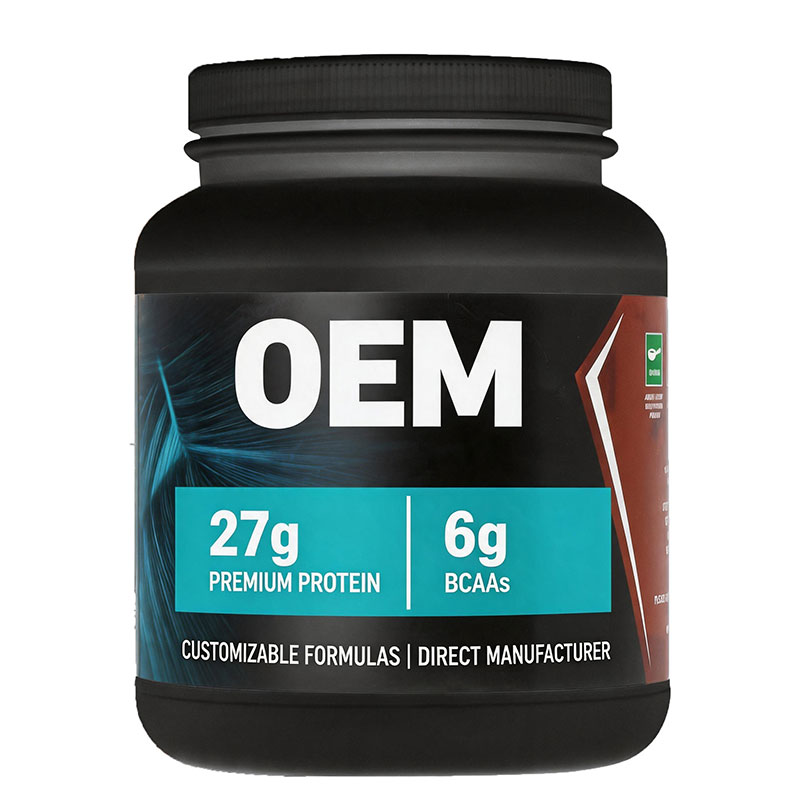
Developing a protein dietary supplement can look deceptively simple from the outside. Choose a protein source, decide how many grams should appear on the label, add chocolate or vanilla flavor, select a tub, and start production. In practice, protein products are among the powder supplements where relatively small formulation decisions can have a very visible effect on the consumer experience. Protein source, serving weight, particle characteristics, sweetness, flavor masking, powder density, moisture sensitivity, packaging, and manufacturing conditions all interact. A formula that looks attractive in a spreadsheet can become excessively thick, chalky, difficult to disperse, expensive to manufacture, or inconsistent when production is scaled.
How Are Creatine Gummies Formulated? A Practical Guide to Dose, Gummy Matrix, Stability, and Manufacturing

Creatine gummies look simple from the outside: a flavored chew that delivers an ingredient consumers already know from powders and sports-nutrition products. Formulating one well is much harder. Creatine is usually discussed at gram-level daily amounts, while a gummy must also reserve enough room for its gel network, sweetener system, water, acid, flavor, and processing aids. The product then has to survive mixing, depositing, conditioning, packaging, warehousing, and distribution without losing the texture, dose consistency, or active-content specification that the brand approved.
How to Develop a Men’s Wellness Dietary Supplement
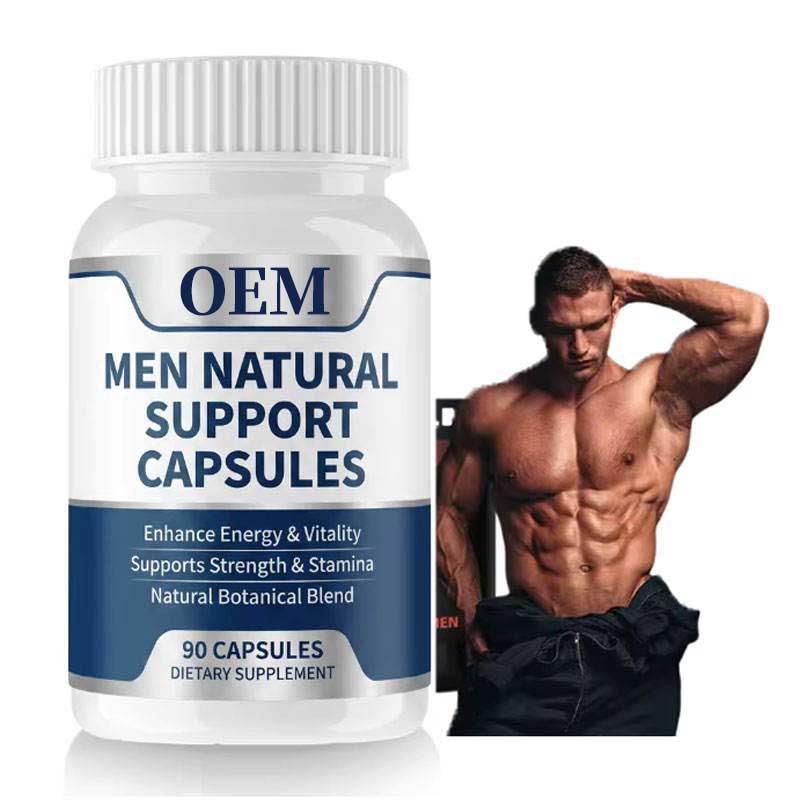
Men’s wellness is one of those supplement categories that looks straightforward until product development actually begins. It is easy to put zinc, magnesium, botanical extracts, vitamins, amino acids, and a few fashionable ingredients into a concept presentation and call the result a men’s health formula. The harder work begins when someone asks whether those ingredients fit the same consumer need, whether the proposed amounts can fit into the intended serving, whether the formula will taste acceptable, whether the raw materials can be sourced consistently, and whether the finished product can be manufactured repeatedly at commercial scale.
How Are Liquid Fiber Supplements Formulated? A Guide to Fiber Selection, Viscosity, Stability, and Scale-Up
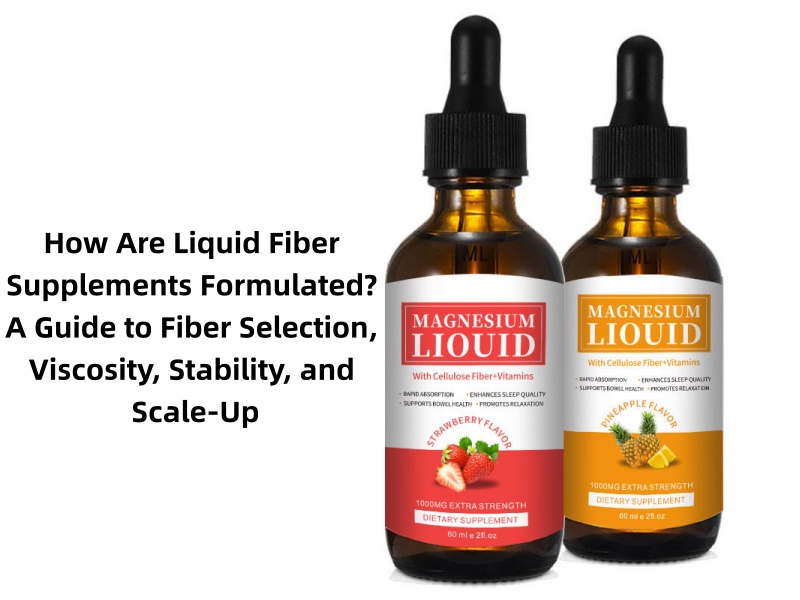
A liquid fiber supplement can look almost effortless on a shelf: a small bottle, shot, or pouch with a simple promise of several grams of fiber in a convenient serving. Behind that simple format is a difficult formulation problem. Fiber changes water. Some fibers dissolve with little visible effect, while others swell, bind water, thicken rapidly, form gels, create haze, or continue hydrating long after mixing. Once flavor, acids, minerals, heat processing, packaging, and shelf-life expectations are added, the product becomes a balancing act rather than a matter of stirring fiber into water.
How to Develop a Functional Coffee Dietary Supplement: From Formula to Commercial Production
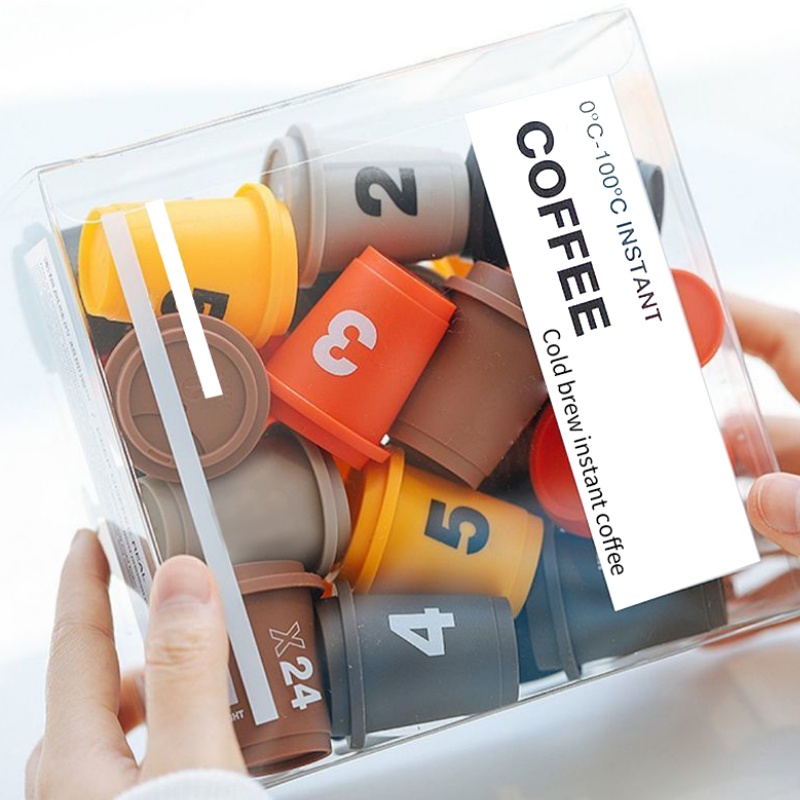
Functional coffee looks deceptively easy to develop. Start with instant coffee, add Lion’s Mane, adaptogens, collagen, vitamins, fiber, MCT powder, or another fashionable ingredient, choose an attractive package, and the product seems ready for market. In real development work, however, every ingredient changes something. It may increase bitterness, alter caffeine exposure, create sediment, increase serving weight, absorb moisture, raise the cost per serving, complicate testing, or affect what can reasonably appear on the finished label.
What Functional Beverage Supplement Trends Are Shaping 2026?
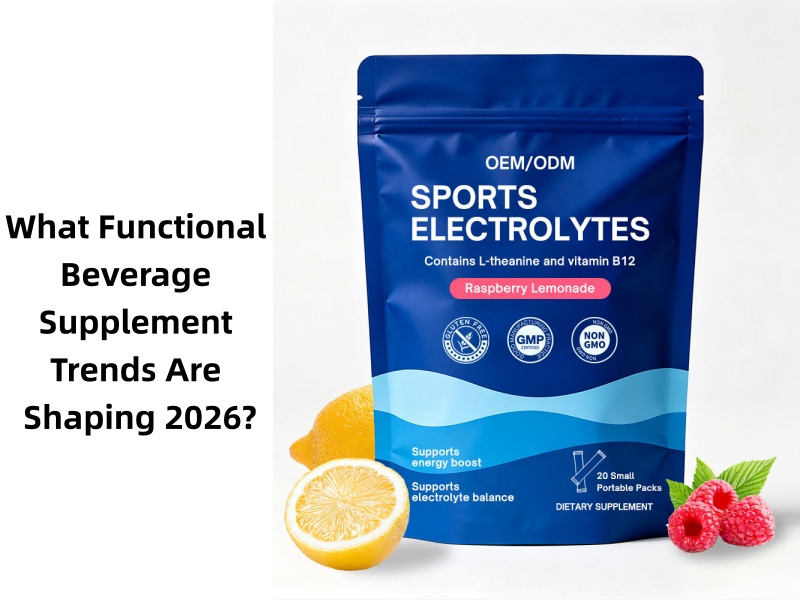
Functional beverages are entering a more demanding phase in 2026. Adding a vitamin blend to water or placing one fashionable botanical on the front of a can is no longer enough to create meaningful differentiation. Consumers are paying more attention to what a beverage actually does, when it should be used, how much sugar it contains, whether the ingredient story makes sense, and whether the product fits naturally into a routine they can repeat. The strongest concepts are becoming more specific, with clear occasions such as morning energy, daily hydration, workout recovery, afternoon focus, digestive support, or evening relaxation rather than broad promises of “wellness.”