Skip to content

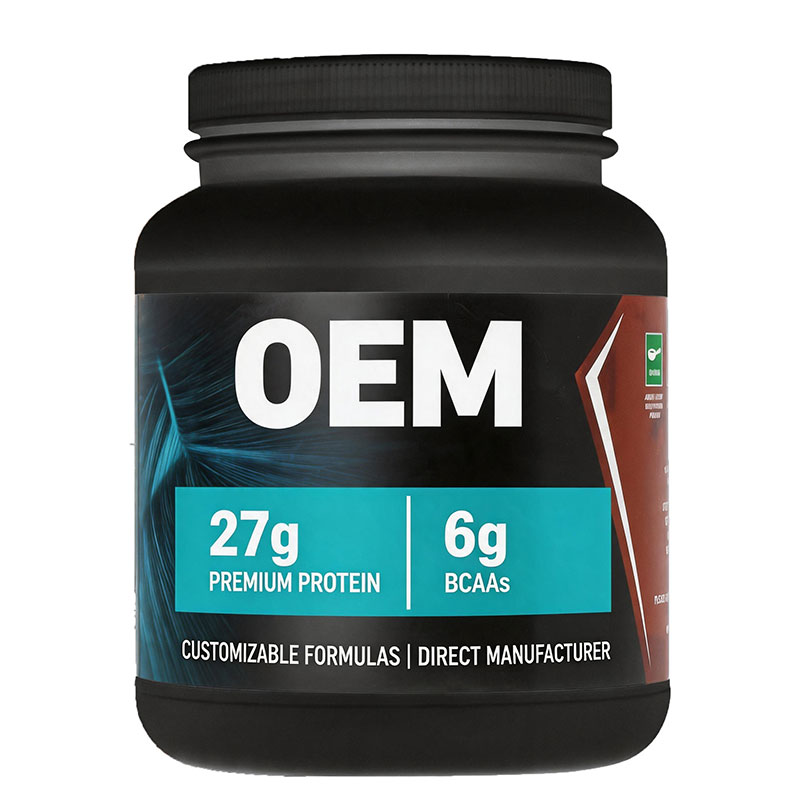
Developing a protein dietary supplement can look deceptively simple from the outside. Choose a protein source, decide how many grams should appear on the label, add chocolate or vanilla flavor, select a tub, and start production. In practice, protein products are among the powder supplements where relatively small formulation decisions can have a very visible effect on the consumer experience. Protein source, serving weight, particle characteristics, sweetness, flavor masking, powder density, moisture sensitivity, packaging, and manufacturing conditions all interact. A formula that looks attractive in a spreadsheet can become excessively thick, chalky, difficult to disperse, expensive to manufacture, or inconsistent when production is scaled.
To develop a protein dietary supplement, first define the consumer, target market, protein target, product positioning, serving format, cost structure, and packaging direction. Then select suitable protein sources, build the complete formula, create and compare prototypes, optimize flavor and powder performance, establish production specifications, complete appropriate testing, confirm labeling and packaging requirements, and prepare the product for repeatable commercial manufacturing.
The most important word in the process is develop. A commercially successful protein supplement is not simply a combination of ingredients. It is a product system that must work from the first raw-material purchase through blending, filling, storage, shipping, consumer preparation, and future reorders. Many costly protein projects do not fail because the original idea was poor; they fail because critical decisions about taste, serving size, material specifications, scale-up, packaging, or repeatability were postponed until too late. Understanding those decisions before bulk production can save months of reformulation and unnecessary expense.
What Should You Define Before Development?
A protein supplement should be commercially defined before detailed formulation begins. Clarify the target consumer, intended use, market, sales channel, protein target, dietary positioning, flavor direction, serving size, cost range, packaging format, and expected production scale. These decisions determine which protein sources are appropriate, how complex the formulation needs to be, and whether the finished product can meet both consumer expectations and commercial requirements.
Who Is the Target Consumer?
The first useful development question is not which protein ingredient to purchase. It is who will use the product, what they expect from it, and how it will fit into their daily routine. A post-workout protein powder, an everyday wellness shake, a vegan protein blend, and a protein supplement developed for active older adults may all belong to the same broad category, but they should not automatically use the same formula structure, serving size, texture, sweetness level, or supporting ingredients.
A performance-oriented consumer may expect a relatively high amount of protein in each serving, a straightforward preparation method, familiar sports-nutrition flavors, and a formula that mixes quickly in cold water. A general wellness consumer may care more about smooth mouthfeel, moderate sweetness, manageable serving size, low sugar, digestive comfort, or complementary vitamins and minerals. A plant-based consumer may prioritize vegan ingredient sources and dairy-free positioning even when those requirements make flavor and texture optimization more demanding.
The use occasion also matters. A powder designed to be mixed with approximately 250–350 mL of cold water needs a different sensory balance from one intended for smoothies, milk, coffee, or breakfast foods. Sweetness, thickness, aroma, and aftertaste change with dilution, temperature, and preparation method. Product developers should test the formula in the way consumers are most likely to prepare it rather than relying on an easier laboratory preparation that produces a better tasting but unrealistic result.
A useful product brief should therefore define the consumer in practical terms before formulation begins. Important points include:
- Primary age and lifestyle group
- Main use occasion
- Expected protein intake per serving
- Preferred dietary positioning
- Flavor expectations
- Sensitivity to sweetness
- Expected preparation method
- Daily or occasional use
- Acceptable retail price
- Expected repeat-purchase behavior
A technically acceptable powder can still perform poorly in the market if it does not match the people expected to use it. Clear consumer definition gives every later formulation decision a practical reference point.
Which Market and Sales Channel Are You Targeting?
The target market and sales channel influence the product almost as much as the ingredients. A protein supplement developed for large retail distribution faces different commercial pressures from one developed for a premium direct-to-consumer brand, gym chain, pharmacy channel, marketplace seller, or regional distributor. The protein may be similar, but package size, serving count, price structure, label layout, flavor range, inventory planning, and production volume can be very different.
Large retail programs usually place greater emphasis on dependable supply, predictable landed cost, batch consistency, stable packaging, and long-term production planning. Premium online brands may accept more expensive protein grades, specialty flavors, or supporting ingredients when those choices create a noticeable difference in consumer experience. E-commerce products also have to consider shipping weight, package durability, leakage, empty container volume, and dimensional shipping costs because these factors directly affect operating margins.
The target country should be established at the same stage. Ingredient acceptability, nutrition labeling, allergen declarations, claims, package language, documentation, and import requirements can differ across markets. It is far easier to design the formula and packaging around the intended market from the beginning than to reformulate or redesign artwork after commercial packaging has already been printed.
The following figures are useful as planning references for many mainstream powder projects, although the final specification should always be determined by the intended product rather than copied from competitors.
| Development Item | Common Planning Range | Main Impact |
| Protein per serving | About 20–30 g | Formula load and positioning |
| Total powder serving | About 28–45 g | Scoop size and package volume |
| Mixing liquid | About 250–400 mL | Sweetness and drinkability |
| Servings per container | Often 20–30 | Package economics |
| Added sugar target | Product-specific, often 0–5 g | Sweetener strategy |
| Initial flavor count | Commonly 1–3 | Inventory complexity |
| Prototype rounds | Often 2–5 | Development schedule |
| Shelf-life target | Frequently 18–24 months | Stability and packaging plan |
These ranges are not universal standards. Their value is that they force the development team to turn general ideas into measurable product requirements before expensive decisions are made.
What Product Positioning Do You Need?
Product positioning needs to be specific enough that formulation teams can make choices from it. Terms such as “premium protein,” “clean protein,” or “high-quality sports nutrition” may sound good in a meeting, but they do not tell a formulator what should happen when two ingredients create competing benefits. A useful positioning statement defines the intended consumer experience and establishes which performance characteristics matter most.
For example, a brand might define its product as a 25-gram dairy-based protein powder with low sugar, moderate sweetness, smooth mouthfeel, simple ingredients, and a rich chocolate profile. Another may want a vegan formula based on pea and rice protein with restrained sweetness, no dairy ingredients, and a lighter texture suitable for daily use. These descriptions provide enough direction to make trade-offs during development.
Every protein project eventually faces compromises. It is difficult to maximize protein density, minimize serving size, use only highly recognizable ingredients, achieve an extremely smooth texture, include numerous functional ingredients, keep costs low, and deliver a strong natural flavor profile at the same time. A successful project decides which characteristics are essential and which are flexible.
A sports-oriented formula may prioritize protein density, familiar taste, easy preparation, and competitive cost per serving. A premium plant formula may give more weight to vegan positioning, reduced vegetal aftertaste, cleaner mouthfeel, and carefully selected protein sources. An active-aging protein may prioritize manageable serving size, pleasant everyday flavor, digestibility, and repeat-use convenience rather than pursuing the largest possible protein number on the front panel.
Clear positioning also makes sensory testing more useful. Instead of simply asking whether a sample tastes good, the development team can ask whether it matches the product that was originally defined.
Do You Need a Custom or Existing Formula?
An existing or mature formula can be a sensible development route when the priority is faster commercialization, predictable ingredient sourcing, established manufacturing parameters, and reduced technical complexity. These formulas may still allow adjustments to flavor, sweetness, packaging, serving size, or selected supporting ingredients without rebuilding the entire protein system from the beginning.
A fully customized formula becomes more appropriate when a brand requires a specific protein combination, unusual protein target, unique sensory profile, competitor benchmark, particular dietary positioning, functional ingredient system, ingredient exclusion, or cost structure. Deeper customization usually brings more opportunities for differentiation, but it also creates more variables that must be sourced, sampled, documented, tested, purchased, and reproduced later.
It is also useful to distinguish light customization from true formulation development. Changing vanilla to chocolate is different from replacing whey concentrate with isolate, creating a pea-rice protein blend, reducing carbohydrates, adding fiber, changing the sweetener system, and rebuilding the entire flavor profile. Those changes affect nutritional composition, powder behavior, raw-material sourcing, label calculations, serving size, cost, and manufacturing parameters.
The best approach depends on how much differentiation customers will actually notice and value. A mature formula can outperform a poorly planned custom product, while a thoughtful custom formula can create stronger long-term brand value when the differentiation is meaningful. Complexity should therefore be added only when it improves the finished product rather than simply making the ingredient list longer.
Which Protein Source Should You Choose?
The right protein source depends on nutritional goals, amino-acid profile, target consumer, allergen requirements, flavor, texture, solubility, ingredient specification, supply stability, and cost. Whey is suitable for many sports-nutrition products, while pea, rice, soy, and blended plant proteins support different dietary positions. The strongest choice is the protein that performs reliably in the complete formula and remains practical for repeated commercial production.
Is Whey Concentrate or Whey Isolate a Better Fit?
Whey concentrate and whey isolate are often presented as though isolate is automatically the better ingredient. In real product development, the decision is more nuanced. A typical commercial whey protein concentrate sold as WPC80 may contain around 80% protein, while many whey protein isolates are specified around 90% protein on a dry basis. Exact values vary by grade and supplier, so the approved material specification should always be used for calculations.
Whey isolate can be attractive when a brand wants high protein density, relatively low lactose, or more formulation space within a compact serving. Whey concentrate may be commercially attractive when cost, creamier dairy characteristics, and mainstream sports positioning matter. Blends of concentrate and isolate are also common because they can help balance protein concentration, sensory performance, and finished-product cost.
The ingredient name alone does not predict finished-product quality. Two whey isolates with similar protein specifications can behave differently because of processing conditions, instantization, particle characteristics, lecithination, heat exposure, fat content, aroma, and supplier production methods. These differences can influence foam, dispersibility, flavor masking, color, texture, and aftertaste.
For this reason, protein approval should include bench testing rather than specification review alone. A material with a slightly lower protein concentration may produce a noticeably smoother and more consumer-friendly formula, while another protein with excellent analytical numbers may require significantly more flavor and sweetener to become acceptable.
The right choice is therefore not necessarily the most concentrated or most expensive protein. It is the one that allows the complete product to meet its nutritional, sensory, manufacturing, and cost targets consistently.
Are Plant Proteins Right for the Formula?
Plant proteins have become established formulation platforms rather than secondary alternatives used only when dairy protein cannot be used. Pea, rice, soy, and multi-source plant blends can support vegan, dairy-free, or plant-focused positioning, but they frequently require more sensory development because the protein ingredients themselves may contribute noticeable aroma, bitterness, dryness, graininess, or earthy notes.
Pea protein is widely used because it works well as a primary protein source in many vegan products. Different commercial grades, however, can vary significantly in flavor and mouthfeel. Rice protein can complement pea protein and help create a broader plant-based protein story, although some grades can contribute graininess or sediment. Soy protein isolate can provide relatively high protein concentration and useful functionality, but soy allergen considerations and market positioning influence whether it is appropriate for a particular brand.
The difference between protein suppliers can be large enough that ingredient screening should happen before the development team concludes that a particular protein category is unsuitable. A cleaner-tasting pea protein may require substantially less flavor masking than a lower-cost grade, and that sensory improvement can offset part of the raw-material price difference.
Typical commercial specifications vary, so the following ranges should be treated only as indicative planning references.
| Protein Source | Approximate Commercial Protein Range* | Common Advantage | Common Challenge |
| Whey concentrate WPC80 | ~75–82% | Familiar taste and sports positioning | Dairy allergen, lactose/fat |
| Whey isolate | ~85–92%+ | High protein density | Higher cost and possible foam |
| Pea protein isolate | ~78–85% | Vegan positioning | Earthy notes and dryness |
| Soy protein isolate | ~85–92% | High protein concentration | Soy allergen and characteristic flavor |
| Rice protein | ~70–85% | Useful in plant blends | Graininess and sediment |
| Plant protein blend | Formula-dependent | Flexible nutrition and positioning | More complex sensory optimization |
*Actual protein content and specifications should always be confirmed from approved supplier documentation.
Plant protein development becomes much easier when several suppliers are screened early. A protein that looks slightly more expensive per kilogram may become the lower-cost formulation once flavor usage, sweetener requirements, consumer acceptance, and complaint risk are considered.
Which Plant Proteins Can Be Blended?
Protein blending can be useful when a single plant source does not provide the desired nutritional, sensory, or commercial profile. Pea and rice are commonly considered together because they create familiar vegan positioning and can provide a broader amino-acid profile than relying on only one source. Other plant proteins may be incorporated depending on target market, sensory goals, sourcing, allergen considerations, and the overall brand concept.
More protein sources do not automatically create a better formula. Every added protein introduces another flavor signature, particle profile, water interaction, density, specification, supplier, lead time, and purchasing requirement. A four-protein formula can sound sophisticated in marketing copy while becoming unnecessarily difficult to flavor and manufacture.
The useful approach is to evaluate several ratios experimentally. Development teams can prepare a dominant-pea formula, a more balanced pea-rice blend, and one or two alternative combinations while keeping sweetness, flavor, serving weight, and preparation conditions as consistent as possible. Blind sensory comparison then provides practical evidence for selecting the protein system.
Evaluation should include more than overall taste. Important characteristics include bitterness, graininess, dryness, thickness, sediment, aroma, aftertaste, color, foam, and changes after the mixed product has been standing for several minutes. A blend that tastes acceptable immediately may develop a stronger aftertaste or heavier sediment after five or ten minutes.
The nutritional story matters, but consumers experience the product through repeated drinking. A slightly simpler protein blend that tastes better every day can create more commercial value than a technically impressive blend that consumers struggle to finish.
How Do Allergens, Cost, and Supply Affect the Choice?
Protein selection is also a supply-chain decision. The chosen ingredient needs to remain available at the required volume, quality, price, and documentation level after the first production run. A technically excellent material can become a commercial problem if lead times are long, supplier capacity is limited, sensory characteristics vary substantially between batches, or required documentation is incomplete.
Protein qualification should therefore consider more than the protein percentage. Relevant areas often include the ingredient specification, microbiological limits, allergen information, storage conditions, shelf life, sensory profile, country of origin where relevant, supplier lead time, minimum purchase requirement, annual availability, and documented batch consistency.
Allergen considerations are particularly important. Whey and other dairy proteins introduce milk-allergen requirements in markets such as the United States, while soy protein introduces soy considerations. Flavor systems and minor ingredients also need to be reviewed rather than assuming allergen exposure comes only from the main protein source.
Cost should be calculated per finished serving rather than simply per kilogram of raw material. A protein priced 10% lower may need a higher inclusion rate, stronger flavor system, more sweetener, additional mouthfeel correction, or a larger total serving. These additions can reduce or eliminate the apparent saving.
The opposite can also be true. Paying more for a cleaner-tasting or higher-density protein may make commercial sense if it reduces flavor load, improves mouthfeel, simplifies the formula, or supports a smaller serving. The lowest-cost raw material is not always the lowest-cost finished product.

How Do You Build the Protein Formula?
A protein formula should be designed backward from the finished serving. Establish the protein target first, calculate the necessary amount of each protein ingredient from its verified specification, and then allocate the remaining serving weight to flavors, sweeteners, functional ingredients, texture components, and processing aids. Every addition should be evaluated for its effect on nutrition, taste, serving size, cost, stability, labeling, and commercial manufacturability.
How Much Protein Should Each Serving Provide?
Protein quantity is one of the most important product-defining variables because it affects the nutritional profile, serving size, mouthfeel, flavor intensity, ingredient cost, scoop dimensions, container volume, and shipping economics. Many mainstream sports protein products fall somewhere around 20–30 grams of protein per serving, although lower and higher levels can both be appropriate depending on the intended consumer and use occasion.
The raw-material calculation needs careful attention because the weight of protein ingredient added to the formula is not the same as the amount of protein delivered. If a protein ingredient is specified at 80% protein, a simplified calculation shows that 25 grams of the ingredient contributes approximately 20 grams of protein. Real commercial calculations should use the approved specification for the actual raw material and be aligned with the finished-product labeling and testing approach.
Increasing the protein target usually creates downstream effects. More protein may increase total powder volume, strengthen raw-material flavor, reduce room for cocoa or other flavor solids, increase perceived dryness, require more liquid for acceptable texture, enlarge the scoop, and increase package size. These consequences are especially noticeable in plant protein formulas where the protein base often contributes more sensory character.
The strongest product is therefore not necessarily the one with the highest number on the front label. The goal is to choose a protein level that provides meaningful nutritional value while still allowing the finished serving to taste good, mix properly, fit the intended package, and remain economically sustainable.
Which Supporting Ingredients Should Be Added?
Supporting ingredients can strengthen a protein concept when they have a clear purpose, but unnecessary additions can make formulation much harder. Common additions include amino acids, creatine, electrolytes, vitamins, minerals, digestive enzymes, fiber, probiotics, carbohydrates, botanical extracts, collagen, and other sports-nutrition or wellness ingredients.
Each supporting ingredient brings more than a marketing benefit. Minerals may introduce metallic, salty, or bitter notes. Fiber may make the finished drink noticeably thicker and can alter powder flow. Botanical ingredients can change color, aroma, and bitterness. Creatine increases serving mass, while vitamins and minerals can introduce low-dose blending challenges. Some ingredients are more moisture-sensitive than the protein base and therefore change the packaging or stability requirements.
A useful formulation question is not simply what else can be added. It is whether the ingredient supports the core product concept strongly enough to justify its technical and commercial consequences. The development team should consider whether the intended inclusion level is meaningful, whether the ingredient fits the serving size, whether consumers will understand its role, and whether it complicates flavor, sourcing, labeling, or testing.
Multi-benefit formulas require particular discipline. A protein powder containing greens, probiotics, vitamins, minerals, adaptogens, enzymes, fiber, and sports ingredients may look impressive on a concept board but become excessively large, bitter, expensive, or difficult to explain. Strong formulation often requires removing ingredients that do not contribute enough value rather than continuously adding more.
How Do Sweeteners and Flavors Affect the Formula?
Flavor is not an accessory added after the nutritional formula has been completed. In protein products, flavor, sweetness, mouthfeel, and the protein base must be developed together because the protein itself contributes aroma, texture, bitterness, dryness, and aftertaste.
Chocolate, vanilla, strawberry, coffee, cereal, caramel, and other flavor systems can behave very differently depending on whether the base is whey concentrate, whey isolate, pea protein, rice protein, or a plant blend. A chocolate flavor that performs well in dairy protein may not sufficiently cover the earthy character of pea protein. A light vanilla profile may actually make some protein notes more noticeable because it provides less masking than richer flavor systems.
Sweetener selection adds another layer. Commercial formulas may use sugar, sucralose, stevia, monk fruit, erythritol, or combinations depending on positioning and market requirements. Each sweetener has a different onset, intensity, lingering character, cost, and consumer perception. A formula that tastes balanced in the first sip can still produce an unpleasant sweetener aftertaste after an entire serving.
Sampling is therefore more useful when several sweetness levels are tested around the expected target. The formulation team should use the intended powder weight, water volume, temperature, and preparation method for every comparison. If consumers are instructed to use 35 grams of powder in 300 mL of cold water, development should not rely on a more diluted laboratory version simply because it is easier to flavor.
Consumers judge the finished serving. The formula should be optimized around that experience.
How Do You Balance Nutrition, Taste, Cost, and Claims?
Protein formulation always involves competing objectives. Increasing protein density can strengthen nutritional positioning but make texture more difficult. Adding fiber may support a nutritional story while increasing thickness. Using a premium flavor can improve consumer experience but raise cost. Reducing sugar may require a more sophisticated sweetener and masking system. Adding several functional ingredients can create differentiation while increasing serving size and formulation complexity.
The most practical way to manage these trade-offs is to divide product requirements into essential, preferred, and optional features. A brand may decide that 25 grams of protein is essential, zero added sugar is preferred, and digestive enzymes are optional. That hierarchy gives the formulation team room to solve problems without losing the central identity of the product.
Cost targets should be reviewed at the same time rather than after the formula is approved. An ingredient may provide a technically attractive benefit but make little commercial sense if it forces the finished product outside the expected retail price. Packaging can create similar trade-offs because an elegant oversized container may add both component cost and freight cost without improving the formula.
Claims also need to remain aligned with the actual formulation and target market. The formula should not be engineered around marketing language before the ingredient levels, product composition, testing approach, and applicable labeling requirements are understood.
Good formulation is not the process of maximizing every individual specification. It is the process of producing the strongest overall consumer product inside realistic nutritional, sensory, manufacturing, regulatory, and commercial boundaries.
How Do You Optimize Taste and Powder Performance?
Protein powder optimization should evaluate flavor, sweetness, bitterness, aroma, mouthfeel, dispersibility, foam, sediment, powder flow, moisture sensitivity, and caking. A formula is not ready simply because one fresh laboratory sample tastes acceptable. It should perform consistently at the intended serving size, water volume, preparation method, package format, and storage conditions while remaining practical for commercial blending and filling.
How Do You Reduce Chalkiness and Off-Flavors?
Consumers use terms such as chalky, gritty, dry, earthy, artificial, or bitter to describe protein products, but these sensations can have very different causes. Chalkiness may result from protein concentration, particle characteristics, minerals, fibers, insoluble ingredients, or inadequate hydration. Dry mouthfeel can be especially noticeable in some plant proteins, while bitterness may come from the protein itself, amino acids, minerals, botanical extracts, sweeteners, or combinations of several ingredients.
The first correction should not automatically be to add more flavor. Ingredient screening is often more effective. Comparing several protein grades while keeping the rest of the formula constant can reveal whether the sensory problem comes from the protein source rather than from the flavor system. A cleaner raw material can reduce the amount of masking needed and create a better finished product with less formulation complexity.
Sensory evaluation becomes more useful when individual characteristics are scored consistently rather than asking only whether a sample tastes good. A simple internal panel can score sweetness, bitterness, protein off-note, chalkiness, creaminess, aftertaste, aroma, and overall preference on a numerical scale. Blind comparison also helps prevent expectations about price or ingredient reputation from influencing the result.
Flavor masking often depends on balance rather than strength. Small adjustments to salt, cocoa profile, cream notes, vanilla support, acidity, sweetness, or flavor character can reduce perceived bitterness more effectively than simply increasing total flavor dosage.
How Do You Improve Solubility and Mixability?
The word solubility is often used loosely in protein development. Consumers usually mean that the powder wets quickly, disperses without persistent clumps, produces manageable foam, and does not leave an unpleasant layer of sediment. Those characteristics are related but not identical, so they should be observed separately during sampling.
Testing needs to be repeatable. If one prototype is mixed in warm water and another is tested in colder water, sensory and dispersion differences may come from the preparation rather than the formula. A simple standardized test can provide much more useful information.
| Test Variable | Example Test Condition | Observation |
| Powder amount | One labeled serving | Exact gram weight |
| Water volume | 300 mL | Keep constant |
| Temperature | Cold or room temperature | Record temperature |
| Mixing | 20–30 shaker movements | Remaining clumps |
| Immediate check | 0 minutes | Foam and wetting |
| Resting check | 5 minutes | Sediment and separation |
| Extended check | 10 minutes | Thickness and settling |
| Sensory score | 1–10 | Texture and aftertaste |
Instantized protein ingredients often disperse more easily than non-instantized equivalents because their surface properties have been modified to improve wetting. Lecithination can also influence dispersion. The final product, however, contains much more than protein. Cocoa, fibers, minerals, flavors, gums, sweeteners, and other powder components can significantly change how the mixture behaves.
Testing should also reflect likely consumer behavior. If some users will stir the powder with a spoon while others use a shaker bottle, both methods are worth evaluating. A formula that performs perfectly with vigorous shaking but leaves floating clumps when stirred can still generate negative customer reviews.
What Causes Caking and Poor Powder Flow?
Powder has to move through manufacturing equipment before it reaches a consumer. Poor flow can result from very fine particles, moisture pickup, static behavior, high-fat ingredients, hygroscopic ingredients, density differences, or unfavorable interactions between several powder components. These issues can slow filling equipment, create dust, cause bridging, and contribute to inconsistent fill weights.
Caking is often strongly associated with moisture exposure. A powder may look perfectly free-flowing immediately after blending but behave very differently after several weeks in humid conditions or after repeated opening and closing of the container. Ingredients such as certain minerals, sweeteners, fibers, and flavor carriers can increase sensitivity depending on the formulation.
Packaging therefore becomes part of powder-performance management. Barrier properties, closure design, sealing quality, container headspace, liners, pouch construction, and storage conditions all influence the amount of environmental moisture that can reach the product.
Prototype evaluation should not stop with immediate appearance. Development teams can record initial flow, visible lumps, scoopability, response to humidity, behavior after repeated opening, package seal integrity, and changes over time. Formulas with especially hygroscopic ingredients may also require tighter humidity control during raw-material storage and production.
A good protein supplement should remain reasonably scoopable and usable throughout its expected life. Consumers should not need to break apart a hardened block of powder halfway through the container.
How Is Formula Stability Checked?
Stability evaluation examines whether the product approved during development will remain acceptable after months of storage. Protein powders generally have relatively low moisture, but flavors, fats, vitamins, minerals, botanical ingredients, packaging materials, and environmental conditions can still change over time.
A practical stability program may monitor appearance, powder color, aroma, flavor, moisture, caking, mixability, microbiological quality, selected nutritional or active components where appropriate, and package integrity. Sensory evaluation is particularly valuable for flavored protein products because changes can occur even when the product still meets analytical specifications.
Real-time studies provide information under the intended storage conditions, while accelerated approaches can sometimes help identify possible problems earlier. The appropriate program depends on the formula, packaging, target market, storage conditions, and shelf-life expectations. A shelf life should therefore not be selected only because competitors commonly print 18 or 24 months on their labels.
The commercial package should be part of the evaluation whenever possible. Testing powder in a temporary laboratory bag and then selling the finished product in a different tub or pouch overlooks the interaction between formula and packaging. Barrier performance, closure integrity, and repeated consumer opening can all influence the condition of the powder.
Flavor stability deserves particular attention. Cocoa character can change, sweetness can become more noticeable, an initially mild protein note can become stronger, and aftertaste can develop over time. For a product consumers will drink repeatedly, sensory stability is just as commercially important as the appearance of the powder.
How Is a Protein Supplement Manufactured and Tested?
Commercial protein powder manufacturing normally includes approved raw-material receipt, material identification and release, controlled weighing, preparation or sieving where required, blending, in-process checks, filling, packaging, finished-product testing, quality review, and batch release. Successful scale-up must preserve ingredient ratios, sensory performance, blend uniformity, fill accuracy, and traceability. Making an excellent laboratory sample is only the beginning; commercial repeatability is the real manufacturing test.
How Are Raw Materials Qualified?
Finished-product quality begins with raw-material control rather than final testing. Protein often represents the largest component of the formula, which means variation in the protein ingredient can change the taste, color, texture, powder density, and performance of an entire production batch even when the rest of the formula remains unchanged.
Material qualification commonly includes review of the supplier, ingredient specification, certificate of analysis, protein concentration, physical appearance, odor, allergen information, microbiological requirements, storage conditions, shelf life, and other risk-based quality criteria. Incoming materials also need clear lot identification so they can be traced into the finished products in which they were used.
Traceability becomes increasingly important as a brand grows. A company producing several protein flavors may use the same protein lot across multiple SKUs. If a future investigation identifies a problem with that raw-material lot, the production system should make it possible to determine which finished batches were affected without treating every historical shipment as potentially involved.
Supplier changes need similar control. Replacing one whey isolate, pea protein, flavor, or sweetener with another product that appears equivalent on paper may still change foam, aroma, color, density, sweetness, or mouthfeel. Established products should therefore use approved raw materials and documented change procedures rather than allowing substitutions to become routine purchasing decisions.
For brands evaluating manufacturing partners, detailed answers about raw-material qualification and traceability provide far more useful information than general statements about using high-quality ingredients.

How Are Weighing and Blending Controlled?
Protein powder blending becomes more challenging as ingredient inclusion levels become more diverse. A commercial batch may contain hundreds of kilograms of protein while certain sweeteners, flavor modifiers, vitamins, enzymes, or other ingredients are used at much smaller quantities. Uniform distribution cannot be assumed simply because all ingredients entered the same mixer.
Manufacturing teams may use staged addition, pre-blending, or other controlled procedures when minor ingredients require more even distribution before entering the main batch. The appropriate sequence depends on the formula, powder characteristics, equipment, and batch size.
Important production variables can include ingredient addition sequence, sieve requirements, mixer fill level, blending time, blending speed, batch size, powder temperature, humidity, transfer method, and sampling locations. Longer mixing is not automatically better because some powder systems can be affected by excessive handling or segregation after blending.
Transfer between equipment also matters. Ingredients with very different particle sizes or densities may separate during movement from the blender to intermediate containers or filling equipment. This means uniformity is not simply a question of what happens inside the mixer. It is a complete material-handling issue.
Controlled weighing and documented manufacturing instructions become especially valuable for future reorders. A formula that depends on one experienced operator remembering the correct sequence is difficult to scale reliably. A commercial product needs a repeatable process that another qualified production team can follow months later and still reproduce the intended result.
How Is the Formula Scaled From Sample to Production?
A one-kilogram laboratory prototype does not behave exactly like a commercial batch weighing hundreds or thousands of kilograms. Scale-up changes mixer geometry, ingredient addition time, powder movement, exposure to humidity, transfer distances, waiting time before filling, and other variables that can affect flavor uniformity, texture, flow, and production efficiency.
Before commercial manufacturing begins, the production team should confirm ingredient specifications, the final approved formula, manufacturing sequence, flavor dosage, mixer capacity, target blending parameters, fill weight, packaging components, coding requirements, and finished-product specifications. An approved development sample can also serve as a useful sensory reference when the first production-scale batch is evaluated.
Formula version control is particularly important. A project may go through several sweetness changes, flavor adjustments, protein substitutions, or serving-size revisions before final approval. The commercial formula should have a clearly controlled revision so production does not accidentally use an earlier sample version during a reorder.
Scale-up review should also consider minor ingredients and density differences. A sweetener or vitamin premix that dispersed well in a small laboratory blender may require a different addition method in commercial equipment. Similarly, a powder that moved smoothly across a laboratory bench may bridge or segregate in a larger filling system.
The purpose of scale-up is not merely to multiply the laboratory recipe mathematically. It is to reproduce the nutritional composition, flavor, appearance, powder behavior, and consumer experience under real manufacturing conditions.
Which Finished-Product Tests Are Needed?
There is no single universal testing panel suitable for every protein dietary supplement. The testing plan should reflect the protein sources, supporting ingredients, intended market, product claims, manufacturing process, ingredient risks, and agreed finished-product specifications.
Depending on the project, relevant testing may include physical and sensory characteristics, protein or nutritional verification, selected active ingredients, microbiological specifications, heavy metals where appropriate, moisture, fill weight, package integrity, and other product-specific parameters. More complex formulas containing vitamins, minerals, probiotics, botanical ingredients, or specialty actives may require additional testing discussions.
Documentation needs to connect the finished product to its production history. A professional batch system can include material lot numbers, manufacturing records, packaging information, in-process checks, testing results, deviations where applicable, and final release documentation. These records make future investigations and repeat production much easier.
A Certificate of Analysis is valuable, but brands should understand what the document actually represents rather than treating the presence of a COA as proof that every possible quality parameter has been evaluated. More useful questions include which parameters were tested, whether the results are batch-specific, which methods were used, what acceptance limits apply, which laboratory performed the work, and whether any additional third-party testing is needed.
The depth of the manufacturer’s answer often reveals more about its quality system than the document itself.
What Is Required Before Commercial Launch?
Before commercial launch, confirm the package format, label information, ingredient declarations, allergen information, applicable claims, finished-product specifications, testing plan, batch documentation, shelf-life basis, shipping configuration, and repeat-order process. Formula and label review should happen before large packaging orders or bulk production. A product is commercially ready only when formulation, manufacturing, documentation, packaging, and ongoing supply can work together consistently.
Which Packaging Format Fits the Product?
Packaging should be selected after the final serving size and actual powder density are reasonably well understood. A common mistake is to order containers solely from the finished net weight. Two protein powders weighing the same amount can occupy noticeably different volumes because protein source, flavor system, particle characteristics, supporting ingredients, and processing can change bulk density.
This can create an awkward commercial result. A container that looked suitable in a packaging catalog may be too small once the real powder is filled, or it may be so large that the product appears half empty. Headspace is normal in many powder packages, but excessive empty space can affect consumer perception, freight efficiency, and packaging cost.
Protein powders are commonly packed in tubs and stand-up pouches, while smaller or single-serving concepts may use larger sachets or sample pouches. Traditional narrow stick packs are generally more practical for lower-dose powders than for complete servings containing 25–35 grams of protein because the serving mass requires substantially more package volume.
Packaging review should consider several practical details:
- Internal usable volume
- Powder bulk density
- Expected headspace
- Scoop volume
- Closure design
- Tamper-evident features
- Moisture barrier
- Oxygen protection where relevant
- Lot and date coding area
- Label dimensions
- Shipping durability
- Outer carton configuration
- Pallet efficiency
E-commerce products deserve additional attention because an attractive oversized tub can increase shipping cost and suffer damage if secondary packaging is not designed for parcel delivery. Packaging is therefore not simply a branding decision. It is part of product protection, stability, consumer convenience, and logistics.
What Label and Claim Rules Apply?
Label development should begin before artwork reaches its final design stage. The formula, serving size, ingredient names, allergen information, nutrition or supplement panel, suggested use, warnings, claims, lot coding, and market-specific requirements should be reviewed early enough that corrections do not require expensive reprinting.
Requirements vary between countries, so a label created for one market should not automatically be reused in another. The United States, European markets, the United Kingdom, Middle Eastern countries, and other regions can differ in the way ingredients, nutrition information, health-related statements, allergens, responsible parties, and required wording are handled.
Protein products also need careful claim review. Terms related to protein content, sugar, vegan positioning, muscle support, recovery, or other nutritional characteristics may have specific conditions depending on the target market. A product should not be formulated around an attractive front-label phrase until the development team understands whether the ingredient level, product composition, and relevant rules can support it.
Allergen review should cover the complete formula. Whey and other dairy proteins clearly require attention to milk-derived ingredients, while soy protein requires soy consideration in markets where it is defined as a major allergen. Flavor systems, processing aids, and minor ingredients also need to be reviewed rather than assuming allergens come only from the primary protein.
The most efficient sequence is formula definition, ingredient review, serving confirmation, claim review, label calculation, and final artwork. Reversing that sequence creates unnecessary risk.
Which Quality Documents Should You Request?
Documentation should match the actual product, market, and commercial agreement rather than being collected as a large folder of certificates with no clear purpose. The most useful documents are those that demonstrate what was used, what was manufactured, how the batch was controlled, and what was verified before release.
Depending on the project, relevant documentation may include raw-material specifications, ingredient certificates of analysis, finished-product COA, microbiological results, heavy-metal results where appropriate, allergen statements, manufacturing records, stability information, packaging specifications, quality-system documents, SDS or MSDS where applicable, export documents, and third-party laboratory reports.
Not every protein powder requires every possible document. A simple whey protein formula and a complex protein product containing vitamins, minerals, botanical extracts, and probiotics may need different testing and documentation plans. The key is to define requirements before production rather than requesting unrelated documents after the batch has already been completed.
Larger brands can benefit from an agreed finished-product specification covering appearance, flavor, color, serving weight, analytical requirements, microbiological limits, package configuration, approved label version, lot coding format, and carton quantity. That specification gives both parties an objective reference during reorders.
Without documented specifications, the phrase “same as last time” can become surprisingly difficult to enforce after staff, suppliers, ingredient lots, equipment schedules, or packaging components change.
How Do You Evaluate a Contract Manufacturer?
A contract manufacturer should be evaluated on its ability to reproduce the product consistently rather than its ability to produce one attractive prototype. Price, minimum order quantity, and sample speed matter, but they should be considered alongside formulation control, raw-material qualification, quality systems, manufacturing capability, documentation, and long-term supply planning.
Technical questions reveal much more than generic sales claims. Ask how protein materials are qualified, how formula revisions are controlled, how low-dose ingredients are distributed, how blending parameters are established, which in-process checks are performed, how finished-product specifications are created, what testing is included, how batch traceability works, and how deviations are investigated.
Supply-chain questions become increasingly important for established products. A manufacturer should be able to discuss which ingredients have long lead times, whether important proteins have alternative approved sources, how custom flavors are managed, how packaging components are stored, and what happens when demand grows faster than forecast.
Manufacturing infrastructure also matters when the program is expected to expand. Zoxizo’s supplement manufacturing operations, for example, include approximately 17,000 square meters of production facilities, a 25+ person research and development team, more than 30 quality and testing personnel, a large existing formula library, powder manufacturing capability, packaging support, and batch-document services. Those capabilities are most useful when they are connected to a defined project rather than presented as isolated factory statistics.
A productive supplier discussion begins with the target consumer, market, protein amount, flavor benchmark, packaging direction, expected annual volume, quality requirements, cost range, and launch schedule. That allows the manufacturer to discuss real formulation and production trade-offs instead of simply quoting the easiest existing protein powder.

How Do You Plan Scale-Up and Reorders?
Reorder planning should begin before the first commercial production run. Protein products consume large quantities of their primary raw materials, so even a moderate order can require hundreds of kilograms of the same protein ingredient. A successful multi-SKU brand can move into substantially larger material volumes, making lead times, supplier capacity, flavor availability, and printed packaging increasingly important.
Once the formula is approved, identify the components most likely to restrict future replenishment. These may include specialty proteins, imported ingredients, branded functional materials, custom flavor systems, printed pouches, proprietary scoops, custom tubs, labels, or cartons. A product that depends on several long-lead components needs a different inventory strategy from one made entirely from widely available materials.
Growing brands should provide rolling forecasts when possible instead of waiting until finished inventory is almost exhausted. A practical reorder model considers current stock, recent sales velocity, expected growth, raw-material lead time, packaging lead time, manufacturing time, quality release, transport time, and a reasonable safety-stock allowance.
Consistency also needs active management. Approved formula versions, flavor specifications, packaging artwork, component specifications, production records, and suitable reference samples should remain controlled. When a raw-material or packaging supplier proposes a change, the effect should be reviewed before the next commercial production rather than after consumers notice a difference.
The first successful batch proves that the formula can be manufactured. Consistent production across multiple reorders proves that a reliable protein supplement supply chain has actually been built.
Developing a protein dietary supplement is ultimately a sequence of connected decisions rather than a single formulation exercise. The target consumer influences the protein amount. Protein quantity affects serving size and packaging. Protein source affects flavor and texture. Supporting ingredients influence mouthfeel, cost, and testing. Powder behavior affects manufacturing efficiency. Packaging influences stability and shipping. Claims affect label development, while documentation and quality control determine whether the finished product can be released and reproduced confidently.
A strong development process keeps these decisions connected from the beginning. Before requesting a commercial quotation, it is useful to define the consumer, market, protein target, preferred protein source, sensory benchmark, dietary positioning, package format, expected order volume, target cost, and quality requirements. With those details in place, formulation conversations become much more productive because the development team is solving a real product brief instead of guessing what the brand may eventually want.
For brands developing a new protein powder or upgrading an existing one, the greatest value usually comes from resolving the difficult questions before bulk manufacturing begins. A few additional prototype comparisons, protein-source evaluations, packaging checks, or specification discussions early in development can prevent far more expensive changes after containers have been printed and inventory has been produced. The goal is not simply to launch a protein supplement. It is to create one that consumers are willing to finish, purchase again, and receive with the same experience from batch to batch.
Frequently Asked Questions
How Long Does It Take to Develop a Protein Dietary Supplement?
Development time depends on how customized the project is. A mature formula with a straightforward flavor and existing packaging may move relatively quickly, while a deeply customized protein system can require several rounds of protein screening, flavor adjustment, sensory review, package confirmation, testing, and label work. Two to five prototype rounds are common in many practical projects, but there is no fixed industry number. Complex plant formulas, unusual ingredients, or multiple markets can extend the process significantly.
How Much Protein Should a Protein Powder Contain Per Serving?
Many mainstream sports protein powders are developed around approximately 20–30 grams of protein per serving, but the correct amount depends on the intended consumer, protein source, total serving size, nutritional positioning, preparation method, and commercial goals. Higher protein is not automatically better because increasing protein can also increase serving weight, raw-material flavor, thickness, scoop size, packaging volume, and cost. The protein target should therefore be selected as part of the complete product design.
Which Is Better for Protein Powder, Whey Isolate or Whey Concentrate?
Neither whey isolate nor whey concentrate is automatically better for every product. Whey isolate generally offers higher protein concentration and lower levels of some non-protein components, which can make it useful for high-protein or lower-lactose formulations. Whey concentrate can provide attractive cost, dairy flavor, and mainstream sports positioning. Many commercial formulas use a blend of both. Supplier quality, sensory performance, dispersibility, price, and the final nutritional target should determine the choice.
How Can You Make Plant Protein Powder Taste Better?
Improving plant protein taste usually starts with selecting cleaner protein grades rather than attempting to hide every problem with stronger flavor. Pea, rice, and other plant proteins should be screened for bitterness, earthiness, dryness, graininess, sediment, and aftertaste before the final blend is selected. Flavor, sweetness, salt balance, cream notes, cocoa, acidity, and mouthfeel ingredients can then be adjusted around the chosen protein system. Blind prototype testing is especially useful because supplier-to-supplier differences can be substantial.
What Tests Are Commonly Considered for Protein Powder?
The appropriate testing program depends on the formula, protein ingredients, target market, claims, manufacturing process, and agreed specifications. Projects may consider sensory and physical characteristics, protein or nutrition-related verification, selected active ingredients, microbiological specifications, heavy metals where appropriate, moisture, fill weight, and package integrity. Complex formulas containing additional vitamins, minerals, botanicals, probiotics, or specialty ingredients may require broader testing. The testing plan should be defined before production rather than copied from an unrelated product.
Can a Manufacturer Develop a Custom Protein Formula From a Competitor Product?
A competitor product can be used as a benchmark for protein level, flavor direction, serving size, ingredient strategy, texture, packaging, and market positioning, but development should focus on creating an appropriate formula rather than simply copying another product. A manufacturer can compare available ingredient information, sensory characteristics, cost structure, and technical feasibility, then develop prototypes around the brand’s own requirements. Exact replication may not be realistic because raw-material grades, flavor systems, processing methods, and proprietary ingredients can differ.
What Should You Send a Protein Supplement Manufacturer Before Starting Development?
A useful project brief should include the target market, intended consumer, desired protein amount, preferred protein sources, dietary requirements, benchmark products, flavor direction, sweetener preferences, supporting ingredients, serving size, package format, expected order volume, target retail position, and approximate cost expectations. Providing these details early allows the manufacturer to identify conflicts between nutrition, taste, serving size, packaging, and cost before sampling begins, which can significantly reduce unnecessary prototype cycles.