
How to Develop a Creatine Dietary Supplement
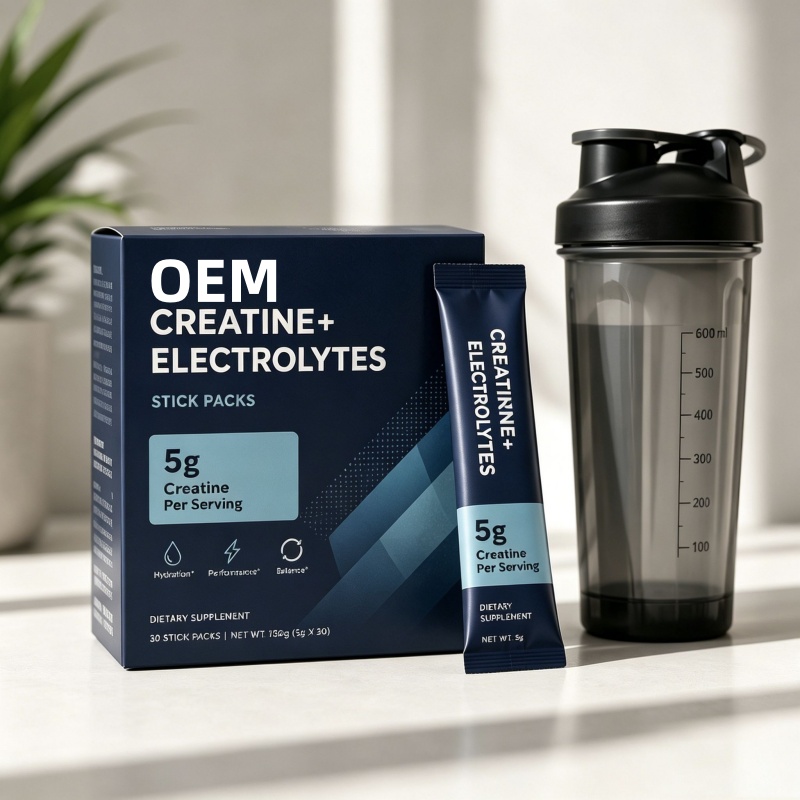
Creatine may look like one of the simplest products in sports nutrition. A plain powder can have a short ingredient list, a familiar daily serving, and packaging that consumers already understand. That apparent simplicity often disappears as soon as a brand tries to turn the idea into a commercial product. Dose affects package size. Particle behavior affects mixability. Flavor changes the formula environment. Gummies introduce moisture and processing heat. Capsules create a unit-count problem. Testing, label declarations, packaging barrier, and production scale all have to work together rather than being solved separately.
Stick Pack vs Sachet for Dietary Supplements: Which Packaging Format Is Better?
Packaging can look like one of the easier decisions in supplement development until the actual formula reaches the filling line. A narrow stick pack may look perfect for a modern hydration product, yet become awkward when a low-density powder requires far more volume than expected. A wide sachet may appear less compact, but it can make a bulky serving easier to fill, pour, label, and package into cartons. What appears to be a simple design choice quickly becomes a decision involving formulation, machinery, barrier materials, labeling, logistics, and consumer behavior.
Emerging Supplement Delivery Formats in 2026: Which Formats Should Brands Watch?
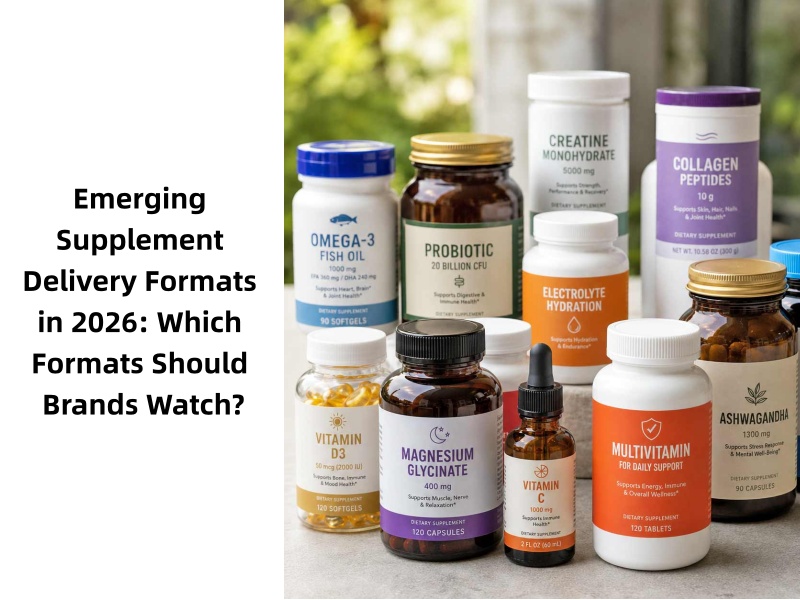
Supplement format is no longer a small decision made after the formula is finished. In 2026, the format can influence whether a product fits into a consumer’s routine, whether the required dose can be delivered comfortably, whether an unpleasant ingredient can be masked, how much packaging and shipping will cost, and how difficult the product will be to manufacture consistently. That is why capsules, gummies, powders, stick packs, chews, gels, shots, sprays, oral films, and advanced ingredient-delivery technologies are being discussed together rather than as separate manufacturing topics.
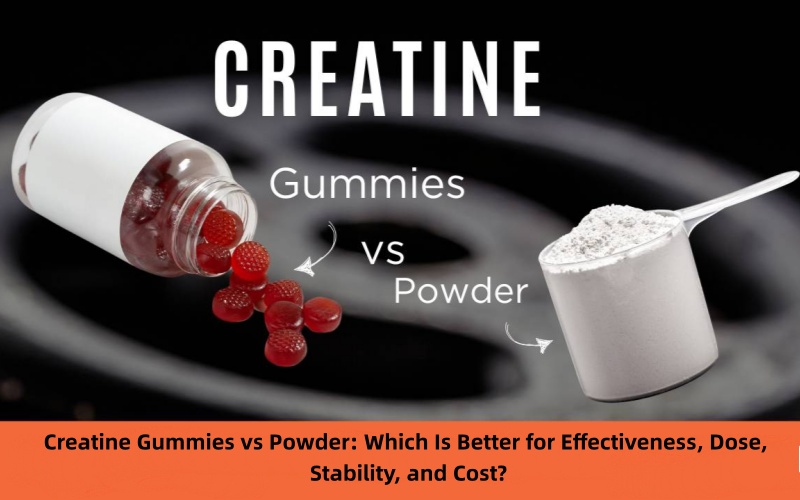
Creatine Gummies vs Powder: Which Is Better for Effectiveness, Dose, Stability, and Cost?
Protein used to come with a familiar set of expectations: a shaker bottle, a creamy texture, chocolate or vanilla flavor, and a fairly obvious place in a gym routine. In 2026, that picture is changing. Clear whey powders, protein hydration mixes, protein-plus-fiber formulas, creatine combinations, and other multifunctional drink powders are moving protein into occasions where a thick shake feels out of place. Consumers may want protein after training, but they may also want it during a commute, in an afternoon water bottle, while traveling, or as part of a lighter daily nutrition routine. The result is not simply another protein trend. It is a broader shift in how nutritional functions are being packaged into drinks that feel easier, lighter, and more familiar to use.
Stick Packs vs Jars for Dietary Supplements: Which Is Better?
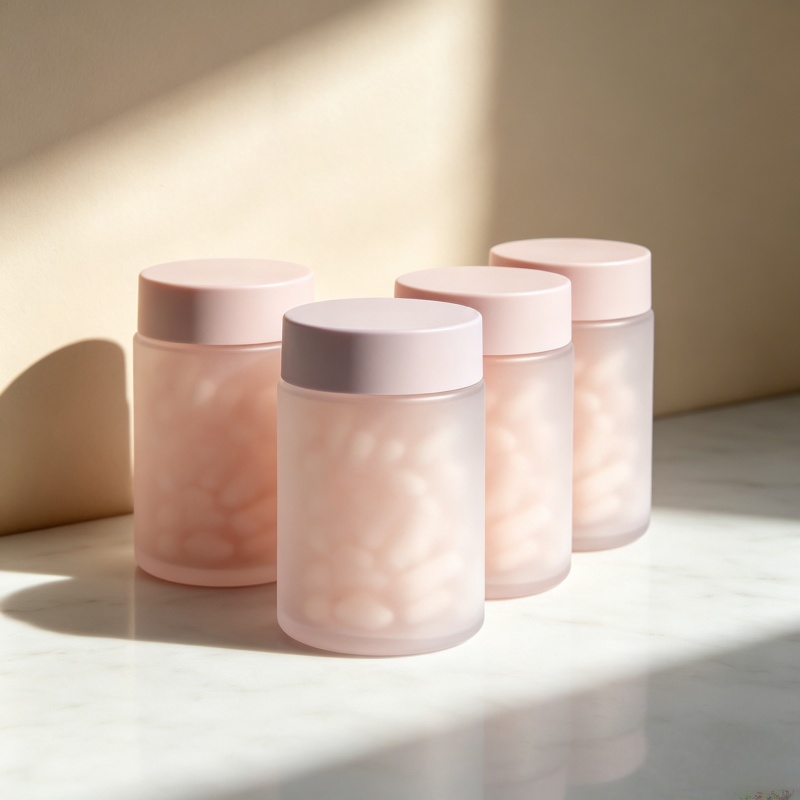
Choosing between stick packs and jars can look like a packaging decision, but it reaches much further into the product than most brands expect. The format affects how much powder can fit into each serving, how often the product is exposed to humidity after opening, how customers measure the dose, how efficiently cartons move through fulfillment, and how the finished supplement is positioned at retail. A visually attractive package can still become expensive or inconvenient if it does not match the formula and the way customers actually use the product.
What Are the Clear Protein and Functional Drink Powder Trends in 2026?
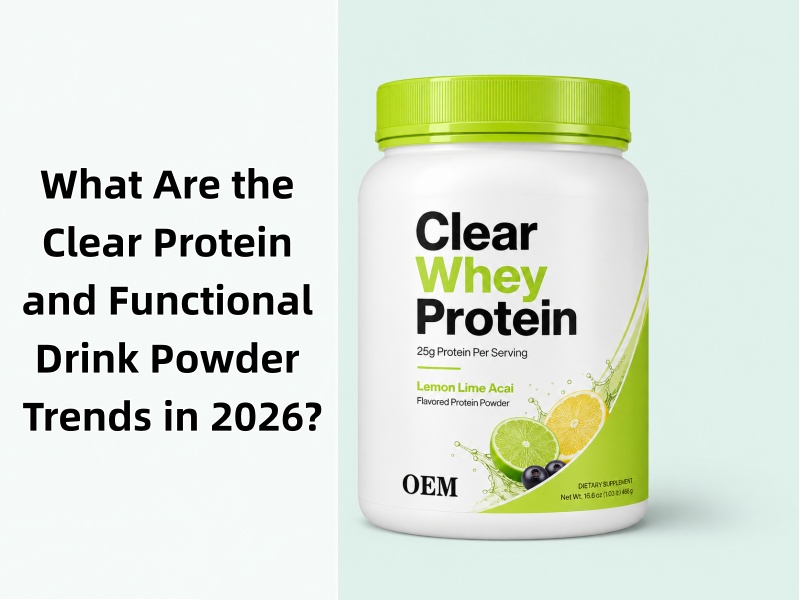
Protein used to come with a familiar set of expectations: a shaker bottle, a creamy texture, chocolate or vanilla flavor, and a fairly obvious place in a gym routine. In 2026, that picture is changing. Clear whey powders, protein hydration mixes, protein-plus-fiber formulas, creatine combinations, and other multifunctional drink powders are moving protein into occasions where a thick shake feels out of place. Consumers may want protein after training, but they may also want it during a commute, in an afternoon water bottle, while traveling, or as part of a lighter daily nutrition routine. The result is not simply another protein trend. It is a broader shift in how nutritional functions are being packaged into drinks that feel easier, lighter, and more familiar to use.
Sports Nutrition Dietary Supplement Trends for 2027: What Will Shape the Next Generation of Products?
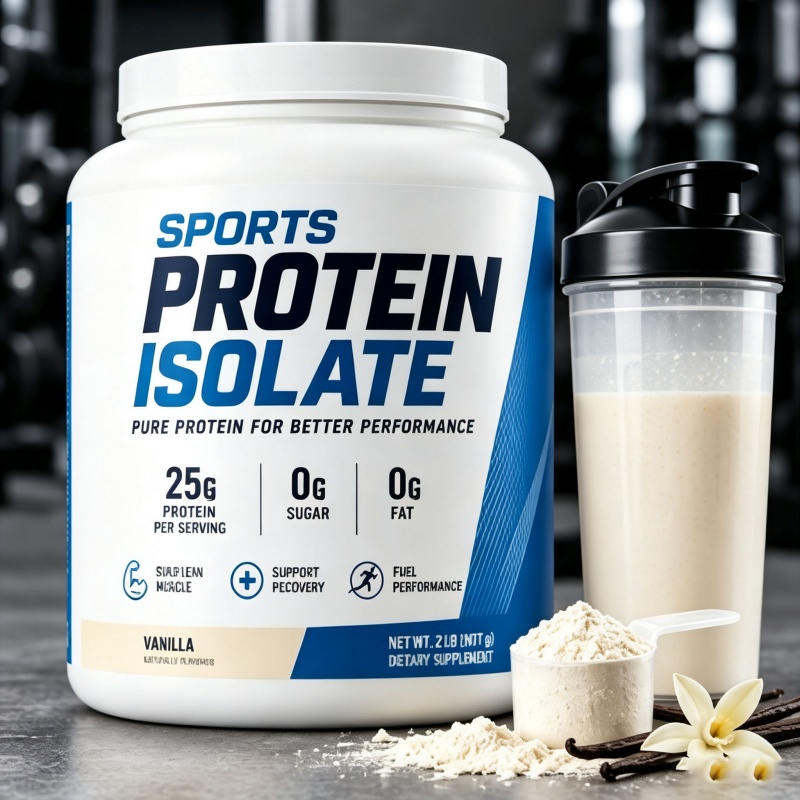
Sports nutrition is becoming harder to define, and that may be the most important trend heading into 2027. The category was once centered on bodybuilding powders, stimulant-heavy pre-workouts, protein tubs, and products used mainly before or after structured training. That world still exists, but it now shares the shelf with electrolyte sticks carried to work, daily creatine routines, lighter protein drinks, endurance gels, recovery formulas, and products aimed at consumers whose idea of performance may simply be staying strong and active for longer.
Gelatin vs HPMC Capsules: Which Shell Fits Dietary Supplements Best?
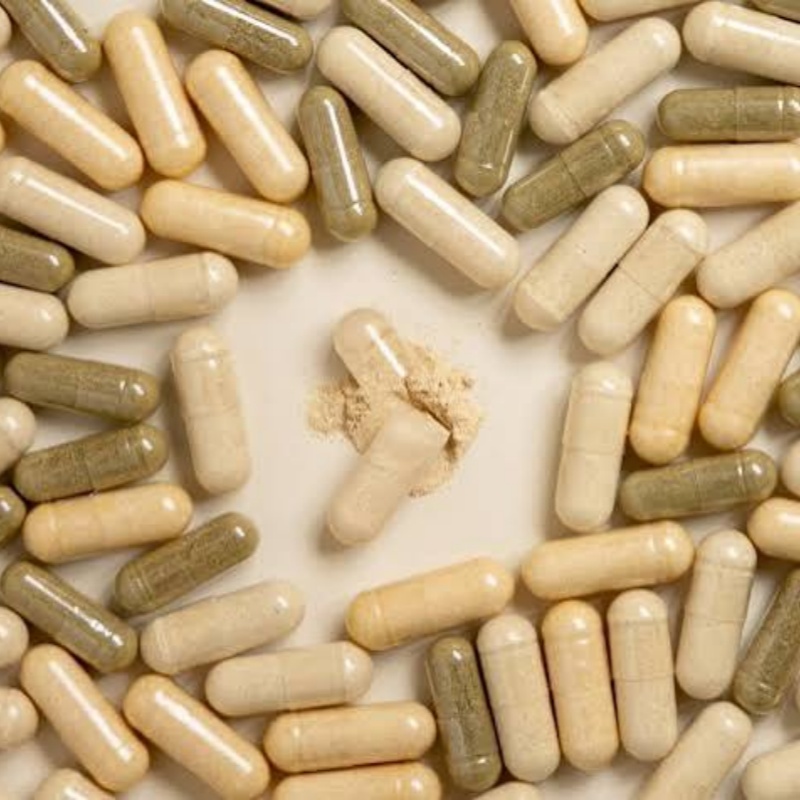
Choosing between gelatin and HPMC can look like a minor specification buried somewhere between formula approval and packaging selection. In reality, the shell sits in direct contact with the formula for months or years, travels through changing temperatures and humidity, passes through high-speed encapsulation equipment, and becomes part of the consumer’s first impression of the finished supplement. A shell that works perfectly for a straightforward vitamin blend may be a poor fit for a hygroscopic botanical extract, a live probiotic, or a product positioned for vegan consumers.
Botanical Supplement Trends in 2026: Which Ingredients, Benefits, and Product Formats Are Gaining Ground?

Botanical supplements are having a very different kind of growth story in 2026. The conversation is no longer limited to whether turmeric, ashwagandha, cranberry, or ginseng is popular. Product teams are asking harder questions: Is the ingredient standardized? Does the evidence match the intended use? Can the daily amount fit inside the chosen dosage form? Will a concentrated extract make a gummy too bitter or a drink too dark? And, if the product succeeds, can the same raw material be sourced consistently for the next ten production batches? Those questions are turning botanical trend analysis into a practical product-development discipline rather than a race to copy whatever is currently viral.
How Are Tablet Dietary Supplements Manufactured?
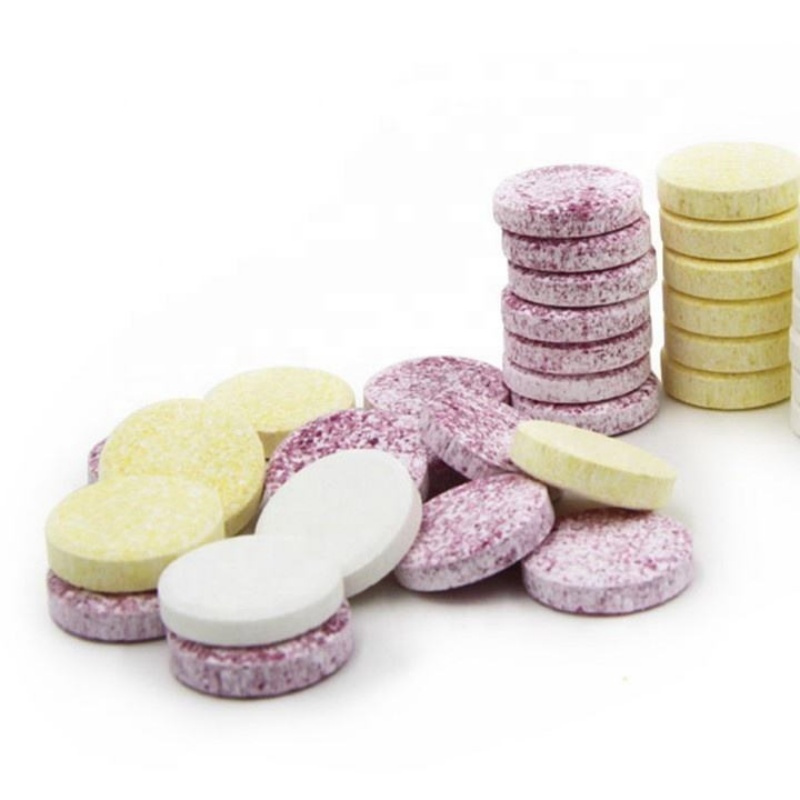
A finished supplement tablet gives almost no hint of how much engineering sits behind it. To the consumer, it may be a small round vitamin tablet taken with breakfast, a coated mineral caplet swallowed after a workout, or an effervescent tablet dropped into a glass of water. Inside a manufacturing facility, however, that simple object is the result of decisions about ingredient characteristics, particle size, powder flow, compression behavior, hardness, moisture sensitivity, disintegration, coating, packaging, testing, and repeatability across thousands or millions of individual tablets.
Stick Pack vs Sachet for Dietary Supplements: Which Packaging Format Is Better?
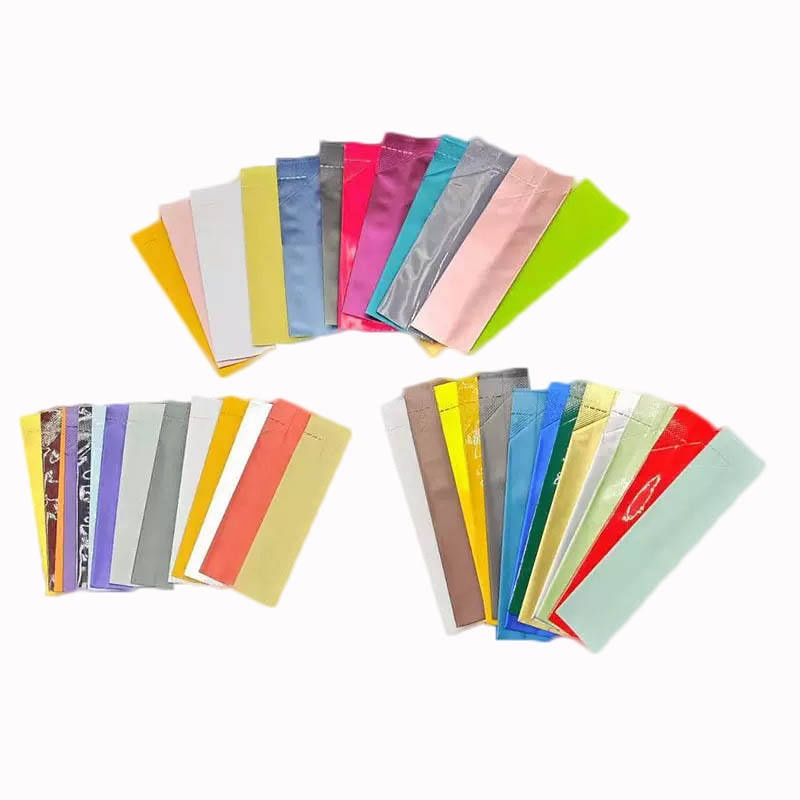
Packaging can look like one of the easier decisions in supplement development until the actual formula reaches the filling line. A narrow stick pack may look perfect for a modern hydration product, yet become awkward when a low-density powder requires far more volume than expected. A wide sachet may appear less compact, but it can make a bulky serving easier to fill, pour, label, and package into cartons. What appears to be a simple design choice quickly becomes a decision involving formulation, machinery, barrier materials, labeling, logistics, and consumer behavior.
Stick Packs vs Jars for Dietary Supplements
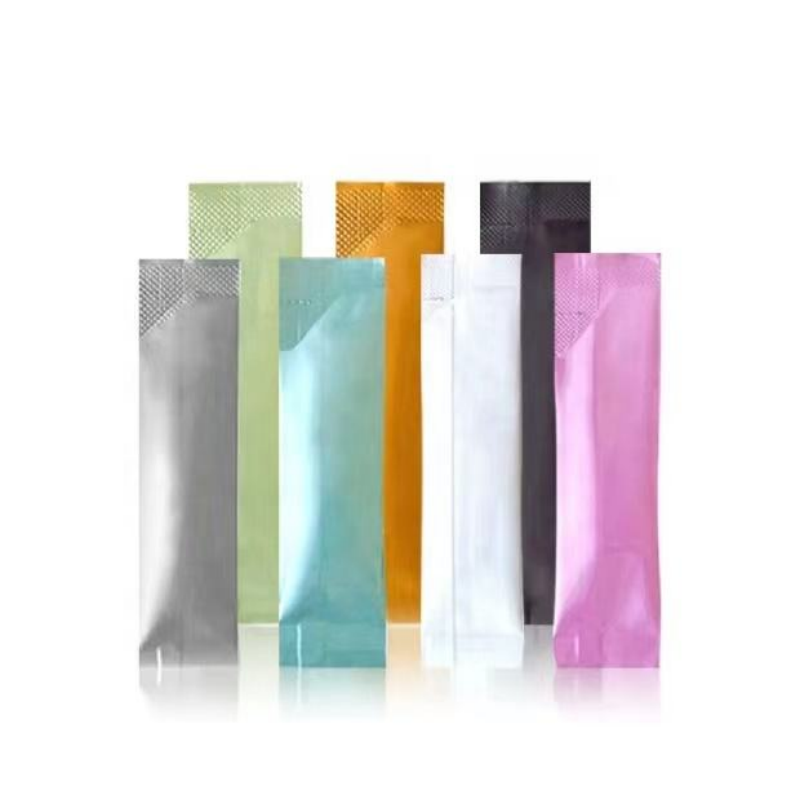
Choosing between stick packs and jars can look like a packaging decision, but it reaches much further into the product than most brands expect. The format affects how much powder can fit into each serving, how often the product is exposed to humidity after opening, how customers measure the dose, how efficiently cartons move through fulfillment, and how the finished supplement is positioned at retail. A visually attractive package can still become expensive or inconvenient if it does not match the formula and the way customers actually use the product.