Skip to content

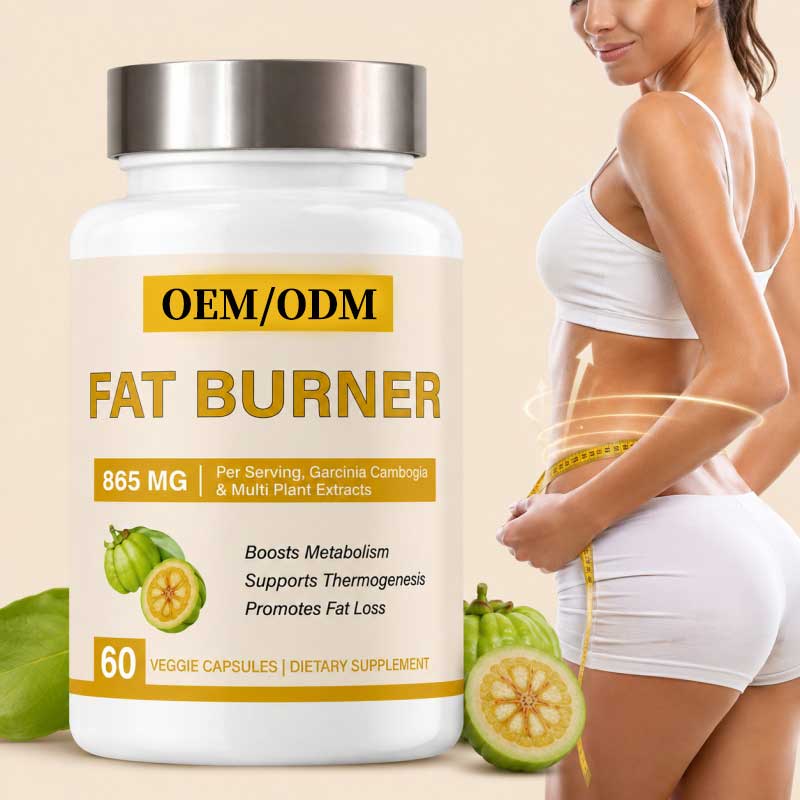
Weight management is one of the easiest supplement categories to misunderstand during product development. At first glance, the brief may sound simple: choose several ingredients associated with metabolism or appetite, place them in capsules or powder, design attractive packaging, and bring the product to market. In practice, the difficult work starts long before manufacturing. A credible product has to connect the intended consumer, mechanism, ingredient evidence, dose, dosage form, safety profile, claims, sensory performance, production process, packaging, and target-market requirements into one workable system.
A weight management dietary supplement should be developed by first defining the target consumer and the specific support objective, then selecting evidence-backed ingredients at practical doses and placing them in a suitable dosage form. The complete formula should be reviewed for safety, interactions, regulatory status, claims, stability, sensory performance, and manufacturability before sampling, testing, specification approval, scale-up, and commercial production.
The difference between a weak formula and a strong one is rarely the number of ingredients. It is the quality of the decisions behind them. A product with fifteen familiar ingredients can still be difficult to dose, poorly supported, unpleasant to use, or impossible to manufacture economically. A simpler formula built around a clear consumer need may have a better chance of becoming a repeat-purchase product.
That is the useful way to approach this category. Instead of starting with the question, “Which popular ingredients should we add?” start with, “What role should this product realistically play in a person’s daily weight-management routine?” Once that answer is clear, nearly every later decision becomes easier to evaluate.
What Should the Product Support?
A weight management supplement should support one clearly defined consumer need, such as satiety, healthy metabolism, digestive regularity, or energy for an active lifestyle. The support objective should be chosen before the ingredient list because it determines the formula structure, serving size, dosage form, evidence requirements, claims, cost, and consumer experience.
A common development mistake is treating “weight management” as if it were one mechanism. It is not. Consumers may be looking for better fullness between meals, a stimulant-free daily routine, metabolic wellness support, digestive regularity, or energy that fits exercise and an active lifestyle. Those products can all sit within the same commercial category while requiring very different formulas.
The initial product brief should therefore describe the job the supplement is expected to do. If a product is built around satiety, gram-level fiber ingredients may become relevant, which can immediately influence dosage form. If the concept is centered on an active routine, stimulant exposure and timing become more important. If the product is meant for everyday use by people who avoid caffeine, the formulation strategy changes again.
This clarity also helps control claims. Weight management is a category where aggressive language can quickly move beyond what a dietary supplement should promise. A product can be designed to support normal functions or healthy lifestyle goals without promising guaranteed weight reduction, obesity treatment, or drug-like results. The formulation strategy and the marketing language should be developed together rather than handled as separate projects.
| Product Concept | Primary Consumer Need | Typical Format Fit | Main Development Issue | Practical Positioning |
| Satiety support | Better fullness between meals | Powder, stick pack, selected capsules | Fiber dose, viscosity, GI tolerance | Supports satiety as part of a balanced diet |
| Metabolism support | Daily metabolic wellness | Capsules, tablets, powder | Evidence, stimulant balance, claims | Supports healthy metabolism |
| Active lifestyle | Energy around exercise or busy routines | Capsules, drink powder, stick pack | Total caffeine and timing | Supports energy for an active lifestyle |
| Fiber support | Fullness and digestive regularity | Powder, stick pack | Gram-level dose, texture, hydration | Supports digestive regularity and satiety |
| Stimulant-free support | Weight-management routine without caffeine | Capsules, powder, gummies | Differentiation without stimulant messaging | Stimulant-free weight-management support |
| Multi-pathway support | Broader premium positioning | Capsules or powder | Dose dilution and complexity | Supports complementary wellness functions |
Who Is the Target Consumer?
“Adults interested in weight management” is usually too broad to be useful. A 30-year-old gym customer who wants daytime energy has very different expectations from a 45-year-old consumer who avoids stimulants, or someone who wants a high-fiber drink before meals. Their ingredient preferences, serving habits, dosage-form expectations, tolerance, price sensitivity, and likely use occasions are different.
A practical consumer profile should describe behavior, not just demographics. Determine when the product is expected to be taken, whether the consumer already uses caffeine, whether it is likely to be combined with protein, creatine, multivitamins, or other supplements, and whether convenience or sensory experience matters most. These details often affect the formula more than age and gender alone.
The intended consumer also affects product complexity. A daily capsule for a broad wellness audience may benefit from a conservative, easy-to-understand formula. A sports-focused formula can have a more defined use window. A fiber-based product may require instructions around mixing, hydration, and timing. A gummy may appeal to consumers who dislike capsules but can only carry a limited active load.
The strongest product briefs describe the consumer in enough detail that every ingredient can be challenged with the same question: does this ingredient help solve the problem this particular person is trying to manage? If the answer is unclear, the formula may be carrying unnecessary complexity.
Which Mechanism Fits the Concept?
A useful formula normally has one primary mechanism and a small number of complementary functions. Common development directions include satiety, fiber intake, digestive support, healthy metabolic function, energy expenditure, and active-lifestyle energy. Trying to tell all of these stories at the same time can produce a crowded formula with diluted doses and confusing claims.
Mechanisms also need to be interpreted carefully. A laboratory finding, animal study, enzyme interaction, or short-term metabolic effect does not automatically mean that an ingredient will produce meaningful long-term weight change in humans. This distinction is especially important in a category where consumers often expect large outcomes from small physiological changes.
For every proposed ingredient, write down its primary function, secondary function, intended daily amount, supporting human evidence, safety considerations, and expected consumer-facing role. If several ingredients have almost identical functions, the development team should question whether all of them deserve space in the formula.
Experienced formulators often end up removing ingredients rather than adding them. A four-ingredient formula with clear roles and defensible amounts can be easier to manufacture, test, explain, and substantiate than a proprietary blend containing twenty actives. Formula simplicity becomes valuable when every milligram has to fit into a real serving.
How Are GLP-1 Trends Changing the Category?
The growth of GLP-1 medications has changed the language surrounding appetite, weight management, food intake, and metabolic health. That shift has created commercial interest in supplements positioned around adjacent lifestyle needs, but it has also created a temptation to describe dietary supplements as natural substitutes for prescription drugs.
A dietary supplement should not be presented as producing the same pharmacological effect as a GLP-1 medication unless the product actually belongs within the relevant drug framework. Descriptions such as “natural Ozempic,” “GLP-1 replacement,” or claims suggesting equivalent weight-loss results can create a much stronger implied claim than the ingredient panel supports.
The more sustainable opportunity is to look at consumer needs highlighted by the wider weight-management conversation. People may become more interested in protein intake, dietary fiber, hydration, digestive comfort, micronutrient adequacy, muscle-supporting nutrition, and routines that are easier to maintain over time. These areas can support products that remain relevant even when one market trend cools.
For formulation teams, the useful question is not which ingredient can be marketed as a drug alternative. The better question is which legitimate nutritional or wellness need has become more visible and whether a dietary supplement can address it responsibly. That approach creates a better foundation for long-term product positioning.
How Do Market and Channel Shape the Concept?
A supplement developed for Amazon, pharmacy distribution, a gym chain, or a premium direct-to-consumer subscription program may use similar ingredients while still requiring different serving formats, price structures, packaging, documentation, and claims. The target channel should therefore be identified during product development rather than after the formula is finished.
On marketplaces, consumers can compare ingredient panels, serving sizes, capsule counts, reviews, and price per serving within seconds. That environment rewards products with an understandable purpose and an efficient serving. Adding more ingredients does not necessarily make the product more competitive if the result is a six-capsule daily serving with several ingredients at minor amounts.
Retail and distribution channels usually place heavier emphasis on predictable specifications, shelf life, batch consistency, documentation, and replenishment. Direct-to-consumer brands may have more room to explain a focused ingredient story, but they also need careful review of website claims, testimonials, influencer scripts, and advertising.
A useful commercial brief normally includes the target country, sales channel, consumer profile, expected retail price, dosage form, daily serving, stimulant preference, ingredient exclusions, packaging direction, and estimated volume. Once those points are clear, formulation becomes a practical engineering exercise rather than a guessing game.
Which Ingredients Belong in the Formula?
An ingredient belongs in a weight management formula when it has a clear function, relevant human evidence, a practical dose, acceptable safety characteristics, appropriate regulatory status, and a realistic fit within the chosen dosage form. Popularity is not enough. Every active should justify the space, cost, claim, testing burden, and manufacturing complexity it adds.
Ingredient selection is where attractive marketing ideas often collide with formulation reality. A team may look at successful products and see green tea extract, caffeine, chromium, fiber, carnitine, botanical extracts, and several other familiar names. The natural reaction is to combine as many as possible. That approach usually creates problems before it creates differentiation.
A better process uses several filters. First determine whether meaningful human evidence exists. Then check whether the actual raw material being sourced resembles the material used in relevant studies. Review the study amount, target population, duration, safety data, physical properties, and likely compatibility with other ingredients. Only after those points are understood should cost and marketing familiarity become major factors.
This is also a category where raw-material integrity deserves more attention than usual. Regulators have repeatedly identified adulterated products marketed for weight loss. Traceable ingredients, clear specifications, supplier qualification, and appropriate testing should therefore be treated as development requirements rather than paperwork handled after the formula is selected.
Which Ingredients Have Human Evidence?
Human evidence should carry more weight than a persuasive mechanism diagram. Randomized controlled trials, systematic reviews, and well-designed human studies are generally more useful for commercial formulation decisions than cell studies, animal studies, or theoretical pathways alone.
The exact material used in the research matters. Two botanical extracts can share the same common name while differing in plant part, extraction method, standardization, marker compounds, caffeine content, carrier system, or concentration. A study performed with a standardized extract does not automatically support the same dose of an ordinary plant powder.
Green tea is a useful example. Human trials summarized by the NIH have used widely varying amounts of catechins, and average weight differences have generally been small. Glucomannan is another good example because it is typically studied at gram-level amounts, yet results for actual weight reduction have remained inconsistent. These examples show that the existence of research is not the same as strong evidence for a dramatic outcome.
The practical lesson is to create an evidence file for each important active. Keep the ingredient specification, proposed daily amount, human studies, safety information, and intended claim together. That makes it much easier to identify when a marketing idea is moving beyond what the actual ingredient and dose can reasonably support.
| Ingredient Example | Human-Research Range or Reference | Development Meaning | Main Caution |
| Caffeine | 100 mg produced a measurable short-term rise in energy expenditure in one cited study | Demonstrates an acute physiological effect, not guaranteed weight loss | Total stimulant exposure and tolerance matter |
| Green tea catechins | Studies have used roughly 141–1,207 mg/day over about 12–13 weeks | Weight effects appear modest and inconsistent | Extract composition and liver-safety concerns require review |
| Glucomannan | Research commonly uses gram-level amounts, approximately 1.24–3.99 g/day in reviewed studies | Fiber amount can strongly affect dosage form | GI effects, hydration, texture, and serving instructions matter |
| Guar gum | Gram-level use can influence fullness | Satiety is not the same endpoint as long-term weight loss | GI discomfort and viscosity can limit use |
| Chromium | Adult nutritional requirements are measured in micrograms | Nutrient status should not be confused with proven weight-loss efficacy | Ingredient form, total intake, and claims require review |
How Do You Compare Ingredient Mechanisms?
An ingredient map is more useful than a long list. For every proposed active, record the primary mechanism, supporting mechanism, intended amount, evidence strength, raw-material specification, safety considerations, formulation challenges, and consumer-facing role. Once the information is placed side by side, weak or redundant ingredients become easier to identify.
For example, a formula containing several caffeine-containing botanicals may appear diverse but still deliver one dominant stimulant story. A product with several soluble fibers may look comprehensive while becoming too thick or uncomfortable at meaningful amounts. A formula with multiple metabolic ingredients may create claims complexity without adding a clear consumer benefit.
Another important distinction is the difference between physiological activity and a meaningful commercial outcome. An ingredient may temporarily increase thermogenesis without producing substantial long-term weight change. A fiber may increase fullness without proving a meaningful reduction in body weight. A metabolic pathway can be scientifically interesting without supporting a strong consumer promise.
A mature formula usually has a central story that can be explained in one or two sentences. Each supporting ingredient should make that story stronger rather than create a separate story of its own. This approach improves clarity for formulators, regulatory reviewers, sales teams, and ultimately the consumer.
How Do You Set Practical Doses?
A practical dose sits at the intersection of evidence, safety, raw-material specification, regulatory status, serving convenience, physical capacity, and cost. It is not simply the highest number seen in a research paper, and it should never be copied blindly from a competitor’s label.
The process starts by confirming the material used in relevant research. A standardized botanical extract, mineral salt, fiber grade, or branded ingredient may have different active content from another material carrying a similar name. The daily amount should therefore be based on the exact specification rather than the ingredient name alone.
Next calculate the physical payload. Several concentrated extracts may fit easily into two capsules. Several grams of fiber usually will not. This is why dosage form and dose have to be evaluated together. A formula can be scientifically interesting but commercially awkward if the consumer needs to swallow an excessive number of capsules.
Stimulant formulas require an additional calculation. Caffeine can come from added caffeine as well as guarana, coffee extract, green tea, yerba maté, and other botanical sources. Total exposure should be estimated across the finished daily serving rather than judged from one line on the label.
Cost becomes useful only after these questions are answered. If an evidence-aligned amount of a key ingredient makes the planned retail economics impossible, redesigning the concept is usually better than including the ingredient at a token amount simply to place its name on the front panel.
Are the Ingredients Safe Together?
Safety should be evaluated at the finished-formula level rather than ingredient by ingredient. A combination can create additive stimulant exposure, gastrointestinal burden, overlapping metabolic effects, medication interactions, or tolerability concerns that are less obvious when every ingredient is reviewed in isolation.
Stimulants are the clearest example. A product may contain caffeine directly while also using green tea, guarana, coffee extract, or yerba maté. Even when each component appears reasonable alone, the total daily exposure can become much higher than consumers expect, especially when the user also drinks coffee or energy beverages.
Fibers create a different type of concern. Increasing the amount may strengthen the logic of a satiety-oriented product, but the same change can increase bloating, stool changes, viscosity, and hydration requirements. Several gram-level fibers combined in one serving can create a very different user experience from a small laboratory sample.
Botanicals can also introduce medication-interaction concerns or ingredient-quality problems. For weight-management products, supplier qualification, ingredient identity, specifications, and traceability are especially important because this category has historically attracted adulterated products containing undeclared drug ingredients.
The intended consumer should be included in the safety review. The finished product may be used by people taking medications, consuming additional caffeine, or managing health conditions. That does not mean the supplement is intended to treat those conditions, but it does mean warnings, positioning, and ingredient selection need realistic consideration.
Which Dosage Form Works Best?
The best dosage form is the one that delivers the intended ingredients at useful amounts while remaining convenient, stable, manufacturable, and acceptable to consumers. Capsules suit concentrated formulas, powders and stick packs handle gram-level ingredients, and gummies prioritize convenience but impose tighter active-loading and stability limits. The formula should guide the dosage form rather than the other way around.
A common product-development error is selecting the format because it is fashionable and then forcing the formula into it. A brand may decide on gummies before calculating the required active load, or insist on two capsules even though the formula relies on several grams of material. The result is usually a weaker formula or an inconvenient serving.
Dosage-form selection should happen after the first formula architecture exists but before the commercial specification is frozen. Evaluate ingredient load, bulk density, excipient requirements, taste, moisture sensitivity, oxidation, serving convenience, filling behavior, and packaging protection together.
The consumer experience matters just as much as the manufacturing process. A powder that tastes unpleasant or clumps badly is not market-ready. A capsule product requiring an excessive daily count may have poor adherence. A gummy that carries too little active material may look attractive while losing the original formula logic.
| Dosage Form | Typical Payload | Main Advantage | Main Constraint | Common Weight-Management Fit |
| Capsules | Low to moderate | Familiar, precise, hides bitterness | Capsule count rises with bulky ingredients | Concentrated botanicals and metabolic formulas |
| Powder | High | Handles gram-level ingredients | Flavor, texture, clumping, scoop accuracy | Fiber and drink-based concepts |
| Stick Pack | Moderate to high | Portable single serving | Flow, sealing, film barrier, filling accuracy | Fiber and lifestyle drink formulas |
| Gummy | Low to moderate | Convenient and consumer-friendly | Active loading, heat, moisture, texture | Simplified lifestyle-support formulas |
| Liquid | Formula-dependent | Distinct experience and easy use | Solubility, preservation, shipping | Selected botanical and functional concepts |
Are Capsules the Best Fit?
Capsules are often the most efficient format when the formula uses concentrated botanical extracts, selected vitamins or minerals, and other ingredients that can be delivered in relatively small amounts. They also reduce many flavor-masking problems because the consumer does not have to taste bitter or astringent ingredients.
The main limitation is physical volume. Capsule capacity depends on size, bulk density, powder flow, and excipients. A dense mineral and a fluffy botanical powder can occupy very different amounts of space at the same weight. Formula developers therefore need real material characteristics rather than simple milligram totals.
This is why capsule count should be evaluated early. A product that seems compact in a spreadsheet can become four, six, or more capsules per daily serving once the actual powders are tested. That may still be technically feasible, but it can weaken convenience and increase bottle size.
Capsule shell material can also influence positioning and stability. Gelatin, HPMC, and other shell options may differ in consumer preference, moisture behavior, and suitability for vegetarian, vegan, Halal, or other requirements.
Capsules work best when the active load is relatively compact. If the product depends on several grams of fiber or another bulky ingredient, moving the formula to powder is usually more sensible than accepting a daily serving that consumers are unlikely to enjoy.
When Do Powders or Stick Packs Work Better?
Powders are often better when the formula requires gram-level quantities. Soluble fibers, protein-containing concepts, drink bases, and larger nutritional blends can be delivered more naturally in a scoop, pouch, or single-serve stick than through multiple capsules.
That freedom creates sensory challenges. The consumer experiences every ingredient directly, so sweetness, bitterness, acidity, aroma, mouthfeel, sediment, foaming, and aftertaste all become part of product performance. A formula that looks excellent on paper can still fail because consumers dislike the second sip.
Fiber products require particular care. Some fibers can thicken water quickly, while others can create graininess or leave sediment. Their behavior influences serving size, mixing instructions, recommended water volume, flavor intensity, and packaging. High-fiber formulas can also create gastrointestinal discomfort when serving instructions are poorly designed.
Stick packs provide portability and portion control, but they add another manufacturing layer. Powder flow, bulk density, fill-weight accuracy, seal integrity, package dimensions, barrier properties, and film compatibility need to be evaluated before commercial filling.
For weight-management powders, moisture protection is especially important when ingredients are hygroscopic. A product that flows well during pilot testing but develops clumping during storage can generate complaints even if the active ingredients remain within specification.
Are Gummies Suitable for the Formula?
Gummies can be effective when convenience, taste, and consumer experience are central to the product and the active load can fit the matrix without sacrificing texture, stability, or dosing. They are less suitable for formulas that depend on several bulky ingredients or high levels of bitter extracts.
A gummy is both a supplement dosage form and a food-like system. Sweeteners, acids, gelling agents, water activity, processing temperature, flavors, colors, and active ingredients all interact. An ingredient that is easy to formulate in a capsule may become unstable, unpleasant, or difficult to load at a meaningful amount in a gummy.
That is why capsule formulas should not simply be converted into gummies gram for gram. The product concept usually needs to be rebuilt around the limitations of the format. Large active loads may require too many gummies per serving, which defeats the convenience advantage and increases package size and cost.
Sugar level, sugar-free positioning, sweetener system, texture, and shelf stability also become part of the weight-management story. A product positioned around disciplined lifestyle habits may face consumer questions if the delivery format feels too much like confectionery without offering meaningful active amounts.
Gummies can still be excellent products when the formulation is designed specifically for them. The key is to let the dosage form influence the formula from the beginning rather than forcing an incompatible ingredient stack into the format later.
How Does Serving Size Affect the Format?
Serving size is where product ambition meets physical reality. Add the required amounts of core ingredients first, then account for excipients, carriers, flavors, and other materials required for processing. Once the complete daily load is visible, the team can determine whether the preferred format still makes sense.
For capsules, serving size determines capsule count and bottle size. For powders, it affects scoop weight, water volume, mouthfeel, jar or pouch size, and shipping weight. For gummies, the calculation controls the number of pieces per serving, sweetness, package count, active loading, and likely production complexity.
Serving frequency matters as well. A once-daily concept sounds simple, but some ingredients may be better suited to divided use. A fiber product taken before meals creates a different consumer routine from a metabolism-support capsule taken with breakfast. Suggested use should follow formulation logic rather than being invented after packaging design.
Packaging economics follow the same calculation. Larger servings require larger containers, more film, heavier freight, and additional warehouse space. A formula with unnecessarily high bulk can therefore affect profitability long after the raw-material cost has been calculated.
This is why the complete daily serving should be calculated before front-label claims, bottle dimensions, and launch forecasts are finalized. Changing a spreadsheet during development is inexpensive. Changing thousands of printed cartons is not.

How Do You Make the Formula Production-Ready?
A production-ready formula specifies more than ingredient names and milligrams. It defines exact raw materials, serving size, excipients, sensory targets, processing requirements, manufacturing tolerances, packaging, finished-product specifications, and quality tests. The formula must perform consistently at commercial scale and remain within specification throughout its intended shelf life.
The transition from concept to production is where many attractive formulations begin to expose weaknesses. Powders can clump. Botanical extracts can vary in color. High-fiber blends can become difficult to drink. Concentrated ingredients can create bitterness. A combination that worked in a small laboratory cup may behave differently on commercial equipment.
Ingredient specifications therefore matter as much as ingredient names. Botanical materials may need defined plant parts, extraction ratios, or standardized marker compounds. Minerals need specific chemical forms. Fibers and powders may require attention to particle size, density, or dispersibility. Flavored products need an approved sensory benchmark.
Commercial readiness also requires a plan for supply changes. If one ingredient becomes unavailable, can another source be used? Does a new supplier require a fresh sample, updated testing, or stability review? Established brands often define these decisions through change control because an apparently small substitution can affect taste, color, density, or active content.
The goal is repeatability. A production-ready formula is one that can be manufactured again months later without relying on memory, improvisation, or assumptions.
Which Ingredients Work Well Together?
Ingredients work well together when their functions are complementary, their doses remain meaningful, their safety profiles are compatible, and their physical properties can coexist in the selected dosage form. Combining ingredients simply because each one sounds attractive is not the same as designing a coherent formula.
The word “synergy” deserves particular caution. Two ingredients may have complementary mechanisms without having clinical evidence showing that the combination produces a superior consumer outcome. If marketing language suggests a special combined effect, the evidence needs to support that implication.
Physical compatibility can be equally important. A moisture-sensitive botanical may behave poorly beside a hygroscopic ingredient. Several bitter extracts may overwhelm the flavor system. Large amounts of soluble fiber can change viscosity. Minerals may interact with flavors or colors. Oils and oxygen-sensitive materials can create additional packaging needs.
A useful review is to classify every ingredient as core, supportive, or optional. Core ingredients define the product and receive the strongest evidence and dose scrutiny. Supportive ingredients strengthen the concept. Optional ingredients should be removed when they make the product too expensive, difficult to manufacture, or confusing without producing a meaningful benefit.
Good formulation is often an editing process. The first draft may contain twelve actives. The commercial version may contain seven because testing revealed which ingredients actually improve the product.
How Do Taste and Stability Affect the Formula?
Taste is part of product performance for powders, liquids, chewables, and gummies. Consumers experience aroma, sweetness, bitterness, acidity, mouthfeel, texture, and aftertaste before they understand the scientific story behind the ingredients. If the product is unpleasant to use, repeat purchase becomes difficult regardless of how attractive the Supplement Facts panel looks.
Sensory development should evaluate the complete experience. For a powder, that includes opening aroma, first taste, sweetness onset, acidity, bitterness, sediment, mouthfeel, aftertaste, and appearance after the drink stands for several minutes. Testing should use the actual recommended water volume rather than excessive dilution that hides problems.
Stability introduces another set of tradeoffs. Hygroscopic powders can clump. Natural colors may shift. Oils can oxidize. Gummies can become harder, softer, or sticky. Some actives are sensitive to heat, moisture, oxygen, or light. The packaging system therefore becomes part of formula development rather than a cosmetic decision made at the end.
Early observations do not replace formal shelf-life work, but they can reveal obvious problems before large investments are made. A formula that changes color, separates, or develops off-flavors quickly should be investigated while reformulation is still practical.
Sometimes packaging provides the better solution. High-barrier films, desiccants, induction seals, opaque containers, or improved closures can protect a formula without forcing unnecessary changes to the ingredient system.
How Do You Balance Dose, Cost, and Feasibility?
Dose, cost, and manufacturability constantly influence one another. Increasing a premium standardized ingredient may strengthen the scientific logic but push the finished product above the target cost. Reducing it may protect margin while weakening the connection to research. Adding more capsules may solve payload problems while reducing convenience.
The development team should rank priorities. Safety and regulatory feasibility come first. Next protect the ingredients and amounts that define the product’s value. Secondary ingredients, flavor systems, packaging, and other cost drivers can then be optimized without sacrificing the core concept.
Cost per daily serving is often more useful than cost per bottle. Two products can have similar bottle prices but very different economics when one requires twice as many capsules. The same applies to powders and stick packs, where filling, film, carton size, freight, and warehousing contribute to the real commercial cost.
Supply stability also matters. Identify which ingredients contribute the largest share of cost, whether multiple qualified sources exist, whether lead times are predictable, and what happens to the formula when one material becomes unavailable.
The lowest quotation is not automatically the lowest-risk option. Saving a few cents by underdosing the core ingredient, reducing packaging protection, or using inconsistent raw materials can create much larger costs through weak repeat purchase, returns, complaints, or production delays.
How Do You Differentiate the Formula?
Differentiation does not require an unknown ingredient. A better-defined consumer, meaningful dose, stimulant-free direction, improved taste, easier serving, transparent specification, or better evidence story can create stronger differentiation than adding another fashionable botanical.
Competitive analysis becomes useful when it goes deeper than the ingredient list. Compare serving size, active amounts, capsule count, dosage form, flavor, price per daily serving, claims, review complaints, and packaging. Repeated consumer complaints can expose product-development opportunities that a simple keyword analysis will miss.
If competing powders are repeatedly criticized for chalkiness or bitterness, better sensory performance can become an advantage. If leading capsule formulas require six capsules per day, a more concentrated serving may be attractive. If most products rely heavily on stimulants, a clearly designed non-stimulant formula may serve a consumer group that feels underserved.
Avoid differentiation that exists only in terminology. Giving an ordinary blend a proprietary name does not automatically make the underlying product meaningfully different. The formula still needs a reason for consumers to choose it and a manufacturing process capable of reproducing that experience.
The strongest differentiation often survives long after the advertising campaign ends. A formula that is convenient, understandable, stable, well-tolerated, and consistent from batch to batch can build much more durable value than novelty alone.

What Safety and Compliance Checks Are Required?
Before commercialization, review ingredient identity, safety, dosage, interactions, target-market status, claims, warnings, label structure, manufacturing specifications, and required documentation. For U.S. dietary supplements, developers also need to consider dietary supplement CGMP requirements, New Dietary Ingredient rules when applicable, and the requirements surrounding structure/function claims and advertising substantiation.
Compliance should begin while the formula is still flexible. Discovering that an ingredient creates a market-access problem after packaging has been printed can turn a manageable formulation change into a costly delay. The same principle applies to claims. Scientific evidence, dosage, label language, marketplace content, and advertising should tell the same story.
For U.S.-bound products, current good manufacturing practice under 21 CFR Part 111 forms an important manufacturing foundation. New Dietary Ingredient requirements may also apply in certain situations, and qualifying structure/function claims involve specific substantiation, disclaimer, and notification obligations.
Weight-management products deserve extra care because the category is closely watched for exaggerated claims and adulterated products. A technically acceptable formula can still create regulatory risk if the name, website, influencer content, graphics, or before-and-after messaging communicates a stronger promise than the evidence supports.
| U.S. Compliance Check | Practical Requirement | Key Reference | Product-Development Impact |
| Dietary supplement manufacturing | Follow applicable dietary supplement CGMP | 21 CFR Part 111 | Specifications, QC, records, and traceability need formal controls |
| New Dietary Ingredient | Determine whether notification is required | 75-day premarket notification when applicable | Ingredient status should be checked before formula lock |
| Structure/function claims | Truthful, non-misleading, and substantiated | FDA notification within 30 days after first marketing when applicable | Claims work should begin before artwork |
| Disease claims | Supplements cannot be marketed as disease treatments | Statutory boundary | Avoid obesity-treatment and drug-like promises |
| Advertising claims | Express and implied claims require substantiation | FTC health-products standard | Review website, marketplace, influencer, and ad content together |
| Batch traceability | Maintain appropriate manufacturing and quality records | CGMP framework | Lot identification and retained records support complaint investigation |
Is Each Ingredient Suitable for the Target Market?
An ingredient that is widely sold in one country is not automatically appropriate in another. Regulatory status, maximum amounts, botanical classifications, labeling rules, notification requirements, and permitted claims can vary significantly by market.
For U.S. products, one important question is whether a dietary ingredient raises New Dietary Ingredient considerations. The assessment should happen before the formula is finalized because the result may influence timelines, ingredient selection, safety documentation, and the commercial launch plan.
Botanical ingredients need particularly precise identification. Scientific name, plant part, extraction method, marker compounds, standardization, solvent system, and manufacturing process may affect both scientific interpretation and regulatory review. A generic description such as “green tea extract” is rarely enough for a sophisticated project.
Inactive materials need review as well. Sweeteners, colors, flavors, capsule shells, processing aids, and carriers can affect suitability or certification claims. Statements such as vegan, Halal, organic, non-GMO, sugar-free, or gluten-free require more than the presence of one qualifying ingredient.
Manufacturers can provide documentation and formulation support, but final market access depends on the actual formula, claims, importer, distribution model, and local regulations. For stricter or unfamiliar markets, local regulatory review before bulk production can prevent expensive corrections later.
Which Weight Management Claims Can You Make?
Claims should describe support that the finished product can reasonably substantiate rather than guarantee a particular weight outcome. In the United States, dietary supplement structure/function claims can describe support for normal structure or function, but the product cannot be promoted as diagnosing, treating, curing, or preventing disease.
For weight-management concepts, language such as “supports healthy metabolism,” “supports satiety as part of a balanced diet,” or “supports weight management” can provide a more appropriate direction when the formula and evidence support the wording. Statements such as “treats obesity,” “burns fat fast,” or “treats diabetes” move into a very different regulatory territory.
The overall impression matters as much as the sentence. A cautious line of copy does not neutralize a product name, image, testimonial, or graph that strongly implies guaranteed fat loss. Websites, marketplace listings, before-and-after images, influencer content, and paid advertising should therefore be reviewed as one claim system.
Strong claims are not automatically better marketing. A more precise support claim can be easier to substantiate, easier to defend, and more consistent with the actual role of a dietary supplement in a broader lifestyle.
Do the Claims Have Enough Substantiation?
Substantiation means that the evidence should match the claim consumers are likely to understand. A paper describing a biochemical mechanism is not automatically enough to support an efficacy statement. The ingredient, daily amount, study population, duration, raw-material specification, and outcome all influence whether the research is relevant.
A practical claim file should connect every important marketing statement to supporting evidence. Record the proposed wording, relevant ingredient, daily dose, human studies, limitations, and internal approval status. When the marketing team wants to strengthen a claim later, the company can quickly determine whether the evidence still supports the new version.
The total body of evidence also matters. Selecting one favorable small study while ignoring several stronger neutral studies creates a fragile claim. Weight-management research contains many examples where plausible mechanisms have produced modest, inconsistent, or clinically limited changes in actual weight outcomes.
Ingredient research and finished-product research should also be distinguished. Evidence for individual ingredients can support carefully framed ingredient-related statements, but it does not automatically prove that a newly combined formula produces a specific result.
Handling claims during product development saves money. Correcting wording before packaging and campaign assets are produced is much easier than revising labels, listings, influencer content, and advertising after launch.
How Should the Label and Warnings Be Reviewed?
The label should be reviewed against the final commercial formula rather than an early development version. Serving size, active amounts, other ingredients, suggested use, warnings, product identity, net quantity, and other required information need to match the product that will actually be manufactured.
Warnings should reflect the finished ingredient system. A caffeinated product deserves different consideration from a stimulant-free fiber powder. Botanicals with interaction concerns, allergens, age limitations, pregnancy considerations, or ingredients requiring specific use instructions may need additional review.
For qualifying U.S. structure/function claims, the company needs appropriate substantiation, the required disclaimer, and the applicable FDA notification. These points should be integrated into the label-development schedule rather than treated as last-minute legal wording.
Another frequent mistake is describing a supplement or label as “FDA approved.” Dietary supplements are generally not approved by FDA before marketing in the same way as prescription drugs. A professional label-development process should distinguish manufacturing registration, regulatory compliance, documentation support, and actual product approval concepts clearly.
The final review should also include online content. A compliant label can still be undermined by a product page that promises outcomes the package does not claim.

How Do You Move From Sample to Production?
Move from sample to production through documented prototype evaluation, formula revision, specification approval, scale-up, process controls, finished-product testing, and batch release. A sample that looks and tastes good is not yet a commercial product. The goal is to reproduce the approved composition, sensory profile, quality, and packaging performance consistently across full production batches and future reorders.
Prototype development is where assumptions should be challenged. Powders need to be evaluated for flavor, dispersibility, sediment, and flow. Capsules need review of fill behavior, size, odor, and serving count. Gummies require attention to texture, stickiness, flavor, active loading, and stability.
Once the sample is accepted, the formula should be translated into controlled manufacturing specifications. Raw materials, amounts, tolerances, process instructions, finished-product characteristics, testing requirements, and packaging should be defined clearly enough that the next batch does not depend on memory.
Scale-up deserves separate attention. Laboratory mixing and commercial blending do not behave identically. Equipment size, blending time, filling speed, heat, shear, environmental exposure, and ingredient flow can change the product. Production controls therefore matter just as much as the original formulation concept.
The final objective is repeatability. The consumer buying batch number twelve should receive a product that matches the approved formula and quality specifications, not a rough interpretation of the first successful sample.
How Is a Prototype Tested and Revised?
A useful prototype review should produce specific observations rather than simple statements such as “I like it” or “make it better.” For powders, evaluate aroma, sweetness, acidity, bitterness, mouthfeel, dispersion, sediment, color, aftertaste, and behavior after standing. Capsules should be reviewed for size, count, odor, appearance, and ease of use.
Gummies require their own evaluation. Flavor, chew, stickiness, surface condition, shape, sweetness, and active-related off-notes can all change between early samples. A pleasant flavor immediately after production does not guarantee the same experience after storage.
Version control is essential. Sample A, Sample B, and Sample C should have documented formulation differences. If one version reduces a botanical, another changes the sweetener, and another adjusts acidity, those changes need to be recorded so the formulation, costing, procurement, and production teams know which version was approved.
Early stability observations can also identify problems before formal shelf-life testing. Rapid clumping, separation, color change, gummy sweating, or flavor deterioration should be investigated while reformulation is still inexpensive.
Feedback should distinguish preference from defect. “I would prefer slightly less sweetness” is different from “the powder does not disperse at the recommended serving concentration.” Both matter, but they lead to different technical decisions.
Which Quality Tests Should Be Completed?
There is no single universal testing panel for every weight-management supplement. The testing plan should be based on raw-material risk, dosage form, active ingredients, finished-product specifications, target market, and the claims the brand needs to support.
Typical considerations may include microbiological specifications, heavy metals or other contaminants, active-content testing where appropriate, moisture or water activity for relevant formats, and physical parameters such as fill weight, tablet properties, powder appearance, or gummy characteristics.
Quality control starts before the finished product. Suppliers should provide ingredient specifications and appropriate documentation, while incoming materials should be evaluated against established requirements. A finished-product Certificate of Analysis is important, but it does not replace strong raw-material controls.
The test matrix should be agreed before production. If a customer requires analytical verification of a specific active, particular contaminant limits, or third-party testing, those expectations influence quotation, lead time, sampling, and release criteria.
Large commercial projects benefit from reviewing the proposed test plan during supplier qualification. It gives procurement and technical teams a much clearer view of what “quality tested” actually means for the finished product.
How Do You Maintain Batch Consistency?
Batch consistency begins with specifications. If the company has not clearly defined acceptable raw materials, process parameters, finished-product characteristics, and packaging requirements, it becomes difficult to determine whether one batch truly matches another.
Raw-material variability is often the first challenge. Botanical extracts can vary in color, odor, moisture, density, and marker compounds. Natural flavors and colors can shift from lot to lot. Replacing one supplier with another therefore requires more than matching the ingredient name on a purchase order.
The master manufacturing record converts the approved formula into repeatable production instructions. Weighing, blending, processing, filling, and packaging need documented controls appropriate to the product. Commercial consistency is created by these systems rather than by inspecting the final bottle alone.
Change control is especially important for mature brands. A new raw-material source may require specification review, sensory evaluation, testing, or another sample before it is approved for production. The same principle applies to packaging changes that can influence moisture, oxygen, or light exposure.
Batch records, retained samples, lot identification, and traceability provide the evidence trail when questions arise later. If a complaint appears months after production, the manufacturer should be able to connect the finished product with the relevant ingredient lots and production records.
Which Batch Documents Should Be Available?
The batch document package should explain what was manufactured, which lot is involved, which specifications applied, and which agreed quality checks were completed. The Certificate of Analysis is often central, but it should reflect real specifications rather than functioning as a decorative document.
Depending on the product and market, useful documents may include raw-material COAs, ingredient specifications, finished-product specifications, selected test reports, SDS or MSDS where relevant for logistics, lot information, batch records, and export documentation.
The required documents can differ by channel. A marketplace, pharmacy chain, distributor, importer, retailer, or customs authority may ask for information that a simple direct-to-consumer launch does not require. These expectations should be identified before production rather than after the shipment is already in transit.
For important actives, the brand should also decide whether finished-product analytical verification is required and which method will be used. That decision affects cost, laboratory planning, specification limits, and release timing.
Requesting representative documents during manufacturer qualification can save considerable time. A sample COA, finished-product specification, and raw-material document set often reveal more about quality discipline than a long sales presentation.
What Should You Verify in a Manufacturer?
A capable weight-management supplement manufacturer should be able to discuss the logic of the formula rather than simply quote a bottle price. Ask why ingredients were selected, whether the proposed amounts are realistic, how the dosage form affects payload, what safety concerns were considered, and how the intended claims influenced development.
Then examine the quality system. Ask what happens when an incoming ingredient fails specification, how supplier substitutions are controlled, how lots are identified, how blending and filling are monitored, which tests are performed before release, and how complaints are traced back to production records.
Development capability matters as well. A manufacturer that can produce one attractive laboratory sample but cannot explain scale-up, ingredient substitutions, sensory changes, packaging compatibility, or repeat-order control may not be suitable for a growing brand.
Scalability should be evaluated realistically. The right partner needs to move from prototype through pilot work and into repeat commercial production without changing the essential product. That requires R&D, purchasing, production, quality, packaging, and documentation teams to work from the same approved specifications.
The most useful manufacturer conversation therefore goes far beyond, “What is your MOQ and price?” It asks whether the partner can help turn a concept into a formula that remains practical after evidence, dose, safety, sensory performance, regulatory requirements, and commercial scale have all been considered.
Developing a weight management dietary supplement is ultimately a sequence of connected decisions. The product needs a clearly defined consumer, a realistic support objective, evidence-aware ingredients, practical doses, an appropriate format, defensible claims, acceptable sensory performance, manufacturing specifications, quality controls, and documentation that supports repeat production.
The strongest projects usually become simpler as they mature. Weak ingredients are removed, the serving becomes more realistic, the product story becomes clearer, and the packaging begins to reflect how people will actually use the supplement. Good development is not about fitting the greatest number of fashionable ingredients onto a label. It is about building a product that continues to make sense after the first excitement of the concept has disappeared.
For brands preparing a custom weight-management project, a useful development discussion should include the target consumer, sales market, product mechanism, preferred ingredients, serving format, target cost, claim direction, packaging, and expected production scale. A formulation and manufacturing team can then test those assumptions, identify what needs adjustment, and move the concept toward a product that can be manufactured consistently rather than simply creating an attractive sample.
Frequently Asked Questions
What ingredients are commonly used in weight management supplements?
Weight-management formulas commonly use ingredients associated with dietary fiber, satiety, healthy metabolism, energy, digestive support, or active lifestyles. Examples seen across the market include soluble fibers, caffeine-containing ingredients, green tea extracts, chromium, botanical extracts, and other nutritional compounds. The important question is not whether an ingredient is popular, but whether the specific material has relevant evidence, a practical daily amount, acceptable safety characteristics, and a clear purpose within the finished formula.
How long does it take to develop a custom weight management supplement?
Development time depends on how much customization the project requires. A concept based on an existing mature formula and standard packaging can usually move faster than a new formula requiring unusual ingredients, multiple flavor rounds, stability evaluation, custom packaging, specialized testing, or market-specific documentation. The timeline should therefore be divided into formulation, sampling, revisions, packaging preparation, testing, production, and final release rather than treated as one fixed number that applies to every project.
Are capsules or powders better for weight management supplements?
Neither format is universally better. Capsules are usually more suitable for concentrated ingredients that fit within a manageable daily serving, while powders are generally more practical for gram-level materials such as many fiber-based formulas. The decision should be based on ingredient load, bulk density, taste, consumer routine, serving frequency, packaging, and cost. Choosing the dosage form after calculating the real daily payload prevents many of the most common formulation compromises.
Can weight management supplements make weight-loss claims?
Dietary supplement claims need to remain within the regulatory boundaries of the target market and should be supported by appropriate evidence. In the United States, a supplement may use qualifying structure/function or general wellness language when requirements are met, but it should not be marketed as diagnosing, treating, curing, or preventing obesity or another disease. Claims such as guaranteed rapid fat loss create very different regulatory and substantiation concerns from carefully supported statements about healthy metabolism or weight-management support.
How do you evaluate whether a weight management ingredient has enough evidence?
Start with relevant human studies and determine whether the exact ingredient material, dose, population, study duration, and measured outcome are comparable with the planned formula. Randomized controlled trials and systematic reviews generally provide more useful evidence than animal studies or mechanistic research alone. The entire body of evidence matters as well. One positive small study should not be treated as definitive when larger or better-quality research produces neutral or inconsistent findings.
What testing should a weight management supplement undergo before production?
Testing should be based on the finished formula, raw-material risks, dosage form, target market, and agreed specifications. Depending on the product, this may include ingredient identity or documentation review, active-content testing where appropriate, microbiological specifications, selected heavy metals or contaminants, moisture-related testing, and physical product characteristics. The exact test matrix should be agreed before commercial production so the customer, manufacturer, and laboratory have the same release criteria.
What information should I give a manufacturer before developing a weight management supplement?
Provide more than a product name. A useful brief includes the target country, consumer profile, primary support objective, preferred mechanism, dosage form, stimulant preference, ingredients you want to include or avoid, expected daily serving, target retail positioning, packaging direction, estimated order scale, and any required claims or certifications. The more clearly those commercial and technical expectations are defined, the easier it becomes to create a formula that is practical rather than repeatedly redesigning the project after sampling begins.