Skip to content

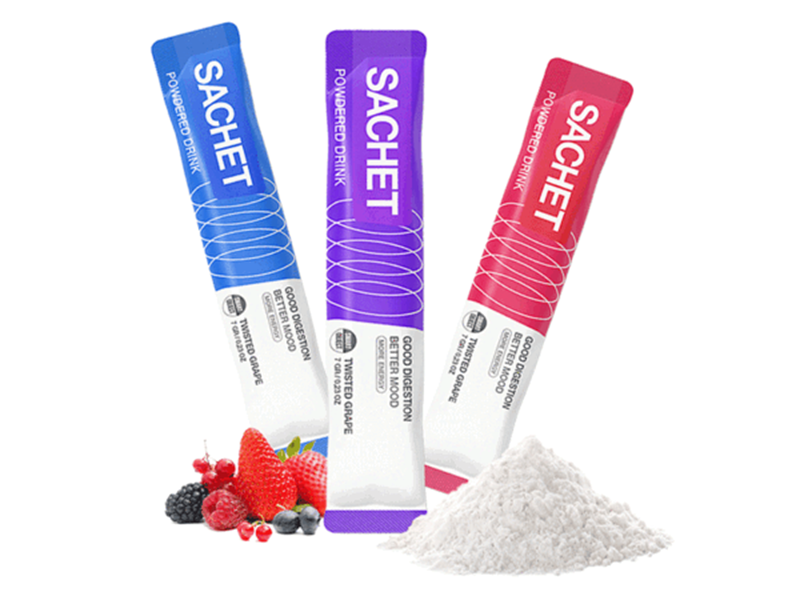
A stick pack looks almost too simple to deserve a strategic product meeting. It is only a narrow strip of flexible film filled with a measured amount of powder, sealed at both ends and usually packed into a carton. Yet this small format sits at the intersection of several important changes in the supplement industry: portable nutrition, functional beverages, sports hydration, cleaner labels, lower-sugar products, personalization, packaging regulation, e-commerce logistics, and consumers who increasingly expect supplements to fit naturally into everyday routines rather than requiring a complicated ritual.
The most important stick pack dietary supplement trends for 2027 will include continued growth in hydration and sports nutrition, more creatine and multifunctional powders, stronger interest in gut health and daily wellness products, lower-sugar flavor systems, better mixability, higher-performance packaging, and tighter integration between formulation and manufacturing. The strongest products will be designed as complete single-serve systems rather than existing powders simply placed into narrow packets.
That distinction matters because a commercially successful stick pack is much more than packaging. The formula has to fit the available volume, flow consistently through filling equipment, remain stable under realistic storage conditions, dissolve or disperse acceptably, taste good enough for repeat use, survive international distribution and arrive with seals intact. A product can look perfect in a presentation and still fail if a hygroscopic mineral blend cakes, a collagen serving needs more volume than expected or powder enters the sealing area during production. The real opportunity in 2027 is learning how to make convenience work technically as well as commercially.
What Is Driving Stick Pack Growth in 2027?
Stick pack growth in 2027 is being driven by portable nutrition, pre-measured servings, functional powder innovation and the demand for simpler daily supplement routines. The format works particularly well when consumers want a measured serving they can carry, open, mix and consume without handling a large tub, scoop, bottle or several separate products.
On-the-Go Nutrition
One of the biggest reasons stick packs continue to gain attention is the simple fact that supplementation no longer happens only at home. People increasingly carry nutrition between work, gyms, airports, hotels, outdoor activities, commuting and social events. A dry single-serving powder can travel easily and be mixed only when needed, which reduces the need to carry a large tub or a ready-to-drink bottle.
This convenience becomes especially relevant in categories such as hydration, electrolyte powders, creatine, greens, collagen and functional drink mixes. A consumer can place several packets in a backpack, briefcase or suitcase and still follow a consistent daily routine. The format is also easy to explain visually: tear the stick, pour the powder into water and mix. That simplicity creates a clear use experience before the consumer even reads the complete ingredient list.
The more useful product-development question is therefore not simply whether stick packs are fashionable. The better question is when and where the consumer will use the product. A daily hydration stick designed for office workers should not necessarily be formulated like an electrolyte product intended for long-distance runners. One may prioritize light flavor and everyday use, while the other may require a different electrolyte profile and stronger performance positioning.
Clear consumption occasions often lead to better product decisions because they reduce the temptation to add ingredients that do not support the core routine. A product designed around morning hydration, pre-workout preparation or evening relaxation can usually be communicated more clearly than a general-purpose powder attempting to address several unrelated needs.
Single-Serve Dosing
Single-serving packaging also removes the measuring step from powdered supplementation. Instead of opening a tub, searching for a scoop and estimating whether it is level or heaped, the consumer receives a predetermined serving in each packet. That makes the routine easier and can improve the consistency of how the product is used from one serving to the next.
The format becomes even more useful when formulas include several ingredients rather than a single flavored powder. Electrolytes, amino acids, minerals, vitamins, fiber and other functional ingredients create a stronger need for controlled manufacturing and repeatable filling. The packet may look simple, but the production system behind it needs to manage blend uniformity, target weight, ingredient distribution and sealing performance.
Single-dose formats also create flexible commercial configurations. A 30-stick carton immediately communicates a month-long daily routine. Smaller 7-, 10- or 14-stick boxes can support travel, sampling or limited-use programs. Variety packs can combine several flavors within the same outer carton, allowing consumers to explore different options without purchasing multiple full-size containers.
The trade-off is that every individual stick becomes a finished package. A filling or sealing problem is therefore multiplied across thousands or hundreds of thousands of individual units. Convenient packaging makes process discipline more important, not less important.
Functional Powder Growth
Stick packs also benefit from the broader strength of powder-based supplements. Many functional ingredients are used at gram-level serving sizes, making powders attractive when delivering the same amount through capsules or gummies would require multiple units. Creatine, collagen, fiber, electrolytes, amino acids and greens all illustrate situations where powder can be a practical format.
Powder delivery also changes the consumer experience. Rather than thinking about swallowing several pills, users can consume the product as a flavored beverage. That distinction matters in categories designed for everyday use, where taste and routine can influence repeat purchase just as strongly as the label itself.
Not every powder belongs in a stick, however. High-volume protein formulas, meal replacements and certain fiber products may require more space than a narrow packet can reasonably provide. Trying to force a large serving into a very small format can create difficult filling conditions, oversized sticks or disappointing consumer expectations.
The opportunity for 2027 is therefore not simply an increase in powdered products. It is the growth of powders deliberately designed around manageable single-serving volumes, realistic mixing instructions and clear usage occasions.
Premium Convenience
As more companies offer portable packets, convenience by itself becomes less distinctive. The competitive advantage shifts toward the quality of that convenience. Consumers notice whether a packet tears cleanly, whether the powder pours without sticking to the opening, whether the serving mixes into a normal water bottle and whether the flavor remains enjoyable after repeated use.
They also notice the carton. A strong secondary package should protect the sticks during transportation, remain easy to store, communicate the serving routine clearly and fit the expected retail or e-commerce channel. A premium formula in a flimsy or frustrating package can undermine the entire experience, while a well-designed system can make a relatively straightforward product feel polished.
This means packaging cannot remain the last stage of product development. Stick dimensions, formula density, serving weight, flavor system, moisture sensitivity and sealing behavior need to be considered earlier. Otherwise, brands can reach the final stages of development only to discover that the selected powder does not fit the proposed stick or that the package is difficult to fill consistently.
The deeper trend going into 2027 is a move away from simply packaging powder and toward designing a complete single-serve product system.

Which Stick Pack Supplements Will Lead in 2027?
Hydration and electrolyte powders are likely to remain among the strongest stick-pack applications in 2027, while creatine, sports nutrition, collagen, gut-health powders, fiber and relaxation formulas offer additional opportunities. The best concepts will combine a clear consumer use occasion with a serving size, ingredient load and sensory profile that genuinely fit the stick format.
Hydration & Electrolytes
Hydration remains one of the clearest applications for stick packs because the packaging solves an obvious practical problem. Consumers often already have access to water, so the product only needs to provide the functional ingredients and flavor in a portable dry format. The packet can be carried until needed, then emptied into a bottle or glass.
The category now stretches far beyond traditional sports drinks. Daily hydration, travel hydration, outdoor activities, gym routines, endurance sports and recovery products can all occupy different positions. That creates room for more differentiated formulas rather than repeated versions of the same basic mineral blend.
Electrolyte products commonly revolve around minerals such as sodium, potassium and magnesium, while some formulas may also use calcium or other supporting nutrients. The appropriate combination depends on the intended consumer, serving size, positioning and target market. Adding more minerals does not automatically make the product better because mineral salts can strongly influence flavor, aftertaste, hygroscopicity and powder flow.
Zero-sugar and reduced-sugar concepts are likely to remain visible because they fit common consumer expectations around hydration products. However, removing sugar increases the importance of sweetener selection, acidity and flavor masking. A successful formula needs to taste light enough for repeat consumption without leaving an unpleasant mineral or sweetener aftertaste.
A manufacturer developing electrolyte stick packs should therefore be able to discuss more than ingredient sourcing. Mineral combination, flavor development, moisture control, flowability, caking risk, serving weight and packaging barrier all influence the commercial result.
Creatine & Sports Nutrition
Creatine is particularly well suited to single-serving powder formats because commonly used serving amounts are naturally compatible with individual packets. A maintenance intake around 3–5 grams per day is frequently discussed in sports-nutrition literature, making the ingredient practical for compact single-serve concepts.
A straightforward creatine-only stick is relatively simple from a product-positioning perspective. Complexity rises when the formula adds electrolytes, flavor, carbohydrates, amino acids, vitamins or other performance-oriented ingredients. Total powder weight can increase quickly, and ingredients can change the flow, flavor and volume of the blend.
This is where commercial ambition sometimes conflicts with packaging reality. A formula may look stronger when more ingredients are added, but consumers still need to open, mix and drink it comfortably. A packet that becomes unusually large or produces a thick, unpleasant drink can lose the convenience that made the format attractive in the first place.
Sports nutrition itself is also expanding beyond traditional bodybuilding. Strength training, recreational fitness, healthy aging, endurance and active lifestyles are increasingly overlapping. This gives brands more opportunities to design sports-related stick packs for different user groups without relying on an aggressive performance-only identity.
The most convincing concepts tend to have one clear function supported by logical complementary ingredients. Creatine plus hydration is easy to understand. A packet attempting to address energy, sleep, digestion, skin, immunity and performance at once becomes difficult to formulate and even harder to communicate.
Gut, Beauty & Daily Wellness
Gut health, collagen and daily wellness products also work naturally with stick-pack routines because consumers can add them to water, coffee, smoothies or other beverages. These categories often feel less like conventional supplementation and more like a repeated lifestyle ritual, which can improve format acceptance.
Collagen illustrates both the opportunity and the limitation of stick packs. Many collagen concepts use gram-level servings, so the pack must be sized around actual powder volume rather than visual preference. A brand that wants a very high collagen dose may need to accept a wider or longer stick, reduce the amount or choose a different packaging format.
Fiber creates similar engineering questions. Certain fibers can change viscosity, increase powder volume or influence mouthfeel. A formula that looks attractive on an ingredient panel may become difficult to consume if it thickens too quickly or produces an undesirable texture in the recommended water volume.
Greens powders add a different challenge. Multiple botanical ingredients can create bitterness, earthy aromas, strong color and visible sediment. The formulation team may need to balance ingredient positioning against sensory performance rather than pushing every possible plant ingredient into one serving.
Probiotic-related concepts require another level of care because different strains can have different stability requirements. Moisture, storage, processing and packaging conditions all matter. A probiotic stick should therefore be developed around actual strain and stability information instead of using the category name as a generic marketing ingredient.
Sleep & Stress Support
Relaxation and evening-use powders represent another interesting area because the delivery format can support a deliberate ritual. A flavored magnesium or relaxation drink consumed before bed feels different from swallowing another capsule, which gives brands an opportunity to build a more recognizable usage routine.
The challenge is sensory quality. Magnesium ingredients can contribute mineral or bitter notes, while botanical ingredients can create earthy or herbal flavors. Some formulations may also produce sediment or visible particles, depending on ingredient form and serving size.
This category benefits from careful positioning. Aggressive medical promises create unnecessary regulatory and trust risks. A well-developed product can focus on relaxation, evening routines or general sleep-support positioning without presenting itself as a treatment for medical sleep disorders.
From a product-development perspective, evening powders also benefit from restraint. Strong stimulatory flavors or overly intense sweetness may not match the intended experience. A softer sensory profile, realistic serving size and easy preparation can contribute more to the consumer routine than a long ingredient list.
| Product Direction | Typical Development Consideration | Main Technical Pressure | Stick-Pack Fit |
| Electrolytes | Mineral balance and flavor | Saltiness, moisture, caking | Very Strong |
| Creatine | 3–5 g commonly discussed for maintenance use | Density, dispersibility | Very Strong |
| Collagen | Gram-level serving | Volume, mouthfeel, flavor | Strong if serving fits |
| Fiber | Often requires several grams | Thickening, volume, solubility | Formula-dependent |
| Greens | Multi-ingredient blend | Bitterness, sediment, color | Strong with sensory work |
| Relaxation Powder | Mineral and botanical combinations | Flavor masking, claims, sediment | Strong for routine use |
These ranges and considerations are formulation references rather than universal product specifications. Final serving levels and ingredient choices should always be determined according to the specific formula, target market, intended labeling and applicable regulatory requirements.
How Are Stick Pack Formulas Changing?
Stick-pack formulas are becoming more multifunctional, lower in sugar and more demanding from a sensory and manufacturing perspective. Successful 2027 products will need to do more than combine popular ingredients. They must fit the intended serving size, flow through packaging equipment, remain stable through shelf life and deliver an enjoyable mixing and drinking experience under normal consumer conditions.
Multi-Benefit Formulas
The supplement market increasingly favors products that connect several related needs within one daily routine. In stick packs, this can take the form of hydration plus creatine, electrolytes plus vitamins, collagen plus complementary beauty nutrients or fiber combined with additional gut-health ingredients.
The appeal is easy to understand. Consumers may prefer one product that addresses a clearly connected group of needs instead of buying and carrying several separate supplements. Brands also gain more room for differentiation in categories where single-ingredient products have become highly competitive.
The danger is formula overload. Every ingredient affects more than the label. It can change bitterness, sweetness, pH, color, cost, density, moisture sensitivity, stability and physical serving volume. Several attractive ingredients may individually work well but perform poorly when combined.
Experienced development teams therefore protect one dominant use case. Supporting ingredients should reinforce that use case rather than compete with it. A hydration formula may logically include a related performance or wellness component, but adding unrelated trending ingredients only because they are popular can weaken the product.
The strongest multifunctional formulas usually feel simple to consumers even though considerable technical work may be happening behind the scenes. The product should be easy to describe in one sentence, and the ingredient structure should support that sentence.
Lower-Sugar Systems
Lower-sugar and sugar-free positioning will remain important in hydration, sports and daily wellness powders. The technical difficulty is that sugar does more than contribute calories. It influences sweetness, mouthfeel, flavor balance and the overall drinking experience.
Removing or greatly reducing sugar means the sensory system has to be rebuilt. High-intensity sweeteners can produce lingering sweetness or distinct aftertastes. Minerals can introduce salty, bitter or metallic notes. Acids can create freshness but can also make a beverage harsh when used too aggressively.
There is rarely one perfect sweetener system for every formula. The right approach depends on ingredient load, flavor direction, target water volume and the desired consumer experience. A refreshing citrus electrolyte and a berry relaxation powder may need completely different sweetness and acidity structures even if both carry a zero-sugar position.
Testing should always be performed at realistic dilution. A powder that tastes balanced in 250 mL of water may become weak in a 600 mL bottle, while a formula designed for 500 mL can taste overly concentrated if consumers use a small glass.
This is why the intended preparation method needs to be established during formulation rather than written after the formula is already complete.
Flavor & Mixability
Taste is one of the strongest drivers of repeat use in drinkable supplements. Consumers may tolerate a challenging flavor once because they like the ingredient concept, but products intended for daily use have far less room for sensory compromise.
Mixability belongs in the same conversation. When powder is added to water, it may disperse immediately, float, clump, foam, sink or create a visible sediment layer. These behaviors are influenced by particle size, density, ingredient chemistry, flavor carriers, gums, fiber, proteins, minerals and manufacturing processes.
A laboratory sample can sometimes create a misleading impression if it is mixed under ideal conditions. Consumers rarely use laboratory equipment. They may shake a bottle for a few seconds, stir with a spoon or simply swirl the drink. A formula should therefore be tested in the same way it is expected to be used.
The instructions on the final package should also reflect realistic performance. If a product requires vigorous shaking or a specific water volume, that should be identified during development. Trying to solve poor dispersion with vague instructions after launch usually results in negative customer experiences.
Flavor and physical performance are not secondary details. For high-frequency products, they directly influence whether consumers finish the carton and purchase another one.
Stability & Shelf Life
A sealed stick can provide strong protection, but packaging cannot compensate for a poorly designed formula. Some mineral blends absorb moisture quickly. Certain flavors can weaken or change over time. Colors may shift. Botanical ingredients may interact with other components, and some vitamins or probiotic strains can be sensitive to environmental conditions.
Early development should therefore look for changes that may become commercially important. Does the powder become harder after exposure to humidity? Does the flavor drift? Does the beverage color change? Does sediment become more noticeable? Do sensitive ingredients remain within the intended specification?
Barrier packaging helps reduce exposure to moisture and oxygen, but film selection should match the actual formulation. A highly hygroscopic electrolyte powder may require different packaging performance from a simple dry flavor blend.
Zoxizo’s documented development facilities include approximately 1,000 m² of R&D trial space that can support formula trials, sensory assessment, solubility checks, texture adjustment and early stability observation before commercial production. These activities are particularly relevant for powder products where sensory quality and physical behavior can change significantly during development.
Formal shelf-life claims should ultimately be supported by appropriate stability work rather than copied from similar products on the market. Formula, packaging, temperature, humidity and distribution conditions all influence the final result.
Which Packaging Trends Will Matter Most?
Packaging development in 2027 will focus on stronger barrier performance, material efficiency, recyclability, improved usability and better integration between package design and the powder inside. Sustainability pressure will continue to increase, particularly in major regulated markets, but product protection remains essential. The best solution will balance barrier performance, sealing reliability, machinability, environmental goals and real distribution conditions.
Barrier Performance
The first responsibility of stick-pack packaging is still to protect the formula. A premium print finish does not matter if the powder cakes, absorbs moisture or develops an unpleasant flavor before the end of its intended shelf life.
Many supplement powders are sensitive to environmental humidity. Electrolyte ingredients are particularly well known for moisture-related challenges, while flavors, vitamins, probiotics and botanical materials may also create additional stability concerns. Oxygen and light can matter for selected formulas as well.
Flexible films often use several functional layers because different materials provide different benefits. One layer may support printing, another may provide strength, another may improve sealing and another may provide moisture or oxygen protection.
The appropriate structure depends on the formulation. It should not be selected simply because the same material was used for another product. Even two electrolyte powders can behave differently when they contain different mineral salts, sweeteners, flavors or other ingredients.
Distribution also needs to be included in the packaging decision. A carton may move through hot warehouses, humid shipping environments, fulfillment centers and consumers’ kitchens. Protection needs to remain adequate throughout that journey, not only while the product is inside the factory.
Sustainable Structures
Sustainable packaging is shifting from optional marketing language toward a technical and regulatory requirement. The European Union’s Packaging and Packaging Waste Regulation entered into force in 2025 and begins applying in stages from 2026, with stronger recyclability and waste-reduction requirements developing toward 2030.
For flexible stick packs, this creates a complicated engineering problem. High-barrier packaging has traditionally relied on combinations of materials because different layers provide different functions. Moving toward recyclable or mono-material structures may therefore require new barrier coatings, adhesives, sealing conditions or equipment adjustments.
The wrong approach is to select a package because it sounds environmentally friendly and only later test whether it adequately protects the product. A structure that reduces material but allows the formula to degrade can create more waste through damaged inventory, customer complaints and replacements.
A more responsible approach is to define the minimum protection requirement first, evaluate more recyclable structures where technically feasible and validate seal performance, product compatibility and expected shelf-life behavior before making strong sustainability claims.
Environmental design is becoming a measurable engineering exercise rather than a graphic element on the package.
Pack Size & Machine Fit
Stick dimensions cannot be chosen from appearance alone because equipment capabilities, serving volume and powder behavior place practical limits on the package.
Commercial machines illustrate how wide these operating ranges can be. Some modern stick-pack systems can form relatively narrow packs beginning around 17 mm in width, while selected equipment supports widths around 60 mm and lengths of approximately 160–200 mm. Exact specifications vary significantly by machine model, lane layout, filling system and packaging material.
A 5-gram blend can also occupy very different physical volumes depending on density. A dense crystalline formula may fit comfortably into a small stick, while a fluffy botanical blend at the same net weight may require noticeably more space.
Production speed also varies. Multi-lane systems can reach several hundred packets per minute under suitable conditions, but headline equipment speed does not equal guaranteed commercial output. Powder flow, pack dimensions, film properties, sealing conditions and inspection requirements all affect real line performance.
| Packaging Parameter | Common Commercial Consideration | Practical Effect |
| Stick Width | Roughly 17–60 mm on selected systems | Determines available fill volume and print area |
| Stick Length | Often up to about 160–200 mm on selected systems | Adds volume but changes handling |
| Lane Count | Multi-lane configurations are common | Influences output and allowable width |
| Fill Weight | Depends on formula density | Same weight may require different pack sizes |
| Line Speed | Can reach several hundred packs/min on certain systems | Actual output depends on product and film |
These figures are examples drawn from commercial stick-pack equipment and should not be treated as universal production limits. A specific project needs to be matched to the actual filling machine, product properties and packaging structure.
Smarter Consumer Design
Good packaging technology is often invisible. Consumers mainly experience whether the stick opens cleanly, pours without making a mess and clearly communicates what to do with the product.
The tear notch should work consistently. The opening needs to be wide enough for the powder to flow into a bottle or glass. Lot and expiry coding must remain legible. Important product information must fit onto a narrow surface without becoming difficult to read.
The secondary carton therefore carries much of the communication burden. It can present preparation instructions, product positioning, flavor identity and other required information while also protecting the individual sticks during transport.
QR codes can extend the amount of available information when used thoughtfully. They can link to detailed preparation guidance, recycling instructions, batch information, educational material or traceability systems. They should not be used as a substitute for information that needs to remain directly on the legal label.
Variety cartons are another practical opportunity. Several flavors can be combined inside one box while using the same basic product platform, helping consumers try more options without purchasing multiple full cartons.
The smartest packaging in 2027 will usually feel simple to the consumer because the technical details have already been solved before launch.

How Do Stick Pack Formulas Affect Manufacturing?
Stick-pack formulations directly influence filling accuracy, line speed, seal performance, package dimensions and production reliability. Powder density, particle size, flowability, moisture sensitivity and electrostatic behavior determine how consistently a product can move through commercial equipment. Manufacturers should evaluate these characteristics before final stick dimensions, packaging film and artwork are locked.
Powder Flow
Powder flow is one of the most important manufacturing variables that consumers never see. Two formulations can have exactly the same target weight and behave completely differently inside the same filling equipment.
A dense crystalline powder may flow predictably, while a fine botanical blend may bridge, dust, cling to metal surfaces or feed irregularly. Hygroscopic ingredients can become less free-flowing as humidity increases. Components with very different particle sizes or densities can also create segregation concerns during material transfer.
This is why a specification such as “5 grams per stick” does not provide enough information for manufacturing. The team also needs to know how much space the powder occupies, whether it feeds consistently, whether it creates excessive dust and whether the blend remains sufficiently uniform throughout the filling process.
Poor flow can slow production because operators may need to reduce line speed or make more frequent adjustments. It can also increase fill-weight variation or cause powder to enter the sealing area.
A commercial filling trial is therefore valuable before large quantities of printed packaging are ordered. It reveals whether a laboratory-approved formula behaves like a repeatable production powder rather than only an acceptable bench sample.
Fill-Weight Control
Every stick represents a labeled serving, so fill-weight control needs to be connected directly to the finished product specification.
Manufacturers normally establish a target weight and an internal operating range appropriate for the formula and filling equipment. The exact limits depend on the specific product rather than a universal tolerance that can be copied between different SKUs.
Total weight is also only part of the quality question. If a multi-ingredient blend is not sufficiently uniform, two sticks can have the same total net weight while containing different distributions of individual components. Weighing, mixing, ingredient particle characteristics and material transfer therefore remain important.
Quality control should follow the product from incoming materials through dispensing, blending, filling, sealing, coding and finished-product release. This provides a much stronger evidence chain than relying only on a final visual inspection.
Well-run projects also establish what happens when an in-process result moves outside the internal control range. Production should not depend on operators simply noticing that something “looks wrong.” Procedures need to define how the issue is identified, investigated and corrected.
Seal Integrity
A correctly filled packet still fails if the seal cannot protect it.
Powder can enter the sealing zone during production, especially when the formula is dusty, electrostatic or difficult to control. Contamination in the seal area can interfere with closure and create weak points that may not always be immediately visible.
Seal performance is influenced by film structure, temperature, pressure, dwell time, machine speed and the physical characteristics of the powder. Adjusting one variable can change another, which is why packaging should be validated on the actual production system rather than assessed only by looking at material specifications.
Weak seals may survive initial inspection and fail later during transportation, compression or environmental changes. Depending on the product and packaging system, visual inspection can therefore be supported by additional physical or leak-related testing.
This becomes especially important when moving to a new recyclable or lightweight film. A replacement material may look almost identical to the previous structure but operate within a different sealing window.
Packaging procurement should therefore remain connected to production engineering and quality control instead of being treated only as a cost negotiation.
Batch Documentation
Reliable manufacturing needs records that show the approved product was produced as specified. Dietary supplement quality systems commonly include controls covering raw materials, weighing, batch preparation, blending, filling, packaging, finished-product release and traceability.
For U.S. dietary supplements, current good manufacturing practice requirements under 21 CFR Part 111 establish production, process-control, quality-control and recordkeeping expectations covering manufacturing, packaging, labeling and holding operations.
A practical stick-pack quality system can be organized around the following control points:
| Control Stage | What Is Verified | Practical Evidence |
| Raw Materials | Identity, specification, approval status | Supplier and incoming QC records |
| Dispensing | Correct ingredient and weight | Weighing record |
| Blending | Sequence and process controls | Batch manufacturing record |
| Filling | Target packet weight | In-process weight log |
| Sealing | Package and seal integrity | Packaging QC record |
| Coding | Lot and expiry information | Line verification |
| Finished Product | Release against specification | Test results / COA where applicable |
| Traceability | Batch and packaging records | Batch history and retained records |
The goal is not paperwork for its own sake. Documentation gives manufacturers and brands a way to investigate complaints, compare batches, support traceability and demonstrate that repeat orders follow an established process.
Zoxizo’s documented quality approach covers raw-material review, process controls, finished-product testing, batch documentation and traceability, while its manufacturing facilities support R&D, production, packaging, quality control and warehousing.
How Should Brands Plan Stick Pack Products for 2027?
Brands should develop stick-pack products backward from the consumer’s real use occasion. Define the intended user and routine first, then establish the formula, target serving size, flavor, mixability, packaging requirements and commercial forecast. Connecting R&D, packaging, regulatory, purchasing and manufacturing decisions early can prevent expensive reformulation and packaging changes later.
Define the Use Case
A strong stick-pack project starts with a specific description of who will use the product and when.
“Adults interested in wellness” is too broad to guide development. “People who want a convenient electrolyte drink during work and travel” provides far more useful information because it affects mineral intensity, flavor, sweetness, water volume, carton count, packaging style and price positioning.
The same principle applies to sports products. A creatine stick intended for once-daily use has a different development brief from a hydration powder consumed during two hours of cycling. An evening magnesium powder should create a different sensory experience from a pre-workout product.
This clarity also makes ingredient decisions easier. Every component can be tested against one simple question: does it support the intended routine? If it does not, the ingredient may only add cost and technical complexity.
Commercial packaging can also follow the routine. A daily formula may naturally fit a 30-stick carton, while a travel-focused product might work better in a smaller box. Sports products with high usage frequency may justify larger counts.
Product architecture becomes much easier when behavior is defined before graphics or ingredient trends.
Build the Formula Around the Pack
Once the consumer use case is clear, formulation and packaging should be developed together rather than in sequence.
The formulation team needs to understand the desired benefit, ingredients, target market, sugar preference, flavor direction, serving concept and retail positioning. The packaging team needs approximate fill weight, powder density, moisture sensitivity, stick count and distribution expectations.
This approach exposes conflicts early. A request for high-dose collagen, fiber, electrolytes, vitamins and several other functional ingredients may create far more powder volume than the proposed narrow stick can hold comfortably.
Cost can create the same type of conflict. Premium raw materials, advanced packaging, slow production speeds, customized printing and additional testing can all add to the finished cost. The most technically ambitious formulation is not necessarily the best commercial product.
Experienced teams therefore adjust the formula, sensory profile, package and cost structure together. Several small revisions made during early development are usually less expensive than discovering a major conflict after film has been printed.
The stick should fit the formula, and the formula should fit the consumer routine. Neither should be forced to accommodate a decision made independently.
Validate Before Scaling
Sampling should reduce uncertainty in stages rather than simply produce something that tastes acceptable.
The first formula can establish whether the proposed ingredient system is technically feasible. The next iterations can improve sweetness, acidity, flavor, aftertaste, appearance and mouthfeel. Later samples should test realistic mixing conditions, physical stability and compatibility with the intended serving size.
A packaging trial adds another layer. It can reveal whether the powder feeds consistently, fits comfortably inside the proposed dimensions, interferes with the seal or creates a frustrating pour experience.
Early stability observations may identify obvious problems, but formal shelf-life decisions require appropriate testing and documentation. Packaging artwork and compliance review should also take place before large quantities of printed film are ordered because design changes become increasingly expensive once commercial packaging has entered production.
Development infrastructure matters at this stage. Zoxizo’s documented capabilities include a 25+ person R&D team, a formula library of more than 20,000 formulations and approximately 1,000 m² of R&D trial space supporting formula work, sensory assessment, solubility evaluation and early stability observation.
The purpose of these steps is not to prolong development. It is to identify problems while they remain inexpensive to solve.
Choose for Repeatability
A good first sample is only the beginning. Mature brands eventually need to know whether the same product can be manufactured again and again with acceptable consistency.
A serious manufacturing evaluation should cover formulation experience, powder handling, stick-pack filling, flavor development, incoming-material controls, production QC, documentation, packaging coordination and capacity planning.
Equipment speed alone does not answer these questions. Commercial stick-pack systems can operate at several hundred packets per minute under suitable conditions, but the real production rate depends on powder flow, packaging dimensions, lane configuration, film characteristics and inspection requirements.
A slower but stable production run can be more valuable than an impressive headline speed that creates repeated stoppages or rejects. Growing brands should therefore ask how the manufacturer responds to changes in raw-material density, how fill weight is monitored, how rejected packets are handled, how batches are traced and how repeat orders are protected from avoidable variation.
The most successful stick-pack programs in 2027 are unlikely to be the ones that simply followed a packaging trend. They will be the programs that connect consumer behavior, formula design, packaging engineering and manufacturing discipline into one repeatable system.
Conclusion
Stick packs are likely to remain one of the most commercially useful formats for powdered supplements heading into 2027, but their appeal should not be confused with simplicity. The format may look straightforward from the outside, yet every successful packet depends on decisions about ingredient load, powder density, flavor, sweetness, solubility, moisture sensitivity, film structure, fill accuracy and sealing performance.
Hydration and electrolytes will continue to provide a natural foundation for the format, while creatine, sports nutrition, collagen, fiber, gut health, greens and relaxation products create additional opportunities. The most promising products will not necessarily contain the largest number of fashionable ingredients. They will provide a clear use case, a manageable serving size and a consumer experience that remains pleasant enough for repeated use.
Packaging will also become more technical. Sustainability requirements are increasing, but recyclable or lighter structures still have to protect the formula and run reliably on production equipment. This means packaging material, formulation and manufacturing can no longer be treated as separate decisions.
For companies planning a new stick-pack line, the best place to begin is usually with a clear brief: target market, intended consumer, product benefit, ingredient direction, reference products, flavor, serving concept, packaging expectations and forecast volume. From there, feasibility can be tested before expensive commercial commitments are made.
A stick pack earns its value when it disappears into the consumer’s routine. The packet should feel easy to carry, easy to open, easy to mix and easy to take again tomorrow. Reaching that level of simplicity requires more technical work than most consumers will ever see, and that is exactly what separates a short-lived packaging trend from a scalable supplement product.

Frequently Asked Questions
Are stick packs good for dietary supplements?
Stick packs are particularly suitable for powdered dietary supplements that benefit from portable, pre-measured servings. Electrolytes, creatine, collagen, greens, fiber and functional drink powders are common examples. They are less suitable when the required serving occupies too much volume or when the powder has processing characteristics that make reliable filling difficult without additional formulation or packaging work.
Which supplements work best in stick packs?
Electrolyte powders, hydration formulas, creatine, pre-workout products, collagen, greens, selected fibers and certain relaxation powders are strong candidates. The best fit depends on the required serving weight, bulk density, moisture sensitivity, flavor and intended method of consumption. A formula should be evaluated physically rather than assumed to fit simply because another product in the same category uses stick packaging.
How much powder can fit in a stick pack?
There is no single universal capacity because the same net weight can occupy very different volumes depending on powder density. Commercial equipment also supports different stick widths and lengths. Selected systems operate with widths from roughly 17 mm up to about 60 mm and lengths approaching 160–200 mm, but the actual usable range depends on the machine, filler, film and product characteristics.
Are stick packs better than supplement tubs?
Neither format is universally better. Stick packs offer portability, controlled single servings and convenient travel use, while tubs can be more economical for large daily powder servings and may use less packaging per gram of product. Electrolytes and creatine may work well in either format, while very high-volume protein or meal-replacement formulas often remain more practical in tubs.
What packaging material is used for supplement stick packs?
Supplement stick packs commonly use flexible film structures selected according to moisture, oxygen, sealing and mechanical requirements. High-barrier products may use multilayer materials, while newer recyclable or mono-material structures are becoming more important as sustainability requirements develop. The correct material should be chosen according to the formula’s actual stability requirements rather than appearance or environmental claims alone.
What causes stick pack powders to cake?
Caking is often associated with moisture absorption, ingredient hygroscopicity, environmental humidity, particle characteristics and storage conditions. Electrolyte mineral salts can be particularly sensitive. Managing the problem may require changes to raw materials, formulation, production humidity, anti-caking strategy, film barrier performance and storage conditions rather than relying on one solution.
What should a brand provide to start a custom stick pack project?
A useful starting brief includes the target market, intended consumer, desired product benefit, preferred ingredients, reference products, serving concept, flavor direction, sugar preference, packaging idea, estimated order volume and target price position. Finished artwork is not necessary at the earliest development stage. A clear product brief gives formulation and manufacturing teams enough information to evaluate feasibility before commercial specifications are finalized.