Skip to content

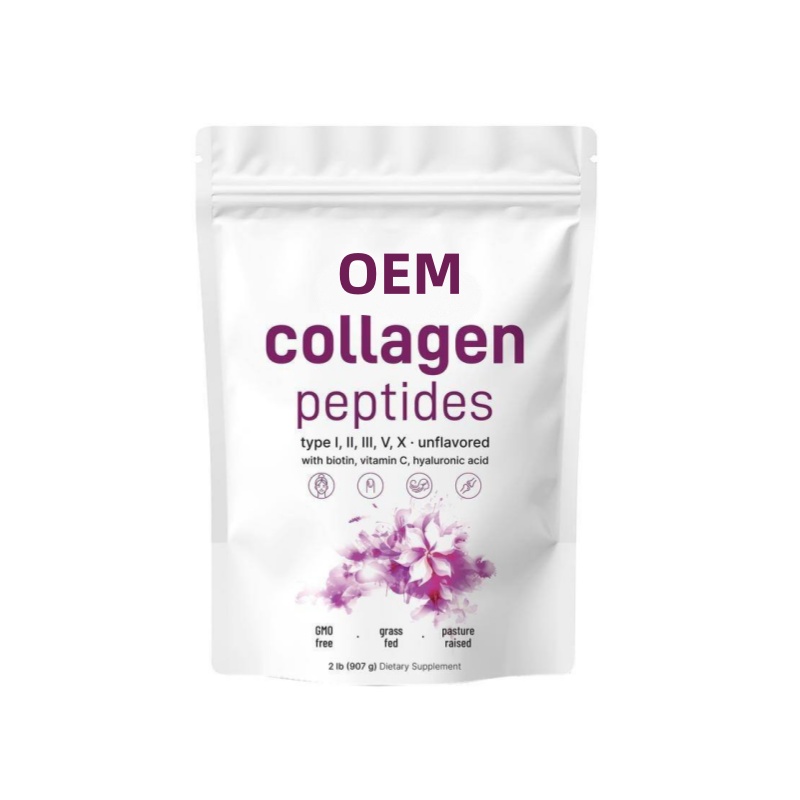
Beauty supplements have a packaging problem that ordinary vitamins do not always face. A collagen powder, skin-support gummy, glutathione capsule, beauty drink, or healthy-aging formula has to perform like a dietary supplement while often looking closer to skincare, prestige wellness, or personal-care products. The package must protect the formula, survive filling and shipping, support compliant labeling, fit the consumer’s daily routine, and still create enough visual value to justify its position on the shelf or online.
Beauty dietary supplement packaging works best when dosage form, ingredient sensitivity, serving method, barrier requirements, labeling space, sales channel, brand position, filling process, and distribution conditions are evaluated together. Bottles and jars suit many gummies and capsules, while high-barrier pouches, sachets, and stick packs suit many powders. Liquids require compatible bottles or unit-dose packs. The final system must protect the product and remain practical to manufacture, inspect, ship, and reorder.
Consider two collagen products with similar ingredient panels and similar retail prices. One arrives in a large container with excessive empty space, powder around the closure, cramped labeling, and a scoop that is difficult to retrieve. The other opens cleanly, fits neatly into a daily routine, keeps the powder well protected, photographs well, and carries the required information without looking crowded. The difference is not simply graphic design. It is the result of packaging decisions made early enough to influence product development rather than being left until the formula is already finished.
What Is Beauty Dietary Supplement Packaging?
Beauty dietary supplement packaging is the complete system used to contain, protect, identify, present, store, and deliver ingestible beauty products. It includes the primary container, closure, liner or seal, label, carton, lot and expiration coding, and shipping configuration. The right system connects formula stability, dosage form, regulatory requirements, consumer handling, brand positioning, filling efficiency, and distribution rather than treating packaging as decoration added at the end.
What Makes Beauty Packaging Different?
Beauty supplements sit between several established consumer categories. They need the technical discipline expected from dietary supplements, yet consumers often compare their appearance with skincare, premium cosmetics, and modern wellness products. That makes packaging more demanding because it has to communicate trust and functionality without looking clinical or generic. A package that feels too pharmaceutical can weaken a beauty-led brand position, while a package designed only for appearance can create stability, filling, labeling, or transportation problems.
A heavy glass jar may look impressive in product photography but increase shipping weight and breakage exposure. A narrow bottle may create an elegant silhouette but provide limited space for Supplement Facts and other required information. A highly decorated carton may improve retail presence while adding printing, assembly, inventory, and freight complexity. None of these choices is automatically wrong. Their value depends on what the product needs to accomplish across manufacturing, retail, e-commerce, and repeated consumer use.
For that reason, experienced product teams rarely ask only which package looks best. They ask whether the package is suitable for the formula, whether the consumer can use it easily, whether the graphics remain readable, whether the component can be filled and sealed consistently, and whether it can be reordered in larger volumes without creating unnecessary supply-chain risk. Premium packaging works when appearance and operational reliability support each other.
Which Beauty Supplements Need Specialized Packaging?
The marketing label “beauty supplement” does not tell a packaging engineer enough about the actual product. Dosage form, ingredient behavior, serving size, texture, moisture sensitivity, oxidation risk, light exposure, and distribution environment are more useful starting points. A collagen powder, gummy, softgel, capsule, and liquid beauty supplement may serve similar consumers, yet each creates a very different packaging problem.
Collagen powders can absorb moisture and lose flow, particularly when a formulation contains flavors, minerals, sweeteners, or other hygroscopic ingredients. Gummies may become sticky, hard, soft, deformed, or visually unattractive when moisture and temperature move outside the range the product can tolerate. Capsules and tablets require accurate counting, appropriate headspace, and reliable closure performance. Liquids create additional questions involving leakage, closure compatibility, fill volume, viscosity, and sometimes light exposure.
Zoxizo’s documented manufacturing scope covers powders, capsules, tablets, gummies, liquid drops, softgels, instant drinks, and other functional formats, while its product-development categories include collagen, glutathione, healthy-aging products, women’s-health formulas, and beauty gummies. The practical value of that range is that packaging can be matched to how each product behaves rather than forcing every beauty supplement into the same bottle-and-label template.
How Does Packaging Affect Brand Positioning?
Consumers form expectations before they taste a product. A frosted jar, amber bottle, slim stick pack, soft-touch carton, transparent container, or minimalist pouch can communicate a very different value proposition even when the underlying formula is comparable. Packaging influences how consumers photograph the product, where they store it, how easily they carry it, how often they see the brand, and whether it feels like an everyday wellness product or a premium beauty ritual.
Premium positioning is usually created through restraint and consistency rather than by adding every decorative technique available. Container proportions, typography, cap style, label substrate, print finish, color hierarchy, and secondary packaging should feel intentional together. Foil, embossing, metallic effects, soft-touch coatings, custom closures, and rigid boxes can all add value, but they also add cost, sourcing steps, quality-control points, and sometimes longer lead times.
For brands planning several SKUs, packaging architecture should also extend across the range. A collagen powder, beauty gummy, capsule, and liquid may require different primary containers, but they can still share visual logic through color, typography, closure styling, label structure, and carton design. This matters because a product line that grows successfully needs to look coherent without requiring a completely new packaging system every time another dosage form is introduced.
Which Packaging Format Fits Each Product?
Packaging format should follow dosage form, serving behavior, product sensitivity, consumer use, distribution method, and commercial positioning. Jars and bottles remain practical for many multi-serving supplements, while pouches can reduce pack weight and stick packs or sachets can improve portability and portion control. Liquids need compatible closures and containers. The strongest choice protects the formula while remaining convenient to fill, label, ship, store, open, and reorder.
Which Packaging Works for Collagen Powder?
Collagen powder can be packed in jars, tubs, stand-up pouches, sachets, or stick packs, and each format supports a different use pattern. A jar works well when consumers expect to scoop several grams into coffee, water, or a smoothie at home. A pouch can reduce empty package weight and may require less storage space. Stick packs and sachets make individual servings easier to carry, sample, and use consistently outside the home.
The first technical question is not simply net weight. Powder volume depends on bulk density, particle structure, agglomeration, flavor ingredients, minerals, sweeteners, and other formulation variables. Two powders labeled with the same net weight can occupy noticeably different volumes. That means container selection should ideally be checked using the actual formula or a representative production sample rather than only relying on nominal capacity supplied in a packaging catalogue.
For multi-serving packaging, teams should also check the scoop dimensions, headspace, opening diameter, resealing performance, powder accumulation around the closure, and how easy it is to reach the final servings. For stick packs or sachets, powder flow and dust generation become especially important because filling accuracy and seal cleanliness depend partly on how the product moves through the packing equipment.
Are Bottles or Jars Better for Gummies?
Beauty gummies are usually suited to wide-mouth bottles or jars because consumers open the pack repeatedly and need easy access to relatively large pieces. The container should be selected using gummy dimensions, piece count, total fill weight, desired headspace, expected settling, and any insert or moisture-control component used inside the package. Selecting by nominal volume alone can create a pack that looks overfilled or unnecessarily empty.
Gummy packaging also has to protect texture and appearance. Formulas may respond to moisture changes, temperature, compression, and prolonged storage in different ways. A container therefore needs to do more than keep the gummies physically together. It should help preserve acceptable texture, reduce unwanted moisture exchange, maintain closure performance, and withstand the distribution environment expected for the product.
A filled-package trial is far more useful than reviewing an empty container. Teams should observe whether gummies settle during vibration, whether pieces stick around the neck, whether consumers can remove the final units easily, whether the cap remains clean, and whether the apparent fill level still matches the intended value perception after shipping. These simple observations often reveal problems that a product rendering cannot show.
| Product Format | Common Packaging | Useful Development Inputs | Main Risk to Evaluate |
| Collagen powder | Jar, tub, pouch | Net weight, bulk density, scoop size, headspace | Moisture uptake, caking |
| Beauty gummies | Bottle, jar | Gummy size, piece count, headspace | Sticking, deformation |
| Capsules | Bottle, jar | Capsule size, count, desiccant space | Moisture, count accuracy |
| Tablets | Bottle, jar | Tablet size, count, closure | Breakage, abrasion |
| Drink powder | Stick pack, sachet | Fill weight, powder flow, seal width | Seal contamination |
| Liquid supplement | Bottle, dropper, unit dose | Fill volume, viscosity, closure | Leakage, compatibility |
| Softgels | Bottle, jar | Count, capsule size, light exposure | Heat, oxidation |
Which Formats Fit Capsules and Tablets?
Capsules and tablets often use bottles because the format is familiar, efficient to fill, and straightforward to count and distribute. However, a bottle should not be chosen simply because it is described as suitable for 30, 60, or 90 pieces. Capsule size, tablet diameter, product count, neck opening, closure design, desiccant space, and required headspace all affect whether the pack works well in production and in the consumer’s hand.
An oversized bottle can make consumers feel that the package contains excessive empty space, while a tightly packed bottle can make filling, closure, or desiccant insertion more difficult. Light-sensitive formulas may benefit from tinted or opaque containers, but that choice should follow actual formula requirements rather than being used automatically. Similarly, desiccants should be selected because the product needs moisture management, not because another brand uses them.
For larger product ranges, standardizing selected bottle families can reduce complexity. Shared neck finishes, closures, label widths, and carton structures may simplify purchasing and line changeovers while still allowing differentiation through color and artwork. This is especially valuable when several beauty-related capsule or tablet SKUs are planned because operational simplicity becomes increasingly important as the number of components grows.
Do Stick Packs or Sachets Suit Single Servings?
Stick packs and sachets are a strong match for collagen drink powders, beauty hydration formulas, greens blends, and other products built around one serving per day. Each portion remains sealed until use, which can reduce repeated exposure compared with a multi-serving container. Consumers also avoid measuring with a scoop, making the product easier to carry and simpler to integrate into travel, work, gym, or morning routines.
The format is technically more demanding than it looks. Powder flow influences dosing consistency, fine particles can contaminate the seal area, and film structure affects moisture and oxygen protection. Seal temperature, dwell time, pack width, tear behavior, print registration, and machine compatibility also have to work together. A visually attractive narrow pack can still perform poorly if the formula does not fill cleanly or consumers struggle to open it.
Commercial evaluation should compare total system value rather than packaging cost alone. A 30-serving jar generally uses fewer individual package components, while 30 single-serving packs require more material and filling operations. In return, unit doses can improve portability, sampling, dosing consistency, subscription presentation, and perceived convenience. The decision is strongest when those benefits are relevant to the product’s target use rather than added simply because stick packs look modern.
Zoxizo’s documented packaging scope includes bottles, jars, pouches, stick packs, sachets, boxes, dropper bottles, spout pouches, lot coding, expiration coding, and export-carton preparation. That breadth can be particularly useful when one beauty product line includes several dosage forms and needs coordinated packaging rather than separate suppliers for every individual SKU.

Which Materials Protect Beauty Supplements Best?
No single packaging material is automatically best for beauty supplements. Glass, plastics, and flexible films solve different problems. Material selection should consider moisture transmission, oxygen exposure, light sensitivity, formula compatibility, sealability, filling conditions, consumer handling, freight, sustainability goals, and cost. U.S. dietary supplement cGMP requirements also require packaging that contacts the product to be safe and suitable for its intended use.
Is Glass or Plastic Better?
Glass can provide rigidity, clarity or tint, chemical resistance, and a substantial premium feel. It may fit selected liquids, capsules, powders, or other beauty supplements when the brand wants tactile weight and the product is compatible with the container and closure. Its disadvantages are equally practical: glass increases shipping weight, requires greater protection against impact, and can create more handling concerns in parcel distribution.
Plastic offers a different balance. PET, HDPE, PP, and other polymers provide different combinations of clarity, stiffness, impact resistance, barrier performance, and processing characteristics. Plastic bottles and jars are usually lighter than glass and are widely available in standard sizes and neck finishes. That can make replacement components, repeat production, and high-volume distribution easier to manage.
The decision should follow product priorities rather than assumptions. A direct-to-consumer brand shipping thousands of parcels may value lower weight and break resistance, while a prestige wellness product sold through selective retail may accept the distribution burden of heavier glass. Neither choice removes the need for compatibility assessment because the formula, closure, liner, and container work as one system.
Under 21 CFR Part 111, packaging that may contact a dietary supplement must be safe and suitable for its intended use and must not be reactive or absorptive in a way that affects product quality. This regulatory principle reinforces a practical manufacturing rule: material selection should be based on the real product-package combination, not simply on whether a container looks premium or is common in the market.
Which Materials Control Moisture and Oxygen?
Moisture and oxygen protection comes from the complete package rather than from one material alone. Container walls or flexible-film structures are important, but so are closures, liners, seals, headspace, repeated opening, storage temperature, and the amount of time the product remains in use after the initial seal is broken.
Packaging suppliers commonly describe moisture barrier using water-vapor transmission rate, or WVTR, and oxygen barrier using oxygen transmission rate, or OTR. These values help teams compare material structures when a formula has known sensitivity. They should not be treated as isolated marketing numbers because test conditions, thickness, temperature, relative humidity, and package configuration affect how the data should be interpreted.
For a multi-serving collagen jar, the package may provide strong barrier protection while unopened but then experience daily exposure for several weeks after consumers remove the seal. A stick pack avoids most of that repeated exposure because each serving remains closed until use. This illustrates why barrier data from an unopened package do not describe the full consumer-use period.
| Packaging Property | Common Measurement | What It Helps Evaluate |
| WVTR | g/m²/day | Water-vapor transmission |
| OTR | cc/m²/day | Oxygen transmission |
| Film thickness | µm | Material consistency and handling |
| Bottle resin | PET, HDPE, PP, etc. | Material identity and compatibility |
| Light transmission | % or wavelength data | Light exposure |
| Closure torque | Defined torque unit | Closure consistency |
| Seal temperature | °C | Flexible-pack process window |
| Package dimensions | mm | Filling, labeling, and carton fit |
| Net fill | g, mL, or count | Declared product quantity |
| Case configuration | units/case | Storage and distribution planning |
How Do Barrier Films Protect Powders?
Flexible packaging can combine several layers or functional materials so the package provides printability, mechanical strength, barrier protection, and a suitable sealing surface. The precise structure depends on the product, machine, desired shelf life, target market, filling temperature, packaging supplier, and sustainability objective. For collagen or beauty drink powders, the film should be chosen as part of the overall packaging process rather than as an isolated material.
A technically strong barrier film can still create problems if the powder contaminates the sealing area. Fine powders may travel with air movement during filling and interfere with heat-seal formation. Particle size, flowability, pack width, dosing method, and equipment settings therefore matter alongside film specifications. Reliable commercial packaging requires the product and the film to work together on the intended line.
Single-serving packs can provide useful protection because each dose remains individually sealed until use. Multi-serving pouches depend more heavily on zipper quality and consumer resealing after opening. That distinction is important when comparing packaging formats because a laboratory barrier number measured on unused material does not fully represent what happens during several weeks of daily opening and closing.
Before approving commercial material, teams should document film construction, thickness, relevant barrier values, seal parameters, printing requirements, and approved supplier references. Changes to film structures should be controlled because two packs that look identical from the outside may behave differently during filling, sealing, storage, or transportation.
Which Packaging Protects Light-Sensitive Ingredients?
Light protection can be created through tinted or opaque bottles, printed films, sleeves, coatings, cartons, or a combination of primary and secondary packaging. The required level should follow the sensitivity of the finished formula rather than the aesthetic preference of the design team. A transparent jar may be visually attractive but can be a poor choice when meaningful light sensitivity has already been identified.
The finished formula matters more than the marketing name of the ingredient. pH, moisture level, oxygen availability, natural colors, flavors, botanical extracts, minerals, and interactions among ingredients can all influence how the product responds to light. Stability work using the final or representative formula is therefore more useful than assuming that a particular ingredient automatically requires or does not require a certain container.
A carton can reduce exposure during retail and transport while also creating more room for branding and labeling. However, consumers often discard secondary packaging after opening. If the product still requires protection throughout use, the primary container must provide that protection independently rather than relying entirely on the box.
The company’s product-development documentation includes consideration of moisture absorption, solubility, color change, sedimentation, and active-ingredient stability during formulation work. These factors are directly relevant to packaging because the container should support the stability strategy established during product development instead of being selected separately once formulation work is finished.
How Does Packaging Protect Product Stability?
Packaging protects stability by reducing exposure to moisture, oxygen, light, contamination, physical damage, and repeated consumer handling. The level of protection required varies by dosage form and formula, so commercial stability should be evaluated using packaging representative of the intended market pack. A product that remains stable in a tightly sealed development container is not automatically proven stable in the bottle, pouch, stick pack, or closure used for commercial distribution.
How Do Moisture and Oxygen Affect Supplements?
Moisture can change the physical characteristics of supplement products long before a consumer sees an obvious failure. Powders may begin to clump, lose flow, develop surface changes, or become harder to disperse. Gummies can become softer, harder, sticky, or visually uneven. Tablets can change mechanical properties, and capsules may respond differently depending on shell material, formulation, and storage environment.
Oxygen can also affect sensitive oils, flavors, colors, and certain active ingredients. The rate and importance of those reactions vary widely, so packaging decisions should be based on the complete formula. A product containing one oxidation-sensitive component does not automatically require the most expensive barrier package available, just as a product that looks visually stable is not necessarily chemically unchanged.
Teams should separate formula stability from packaged-product stability. A formula can be acceptable when first manufactured but behave differently inside its commercial package over time. Opening behavior matters as well. Thirty individual sticks expose only one dose at a time, while a multi-serving jar may be opened daily for a month or longer.
Testing programs therefore often examine both chemical and physical attributes relevant to the product. Depending on the formula, that may include active ingredients, moisture, appearance, color, odor, texture, flow, dissolution, gummy hardness, sedimentation, separation, or microbiological parameters. The appropriate scope should be determined by the product and target market rather than using the same list for every supplement.
Do Seals and Desiccants Improve Protection?
Seals, liners, closures, and desiccants can improve product protection when they address a clearly identified need. Adding more components does not automatically create a better package. Each additional component introduces cost, sourcing, assembly, inspection, and potential compatibility issues, so the most effective systems use components for a specific technical reason.
An induction seal can provide a defined barrier between a compatible bottle and closure while also supporting tamper evidence. A liner can affect closure performance and sealing characteristics. Desiccants can help control internal moisture in suitable packages, but the appropriate form and amount depend on the product’s sensitivity, internal package volume, moisture ingress, intended shelf life, and expected opening pattern.
For multi-serving products, closure performance becomes especially important after the consumer removes the initial seal. If the cap is difficult to close properly or the thread design does not maintain a reliable seal during repeated use, the protection provided before opening can be weakened during the period when the product is actually being consumed.
A professional packaging bill of materials should therefore record details such as container model, resin, neck finish, closure, liner, induction seal, desiccant, scoop, label substrate, adhesive, code location, carton, and shipper. This level of control supports repeatability. A closure or liner substitution that seems visually insignificant may change packaging performance even though the finished unit appears almost identical.
How Does Packaging Affect Shelf Life?
Shelf life is a result of formulation, manufacturing control, packaging performance, storage conditions, and time. Packaging can slow exposure to factors that influence product change, but it cannot rescue a formulation that is fundamentally unstable. This is why experienced manufacturers avoid making universal statements such as “this bottle gives a two-year shelf life” without data relevant to the actual formula and packaging configuration.
Two collagen powders packaged in identical jars may perform differently because their flavor systems, mineral levels, sweeteners, botanical ingredients, particle structures, or moisture sensitivity differ. Similarly, two beauty gummies can react very differently to the same storage environment. Packaging selection therefore needs to remain connected to formulation characteristics and stability evidence rather than relying on visual similarities between products.
Commercial stability work is most meaningful when conducted in packaging representative of the intended market system. Changing from a jar to a pouch, switching a liner, using a different film structure, removing a desiccant, or changing the closure after meaningful stability work should be reviewed because those changes may affect how earlier results apply to the new configuration.
Distribution conditions matter as well. Gummies can face elevated temperatures in warehouses or delivery vehicles, liquids can experience vibration and pressure changes, and glass can be exposed to repeated mechanical shocks. These events do not define shelf life on their own, but they influence whether the packaged product can maintain acceptable quality throughout its actual route to the consumer.
How Should Packaging Be Tested?
Packaging testing should answer realistic questions that affect commercial performance. Does the pack leak? Does the seal remain closed? Does the label remain attached and legible? Does the correct lot code appear on the correct batch? Does the carton protect the primary container? Does the package continue to function after normal distribution handling? Does the product remain within specification throughout the planned storage period?
The testing plan should reflect dosage form, formula, destination market, transport route, sales channel, and agreed customer requirements. Universal pass/fail values should be avoided unless they are supported by a recognized standard, applicable regulation, validated method, or customer specification. A practical plan can combine incoming packaging inspection, in-process checks, finished-pack review, and stability work.
| Control Point | Typical Record | Practical Purpose |
| Material identity | Component code | Prevents wrong packaging use |
| Dimensions | mm | Confirms line and carton fit |
| Net content | g, mL, count | Verifies declared quantity |
| Closure setting | Approved torque/line setting | Supports closure consistency |
| Seal check | Approved pass/fail method | Detects incomplete seals |
| Label placement | Measurement or reference sample | Maintains consistent appearance |
| Lot/date code | Correct and readable | Supports traceability |
| Leak check | Defined test method | Detects closure failure |
| Case pack | units/case | Supports warehousing consistency |
| Stability | Product-specific criteria | Evaluates packaged-product performance |
Zoxizo’s documentation describes more than 30 quality and testing personnel supporting raw-material review, in-process checks, finished-product inspection, packaging, shipment review, and batch documentation. The same documentation also notes that testing scope depends on formulation, active ingredients, customer requirements, and destination market, and that some third-party or specialized tests can require additional cost and time.

How Do You Balance Branding and Compliance?
Branding and compliance work best when they are built on the same packaging layout from the beginning. A premium design still needs enough usable space for product identity, net quantity, Supplement Facts, ingredients, responsible-company information, and other applicable statements. For U.S. dietary supplements, FDA identifies several basic required label elements, making regulatory space an early packaging requirement rather than something that should be forced into a finished design.
How Should Beauty Packaging Look Premium?
Premium supplement packaging usually succeeds through controlled visual hierarchy rather than excessive decoration. Consumers should be able to understand the brand, the product type, and the main product distinction quickly. Detailed formulation and regulatory information can then be organized logically on the appropriate panels rather than competing with every marketing statement on the front of the package.
Container proportion, typography, color, closure style, label texture, print finish, carton construction, and whitespace all influence perceived quality. The difficulty is that these choices must survive manufacturing. A pale gray font can look elegant on a monitor but become difficult to read in print. Metallic elements can vary under different lighting. Matte finishes can show scuffing during transportation, and wrap labels can reveal small application differences that digital renderings hide completely.
Physical samples should therefore be reviewed under realistic conditions. Teams should inspect how the package looks on a shelf, in a parcel, under daylight, under artificial retail lighting, and after normal handling. Artwork should also be tested across future SKUs rather than only on the initial hero product.
A strong beauty packaging system creates a recognizable family. Collagen powder, beauty gummies, capsules, and liquids may use different containers, but they should still feel related. That consistency can improve brand recognition while making future product development more efficient because visual rules have already been established.
What Must a Supplement Label Include?
For U.S. dietary supplements, FDA identifies five basic labeling statements: the statement of identity, net quantity of contents, nutrition labeling, ingredient list, and the name and place of business of the manufacturer, packer, or distributor. Dietary supplement nutrition information is generally presented in the Supplement Facts format under 21 CFR 101.36. These requirements influence package dimensions, usable label area, font size, and visual hierarchy.
Serving Size, relevant dietary ingredients, and other required information must be presented according to applicable rules. A formula with many declared ingredients usually requires more vertical label space than a simple one- or two-ingredient product. This becomes particularly important for small bottles, narrow pouches, or stick packs where seals, curves, overlaps, and manufacturing tolerances reduce the area designers can actually use.
Readability should be checked on the finished package rather than on an enlarged screen. FDA labeling rules contain detailed type-size, placement, and formatting requirements, including minimum type provisions for required information and specific Supplement Facts formatting rules. The final label should therefore be reviewed against the requirements of the intended market before commercial printing.
Artwork planning should also include barcode placement, directions where used, warnings where applicable, product claims, lot-code areas, expiration or best-by coding where used, and multilingual information where needed. Leaving these elements until the last artwork revision often creates crowded labels and unnecessary redesign work.
How Do You Plan Supplement Facts Space?
Supplement Facts should be considered before the container and artwork are fully locked. The information panel needs enough usable area for the actual formula, serving size, ingredient declarations, other ingredients, directions, warnings, business information, and other applicable content. A simple capsule formula and a complex beauty blend with many nutrients or botanicals can require very different amounts of physical space.
The most efficient process is to prepare an information inventory before detailed graphic design begins. Teams should determine what belongs on the principal display panel, what must appear on the information panel, what can be placed on a secondary carton where legally appropriate, and how much uninterrupted print area remains after label seams, curves, seals, tear notches, and production tolerances are considered.
Small unit-dose formats deserve particular attention. A stick pack may appear to provide a long printable surface, but side or fin seals, end seals, tear features, registration marks, and machine tolerances can reduce the truly usable area. Where a carton is used, it can provide additional space for detailed information, but the final labeling arrangement still needs to comply with the applicable rules for that specific package system.
A productive workflow is to finalize formula and serving logic, prepare the regulatory copy deck, calculate the real usable area, and then build the visual design around that information. When the process is reversed, teams often discover that an attractive container cannot physically support the information required for the product.
Are Sustainable Packaging Options Practical?
Sustainable packaging can be practical when environmental improvements are measured against product protection, shipping efficiency, recyclability, and actual commercial use. Options may include lighter containers, recycled-content materials where suitable, simplified cartons, reduced empty volume, fewer packaging layers, or designs that improve case packing and transportation efficiency.
The challenge is that sustainability and technical simplicity do not always point in the same direction. A flexible laminate may provide excellent moisture and oxygen protection but be more difficult to recycle in some markets. A heavy glass jar may be widely recyclable but require more transportation weight and secondary protection. A decorative carton may use recyclable paperboard while adding a packaging component the product did not technically need.
The better comparison looks at the entire system. Teams should consider packaging weight per serving, expected product waste, freight volume, protection during shelf life, material claims, and the actual recycling infrastructure of the target market. A lighter package that results in poorer stability and greater product disposal may not be a better environmental outcome.
Product requirements can also override preferred sustainability options. Certain formulas or target markets may require specific safety, closure, or protection features. Environmental improvements should therefore be pursued inside the boundaries established by formula stability, applicable regulations, distribution conditions, and consumer safety rather than treated as a purely visual sustainability claim.
How Do You Move from Concept to Production?
A beauty supplement package should move into bulk production only after the formula, fill quantity, container, material, closure, seal, artwork, coding, carton, case configuration, and inspection criteria have been approved. Representative filled samples should be evaluated before scale whenever practical, and packaging specifications should remain under revision control so repeat orders reproduce an agreed commercial system rather than being reconstructed from images, emails, or informal instructions.
What Should Be Confirmed Before Sampling?
Packaging development becomes faster when teams define the product before choosing decorative details. The pre-sampling brief should identify dosage form, formula characteristics, serving size, net fill, intended shelf life, destination markets, sales channels, packaging preference, likely storage conditions, and any known barrier or compatibility requirements.
It is also useful to document target unit dimensions, closure preferences, material requirements, language versions, code locations, carton configuration, case pack, expected first-order volume, and anticipated repeat-order volume. These details allow manufacturers and packaging suppliers to identify conflicts before custom components or artwork begin.
Actual product should be used during sampling whenever possible. An empty jar cannot show whether a powder occupies the expected volume. An empty bottle cannot reveal whether 60 capsules leave enough space for the intended insert. A drawing cannot show whether gummies settle noticeably during transport. A liquid pack cannot be properly judged without assessing closure and leakage behavior with a representative fill.
The documented Zoxizo workflow follows a similar sequence: product and market needs are evaluated, formula and dosage form are confirmed, taste, color, specification, and packaging are agreed, samples are produced and revised, and then label design, bulk production, process QC, finished-product testing, documentation, and logistics preparation follow. This sequence reduces downstream changes because packaging decisions are connected to formula, artwork, production, and shipping.
How Do You Approve Packaging Samples?
Packaging approval is more reliable when it happens in stages. Digital renderings help teams discuss shape and visual direction, but they cannot demonstrate real color, tactile finish, closure behavior, filled proportion, or transport performance. Empty physical samples establish basic ergonomics and component fit, while printed samples show actual artwork and decoration. Filled production-intent samples reveal how the complete product looks and behaves.
A controlled approval record should identify the exact container model, material, capacity, dimensions, neck finish, closure, liner or seal, approved color, label dimensions, label substrate, artwork revision, print treatment, code location, carton specification, and case configuration. These records become especially valuable when a product is reordered months later or when demand increases and procurement teams need to verify alternative suppliers.
Appearance should not be the only acceptance criterion. A beautiful container with an unreliable closure is not an approved commercial package. A perfectly printed stick pack with inconsistent sealing is not ready for launch. Teams should therefore review both visual and functional characteristics before declaring a sample final.
Keeping a physical approved reference sample can also simplify future quality discussions. When a later production batch appears different, the factory and brand can compare it against the same controlled standard rather than relying on memory or screenshots from an earlier conversation.
How Does Packaging QC Work?
Packaging quality control begins before filling. Incoming materials can be checked against approved specifications for identity, dimensions, printing, appearance, and functional characteristics where appropriate. During production, quality teams monitor correct component use, fill quantity, closure, sealing, label application, coding, line clearance, and carton assembly. Finished-pack inspection then evaluates the complete unit before release.
It is useful to separate defects into functional, regulatory, and cosmetic categories. A weak seal or leaking closure is functional. Incorrect labeling, wrong artwork, or an incorrect batch code can create compliance or traceability issues. Minor print scuffs or small cosmetic variations may fall into a different category. These defects do not always deserve the same acceptance criteria or investigation process.
Traceability becomes especially important when a packaging problem appears after distribution. If complaints occur only in units produced with one closure lot, film lot, label batch, or carton run, the investigation depends on accurate component records. Without that information, teams may incorrectly blame the formula or production process.
For established supplement brands, packaging QC should therefore connect material identification, line records, finished-product inspection, and batch traceability. The value is not simply catching visible defects before shipping. A good system makes it easier to understand where a problem came from, contain affected units, and prevent recurrence in future production.

Which Supplier Capabilities Matter at Scale?
Scaling packaging is less about creating an attractive first prototype and more about reproducing the approved package across repeated commercial orders. As volume increases, brands face packaging lead times, print variation, material availability, artwork revisions, inventory planning, multiple production lines, storage requirements, and larger freight movements. A system that works for the first order may become difficult to manage when several SKUs are replenished at different times.
A capable manufacturing partner should be able to explain how packaging specifications are controlled, how incoming components are inspected, how artwork revisions are separated, how lot and expiration information is verified, how packaging substitutions are approved, and how component lots are linked to finished-product batches. These details become more important than the number of attractive packaging samples shown during the first sales discussion.
Multi-format capability also becomes valuable as a beauty line expands. A collagen powder may later be joined by a gummy, capsule, stick pack, or liquid product. Coordinating those formats through one development and quality framework can reduce repeated supplier qualification, artwork handoffs, and inconsistent packaging standards.
Zoxizo’s documented operation includes approximately 17,000 m² of facilities supporting R&D, production, packaging, quality control, warehousing, and scalable order delivery. Its documented packaging scope includes bottles, jars, pouches, stick packs, sachets, boxes, labeling, coding, and export-ready cartons. For a brand planning several beauty supplement SKUs, the practical value lies in coordinating formula development, packaging, production, inspection, and repeat ordering under one controlled workflow.
Beauty dietary supplement packaging works best when it is treated as part of product engineering rather than as the final layer of decoration. Start with the dosage form, formula sensitivity, serving behavior, destination market, and distribution channel. Establish what the package must protect, determine the labeling space it must provide, select the material and closure system, and then validate the package with representative product before moving into commercial production.
That approach may require more discussion at the beginning, but it reduces the expensive surprises that usually appear later: a collagen powder that cakes inside a visually attractive jar, a gummy package that performs poorly in warm distribution, a label that cannot fit the required information, a stick pack that does not seal reliably, or a premium bottle that becomes difficult to source during replenishment.
For brands developing collagen powders, beauty gummies, capsules, liquids, or broader ingestible-beauty portfolios, packaging decisions are strongest when formulation, manufacturing, labeling, quality control, and logistics are considered together. The most productive conversations with a manufacturing partner therefore begin with the actual formula, serving format, market, order plan, and sales channel rather than with a request for the cheapest bottle or the most fashionable container.
FAQ: What is the best packaging for collagen powder?
There is no single best package for every collagen powder. Jars and tubs work well for multi-serving products used at home, pouches can reduce packaging weight, and stick packs or sachets provide measured single servings for travel and daily routines. The right choice depends on bulk density, serving size, moisture sensitivity, scoop requirements, desired shelf life, consumer behavior, distribution conditions, and the price position of the final product.
FAQ: Are stick packs better than jars for beauty supplements?
Stick packs are better when individual dosing, portability, sampling, and reduced repeated exposure after opening are important. Jars are usually simpler for multi-serving home-use products and can reduce the number of individual packaging components. Neither format is automatically superior. The commercial decision should compare filling complexity, barrier requirements, cost per serving, consumer convenience, secondary packaging, shipping efficiency, and how the product is expected to be used every day.
FAQ: What packaging is commonly used for beauty gummies?
Beauty gummies are commonly packed in wide-mouth bottles or jars because these formats support repeated opening and easy access to individual pieces. Container selection should account for gummy dimensions, total count, headspace, moisture behavior, closure performance, and transport conditions. Brands should test the actual filled package because settling, sticking, temperature exposure, and consumer access can affect how well a container performs even when its nominal volume appears suitable.
FAQ: Does supplement packaging affect shelf life?
Packaging can significantly influence shelf-life performance because it controls exposure to moisture, oxygen, light, contamination, and physical stress, but packaging alone does not determine shelf life. The formula, manufacturing process, storage conditions, distribution environment, and package work together. Commercial shelf-life decisions should therefore be supported by stability evidence using packaging representative of the intended market system rather than relying on a generic shelf-life claim associated with a container type.
FAQ: What information is required on a dietary supplement label?
For U.S. dietary supplements, FDA identifies basic label elements that include the statement of identity, net quantity of contents, nutrition labeling, ingredient information, and the name and place of business of the responsible manufacturer, packer, or distributor. Dietary supplement nutrition information is generally presented in the Supplement Facts format. Exact requirements depend on the product, claims, ingredients, package configuration, and destination market, so final commercial artwork should be reviewed before printing.
FAQ: Is glass better than plastic for premium beauty supplements?
Glass can create a heavier, more luxurious tactile experience and may be suitable for selected beauty supplement formulas, but it also increases shipping weight, breakage risk, and protective packing requirements. Plastic can provide lower weight, impact resistance, standardized closures, and easier large-scale distribution. The better choice depends on formula compatibility, barrier requirements, logistics, brand positioning, consumer use, and total landed cost rather than on the idea that one material is universally more premium.
FAQ: What should a brand check before approving custom supplement packaging?
Before approval, a brand should confirm the actual dosage form, net fill, serving size, container and material, closure, liner or seal, barrier requirements, artwork version, label area, code position, carton specification, case pack, and distribution method. Representative filled samples should be reviewed whenever practical. This helps identify issues involving headspace, seal performance, label readability, component fit, transportation, and consumer handling before thousands of commercial units are produced.