 Skip to content

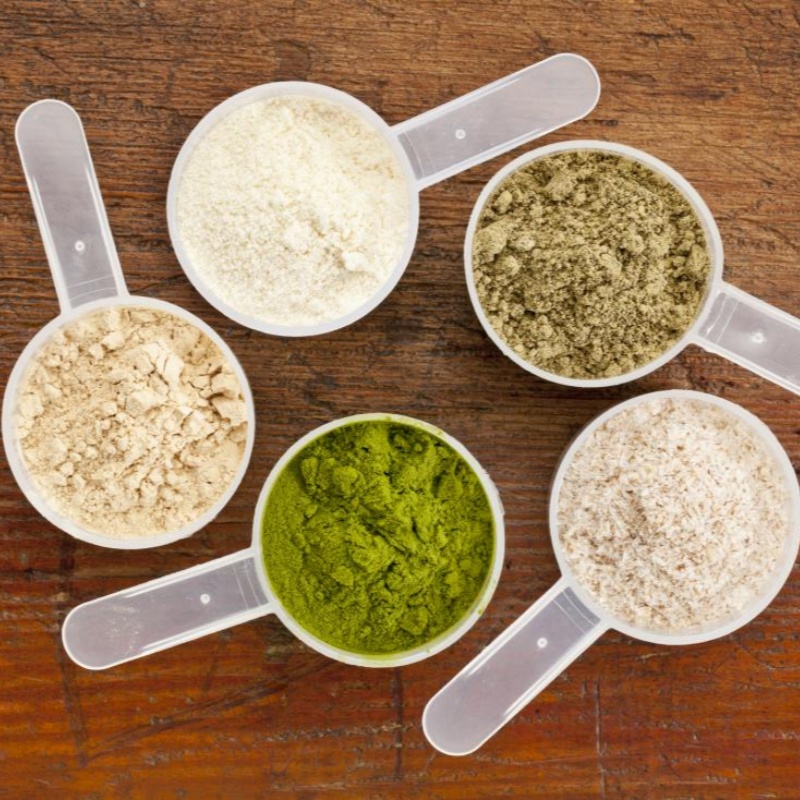
A finished supplement can look deceptively simple. Consumers see a bottle, jar, stick pack, gummy, capsule, or powder with an ingredient panel and a few lines explaining how to use it. Behind that finished product, however, are dozens of decisions involving ingredient forms, serving amounts, taste, solubility, stability, processing, cost, packaging, quality specifications, documentation, and manufacturing feasibility. A formula that looks impressive on a spreadsheet can become commercially difficult once those variables start interacting with one another.
Custom dietary supplement formulation is the process of developing a supplement around a specific market, consumer, product goal, ingredient strategy, dosage form, sensory profile, cost structure, packaging requirement, and manufacturing plan. Instead of placing a new label on an unchanged stock formula, custom development uses ingredient selection, dosage planning, prototype sampling, refinement, testing, quality controls, and production scale-up to create a repeatable market-ready product.
This distinction becomes important as soon as a real product enters development. A brand may initially want magnesium, amino acids, botanicals, vitamins, and several trending ingredients in one convenient serving. The first prototype may reveal that the powder is too bitter, the capsule count is unrealistic, the gummy cannot carry the proposed active load, or the raw-material cost pushes the product far above its intended retail position. Those moments are not signs that formulation has failed. They are usually where professional formulation actually begins: turning an attractive concept into something consumers can use and a factory can manufacture consistently.
What Is Custom Dietary Supplement Formulation?
Custom dietary supplement formulation is structured product development built around a defined commercial and technical brief. It connects the intended consumer, ingredient combination, serving amounts, delivery format, taste, stability, manufacturing process, packaging, cost, quality controls, and target-market requirements so that the finished supplement is not only differentiated on paper but also practical to manufacture, document, sell, and reproduce.
What Makes a Formula Custom?
A supplement becomes genuinely custom when important technical decisions are made specifically for that product rather than inherited unchanged from an existing formula. Those decisions may involve active ingredients, ingredient specifications, amounts per serving, excipients, flavors, sweeteners, colors, capsule size, serving weight, dosage form, packaging format, target cost, and the quality specifications that need to be maintained during future production.
The process normally begins with a product brief rather than an ingredient shopping list. Before deciding whether a formula needs five ingredients or fifteen, the development team needs to understand who the product is intended for, where it will be sold, how consumers are expected to use it, which features matter most, what price position is realistic, and what technical limitations come with the chosen delivery format. These answers give R&D a set of boundaries within which meaningful formulation decisions can be made.
Those boundaries matter because ingredients influence one another. Increasing a mineral may make a capsule serving physically larger. Adding a dark botanical extract can change the appearance and flavor of a powder. A high active load may interfere with gummy texture. Replacing sugar with another sweetening system can change sweetness, aftertaste, water activity, and the overall eating experience. A premium branded ingredient may improve positioning while also increasing material cost, supplier minimums, and sourcing lead time.
For that reason, a custom formula should not be judged by the number of ingredients on the label. A stronger measure is whether the product makes sense as one complete system. Ingredient strategy, dosage, format, sensory experience, manufacturing feasibility, cost, packaging, quality control, and supply continuity should reinforce one another rather than compete with one another.
Is Custom Formulation the Same as Private Label?
Custom formulation and private label manufacturing can produce similar-looking finished products, but they normally start from different points. Private label usually begins with an existing formula that has already been developed and is ready, or close to ready, for commercial production. The customer selects the product and then customizes elements such as branding, packaging, serving configuration, flavor, or certain permitted formula details depending on the manufacturer’s capabilities.
Custom formulation begins with requirements rather than a finished formula. The development team may build the formula from the beginning or substantially modify an existing technical platform. This generally creates more room for differentiation, but it also introduces more technical decisions, sample work, sourcing considerations, testing questions, and approval stages before commercial production can begin.
There is also a practical middle route. A mature base formula can sometimes be adjusted through changes in flavor, sweetness, serving size, ingredient levels, selected actives, supporting ingredients, or package configuration. This approach can offer more differentiation than a completely standard private label product without requiring every project to begin from zero.
| Development Factor | Stock / Private Label | Modified Formula | Full Custom Formula |
| Starting point | Existing commercial formula | Established formula platform | New product brief |
| Ingredient changes | Limited | Selected adjustments | Broad development scope |
| Flavor development | Usually established | Often adjustable | Developed for project |
| Sample iterations | Usually fewer | Moderate | Often more extensive |
| Differentiation | Low to moderate | Moderate | Potentially high |
| Technical complexity | Lower | Medium | Higher |
| Typical fit | Faster range expansion | Controlled differentiation | Strategic or flagship products |
Neither option is automatically superior. A familiar vitamin product may not justify lengthy development when rapid assortment expansion is the priority. A premium functional powder competing in a crowded category may require much more careful control over ingredient selection, serving experience, flavor, and positioning. The right development route depends on what the product is supposed to achieve commercially.
What Can a Custom Formula Achieve?
The strongest purpose of custom formulation is alignment rather than novelty. A custom product can be designed so that the ingredient strategy, target consumer, dosage form, use occasion, competitive position, packaging, manufacturing process, and commercial model work together. This makes it possible to build a product around an identified market opportunity rather than trying to force an existing formula into a new brand story.
Consider two electrolyte powders. Both might contain sodium, potassium, magnesium, acids, flavors, and sweeteners, yet they can be designed for very different use cases. One could target everyday hydration with a light flavor, moderate serving size, and convenient stick pack. Another could be built around endurance use, a different electrolyte profile, larger serving weight, stronger flavor system, and packaging intended for more frequent consumption. Both belong to the same category, but their formulation logic is not identical.
Custom development can also respond to weaknesses that are already visible in competing products. Reviews may show repeated complaints about excessive sweetness, poor dissolving, harsh aftertaste, oversized capsules, too many pills per serving, inconvenient scoops, or formulas that appear overloaded with ingredients but difficult to understand. Those recurring complaints can become useful product-development inputs rather than problems discovered only after launch.
The result is more than a unique Supplement Facts panel. A properly developed custom formula gives marketing, procurement, operations, manufacturing, and quality teams a shared product specification. That shared specification becomes increasingly important as the product moves from sample approval into larger production runs and repeated replenishment.

How Does the Formulation Process Work?
Custom formulation normally moves from product definition to technical feasibility, prototype development, refinement, approval, and production scale-up. A disciplined process answers whether the concept fits the intended market, whether the ingredients and amounts work in the chosen dosage form, whether the sample delivers an acceptable consumer experience, and whether the approved version can be manufactured repeatedly under controlled commercial conditions.
How Are Product Goals Defined?
Useful formulation work starts with questions that are commercial as much as technical. Who is expected to use the product? Which country or region is it intended for? Where will it be sold? Which products already compete for the same consumer? What experience should the product offer? How often should it be taken? What package size and retail price are realistic for the target channel?
These questions turn a broad idea such as “sleep powder,” “women’s gummy,” “electrolyte stick,” or “healthy-aging capsule” into a workable product brief. Without that brief, almost every ingredient can appear attractive and every prototype can lead to another direction. With clear boundaries, the R&D team can eliminate combinations that do not fit the serving size, dosage form, commercial target, sensory requirements, or expected positioning.
A useful brief also distinguishes between essential and optional requirements. Some customers know that two or three ingredients are central to their product concept while the rest remain flexible. Others have fixed dosage-form requirements but are open to alternative ingredient sources. Establishing those priorities early gives formulators room to solve technical problems without accidentally removing the feature that gives the product its commercial identity.
Zoxizo’s documented development workflow follows this practical sequence by moving from customer requirement analysis and target-market evaluation into product direction, formula development or formula matching, ingredient and cost evaluation, dosage-form selection, sensory and specification confirmation, and then sampling. The logic is straightforward: technical development becomes more efficient when the intended product is defined before laboratory work begins.
How Are Ingredients and Dosages Chosen?
Ingredient selection is usually a series of filters rather than one isolated decision. A raw material may fit the marketing concept but fail the serving-size test. Another may fit the required dosage form but create an unpleasant taste. A third may work technically yet have a cost, minimum purchase quantity, specification, or sourcing lead time that makes it unsuitable for the commercial plan.
The first question is what role each ingredient plays. Core ingredients should support the primary product concept, while supporting ingredients should provide a meaningful contribution rather than simply making the label longer. As formulas become crowded, serving size, capsule count, flavor complexity, cost, blending behavior, stability, and consumer adherence can all become more difficult to manage.
Specification is just as important as ingredient name. Two raw materials described by the same common ingredient may differ in potency, standardization, carrier system, extraction ratio, particle size, origin, flavor, color, moisture content, or documentation. Mineral compounds may also contain different proportions of elemental mineral, which means the weight of the compound is not automatically the same as the nutritional amount consumers ultimately receive.
Dosage must then be connected to physical reality. Capsules have limited volume. Gummies have limited mass and processing tolerances. Powders can carry much more material but every additional gram affects mouthfeel, flavor masking, package size, and cost per serving. The formulation team therefore needs to evaluate ingredient purpose, raw-material specification, serving amount, technical compatibility, and manufacturing behavior together rather than one at a time.
How Is the Dosage Form Selected?
The dosage form changes the formulation itself, which is why format should be evaluated early rather than treated as a packaging preference. Capsules, tablets, powders, gummies, liquids, softgels, instant drinks, and gel pouches each create different limits around ingredient load, process conditions, flavor, texture, moisture, oxidation, serving convenience, and package configuration.
Capsules work well when moderate quantities of dry material need to be delivered without exposing the consumer to taste. Their limitation is volume. A formula requiring several grams of active ingredients can quickly turn into an inconvenient number of capsules. Powders provide much more capacity and are therefore common for electrolytes, amino acids, proteins, collagen, creatine, fiber, and other ingredients used in gram-level amounts, but they introduce taste, aroma, sediment, foam, solubility, color, and serving-size considerations.
Gummies offer a familiar consumer experience, but active ingredients must work within a formulation matrix that is responsible for sweetness, acidity, texture, appearance, moisture, and processing. Liquids can provide flexible serving sizes yet create separate questions about solubility, suspension, preservation, oxidation, sediment, and packaging compatibility. Softgels are especially useful for oils and certain fat-soluble components but require a manufacturing process different from dry capsules.
A good dosage-form decision therefore starts with how much material must be delivered and how consumers are expected to use the product. It then considers sensory requirements, manufacturing feasibility, stability, packaging, cost, and repeat purchasing behavior before the format is finalized.
How Does the Product Brief Become a Sample?
Once the main commercial and technical requirements are reasonably clear, the development team converts the brief into a preliminary formula and checks whether the concept is feasible. Raw materials are reviewed, quantities are calculated, the expected serving size is estimated, and the proposed formula is evaluated against the intended delivery form before laboratory or pilot samples are prepared.
The first sample should not be treated as a miniature production order or assumed to be the final product. Its purpose is to expose assumptions. A powder may reveal that the serving becomes larger than expected. A gummy may show that a botanical makes the flavor too difficult to mask. A capsule may require more units per daily serving than the brand considers acceptable. A liquid may show unexpected sediment or color behavior.
These discoveries are valuable because correcting them during development is usually easier than correcting them after packaging artwork, raw-material purchasing, production scheduling, and launch preparation are already underway. The sample converts abstract formulation decisions into something the development team, customer, and quality personnel can evaluate together.
Which Parts of a Formula Can Be Customized?
A custom dietary supplement can be adjusted at several connected levels, including ingredient identity, ingredient form, amount per serving, supporting materials, flavors, sweeteners, colors, serving size, dosage form, sensory characteristics, package format, and selected quality specifications. Useful customization focuses on changes that improve product fit rather than adding complexity simply to make the formula appear different.
Which Ingredients Can Be Changed?
Almost every proposed ingredient can be technically reviewed during early development. Some projects involve only minor adjustments to a mature base, while others require an entirely new combination of vitamins, minerals, amino acids, botanicals, probiotics, enzymes, functional ingredients, flavors, sweeteners, and formulation aids. The appropriate scope depends on how different the finished product needs to be and how much development work the commercial plan can support.
Supporting materials deserve as much attention as headline ingredients. Powders may require flavors, acids, sweeteners, carriers, anti-caking systems, or other components that influence sensory experience and processing. Capsules may require materials that help the blend flow consistently. Gummies depend on a complete matrix responsible for structure, sweetness, acidity, chew, moisture, and manufacturing behavior.
Changes also create secondary effects. Replacing one mineral source may change the amount of material needed to provide the intended elemental quantity. A botanical extract can alter color, aroma, and bitterness. Increasing an acidic component may sharpen flavor while making another flavor note less pleasant. Removing sugar may require changes to sweetness, body, and texture rather than a simple one-for-one replacement.
For procurement teams comparing quotations, raw-material specification is therefore important. A low price does not necessarily represent the same ingredient grade, concentration, standardization, documentation, or supplier basis as a higher quotation. Effective formula comparison requires more detail than matching ingredient names on two lists.
How Do Taste and Stability Affect the Formula?
Taste and stability are two areas where attractive concepts frequently meet physical limitations. Consumers experience the finished product through sweetness, bitterness, aroma, mouthfeel, color, dissolving behavior, capsule count, chew, and aftertaste. A technically sophisticated ingredient panel has limited value if the product is unpleasant enough that consumers do not want to use it consistently.
Minerals may contribute salty, chalky, metallic, or bitter notes. Amino acids can carry distinctive tastes. Botanical extracts can introduce bitterness, earthiness, strong aromas, or dark colors. Increasing active material often makes flavor masking more difficult. The objective is not necessarily to eliminate every natural ingredient note because excessive flavoring or sweetness can make a functional product feel artificial. The goal is to create a sensory profile consumers can realistically accept over repeated use.
Stability introduces a different set of questions. Powders can absorb moisture and clump. Gummies may gain or lose moisture and change texture. Liquids can separate or develop sediment. Natural colors can shift. Oils may oxidize. Certain active ingredients can be sensitive to temperature, oxygen, light, water, or interaction with other components.
Packaging and distribution need to be considered alongside those risks. A formula may be manufactured under controlled conditions and then spend weeks moving through warehouses, ports, fulfillment centers, trucks, and climates with very different temperature and humidity profiles. Stability planning should therefore reflect the actual product, packaging system, expected storage environment, and intended shelf life rather than relying on assumptions from unrelated products.
How Does Cost Affect Ingredient Choices?
Cost is part of formulation, not something that should be reviewed only after the formula has been approved. Every active ingredient, flavor system, excipient, serving size, package component, test, manufacturing step, and storage requirement contributes to the final product economics. Waiting until late development to discover that the formula cannot support the intended retail price usually leads to rushed substitutions and avoidable redevelopment.
In many formulas, a relatively small number of ingredients account for a large share of raw-material cost. Other components may look inexpensive per kilogram but require several grams per serving, making their actual cost contribution significant. Some ingredients also come with supplier minimums that create inventory exposure, especially when projected first-order volume is much smaller than the minimum raw-material purchase.
A useful way to evaluate ingredients is to separate them into practical roles:
- Core ingredients: Essential to the intended product concept.
- Supporting ingredients: Add meaningful functional or formulation value.
- Differentiating ingredients: Strengthen the product’s positioning.
- Optional ingredients: Helpful but not essential to the main concept.
- Cost-sensitive ingredients: Require clear commercial justification.
- Technically difficult ingredients: Create disproportionate formulation or processing challenges.
The objective is not to build the cheapest formula. Mature brands often pay more for stronger raw-material specifications, better documentation, distinctive ingredients, or a more refined consumer experience. Good cost control means concentrating investment where it creates recognizable value while removing complexity that adds expense without improving the product in a meaningful way.
How Does Packaging Affect the Formula?
Packaging should be considered while the formula is still being developed because it affects product protection, serving method, manufacturing efficiency, logistics, and consumer experience. A moisture-sensitive powder may need a very different barrier system from a stable dry capsule. Gummies sold into warmer or more humid regions may require different protection from products remaining in controlled retail environments.
Serving method is another consideration. Single-use sticks create a fixed serving and good portability but require individual packaging for every dose. Large jars may reduce packaging material per serving but depend on repeated opening, accurate scooping, and sufficient moisture protection. Bottles are practical for tablets and capsules, while blister packs provide individual unit separation and can suit specific distribution or retail requirements.
Packaging also influences total product economics. Custom bottles, labels, boxes, inserts, seals, scoops, individual sachets, and shipping cartons can add meaningful cost and minimum order requirements even when the underlying formula is relatively straightforward. The formula and packaging budget should therefore be reviewed together rather than as separate projects.
The most practical package is not automatically the most decorative one. It is the format that protects the supplement through its expected shelf life, works reliably on manufacturing equipment, fits how consumers will use it, survives distribution, and supports the intended price and channel strategy.

How Are Custom Formulas Tested and Refined?
Custom supplements are tested and refined by turning the preliminary formulation into physical samples and evaluating specific technical and sensory criteria before bulk manufacturing. Sampling can uncover issues involving flavor, texture, solubility, sediment, serving size, capsule count, color, ingredient availability, stability, packaging compatibility, and production feasibility while adjustments are still relatively easy to make.
How Are Samples Evaluated?
A sample should answer defined questions rather than simply receiving a general approval such as “good” or “bad.” The evaluation criteria depend on the dosage form, use instructions, product brief, and intended consumer experience. Structured feedback produces more useful formulation changes and usually reduces unnecessary rounds of development.
Powders should be evaluated under defined preparation conditions because the same formula can behave differently depending on water volume, temperature, shaking, stirring, and the amount of time allowed before drinking. Review may include aroma, flavor, sweetness, acidity, bitterness, color, sediment, foam, mouthfeel, dissolving behavior, and serving volume. Capsules may be reviewed for capsule size, odor, appearance, units per serving, and swallowing convenience.
Gummies require both sensory and physical evaluation because excellent flavor does not compensate for poor texture, stickiness, inconsistent appearance, or instability. Liquids may need review for flavor, aroma, sediment, separation, color, dosing behavior, and compatibility with the proposed bottle or dropper.
| Evaluation Area | What to Record | Example of Useful Feedback |
| Flavor | Character and intensity | Berry note feels too artificial |
| Sweetness | Relative sweetness | Reduce slightly |
| Acidity | Balance and finish | Too sharp after swallowing |
| Solubility | Dissolving behavior | Sediment remains after mixing |
| Texture | Mouthfeel or chew | Gummy is too soft |
| Appearance | Color and uniformity | Darker than target |
| Serving | Weight or unit count | Serving feels too large |
| Approval | Decision status | Revision required |
Precise feedback is more useful than vague comments. “Reduce sweetness, soften the bitterness, keep the acidity close to the current version, and improve dispersion” gives the formulation team a workable target. This turns sample revision into controlled development instead of repeated guessing.
Do Custom Formulas Need Stability Testing?
Stability planning becomes important whenever time, temperature, humidity, oxygen, light, packaging, or ingredient interaction may change the product’s quality during its intended shelf life. The appropriate program depends on the formula, dosage form, packaging system, target market, and commercial risk rather than following one universal schedule for every supplement.
The first approved sample only shows how the product performs at that moment. Stability work asks whether important characteristics remain acceptable over time. A powder may initially disperse well but later absorb moisture and clump. A gummy may begin with the desired texture and then become harder, softer, or sticky under difficult storage conditions. A liquid may develop sediment, separation, color change, or aroma changes.
Different product types therefore require different observations. Depending on the project, technical teams may examine moisture behavior, oxidation, microbial considerations, potency, physical appearance, texture, taste, odor, color, dissolution, dispersibility, or package integrity. The required depth depends on the formula and its risk profile.
Shelf life should not be treated as a marketing number selected before technical review. It is more defensible when supported by an appropriate product-specific stability approach, controlled specifications, packaging choices, and storage expectations that reflect how the product will actually be manufactured and distributed.
How Is Batch Consistency Controlled?
After sample approval, the challenge changes from developing one successful prototype to reproducing the same approved product in commercial batches. That requires controlled raw materials, defined manufacturing instructions, documented quantities, in-process inspection, finished-product specifications, packaging controls, records, and traceability.
Raw-material control is the starting point because changing material specification can affect the finished product even when the ingredient name remains the same. Supplier qualification, specifications, lot documents, and appropriate incoming checks help ensure that production begins with materials that match the approved formula requirements.
Manufacturing then needs control over weighing, blending or processing, filling, packaging, and relevant process conditions. Different products require different checks, so a powder, capsule, gummy, tablet, or liquid should not automatically share an identical quality plan. The type of finished-product testing also depends on the formula, active ingredients, product characteristics, customer requirements, and target market.
A practical production-quality chain commonly follows this sequence:
- Approved raw-material status
- Controlled weighing and dispensing
- Defined mixing or processing
- In-process inspection
- Filling or forming
- Packaging controls
- Finished-product evaluation
- Batch documentation
- Quality release
- Retention and traceability procedures where applicable
For established brands, repeatability often becomes more important than the first successful sample. The first batch creates inventory for launch; the ability to reproduce the same specifications across future orders is what turns an individual product into a dependable supply program.
What Happens When a Sample Needs Changes?
Sample changes should be controlled through versioned feedback instead of informal conversations spread across several people and communication channels. A useful revision identifies what needs to change, what must remain unchanged, and which characteristics determine approval. This prevents a flavor adjustment from unintentionally changing serving size, color, ingredient content, packaging compatibility, or cost without everyone understanding the trade-off.
The customer should also consolidate internal feedback before sending it back to the development team. When marketing wants more sweetness, management wants less sweetness, procurement wants a lower-cost flavor system, and another stakeholder wants a stronger active load, the formulation team receives conflicting targets that can add unnecessary iterations.
Each meaningful revision should therefore create a clearer product specification rather than simply another sample. By the time the final version is approved, the formula, serving size, sensory target, package direction, and important commercial boundaries should be sufficiently clear to support scale-up and production planning.
How Does Compliance Affect Formulation?
Compliance affects formulation before bulk production because ingredient status, serving amounts, intended market, claims, labeling, manufacturing controls, documentation, and import requirements can determine whether a technically successful formula is commercially suitable. Reviewing these questions early reduces the risk of reformulation, packaging changes, wasted raw materials, or launch delays after the product has already been approved.
Are Ingredients Allowed in the Target Market?
Ingredient availability and regulatory suitability are not the same thing. A raw material can be commercially available and still require additional review before it is appropriate for a dietary supplement in a specific destination market. That is why target country or region should be established during the product brief rather than after formulation is complete.
Different jurisdictions classify and regulate ingredients differently, and the same formulation should not automatically be assumed to have identical status in the United States, European markets, the Middle East, Asia, or other regions. Novel ingredients, unusual extracts, new delivery technologies, and ingredients with limited history in a market deserve particular attention before significant development costs are committed.
This issue has a direct commercial consequence. If a brand builds the entire product around one unusual ingredient and only checks its status after samples, packaging, and marketing have been approved, the company may face reformulation, new artwork, additional review, changed claims, wasted raw materials, and lost launch time.
A stronger approach is to flag unusual or market-sensitive ingredients during preliminary feasibility review. Manufacturers can support raw-material specifications, COAs, production information, and other technical documents, while qualified local regulatory professionals may still be required for final market-specific determinations.
How Do Claims Affect Formula Design?
Product claims are closely connected to formulation because they influence how ingredients and serving amounts are positioned to the consumer. Marketing, formulation, and labeling work best when the intended product story is known early rather than created after the formula has been finalized.
A development team should therefore understand the broad positioning the brand expects to use. A product built around hydration, sleep support, general wellness, digestive support, healthy aging, or sports nutrition may require a different ingredient strategy and evidence framework even when several raw materials overlap.
Brands also need to distinguish normal supplement positioning from disease-treatment language. Formulation should not be designed around promises that a dietary supplement can diagnose, cure, treat, or prevent disease. Overly aggressive claims can create significant commercial and regulatory risk even when the underlying ingredients themselves are commonly used.
The practical lesson is that claims should not be treated as something a copywriter invents after production. Ingredient choices, serving amounts, label wording, marketing statements, product documents, and market requirements should be reviewed as connected parts of the same launch. This reduces the chance that the formula and the commercial message end up telling two different stories.
Which Documents Support Product Launch?
A useful documentation package is specific to the product and production batch. Asking whether a manufacturer “has certificates” gives less information than asking which documents are available for the exact raw materials, formula, finished batch, packaging, destination market, and intended sales channel.
Raw-material documentation may include specifications, supplier information, and certificates of analysis. Finished-product records may include batch identification, applicable test results, manufacturing documentation, finished-product COAs, packaging records, and release information. Additional documentation may be requested by importers, retailers, marketplaces, distributors, or customers depending on the destination and product category.
Common documentation categories include:
- Raw-material specifications
- Raw-material certificates of analysis
- Finished-product COA where applicable
- Ingredient and allergen information where relevant
- Batch manufacturing records
- Finished-product test reports
- Packaging specifications
- Approved label artwork
- Facility or quality-system documentation
- Shipping and transport documents where required
- Market-specific supporting information
- Batch traceability records
The presence of documents does not remove the need for careful review. The more useful question is whether the documentation corresponds to the materials, formula, facility, and production batch being purchased. For larger brands and distributors, traceability and batch-specific records are generally more valuable than a long collection of unrelated certificate logos.
How Is a Formula Scaled for Production?
Scale-up is the stage where an approved prototype has to behave reliably in commercial equipment. A small laboratory sample may be mixed by hand or with small development equipment, while full production can involve much larger quantities, longer blending times, industrial filling systems, different material transfer methods, and continuous packaging operations.
Those changes can reveal technical issues that were not obvious during early sampling. Fine low-dose ingredients can behave differently from dense minerals during large-scale mixing. Powder flow can affect filling accuracy. Capsule blends must feed consistently. Tablet formulations need suitable compression characteristics. Gummies and liquids introduce additional variables involving temperature, viscosity, moisture, mixing sequence, and filling conditions.
Commercial scale-up also asks whether the product is economically practical. A formula may technically work but generate excessive loss, run very slowly, depend on a difficult raw material, require too many manual operations, or create production variability that makes repeated orders difficult. Small changes to processing or formulation can sometimes improve manufacturability without changing the core product concept.
The final manufacturing specification therefore needs more than an ingredient list. It should define the approved raw materials, quantities, manufacturing sequence, relevant process controls, packaging requirements, and finished-product expectations so that later production is based on controlled instructions rather than memory of the original sample.

Is Custom Formulation Right for Your Brand?
Custom formulation is usually most valuable when a company has a clear reason to develop something meaningfully different, such as a specific target consumer, ingredient strategy, dosage form, sensory experience, identified market gap, or long-term product-line plan. When rapid entry into a familiar category is the main objective, a mature private-label or modified formula may offer better speed and economics.
How Does It Compare With Private Label?
The practical choice between custom formulation and private label is often a decision about how much development control the product actually needs. Private label works well when the primary competitive advantages come from branding, distribution, audience, retail placement, content, or speed rather than a distinctive formulation.
Custom development becomes more relevant when the formula itself is central to the commercial strategy. This may involve a particular ingredient architecture, lower serving burden, unusual dosage form, improved taste, cleaner sensory profile, ingredient exclusions, premium specifications, or a product intended to become a long-term flagship SKU.
The middle path of formula modification should not be overlooked. Starting from a mature technical foundation can reduce development risk while still allowing selected changes to flavor, sweetness, serving size, strength, supporting ingredients, package count, or other meaningful variables.
The commercial comparison should include more than the initial unit price. Development time, samples, raw-material minimums, testing, packaging requirements, inventory exposure, expected selling price, reorder potential, and the value of differentiation all matter. If consumers will ultimately perceive two products as nearly identical, full custom development may not create enough value to justify the additional work.
When Is Custom Formulation Worth It?
Full custom development is more useful when the company can clearly describe the problem it wants the formula to solve. “We want a unique sleep supplement” is a starting idea, while “we want a two-capsule evening formula for consumers who do not want melatonin, within this target retail range, using these core ingredients and leaving room for future line extensions” is an actionable brief.
Custom formulation tends to create greater value when several of the following conditions are present:
- The target consumer is clearly defined.
- The intended market and sales channel are known.
- The product has an identifiable use occasion.
- Existing stock formulas do not fit the intended positioning.
- Competitor weaknesses can be realistically improved.
- Ingredient strategy is commercially important.
- Taste or serving experience is a competitive factor.
- The product is expected to remain in the portfolio long term.
- Repeat orders are likely.
- Future SKUs may share related formulation logic.
- The business has time for sample review and controlled approval.
Customization becomes less productive when every requirement remains open. If the market changes every week, the dosage form is undecided, the target price is unknown, and every competitor is treated as a reference, development can become repeated experimentation without a clear approval point.
How Long Does Formulation Take?
There is no responsible universal timeline for custom formulation because development speed depends on how many variables need to be resolved. A straightforward capsule using established and readily available ingredients can progress faster than a high-load flavored powder, complex gummy, probiotic product, unusual botanical blend, or formula requiring several rounds of sensory refinement.
The timeline can be affected by:
- Raw-material availability
- Formula complexity
- Dosage form
- Flavor-development requirements
- Supplier minimum order quantities
- Sample revision cycles
- Customer feedback speed
- Stability or other testing
- Packaging development
- Label review
- Documentation requirements
- Production scheduling
Projects also move more efficiently when decisions are made in parallel after the product brief is stable. Ingredient sourcing, preliminary costing, formula feasibility, packaging planning, labeling preparation, and documentation review do not always need to wait for one another sequentially.
It is equally important to distinguish formulation time from total launch time. A formula can be approved while packaging is still being produced, testing is underway, production space is being scheduled, or freight planning is incomplete. Companies working toward a fixed commercial launch date should therefore discuss the complete timeline at the beginning rather than asking only how quickly a sample can be produced.
What Should You Ask a Formulation Manufacturer?
Selecting a formulation partner requires more than comparing a sample and unit quotation. The manufacturer may eventually control raw-material purchasing, formula transfer, production records, quality checks, packaging, batch documentation, change management, and repeated replenishment, so technical due diligence matters.
| Area | Question to Ask | What a Useful Answer Should Clarify |
| R&D | Who develops and reviews formulas? | Team structure and technical communication |
| Development | Can you formulate from zero and modify existing formulas? | Actual project scope |
| Ingredients | How are materials selected and approved? | Specifications, suppliers, documents |
| Sampling | How are revisions controlled? | Feedback and version process |
| Dosage forms | Which formats can you support? | Real manufacturing capability |
| Cost | How do you handle formulas above budget? | Cost optimization process |
| Quality | What controls occur during production? | Incoming, in-process, finished checks |
| Testing | Which tests apply to this formula? | Product-specific requirements |
| Records | Which documents are available per batch? | Traceability and release support |
| Confidentiality | How is formula information protected? | NDA and access controls |
| Scale-up | How is the approved sample transferred to production? | Process specifications |
| Reorders | How is batch consistency maintained? | Material, process, and change control |
Factory size alone does not prove formulation capability, just as a polished R&D presentation does not prove manufacturing discipline. A stronger partner can explain how product development connects with raw materials, sampling, testing, quality control, packaging, documentation, scale-up, and repeat production.
For brands approaching Zoxizo or another experienced supplement manufacturer, the most productive opening conversation usually includes the target market, consumer group, preferred dosage form, core ingredients, benchmark products, package concept, intended positioning, projected commercial volume, and realistic cost range. Those details allow the technical team to evaluate the project much more intelligently than a simple request for “the best custom formula.”
Conclusion
Custom dietary supplement formulation is ultimately an exercise in balancing ambition with physical and commercial reality. The most successful formulas are rarely those with the longest ingredient list or the most fashionable combination of actives. They are products where the ingredient strategy, serving size, dosage form, taste, stability, cost, packaging, quality controls, documentation, and manufacturing process have been considered as one connected system.
That approach becomes especially valuable as a product grows. A good prototype may help secure internal approval, but a commercially successful supplement must also survive raw-material sourcing, production scale-up, packaging, warehousing, transportation, channel requirements, customer expectations, and repeated manufacturing. What looks like a formulation project at the beginning eventually becomes a supply-chain commitment.
For companies evaluating custom development, the best starting point is therefore not a long ingredient wishlist. Begin with a defined consumer, market, product purpose, dosage form, benchmark, price position, and several non-negotiable requirements. An experienced formulation and manufacturing team can then help determine where customization creates genuine value, where compromises are technically sensible, and how the approved concept can be converted into a stable, repeatable product ready for commercial production.
Frequently Asked Questions
What is the difference between custom formulation and private label supplements?
Private label supplements normally begin with an existing formula that has already been developed, while custom formulation begins with a brand-specific product brief or requires substantial changes to an existing technical platform. Private label can reduce development time and complexity, whereas custom development offers more control over ingredient selection, dosage, serving size, sensory characteristics, and positioning. Modified formulas provide a middle option when some differentiation is needed without developing everything from the beginning.
How much can a dietary supplement formula be customized?
Customization can involve active ingredients, ingredient specifications, serving amounts, supporting ingredients, flavors, sweeteners, colors, serving size, capsule count, dosage form, package format, and selected quality requirements. The practical limit depends on ingredient compatibility, manufacturing technology, sensory performance, stability, cost, target-market requirements, and raw-material availability. A technically experienced manufacturer should explain not only what can be changed, but also what each proposed change may affect elsewhere in the product.
How long does custom supplement formulation usually take?
There is no single development period that applies to every supplement. A relatively straightforward capsule using available ingredients can move through sampling much faster than a gummy, flavored powder, probiotic, liquid, or formula involving difficult sourcing and several sample revisions. Ingredient lead times, sensory development, testing, packaging, documentation, customer feedback, and production scheduling all influence the overall timeline, so commercial launch planning should consider more than the date of the first prototype.
How many sample revisions are needed before production?
The number of revisions depends on product complexity and how clearly the approval criteria were defined before development began. Some straightforward products may require little adjustment, while flavored powders, gummies, liquids, and products with difficult sensory characteristics may require several iterations. The process is usually faster when the customer provides consolidated, measurable feedback concerning sweetness, acidity, flavor, color, texture, serving size, solubility, or other specific characteristics rather than requesting broad changes without clear priorities.
Can a custom formula be based on a competitor’s supplement?
A competitor can be used as a benchmark for ingredient direction, serving format, price position, packaging, review analysis, and market expectations, but a strong development process should not stop at simply copying the label. Competitor products can reveal useful opportunities through consumer complaints, serving inconvenience, flavor problems, ingredient gaps, or positioning weaknesses. Those observations can then guide the development of a more appropriate product that fits the brand’s own consumers, commercial model, and technical requirements.
What documents should I request from a supplement manufacturer?
The appropriate documents depend on the formula, production batch, market, and customer requirements, but commonly requested information includes raw-material specifications, certificates of analysis, finished-product testing records, batch documentation, ingredient information, packaging specifications, quality-system documentation, and relevant shipping or market-supporting records. Instead of asking only whether the manufacturer has certificates, request documents that correspond to the actual ingredients, facility, formula, and production batch you are purchasing.
Should I choose a full custom formula or modify an existing formula?
A full custom formula makes more sense when ingredient strategy, dosage form, consumer experience, product positioning, or long-term differentiation is central to the project. Modifying an existing formula can be more efficient when a mature technical foundation already fits most requirements and only selected changes are needed. The decision should consider development time, expected order volume, raw-material minimums, cost structure, repeat-order potential, and whether consumers will genuinely recognize the added value created by deeper customization.



