 Skip to content

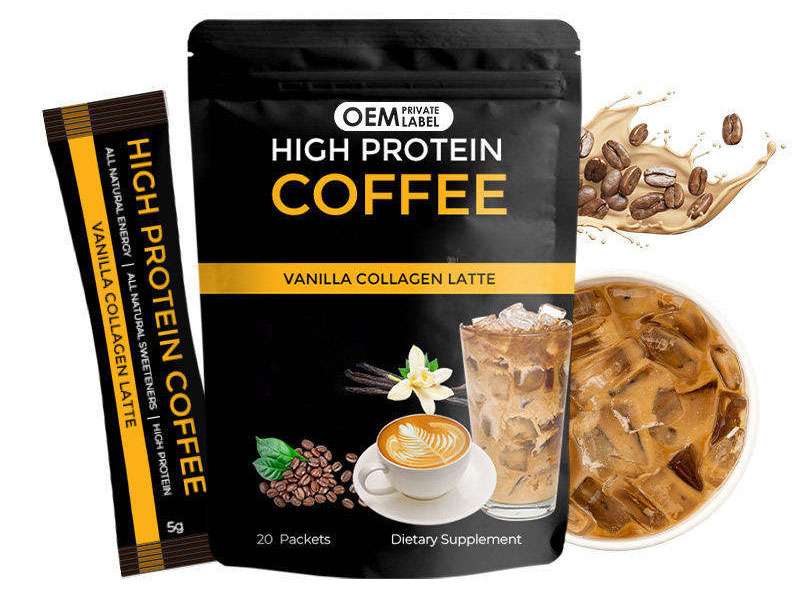
Protein coffee has moved beyond the simple social-media trick of pouring a bottled shake into iced coffee. It now sits at the intersection of two routines people already understand: drinking coffee for alertness and using protein-rich foods or supplements to support daily nutrition. That sounds straightforward, but the products can behave very differently. A light coffee drink with 10 grams of protein is not the same nutritional tool as a 30-gram shake, while a high-protein latte may contain enough protein to overlap directly with a conventional sports-nutrition drink. The real comparison is therefore about the job each beverage is designed to do, not the label on the front.
Protein coffee is the better fit when someone wants caffeine and a meaningful protein boost in one morning or daytime drink, while traditional protein shakes remain more flexible when the priority is a larger, predictable protein serving for recovery, snacks, or meal support. Neither format is automatically healthier. Protein amount, caffeine, calories, sugar, protein source, serving size, taste, and the rest of the diet determine which option makes more sense.
Think about two people standing in the same kitchen at 7:00 a.m. One wants coffee before a commute and rarely eats breakfast. The other has just finished training and wants 30 grams of protein without another stimulant. Both may reach for a drink labeled “high protein,” yet they need very different products. That is why protein coffee is more than a flavor variation of a shake. It is a separate use occasion with its own nutritional, sensory, and formulation trade-offs, and those trade-offs become even more important when a brand wants to turn the idea into a repeat-purchase product.
What Is Protein Coffee?
Protein coffee is coffee intentionally combined with a meaningful protein source such as whey, milk protein, soy, pea, rice, or a blended plant protein. It may be prepared at home, sold as an instant powder, packed in a single-serve sachet, or offered as a ready-to-drink beverage. The defining feature is that both the coffee experience and protein delivery are central to the product.
What Counts as Protein Coffee?
At the simplest level, protein coffee can be made by mixing a scoop of protein powder into coffee or blending espresso with a prepared protein shake. Commercial development goes further because the finished drink has to work as one product rather than two ingredients placed in the same cup. The protein influences thickness, opacity, foam, dispersion, and aftertaste, while coffee contributes acidity, roast bitterness, aroma, caffeine, and color. If these components are not balanced, the result may taste like a protein shake with coffee flavor rather than a coffee people would willingly choose every morning.
The category is broad enough that the name alone tells consumers very little about nutrition. Some protein coffees are positioned as a light coffee upgrade with around 10 to 15 grams of protein, while others move into the 20-gram-plus range and begin to overlap with traditional shakes. A brand therefore needs to define the product promise clearly. Is it ordinary coffee with extra nutrition, a high-protein breakfast beverage, an active-lifestyle drink, or a coffee-flavored protein product? Those concepts sound similar in advertising, but they lead to different protein targets, caffeine levels, serving sizes, flavor systems, and packaging choices.
How Is It Different From a Protein Shake?
The clearest difference is the starting point. Traditional protein shakes usually begin with a protein target and then build flavor, sweetness, texture, and calories around that target. Consumers already accept a thicker, creamier drink because they are primarily buying protein delivery. Protein coffee often begins with the coffee occasion instead. The development question becomes how much useful protein can be added while still preserving recognizable coffee aroma, roast character, bitterness, and drinkability. That difference in priorities changes almost every decision that follows.
This also changes where the product fits in the day. A conventional shake can be consumed after exercise, between meals, with breakfast, or in the evening if it is caffeine-free. Protein coffee naturally competes for the morning, commute, office, and daytime energy occasions. The categories can overlap nutritionally, especially when a protein coffee reaches 20 grams or more per serving, but the consumer expectation remains different. One product is judged first as coffee with added nutrition; the other is judged first as a protein beverage that needs to taste acceptable enough to use consistently.
What Protein Coffee Formats Are Available?

Protein coffee can be developed as instant powder in a jar or pouch, single-serve sachets, stick packs, cafe-style beverages, concentrated systems, or ready-to-drink bottles and cans. Each format changes both the user experience and the manufacturing burden. Dry powders are generally efficient to ship because the brand is not transporting water, and they allow consumers to control water volume and temperature. Ready-to-drink products provide the highest convenience, but they require more demanding work around protein stability, heat treatment, viscosity, filling conditions, shelf life, and package compatibility.
Single-serve powder formats occupy a useful middle ground for brands that want portability without the complexity of shelf-stable liquid production. Coffee and functional-drink sachets are often designed around roughly 10 to 20 grams of powder per serving, although the final pack size depends on protein level, creamer, coffee solids, sweetener, fiber, flavor, bulk density, and the physical capacity of the pack. A lightweight morning coffee can fit comfortably into a small sachet, while a formula targeting 20 to 25 grams of protein may require a noticeably larger serving and package.
How Do Protein Coffee and Protein Shakes Compare?
Protein coffee usually combines two functions – caffeine and protein – while traditional protein shakes are more narrowly optimized for protein nutrition. Protein amount, calories, sugar, caffeine, and texture can vary widely in either category, so the most useful comparison is between actual labels and serving sizes. Product names are less informative than protein grams, caffeine exposure, total calories, and the role the drink is meant to play.
Which Has More Protein?
Traditional protein shakes still tend to occupy the higher-protein end of the market because protein delivery is their main purpose. Many mainstream products are built around approximately 20 to 30 grams per serving, while some sports-nutrition shakes provide closer to 40 grams. In sports-nutrition research and position statements, roughly 20 to 40 grams of high-quality protein per eating occasion is commonly discussed as a practical range for exercising adults, although needs vary with body size, age, training, total diet, and the protein content of surrounding meals.
Protein coffee historically sat lower because adding large amounts of protein can make a coffee thicker, milkier, more opaque, and harder to dissolve. That gap is narrowing as beverage technology improves and consumers become more comfortable with substantial protein in coffee formats. A 10-gram protein coffee can still be a useful upgrade to ordinary coffee, but it should not be treated as nutritionally identical to a 25- or 30-gram shake. The right comparison is not which category “wins,” but whether the serving provides enough protein for the occasion in which the consumer plans to use it.
| Comparison Point | Protein Coffee | Traditional Protein Shake |
| Protein positioning | Often about 10-25+ g per serving | Often about 20-40 g per serving |
| Caffeine | Usually present | Usually absent unless added |
| Common occasion | Morning, commute, daytime, pre-workout | Post-workout, snack, meal support |
| Texture target | Coffee-like to latte-like | Creamy or shake-like |
| Primary consumer priority | Coffee + protein + convenience | Protein quantity + nutrition |
| Evening flexibility | Lower when caffeinated | Higher when caffeine-free |
How Do Caffeine Levels Differ?
Caffeine is the most obvious functional difference between the categories, and it is also the reason protein coffee cannot be evaluated only by its protein number. A traditional shake can usually fit anywhere in the day because protein does not inherently add a stimulant. Protein coffee needs to be counted within the user’s total caffeine intake from coffee, tea, energy drinks, pre-workouts, cola, chocolate, and other sources. Someone replacing the first coffee of the day with protein coffee has a very different intake pattern from someone adding it after two existing coffees.
For most healthy adults, about 400 milligrams of caffeine per day is commonly cited by the U.S. FDA as an amount not generally associated with negative effects, although sensitivity varies considerably and some people need much less. That number is not a target and should not be treated as a recommended dose. It simply provides context. A product intended for everyday morning use may benefit from a coffee-like caffeine level, while an active-lifestyle formula may use a different target. More caffeine can strengthen the energy story, but it can also reduce the number of consumers and dayparts in which the product feels appropriate.
Which Has Fewer Calories and Less Sugar?
Neither format automatically wins on calories or sugar. A protein coffee based on black coffee, whey isolate, and a low-calorie sweetening system can be relatively lean, while a cafe-style product containing whole milk, creamer, syrup, and substantial protein can become much more calorie-dense. Conventional shakes show the same variation. A lean whey shake may sit near the low end of the calorie range, while a meal-replacement shake with carbohydrates, fats, fiber, and micronutrients may provide several hundred calories by design.
Protein itself contributes approximately four calories per gram, which is useful when checking whether a label makes sense. Twenty grams of protein accounts for roughly 80 calories before carbohydrate and fat are included. Consumers should therefore compare total calories, protein grams, added sugar, total carbohydrate, fat, fiber, and serving size instead of assuming the word “coffee” means light or the word “shake” means heavy. A lower-sugar product can still be calorie-dense if it contains significant fat, while a slightly higher-sugar beverage may still fit easily into someone’s overall diet.
How Do Taste and Texture Differ?
Traditional protein shakes have permission to taste like dessert. Chocolate, vanilla, strawberry, cookies-and-cream, and thick milkshake-style textures are familiar to consumers. Protein coffee is judged against a tougher benchmark because coffee drinkers already have a strong idea of what coffee should smell and taste like. Protein can introduce dairy notes, powderiness, graininess, opacity, and a lingering aftertaste, while coffee brings bitterness, acidity, roast aroma, and sometimes astringency. The more aggressively the formula is loaded, the harder it can be to preserve a clean coffee profile.
Plant proteins can make the challenge even more noticeable. Pea, soy, rice, and blended plant systems may create earthy, beany, cereal-like, or particulate sensations depending on ingredient quality and processing. Sweeteners can help mask bitterness but may introduce their own aftertaste, and creamers can improve body while pushing the beverage closer to a shake. For instant powder products, temperature adds another variable. A formula that disperses reasonably in cold water may clump when stirred into very hot coffee, so realistic preparation testing matters more than a perfect laboratory blend.
Which Is Better for Different Goals?
Protein coffee usually fits morning routines, coffee drinkers, daytime energy, and some pre-workout occasions particularly well. Traditional protein shakes are more flexible when the main goal is a higher protein serving, post-workout recovery, an afternoon snack, or evening intake without caffeine. The better choice depends on the person’s total diet, protein target, caffeine tolerance, calories, timing, and what the beverage is replacing.
Which Is Better for Breakfast?
Protein coffee has a strong advantage when the existing behavior is already “drink coffee and rush out the door.” For a person who normally consumes only black coffee, adding 15 or 20 grams of protein can make that routine more nutritionally substantial without creating another preparation step. That does not automatically make the beverage a complete breakfast. A cup containing protein but little fiber, fat, carbohydrate, or micronutrient variety is still very different from a balanced meal, and the consumer should understand that distinction.
A traditional shake can be more suitable when breakfast needs to carry more energy or serve as a larger meal component. A smoothie made with protein, fruit, oats, milk, and nut butter has a different nutritional role from a low-calorie protein coffee. The practical question is what the drink replaces. Protein coffee is attractive when it replaces ordinary coffee and adds useful nutrition. A shake may be more appropriate when it replaces a meal or when the person needs a more substantial serving without relying on caffeine.
| Goal | Protein Coffee Often Fits Better | Traditional Shake Often Fits Better |
| Replace ordinary morning coffee | Strong fit | Less natural fit |
| Add protein with minimal routine change | Strong fit | Strong fit |
| Full breakfast replacement | Only if specifically formulated | Better fit when nutritionally complete |
| Early commute | Strong fit | Strong with RTD format |
| Post-workout recovery | Good when protein dose is sufficient | Usually stronger fit |
| Evening protein | Weaker when caffeinated | Stronger fit |
| Coffee enjoyment | Major advantage | Secondary |
| Maximum protein flexibility | Moderate | Major advantage |
Which Is Better Before a Workout?
Protein coffee can be practical before daytime exercise because it combines two things many active consumers already use separately: caffeine and protein. Early-morning runners, cyclists, or gym users may prefer a lighter coffee-style drink because a thick shake can feel heavy before movement. If the user already tolerates caffeine and has not eaten much, a moderate serving of protein can also contribute toward the day’s intake without requiring another product. The key is to match the serving to the training session rather than assuming more protein and more caffeine are automatically better.
Protein coffee should not be confused with a complete pre-workout supplement simply because it contains caffeine. Purpose-built pre-workouts may contain other ingredients and are formulated around exercise rather than ordinary coffee behavior. A consumer who ate a protein-rich meal two hours earlier also has a different need from someone training immediately after waking. For most active adults, total daily protein remains more important than chasing one narrow nutrient window, so the most useful pre-workout drink is often the one that is easy to digest, fits the schedule, and does not create unnecessary caffeine exposure.
Which Is Better After a Workout?
Traditional protein shakes remain the simplest post-workout option for many people because they can deliver a substantial protein serving without adding another stimulant. This is especially relevant for people who train late in the day or already consume coffee and pre-workout products earlier. A caffeine-free shake containing 20 to 30 grams of protein can fit the recovery occasion without complicating sleep or total caffeine intake. It is also easier to build a post-workout shake around carbohydrates or other nutrients when the consumer wants a larger recovery snack.
Protein coffee can still work after an early workout when the user also wants coffee. What matters is the actual protein dose. A 10-gram protein coffee, a 22-gram protein coffee, and a 30-gram traditional shake are not nutritionally equivalent just because all three display “protein” on the front. For brands using workout or recovery positioning, the protein amount should be clear enough that consumers can judge the product honestly. Coffee can improve convenience and enjoyment, but it should not substitute for a meaningful protein contribution when recovery is part of the product promise.
Which Is Better for Weight Management?

Neither protein coffee nor a traditional shake causes weight loss by itself. Body-weight change depends on total energy intake, dietary pattern, physical activity, health status, sleep, and many other factors. Protein can support fullness and may help people organize calorie-controlled eating, while caffeine can affect alertness and short-term energy expenditure, but neither ingredient turns a beverage into a guaranteed fat-loss product. The useful comparison is what the drink replaces and whether the product helps someone follow a sustainable eating pattern.
A 150-calorie protein coffee that replaces a 350-calorie sugar-heavy cafe drink can make calorie management easier. The same product added on top of an unchanged diet does not create the same effect. A shake can also help when it replaces a higher-calorie snack, but a meal-style shake may be intentionally higher in calories because it is designed to provide more nutrition. Satiety depends on more than protein grams, including volume, viscosity, fiber, fat, carbohydrates, and what else is eaten with the drink, so simple “coffee versus shake” claims often miss the factors that actually influence behavior.
Is Protein Coffee a Meal Replacement?
Most protein coffees are better understood as fortified beverages rather than complete meal replacements. Protein can make coffee more substantial, but a meal-replacement product normally needs a broader nutritional design that considers energy, protein, carbohydrates, fats, fiber, vitamins, minerals, serving size, and intended use. A high protein number is useful, but protein alone does not make a beverage nutritionally equivalent to a balanced meal.
Does Protein Coffee Provide Enough Protein?
“Enough” depends on what the serving is expected to accomplish. Ten grams may be a useful addition for someone who already eats a protein-rich breakfast, while a person relying on the beverage as a major post-workout feeding may reasonably want much more. Among healthy exercising adults, sports-nutrition guidance commonly discusses daily protein intake around 1.4 to 2.0 grams per kilogram of body weight, with individual needs influenced by training, total calories, age, and goals. Those numbers are not personal prescriptions, but they show why the same drink can contribute very differently to different diets.
For example, a 70-kilogram active adult consuming 1.4 grams per kilogram would reach about 98 grams of protein per day. A 10-gram coffee would provide roughly one-tenth of that amount, while a 20-gram beverage would provide about one-fifth. The comparison is useful because it shifts attention from marketing language to dietary context. A lower-protein coffee can still be a good product when it is positioned as an upgraded morning drink. It only becomes misleading when consumers are encouraged to treat it as equivalent to a high-protein feeding that it does not actually provide.
Does It Provide Complete Nutrition?
A beverage can contain 25 grams of high-quality protein and still be incomplete as a meal. Protein addresses one macronutrient need, but meals usually contribute additional energy, essential fats, carbohydrates, fiber, vitamins, minerals, and a wider range of food-derived compounds. Once a brand moves from “high-protein coffee” toward “breakfast replacement” or “meal replacement,” the formulation burden increases. Serving size may need to grow, fiber and micronutrients may become relevant, and the product may require a different balance of carbohydrates and fats.
Those additions also change the sensory and technical behavior of the formula. Fiber can thicken the drink, minerals can affect flavor and protein stability, fats may require emulsification, and a larger ingredient load can make single-serve packaging more difficult. This is why a well-designed protein coffee does not need to pretend to be a complete meal. There is a large and commercially useful space between plain coffee and full meal replacement. Clear positioning often creates a better consumer experience than trying to make one product satisfy every nutritional use case at once.
Is More Caffeine Always Better?
More caffeine can make a protein coffee less versatile. A high-caffeine product may appeal to consumers who want strong stimulation, but it can also exclude people who are sensitive to caffeine, already drink multiple coffees, train in the evening, or want protein without feeling wired. The commonly cited FDA context of about 400 milligrams per day for most healthy adults includes caffeine from all sources, not 400 milligrams from each product, and individual tolerance can be substantially lower.
Consider a person who drinks a 120-milligram brewed coffee in the morning, another 100-milligram coffee at work, and then a protein coffee containing 150 milligrams. That adds up to 370 milligrams before tea, chocolate, cola, an energy drink, or a pre-workout is counted. This is why a brand should define whether its protein coffee replaces an existing cup or adds another caffeinated occasion. Caffeine should be treated as a formulated variable with a clear purpose, not simply as a number to maximize because the product happens to contain coffee.
How Should Consumers Compare Labels?
A quick label comparison can usually reveal whether two products are genuinely similar. Start with protein grams, serving size, calories, sugar, caffeine when disclosed, and protein source. Then look at fiber, fat, carbohydrate, sweeteners, milk or creamer ingredients, allergens, and any additional functional ingredients. Consumers should also check servings per container because two products with similar prices may provide very different numbers of servings, which changes the real cost of using them every day.
Protein source matters because whey, milk proteins, soy, pea, rice, and blended plant proteins differ in amino-acid profile, flavor, allergen considerations, texture, and processing behavior. The most important step is still to compare the label against the job the drink is supposed to perform. A 12-gram morning coffee can be perfectly reasonable as coffee with added nutrition, while a 30-gram shake may be more appropriate as a primary protein serving. Problems arise when products with very different nutritional roles are compared only because both use the word “protein.”
Which Format Fits Today’s Market Better?
Protein coffee fits the broader movement toward functional nutrition embedded in familiar daily routines, while traditional shakes remain stronger in established sports and high-protein occasions. Coffee already has a morning ritual, social identity, flavor language, and retail presence, which gives protein coffee access to breakfast, commuting, offices, cafes, convenience stores, and everyday wellness occasions that are less naturally associated with a conventional shake.
Which Is More Convenient?
Convenience depends on what the consumer already does. Someone who prepares coffee and a shake separately each morning may see genuine value in combining them, while a person who already drinks an RTD shake on the way to work may gain very little. Ready-to-drink protein coffee offers the simplest experience because the consumer only opens the bottle or can. The trade-off is higher freight weight, more complicated liquid manufacturing, larger storage volume, and greater dependence on shelf-life and processing control.
Powder formats solve convenience differently. A jar or pouch can be economical for daily home use, while sachets and stick packs provide portion control for travel, gyms, offices, sampling programs, and subscription boxes. Packaging needs to follow actual serving weight. A 5-gram electrolyte stick and a 25-gram protein-coffee serving cannot be treated as the same packaging problem. Protein, coffee solids, creamers, fiber, flavors, and sweeteners all occupy physical volume, so the pack must be tested with the final formula rather than selected from a catalog before formulation is complete.
Are Consumers Moving Beyond Sports Nutrition?
Protein is no longer confined to the post-workout shaker bottle. High-protein positioning now appears across breakfast foods, yogurt, snacks, bakery products, smoothies, coffee, and ready-to-drink beverages. This broader use changes what consumers expect. A committed gym user may focus on protein grams, amino-acid quality, cost per serving, and recovery. A lifestyle coffee consumer may care more about roast character, sweetness, calorie count, portability, caffeine, ingredient familiarity, and whether the drink feels natural at 8:00 a.m.
That shift matters for product development because a technically excellent sports shake can still make a poor everyday coffee. Thick texture, intense sweetness, an oversized serving, or aggressive performance messaging may feel normal in the gym and wrong in an office or breakfast setting. Protein coffee expands the category by bringing protein into a behavior people already repeat daily. The opportunity is not simply to steal users from conventional shakes, but to reach people who may never have considered a shaker bottle part of their routine in the first place.
Which Protein Sources Are Gaining Attention?
Whey remains highly relevant because it is familiar, nutritionally efficient, and widely used in sports and lifestyle products. Whey isolate can help brands increase protein density while limiting some fat and carbohydrate contribution, depending on the ingredient specification. Milk protein systems can also support a creamy latte-style profile that feels familiar to mainstream coffee drinkers. Dairy-based systems are therefore a natural starting point for many products, but they are not the only workable choice.
Plant protein is gaining attention among consumers seeking vegan, dairy-free, or plant-forward options. Pea, soy, rice, and blended systems can all be considered, yet sensory challenges often become more important. Earthy or beany notes, graininess, heavier mouthfeel, and sedimentation may require additional flavor work or a different coffee style. The best protein source is therefore the one that fits the target consumer, desired protein grams, preparation method, allergen strategy, cost, and sensory target. A trend-driven ingredient is not useful if it makes the finished coffee unpleasant enough that customers do not repurchase it.
Is Protein Coffee a Lifestyle Product?
Increasingly, yes. Coffee already carries ritual, emotion, premium cues, flavor expectations, and a clear place in the day. People care about roast, origin, espresso style, milk choice, temperature, sweetness, and even the cup they use. Protein shakes generally do not have that same cultural position outside fitness-oriented audiences. Adding protein to coffee therefore does more than create another supplement. It places nutrition inside a habit that already exists, which can be powerful for repeat purchase if the product still feels like coffee.
This is also why the highest protein number does not automatically create the strongest product. A 15-gram coffee that tastes good enough to drink five mornings a week may have better practical value than a 30-gram version that feels thick, chalky, or overly sweet. Lifestyle positioning opens additional flavor directions such as mocha, vanilla latte, caramel coffee, hazelnut, cold-brew style, and decaf concepts, but the coffee character needs to remain believable. Consumers notice weak aroma, artificial aftertaste, and powdery texture quickly because they are comparing the drink with years of familiar coffee experiences.
How Should Brands Develop Protein Coffee?
Brands should develop protein coffee by defining the consumption occasion first, then setting protein, caffeine, flavor, serving size, format, cost, and market requirements around that occasion. The formula then has to balance nutrition with coffee quality, solubility, mouthfeel, stability, packaging, labeling, and scalable production. A successful product is not the one with the most ingredients; it is the one people understand, enjoy, and can use consistently.
Which Protein Source Should Brands Choose?
Protein source should be chosen through nutrition, sensory performance, processing behavior, consumer positioning, allergen strategy, and cost rather than one fashionable ingredient claim. Whey is a logical starting point for many mainstream and sports-oriented concepts because of its familiarity and protein quality. Plant proteins can support vegan or dairy-free positioning, but pea, soy, rice, and blends often require more careful work around flavor masking, graininess, dispersion, and mouthfeel. The final choice should be tested inside the actual coffee system rather than judged from the protein ingredient alone.
For liquid products, the decision becomes more technical because high-protein beverages may respond differently to heat treatment, minerals, pH, storage, and processing conditions. Dry instant powders avoid some liquid shelf-life challenges but still need to disperse reliably and taste acceptable at the temperatures consumers use. A practical development program compares several protein systems against the same coffee base, then evaluates flavor, solubility, viscosity, sediment, hot and cold performance, cost per serving, label implications, and consumer fit before the front-of-pack claim is finalized.
How Should Protein and Caffeine Be Balanced?
Protein and caffeine should each have a clear role in the product. Before choosing the numbers, decide whether the product is replacing ordinary coffee, replacing a protein shake, serving as breakfast support, or targeting an active-lifestyle occasion. The right protein target for a light morning coffee can be very different from the target for a coffee-flavored shake, and the right caffeine level depends on whether the drink replaces a normal cup or becomes another caffeinated serving on top of one.
| Product Concept | Practical Protein Direction | Caffeine Direction | Main Design Priority |
| Everyday coffee upgrade | 10-15 g | Coffee-like | Coffee taste and ease of drinking |
| High-protein morning coffee | 15-25 g | Moderate | Protein without excessive thickness |
| Active-lifestyle coffee | 15-25 g | Moderate | Portability and digestibility |
| Coffee-flavored protein shake | 20-30+ g | Optional | Protein delivery |
| Afternoon protein coffee | 10-20 g | Low to moderate | Total daily caffeine |
| Decaf coffee protein | 15-25 g | Very low | Coffee experience without stimulation |
These ranges are product-development examples rather than nutritional prescriptions or legal standards. Final targets should be checked against ingredient specifications, serving frequency, sensory testing, target-market requirements, and the intended consumer. More of both ingredients can actually weaken a concept. High protein may make the coffee too thick, while high caffeine may narrow the audience and make afternoon or repeat use less attractive. Clear product positioning usually produces a cleaner formula than trying to make one beverage dominate every nutrition and energy claim at once.
How Can Taste and Solubility Be Controlled?

Protein coffee has an unforgiving sensory challenge because consumers already know what good coffee tastes like. Development should begin with a specific sensory target rather than a flavor name. “Mocha” can mean dark and bitter, creamy and sweet, or something very close to a chocolate shake. The team needs to decide roast intensity, sweetness, milkiness, body, bitterness, aroma, and aftertaste before making ingredient adjustments. Protein source, coffee solids, creamer, sweetener, acidity, cocoa, flavor maskers, salt, and serving water all interact with one another.
Solubility also needs to be tested under realistic conditions. A formula that looks smooth after laboratory blending may behave differently when a consumer pours powder into a mug and stirs with a spoon. Useful trials include cold water, room-temperature water, warm water, hot coffee, shaker preparation, spoon stirring, and standing time after mixing. Zoxizo’s product-development capability includes whey and plant-protein options, instant drink and powder formats, sampling, sensory evaluation, solubility checks, texture adjustment, and early stability observation, allowing a formula to be refined before bulk production rather than treating the first sample as the final product.
Which Packaging and Scale-Up Checks Matter?
Packaging needs to be confirmed with the final formula because protein takes up physical space and changes powder flow. Coffee solids, creamers, flavors, fiber, sweeteners, and other functional ingredients increase serving weight further. A slim stick pack that looks attractive on a mock-up may become impractical once the actual protein target is reached. Before packaging approval, developers should confirm grams per serving, bulk density, flowability, moisture sensitivity, fill volume, seal integrity, barrier requirements, preparation instructions, carton count, and freight efficiency.
Scale-up adds another layer of discipline. The approved bench sample needs to become a reproducible production specification covering raw-material identity, ingredient quantities, mixing sequence, flavor version, serving weight, protein and caffeine targets, packaging, coding, and quality checks. Zoxizo’s documented process uses sample feedback to adjust taste, texture, color, solubility, packaging, and cost before a final bulk version is confirmed, while quality support covers raw-material review, in-process checks, finished-product inspection, and batch documentation.
Protein coffee and traditional protein shakes are not competing for exactly the same job. Traditional shakes remain the clearer choice when the priority is a substantial, predictable protein serving with flexible timing, especially after training or later in the day. Protein coffee becomes more compelling when the consumer already wants coffee and can gain meaningful protein without adding another routine. For brands, the strongest opportunity is not to force the two categories into a winner-takes-all comparison, but to define a specific moment, protein target, caffeine level, sensory profile, and format that people can understand and enjoy repeatedly. A product that solves one real routine well is usually more durable than a formula that tries to make every possible nutrition, energy, and lifestyle claim at once.
Frequently Asked Questions
Is protein coffee healthier than a traditional protein shake?
Protein coffee is not automatically healthier. A well-formulated protein coffee can provide useful protein with controlled sugar and calories, but a traditional shake can do the same. The better choice depends on the actual nutrition label, protein source, serving size, caffeine, added sugar, fat, fiber, and what the beverage replaces in the diet. Protein coffee may be more useful for someone who already drinks coffee every morning, while a caffeine-free shake may be better for a larger protein serving or evening use.
Can protein coffee replace a protein shake after a workout?
It can when the protein amount fits the person’s recovery and daily nutrition needs. A protein coffee containing 20 to 25 grams of high-quality protein may overlap substantially with a conventional shake, especially after a morning workout. A product containing only 8 to 10 grams is a different nutritional tool. Consumers should compare protein grams rather than the product name, and they should also consider whether additional caffeine makes sense at that time of day.
How much protein should protein coffee contain?
There is no single correct amount because the ideal target depends on the use occasion. A light coffee upgrade may use roughly 10 to 15 grams, while a high-protein breakfast or active-lifestyle product may move closer to 15 to 25 grams. A coffee-flavored protein shake can go higher. Formulators also need to consider serving size, mouthfeel, solubility, taste, cost, and packaging because increasing protein can make a coffee noticeably thicker and more difficult to disperse.
Can protein powder be mixed into hot coffee?
Many protein powders can be used with warm or hot beverages, but the result depends on protein type, temperature, mixing method, and the other ingredients in the formula. Some proteins clump or form an unpleasant texture when added directly to very hot liquid. Consumers often get better results by first dispersing the powder in a small amount of cool or warm liquid and then adding coffee. Commercial instant protein coffee should be tested under the actual hot and cold preparation conditions stated on the label.
Is protein coffee good for weight management?
Protein coffee can fit a weight-management eating pattern when it helps a person increase protein, manage hunger, or replace a higher-calorie beverage, but it does not cause guaranteed weight loss. Total calorie intake, food quality, activity, sleep, and long-term consistency still matter. The most useful products provide transparent calories, protein, sugar, and caffeine rather than relying on aggressive “fat-burning” language. A lower-calorie protein coffee can be practical, but its value depends on the rest of the diet.
Which protein is best for protein coffee: whey or plant protein?
Whey is often easier to formulate at higher protein levels because it is familiar, nutritionally efficient, and can work well in creamy coffee styles. Plant proteins such as pea, soy, rice, or blends are useful for vegan and dairy-free positioning but may require more flavor masking and texture work. The best choice depends on the target consumer, allergen strategy, protein goal, cost, hot or cold preparation method, and the sensory profile the brand wants to achieve.
What should a brand test before launching protein coffee?
A brand should verify protein and caffeine targets, protein source, coffee flavor, sweetness, serving size, hot and cold preparation, solubility, mouthfeel, moisture behavior, packaging fit, shelf-life considerations, label information, allergens, and finished-product quality requirements. The approved sample should also be translated into a clear production specification so the commercial batch matches the intended product as closely as practical. Testing these variables before scale-up reduces the risk of solving taste, packaging, or consistency problems after production has already begun.



