Skip to content

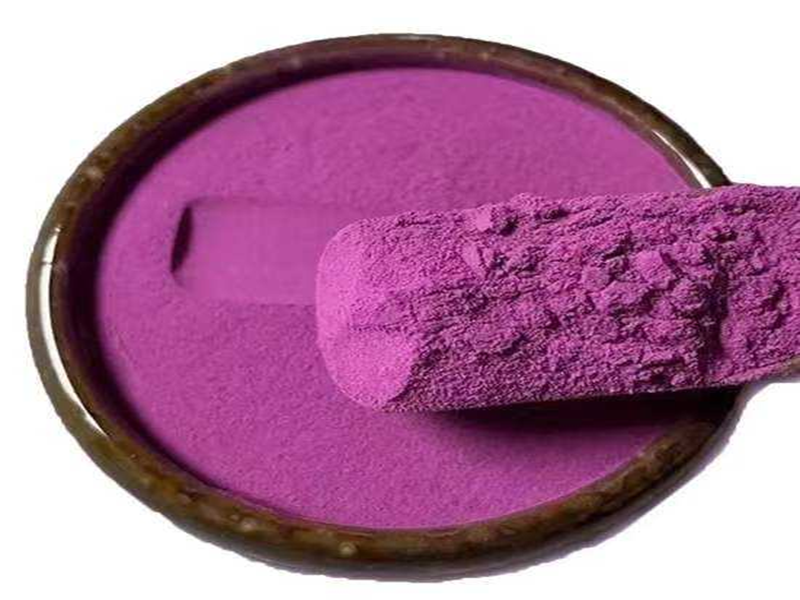
Camu camu looks like an easy ingredient to introduce into a supplement: it is a recognizable Amazonian fruit, naturally contains vitamin C, and fits the growing interest in plant-derived nutrition. Yet the moment a product developer asks how much fruit powder belongs in one capsule or whether a gummy will retain its vitamin C until the end of shelf life, the answer becomes less straightforward. The ingredient’s reputation is only a starting point; the material’s actual composition and behavior decide what the finished product can promise.
Camu camu is used in dietary supplements as a fruit-derived source of vitamin C and botanical compounds. Formulators add tested camu camu powder or extract to capsules, tablets, drink mixes, gummies, and selected liquids. The ingredient must be matched to the intended vitamin C level, serving size, flavor, manufacturing conditions, and packaging. Batch testing and stability evidence determine what the finished supplement can reliably declare.
At Zoxizo, our broader approach to supplement product development begins with these practical decisions, rather than choosing an ingredient because it looks attractive on a label. Think of two products that each advertise 500 mg of camu camu. If their ingredients contain 2% and 10% vitamin C respectively, they offer very different theoretical nutrient contributions. Understanding that gap is the key to building a formula worth producing, testing, and repeating.
What Does Camu Camu Add to Supplements?
Camu camu contributes naturally occurring vitamin C, organic acids, and fruit-derived polyphenols to supplement formulas. Its most readily measurable nutritional role is vitamin C delivery, while its broader botanical composition can support ingredient differentiation. The actual contribution depends on the plant material used, processing conditions, tested nutrient concentration, and serving size. A fruit name alone cannot establish nutritional potency or clinical benefits.
What Are the Main Active Compounds in Camu Camu?
Camu camu, botanically known as Myrciaria dubia, is associated with Amazonian growing regions and has been studied for its vitamin C and phenolic compounds. Vitamin C is an essential nutrient involved in collagen synthesis, normal immune function, and protection against oxidative damage. These functions are established for vitamin C itself, but they should not be confused with proof that every camu camu product delivers a particular health outcome. To make a meaningful vitamin C declaration, a manufacturer needs a tested ingredient and a finished-product specification.
The fruit’s other constituents include ellagic acid derivatives, ellagitannins, flavonoids, and related polyphenols. One study published in Food Chemistry characterized 53 phenolic compounds in two processed camu camu materials. It also found substantial compositional differences between the pulp powder and a flour derived from skin and seed residues. That finding matters because two suppliers can both offer genuine camu camu while selling materials with very different active profiles. Laboratory antioxidant capacity measures these preparations under specific test conditions; it does not, by itself, demonstrate disease prevention in humans.
How Does Camu Camu Compare With Synthetic Vitamin C?
Ascorbic acid is chemically the same vitamin C whether it originates from a fruit or conventional manufacturing. Camu camu can additionally contain fruit solids, natural acids, and other phytochemicals, but those extra constituents do not establish superior vitamin C absorption. A published review of human studies found little meaningful difference in steady-state bioavailability between synthetic and food-derived vitamin C. The useful distinction for a supplement brand is therefore the complete ingredient story and formulation behavior, not an unsupported claim that one vitamin C molecule is inherently better.
There are practical trade-offs. Conventional ascorbic acid makes it comparatively easy to deliver a defined amount of vitamin C in a small physical space. A camu camu powder assayed at 5% vitamin C needs 1,800 mg of powder to theoretically provide 90 mg of vitamin C before losses. That might be comfortable in a drink mix but inconvenient in a single capsule or small gummy. The botanical choice may still be worthwhile for a fruit-led product, provided its cost, taste, serving size, and documented nutrient contribution support the concept.
Which Supplement Applications Use Camu Camu?
Camu camu fits several product concepts, including vitamin C capsules, daily wellness blends, fruit-based drink powders, and selected combination supplements. It may also appear in beauty nutrition concepts because vitamin C contributes to normal collagen formation. The responsible message, however, concerns the nutrient’s established functions; it should not turn into a claim that camu camu reverses aging or treats a skin condition. Product positioning becomes more credible when the formula’s tested vitamin C amount matches what the label communicates.
For combined formulas, ingredients such as zinc, vitamin D, or other permitted botanicals may have a defined role, but combining familiar names does not automatically produce synergy. A capsule requires suitable flow and fill volume; a drink powder needs an acceptable acid balance and dispersion; a gummy needs manageable ingredient loading and verified retention after processing. We evaluate new product concepts by working backward from the consumer’s intended experience to the technical requirements, rather than adding ingredients until the label looks crowded.
Which Camu Camu Form Is Best for Supplements?
Camu camu fruit powder can suit botanical-focused products that accommodate larger serving weights, while a characterized extract may be useful when space or dosage precision matters. Neither name guarantees potency. Ingredient selection should compare tested vitamin C concentration, plant part, carrier content, flavor, moisture, bulk density, supplier consistency, and the needs of the chosen dosage form. A verified specification matters more than marketing terminology.
How Do Camu Camu Powder and Extract Differ?
A supplier may offer dehydrated pulp powder, whole-fruit powder, material derived from other fruit fractions, or an extract produced using a defined process. These products are not interchangeable. Fruit powders retain varying proportions of the starting matrix, whereas extracts may concentrate certain constituents and may contain processing carriers such as maltodextrin. Even the word “whole” needs supporting documentation, since processing conditions and the parts actually included affect what reaches the supplement. Before comparison, ask exactly what was processed and how the final powder was made.
The differences can be substantial. A 2013 Food Chemistry study reported 3.5% vitamin C in a camu camu pulp powder and 9.1% in a flour made from skin and seed residues; the two study preparations also differed strongly in measured phenolics. These are observed values for particular research materials, not industry-wide specifications. An ingredient sold as “extract” should likewise be evaluated using its own assay, rather than assumed to be stronger. For an actual project, the most useful material is the one that repeatedly meets the nutrient, physical, sensory, and documentation requirements of the intended product.
| Characteristic | Pulp Powder in Published Study | Skin-and-Seed Flour in Published Study | What the Difference Means |
| Vitamin C concentration | 3.5% | 9.1% | The same ingredient weight can supply different theoretical vitamin C amounts. |
| Identified phenolic content | 48.54 mg/100 g | 4,007.95 mg/100 g | Plant fraction and processing can change the botanical profile markedly. |
| Vitamin C from 1,000 mg | 35 mg | 91 mg | Calculations are illustrative, not finished-product claims. |
The study compared only the stated preparations, using its reported analytical methods. A commercial material needs its own batch-specific certificate of analysis, and a finished supplement still requires appropriate verification after processing and during its intended shelf life. In particular, differences between source materials should be treated as a reason to perform more careful supplier qualification, not as evidence that one form is universally superior. Product specifications must be written around the actual commercial lot.
What Should You Check in Camu Camu Specifications?
Start with botanical identity, including Myrciaria dubia, the declared plant part, country of origin, and processing method. Then examine the vitamin C assay and how it was measured. A useful supplier package should also identify carriers, extraction aids where relevant, moisture, physical characteristics, and storage requirements. For powders, particle size and bulk density deserve attention because they influence blending, segregation, capsule filling, and how much ingredient can fit into a given serving format. A specification without a clear analytical basis leaves too much room for interpretation.
Quality documents should address microbial limits, relevant heavy metals, and other contaminants according to the ingredient’s risk assessment and destination market. Depending on the project, pesticide residues, allergen statements, organic claims, or other supporting records may matter. A certificate of analysis is useful only when the batch, test methods, results, and acceptance criteria are meaningful. Procurement teams should also confirm how the supplier communicates process changes, carrier substitutions, or new raw material origins, because these changes can affect a previously approved formula.
How Does Ingredient Quality Affect Formulation?
Small differences in a botanical powder can become large differences in the finished product. If a formula uses 600 mg of camu camu powder, an ingredient tested at 5% vitamin C theoretically supplies 30 mg, while one tested at 8% supplies 48 mg. That is a 60% difference in nutrient contribution despite identical ingredient weights. It would be misleading to treat both finished products as equivalent without reviewing their specifications and test results. Consistent sourcing is therefore part of dosage control, not simply a purchasing preference.
Physical properties matter as well. A fine powder can generate dust or adhere to equipment, while a coarse fraction can settle in a drink or segregate from a blend. Moisture-sensitive materials may cake or flow inconsistently after exposure to humid air. For ongoing production, an approved raw material should have realistic ranges for the characteristics that affect manufacturing, and changes outside those ranges should trigger evaluation. Zoxizo’s documented ingredient-selection and quality-review process provides a general framework for this kind of work, although a camu camu-specific material still needs to be qualified for the individual project.

How Is Camu Camu Used in Different Dosage Forms?
Camu camu may be used in capsules, tablets, drink powders, gummies, and selected liquids, but the same ingredient grade will not necessarily work in every format. Capsules reduce direct taste exposure, powders can accommodate larger servings, tablets need compressible blends, and gummies or liquids face additional processing and stability challenges. The final choice depends on vitamin C targets, ingredient volume, sensory performance, and manufacturing trials.
How Is Camu Camu Used in Capsules and Tablets?
Capsules are appealing when a brand wants a relatively simple botanical supplement without asking consumers to taste a sour fruit powder. The challenge is physical capacity. Capsule filling depends on the complete blend’s bulk density, flow properties, and excipient requirements, not only on the nominal size of the empty capsule. A formula calling for 1,800 mg of camu camu powder may require several capsules per serving, depending on the material used. The correct count needs to come from a representative filling trial rather than a theoretical ingredient-weight estimate.
Tablets introduce another set of choices. Some botanical powders do not compress well without binders, disintegrants, or granulation. Manufacturers must balance tablet hardness with acceptable disintegration, while controlling weight variation, friability, and visual defects. An attractive tablet that breaks in its bottle or fails an agreed disintegration test is not ready for sale. For both capsules and tablets, vitamin C should be assessed in the finished formulation where declared, especially if the process or additional ingredients create plausible degradation risks.
How Is Camu Camu Used in Powders and Drink Mixes?
Drink mixes offer space for larger quantities of camu camu and allow brands to build a clear fruit-related consumer experience. The ingredient’s tartness can work with citrus or berry flavors, but a pleasant taste depends on sweetness, aroma, acidity, and the effect of every other component. Mineral salts and botanical extracts can add bitter or metallic notes that were absent from the camu camu material alone. A sample should be assessed at the actual recommended dilution, because a powder mixed into 200 mL of water will taste different from the same serving mixed into 350 mL.
Another important distinction is that dissolving and dispersing are not the same thing. Vitamin C may dissolve while some fruit particles remain suspended or settle, leaving a cloudy drink or sediment at the bottom. That can be perfectly acceptable in a fruit-style beverage but unsuitable for a concept promising a clear solution. Moisture uptake can also lead to clumping in sticks, sachets, and jars. Mixing behavior, powder flow, taste, package barriers, and vitamin C retention should be evaluated together before a powder formula is finalized.
Is Camu Camu Suitable for Gummies and Liquids?
Gummies can accommodate camu camu when ingredient loading and process conditions are suitable, but they are more demanding than simply adding powder to a sweet base. A gummy’s texture depends on its gelling system, soluble solids, acidity, processing temperature, and final moisture. Large additions of fruit powder can make the product grainy, sticky, intensely sour, or difficult to deposit consistently. If 900 mg of a 10%-vitamin-C ingredient is used to theoretically supply 90 mg of vitamin C, the formulator must establish whether that amount fits the gummy serving without compromising texture or taste.
Liquids involve prolonged contact with water and may create greater exposure to dissolved oxygen and other conditions that influence vitamin C stability. Changes in color, precipitation, flavor, and microbiological quality also need attention. A concentrate and a ready-to-drink product may behave differently even when they contain the same camu camu ingredient, because dilution changes concentration, pH, and ingredient interactions. In both gummies and liquids, the correct vitamin C declaration must be based on suitable finished-product testing, not simply the amount added before heating or mixing.
Which Ingredients Can Be Combined With Camu Camu?
Camu camu can be considered with zinc, vitamin D, other vitamins, and selected botanicals when each ingredient is appropriate for the target product and market. A combination should have a clearly defined nutritional purpose rather than rely on a long list of recognizable names. Zinc may influence flavor in a drink, while a vitamin D ingredient has different dispersion and stability requirements from water-soluble vitamin C. Adding multiple fruit and herbal powders can also increase serving weight, bitterness, acidity, and the possibility of physical separation.
Compatibility requires examination of the complete formula. Ascorbic acid can be sensitive to oxidative conditions, and certain metal ions may accelerate degradation in some systems. That does not prohibit mineral combinations; it means the chosen salt forms, processing conditions, and packaging need to be evaluated. Claims of ingredient “synergy” require evidence for the relevant combination and use. A smaller formula with measurable contributions, stable processing, and a comfortable serving size may offer a more credible product than an elaborate blend whose benefits and manufacturing behavior cannot be clearly explained.

How Is Camu Camu Dosage Determined?
Camu camu dosage is based on the formula’s nutritional purpose, the ingredient’s measured vitamin C percentage, serving size, intended population, and regulatory requirements. There is no single established daily dose of camu camu powder that suits every supplement. Manufacturers calculate theoretical nutrient contribution from the raw material assay, then use finished-product testing and stability evidence to support the amount ultimately declared on the label.
Is There a Standard Camu Camu Dosage?
Camu camu itself has no universally established daily dosage comparable to the dietary reference values for essential nutrients. A published study may use one preparation and a commercial supplement another, making their ingredient weights difficult to compare. Vitamin C provides a clearer nutritional reference: the US National Institutes of Health lists recommended dietary allowances of 90 mg per day for adult men and 75 mg for adult women. These figures relate to total daily vitamin C intake rather than a requirement to obtain that amount from a camu camu supplement.
The US Daily Value for vitamin C on Supplement Facts labels is 90 mg for adults and children aged four years and older. The adult tolerable upper intake level is 2,000 mg per day from all sources, but this is a safety reference, not a recommended target. Pregnancy, lactation, age, smoking status, and individual health circumstances can change nutritional considerations. Formulations intended for children or specific populations need their own suitability assessment instead of reducing a typical adult serving arbitrarily. Larger doses should not be presented as automatically more useful, especially when they increase ingredient load and consumer inconvenience.
How Is Vitamin C Content Calculated per Serving?
The basic calculation multiplies the weight of the camu camu ingredient by its measured vitamin C fraction. If a batch contains 5% vitamin C, 1,000 mg of that ingredient theoretically supplies 50 mg before manufacturing and storage losses. Conversely, a target of 90 mg vitamin C would theoretically require 1,800 mg of the same ingredient. These are raw-material calculations, not evidence that the finished supplement delivers that amount on release or at the end of its shelf life.
Theoretical vitamin C (mg) = Camu camu ingredient weight (mg) × Vitamin C assay (%) ÷ 100. The comparison below demonstrates how strongly the selected assay influences the ingredient amount needed. The percentages are hypothetical examples, and the calculated amounts are rounded; none is a recommended camu camu intake or a guaranteed commercial raw material specification. When other vitamin C sources are present, their measured or specified contributions must also be considered in the finished-product formulation and label assessment.
| Assumed Vitamin C in Ingredient | Ingredient for 45 mg Vitamin C | Ingredient for 90 mg Vitamin C | Ingredient for 180 mg Vitamin C |
| 2% | 2,250 mg | 4,500 mg | 9,000 mg |
| 3.5% | 1,286 mg | 2,571 mg | 5,143 mg |
| 5% | 900 mg | 1,800 mg | 3,600 mg |
| 9.1% | 495 mg | 989 mg | 1,978 mg |
| 10% | 450 mg | 900 mg | 1,800 mg |
Processing losses, analytical uncertainty, and stability during storage can create a difference between theoretical input and actual finished-product content. Any overage needs a scientifically supported justification consistent with the intended market’s rules, and finished-product specifications should address nutrient content across the declared shelf life. That is one reason an ingredient supplier’s assay cannot replace testing and quality review of the commercial product.
How Do Formulation Goals Affect Ingredient Levels?
Ingredient loading depends partly on what the supplement is supposed to be. A fruit-focused powder may use a relatively large camu camu contribution and accept natural tartness or cloudiness as part of the experience. A compact vitamin C capsule may need a more concentrated material to keep the number of units reasonable. A gummy has much less physical room and may have greater difficulty accommodating a large dose without changing its texture. The same botanical can therefore be sensible at different quantities in different formulations.
More camu camu is not automatically better. Raising the level can increase raw material cost, acidity, sediment, package size, and manufacturing demands. A product asking consumers to swallow four large capsules or drink an excessively sour mixture may be less usable than one with a moderate, clearly characterized nutrient contribution. Zoxizo’s formula-development process considers target market, delivery format, ingredient selection, taste, and cost together. For a camu camu project, those considerations would inform the trials needed to find an amount that can be produced consistently and supported by appropriate test results.
What Affects Camu Camu Stability and Taste?
Camu camu’s vitamin C and botanical compounds may be affected by temperature, moisture, oxygen, light, processing, and storage time. Its naturally tart taste and variable fruit color also influence consumer acceptance. Successful formulation requires suitable ingredients, controlled processing, flavor testing, and protective packaging. Shelf life must be established for the complete finished product through relevant evidence, rather than assumed from the reputation of the raw fruit.
How Do Heat, Moisture, and Oxygen Affect Camu Camu?
Vitamin C is sensitive to degradation under unfavorable processing and storage conditions. Heat and oxygen can contribute to chemical losses, while moisture can accelerate some degradation pathways and change the physical behavior of powders. The rate depends on formulation pH, the surrounding ingredients, oxygen exposure, water availability, and the process itself. A powder can still look normal after losing part of its vitamin C, and it can also form clumps before the nutrient content falls outside specification. Both nutritional and physical stability need attention.
A 2020 study of encapsulated camu camu investigated storage at 25°C and 45°C under relative humidity conditions of 22%, 51%, and 75%. Increasing temperature and humidity reduced the stability of the studied bioactive compounds. These research conditions illustrate sensitivity but are not universal storage instructions or proof of a particular commercial shelf life. Product developers should examine what happens during ingredient storage, mixing, gummy processing where applicable, and the time between manufacture and sealing. Actual product stability testing is needed to confirm that the chosen formulation remains suitable over time.
How Can Camu Camu Flavor and Color Be Managed?
Camu camu’s strong tartness can be an advantage in citrus, berry, and tropical-style drink powders, but it may overwhelm a formula when the fruit material is included at a high level. Other components can change the flavor significantly: mineral salts may introduce metallic notes, botanical extracts may add bitterness, and some sweeteners leave lingering aftertastes. The right solution is not necessarily to add more sweetener. Adjusting ingredient grade, serving concentration, flavor balance, or the form of complementary ingredients may produce a more pleasant result.
Sensory testing should use realistic preparation conditions. A drink mixed with 200 mL of water will be more concentrated than an identical serving diluted in 350 mL, so the intended mixing instructions need to be consistent during comparisons. Appearance also matters, especially in clear bottles or pale gummies, where differences in ingredient color can be noticeable. Natural materials may vary from lot to lot, and some colors change during storage. Prototype evaluation should therefore include taste, aftertaste, acidity, appearance, sediment, and changes over time rather than relying on one promising freshly prepared sample.
Does Encapsulation Improve Camu Camu Stability?
Encapsulation can help protect selected camu camu compounds by surrounding them with a carrier matrix. Research has examined spray-dried camu camu using maltodextrin, inulin, and oligofructose, comparing these materials with a non-encapsulated freeze-dried reference. In the study conditions, encapsulation generally improved the stability of the investigated bioactive compounds. The approach can also change powder properties, which may be useful when incorporating an ingredient into a capsule blend or dry mix, although its performance must still be tested in the actual formula.
Encapsulation has trade-offs. Carrier material contributes weight, potentially lowering the vitamin C concentration per gram of finished powder. The process may change flavor, dispersibility, particle behavior, labeling requirements, and price. It also cannot guarantee protection against every processing or storage condition. A brand should compare ingredient options using measured vitamin C retention, physical performance, sensory results, and total formula cost. An encapsulated ingredient is not necessarily the better choice unless its documented advantages solve a problem that matters to the intended product.
Which Packaging Options Help Protect Camu Camu?
Packaging protects the formula from conditions that can shorten useful shelf life, but no single container is ideal for every camu camu product. Individually sealed stick packs and sachets can reduce repeated exposure to humid air after opening. A multi-serving jar may be economical and convenient but introduces different risks as consumers open and close it. Bottles, closures, liners, and light-protective materials should be evaluated together instead of judging protection from the container’s appearance or thickness alone.
For moisture- and oxygen-sensitive products, two relevant packaging properties are water vapor transmission rate and oxygen transmission rate, measured under stated test conditions. Lower rates generally indicate a stronger barrier, but the required performance depends on the actual formulation, seal integrity, and distribution environment. Stability studies may examine vitamin C assay, moisture, appearance, taste, and package integrity at defined intervals. A twelve-month shelf life should not be asserted merely because a package appears well sealed; it needs supporting evidence for the product in its intended commercial packaging.

How Are Camu Camu Supplements Tested and Manufactured?
Manufacturing a reliable camu camu supplement requires botanical ingredient qualification, formula sampling, documented processing, finished-product testing, and traceable batches. Important checks include ingredient identity, vitamin C assay, contaminants, physical handling, dosage consistency, packaging, and label accuracy. Quality requirements should reflect the product and target market. A supplier certificate alone does not establish the finished supplement’s safety, potency, or shelf-life performance.
What Quality Tests Are Needed for Camu Camu Ingredients?
The first quality question is whether the supplied material is what it claims to be. A camu camu specification should identify Myrciaria dubia, the relevant plant part, and the material’s processing history. Identity testing may require different methods for recognizable fruit powders and highly processed extracts. Vitamin C should be measured with a method appropriate to the ingredient matrix; suitably validated chromatography is one option. The report should make clear what is actually measured, rather than confusing vitamin C content with a broad antioxidant-capacity value.
Safety and manufacturing checks go beyond potency. Depending on the material and destination market, they may include microbial evaluation, heavy metals, pesticide risks, moisture, water activity, particle size, and bulk density. The appropriate limits need to be established from regulations, recognized standards, product specifications, and a documented risk assessment. US dietary supplement current good manufacturing practice requirements under 21 CFR Part 111 address specifications, quality operations, and records. A supplier’s certificate of analysis can contribute to qualification, but the manufacturer retains applicable responsibilities for verification and finished-product quality.
| Checkpoint | Example Evidence | Practical Decision Supported |
| Botanical identity | Identity method and source documentation | Is the declared plant material authentic? |
| Vitamin C content | Validated assay and batch COA | How much ingredient is needed per serving? |
| Microbiology and contaminants | Relevant microbial, heavy-metal, or pesticide tests | Is the material suitable for the intended product? |
| Powder handling | Moisture, particle size, and bulk density | Will the blend flow, fill, and store consistently? |
| Finished-product release | Potency and applicable quality tests | Does the finished batch meet its specifications? |
| Traceability | Material lot and batch production records | Can a product issue be investigated and contained? |
The testing plan should distinguish incoming ingredient results, in-process controls, finished-product release tests, and stability testing. Not every possible test belongs on every batch’s certificate, and additional testing may require separate laboratory work. What matters is a justified system that links the ingredient’s risks with reliable evidence for the formula being sold. A clearly documented testing scope also helps product teams compare suppliers fairly and avoid confusing a general facility credential with proof about the quality of one finished batch.
How Are Camu Camu Formulas Developed and Sampled?
Development begins with a product brief: the intended consumer, market, supplement format, target vitamin C contribution, serving size, flavor, packaging, and commercial priorities. The team can then compare ingredient grades and identify likely technical problems before investing in a finished label or large packaging order. A brand asking for a natural vitamin C gummy faces a different technical problem from one asking for a botanical capsule or a cloudy fruit drink, even when each proposal starts with camu camu.
The sampling stage turns those decisions into something measurable. Capsule trials examine fill volume and flow; drink mixes assess dispersion, acidity, and taste; gummies require texture and nutrient-retention evaluation. The approved prototype should be connected to an ingredient specification, formula version, manufacturing instructions, and relevant acceptance criteria. Our documented product-development services cover custom formulation, ingredient selection, multiple dosage forms, samples, and revisions. These are general capabilities; a specific camu camu project must still pass its own ingredient, feasibility, and quality evaluations before performance claims can be made.
How Is Consistency Maintained During Bulk Production?
A successful small sample is not enough to guarantee commercial consistency. Bulk production adds equipment scale, transfer steps, process timing, and potentially different exposure to air, moisture, or temperature. The approved formula should identify raw material lots, weighing requirements, processing sequence, controls, packaging configuration, and release criteria. Variations in botanical potency, bulk density, or particle size may need investigation even when the invoice description of the ingredient has not changed. Documented change control is particularly important for products expected to be reordered over many months.
Zoxizo’s company materials describe an approximately 17,000-square-meter manufacturing facility, more than 25 research and development personnel, and more than 30 quality and testing personnel. They also describe ingredient review, in-process checks, finished-product inspection, and batch-document support. These facts support a general development-and-manufacturing framework, not a claim that a particular camu camu formula has already been manufactured or validated. For any new project, the actual process parameters, testing scope, and long-term supply arrangements need to be agreed on and documented before production begins.
Which Documents and Labeling Rules Apply?
Documentation begins with the ingredient and continues through the finished product. Depending on the market and product, a useful file may contain raw material specifications, supplier qualification records, certificates of analysis, finished-product specifications, production records, packaging artwork, and applicable test reports. US labeling needs accurate Supplement Facts information and appropriate ingredient declarations, including the finished product’s substantiated vitamin C contribution. Where the product makes nutrient or health-related statements, the wording and supporting evidence need separate review rather than simply repeating the ingredient supplier’s promotional material.
In the United States, certain dietary supplement structure/function claims require substantiation, the prescribed disclaimer, and notification to FDA within 30 days after first marketing. Some ingredients or preparations may also require an assessment under new dietary ingredient rules; where a notification is required, it generally must be submitted at least 75 days before introduction into interstate commerce. Requirements can differ elsewhere, including in the European Union, the United Kingdom, and Australia. FDA facility registration or manufacturing documentation should never be described as FDA approval of a particular supplement. Zoxizo can support relevant manufacturing and product documents, but final market compliance must be verified for the actual formula and destination.
A good camu camu product is built from decisions that reinforce one another: a clearly identified ingredient, a measured nutrient contribution, a realistic serving size, a compatible dosage form, and manufacturing controls that preserve what the brand intends to sell. Those decisions should lead to a testable specification, appropriate packaging, and a documented batch history. When they do, the result is more valuable than a fashionable botanical claim: it is a supplement that a brand can evaluate carefully, manufacture consistently, and confidently develop into a long-term product.
For teams considering camu camu capsules, fruit drink powders, gummies, or combination formulas, Zoxizo can discuss ingredient selection, dosage-form feasibility, sampling, packaging, and production planning within its documented supplement development services. The most productive starting point is a clear description of the intended product and destination market. That allows the conversation to focus on measurable requirements and the evidence needed for a successful launch, rather than promising a formula before its essential technical questions have been answered.

Frequently Asked Questions
Is camu camu a good source of vitamin C for supplements?
Camu camu can be a useful vitamin C source, but the amount depends on the exact powder or extract and its tested composition. Published research has found markedly different vitamin C percentages in different camu camu preparations, so a serving weight alone cannot establish nutritional value. A reliable supplement needs a batch-specific raw material assay, an appropriate formulation calculation, and finished-product testing to support the vitamin C amount shown on the label, including its expected stability during storage.
What is the difference between camu camu powder and extract?
Camu camu powder generally contains a processed fruit matrix, while an extract is produced to recover or concentrate particular constituents and may contain added carriers. Neither term guarantees a specific vitamin C percentage, and two extracts can have different compositions. The practical comparison should cover botanical identity, vitamin C assay, fruit part, carrier disclosure, taste, particle properties, and price per verified nutrient contribution. The final choice depends on what the supplement is intended to deliver and how it will be manufactured.
How much camu camu powder is needed for 90 mg of vitamin C?
The quantity depends on the powder’s verified vitamin C concentration. At 5% vitamin C, a theoretical 90 mg contribution requires 1,800 mg of powder; at 10%, it requires 900 mg. These calculations apply to the raw material before manufacturing or storage losses and are not recommendations for personal intake. Commercial formulas must also consider actual ingredient assays, other vitamin C sources, finished-product measurements, and shelf-life data before making a label declaration.
Can camu camu be used in vitamin C gummies?
Camu camu may be suitable for gummies when the required ingredient amount fits the formulation and the finished product passes processing and stability checks. The main issues are vitamin C retention, fruit acidity, texture, and the limited amount of ingredient that can fit into a serving without compromising consistency. A prototype should be tested after its actual manufacturing process, not judged solely from the vitamin C percentage on the raw ingredient certificate. Flavor and shelf-life performance also need evaluation before commercial production.
Is natural vitamin C from camu camu better than synthetic vitamin C?
Natural and synthetic ascorbic acid are chemically identical, and human bioavailability studies have not established a consistent meaningful advantage for food-derived vitamin C. Camu camu can still offer a distinctive fruit-based ingredient profile that includes compounds beyond vitamin C, along with different flavor and sourcing characteristics. Whether that difference is valuable depends on the product concept, reliable nutrient delivery, quality evidence, and consumer experience. Claims of superior absorption or clinical effectiveness require evidence specific to the claim being made.
How do manufacturers protect camu camu vitamin C during production?
Manufacturers assess the ingredient’s sensitivity to heat, moisture, oxygen, and other formulation conditions, then select appropriate processing and packaging methods. Some encapsulated camu camu preparations have shown improved stability in published research, but their performance cannot be assumed for every product. A practical control program includes suitable raw materials, defined processing conditions, packaging barrier evaluation, finished-product assays, and stability testing. Those records show whether the product meets its agreed vitamin C specification throughout the proposed shelf life.
What quality documents should a camu camu supplement manufacturer provide?
The appropriate documents depend on the destination market and product, but commonly include ingredient specifications, botanical identity records, supplier qualifications, batch certificates of analysis, finished-product specifications, and relevant microbial or contaminant testing. Manufacturing and packaging records support traceability, while finished-product testing supports nutrient declarations. Additional reports or certifications should be requested according to the formula and regulatory requirements. A company should not claim that every possible test or certification is automatically included, or that a facility registration amounts to product approval.