Skip to content

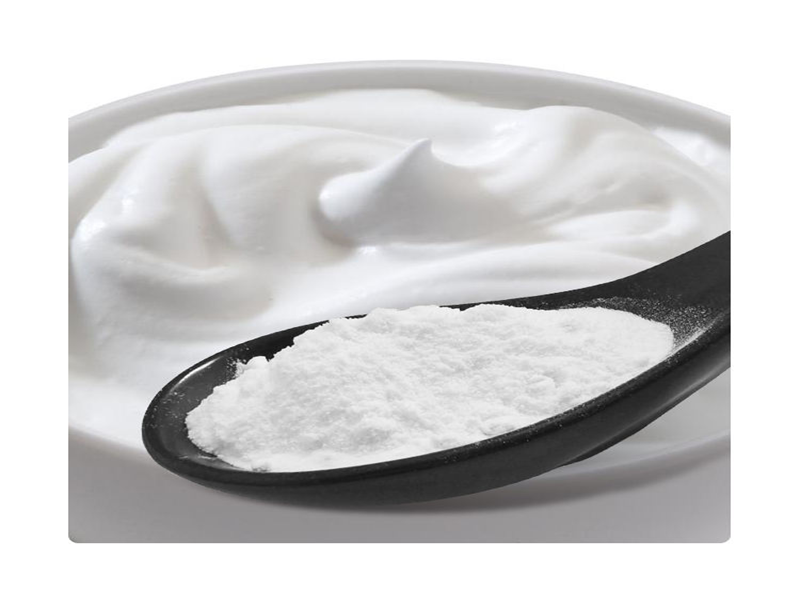
A skin hydration supplement can look simple on a product label: one recognizable ingredient, a daily serving, and a promise of support from within. Behind that label, however, formulators have to answer a much harder question. What exactly is the ceramide ingredient, and is the finished product built around evidence for that particular material? A rice extract, a wheat lipid preparation, and a highly standardized glucosylceramide powder may all be described as phytoceramides, yet they are not automatically interchangeable.
Ceramides are used in dietary supplement formulation as functional lipid ingredients, primarily in products designed to support normal skin hydration and barrier function. Developers select a suitable oral-grade source, review ingredient-specific human studies, calculate the amount of standardized glucosylceramides, and choose a compatible dosage form. They then evaluate ingredient safety, stability, batch consistency, labeling, and target-market requirements before commercial manufacture.
At Zoxizo, we connect that ingredient research with the everyday realities of developing supplements: capsule space, sourcing continuity, documentation, sampling, and the cost of making the same formula consistently. Imagine a brand planning a beauty capsule with ceramides and hyaluronic acid. A change from a 3% extract to a 1% extract may triple the ingredient weight needed for the same calculated glucosylceramide amount. That single substitution can affect the entire product, not just the ingredient list.
What Do Ceramides Do in Dietary Supplements?
Ceramides are naturally occurring lipids that help organize the skin’s protective barrier and limit moisture loss. Selected oral ceramide-containing ingredients are studied for supporting normal skin hydration and barrier function. Some human trials report improvements in skin moisture measurements and transepidermal water loss, but results depend on the particular ingredient, study population, amount consumed, and length of use. They are not proven treatments for skin disease.
How Do Ceramides Support Skin Hydration?
The skin barrier is more than a surface layer that keeps water in. Within the stratum corneum, skin cells are surrounded by an organized mixture of ceramides, cholesterol, and free fatty acids. Researchers often describe ceramides as accounting for roughly half of the intercellular lipid mass, although the proportion depends on which lipids and measurement methods are included. This arrangement helps the skin remain flexible while limiting excessive water escape. When barrier organization changes, skin may feel dry even when a person uses moisturizer regularly.
Oral supplements take a different route from creams. Dietary glucosylceramides are digested and metabolized, and the mechanisms linking intake to changes in skin measurements are still being studied. A swallowed milligram of glucosylceramides should not be pictured as a milligram deposited directly into the skin. Researchers commonly assess transepidermal water loss, or TEWL, alongside measures of stratum corneum hydration. TEWL is sensitive to temperature, humidity, body site, and testing technique, so a meaningful comparison requires controlled measurements rather than photographs alone.
What Does Clinical Research Show?
A 2022 systematic review and meta-analysis in Frontiers in Nutrition examined 11 oral ceramide studies with 601 participants, conducted over approximately 6 to 20 weeks. In seven single-preparation studies involving 426 participants, the pooled result for skin hydration favored ceramides over placebo, with a standardized mean difference of 0.40 and a 95% confidence interval of 0.04 to 0.76. An analysis of seven studies also found a reduction in TEWL, with a reported effect estimate of -0.29 and a 95% confidence interval of -0.49 to -0.10. These are research statistics, not a promised percentage improvement for an individual user.
The review also identified differences between ingredients and meaningful variation between study results. One smaller randomized trial of a rice-derived preparation enrolled 44 Japanese women and followed them for 12 weeks. The participants received 40 mg daily of a specified rice lipid preparation containing 1.2 mg of glucosylceramides and another rice-derived component. The study reported improvements in selected measurements, including cheek TEWL, but it was a small, ingredient-specific trial with manufacturer-related funding. When we compare ingredients for development, we treat these findings as useful evidence with limitations, not as proof that any extract carrying the word ceramide will perform identically.
| Evidence | Study details | Main finding | Interpretation |
| 2022 systematic review | 11 ceramide studies, 601 people, 6-20 weeks | Overall results favored some oral preparations | Sources and methods differed considerably |
| Single-preparation hydration analysis | 7 studies, 426 people | SMD 0.40; 95% CI 0.04 to 0.76 | Pooled effect, not a consumer benefit percentage |
| Single-preparation TEWL analysis | 7 studies | Effect estimate -0.29; 95% CI -0.49 to -0.10 | Product-specific effects remain uncertain |
| 2021 rice extract trial | 44 women, 12 weeks, 40 mg preparation/day | Improvements in selected skin outcomes | Results apply to the studied combination |
Are Oral and Topical Ceramides Different?
A ceramide moisturizer and a ceramide capsule share some terminology, but they are built for different tasks. A topical product must deliver suitable lipids within a cosmetic system that interacts with the skin surface. Its performance depends on the surrounding ingredients, the way the product spreads, and the condition of the skin. An oral product has to pass through digestion and metabolism before any downstream biological effect can occur. Data from a cream cannot simply be used as clinical substantiation for a capsule.
The distinction is just as important during procurement. A raw material advertised for skincare may not have the identity, safety, contaminant limits, or regulatory history appropriate for ingestion. For a brand developing both categories, the visual identity can be consistent, but the technical dossiers should remain separate. We assess oral ingredient specifications independently, including the applicable ingredient category and intended market. This prevents an appealing cosmetic story from taking the place of sound dietary supplement development.
Which Ceramide Sources Are Used in Supplements?
Plant-derived sphingolipid ingredients, often marketed as phytoceramides, are commonly investigated for oral supplements. Wheat, rice, and konjac are among the sources discussed in the literature, but their extracts can differ in glucosylceramide concentration, accompanying lipids, analytical methods, and clinical evidence. The appropriate choice depends on the exact commercial ingredient, its documentation, manufacturing behavior, allergen profile, availability, and legal status in the intended market.
What Are Phytoceramides and Glucosylceramides?
Phytoceramides is a useful consumer-facing term, but it is not a sufficiently detailed raw material specification. It generally refers to plant-derived ceramide-related lipids, frequently including glucosylceramides. Glucosylceramides are glycosphingolipids in which a glucose unit is attached to a ceramide structure. Extracts may contain several molecular species and other natural lipid components, so their composition can vary substantially from one source or extraction process to another. Two suppliers can print the same broad ingredient term on their sales material while selling chemically different preparations.
For formulation work, the certificate and specification need to go further. We look for the botanical identity, part of the plant used, extraction method, declared active fraction, analytical procedure, carriers, and batch-level test results. A declaration of 3% glucosylceramides is not the same as 3% total lipids or 3% unspecified ceramides. Confusing these descriptions can lead to incorrect serving calculations and misplaced reliance on clinical research. A clear ingredient identity is the foundation for every decision that follows, from dosage to labeling.
How Do Wheat, Rice, and Konjac Ceramides Compare?
Wheat-derived polar lipids have appeared in a number of oral skin hydration studies and may include glucosylceramides alongside other lipid classes. Rice-derived preparations have also been investigated; in one clinical trial, the tested ingredient combined glucosylceramides with a rice-derived sterol glucoside. Konjac-derived glucosylceramides represent another researched plant source. These descriptions tell us where a material originates, but they do not establish that one source is more effective in every formulation or that different suppliers’ extracts can be substituted gram for gram.
Ingredient origin affects purchasing decisions in other ways. Wheat-derived materials require an allergen assessment tied to residual protein and applicable labeling rules. Rice or konjac may suit particular positioning requirements, but a plant name does not prove a product is allergen-free. Extraction solvents, carrier ingredients, supplier process controls, and finished powder properties also need review. When we evaluate sources, we compare the documents for the actual ingredient lot and the research for that preparation. That is far more useful than ranking plant sources on a marketing chart without matched evidence.
Which Raw Material Specifications Matter?
A reliable specification should identify what is being purchased and how acceptance will be decided. Important fields include botanical source, ingredient description, glucosylceramide assay where relevant, sampling and analytical method, microbiological limits, appropriate contaminant specifications, moisture or loss on drying, and storage conditions. For a powder, particle size, bulk density, and flow can matter because they affect blending and capsule filling. For a lipid-rich preparation, packaging and protection against conditions that may affect associated lipids can be important during storage and transport.
An assay percentage is only as useful as the method behind it. Suppliers may characterize sphingolipids with chromatographic techniques, but the targeted molecules and validation details should be clear. We also distinguish a typical specification from an actual certificate of analysis for the material being shipped. A certificate should identify the lot, report relevant results, and make it possible to connect incoming material with finished manufacturing records. Low cost cannot compensate for an unidentified active fraction or inconsistent documentation, especially when a brand expects repeat orders over several years.
How Are Ceramide Ingredients Selected?
Choosing an ingredient is easier when the finished-product brief comes first. A brand seeking a one-capsule skin hydration supplement may prioritize a well-characterized concentrated powder, while a project built around a larger collagen serving might use a different product format. We consider the intended sales market, supporting evidence, allergen and consumer requirements, capsule space or process compatibility, planned serving size, ingredient availability, and finished-product cost. The same ingredient may be technically attractive for one project and impractical for another because the surrounding formula changes.
We also consider what happens after launch. A switch in source or concentration can alter active-content calculations, physical handling, claims substantiation, and supplier documents, even when the label’s headline ingredient stays the same. Zoxizo’s company materials describe formulation development, raw material selection, dosage-form matching, and sampling support; those capabilities form the basis of our review process. They do not establish that every ceramide source has already been validated in our production facilities. For any specific formula, the ingredient and manufacturing feasibility must still be confirmed before commercial commitments are made.

How Is Ceramide Dosage Determined?
Ceramide dosage is determined by matching ingredient-specific human evidence with the extract’s standardized composition, proposed daily exposure, safety information, and serving format. Extract weight must be distinguished from the amount of measured glucosylceramides. There is no universally established daily ceramide dose that applies to all sources and formulas, and clinical quantities from different preparations should not be treated as directly interchangeable instructions.
What Ceramide Dosages Have Been Studied?
The 2022 systematic review reported daily ceramide quantities ranging from 0.4 to 30 mg in eight studies that supplied dosage information. The wide range is not an approved dosing guideline; the studies used heterogeneous preparations and did not all define the ingredient in the same way. A separate rice-derived clinical study used 40 mg per day of a preparation standardized to deliver 1.2 mg of glucosylceramides. Reporting both numbers is essential because the total extract weight and its selected active components answer different questions.
Study duration should be reviewed alongside quantity. In the published ceramide trials analyzed in the review, interventions commonly lasted several weeks, with the overall range extending from 6 to 20 weeks. That does not demonstrate that consumers will notice a change within a fixed number of days, or that increasing an ingredient above a studied amount will improve results. We therefore build a dosage rationale around the actual commercial material, not around the largest number found on a competitor’s Supplement Facts panel.
How Is Active Ceramide Content Measured?
The arithmetic for a standardized ingredient is simple: multiply the weight of extract by its declared active fraction. A 40 mg portion of an extract genuinely standardized to 3% glucosylceramides contains a calculated 1.2 mg of those compounds. A 60 mg portion of a 2% extract also calculates to 1.2 mg. These examples demonstrate concentration mathematics, but they do not establish matching bioavailability or clinical effectiveness. Differences in molecular profile, supporting evidence, and surrounding lipids may still matter.
The calculation also assumes that the specification describes the same analyte in each case and that the batch meets its declared concentration. In real development, the analytical method, acceptable assay range, finished-product verification plan, and any expected processing changes have to be addressed. We do not substitute a total extract figure for a measured glucosylceramide quantity when interpreting a study. A clear distinction between these values protects the accuracy of the formulation record and reduces confusion when a brand compares several quotations.
| Illustrative standardized extract | Glucosylceramide specification | Extract per serving | Calculated glucosylceramides |
| A | 1% | 120 mg | 1.2 mg |
| B | 2% | 60 mg | 1.2 mg |
| C | 3% | 40 mg | 1.2 mg |
| D | 5% | 24 mg | 1.2 mg |
| E | 5% | 40 mg | 2.0 mg |
How Does Ingredient Concentration Affect Dosage?
A concentrated raw material can make a compact serving easier to design, but concentration is not the only performance measure. In the table above, using a 5% rather than a 1% standardized material reduces the theoretical extract quantity needed for 1.2 mg of glucosylceramides from 120 mg to 24 mg. That 96 mg difference can free space for other ingredients in a capsule. Yet the lower inclusion level can also make blending more sensitive, particularly when a small amount of active material is mixed into a much larger powder mass.
The physical characteristics of the ingredient still need to be considered. A highly concentrated extract with poor flow or a difficult carrier may not fill as consistently as a less concentrated material that blends well. Likewise, a strong assay specification cannot replace an ingredient-specific safety and evidence assessment. During development, we consider concentration together with bulk density, particle behavior, mixing procedure, quality documentation, and effective cost per finished serving. That balanced decision is more useful than choosing the highest percentage on a supplier catalog.
How Do Serving Size and Cost Affect Formulation?
Serving size shapes both the consumer experience and the manufacturing plan. A formula may be chemically reasonable but unattractive if it requires too many capsules each day. The amount of ceramide extract is only part of this calculation: additional ingredients, capsule shell, excipients, and the density of the blend all influence the final count. A collagen-led product can be particularly challenging because collagen peptides are often used in gram-level quantities, while selected ceramide fractions may be measured in milligrams. A powder or sachet can sometimes serve that combination more naturally than a small capsule.
Price needs to be assessed at the finished-product level rather than by comparing raw material quotations in isolation. Ingredient use per serving, production loss, quality testing, packaging, order volume, and ingredient supply stability all contribute to the result. Increasing a 40 mg extract inclusion to 80 mg theoretically doubles its use per serving, but it does not prove a doubled clinical benefit. Zoxizo’s formulation work connects ingredient choice with dosage form, sample review, packaging, and cost evaluation so that a proposed product can be assessed for both technical quality and commercial practicality.
Which Dosage Forms and Ingredients Work Best?
Capsules are often a practical starting point for standardized powdered ceramide extracts, while softgels may suit certain oil-compatible preparations. Gummies, tablets, and drink powders can be considered when ingredient properties and processing conditions allow. Ceramides may also be combined with collagen peptides, hyaluronic acid, or other skin-focused ingredients, but combined efficacy, manufacturing compatibility, stability, and sensible serving quantities must be evaluated separately.
Are Capsules or Softgels More Suitable?
Hard capsules accommodate many standardized plant extracts without requiring the contents to have a pleasant taste. For a ceramide powder, however, capsule filling depends on more than the ingredient’s nominal weight. Particle size distribution, powder flow, bulk density, moisture behavior, and blend uniformity influence whether the target amount can be delivered consistently. Where a low-dose component is mixed with larger amounts of other powders, appropriate premixing and process checks can be important. A capsule that looks full and attractive still needs to meet its manufacturing specifications.
Softgels are a possible alternative for suitable lipid-based preparations, but they introduce different technical questions. The ceramide ingredient must be compatible with the fill system, remain appropriately dispersed or dissolved, and avoid problems such as settling that could affect unit-to-unit consistency. The shell and fill also need suitable stability and sealing performance. Zoxizo’s documented dosage-form services include capsules and softgels, but a specific ceramide ingredient cannot be declared suitable for either simply because the equipment exists. Trials should guide the choice, with production consistency taking priority over perceived premium appearance.
Can Ceramides Be Used in Gummies or Powders?
Gummies and powdered drinks can fit a beauty-and-wellness product line, yet both formats need particular care when a lipid-based ingredient is involved. A conventional ceramide extract may not disperse readily in water. In drink powders, inadequate dispersion can leave particles floating, settling, or affecting mouthfeel. A supplier’s dispersible version may behave differently from its standard extract because of additional carriers or processing, which means the specifications and serving calculations need to be reviewed again. Appearance alone is not evidence of active-ingredient uniformity.
Gummies add heat, moisture, acidity, texture, and water-activity considerations. Conditions acceptable for an ordinary flavor or vitamin may not automatically be appropriate for a particular ceramide-containing preparation or its accompanying ingredients. Sampling should examine processing behavior and finished quality after storage, not just how the first tray looks. We support gummies and powders through Zoxizo’s broader product-development services, but product-specific feasibility remains essential. For many concepts, choosing a capsule first may reduce avoidable complexity; for others, the convenience of a drink or gummy may justify additional development and testing.
How Do Ceramides Combine with Collagen and Hyaluronic Acid?
A combined skin-focused product can make sense because the ingredients relate to different aspects of normal skin biology. Ceramides are associated with the barrier’s lipid organization, collagen is a structural protein, and hyaluronic acid is known for water-binding properties. These complementary roles can provide a coherent product concept, but a mixture of plausible ingredients should not be advertised as clinically synergistic unless appropriate research supports that specific conclusion. Results from separate studies cannot simply be added together to predict a combined effect in consumers.
Serving quantity is often the practical deciding factor. Many collagen peptide products provide quantities measured in grams, making powders or stick packs attractive for a collagen-led formula. A smaller ceramide-centered capsule may instead combine a standardized lipid extract with appropriately selected supporting ingredients, subject to legal and technical checks. Zoxizo’s company information includes skin hydration formulations featuring collagen, hyaluronic acid, and ceramides as a development direction. That is a documented concept, not proof that a named finished combination has undergone a clinical trial. We examine the actual formulation before making performance or manufacturing claims.
Which Factors Affect Formula Stability?
Stability depends on the complete finished product, including the active ingredient, its carriers, other formula components, and packaging. For some lipid-rich extracts, the oxidation behavior of accompanying unsaturated lipids may matter; for certain powder systems, moisture pickup or changes in flow can be more significant. A multi-ingredient capsule can also inherit stability concerns from vitamins or botanical extracts that are more sensitive than the ceramide fraction itself. It is therefore risky to assume that an ingredient’s supplier shelf life establishes the finished supplement’s shelf life.
Practical studies may track appearance, odor, moisture, relevant active markers, microbial status, and package integrity under scientifically justified storage conditions. Capsules, gummies, and softgels have different potential failure points, and packaging barriers should be chosen with those risks in mind. Accelerated testing can reveal likely weaknesses, but it should not be treated as an automatic guarantee of a particular expiry date. Zoxizo considers stability during formulation and sampling; an actual shelf-life conclusion still requires a plan and results appropriate to the specific product and its intended storage and distribution conditions.
How Are Ceramide Supplements Developed and Manufactured?
Ceramide supplement development moves from an ingredient and market brief to technical feasibility, standardized formulation, samples, testing, and controlled manufacture. Important steps include confirming the raw material, calculating the serving, selecting a practical dosage form, reviewing stability and safety, approving specifications, and establishing batch records. Zoxizo supports this broader development-to-production workflow, while every new ceramide formulation still requires its own feasibility checks and validation decisions.
How Is Formula Feasibility Evaluated?
A useful project brief identifies the intended customer, sales country, product format, desired ingredient source, target serving, packaging preferences, and realistic cost boundaries. With those details, the formulation team can review whether a proposed ceramide extract has appropriate evidence, supply availability, ingredient documentation, and processing properties. Regulatory review belongs near the beginning of this process. A material that can be purchased internationally is not necessarily lawful for every supplement market, and changing it later can disrupt both clinical substantiation and manufacturing calculations.
We also look at the complete formula rather than isolated ingredients. Will the desired amount fit into the proposed capsule count? Could another component interfere with blending or shelf life? Is the intended benefit statement supported by evidence for the selected material? Can the supplier provide consistent lots for repeat production? Zoxizo’s objective company information describes ingredient selection, formula development, dosage-form matching, cost assessment, sampling, and production support. These capabilities provide a development framework, but no company-wide capability statement should be mistaken for finished-product test data for an unverified ceramide formula.
How Are Ceramide Supplement Samples Developed?
The first sample should be traceable to a defined formula version, ingredient specification, and intended serving size. For a capsule, technicians may examine powder handling, fill behavior, appearance, and any process conditions relevant to content uniformity. If a small amount of concentrated glucosylceramide extract is blended with much larger excipient quantities, the development plan should consider how to prevent segregation or poor distribution. Changes made during sampling should be recorded, even when they seem minor, because a different carrier or particle size can affect the formula’s behavior in production equipment.
The value of sampling is not limited to producing something that can be photographed. A meaningful review asks whether the sample matches the product brief, whether its critical specifications are realistic, and what tests are needed before scaling. Zoxizo’s documented service process includes sample feedback and revision before commercial manufacturing. A brand can use that process to refine serving size, formula composition, packaging, or costs. Final approval should clearly identify the chosen version so that production teams do not rely on an informal sample description when a repeatable manufacturing record is required.
How Are Stability and Quality Tested?
Quality assurance starts at incoming material receipt. Relevant checks can include supplier qualification, material identity, batch documentation, declared active content, microbial quality, and applicable contaminant limits. The exact testing program is determined by risk, regulation, and product specifications. For a standardized ceramide material, analytical clarity matters because the printed extract weight may not describe the selected glucosylceramide fraction. Finished product testing may then address appropriate composition measures, dosage consistency, microbiological status, packaging, and other defined quality attributes.
Stability studies ask a different question: will those attributes remain acceptable over the proposed shelf life? Testing should reflect the actual ingredients, packaging, and anticipated storage conditions, with results evaluated against agreed limits. Zoxizo’s supplied company documentation identifies more than 30 quality and testing personnel and describes support for raw material, in-process, and finished-product checks. That is a statement about general company resources, not a declaration that a specific ceramide SKU has already passed testing. For any project, the appropriate methods and results must be established in its own quality documentation.
How Is Batch Consistency Controlled?
A successful sample is only useful commercially if its quality can be reproduced. Manufacturing controls should connect an approved formula with qualified raw materials, accurate weighing, documented equipment settings, process checks, and finished product inspection. Low-inclusion ingredients create an obvious risk: a small quantity can become unevenly distributed if the mixing order, powder properties, or process scale changes. Depending on the product and testing feasibility, teams may need to assess blend uniformity, fill consistency, and suitable acceptance criteria before committing to large-scale manufacture.
The controls differ by dosage form. Capsules may need close attention to blend properties and fill weights, softgels add fill-and-shell interactions, and gummies have their own processing and stability risks. U.S. supplement products are subject to relevant requirements under 21 CFR Part 111, including specifications, quality control, and manufacturing records. Zoxizo’s company materials describe an approximately 17,000-square-meter facility, a team of more than 25 research personnel, and several supplement dosage-form capabilities. Those resources support development and supply planning, while validation, test results, and traceability must remain specific to each finished formula and batch.

What Safety and Compliance Requirements Apply?
Ceramide supplement safety and compliance depend on the precise raw material, its manufacturing process, proposed intake, accompanying ingredients, and destination market. A responsible project reviews safety evidence, ingredient identity, allergens, contaminants, labeling, and permissible claims before production. Human research on one preparation does not automatically establish safety or legal status for another. U.S. and European rules also differ, so a formulation should be assessed for its intended jurisdiction.
Are Oral Ceramides Safe for Supplement Use?
Short-term human studies provide some reassuring observations, but their scope is limited. In the 2022 systematic review, eight of 11 ceramide studies discussed adverse events. Six reported none, and two reported events without identifying treatment-related effects or withdrawals. The included trials generally lasted weeks rather than years. The rice-derived 12-week trial also reported no laboratory abnormalities suggesting adverse effects from the studied preparation. Those findings should be read as observations under particular study conditions, not blanket safety certification for every ceramide ingredient.
A finished formula must be assessed using the actual ingredient specification, proposed daily exposure, available toxicology, and the characteristics of the intended consumer group. Special populations may have less supporting evidence. Safety also involves components that can be overlooked in marketing, including extraction residues, carriers, allergenic materials, and any added ingredients. Natural origin does not remove these responsibilities. At Zoxizo, the practical task is to identify relevant risks early enough to influence ingredient choice and formulation, rather than relying on an assumption that a familiar beauty ingredient is automatically suitable for ingestion at any concentration.
How Are Allergens and Ingredient Purity Verified?
Wheat-derived ceramide ingredients need a careful allergen review because wheat is a major allergen under U.S. food labeling rules. Whether a specific highly processed wheat lipid preparation contains relevant residual proteins, and how its source should be declared, depends on the material and applicable requirements. The presence of wheat in the source name does not by itself quantify allergenic protein, while the use of extraction or purification does not justify an unverified allergen-free claim. Supplier declarations, processing information, and appropriate evaluation should be part of the decision.
Rice and konjac may be considered where a project seeks to avoid wheat-derived ingredients, but alternative botanical sources still require identity checks and cross-contact assessment. Purity review should also address relevant microorganisms, heavy metals, residual solvents where applicable, and other process-related risks. Tests should be selected according to regulatory and specification requirements, not copied as an arbitrary checklist. Zoxizo’s documented raw material review and quality processes can support this work, while specific allergen conclusions and purity results need to come from the actual ingredient and finished-product documentation.
Which Labeling and Health Claims Are Permitted?
Product language has to reflect both evidence and law. In the United States, qualifying dietary supplement structure/function claims must be truthful, not misleading, and substantiated. They require the applicable disclaimer and notification to FDA no later than 30 days after first marketing the product with the claim. A properly supported statement about maintaining normal skin hydration may be evaluated within this framework, but wording that implies treatment of eczema or another disease creates a different regulatory issue. An ingredient study alone does not approve a particular label claim.
For the European Union, the framework is different: health claims generally require authorization under Regulation (EC) No 1924/2006, and an ingredient’s novel food status may need assessment under Regulation (EU) 2015/2283. In the United States, an ingredient may also trigger new dietary ingredient considerations; where a notification is required, the relevant submission generally must precede marketing by at least 75 days. Brand owners should not treat factory registration, a supplier COA, or an overseas certificate as approval of a formula or its claims. Clear market-specific review before printing labels is usually less costly than revising stock after production.
| Regulatory topic | Practical requirement | Timing or key distinction |
| U.S. structure/function claims | Adequate substantiation and required disclaimer | Notify FDA within 30 days after first marketing with the claim |
| U.S. new dietary ingredient rules | Assess whether a qualifying premarket notification is required | If required, generally at least 75 days before marketing |
| U.S. dietary supplement cGMP | Apply relevant 21 CFR Part 111 specifications and records | Controls apply throughout manufacture |
| EU health claims | Confirm claim authorization and conditions of use | A published study does not itself authorize a claim |
| EU novel food status | Review the precise ingredient under Regulation (EU) 2015/2283 | Source and production process can matter |
What Documents Are Needed Before Production?
Before commercial production, the project should have a traceable set of approved records. At the raw material level, that normally includes ingredient identity and specifications, supplier documentation, relevant certificates of analysis, allergen information, and safety or regulatory support appropriate to the product. At the formula level, the agreed version should define quantities per serving, manufacturing requirements, excipients, quality specifications, and packaging. For a ceramide extract, it is particularly helpful to record both total material weight and its standardized active fraction so later teams do not confuse the two.
Production and release documents then connect that approved specification to the actual lot, relevant checks, packaging, and finished product results. Zoxizo’s company materials describe COA and other document support as part of its manufacturing and delivery process; the exact package of records depends on the formula, market, and agreed testing plan. This approach makes ongoing production easier to manage and gives brands a defensible basis for comparing future batches. It also prevents a common problem: attractive marketing artwork getting approved before ingredient suitability and supporting records are ready.
Conclusion
Ceramides are worth considering in a skin hydration supplement, but their usefulness depends on choices that consumers rarely see. The extract needs a clear identity, an understandable active-content specification, research relevant to the material, a realistic serving size, and a dosage form that can be manufactured consistently. Safety, stability, and market-specific labeling are part of the same decision, not tasks to postpone until after the packaging is designed. At Zoxizo, we approach ceramide concepts through our documented ingredient selection, formulation, sampling, manufacturing, and quality-support capabilities. For brands exploring a new beauty supplement or refining an established range, a detailed product brief and ingredient dossier are a much stronger starting point than a fashionable name on a label. The goal is a formula that still makes sense when it moves from the first sample to the next production batch.

Frequently Asked Questions
1. Do oral ceramide supplements help improve skin hydration?
Some randomized human studies suggest that specific oral ceramide-containing preparations can improve skin hydration measures or reduce transepidermal water loss. A 2022 review found favorable pooled results for certain single-preparation studies, but differences between ingredients and study quality limit how broadly those findings can be applied. A product cannot promise the same result solely because its label says ceramides. The most useful question is whether the selected commercial material is sufficiently comparable to the ingredient tested in the supporting research, including its amount, composition, and intended duration of use.
2. What is the difference between phytoceramides and glucosylceramides?
Phytoceramides is a broad commercial label usually referring to ceramide-related lipids sourced from plants. Glucosylceramides describes a more specific class of molecules consisting of a ceramide structure linked to glucose. A phytoceramide extract may include glucosylceramides plus other lipids and carrier ingredients. Therefore, a percentage printed on a specification should clearly identify what was measured. When comparing products, the source, extraction process, standardization, analytical method, and relevant studies are more useful than assuming every phytoceramide ingredient is identical.
3. How much ceramide extract should a supplement contain?
There is no single established extract amount suitable for all oral ceramide products. Published studies have used different sources and reporting conventions, and a 40 mg extract can contain far less than 40 mg of glucosylceramides. In one rice-derived study, a daily 40 mg preparation supplied 1.2 mg of glucosylceramides. That observation should not be transferred automatically to a different extract. A formulation amount needs to be justified using ingredient-specific evidence, standardized content, safety information, consumer instructions, and the requirements of the proposed market.
4. Are ceramide capsules better than ceramide gummies?
Neither format is inherently better for every product, but capsules are often simpler for standardized powdered extracts because they avoid some of the heat, moisture, flavor, and texture challenges involved in gummies. Capsules still require attention to powder flow, mixing, and fill uniformity. A gummy can be considered if the ingredient tolerates the intended process and suitable testing supports the finished product. Format choice should reflect the ingredient and target consumer experience rather than the assumption that a popular product form guarantees stable or effective delivery.
5. Can ceramides be combined with collagen and hyaluronic acid?
Yes, these ingredients can be considered together in a skin-focused supplement, subject to ingredient compatibility, legal status, dosage, and stability checks. They relate to different areas of skin biology, which creates a sensible product concept, but that does not establish that a particular combination has clinically demonstrated synergy. Collagen peptides often require gram-level servings, so they may influence whether a drink powder, sachet, or multi-capsule format is practical. The combined formula needs its own technical and claims review rather than treating separate ingredient studies as proof of the finished product’s performance.
6. What should a brand verify before manufacturing a ceramide supplement?
Start by confirming the exact ingredient identity, active fraction, scientific support, allergen profile, and suitability for the intended sales market. Then review serving calculations, dosage-form feasibility, ingredient supply, testing requirements, and the product’s proposed claims. A finished formula should be linked to approved specifications, a defined sample version, an appropriate stability plan, and batch documentation. These steps help avoid surprises when production scales or materials change. Manufacturers can support development and document collection, but compliance and finished-product claims still require market- and product-specific assessment.