Skip to content
In the global health supplement market, some ingredients gain attention quickly and then disappear just as fast. Others stay relevant for decades because consumers continue to experience real benefits. MSM dietary supplement is one of those ingredients.
MSM, short for methylsulfonylmethane, has become widely used in products designed for joint support, recovery, skin health, and overall wellness. Today it appears in a variety of supplement categories—from joint capsules and collagen blends to sports recovery powders and anti-aging formulations.
For supplement brands, MSM is attractive because it is relatively stable, easy to formulate, and compatible with many other functional ingredients such as glucosamine, chondroitin, collagen peptides, and vitamin C. For consumers, the appeal comes from its potential role in supporting joint mobility, reducing exercise-related discomfort, and contributing sulfur to important biological structures in the body.
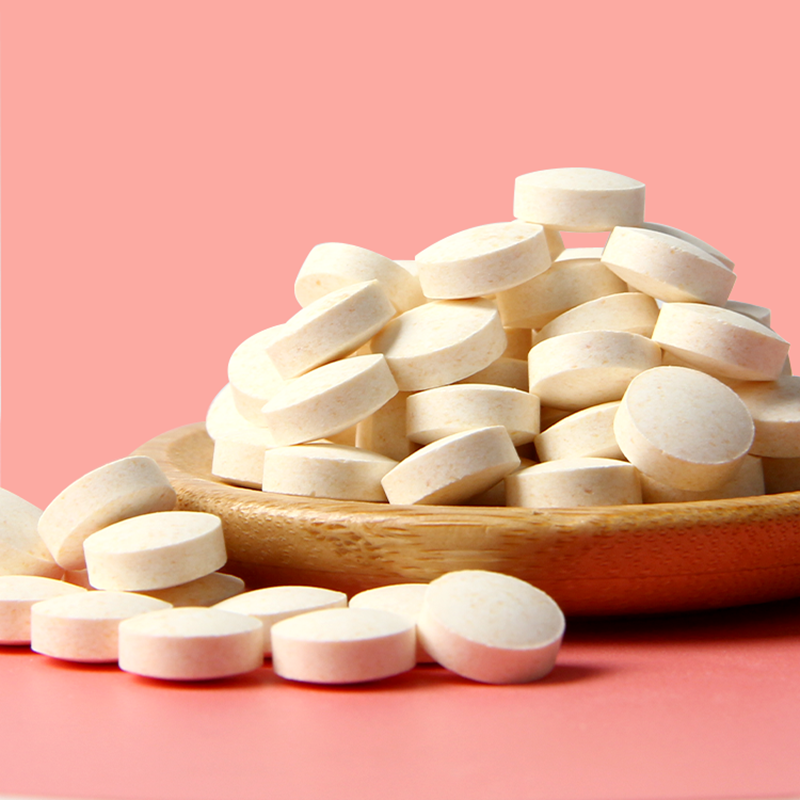
MSM dietary supplement is a sulfur-containing compound used in nutritional products to support joint health, reduce inflammation related to physical stress, and assist connective tissue repair. It supplies bioavailable sulfur that helps build collagen, cartilage, and keratin structures in the body. MSM supplements are commonly available in powder, capsule, and tablet forms.
Despite its growing popularity, many consumers and even supplement brands still ask the same questions:
- What exactly is MSM made from?
- How does MSM work inside the body?
- Which benefits are actually supported by real use cases?
- Is MSM safe for daily supplementation?
- And how do supplement brands develop MSM-based products that truly sell?
Understanding these questions is important not only for consumers, but also for supplement companies developing new formulations.
To see how MSM dietary supplements really work in modern health products, let’s start with the most basic question.
What Is MSM Dietary Supplement Made For?
MSM dietary supplement is primarily made to support joint mobility, connective tissue health, skin structure, and physical recovery. The ingredient provides a natural sulfur source that the body uses to maintain cartilage, collagen, keratin, and other structural proteins. Because these tissues gradually lose strength with age, stress, or intense physical activity, MSM supplements are widely developed for consumers seeking long-term support for joints, skin, and overall wellness.
MSM Dietary Supplements for Joint Comfort
The most common reason consumers purchase MSM supplements is joint support.
Human joints rely on cartilage and connective tissue to absorb pressure during daily movement. Over time, wear and tear from exercise, aging, or repetitive motion can reduce cartilage flexibility. MSM is commonly used in supplements designed to support joint comfort because sulfur plays a role in connective tissue structure.
Many joint supplements combine MSM with other well-known ingredients to create a broader formula.
| Ingredient | Typical Role in Joint Supplements |
|---|---|
| MSM | Sulfur support for connective tissue |
| Glucosamine | Cartilage structure maintenance |
| Chondroitin | Joint cushioning support |
| Collagen | Tissue repair and flexibility |
Consumers interested in these products usually include:
- adults over 40
- people with physically demanding jobs
- fitness enthusiasts who train frequently
Joint supplements remain one of the largest segments of the global supplement industry.
Industry reports estimate that joint health supplements represent roughly 15–20% of the global dietary supplement market, especially in North America, Europe, and Japan.
For supplement brands, MSM is often used as a core supporting ingredient in joint formulas because it blends well with glucosamine and collagen.
MSM Dietary Supplements for Skin and Beauty
Another important reason MSM supplements are developed is skin and beauty support.
Skin structure depends on collagen and keratin proteins. These proteins require sulfur-containing amino acids during their formation process. MSM provides sulfur that helps support these structural proteins.
Because of this, MSM has become a common ingredient in beauty-from-within supplements.
These products often include multiple ingredients that support skin health.
| Beauty Ingredient | Purpose |
|---|---|
| MSM | Sulfur support for keratin and collagen |
| Collagen peptides | Skin elasticity |
| Vitamin C | Collagen synthesis |
| Biotin | Hair and nail strength |
Consumers buying these supplements usually care about:
- skin elasticity
- hair thickness
- nail strength
Beauty supplements have experienced rapid growth in the last decade.
In several Asian markets, particularly South Korea and Japan, beauty supplements represent more than 25% of the supplement market, and MSM is often included in collagen drink powders or capsule formulas.
Because MSM dissolves easily in water and has a mild taste, manufacturers frequently add it to:
- collagen drink powders
- beauty capsules
- skin nutrition blends
This flexibility makes MSM suitable for both capsule and beverage supplement formats.
MSM Dietary Supplements for Exercise Recovery
MSM supplements are also widely developed for consumers involved in sports and fitness.
Intense training creates stress on muscles, joints, and connective tissues. Recovery supplements aim to help the body maintain normal repair processes after exercise.
MSM is often included in recovery formulas because sulfur participates in several metabolic processes related to tissue maintenance.
Recovery supplements commonly combine MSM with other sports nutrition ingredients.
| Ingredient | Function in Recovery Products |
|---|---|
| MSM | Connective tissue support |
| Collagen peptides | Tissue repair |
| Magnesium | Muscle relaxation |
| Electrolytes | Hydration balance |
Consumers who purchase these products typically include:
- gym members
- runners and endurance athletes
- people training for sports competitions
Sports nutrition is one of the fastest-growing areas in dietary supplements. According to market research reports, global sports nutrition products exceed $45 billion annually, and recovery formulas represent a significant share of this category.
Many brands position MSM as a support ingredient that complements protein, collagen, and mineral recovery formulas.
MSM Dietary Supplements for Daily Wellness
Some consumers take MSM supplements simply as part of their daily wellness routine rather than targeting a specific condition.
In these products, MSM is often included in broader wellness formulas designed to support general body function.
Typical combinations include:
| Wellness Product Type | Ingredient Combination |
|---|---|
| Daily joint support capsules | MSM + glucosamine |
| Beauty supplements | MSM + collagen |
| Active lifestyle supplements | MSM + magnesium |
These supplements are often marketed to consumers who want to maintain mobility and wellness as they age.
Daily wellness products are especially popular among:
- office workers with sedentary lifestyles
- middle-aged consumers
- health-conscious individuals seeking preventive nutrition
Because MSM is stable, affordable, and compatible with many ingredients, it works well in long-term wellness formulas.
Why MSM Is Widely Used in Supplement Development
From a product development perspective, MSM has several characteristics that make it attractive to supplement brands.
First, the ingredient is chemically stable and easy to formulate. It can be used in capsules, tablets, powders, and liquid supplements without significant processing challenges.
Second, MSM blends well with many other health ingredients.
For example:
| Supplement Category | MSM Combination |
|---|---|
| Joint support | MSM + glucosamine |
| Beauty supplements | MSM + collagen |
| Recovery formulas | MSM + magnesium |
Third, MSM has relatively predictable supply chains compared with some botanical extracts, which helps manufacturers maintain consistent production.
For supplement companies developing new products, these advantages allow MSM to be included in a wide range of formulas without significantly increasing manufacturing complexity.
How Does MSM Dietary Supplement Work?
MSM dietary supplement works by supplying bioavailable sulfur, a raw material the body uses every day to maintain connective tissues, structural proteins, and normal cellular repair activity. In simple terms, MSM is not a stimulant and it is not a quick-feel ingredient like caffeine. It works more quietly in the background. Its value comes from supporting the tissues that take stress over time: joints, cartilage, tendons, ligaments, skin, and muscles.
That is why consumers usually do not buy MSM for a dramatic same-day effect. They buy it because they want support for problems that build slowly: stiff joints, heavy training recovery, skin quality, or age-related wear on connective tissue. For brands, this point matters a lot. MSM is usually strongest when positioned as a daily use ingredient in joint, beauty, or recovery formulas, not as a short-term “instant effect” product.
From a formulation point of view, MSM works well because it is:
| Functional Feature | Why It Matters in Supplements |
|---|---|
| Water soluble | Easy to use in powders and drinks |
| Stable | Suitable for capsules, tablets, and blends |
| Mild taste | Easier to combine with collagen or vitamin formulas |
| Sulfur source | Fits joints, skin, and recovery positioning |
In real market use, MSM is often included in products for three big reasons:
- to support joint comfort and mobility
- to support skin, hair, and nail structure
- to support recovery from exercise and physical strain
The reason these three categories are connected is simple: all of them depend on connective tissue quality.
How Does MSM Dietary Supplement Work in the Body?
To understand how MSM works, it helps to start with sulfur.
Sulfur is one of the body’s important structural minerals. It is involved in amino acids such as methionine and cysteine, and these sulfur-containing compounds are used in many normal biological processes. The body depends on sulfur to help build and maintain proteins that need strength, flexibility, and structure.
These include:
| Tissue or Compound | Why Sulfur Matters |
|---|---|
| Collagen | Supports connective tissue framework |
| Keratin | Supports hair and nail structure |
| Cartilage matrix | Helps support joint cushioning |
| Enzymes and antioxidants | Supports normal metabolic activity |
MSM gives the body a usable sulfur source that can be absorbed and included in these ongoing maintenance processes.
This is why MSM is not usually sold as a “one-purpose” supplement. It naturally fits several categories because sulfur is involved in several tissue systems at once. A joint customer may buy MSM for mobility. A beauty customer may buy it for skin and nails. A sports customer may buy it for recovery. The underlying reason is similar in all three cases: the body is using sulfur to maintain stressed tissues.
For brands, this broad biological role is one of MSM’s biggest strengths. It allows one raw material to be developed into several different product directions depending on the target market.
How Does MSM Dietary Supplement Work for Joints?
Joint support is where MSM is used most often in commercial supplements.
Joints work properly when cartilage, ligaments, tendons, and surrounding connective tissues remain resilient. As people age, or as they put repeated stress on their bodies through work, sport, or excess body weight, these tissues can become less comfortable and less flexible.
MSM is commonly used in joint formulas because sulfur is tied to the structure of connective tissue. It is not acting like a painkiller. It is used more as a nutritional support ingredient for the tissues that help joints move smoothly.
This is why MSM is rarely sold alone in high-volume joint products. It is more often combined with other joint-focused ingredients such as:
| Joint Formula Ingredient | Main Role |
|---|---|
| MSM | Sulfur support for connective tissue |
| Glucosamine | Structural support for cartilage formulas |
| Chondroitin | Joint cushioning support |
| Collagen | Connective tissue protein support |
| Vitamin C | Supports collagen formation |
From a customer demand perspective, MSM joint products usually attract:
- adults over 35 or 40
- active consumers with repetitive training load
- workers with long-term knee, back, or shoulder strain
- general wellness users looking for mobility support
For B2B supplement buyers, MSM is attractive here because it helps create a familiar, easy-to-sell joint formula without relying on one expensive hero ingredient alone.
How Does MSM Dietary Supplement Work for Skin and Beauty?
MSM is also widely used in beauty supplements because skin, hair, and nails all depend on structural proteins.
Hair and nails are rich in keratin, while skin structure depends heavily on collagen and connective tissue integrity. Sulfur plays a role in these structural systems, which is why MSM appears frequently in beauty-from-within formulas.
In practical product terms, MSM is not usually marketed as a stand-alone beauty ingredient. It works better when the formula tells a complete story. That is why many beauty supplements combine MSM with:
| Beauty Ingredient | Why Brands Combine It with MSM |
|---|---|
| Collagen peptides | Supports skin structure positioning |
| Vitamin C | Supports collagen-related claims |
| Biotin | Popular for hair and nail positioning |
| Hyaluronic acid | Supports hydration story |
| Zinc | Fits skin wellness formulas |
This kind of formula is easier for consumers to understand. A customer is not really shopping for “sulfur support.” They are shopping for smoother skin, stronger nails, or a daily beauty routine. MSM works behind the scenes as part of that broader formula logic.
For brands selling on Amazon, Shopify, or social media channels, this matters a lot. Ingredients must be scientifically reasonable, but they also need to fit clear consumer language. MSM works best in beauty products when it supports a benefit story the customer already understands.
How Does MSM Dietary Supplement Work for Exercise Recovery?
MSM is also used in sports and active lifestyle products, especially where recovery is the main sales angle.
Hard training creates small amounts of muscle and connective tissue stress. The body then needs time, nutrients, and rest to repair what has been challenged. Recovery formulas are designed to support that cycle.
MSM fits recovery products because it connects well with three common sports nutrition themes:
- joint and connective tissue support
- training recovery support
- active lifestyle longevity
It is especially useful in products aimed at people who train often but are not necessarily elite athletes. Think gym users, runners, cyclists, padel or tennis players, and adults trying to stay active as they age.
MSM is often combined with recovery-support ingredients such as:
| Recovery Ingredient | Product Role |
|---|---|
| MSM | Connective tissue support |
| Collagen peptides | Tendon, ligament, and joint positioning |
| Magnesium | Muscle relaxation support |
| Electrolytes | Hydration support |
| Vitamin C | Collagen support system |
In this category, MSM helps brands move beyond basic protein powders. It allows them to build more specialized recovery products with a stronger story around joints, training load, and long-term mobility.
Why MSM Works Well in Multi-Ingredient Products
One of the biggest commercial advantages of MSM is that it works well with many other ingredients.
Some active ingredients are difficult to formulate because they are unstable, bitter, expensive, or hard to combine. MSM is easier. It is relatively stable, has decent handling properties, and fits multiple health categories. That makes it a practical ingredient for OEM and private label development.
Here is why manufacturers and brand owners like it:
| Product Development Advantage | Commercial Benefit |
|---|---|
| Easy to blend | Faster formula development |
| Works in capsules and powders | More format options |
| Neutral positioning | Fits joint, beauty, and sports lines |
| Moderate raw material cost | Easier pricing strategy |
This is especially useful for new supplement brands. A single MSM raw material can be used to build several SKUs:
- an MSM joint capsule
- an MSM collagen beauty powder
- an MSM recovery drink
- an MSM daily mobility formula
That gives supplement companies more room to expand product lines without starting from zero each time.
Which MSM Dietary Supplement Benefits Matter?
When consumers search for MSM dietary supplements, they are usually not interested in the chemical structure of methylsulfonylmethane. What they really want to know is what practical benefits MSM supplements may support in daily life. In real markets, MSM products are most often purchased for joint mobility, skin structure support, exercise recovery, and long-term connective tissue maintenance.
For supplement brands and distributors, understanding which benefits actually matter to customers is important because it determines how a product should be formulated, positioned, and marketed. MSM rarely sells well as a “single benefit ingredient.” Instead, it performs best when included in formulas designed for specific health goals such as joint comfort, beauty support, or active lifestyle recovery.
Across global supplement markets, four benefit areas consistently drive MSM product demand:
| Benefit Category | Typical Consumer Demand |
|---|---|
| Joint mobility | Aging population and active adults |
| Skin, hair, and nails | Beauty supplement buyers |
| Exercise recovery | Fitness and sports nutrition consumers |
| Daily connective tissue support | Long-term wellness users |
Understanding these real-world use cases helps brands develop MSM products that align with how consumers actually shop for supplements.
MSM Benefits for Joint Mobility and Comfort
Joint support is the most widely recognized reason people take MSM supplements. As people age or put repeated stress on their bodies through work, exercise, or lifestyle habits, joints may become less flexible. Cartilage and connective tissues that cushion joints naturally experience wear over time.
Sulfur plays a role in the structure of connective tissue compounds, which is why MSM is commonly included in joint-support supplements. Consumers who buy these products are usually looking for long-term support for daily mobility rather than immediate symptom relief.
Typical customers for MSM joint products include:
- adults over the age of 40
- people with physically demanding jobs
- runners, cyclists, and gym users
- individuals seeking long-term joint maintenance
In commercial products, MSM is rarely used alone. Most joint supplements combine several ingredients to create a more complete formula.
| Joint Formula Ingredient | Why It Is Included |
|---|---|
| MSM | Sulfur support for connective tissue |
| Glucosamine | Structural support for cartilage |
| Chondroitin | Joint cushioning support |
| Collagen peptides | Supports connective tissue strength |
According to several global supplement market reports, joint health supplements represent roughly 15–20% of total dietary supplement sales worldwide, particularly in North America and Europe. This makes joint formulas one of the most stable long-term supplement categories.
For supplement brands, MSM is valuable here because it allows them to develop joint products with a balanced ingredient profile and manageable ingredient cost.
MSM Benefits for Skin, Hair, and Nail Health
Another important reason consumers purchase MSM supplements is beauty support. In the beauty supplement market, customers are usually interested in improving skin appearance, hair thickness, or nail strength.
Skin, hair, and nails all depend on structural proteins. Keratin forms the basis of hair and nails, while collagen helps support skin elasticity and structure. MSM is often included in beauty supplements because sulfur is involved in the structure of these proteins.
Beauty supplements usually combine MSM with other ingredients that support skin health.
| Beauty Ingredient | Role in Beauty Supplements |
|---|---|
| MSM | Supports sulfur supply for keratin |
| Collagen peptides | Skin structure support |
| Vitamin C | Supports collagen production |
| Biotin | Hair and nail health |
Consumers purchasing these supplements are often focused on everyday beauty concerns such as:
- skin elasticity
- nail strength
- hair appearance
The beauty supplement market has grown rapidly over the past decade. In several Asian markets, especially Japan and South Korea, beauty supplements account for over 25% of total supplement sales. Many collagen drink powders and beauty capsules now include MSM as a supporting ingredient.
From a product development perspective, MSM works well in beauty supplements because it dissolves easily and has a mild taste. This allows manufacturers to include it in:
- collagen drink powders
- beauty capsules
- skin nutrition blends
These formats are easier for consumers to incorporate into daily routines.
MSM Benefits for Exercise Recovery and Active Lifestyles
MSM is also commonly used in supplements designed for people who exercise regularly or maintain active lifestyles.
Exercise places stress on muscles, tendons, and connective tissues. Recovery supplements aim to support the body’s natural repair and maintenance processes after physical activity. MSM is included in many recovery formulas because it fits well with ingredients that support connective tissue and muscle maintenance.
Typical recovery formulas combine MSM with ingredients such as:
| Recovery Ingredient | Product Role |
|---|---|
| MSM | Connective tissue support |
| Collagen peptides | Tendon and ligament support |
| Magnesium | Muscle relaxation |
| Electrolytes | Hydration balance |
Consumers who buy these supplements often include:
- gym members
- amateur athletes
- endurance runners and cyclists
- active adults maintaining fitness routines
Sports nutrition has become one of the fastest-growing segments of the supplement industry. Global sports nutrition products generate over $45 billion annually, and recovery-focused supplements represent a significant portion of this market.
For supplement brands targeting fitness customers, MSM can be positioned as part of a joint-friendly recovery formula, which appeals to consumers who train frequently and want to maintain mobility over time.
MSM Benefits for Long-Term Connective Tissue Support
Some consumers take MSM supplements not for a specific issue but for general long-term wellness. These customers may not be experiencing joint discomfort or intense physical stress, but they want to maintain healthy connective tissues as they age.
Connective tissue includes structures such as:
- tendons
- ligaments
- cartilage
- skin
These tissues naturally experience gradual changes over time. MSM is often used in wellness formulas because sulfur contributes to the structure of connective proteins involved in these tissues.
Daily wellness supplements containing MSM often combine it with other ingredients to support general body maintenance.
| Wellness Product Type | Ingredient Combination |
|---|---|
| Daily mobility capsules | MSM + glucosamine |
| Beauty wellness formulas | MSM + collagen |
| Active lifestyle supplements | MSM + magnesium |
Consumers interested in these products often include:
- office workers with sedentary lifestyles
- middle-aged adults maintaining long-term health
- individuals interested in preventive nutrition
From a supplement brand perspective, this category is valuable because daily wellness products often encourage consistent long-term consumption, which supports repeat purchasing behavior.
Is MSM Dietary Supplement Safe to Use?
MSM dietary supplement is generally considered safe when used in appropriate amounts. The compound has been used in dietary supplements for several decades and is widely included in joint health, skin support, and sports recovery products. Most supplement manufacturers formulate MSM products within dosage ranges that have been commonly used in clinical studies and commercial supplements.
Safety for dietary supplements depends on several factors, including ingredient purity, dosage level, manufacturing quality, and the consumer’s health condition. When MSM supplements are produced using purified raw materials and proper quality control systems, they are generally well tolerated by most adults.
Is MSM Dietary Supplement Safe for Daily Use?
For most healthy adults, MSM supplements are used daily in moderate amounts without significant safety concerns.
Typical daily intake ranges used in commercial supplements include:
| MSM Daily Intake | Common Product Use |
|---|---|
| 500–1000 mg | Beauty or wellness supplements |
| 1000–2000 mg | Joint health supplements |
| 2000–3000 mg | Sports recovery formulas |
Many joint-support products combine MSM with other ingredients, which means the MSM dosage may vary depending on the formula.
For example:
| Product Type | Typical MSM Amount |
|---|---|
| Joint capsules | 1000–2000 mg |
| Collagen beauty supplements | 500–1500 mg |
| Sports recovery powders | 1000–3000 mg |
Manufacturers typically design supplements so that consumers can take MSM once or twice per day depending on the product format.
Because MSM is water soluble, the body can absorb and process it efficiently when consumed in moderate amounts.
What Dose Is Common for MSM Dietary Supplement?
MSM supplements are usually formulated according to the intended health function of the product.
Joint-support supplements typically contain higher MSM amounts compared with beauty or daily wellness products.
Below is a simplified example of common dosage structures used in supplement products.
| Product Category | MSM Dose per Serving |
|---|---|
| Joint health supplement | 1500–3000 mg |
| Beauty supplement | 500–1500 mg |
| Sports recovery supplement | 1000–2000 mg |
Supplement brands also consider product format when determining dosage levels.
Powder supplements may contain larger serving sizes, while capsules and tablets typically contain smaller amounts per unit.
For example:
| Product Form | Typical MSM Amount |
|---|---|
| Capsule | 500–1000 mg per capsule |
| Tablet | 1000 mg per tablet |
| Powder drink | 1000–3000 mg per serving |
Manufacturers usually recommend dividing higher doses into multiple servings to improve absorption and digestive comfort.
Are MSM Dietary Supplement Side Effects Common?
Most MSM supplements are well tolerated, and serious side effects are uncommon when products are used according to recommended dosages.
However, like many dietary supplements, some individuals may experience mild digestive discomfort when first introducing the ingredient.
Possible mild effects reported by some consumers include:
- temporary stomach discomfort
- mild bloating
- headache in rare cases
These effects are typically associated with higher doses and often resolve when dosage is adjusted.
Quality also plays an important role in safety. MSM supplements should be produced using purified raw materials and tested for contaminants.
Reliable supplement manufacturers conduct several safety tests before releasing products:
| Quality Test | Purpose |
|---|---|
| Heavy metal testing | Prevent contamination |
| Microbial testing | Ensure hygiene standards |
| Purity analysis | Confirm ingredient identity |
For international markets, supplements must also meet regulatory requirements depending on the target country.
For example:
| Market | Common Compliance Requirement |
|---|---|
| United States | FDA dietary supplement compliance |
| Europe | EFSA ingredient safety standards |
| Middle East | Halal certification |
| Global eCommerce | GMP manufacturing certification |
Manufacturers capable of providing these certifications have a major advantage when supplying supplement brands selling internationally.
How Do Brands Build MSM Dietary Supplements?
Developing an MSM dietary supplement involves much more than simply purchasing MSM powder and filling capsules. Successful supplement brands approach product development through a structured process that includes market positioning, formula design, ingredient sourcing, dosage form selection, packaging strategy, compliance preparation, and manufacturing quality control.
For companies entering the dietary supplement industry—especially Amazon sellers, Shopify brands, pharmacies, or sports nutrition companies—the goal is not only to produce a product, but to build a supplement that matches consumer expectations, regulatory requirements, and competitive pricing in the market.
Most MSM supplement projects follow several stages. These stages help brands move from a basic product idea to a finished supplement that can be sold through e-commerce platforms, retail stores, or professional health channels.

Step 1: Identifying the MSM Supplement Market Position
The first step for any brand is deciding what type of MSM product they want to sell. MSM can be positioned in several supplement categories, and the choice determines the formula, dosage, packaging, and marketing direction.
Brands usually start by analyzing the consumer group they want to target.
| Product Direction | Typical Target Customers |
|---|---|
| Joint support | Adults over 35–40 |
| Beauty supplements | Skincare and wellness consumers |
| Sports recovery | Fitness and gym users |
| Daily wellness | Health-conscious adults |
For example:
- A joint-support brand may develop an MSM + glucosamine capsule.
- A beauty brand may combine MSM with collagen and vitamin C.
- A sports nutrition company may add MSM to recovery powders.
Choosing a clear market direction helps brands avoid launching products that are too generic. Instead, the supplement can be built around a specific consumer need.
Step 2: Designing the MSM Formula
Once the product concept is clear, the next step is designing the formula. MSM is rarely used alone in successful supplements. Most products combine MSM with complementary ingredients to create a more complete nutritional solution.
Typical MSM formulas used in the industry include:
| Formula Type | Example Ingredients |
|---|---|
| Joint formula | MSM + glucosamine + chondroitin |
| Beauty formula | MSM + collagen + vitamin C |
| Recovery formula | MSM + magnesium + electrolytes |
| Wellness formula | MSM + vitamins and minerals |
The formulation stage usually focuses on several key factors:
- ingredient synergy
- dosage balance
- cost control
- product stability
For example, a joint supplement designed for daily use may contain:
| Ingredient | Typical Dose per Serving |
|---|---|
| MSM | 1500 mg |
| Glucosamine | 1200 mg |
| Chondroitin | 800 mg |
In contrast, a beauty supplement may contain lower MSM levels but combine it with collagen peptides.
| Ingredient | Typical Beauty Formula |
|---|---|
| MSM | 500–1000 mg |
| Collagen peptides | 3000–5000 mg |
| Vitamin C | 50–100 mg |
The formula must also consider consumer expectations and price positioning. Premium formulas may include patented ingredients or higher ingredient concentrations, while entry-level supplements focus on affordability.
Step 3: Choosing the MSM Supplement Form
After the formula is designed, brands must choose the supplement format. Different dosage forms appeal to different customer groups and sales channels.
The most common MSM supplement formats include:
| Product Format | Market Characteristics |
|---|---|
| Capsules | Most common and convenient |
| Tablets | Precise dosage control |
| Powder | Suitable for higher doses |
| Drink powder | Popular in beauty and collagen supplements |
Capsules remain the most widely used format because they are simple for consumers to take daily and easy for manufacturers to produce at scale.
However, powder products are growing quickly in the sports nutrition and beauty markets. Powder formats allow brands to include larger ingredient quantities and combine MSM with collagen or electrolyte blends.
For example:
| Format | Typical MSM Amount |
|---|---|
| Capsule | 500–1000 mg per capsule |
| Tablet | 1000 mg per tablet |
| Powder drink | 2000–3000 mg per serving |
Choosing the right format depends on the consumer use scenario.
Step 4: Sourcing Raw Materials and Controlling Quality
Ingredient sourcing plays a major role in supplement quality. MSM used in dietary supplements must meet purity standards to ensure safety and consistent performance.
Professional supplement manufacturers usually require several checks for incoming raw materials.
| Quality Check | Purpose |
|---|---|
| Purity testing | Verify MSM identity |
| Heavy metal testing | Ensure contaminant safety |
| Microbial testing | Prevent contamination |
| Stability testing | Confirm shelf-life performance |
Reliable suppliers also provide documentation such as:
- COA (Certificate of Analysis)
- raw material safety data
- origin and purity information
For supplement brands selling in international markets, these documents are important because they support product registration and platform compliance.
Step 5: Designing Packaging and Label Information
Packaging is another key part of supplement development. The packaging must protect the product while also appealing to consumers on store shelves or online marketplaces.
MSM supplements are commonly packaged in:
| Packaging Type | Common Use |
|---|---|
| Plastic bottles | Capsules and tablets |
| Stand-up pouches | Powder supplements |
| Stick packs | Single-serve powders |
Bottle packaging remains the most popular option for capsule products. Typical capsule bottles include 60-count or 120-count sizes, which correspond to 30-day or 60-day supply cycles.
Label design must also comply with supplement regulations in the target market.
A typical supplement label includes:
- product name
- ingredient list
- supplement facts panel
- serving size and dosage instructions
- manufacturer information
Clear labeling helps consumers understand what they are purchasing and ensures the product can legally enter different markets.
Step 6: Manufacturing the MSM Supplement
Once the formula, packaging, and materials are finalized, the supplement moves into production.
Manufacturing dietary supplements requires controlled production environments and standardized operating procedures to ensure product consistency.
Professional supplement factories follow systems such as GMP (Good Manufacturing Practice) to maintain quality.
Typical production steps include:
- raw material inspection
- ingredient weighing and blending
- capsule filling or tablet compression
- packaging and labeling
- finished product testing
Each production batch undergoes quality checks before it is released.
| Production Stage | Quality Control Action |
|---|---|
| Raw material stage | Purity testing |
| Blending stage | Ingredient uniformity testing |
| Final product stage | Microbial and heavy metal testing |
These steps help ensure that every production batch matches the formula and meets safety standards.
Step 7: Preparing the Product for Market
Before launching the MSM supplement, brands must also prepare the product for sale through their chosen channels.
Different sales channels may require different documentation.
| Sales Channel | Typical Requirements |
|---|---|
| Amazon | Product compliance documentation |
| Shopify | Product label and ingredient transparency |
| Retail stores | Packaging and barcode systems |
| International export | Regulatory documentation |
Brands also need to consider logistics and inventory planning. Supplements must maintain product stability during storage and transportation, which means temperature control and packaging durability are important factors.
Conclusion
MSM dietary supplements have become an important ingredient across several growing health categories, including joint mobility, beauty nutrition, and active lifestyle recovery. What makes MSM valuable for supplement brands is not only its role as a sulfur source for connective tissues, but also its flexibility in product development. It can be formulated into capsules, tablets, powders, or drink mixes and combined with ingredients such as collagen, glucosamine, vitamins, or electrolytes to create targeted products that match real consumer needs.
For brands, distributors, and e-commerce sellers entering the supplement market, building a successful MSM product requires more than choosing an ingredient. It requires the right formula strategy, stable raw material sourcing, compliant packaging, and reliable manufacturing quality. When these elements come together, MSM supplements can serve a wide range of consumers—from adults looking for joint support to fitness users seeking recovery and beauty-focused customers interested in daily skin and hair wellness.
At ZOXIZO, we help brands turn supplement ideas into real products. Our team supports the entire development process, including formula design, ingredient sourcing, sample development, packaging solutions, and large-scale manufacturing. Whether you are launching a new MSM joint supplement, a collagen beauty formula, or a recovery blend for active consumers, we can help you bring the product to market efficiently.
If you are planning to develop an MSM dietary supplement or expand your supplement product line, contact ZOXIZO to discuss your custom formula and private label manufacturing options.