Skip to content
Walk into any pharmacy, wellness store, or online marketplace today and you will see hundreds of herbal supplements promising support for energy, immunity, digestion, sleep, and overall wellness. From turmeric capsules to ashwagandha powders and ginseng extracts, plant-based supplements have become a major part of the global health industry. Consumers are increasingly interested in products that come from natural plant sources rather than synthetic chemicals, and this trend has pushed herbal supplements into mainstream wellness routines.
Herbal supplements are dietary supplements made from plant materials such as roots, leaves, flowers, seeds, or extracts that are used to support health and wellness. They are commonly available in forms like capsules, tablets, powders, teas, tinctures, or liquid extracts, and they are used to help maintain bodily functions such as digestion, immune balance, relaxation, and energy support.
Today, herbal supplements are no longer limited to traditional medicine systems. Modern supplement brands combine botanical extracts with advanced extraction technology, standardized active ingredients, and convenient dosage forms. Global demand for herbal supplements has grown rapidly in the past decade, with the botanical supplement market estimated to exceed $40 billion worldwide.
Behind every successful herbal product is a complex chain of sourcing, extraction, formulation, testing, and manufacturing. Understanding how herbal supplements work—and how brands develop them—helps businesses and consumers make better decisions. Let’s explore how these plant-based supplements are used, how they function in the body, and how modern manufacturers bring them to market.
What Are Herbal Supplements for?
Herbal supplements are used to support specific health goals such as improving energy, managing stress, supporting digestion, strengthening immunity, balancing hormones, and promoting long-term wellness. Unlike pharmaceutical drugs that are designed to treat diseases, herbal supplements are typically used as daily health support products that help the body maintain normal biological functions.
In real consumer markets, people rarely buy herbal supplements just because they contain plants. They buy them because they want to solve practical health concerns—sleep problems, low energy, weight management, immune protection during seasonal illness, or digestive discomfort after meals.
Across global supplement markets, most herbal supplements fall into five major functional categories. These categories reflect the actual purchasing behavior of supplement consumers in e-commerce platforms, pharmacies, and wellness stores.
Herbal Supplements for Stress and Sleep Support
One of the largest herbal supplement markets today is stress and sleep support. Modern lifestyles expose people to constant work pressure, screen exposure, and irregular sleep patterns. As a result, consumers often look for natural products that help them relax or improve sleep quality.
Herbal ingredients traditionally used for stress balance include plants known as adaptogens, which may help the body adjust to stress.
Common herbs used in stress and sleep formulas include:
| Herbal Ingredient | Typical Use |
|---|---|
| Ashwagandha | Stress management |
| Valerian root | Sleep support |
| Passionflower | Relaxation |
| Chamomile | Sleep comfort |
Sleep-support supplements are especially popular among:
- office professionals
- entrepreneurs
- students
- shift workers
In e-commerce markets, sleep supplements often combine herbal ingredients with magnesium, melatonin, or L-theanine to create more comprehensive formulas.
Herbal Supplements for Immune Support
Immune health supplements are another major reason consumers purchase herbal products. Interest in immune support increased significantly during global health crises and continues to remain strong.
Consumers typically use immune-support herbal supplements during:
- seasonal illness periods
- travel
- stressful work cycles
Common immune herbs include:
| Herbal Ingredient | Traditional Function |
|---|---|
| Elderberry | Immune support |
| Echinacea | Seasonal wellness |
| Astragalus | Immune resilience |
| Reishi mushroom | Immune balance |
Many modern immune supplements combine herbal extracts with vitamins and minerals.
For example:
| Product Type | Ingredient Combination |
|---|---|
| Immune capsules | Elderberry + vitamin C |
| Immune gummies | Elderberry + zinc |
| Immune powder drinks | Mushroom extract + vitamin D |
This type of combination formula is widely used because herbal extracts can complement essential nutrients.
Herbal Supplements for Digestion
Digestive health is one of the most consistent supplement categories globally. Many people experience digestive discomfort caused by irregular eating habits, processed foods, or high stress levels.
Herbal supplements are often used to support digestion because many herbs naturally contain compounds that help stimulate digestive processes.
Common digestive herbs include:
| Herbal Ingredient | Digestive Role |
|---|---|
| Ginger | Supports stomach comfort |
| Peppermint | Helps digestive relaxation |
| Fennel | Reduces digestive bloating |
| Dandelion root | Supports liver and digestion |
Digestive supplements are frequently used after heavy meals or during periods of digestive discomfort.
For supplement brands, digestive products are attractive because the ingredients are familiar to consumers and widely accepted in global markets.
Herbal Supplements for Energy and Physical Performance
Many consumers also use herbal supplements to support energy levels and physical performance. These products are particularly popular among athletes, fitness enthusiasts, and individuals with demanding work schedules.
Unlike stimulants that provide short-term energy spikes, many herbal supplements aim to support sustainable energy production in the body.
Popular energy-support herbs include:
| Herbal Ingredient | Typical Benefit |
|---|---|
| Ginseng | Energy support |
| Rhodiola | Fatigue resistance |
| Maca root | Physical endurance |
These ingredients are often included in sports nutrition products, functional beverages, and performance supplements.
For example, herbal extracts may be combined with:
- electrolytes
- amino acids
- vitamins
This combination allows brands to create multi-functional energy supplements.
Herbal Supplements for Beauty and Healthy Aging
Beauty supplements have become one of the fastest-growing categories in the supplement industry. Consumers increasingly look for products that support skin health, hair strength, and healthy aging from the inside.
Herbal ingredients used in beauty formulas often contain natural antioxidants.
Common beauty-support herbs include:
| Herbal Ingredient | Beauty Function |
|---|---|
| Turmeric | Antioxidant support |
| Ginseng | Skin vitality |
| Green tea extract | Anti-oxidative protection |
Beauty supplements are commonly combined with nutrients such as collagen, vitamin C, or hyaluronic acid to enhance their effects.
These products are particularly popular in:
- Asia
- North America
- European wellness markets
Beauty supplements are frequently marketed as part of a daily wellness routine rather than short-term treatment products.
Why Consumers Prefer Herbal Supplements
Consumers are increasingly interested in herbal supplements for several reasons:
- Plant-based lifestyle trends Many people prefer natural ingredients instead of synthetic compounds.
- Traditional medicine influence Herbal remedies have been used in traditional medicine systems for centuries.
- Long-term wellness focus Consumers now focus more on prevention and daily health maintenance rather than waiting for illness to occur.
- Multiple product formats Herbal supplements can be delivered in capsules, powders, drinks, teas, or gummies, making them convenient for daily use.
These factors have helped herbal supplements become one of the fastest-growing sectors of the global health supplement industry.
How Do Herbal Supplements Work?
Herbal supplements work by delivering biologically active compounds from plants that interact with the body’s natural systems. These compounds may support functions such as metabolism, immune response, stress regulation, digestion, or cellular protection. Unlike pharmaceutical drugs that target a single pathway, herbal supplements often work through multiple biological mechanisms at the same time, which is why many consumers use them as daily wellness support rather than short-term treatments.
When people take an herbal supplement, the body absorbs the plant compounds through the digestive system. These compounds—such as polyphenols, alkaloids, terpenes, or flavonoids—can influence enzyme activity, hormone signaling, inflammatory pathways, and antioxidant defenses.
In practical terms, herbal supplements work through three core biological processes:
- providing active plant compounds that interact with the body
- supporting normal physiological balance
- protecting cells from oxidative stress
Understanding how herbal supplements work is important not only for consumers, but also for supplement brands that want to design effective formulas.
Herbal Supplements Deliver Active Plant Compounds
The primary way herbal supplements work is by delivering bioactive compounds naturally found in plants. These compounds are responsible for the plant’s physiological effects.
For example, different herbs contain different active molecules:
| Herb | Key Active Compounds |
|---|---|
| Turmeric | Curcuminoids |
| Ginkgo biloba | Flavonoids |
| Ashwagandha | Withanolides |
| Green tea | Catechins |
These plant compounds can influence biological pathways in the body.
For instance, curcuminoids in turmeric are known for their antioxidant activity, while ginkgo flavonoids may support circulation and cognitive function.
Modern supplement manufacturers often use standardized extracts, which means the plant extract is concentrated to contain a consistent amount of these active compounds.
Example:
| Extract Type | Standardization |
|---|---|
| Turmeric extract | 95% curcuminoids |
| Ginkgo extract | 24% flavone glycosides |
| Ashwagandha extract | 5% withanolides |
Standardization ensures that every supplement capsule contains a predictable level of active ingredients, which improves product consistency.
Herbal Supplements Support Biological Balance
Another important way herbal supplements work is by helping the body maintain physiological balance, also known as homeostasis.
Many herbs are classified as adaptogens, meaning they may help the body adapt to stress and maintain stable internal conditions.
For example, adaptogenic herbs such as:
- ashwagandha
- rhodiola
- ginseng
are commonly used in supplements designed for stress management and energy support.
Instead of forcing a strong chemical reaction, these herbs may gently influence hormone signaling and stress-response pathways.
For example, some studies suggest adaptogenic herbs may influence cortisol regulation, which plays a role in stress response.
Consumers often report benefits such as:
- improved mental focus
- reduced fatigue
- better resilience to daily stress
These effects typically appear gradually over consistent daily use rather than immediately after one dose.
Herbal Supplements Support Antioxidant Protection
Many herbal supplements also work by supporting the body’s antioxidant defense systems.
During normal metabolism, the body produces molecules called free radicals. When free radicals accumulate, they can contribute to oxidative stress, which is associated with aging and various health concerns.
Certain plant compounds act as antioxidants, meaning they help neutralize these reactive molecules.
Examples of herbs with strong antioxidant activity include:
| Herb | Antioxidant Compounds |
|---|---|
| Green tea | Catechins |
| Turmeric | Curcuminoids |
| Rosemary | Rosmarinic acid |
Antioxidants are widely used in supplements designed for:
- healthy aging
- cardiovascular wellness
- skin health
Because antioxidant activity is a broad biological effect, these herbs are often included in multi-ingredient wellness formulas.
Herbal Supplements Work Gradually Through Daily Use
One of the most important things consumers should understand is that herbal supplements typically work gradually over time.
Unlike pharmaceuticals that may create immediate physiological changes, herbal supplements often require consistent daily use.
Typical timelines reported in supplement studies include:
| Supplement Type | Typical Response Time |
|---|---|
| Stress support herbs | 2–4 weeks |
| Digestive herbs | 1–2 weeks |
| Adaptogenic herbs | 4–8 weeks |
These timeframes vary depending on:
- the herb used
- dosage levels
- individual metabolism
Because herbal supplements work gradually, brands often recommend continuous use for several weeks to evaluate results.
Herbal Supplements Often Work Better in Combination Formulas
Many supplement formulas combine several herbal ingredients together because different herbs may support different biological pathways.
For example, a stress-support supplement might combine:
| Ingredient | Purpose |
|---|---|
| Ashwagandha | Stress balance |
| Rhodiola | Fatigue support |
| Magnesium | Nervous system support |
By combining ingredients with complementary functions, supplement brands can create formulas that address multiple aspects of a health concern.
This approach is widely used in modern supplement product development because it improves overall formula effectiveness.
Which Herbal Supplements Work Best:List Guide
The herbal supplements that work best are those with well-documented active compounds, reliable supply chains, and strong real-world consumer demand. In practice, the most successful herbal supplements are not only supported by traditional use or research studies—they are also widely purchased because consumers consistently feel practical benefits such as improved sleep, better digestion, stronger immunity, or more stable energy levels.
In global supplement markets, a relatively small group of herbs dominate sales because they are well understood, widely trusted, and easy for consumers to incorporate into daily routines. These herbs also have stable supply chains and standardized extracts, which helps manufacturers produce consistent products.
Below is a practical guide to some of the herbal supplements that consistently perform well in consumer markets.
1. Ashwagandha — Stress and Adaptation Support
Ashwagandha is one of the most widely used herbal supplements in modern wellness products. It has been used in Ayurvedic medicine for centuries and is now a major ingredient in stress-support supplements worldwide.
Consumers commonly take ashwagandha to support:
- stress management
- mental focus
- sleep quality
- energy balance
The active compounds in ashwagandha are called withanolides, which are believed to play a role in stress regulation.
Typical supplement specifications include:
| Parameter | Typical Range |
|---|---|
| Extract concentration | 2.5–10% withanolides |
| Daily dosage | 300–600 mg |
| Common form | Capsules or powders |
Ashwagandha supplements are especially popular among:
- office professionals
- entrepreneurs
- athletes
- individuals with high workloads
For supplement brands, ashwagandha is attractive because it fits into multiple product categories including stress support, sleep formulas, and sports recovery supplements.
2. Turmeric — Inflammation and Joint Support
Turmeric is one of the most recognizable herbal supplements globally. The main active compounds in turmeric are curcuminoids, which are widely studied for their antioxidant and anti-inflammatory properties.
Many consumers take turmeric supplements to support:
- joint comfort
- mobility
- general wellness
Because natural turmeric powder contains relatively low concentrations of curcuminoids, most supplements use concentrated extracts.
Typical turmeric supplement specifications include:
| Parameter | Typical Range |
|---|---|
| Extract standardization | 95% curcuminoids |
| Daily dosage | 500–1500 mg |
| Common form | Capsules or tablets |
Turmeric supplements are particularly popular among middle-aged consumers who want to maintain joint health and physical mobility.
Manufacturers often combine turmeric with black pepper extract (piperine) to improve absorption.
3. Ginseng — Energy and Vitality Support
Ginseng is one of the most traditional herbal supplements and remains highly popular in Asia, Europe, and North America.
Consumers often use ginseng supplements to support:
- energy levels
- physical stamina
- immune resilience
The active compounds in ginseng are ginsenosides, which contribute to the plant’s biological activity.
Typical product specifications include:
| Parameter | Typical Range |
|---|---|
| Extract standardization | 5–10% ginsenosides |
| Daily dosage | 200–400 mg |
| Common form | Capsules or liquid extracts |
Ginseng supplements are frequently used by:
- professionals with demanding work schedules
- athletes
- individuals seeking natural energy support
Because ginseng has a long history of traditional use, it remains one of the most trusted herbal supplements globally.
4. Ginger — Digestive Support
Ginger supplements are widely used to support digestive comfort. The plant contains compounds called gingerols, which are believed to contribute to its digestive benefits.
Consumers commonly take ginger supplements to support:
- stomach comfort
- digestive balance
- occasional nausea relief
Typical ginger supplement specifications include:
| Parameter | Typical Range |
|---|---|
| Extract concentration | 5% gingerols |
| Daily dosage | 250–1000 mg |
| Common form | Capsules or teas |
Digestive supplements often include ginger as a core ingredient because it is familiar to consumers and has a long history in culinary and medicinal use.
For supplement brands, ginger is appealing because it can be used in multiple formats including capsules, powders, drink mixes, and herbal teas.
5. Elderberry — Immune Support
Elderberry supplements became extremely popular in recent years as consumers increasingly focus on immune health.
Elderberries contain high levels of anthocyanins, which contribute to their antioxidant properties.
Consumers typically use elderberry supplements during seasonal illness periods to support immune function.
Typical elderberry supplement specifications include:
| Parameter | Typical Range |
|---|---|
| Extract concentration | 10–15% anthocyanins |
| Daily dosage | 300–600 mg |
| Common form | Syrups, gummies, capsules |
Elderberry supplements are especially popular among families and individuals seeking natural immune support products.
Because elderberry has a pleasant flavor, it is frequently used in gummies and liquid supplements, which appeal to younger consumers.
6. Ginkgo Biloba — Cognitive Support
Ginkgo biloba supplements are commonly used to support cognitive health and circulation. The leaves of the ginkgo tree contain flavonoids and terpenoids that contribute to its biological activity.
Consumers often take ginkgo supplements to support:
- memory
- focus
- cognitive performance
Typical supplement specifications include:
| Parameter | Typical Range |
|---|---|
| Extract standardization | 24% flavone glycosides |
| Daily dosage | 120–240 mg |
| Common form | Capsules or tablets |
Ginkgo supplements are frequently marketed to:
- older adults
- professionals with mentally demanding work
- students during periods of intensive study
7. Rhodiola — Fatigue and Endurance Support
Rhodiola is another adaptogenic herb that has gained popularity in modern supplement formulas. It is traditionally used in northern Europe and Asia to support physical endurance and mental resilience.
Consumers commonly take rhodiola supplements to support:
- fatigue resistance
- mental clarity
- physical stamina
Typical supplement specifications include:
| Parameter | Typical Range |
|---|---|
| Extract standardization | 3% rosavins |
| Daily dosage | 200–400 mg |
| Common form | Capsules |
Rhodiola supplements are particularly popular among athletes and individuals with physically demanding jobs.
Key Factors That Make Herbal Supplements Effective
While many herbs are used in supplements, the products that work best usually share several characteristics.
| Factor | Why It Matters |
|---|---|
| Standardized extracts | Ensures consistent potency |
| Reliable raw material sourcing | Prevents contamination |
| Appropriate dosage | Supports effectiveness |
| Quality manufacturing | Ensures product safety |
Consumers increasingly pay attention to these factors when choosing supplements. As the supplement market becomes more competitive, brands that invest in quality ingredients and transparent labeling are more likely to gain consumer trust.
Are Herbal Supplements Safe?
Herbal supplements are generally safe when they are produced under proper quality standards, formulated with appropriate dosages, and used according to recommended guidelines. However, safety depends heavily on factors such as raw material sourcing, manufacturing controls, ingredient purity, and correct labeling. In the real supplement market, the biggest safety risks usually do not come from the herbs themselves—but from poor quality control, contaminated raw materials, or inaccurate formulations.
Consumers often assume that herbal products are automatically safe simply because they are derived from plants. In reality, herbal supplements contain biologically active compounds that can influence metabolism, hormone regulation, circulation, or digestion. For this reason, reputable manufacturers follow strict safety procedures to ensure that products meet regulatory and quality standards.
Understanding the real safety factors behind herbal supplements helps both consumers and supplement brands make better decisions.
Raw Material Quality Is the First Safety Factor
The safety of herbal supplements begins with the quality of the raw plant materials used in production. Herbal ingredients are agricultural products, which means their quality can vary depending on soil conditions, harvesting methods, and post-harvest processing.
Responsible manufacturers work with verified raw material suppliers and require strict documentation before purchasing plant extracts.
Typical raw material safety checks include:
| Safety Check | Purpose |
|---|---|
| Botanical identity verification | Ensures correct plant species |
| Heavy metal testing | Detects contamination from soil |
| Pesticide residue testing | Ensures agricultural safety |
| Microbial testing | Prevents bacterial contamination |
For example, herbs grown in polluted soil may accumulate heavy metals such as lead or arsenic. Without proper testing, these contaminants could remain in the final supplement product.
This is why professional supplement factories test incoming raw materials before they enter the production process.
Correct Dosage Is Essential for Safety
Even natural ingredients must be used at appropriate dosage levels. Many herbal supplements contain concentrated extracts that deliver much higher levels of active compounds than the raw plant itself.
Using the correct dosage ensures that supplements provide beneficial effects without unnecessary risk.
Typical dosage ranges for several well-known herbal supplements include:
| Herbal Extract | Typical Daily Dose |
|---|---|
| Ashwagandha extract | 300–600 mg |
| Turmeric extract | 500–1500 mg |
| Ginkgo biloba extract | 120–240 mg |
| Rhodiola extract | 200–400 mg |
Professional supplement manufacturers design formulas based on scientific literature and traditional use guidelines to ensure that ingredient concentrations remain within safe ranges.
Consumers should avoid taking excessively high doses of herbal supplements without guidance.
Manufacturing Standards Protect Product Safety
Another major safety factor in herbal supplements is the manufacturing environment. Supplements produced in poorly controlled facilities may be exposed to contamination, inconsistent mixing, or incorrect ingredient ratios.
Professional supplement factories operate under Good Manufacturing Practice (GMP) systems that regulate production processes.
Key GMP safety controls include:
| Manufacturing Control | Purpose |
|---|---|
| Clean production environments | Prevent contamination |
| Batch traceability systems | Track ingredient sources |
| In-process quality testing | Verify formula consistency |
| Final product laboratory testing | Confirm safety before shipment |
For example, many professional supplement factories operate in cleanroom environments, which reduce microbial contamination during production.
These manufacturing controls ensure that every batch of herbal supplements meets consistent quality standards.
Potential Interactions With Medications
Although herbal supplements are widely used, some herbs may interact with prescription medications. This does not mean the supplements are unsafe, but it highlights the importance of responsible use.
Some well-known examples of possible interactions include:
| Herbal Ingredient | Possible Interaction |
|---|---|
| St. John’s Wort | May affect antidepressant medications |
| Ginkgo biloba | May interact with blood thinners |
| Ginseng | May influence blood sugar regulation |
For this reason, many supplement labels include guidance recommending that individuals consult healthcare professionals before combining herbal supplements with medications.
Responsible labeling helps consumers make informed choices.
Consumer Awareness and Label Transparency
Another key safety factor is clear product labeling. Reliable supplement brands provide transparent information about the ingredients and dosage levels contained in their products.
A typical herbal supplement label should include:
| Label Element | Purpose |
|---|---|
| Ingredient list | Identifies active compounds |
| Supplement facts panel | Shows dosage levels |
| Recommended usage | Provides safe intake guidelines |
| Manufacturer information | Enables traceability |
Transparent labeling helps consumers understand exactly what they are taking and reduces the risk of misuse.
In regulated markets such as the United States and Europe, supplements must comply with specific labeling regulations before they can be sold.
Why Manufacturing Quality Determines Herbal Supplement Safety
In practice, most safety concerns surrounding herbal supplements are related to manufacturing quality rather than the herbs themselves. Poorly controlled production processes can lead to contamination, inaccurate dosage levels, or unstable formulations.
Professional supplement manufacturers therefore invest heavily in quality control systems.
Typical safety measures include:
- laboratory testing for contaminants
- batch tracking systems
- raw material supplier audits
- stability testing for product shelf life
These procedures ensure that herbal supplements remain safe throughout their production cycle and during storage.
How Consumers Can Use Herbal Supplements Safely
Consumers can reduce risks when using herbal supplements by following several practical guidelines:
- purchase supplements from reputable brands
- follow recommended dosage instructions
- check ingredient labels carefully
- consult healthcare professionals when necessary
When these basic precautions are followed, herbal supplements can be a safe and valuable addition to daily wellness routines.
Because of growing consumer demand for plant-based health solutions, the herbal supplement market continues to expand worldwide. With proper formulation, testing, and responsible manufacturing practices, herbal supplements can provide consistent quality and safety for consumers across global markets.
How Do Brands Make Herbal Supplements?
Brands make herbal supplements through a structured process that includes market research, ingredient selection, formula design, raw material sourcing, manufacturing, quality testing, and packaging development. While many consumers assume herbal supplements are simply ground plant powders placed into capsules, the reality is much more complex. Successful herbal supplements require careful formulation, standardized extracts, controlled manufacturing environments, and regulatory-compliant labeling before they reach the market.
For most supplement brands—especially Amazon sellers, wellness startups, private-label retailers, and nutrition companies—the development process usually happens in cooperation with professional supplement manufacturers. These manufacturers provide the technical expertise, equipment, and regulatory experience needed to produce stable and compliant herbal supplements.
Market Research Determines Which Herbal Supplements to Develop
The development of herbal supplements almost always begins with market research. Brands must identify what consumers are actively searching for before deciding which herbal ingredients to include in a formula.
For example, global supplement market data shows that several health categories consistently generate strong demand.
| Market Category | Example Herbal Ingredients |
|---|---|
| Stress & sleep support | Ashwagandha, valerian |
| Immune health | Elderberry, echinacea |
| Digestive support | Ginger, peppermint |
| Energy support | Ginseng, rhodiola |
Brands often analyze sales data from platforms such as Amazon, Shopify stores, and health product retailers to determine which supplements consumers are buying most frequently.
For example, stress-support supplements have grown significantly in recent years due to increasing work pressure and sleep disturbances. As a result, herbs like ashwagandha have become common ingredients in modern supplement formulas.
Identifying the right product category early helps brands develop supplements that match real market demand rather than launching products that struggle to gain traction.
Formula Development Combines Multiple Herbal Ingredients
After selecting the product concept, the next step is developing the supplement formula. Herbal supplement formulas often combine multiple plant extracts because different herbs may support different biological functions.
For example, a stress-support formula may include several ingredients that work together.
| Ingredient | Function |
|---|---|
| Ashwagandha | Stress adaptation |
| Rhodiola | Fatigue resistance |
| Magnesium | Nervous system support |
When designing formulas, supplement developers consider several factors:
- active compound concentration
- ingredient compatibility
- dosage safety
- consumer expectations
Standardized extracts are frequently used to ensure consistent potency.
For example:
| Herbal Extract | Standardization |
|---|---|
| Turmeric extract | 95% curcuminoids |
| Ginkgo extract | 24% flavonoids |
| Ashwagandha extract | 5% withanolides |
Standardization ensures that each batch of supplements contains the same amount of active compounds, which improves product reliability.
Raw Material Sourcing Ensures Ingredient Quality
Once the formula is finalized, manufacturers must source high-quality herbal raw materials. Because herbs are agricultural products, their quality can vary depending on where and how they are grown.
Professional supplement manufacturers typically work with verified ingredient suppliers and require documentation confirming the identity and purity of plant extracts.
Common raw material checks include:
| Quality Check | Purpose |
|---|---|
| Botanical identification | Confirms correct plant species |
| Heavy metal testing | Detects environmental contamination |
| Pesticide residue testing | Ensures agricultural safety |
| Microbial testing | Prevents bacterial contamination |
For example, herbs grown in contaminated soil may accumulate heavy metals such as lead or arsenic. Without proper testing, these contaminants could enter the final supplement product.
Reliable manufacturers therefore perform laboratory testing on incoming ingredients before production begins.
Manufacturing Converts Ingredients into Final Products
After ingredient sourcing, the herbal extracts are processed into the final supplement form. The manufacturing process depends on the type of supplement being produced.
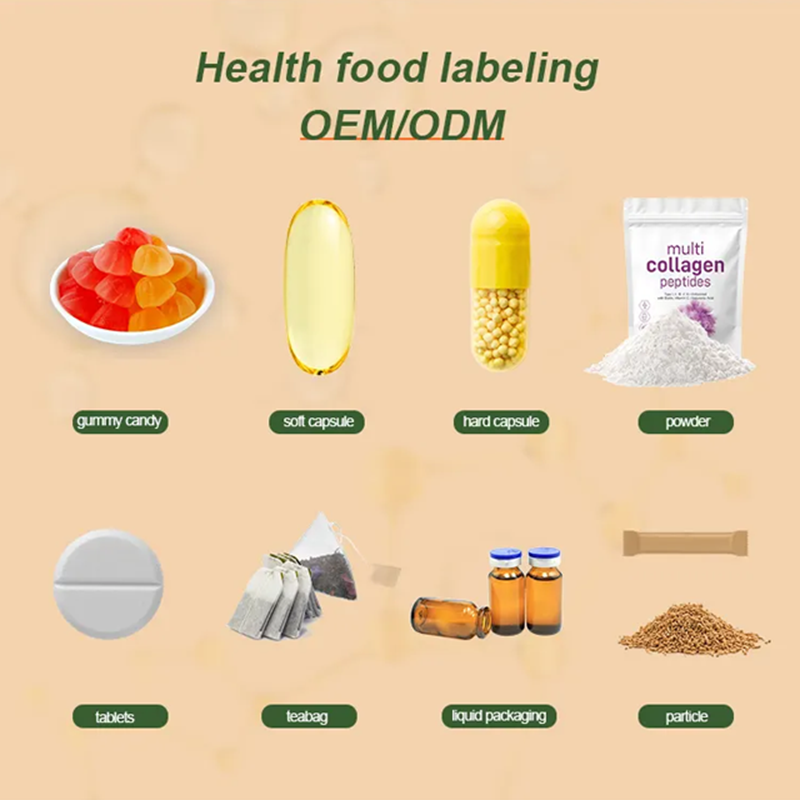
Common supplement forms include:
| Dosage Form | Typical Use |
|---|---|
| Capsules | Daily wellness supplements |
| Tablets | Standardized extract formulas |
| Powders | Functional drink mixes |
| Liquid extracts | Fast-absorbing supplements |
Capsule production usually involves blending herbal extracts with excipients that improve flow and capsule filling efficiency.
Tablet production requires compression machines that press powdered ingredients into solid tablets.
Powder supplements are often mixed in large industrial blenders to ensure even distribution of ingredients.
Each production step must follow strict manufacturing protocols to maintain product consistency.
Quality Testing Confirms Product Safety
Before herbal supplements can be shipped to customers, manufacturers perform several quality tests to verify product safety and composition.
Typical supplement testing procedures include:
| Test Type | Purpose |
|---|---|
| Microbial testing | Detect bacteria or mold |
| Heavy metal testing | Ensure safe contaminant levels |
| Active compound testing | Confirm ingredient concentration |
| Stability testing | Verify shelf life |
These tests ensure that the finished supplements meet both regulatory requirements and brand quality standards.
For example, stability testing evaluates whether a supplement maintains its potency over time under different temperature and humidity conditions.
Without these quality checks, supplement products could degrade or lose effectiveness during storage.
Packaging and Labeling Prepare Supplements for Sale
The final stage in the supplement development process involves packaging and labeling. Proper packaging protects the product from environmental exposure such as moisture, light, and oxygen.
Common packaging formats include:
| Packaging Type | Typical Product |
|---|---|
| Bottles | Capsules and tablets |
| Sachets | Powder supplements |
| Stand-up pouches | Drink mixes |
Labeling must also comply with regulatory requirements in the target market. Supplement labels typically include:
- ingredient list
- supplement facts panel
- recommended dosage
- manufacturer information
Clear labeling ensures that consumers understand what the product contains and how it should be used.
How Can ZOXIZO Develop Herbal Supplements?
ZOXIZO develops herbal supplements through a complete manufacturing workflow that includes formula research, ingredient sourcing, laboratory testing, pilot sampling, mass production, packaging design, and international logistics support. For many supplement brands—especially e-commerce sellers, nutrition startups, and wellness distributors—the biggest challenge is not the idea of a product, but turning that idea into a stable, compliant, and scalable supplement.
This is where a professional manufacturer becomes essential. ZOXIZO works with clients to transform supplement concepts into real products that can be safely produced, packaged, and sold in international markets.
Step 1 — Understanding the Brand’s Product Concept
Every supplement project starts with understanding what the client wants to achieve. Different customers come to ZOXIZO with very different starting points.
Some clients already have a clear formula, while others only have a product idea.
Typical client starting points include:
| Client Situation | Development Approach |
|---|---|
| Existing supplement formula | Optimize and manufacture |
| Competitor product reference | Reverse formulation analysis |
| General product concept | Create new formula |
| No clear concept | Recommend market-proven formulas |
For example, many new supplement brands approach ZOXIZO with requests such as:
- “We want a stress support supplement.”
- “We want something similar to this Amazon product.”
- “We want a herbal immune booster formula.”
The R&D team evaluates these requests and suggests appropriate ingredient combinations based on scientific research, dosage guidelines, and market demand.
This early discussion phase is extremely important because it determines whether the final product will match both consumer expectations and regulatory requirements.
Step 2 — Herbal Formula Design and Optimization
Once the product concept is clear, ZOXIZO’s research team begins developing the herbal formula.
The company maintains a large internal formulation database built from years of supplement manufacturing experience.
Current R&D resources include:
| R&D Capability | Details |
|---|---|
| Research team | 20+ formulation specialists |
| Existing formulas | 20,000+ formulations |
| Patent resources | 300+ patents |
| Product categories | 10+ supplement types |
When designing herbal supplements, the R&D team focuses on several important factors:
- active compound concentration
- ingredient synergy
- dosage safety
- flavor compatibility (for powders or liquids)
For example, a typical stress-support herbal formula might look like this:
| Ingredient | Purpose |
|---|---|
| Ashwagandha extract | Stress regulation |
| Rhodiola extract | Fatigue resistance |
| Magnesium | Nervous system support |
| Vitamin B6 | Energy metabolism |
Instead of using random ingredient combinations, the team ensures that each ingredient contributes to the product’s intended function.
This approach helps brands create supplements that feel credible to consumers and stand out in crowded markets.
Step 3 — Ingredient Sourcing and Quality Control
High-quality herbal supplements depend heavily on the quality of the raw materials used. ZOXIZO works with verified raw material suppliers and requires strict documentation before any ingredient enters production.
Incoming herbal ingredients typically undergo multiple quality checks.
| Quality Test | Purpose |
|---|---|
| Botanical identification | Confirms correct plant species |
| Heavy metal testing | Detects contamination |
| Pesticide residue testing | Ensures agricultural safety |
| Microbial testing | Prevents bacterial contamination |
For standardized extracts, the laboratory also verifies the concentration of active compounds.
Example extract specifications include:
| Herbal Extract | Typical Standardization |
|---|---|
| Turmeric extract | 95% curcuminoids |
| Ginkgo biloba extract | 24% flavonoids |
| Ashwagandha extract | 5% withanolides |
These tests ensure that every batch of ingredients meets safety standards before entering production.
Step 4 — Rapid Sample Development
Before mass production begins, ZOXIZO prepares product samples so that clients can evaluate the formula.
Typical sample timelines are:
| Sample Type | Development Time |
|---|---|
| Existing formula sample | 3–5 days |
| Minor formula customization | 5–7 days |
| New formula development | 7–12 days |
Sample quantities usually include:
- powder samples (100–300 g)
- capsule bottles (30–60 capsules)
- liquid samples (30–60 ml bottles)
During the sampling stage, clients can evaluate several aspects of the product:
- taste (for powders or liquids)
- appearance
- ingredient dosage
- packaging style
If adjustments are needed, the formula can be modified before entering large-scale production.
This step helps avoid expensive mistakes later in the manufacturing process.
Step 5 — Manufacturing and Production
Once the sample is approved, the product moves into full-scale manufacturing.
ZOXIZO operates large supplement production facilities designed to support both small private-label brands and large-volume distributors.
Key factory resources include:
| Production Capability | Details |
|---|---|
| Factory area | 15,000+ square meters |
| Clean workshop | 100,000-level cleanroom |
| Quality control team | 25+ inspection specialists |
| Production lines | Multiple automated lines |
Production equipment supports multiple supplement forms:
- capsules
- tablets
- powders
- liquid supplements
Each production batch undergoes strict process controls to ensure consistent ingredient distribution and accurate dosage levels.
Step 6 — Packaging and Private Label Design
After production, the supplements are packaged according to the client’s branding requirements.
Common packaging options include:
| Packaging Format | Typical Product |
|---|---|
| Bottles | Capsules and tablets |
| Sachets | Powder supplements |
| Stand-up pouches | Drink mixes |
| Dropper bottles | Liquid extracts |
ZOXIZO also provides packaging design services for private-label supplement brands.
Design support may include:
- label layout
- packaging structure
- brand visual identity
Packaging is not just a cosmetic feature—it also protects the supplement from moisture, light, and oxygen exposure.
Good packaging helps maintain product stability during storage and transportation.
Step 7 — Global Logistics and Delivery
Once products are manufactured and packaged, they are prepared for shipment to the client’s target market.
ZOXIZO supports international logistics solutions including:
- export documentation
- customs clearance support
- cross-border shipping
Typical production timelines are:
| Order Type | Production Time |
|---|---|
| Small batch production | 20–25 days |
| Standard orders | 25–30 days |
| Large production runs | Custom scheduling |
Reliable logistics support ensures that clients receive their products safely and on schedule.
Develop Your Herbal Supplement with ZOXIZO
Herbal supplements have become one of the most dynamic sectors of the global wellness industry. Consumers are increasingly interested in plant-based nutrition that supports stress balance, immune health, digestion, and daily wellness.
However, turning a product idea into a successful herbal supplement requires more than simply choosing a popular herb. Brands must carefully design formulas, verify ingredient quality, comply with regulatory standards, and build reliable manufacturing processes.
This is where working with an experienced supplement manufacturer becomes essential.
At ZOXIZO, we help brands transform supplement concepts into finished products. Our services include:
- custom herbal supplement formulation
- raw material sourcing and testing
- product sampling and development
- private label packaging and branding
- large-scale supplement manufacturing
Whether you are launching a new herbal supplement brand or expanding an existing product line, our team can support you throughout the entire development process.
Contact ZOXIZO today to discuss your custom herbal supplement project and receive a manufacturing quotation.