Skip to content
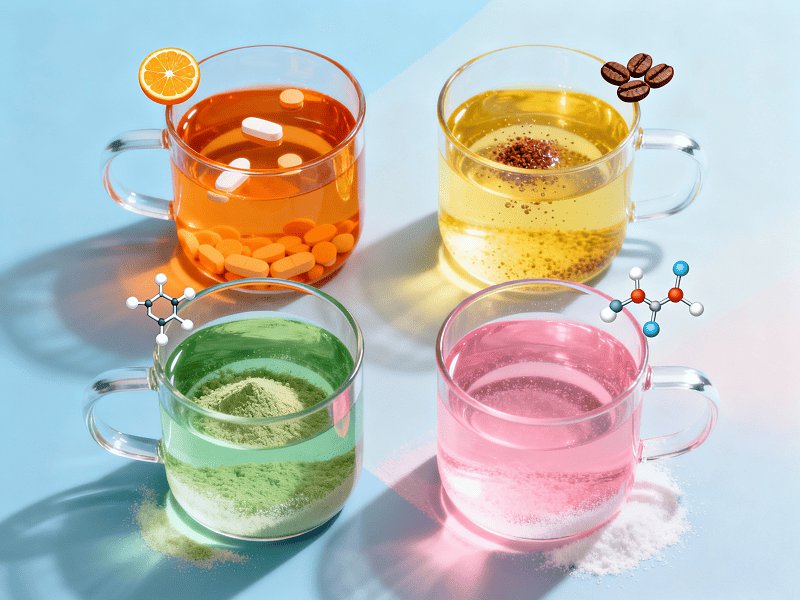
Walk into any pharmacy, fitness center, or online health store today and you will notice the same thing: shelves filled with powders, capsules, gummies, herbal extracts, and drink mixes promising better health. From athletes searching for electrolyte recovery to professionals trying to improve sleep or immunity, food supplements have become part of everyday nutrition for millions of people worldwide.
According to Grand View Research, the global dietary supplement market surpassed $177 billion in 2023 and is projected to reach over $300 billion by 2030, driven by increasing health awareness, aging populations, and the rapid growth of e-commerce supplement brands.
A food supplement is a product designed to add nutrients or beneficial ingredients to the diet. These supplements can include vitamins, minerals, herbal extracts, amino acids, probiotics, or other bioactive compounds. They are typically available in forms such as capsules, powders, tablets, liquids, or gummies and are used to support health, nutrition, or specific wellness goals.
But the real story behind food supplements goes much deeper. Why do people rely on them? Which types dominate the market? How are they produced safely at scale? And how do modern supplement brands develop their own formulas with manufacturers like ZOXIZO? Let’s explore the answers step by step.
What Is a Food Supplement?
A food supplement is a product designed to provide concentrated nutrients or functional ingredients that may not be consumed in sufficient amounts through daily food. These supplements typically contain vitamins, minerals, botanical extracts, amino acids, probiotics, or other bioactive compounds and are sold in formats such as capsules, powders, tablets, liquids, or gummies to support specific health goals.
Is Food Supplement a Daily Need?
In theory, a balanced diet should provide all the nutrients the human body needs. In reality, modern lifestyles make that difficult for many people.
Several large nutrition studies show that nutrient gaps are extremely common, even in developed countries. According to research from the National Institutes of Health and Harvard School of Public Health, many adults consistently fall short of recommended daily intake levels for key nutrients.
Here are some commonly observed deficiencies:
| Nutrient | Estimated Deficiency Rate |
|---|---|
| Vitamin D | ~40% of adults |
| Magnesium | ~48% of adults |
| Omega-3 fatty acids | ~60–70% |
| Vitamin B12 (elderly) | ~20% |
There are several reasons for this:
- Modern diets rely heavily on processed foods, which often contain fewer micronutrients.
- Busy schedules reduce meal quality, especially among working professionals.
- Soil nutrient depletion has lowered the mineral content of some crops compared with decades ago.
Because of these factors, food supplements are increasingly used as nutritional insurance. They help people maintain consistent intake of nutrients that may be missing from everyday meals.
For example:
- Office workers often take magnesium or B-complex supplements to support energy levels.
- Athletes use electrolyte powders to replace minerals lost through sweat.
- Older adults frequently supplement vitamin D and calcium for bone health.
However, it is important to understand that supplements are not designed to replace meals. Their role is to support nutrition, not substitute for balanced food.
Is Food Supplement the Same as Vitamins?
Many consumers still think that food supplements are simply vitamin pills. While vitamins are part of the supplement category, the industry has expanded far beyond that.
Today’s supplement market includes a wide range of functional ingredients designed for specific health goals.
A typical supplement product may combine multiple types of ingredients:
| Ingredient Type | Examples | Purpose |
|---|---|---|
| Vitamins | Vitamin C, Vitamin D3 | Immunity & metabolism |
| Minerals | Zinc, Magnesium | Bone & nerve function |
| Herbal extracts | Ashwagandha, Ginseng | Stress & energy |
| Amino acids | L-Carnitine, BCAA | Muscle performance |
| Probiotics | Lactobacillus strains | Digestive health |
| Functional nutrients | Collagen peptides | Skin & joint health |
This evolution reflects a major shift in consumer behavior. Instead of simply preventing deficiencies, people now look for supplements that help them solve specific health problems.
Some common consumer goals include:
- Better sleep
- Stress reduction
- Weight management
- Improved digestion
- Sports performance
- Anti-aging support
Because of this trend, supplement brands increasingly focus on targeted formulas rather than single vitamins.
For example:
- A sleep supplement may combine magnesium + melatonin + herbal extracts
- A weight-management supplement may include fiber + green tea extract + L-carnitine
- A sports hydration supplement may combine electrolytes + amino acids
Manufacturers like ZOXIZO often maintain thousands of formula variations to support these different market segments.
Which Food Supplement Forms Are Common?
Food supplements are produced in multiple forms, and each format has its own advantages depending on the target consumer and product function.
Here are the most widely used supplement forms in global markets:
| Supplement Form | Typical Use | Key Advantages |
|---|---|---|
| Capsules | Herbal extracts, probiotics | Easy to swallow, precise dosage |
| Tablets | Vitamins & minerals | Low cost, long shelf life |
| Powders | Electrolytes, protein | Flexible dosage and flavors |
| Gummies | Multivitamins | Popular with younger consumers |
| Liquids & drops | Vitamin D, herbal extracts | Faster absorption |
| Softgels | Fish oil, fat-soluble nutrients | Protect sensitive ingredients |
Each format also has different manufacturing considerations.
For example:
Powder supplements These are extremely popular in sports nutrition because they allow high ingredient dosage and customizable flavors. Electrolyte powders and protein powders are two of the fastest-growing categories.
Capsule supplements Capsules are widely used for botanical extracts and concentrated formulas because they provide accurate dosing and convenient daily intake.
Liquid supplements Liquid drops and syrups are commonly used for vitamins or herbal extracts that require faster absorption.
From a manufacturing perspective, choosing the right supplement format involves balancing several factors:
- Ingredient stability
- Consumer convenience
- Packaging cost
- Production efficiency
For instance, powder supplements require large-scale blending equipment, while capsules require high-speed filling machines capable of producing tens of thousands of capsules per hour.
These technical decisions are usually made during the early stages of product development when brands collaborate with experienced supplement manufacturers.
Why Do People Use Food Supplement?
People use food supplements to improve daily nutrition, address specific health concerns, and support long-term wellness goals. Supplements help fill nutrient gaps caused by modern diets, busy lifestyles, and environmental factors. Common reasons include improving immunity, increasing energy, supporting digestion, enhancing athletic performance, and managing stress or sleep quality.

How Does Food Supplement Support Health?
One of the main reasons people use food supplements is to compensate for the gap between recommended nutrient intake and actual dietary intake.
In theory, a well-balanced diet containing vegetables, fruits, whole grains, healthy fats, and protein can provide sufficient nutrients. However, real-life eating habits often fall short of this ideal.
Several global nutrition surveys highlight the scale of this issue.
According to research published by the World Health Organization and the National Health and Nutrition Examination Survey (NHANES), large portions of the population fail to meet recommended nutrient intake levels.
| Nutrient | Estimated Global Deficiency Risk |
|---|---|
| Vitamin D | ~1 billion people worldwide |
| Iron | ~30% of global population |
| Magnesium | ~40–50% of adults |
| Omega-3 fatty acids | ~70% of people consume insufficient levels |
These deficiencies can develop gradually and may affect overall wellbeing.
For example:
- Low Vitamin D levels are linked with reduced immune function and bone health problems.
- Insufficient iron intake can lead to fatigue and reduced oxygen transport in the body.
- Lack of omega-3 fatty acids may affect cardiovascular health.
Food supplements provide a practical way to increase nutrient intake without dramatically changing eating habits.
For example, a single fish oil capsule can deliver the same omega-3 content as several servings of fish.
Similarly, a magnesium supplement may provide the equivalent magnesium found in multiple servings of leafy vegetables.
Because of this convenience, many people incorporate supplements into their daily routine as a preventive health strategy rather than a medical treatment.
Which People Need Food Supplement Most?
While supplements can benefit almost anyone, certain groups of people tend to rely on them more heavily due to lifestyle, physiological needs, or dietary restrictions.
Below are several groups that commonly use food supplements.
| Consumer Group | Typical Supplement Needs |
|---|---|
| Athletes & fitness enthusiasts | Electrolytes, protein, creatine |
| Office professionals | Energy, stress support |
| Older adults | Bone and cognitive support |
| Beauty consumers | Collagen and antioxidants |
| Travelers | Immunity and digestive support |
| Vegetarians & vegans | Vitamin B12, iron |
For example, athletes lose large amounts of minerals through sweat during intense exercise.
Research shows that endurance athletes can lose up to 1–2 grams of sodium per hour during prolonged activity. Without replenishment, this can lead to dehydration, muscle cramps, and reduced performance.
Electrolyte supplements are designed specifically to address this problem.
Another example is older adults. As people age, their bodies become less efficient at absorbing certain nutrients such as Vitamin B12 and calcium, which are important for nerve function and bone strength.
Because of these physiological changes, supplements often become part of long-term health maintenance.
In the beauty and wellness sector, supplements are also widely used for skin, hair, and anti-aging purposes.
Collagen supplements, for instance, have grown rapidly in popularity because collagen production naturally decreases after the age of 25.
Do Athletes Use Food Supplement Often?
Athletes and fitness enthusiasts are among the most consistent users of food supplements.
Training places significant stress on the body, increasing the demand for nutrients that support energy metabolism, muscle repair, and hydration.
Some of the most commonly used sports supplements include:
| Supplement Type | Function |
|---|---|
| Electrolyte powder | Replace minerals lost through sweat |
| Protein powder | Support muscle recovery |
| Creatine | Improve strength and power |
| Energy gels | Provide fast energy during endurance sports |
| BCAA amino acids | Reduce muscle breakdown |
Electrolyte supplements are especially important for endurance activities such as running, cycling, and long-distance training.
During intense exercise, the body loses water and minerals through sweat. Without proper replenishment, performance can decline rapidly.
Research published in the Journal of the International Society of Sports Nutrition shows that electrolyte replacement improves hydration and endurance performance, particularly in hot climates.
Because of this, electrolyte powders and sports drink mixes have become one of the fastest-growing supplement categories.
In fact, many supplement manufacturers report that sports electrolyte products represent one of the highest repeat-purchase products in the supplement market.
This makes them particularly attractive for supplement brands selling through platforms like:
- Amazon
- Shopify independent stores
- Fitness communities
- Social media influencer channels
These products are consumable and require regular replenishment, which naturally drives repeat sales.
Why Are Food Supplements Growing So Fast?
The rapid growth of the supplement industry is driven by several major global trends.
According to Grand View Research, the global dietary supplement market exceeded $177 billion in 2023 and is expected to reach approximately $300 billion by 2030.
Several factors are fueling this expansion.
1. Preventive healthcare awareness
Consumers increasingly view health as something that should be maintained proactively rather than treated only after illness occurs.
Supplements are widely marketed as tools for preventive health management.
2. Aging populations
In many countries, aging populations are increasing demand for supplements related to:
- joint health
- bone density
- cardiovascular health
- cognitive support
3. Growth of fitness culture
The global expansion of gyms, sports communities, and fitness influencers has significantly increased demand for sports nutrition supplements.
4. E-commerce and social media
Platforms such as Amazon, TikTok, and Instagram have dramatically lowered the barrier for launching supplement brands.
Many successful supplement startups today are built entirely around online communities and influencer marketing.
Which Food Supplement Types Sell Best?
The best-selling food supplements are typically products that solve clear health needs such as hydration, weight management, immunity support, and digestive health. Popular categories include sports electrolyte powders, vitamin supplements, herbal extracts, collagen products, probiotics, and protein powders. These products sell well because they have clear benefits, repeat consumption, and strong demand across e-commerce and retail channels.
Which Vitamin Food Supplement Is Popular?
Vitamin supplements remain one of the most stable and widely purchased types of food supplements globally. These products address basic nutritional deficiencies and are easy for consumers to understand.
Even though the supplement industry continues to innovate, vitamin products still represent a large portion of global supplement sales.
According to market data from Nutrition Business Journal, vitamin and mineral supplements account for approximately 30–35% of total supplement sales worldwide.
Among these, several vitamins consistently rank among the most purchased products.
| Vitamin Supplement | Primary Benefit | Demand Level |
|---|---|---|
| Vitamin C | Immune support | Very high |
| Vitamin D3 | Bone health & immunity | Very high |
| Vitamin B Complex | Energy metabolism | High |
| Vitamin E | Antioxidant support | Moderate |
| Vitamin K2 | Bone & cardiovascular support | Growing |
Vitamin D supplements have seen especially strong growth in recent years. Studies show that many people do not get enough vitamin D because of limited sun exposure and indoor lifestyles.
During the COVID-19 pandemic, sales of Vitamin C and Vitamin D supplements increased significantly, with some markets reporting sales growth of over 150%.
For supplement brands, vitamin products are often considered entry-level products because:
- Consumers already understand their benefits.
- Manufacturing processes are relatively standardized.
- Raw materials are widely available.
However, competition in this category is also intense. Many brands differentiate their vitamin products by adding herbal extracts, probiotics, or enhanced delivery systems.
For example:
- Vitamin C + Zinc immune formulas
- Vitamin D + K2 bone support blends
- B-complex + adaptogens for stress management
These combinations create stronger product positioning and better marketing narratives.
Which Herbal Food Supplement Is Trending?
Herbal supplements have experienced strong growth over the past decade as consumers increasingly look for natural health solutions.
Many herbal supplements are inspired by traditional medicine systems such as Traditional Chinese Medicine, Ayurveda, and Western herbal medicine.
Several herbal ingredients have become particularly popular in global markets.
| Herbal Ingredient | Function | Market Trend |
|---|---|---|
| Ashwagandha | Stress & anxiety support | Rapid growth |
| Turmeric (Curcumin) | Anti-inflammatory | Very high |
| Ginseng | Energy & vitality | Stable |
| Milk Thistle | Liver support | Moderate |
| Rhodiola | Mental performance | Growing |
Ashwagandha is one of the fastest-growing herbal supplement ingredients. According to industry reports, Ashwagandha supplement sales increased more than 200% between 2019 and 2023 in the United States.
Turmeric supplements are also widely used because curcumin has been studied for its potential anti-inflammatory effects.
However, herbal supplements often require standardized extracts to ensure consistent potency.
For example, turmeric supplements are often standardized to contain 95% curcuminoids, while Ashwagandha extracts may be standardized to contain 5% withanolides.
Without standardization, the effectiveness of herbal supplements can vary significantly.
Because of this, many supplement brands prefer working with manufacturers that can provide verified extract specifications and third-party testing.
Which Sports Food Supplement Grows Fast?
Sports nutrition supplements are one of the fastest-growing sectors of the supplement industry.
Driven by the rise of fitness culture, endurance sports, and social media fitness communities, demand for sports supplements has expanded far beyond professional athletes.
The global sports nutrition market is projected to exceed $45 billion by 2030.
Some of the most popular sports supplement products include:
| Sports Supplement | Purpose |
|---|---|
| Electrolyte powder | Hydration during exercise |
| Protein powder | Muscle recovery |
| Creatine | Strength and power |
| Pre-workout formulas | Energy and focus |
| Energy gels | Endurance performance |
Among these categories, electrolyte supplements have grown particularly quickly.
Electrolyte powders are widely used by runners, cyclists, and gym users to replenish minerals lost through sweat.
During intense exercise, the body can lose significant amounts of sodium, potassium, and magnesium.
Research indicates that endurance athletes may lose 1–2 grams of sodium per hour through sweat, especially in hot environments.
Electrolyte drinks help restore these minerals and prevent dehydration.
Another reason sports supplements sell well is their repeat consumption pattern. Unlike one-time purchases, many athletes consume these products regularly during training cycles.
This makes sports supplements especially attractive for brands selling through:
- Amazon
- Shopify stores
- Fitness communities
- Influencer marketing channels
Products that customers consume repeatedly tend to generate strong long-term revenue streams.
Is Probiotic Food Supplement Still Hot?
Yes, probiotics remain one of the most popular and scientifically researched supplement categories.
Probiotics are beneficial bacteria that support the balance of the gut microbiome. The human digestive system contains trillions of microorganisms, many of which play important roles in digestion, immunity, and metabolism.
Increasing awareness of gut health has significantly boosted probiotic supplement demand.
The global probiotic supplement market is expected to reach over $80 billion by 2030.
Some of the most commonly used probiotic strains include:
| Probiotic Strain | Main Benefit |
|---|---|
| Lactobacillus acidophilus | Digestive health |
| Bifidobacterium bifidum | Immune support |
| Lactobacillus rhamnosus | Gut balance |
| Saccharomyces boulardii | Prevent diarrhea |
Modern probiotic supplements often combine probiotics with prebiotics, which are dietary fibers that help beneficial bacteria grow.
These combination products are often marketed as synbiotic supplements.
However, probiotic supplements require strict manufacturing control because live bacteria must remain viable throughout the product’s shelf life.
Manufacturers must carefully manage factors such as:
- temperature
- moisture
- packaging protection
- storage conditions
High-quality probiotic supplements often use specialized encapsulation technologies to improve bacterial survival rates.
Because of these technical requirements, many supplement brands prefer partnering with experienced manufacturers who understand microbial stability and probiotic formulation.
Which Supplement Categories Have the Highest Repeat Purchases?
From a business perspective, the best-selling supplements are not always those with the highest price. Often, the most profitable products are those that customers buy consistently over time.
Supplements with strong repeat purchase rates include:
| Category | Why Customers Rebuy |
|---|---|
| Electrolytes | Consumed during workouts |
| Probiotics | Daily digestive support |
| Protein powder | Regular fitness nutrition |
| Collagen | Long-term beauty routine |
| Multivitamins | Daily wellness habit |
These products become part of consumers’ daily routines, which naturally drives repeat purchases.
For example, a consumer who drinks electrolyte powder after every workout may consume 20–30 servings per month.
This type of consumption behavior makes these products particularly attractive for supplement brands looking to build stable long-term sales.
How Does Food Supplement Work?
A food supplement works by delivering concentrated nutrients or bioactive ingredients that the body absorbs through the digestive system. Once absorbed into the bloodstream, these compounds support physiological processes such as energy metabolism, immune defense, muscle recovery, or hormone balance. The effectiveness of a supplement depends on ingredient quality, dosage, bioavailability, and consistent daily intake.
How Does Food Supplement Enter the Body?
When someone takes a food supplement—whether a capsule, powder, or liquid—the product follows the same basic biological pathway as normal food. The difference is that supplements contain much higher concentrations of specific nutrients or compounds.
The process generally occurs in several stages.
1. Digestion
After ingestion, supplements reach the stomach where digestive enzymes and stomach acids begin breaking down the supplement structure.
For example:
- Capsules dissolve in stomach acid within 5–15 minutes
- Tablets may take 20–45 minutes
- Liquids and powders often begin absorption even faster
2. Nutrient absorption
Most nutrient absorption occurs in the small intestine, where vitamins, minerals, and other compounds pass through intestinal walls into the bloodstream.
However, absorption efficiency varies significantly depending on the nutrient.
| Nutrient | Approximate Absorption Rate |
|---|---|
| Vitamin C | ~70–90% |
| Magnesium | ~30–50% |
| Iron | ~10–20% |
| Curcumin (turmeric extract) | <5% without enhancers |
This is why many supplement formulations include absorption enhancers.
For example:
- Curcumin is often combined with piperine (black pepper extract) to increase absorption.
- Fat-soluble vitamins such as Vitamin D and Vitamin E are better absorbed when taken with dietary fat.
3. Circulation and distribution
Once nutrients enter the bloodstream, they are transported throughout the body to tissues and organs where they participate in biological functions.
For example:
- Amino acids support muscle protein synthesis
- Vitamins assist in metabolic reactions
- Antioxidants help neutralize free radicals
The effectiveness of a supplement depends heavily on how much of the active ingredient actually reaches target tissues.
How Fast Does Food Supplement Work?
One of the most common questions people ask is: “How long does it take for supplements to work?”
The answer depends largely on the type of supplement and the health goal involved.
Some supplements act quickly because they influence short-term physiological processes, while others require consistent use over weeks or months.
Here is a realistic overview of typical timelines.
| Supplement Type | Typical Time to Notice Effects |
|---|---|
| Electrolytes | Immediate (minutes to hours) |
| Energy supplements | 30–60 minutes |
| Sleep supplements | Same day |
| Probiotics | 1–2 weeks |
| Multivitamins | 2–4 weeks |
| Collagen supplements | 6–8 weeks |
For example:
Electrolyte supplements These products work quickly because they restore mineral balance during exercise. Athletes often notice improved hydration within minutes.
Sleep supplements Ingredients such as magnesium or melatonin can influence sleep patterns the same night they are taken.
Collagen supplements Because collagen supports skin and connective tissue structure, noticeable results often require 6–8 weeks of consistent use.
This is why supplement companies often recommend daily usage for at least 30–60 days before evaluating effectiveness.
Which Food Supplement Works Best by Goal?
Different supplements support different biological systems, which is why products are usually designed around specific health goals.
Below is a practical guide that reflects common consumer use cases.
| Health Goal | Common Supplement Ingredients |
|---|---|
| Immune support | Vitamin C, Zinc, Elderberry |
| Energy | Vitamin B complex, CoQ10 |
| Digestive health | Probiotics, digestive enzymes |
| Stress management | Ashwagandha, magnesium |
| Sports recovery | Electrolytes, amino acids |
| Skin & beauty | Collagen peptides, biotin |
For example, a consumer experiencing frequent fatigue may benefit from supplements that support cellular energy metabolism, such as B vitamins and CoQ10.
On the other hand, someone focused on digestive health may use probiotics that help maintain a balanced gut microbiome.
Many modern supplement products combine several ingredients to address multiple aspects of a health goal.
For instance, a typical sleep support supplement may include:
- Magnesium for muscle relaxation
- Melatonin for circadian rhythm regulation
- Herbal extracts such as valerian root or chamomile
This combination approach is often more effective than using a single ingredient alone.
Why Bioavailability Matters for Food Supplements
Not all supplements work equally well, even if they contain the same ingredient.
One of the most important factors influencing supplement effectiveness is bioavailability, which refers to how much of a nutrient the body can actually absorb and use.
Several factors influence bioavailability:
| Factor | Impact |
|---|---|
| Ingredient form | Some chemical forms absorb better |
| Particle size | Smaller particles absorb faster |
| Delivery system | Liposomal and encapsulated nutrients improve absorption |
| Digestive health | Gut conditions affect absorption |
For example:
- Magnesium citrate is absorbed better than magnesium oxide.
- Liposomal vitamin C may have improved absorption compared with traditional vitamin C tablets.
- Some probiotics require special protective capsules to survive stomach acid.
Because of these factors, supplement formulation is not just about selecting ingredients — it is about designing delivery systems that maximize absorption.
Experienced manufacturers often invest significant resources in optimizing bioavailability.
Why Consistency Matters for Supplement Results
Another key factor that determines whether supplements work is consistency of use.
Many nutrients work by gradually restoring optimal levels in the body rather than creating immediate changes.
For example:
- Vitamin D levels may take several weeks to normalize
- Omega-3 fatty acid levels increase gradually over 1–2 months
- Collagen supplementation may support skin elasticity over several months
This gradual improvement reflects how the body naturally regulates biological systems.
Because of this, the most successful supplement products are those that fit easily into daily routines.
Products designed for daily consumption—such as multivitamins, collagen powders, and electrolyte drinks—often generate higher repeat purchase rates because they become part of a consumer’s long-term lifestyle.
Is Food Supplement Safe?
Food supplements are generally safe when they are produced by certified manufacturers and used according to recommended dosages. Safety depends on several factors including ingredient quality, proper formulation, manufacturing standards such as GMP, and laboratory testing. Consumers and supplement brands should choose products from factories that provide traceable raw materials, batch testing reports, and regulatory documentation.

How Is Food Supplement Tested?
Before a food supplement reaches the market, it usually goes through several layers of testing to ensure the product is safe, stable, and contains the ingredients listed on the label.
A professional supplement manufacturing process typically includes three main testing stages.
1. Raw Material Testing
The first safety checkpoint occurs before production even begins. Every raw ingredient must be verified for purity and safety.
Typical raw material tests include:
| Test Type | Purpose |
|---|---|
| Identity testing | Confirms the ingredient is authentic |
| Heavy metal testing | Detects lead, arsenic, mercury |
| Microbial testing | Detects bacteria or mold |
| Active compound analysis | Confirms ingredient potency |
For example, herbal extracts can sometimes accumulate heavy metals depending on where they are grown. Because of this risk, high-quality supplement factories require third-party laboratory reports from ingredient suppliers.
Many manufacturers also conduct incoming raw material verification tests before accepting materials into production.
2. In-Process Quality Control
Once production begins, quality teams monitor the manufacturing process to make sure every batch meets specifications.
Common in-process quality checks include:
| Control Step | Purpose |
|---|---|
| Ingredient weighing verification | Ensures correct dosage |
| Blend uniformity testing | Confirms even distribution |
| Capsule weight inspection | Maintains dosage consistency |
| Visual inspection | Detects defects |
For example, if a capsule supplement contains 500 mg of herbal extract, each capsule must stay within a very narrow tolerance range to ensure accurate dosage.
Modern capsule machines can produce tens of thousands of capsules per hour, so automated monitoring systems are essential for maintaining consistency.
3. Finished Product Testing
After production, finished supplements undergo additional testing before they are released to the market.
Typical finished-product tests include:
| Test Category | Purpose |
|---|---|
| Microbiological testing | Ensures no harmful bacteria |
| Heavy metal testing | Verifies contaminant levels |
| Active ingredient testing | Confirms label accuracy |
| Stability testing | Evaluates shelf life |
Finished product testing is critical because it confirms that the supplement still meets safety standards after manufacturing and packaging.
Many factories also keep retained samples for several years so products can be traced if any quality issues arise later.
Which Food Supplement Certificates Matter?
Certification is one of the most important signals of supplement safety, especially for brands selling through international markets.
Different regions and sales channels often require specific certifications before products can be legally sold.
Here are several certifications commonly requested by supplement buyers.
| Certification | What It Confirms |
|---|---|
| GMP (Good Manufacturing Practice) | Factory follows regulated production standards |
| FDA facility registration | Production facility is registered with US authorities |
| HACCP | Food safety hazard control system |
| FSSC 22000 | Advanced global food safety standard |
| Halal certification | Suitable for Muslim markets |
| Kosher certification | Meets Jewish dietary standards |
For example, GMP certification is widely considered the minimum requirement for supplement manufacturing.
GMP standards regulate several aspects of production, including:
- hygiene requirements
- equipment sanitation
- ingredient traceability
- documentation systems
Factories operating under GMP must maintain detailed production records so every batch can be traced back to its raw materials.
For supplement brands selling internationally, additional certifications may be necessary depending on the target market.
For instance:
- Supplements sold in Middle Eastern markets often require Halal certification.
- Products targeting organic health markets may require organic ingredient certification.
- Some retail chains request third-party laboratory testing documentation before accepting new products.
Manufacturers that already operate under multiple certification systems can significantly simplify the regulatory process for supplement brands.
How Do You Choose Safe Food Supplement?
From a consumer or brand perspective, choosing a safe supplement involves more than simply reading marketing claims on the packaging.
Several practical factors can help determine whether a supplement product is reliable.
1. Ingredient transparency
The label should clearly list all active ingredients and their dosage amounts.
For example, a high-quality turmeric supplement may list:
- Turmeric extract (95% curcuminoids) – 500 mg
This level of detail helps consumers understand the potency of the product.
In contrast, vague ingredient descriptions such as “proprietary blend” without dosage information can make it difficult to evaluate product quality.
2. Appropriate dosage levels
Some supplement products fail because they contain ingredient amounts that are too low to be effective.
For instance, research suggests that effective curcumin supplementation typically requires 500–1,000 mg of standardized extract per day.
Products that include only small trace amounts may provide limited benefit.
Brands that work with experienced manufacturers often receive guidance on scientifically supported dosage ranges.
3. Reliable ingredient sourcing
Ingredient sourcing plays a major role in supplement safety.
Reputable manufacturers typically require suppliers to provide documentation such as:
- Certificates of analysis (COA)
- Heavy metal test reports
- Microbial safety reports
These documents confirm that raw materials meet safety standards before they enter production.
4. Third-party testing
Independent laboratory testing provides an additional level of quality assurance.
Some supplement brands voluntarily send finished products to third-party labs to verify:
- ingredient content
- contaminant levels
- product purity
This transparency helps build trust with consumers and distributors.
What Are the Most Common Supplement Safety Concerns?
Although food supplements are widely used, several safety concerns occasionally arise in the market.
Understanding these risks helps consumers and brands make better decisions.
| Safety Concern | Description |
|---|---|
| Contaminated raw materials | Poor ingredient sourcing |
| Incorrect ingredient dosage | Under- or overdosed formulas |
| Poor manufacturing hygiene | Microbial contamination |
| Unverified health claims | Misleading marketing |
In most cases, these problems are associated with products produced by unregulated or low-quality manufacturers.
Professional supplement factories reduce these risks by implementing strict production and testing systems.
For example, many factories assign two quality inspectors to each production line to monitor manufacturing steps and detect potential issues early.
Why Manufacturing Quality Determines Supplement Safety
Ultimately, the safety of a food supplement depends largely on the manufacturing environment in which it is produced.
High-quality supplement factories typically operate under controlled conditions such as:
- cleanroom production environments
- standardized operating procedures
- routine equipment sanitation
- documented quality management systems
These systems ensure that every batch of supplements is produced consistently and safely.
How Is Food Supplement Made?
Food supplements are produced through a structured manufacturing process that includes ingredient sourcing, formula development, blending, dosage formation, packaging, and quality testing. Certified factories follow GMP production standards and use specialized equipment such as mixers, capsule filling machines, and liquid filling lines to ensure accurate ingredient dosage, consistent product quality, and safe large-scale production.
Which Ingredients Are Used in Food Supplement?
Every supplement product begins with raw ingredients. These ingredients provide the nutritional or functional benefits the supplement is designed to deliver.
Supplement ingredients generally fall into several main categories.
| Ingredient Category | Examples | Typical Function |
|---|---|---|
| Vitamins | Vitamin C, Vitamin D3 | Immune and metabolic support |
| Minerals | Magnesium, Zinc | Bone and nerve health |
| Herbal extracts | Turmeric, Ginseng | Anti-inflammatory, energy |
| Amino acids | L-Carnitine, BCAA | Muscle metabolism |
| Probiotics | Lactobacillus strains | Gut health |
| Functional nutrients | Collagen peptides | Skin and joint support |
In professional supplement manufacturing, ingredient quality is extremely important.
Most reputable factories require suppliers to provide several documents before accepting ingredients:
- Certificate of Analysis (COA) verifying ingredient purity
- Heavy metal testing reports
- Microbial safety reports
- Active compound concentration data
For example, if a product uses turmeric extract, the manufacturer must verify the curcuminoid content, which determines the extract’s potency.
Standardized extracts help ensure each batch delivers consistent results. Without standardization, herbal supplements can vary significantly in strength.
Large supplement manufacturers often maintain extensive ingredient libraries, allowing them to develop new product formulas quickly.
Some factories maintain thousands of pre-developed formulas, which significantly reduces product development time for new brands.
How Is Powder Food Supplement Produced?
Powder supplements are one of the most common product forms in the supplement industry. They are widely used for products such as electrolyte drinks, protein powders, and meal replacement formulas.
The powder production process usually follows several key steps.
1. Raw material inspection
Before production begins, all raw materials are checked to confirm identity and quality. This step ensures the ingredients match the product formula.
2. Ingredient weighing
Each ingredient is weighed precisely according to the formula. Accurate weighing is essential because even small dosage errors can affect product performance.
3. High-speed blending
Ingredients are placed into industrial mixers that blend powders until the mixture becomes uniform.
Uniform mixing is critical because uneven blending can cause some servings to contain too much or too little of an ingredient.
Industrial powder mixers can process hundreds of kilograms of powder per batch.
4. Flavoring and texture adjustments
For flavored supplements such as electrolyte drinks or protein powders, natural or artificial flavoring agents are added at this stage.
Sweeteners and acidity regulators may also be included to improve taste and mouthfeel.
5. Packaging
After blending, powders are transferred to packaging equipment where they are filled into containers such as:
- plastic tubs
- sachets
- stick packs
- aluminum foil bags
Powder supplements are popular because they allow flexible dosing and can deliver larger quantities of active ingredients than capsules or tablets.

How Is Capsule Food Supplement Produced?
Capsules are one of the most common supplement formats because they offer convenience and precise dosing.
Capsule supplements are widely used for herbal extracts, vitamins, probiotics, and anti-aging formulas.
The capsule production process typically includes the following stages.
1. Powder preparation
Active ingredients and excipients are blended into a fine powder mixture.
Excipients are inactive substances added to improve capsule filling performance or stabilize the formula.
2. Capsule shell preparation
Capsule shells are usually made from either:
| Capsule Type | Material |
|---|---|
| Gelatin capsules | Animal-derived gelatin |
| Vegetarian capsules | Plant-based HPMC |
Vegetarian capsules are increasingly popular because many consumers prefer plant-based products.
3. Capsule filling
Capsule filling machines automatically load powder into empty capsule shells.
Modern capsule machines can produce 30,000–100,000 capsules per hour, depending on the equipment.
4. Capsule polishing
After filling, capsules pass through polishing equipment to remove excess powder and improve appearance.
5. Bottle packaging
Finished capsules are counted and placed into bottles, which are then sealed, labeled, and packaged.
Capsule supplements are especially popular for products requiring precise ingredient dosing.
How Is Liquid Food Supplement Produced?
Liquid supplements are another fast-growing category, especially for products designed for rapid absorption.
Examples include:
- vitamin drops
- herbal tinctures
- energy gels
- functional beverages
Liquid supplement production requires strict hygiene control because liquids are more susceptible to microbial contamination.
The production process usually includes several steps.
1. Ingredient dissolution
Powdered ingredients are dissolved into purified water or other liquid bases.
2. Homogenization
The mixture is processed through homogenization equipment to ensure ingredients remain evenly distributed.
3. Sterilization
To prevent bacterial contamination, the liquid mixture may undergo heat treatment or filtration.
4. Filling and sealing
Automated filling machines transfer the liquid into bottles or sachets.
Some industrial filling lines can produce over 2,000 bottles per minute, allowing factories to handle large commercial orders efficiently.
5. Packaging and labeling
After filling, bottles are sealed with caps, labeled, and packed into cartons for shipment.
Liquid supplements are often preferred by consumers who have difficulty swallowing capsules or tablets.
They also allow manufacturers to develop innovative products such as energy gels or functional drink shots.
What Happens After Production?
Once supplement production is complete, several additional steps are necessary before products can be delivered to customers.
These include:
| Post-Production Step | Purpose |
|---|---|
| Quality inspection | Verifies product safety |
| Packaging verification | Ensures correct labeling |
| Batch documentation | Maintains traceability |
| Export preparation | Prepares products for shipment |
Quality teams typically perform final inspections before releasing the product for distribution.
Finished products are also assigned batch numbers, which allow manufacturers to trace each batch back to its ingredients and production records.
This traceability is critical for maintaining safety standards and managing potential recalls if necessary.
How Do Brands Build a Food Supplement Line?
Brands build a food supplement line by identifying a target health need, developing a formula with a manufacturer, creating packaging and branding, testing samples, and producing products at scale. The process usually includes market research, formulation, packaging design, manufacturing, quality testing, and distribution through e-commerce platforms, retailers, or professional health channels.
How Do You Start a Food Supplement Brand?
Most supplement brands today start with a simple idea: solve a specific health problem for a specific group of people.
For example:
| Target Market | Typical Product |
|---|---|
| Fitness enthusiasts | Electrolyte hydration powder |
| Office workers | Stress relief supplements |
| Beauty consumers | Collagen drink powder |
| Weight management market | Metabolism support capsules |
| Digestive health market | Probiotic supplements |
Instead of launching many products at once, most successful brands start with one core product that clearly communicates its benefit.
For example:
- “Daily Gut Health Probiotic”
- “Electrolyte Hydration Mix”
- “Night Sleep Support Capsules”
This focused approach helps brands concentrate marketing resources and build stronger consumer recognition.
In many cases, entrepreneurs launching supplement brands come from backgrounds such as:
- Amazon sellers expanding product lines
- Fitness influencers building personal brands
- Healthcare professionals launching niche products
- Retail distributors developing private-label products
Because supplement manufacturing requires specialized equipment and certifications, most brands partner with OEM/ODM supplement manufacturers rather than building their own factories.
This allows startups to launch products much faster while minimizing initial investment.
How Do Factories Develop Food Supplement Products?
When a brand approaches a supplement manufacturer, the product development process typically begins with a consultation.
Manufacturers usually ask several key questions:
| Development Question | Purpose |
|---|---|
| What health benefit is the product targeting? | Defines product positioning |
| Who is the target customer? | Determines ingredient selection |
| What dosage form is preferred? | Capsules, powder, liquid, etc. |
| What price range is required? | Controls ingredient cost |
| Which markets will the product be sold in? | Determines certification needs |
For example, if a client wants to develop a weight management supplement, the manufacturer may suggest ingredients such as:
- green tea extract
- L-carnitine
- glucomannan fiber
- chromium picolinate
Once the formula is designed, the factory produces sample batches so the client can evaluate the product.
Sample evaluation usually focuses on:
- taste and flavor (for powders)
- capsule size and swallowing comfort
- product appearance
- ingredient dosage confirmation
At ZOXIZO, most standard formulas can produce samples in 3–7 days, while more complex formulations may require additional time for ingredient sourcing.
Which Food Supplement MOQ Is Common?
Minimum order quantity (MOQ) is one of the most important concerns for new supplement brands.
Production equipment and packaging materials often determine the minimum quantity required for manufacturing.
Here is a simplified reference for common supplement MOQs.
| Product Type | Typical MOQ |
|---|---|
| Capsule supplements | 1,000 bottles |
| Powder supplements | 50 kg powder blend |
| Liquid supplements | 1,000 bottles |
| Stick-pack sachets | 20,000 sachets |
| Custom printed packaging | 500–5,000 units |
Many new brands start with small-scale testing orders before committing to larger production runs.
For example, a startup may initially order:
- 200–500 bottles using label packaging
- stock bottles with custom branding
Once the product proves successful, brands often upgrade to fully customized packaging with printed bottles or boxes.
This step-by-step approach helps reduce financial risk during early market testing.
How Long Does It Take to Launch a Supplement Product?
The time required to launch a supplement product depends on several factors including formula complexity, packaging customization, and ingredient availability.
A typical supplement development timeline looks like this.
| Stage | Time Required |
|---|---|
| Formula discussion | 1–3 days |
| Sample development | 3–7 days |
| Packaging design | 5–10 days |
| Mass production | 20–30 days |
| Quality testing | 2–5 days |
| Shipping | Depends on destination |
In many cases, a supplement brand can launch its first product within 30–45 days after finalizing the formula and packaging.
Speed is particularly important for e-commerce sellers, who often need to respond quickly to emerging market trends.
Manufacturers that maintain large ingredient inventories and flexible production lines can significantly reduce launch timelines.
How Do Brands Control Supplement Production Costs?
Cost control is one of the most important factors when building a supplement line.
The final product price depends on several components.
| Cost Factor | Description |
|---|---|
| Raw ingredients | Active nutrients and extracts |
| Packaging | Bottles, labels, boxes |
| Manufacturing | Equipment and labor |
| Testing | Laboratory analysis |
| Logistics | Shipping and customs clearance |
Among these factors, ingredient cost is usually the largest variable.
For example:
- Standard herbal extracts may cost a few dollars per kilogram.
- High-purity compounds such as CoQ10 or specialized probiotics can cost hundreds of dollars per kilogram.
Manufacturers often help brands create multiple formula options that balance effectiveness and cost.
Example pricing strategy:
| Formula Tier | Description |
|---|---|
| Entry-level formula | Affordable ingredients |
| Standard formula | Balanced quality and cost |
| Premium formula | High potency ingredients |
This flexible approach helps brands target different market segments.
How Do Supplement Brands Scale Their Product Line?
Once a supplement product begins generating stable sales, brands usually expand their product lines.
Expansion often follows a logical progression based on customer demand.
For example:
Sports nutrition brands may expand like this:
- Electrolyte hydration powder
- Pre-workout energy supplement
- Protein recovery formula
Beauty supplement brands may expand like this:
- Collagen powder
- Skin antioxidant capsules
- Hair growth supplement
By building a product ecosystem around a specific health niche, brands can increase customer lifetime value and strengthen brand loyalty.
This strategy is widely used by successful supplement companies selling through:
- Amazon
- Shopify
- social media stores
- retail distribution networks
From Concept to Delivery: How ZOXIZO Supports Supplement Brands
Launching a food supplement product is not just about producing capsules or powders. Behind every successful supplement brand is a long chain of decisions involving formulation, ingredient sourcing, compliance, production planning, packaging, and logistics.
For many new supplement brands—especially those selling through Amazon, Shopify stores, social media platforms, or retail channels—the biggest challenge is turning a product idea into a reliable, market-ready product.
This is where working with an experienced supplement manufacturer becomes critical.
ZOXIZO focuses on helping supplement brands move from initial concept to finished product delivery, while reducing development risks and shortening the time required to launch new products.
Understanding the Client’s Product Idea
The first step when working with a supplement brand is understanding the product concept.
Most clients approach ZOXIZO with one of the following situations:
| Client Situation | Typical Request |
|---|---|
| Clear product concept | “I want to make an electrolyte hydration powder similar to this product.” |
| Reference competitor | “Can you develop something similar to this Amazon product?” |
| Custom formula idea | “I want a supplement for stress and sleep support.” |
| No clear product yet | “What supplement products are currently trending?” |
In many cases, especially for new supplement entrepreneurs, the client may not yet know:
- which ingredients are most effective
- what dosage levels are appropriate
- which supplement format is best
- how much the product will cost to produce
The ZOXIZO development team helps clarify these questions by discussing:
- target customer group
- health benefit focus
- preferred dosage form
- expected retail price range
- sales channels
For example, if a client plans to sell supplements on Amazon, the team may recommend product categories that already have strong demand but still leave room for differentiation.
Formula Development and Product Planning
Once the product concept is defined, the next step is formula development.
ZOXIZO maintains a large internal formula database that includes thousands of supplement formulations covering many popular health categories.
These include:
| Supplement Category | Examples |
|---|---|
| Sports nutrition | Electrolytes, recovery formulas |
| Weight management | metabolism support capsules |
| Anti-aging | collagen and antioxidant blends |
| Immune health | vitamin and herbal formulas |
| Digestive health | probiotics and enzyme blends |
| Energy support | B-complex and adaptogen formulas |
Using these existing formulas often allows brands to reduce development time significantly.
However, some clients request fully customized formulas.
For example, a client targeting fitness enthusiasts might want a hydration product containing:
- sodium
- potassium
- magnesium
- amino acids
- vitamin C
The formulation team evaluates several factors before finalizing the formula:
- ingredient compatibility
- taste and solubility
- stability during storage
- production feasibility
- cost control
These considerations ensure the product works well not only in theory but also during large-scale manufacturing.
Rapid Sample Development
Before committing to mass production, clients usually want to test product samples.
ZOXIZO provides a structured sampling process so clients can evaluate products before placing large orders.
Typical sample timelines:
| Sample Type | Development Time |
|---|---|
| Existing formula samples | 3–5 days |
| Modified formula samples | 5–7 days |
| Complex custom formulas | 7–12 days |
Sample packages allow clients to test several key aspects of the product:
- flavor and taste (for powders)
- capsule size and comfort
- appearance and color
- ingredient dosage confirmation
For example, clients developing sports electrolyte powders often request several flavor options such as lemon, orange, or berry before finalizing the product.
Gathering this feedback early helps prevent costly changes later during mass production.
Packaging Design and Branding Support
Packaging plays an important role in the success of supplement products, particularly in competitive e-commerce environments.
Many supplement brands selling on Amazon or Shopify invest heavily in packaging design because visual presentation influences purchasing decisions.
ZOXIZO assists clients with several packaging elements:
| Packaging Component | Options |
|---|---|
| Bottle containers | PP bottles, PET bottles |
| Powder packaging | aluminum bags, tubs |
| Stick packs | single-serving sachets |
| Labels | printed or sticker labels |
| Boxes | retail cartons |
Packaging design support often includes:
- label layout guidance
- compliance with labeling regulations
- ingredient list formatting
- barcode placement
For brands placing large orders, packaging design services may also include custom printed packaging solutions.
Scalable Manufacturing Capacity
After the product formula and packaging are finalized, the production process begins.
ZOXIZO operates production lines designed for large-scale supplement manufacturing.
Key factory capabilities include:
| Manufacturing Resource | Capacity |
|---|---|
| Production facility | 15,000+ square meters |
| Cleanroom production | 100,000-level clean standard |
| R&D staff | 20+ researchers |
| Quality inspection team | 25+ specialists |
| Formula library | 20,000+ existing formulas |
Modern supplement manufacturing requires high-precision equipment.
For example:
- capsule filling machines produce tens of thousands of capsules per hour
- liquid filling lines can produce thousands of bottles per minute
- industrial mixers blend hundreds of kilograms of powder per batch
These capabilities allow ZOXIZO to handle both small startup orders and large commercial production runs.
Quality Control Throughout Production
Quality control is integrated into every stage of the manufacturing process.
Each production line includes quality inspection procedures designed to ensure consistency and safety.
Typical quality checkpoints include:
| Production Stage | Quality Control Activity |
|---|---|
| Raw materials | ingredient verification |
| Mixing stage | blend uniformity testing |
| Capsule filling | weight verification |
| Packaging | visual inspection |
| Finished product | microbial testing |
Finished products are typically accompanied by documentation such as:
- Certificate of Analysis (COA)
- Microbial testing reports
- Heavy metal testing results
These documents help supplement brands meet regulatory and marketplace requirements.
Global Logistics and Delivery Support
After production and quality inspection are completed, products must be delivered safely to the client’s distribution location.
ZOXIZO supports multiple logistics solutions depending on the client’s business model.
Typical shipping options include:
| Shipping Method | Typical Use |
|---|---|
| Air freight | urgent shipments |
| Sea freight | large commercial orders |
| Express shipping | small sample orders |
| Cross-border logistics | e-commerce sellers |
Many supplement brands selling internationally require assistance with documentation and shipping coordination.
For example:
- Amazon sellers may ship products directly to FBA warehouses
- distributors may require container shipments to regional warehouses
- startup brands may use mixed shipping methods for inventory testing
Efficient logistics coordination helps reduce shipping delays and ensure products arrive in good condition.
Long-Term Support for Growing Brands
For supplement brands that achieve strong market traction, production demand can increase rapidly.
Manufacturers must be prepared to scale production quickly.
When clients reach consistent order volumes, ZOXIZO may allocate dedicated production lines to ensure stable supply.
This is especially important for brands selling through high-volume channels such as:
- Amazon best-seller products
- fitness communities
- large retail distributors
Reliable production capacity ensures that fast-growing brands do not face supply shortages during peak demand.
Final Thoughts
Food supplements have become one of the fastest-growing sectors in the global health industry. Consumers today are more proactive about managing their health, and supplements provide a convenient way to support nutrition, energy, immunity, and long-term wellness.
However, the success of any supplement brand ultimately depends on product quality, reliable manufacturing, and clear market positioning.
Working with an experienced manufacturer significantly reduces development risks and accelerates time to market.
If you are planning to launch a new supplement brand, expand your product portfolio, or develop a custom health formula, partnering with a professional manufacturing team can make the entire process smoother and more profitable.
Request a Custom Food Supplement Quote from ZOXIZO
If you’re looking to develop your own food supplement product, the ZOXIZO team is ready to help.
We support global brands with:
- Custom supplement formulas
- Private label production
- Low MOQ startup solutions
- Fast sampling (3–7 days)
- Stable production lead times (25–30 days)
Whether you are an Amazon seller, Shopify brand owner, nutrition startup, or retail distributor, our team can help transform your supplement idea into a ready-to-market product.
Contact ZOXIZO today to request a product consultation and quotation.
Let’s build your next successful food supplement product together.