Skip to content

Pregnancy is one of the few life stages where nutrition is no longer just personal—it directly shapes another human being’s development. Yet, even with a balanced diet, most women cannot consistently meet the increased demands for key nutrients like folate, iron, and DHA. This gap is exactly where prenatal supplements come in. But here’s the challenge: not all prenatal supplements are created equal, and choosing the wrong one can lead to underperformance—or even risk.
Prenatal supplements are specially formulated nutritional products designed to support both maternal health and fetal development before, during, and after pregnancy. They typically include essential vitamins, minerals, and fatty acids such as folic acid, iron, calcium, and DHA to fill nutritional gaps that diet alone cannot meet.
In real-world markets—from Amazon sellers to pharmacy chains—we’ve seen brands succeed or fail based on how well their prenatal products align with actual user needs. One client launched a generic prenatal capsule and struggled with reviews. After reformulating with higher DHA and better absorption iron, sales doubled in 3 months. That’s the difference between “having a product” and “understanding the category.” Let’s break it down step by step.
What Are Prenatal Supplements?
Prenatal supplements are daily nutritional products designed specifically for women before, during, and after pregnancy. They are not just “extra vitamins.” In real use, they are a structured way to ensure that both mother and baby receive stable, consistent nutrition—especially when diet alone cannot keep up with increased physiological demands.
Most women assume that eating well is enough. In practice, that’s rarely the case. During pregnancy, the body requires significantly higher levels of key nutrients. Iron demand nearly doubles, folate becomes critical in the earliest weeks, and DHA intake depends heavily on diet habits that many people cannot maintain consistently. Even in developed markets, clinical data shows that a large percentage of pregnant women fall short in at least one essential nutrient.
Prenatal supplements are formulated to close this gap with controlled, measurable nutrient intake, ensuring that daily requirements are met consistently regardless of diet fluctuations.
From a product perspective, prenatal supplements are one of the most “functional” categories in the supplement industry. Customers are not buying for experimentation—they are buying for safety, reassurance, and measurable benefits. That’s why formulation accuracy, ingredient form, and dosage clarity matter far more than in general wellness products.
What Are Prenatal Supplements Made Of?
A standard prenatal supplement is built around a group of core nutrients that directly support pregnancy outcomes. These are not random ingredients—they are selected based on clinical recommendations and long-term usage data.
The most common components include:
| Nutrient | Typical Daily Range | Why It Matters |
|---|---|---|
| Folate (Folic Acid / 5-MTHF) | 400–800 mcg | Supports neural tube development |
| Iron | 18–27 mg | Prevents anemia, supports oxygen transport |
| Calcium | 200–300 mg | Supports fetal bone development |
| Vitamin D | 400–1000 IU | Helps calcium absorption, immune support |
| DHA | 200–300 mg | Brain and eye development |
| Iodine | 150 mcg | Thyroid and brain development |
In real product development, the difference between a basic and advanced prenatal supplement often comes down to ingredient form and absorption efficiency.
For example:
- Basic products use folic acid, while premium formulas use 5-MTHF
- Standard iron may cause discomfort, while chelated iron improves tolerance
- DHA may be excluded in low-cost products but included in high-end formulas
This is why two products with similar labels can perform very differently in the market.
Who Needs Prenatal Supplements?
The obvious answer is pregnant women—but in reality, the target group is broader and more nuanced.
In practical scenarios, prenatal supplements are used by:
- Women planning pregnancy (1–3 months in advance)
- Women currently pregnant
- Women in postpartum recovery (especially breastfeeding)
- Women with dietary restrictions (vegan, low-iron diets)
- Women with previous nutrient deficiencies
One key insight from real customer behavior is that pre-pregnancy users are often the most consistent buyers. They are more proactive, more research-driven, and more likely to choose higher-quality products.
From a business standpoint, this creates three major customer segments:
| Stage | Buying Behavior | Product Preference |
|---|---|---|
| Pre-pregnancy | Preventive, research-heavy | Premium formulas |
| Pregnancy | Safety-focused | Balanced, complete formulas |
| Postpartum | Recovery-focused | Targeted supplements |
Brands that only target “pregnancy” often miss a large portion of the market.
Why Are Prenatal Supplements Important?
The importance of prenatal supplements becomes clear when you look at real nutritional gaps and their consequences.
During pregnancy:
- Blood volume increases by up to 50% → higher iron demand
- Rapid cell division requires consistent folate supply
- Fetal brain development depends on DHA availability
If these nutrients are insufficient, the risks increase—not always immediately visible, but significant over time.
Here is a simplified reference based on commonly observed gaps:
| Nutrient | Estimated Deficiency Rate | Potential Impact |
|---|---|---|
| Iron | 40%+ | Fatigue, anemia |
| Vitamin D | 50%+ | Weak bone development |
| DHA | 60%+ | Suboptimal brain development |
| Folate | 20–30% | Neural tube risks |
Another important factor is consistency. Diet varies day to day, but supplementation provides a stable baseline. This stability is what healthcare professionals rely on when recommending prenatal supplements.
From a customer perspective, the value is not just in the ingredients—it’s in the predictability of intake.
How Are Prenatal Supplements Used in Real Life?
In real-world usage, prenatal supplements are not taken in isolation—they are part of a daily routine influenced by lifestyle, habits, and tolerance.
Typical usage patterns include:
- Once-daily capsules (most common)
- Split dosage (morning + evening for better absorption)
- Gummies for users sensitive to swallowing pills
- Powders for flexible intake and flavor preference
However, compliance is a major challenge. Many users stop taking supplements due to:
- Nausea (especially in early pregnancy)
- Unpleasant taste (powders or liquids)
- Digestive discomfort (iron-heavy formulas)
This is why product design must consider user experience, not just formulation.
For example:
| Issue | Solution Strategy |
|---|---|
| Nausea | Smaller capsules, gentle formulas |
| Taste | Flavor optimization (for powders/gummies) |
| Compliance | Single-dose daily formats |
Brands that solve these real usage problems tend to achieve higher repeat purchase rates.
What Do Customers Actually Care About When Buying Prenatal Supplements?
From actual inquiry data and customer conversations, buyers usually focus on a few key questions:
- “Is this formula safe and complete?”
- “Does it contain enough folate, iron, and DHA?”
- “Will it cause side effects?”
- “Is it certified for my market (GMP, Halal, Organic)?”
- “Can I trust the manufacturer?”
Interestingly, price is important—but not the first priority for most serious buyers. Safety, effectiveness, and compliance come first, especially in markets like the US, UK, and Middle East.
Here is a simplified priority ranking based on real buyer behavior:
| Priority Level | Factor |
|---|---|
| High | Safety, certifications, ingredient quality |
| Medium | Price, packaging |
| Low | Branding (for first-time buyers) |
This is why successful prenatal products are built around trust + transparency, not just marketing claims.
How Do Manufacturers Like ZOXIZO Define Prenatal Supplements?
From a manufacturing standpoint, prenatal supplements are one of the most technically sensitive product categories.
At ZOXIZO, prenatal product development focuses on:
- Stable and clinically aligned formulations
- Controlled sourcing of raw materials
- Strict quality testing (microbial, heavy metals)
- Flexible customization based on target markets
For example:
- For Amazon sellers → optimized formulas with strong review potential
- For Middle East clients → halal-compliant ingredient systems
- For premium brands → high-absorption, clean-label formulations
With over 20,000 existing formulas and dedicated R&D teams, ZOXIZO helps brands avoid common mistakes such as:
- Overloading formulas with ineffective dosages
- Using low-quality raw materials
- Ignoring regional compliance requirements
Instead of starting from scratch, clients can work from proven formulations and adjust based on their market needs.
Which Prenatal Supplements Matter Most?
Not all prenatal supplements deliver the same value. In real purchasing decisions, customers don’t look for “more ingredients”—they look for the right nutrients, at the right dose, in a form their body can actually use. The supplements that matter most are those that directly address the biggest nutritional gaps during pregnancy: folate, iron, DHA, calcium, vitamin D, iodine, and increasingly choline.
From actual market feedback and product performance data, formulas that clearly highlight folate + iron + DHA tend to convert better and receive stronger reviews. On the other hand, products that overload labels with too many low-dose ingredients often confuse customers and underperform.
A practical way to understand this is to look at what users are actually trying to solve:
| User Concern | Key Nutrient |
|---|---|
| Baby brain development | DHA, iodine |
| Prevent anemia | Iron |
| Early pregnancy safety | Folate |
| Bone development | Calcium, vitamin D |
| Energy & fatigue | B vitamins, iron |
The most effective prenatal supplements are those that align closely with these real concerns—not just generic “complete formulas.”
Which Prenatal Supplements Contain Folate?
Folate is one of the few nutrients where timing is critical. It supports neural tube development in the first weeks of pregnancy, often before a woman even confirms she is pregnant. That’s why most healthcare guidelines emphasize starting folate intake early.
In the market, there are two main forms:
- Folic Acid (standard, lower cost)
- 5-MTHF (active form, higher absorption)
In real customer feedback, products using 5-MTHF tend to receive better tolerance reviews, especially among users who experience issues with standard folic acid.
Typical dosage positioning:
| Product Type | Folate Content |
|---|---|
| Entry-level | 400 mcg |
| Standard | 600 mcg |
| Premium | 800–1000 mcg |
One important insight from product development is that higher dosage alone is not always better. What matters more is whether the body can convert and absorb it effectively.
For brands, folate is not just a requirement—it is often the first ingredient customers check on the label.
Which Prenatal Supplements Contain Iron?
Iron is one of the most noticeable nutrients in real usage because it directly affects how users feel. Low iron levels can lead to fatigue, dizziness, and poor energy levels—issues that many pregnant women actively try to avoid.

However, iron is also one of the most problematic ingredients in terms of side effects.
Common forms include:
- Ferrous sulfate (low cost, higher irritation risk)
- Ferrous fumarate (moderate option)
- Ferrous bisglycinate (gentler, higher absorption)
From customer reviews across multiple platforms, one consistent pattern appears:
- High-dose, low-quality iron → complaints about nausea and constipation
- Moderate-dose, high-quality iron → better user experience and retention
Typical dosage range:
| Positioning | Iron Content |
|---|---|
| Low | 10–15 mg |
| Standard | 18 mg |
| High | 25–27 mg |
A common mistake is pushing iron content too high without considering tolerance. In real use, a slightly lower but better-absorbed form often performs better.
Which Prenatal Supplements Contain DHA?
DHA has become one of the most important differentiators in prenatal supplements, especially in online sales channels.
Unlike folate and iron, DHA is not always included in basic formulas. This creates a clear gap in the market, which many brands use as a selling point.
Typical sources:
- Fish oil (cost-effective, widely used)
- Algal oil (plant-based, premium positioning)
Recommended intake is generally around 200–300 mg per day, but many lower-cost products either exclude DHA or include minimal amounts.
From real sales data:
- Products labeled “with DHA” tend to have higher click-through rates
- Products combining prenatal + DHA in one formula often achieve higher average order value
However, DHA also introduces formulation challenges:
- Stability (sensitive to oxidation)
- Taste (especially in gummies or powders)
- Cost (significant impact on pricing)
This is why some brands choose to sell DHA separately, while others integrate it into a single product for convenience.
How Do Core Nutrients Work Together in One Formula?
A strong prenatal supplement is not just a list of ingredients—it is a coordinated system.
Some nutrients support each other:
- Vitamin D improves calcium absorption
- Vitamin C helps iron absorption
But others can compete:
- Calcium can reduce iron absorption if taken together in high amounts
This creates a real formulation challenge. If everything is added without balance, the product may look impressive on paper but perform poorly in the body.
Experienced manufacturers solve this by:
- Adjusting ratios instead of maximizing every ingredient
- Using better-absorbed forms to reduce dosage pressure
- Designing split-dose or layered delivery systems
This is one of the key differences between a “label-driven product” and a performance-driven product.
Which Ingredients Actually Drive Sales and Reviews?
From real customer behavior across Amazon, Shopify, and pharmacy channels, a few nutrients consistently drive buying decisions:
| Ingredient | Why Customers Care |
|---|---|
| Folate | Safety for early pregnancy |
| Iron | Energy and anemia prevention |
| DHA | Baby brain development |
| Vitamin D | General health awareness |
| Choline | Emerging awareness |
Interestingly, adding too many minor ingredients does not necessarily improve sales. In many cases, it creates confusion.
How Do Dosage Levels Affect Customer Perception?
Dosage plays a dual role—it affects both effectiveness and perception.
From a customer’s perspective:
- Low dosage → seen as weak or ineffective
- Very high dosage → concerns about safety or side effects
This creates a narrow “trust zone” where the product feels both safe and effective.
For example:
| Nutrient | Too Low | Optimal | Too High |
|---|---|---|---|
| Folate | <400 mcg | 600–800 mcg | >1000 mcg (concern) |
| Iron | <10 mg | 18–25 mg | >30 mg (side effects) |
| DHA | <100 mg | 200–300 mg | >500 mg (cost concern) |
Successful products stay within this balanced range.
Why Do Some Formulas Look Strong but Perform Poorly?
This is a common issue in the market.
Some products include many ingredients but:
- Use low-quality raw materials
- Include ineffective dosages
- Ignore absorption and compatibility
As a result:
- Customers don’t feel noticeable benefits
- Reviews mention “no difference”
- Repeat purchase rates drop
In contrast, well-designed formulas focus on:
- Fewer but effective ingredients
- Clinically relevant dosages
- Better absorption forms
This is why “more ingredients” does not equal “better product.”
How Can You Build a Competitive Prenatal Supplement?
From a practical product development standpoint, a strong prenatal supplement usually follows a structured approach:
Core Layer (must-have): Folate, iron, calcium, vitamin D
Performance Layer (value-added): DHA, iodine, zinc
Differentiation Layer (branding): Choline, probiotics, plant-based DHA, clean-label claims
This layered approach allows brands to:
- Control cost
- Adjust positioning (entry vs premium)
- Respond to different market needs
At ZOXIZO, with 20,000+ formula database and R&D support, clients can:
- Start with proven base formulas
- Adjust key nutrients based on target market
- Quickly test different versions with low MOQ
This reduces trial-and-error and speeds up time to market.
How Do Prenatal Supplements Work?
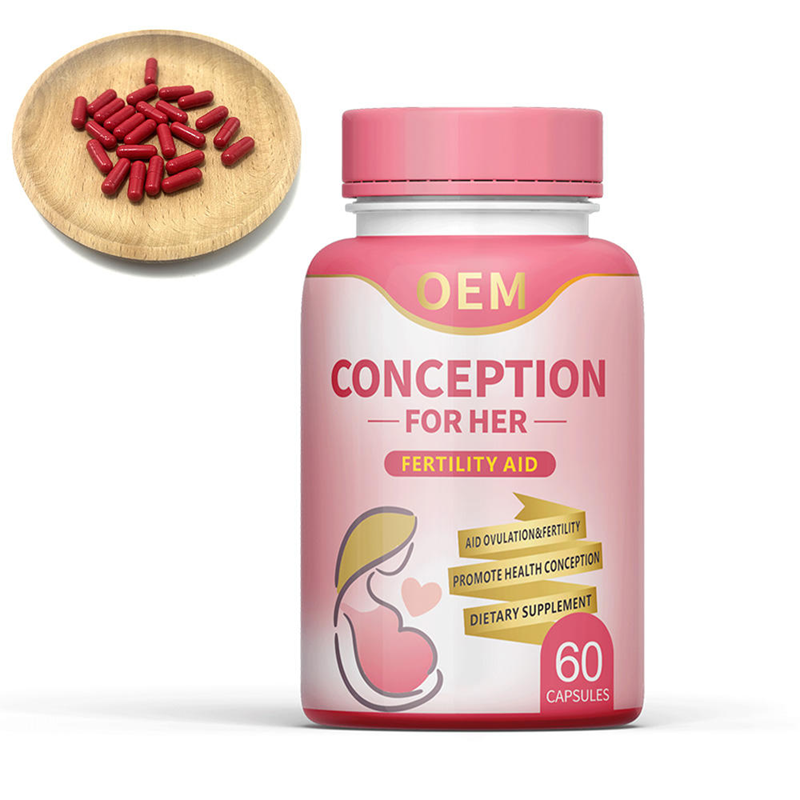
Prenatal supplements work by supplying a steady, measurable intake of key nutrients that the body cannot consistently obtain from food alone during pregnancy. Instead of relying on daily diet fluctuations, they create a controlled nutritional baseline that supports both maternal health and fetal development at every stage.
In real-life use, this is less about “boosting health” and more about avoiding gaps. Pregnancy increases nutrient demand across multiple systems at once—blood production, hormone regulation, organ development, and cellular growth. When even one key nutrient is insufficient, the body prioritizes essential functions, often at the expense of long-term outcomes.
What makes prenatal supplements effective is not just what they contain, but how consistently they deliver nutrients, how well those nutrients are absorbed, and how they fit into daily routines. That’s why two products with similar labels can lead to very different user experiences.
How Do Prenatal Supplements Support Moms?
During pregnancy, the body goes through measurable physiological changes that directly increase nutrient demand.
For example:
- Blood volume increases by 30–50%, requiring more iron
- Metabolic rate rises, increasing demand for B vitamins
- Hormonal changes affect digestion and nutrient absorption
Prenatal supplements support mothers by stabilizing these changes.
Key functions include:
| Function | Supporting Nutrients | Real Impact |
|---|---|---|
| Blood production | Iron, B12, folate | Reduces fatigue, prevents anemia |
| Energy metabolism | B-complex vitamins | Supports daily energy levels |
| Bone health | Calcium, vitamin D | Maintains maternal bone strength |
| Immune support | Vitamin C, zinc | Reduces illness risk |
From user feedback, the most noticeable benefits are:
- Less fatigue during the day
- Improved overall stability in energy levels
- Reduced symptoms linked to nutrient deficiency
However, effectiveness depends heavily on tolerance. If a supplement causes nausea or discomfort, users often stop taking it—making even a well-designed formula ineffective in practice.
How Do Prenatal Supplements Support Babies?
Prenatal supplements play a direct role in fetal development, especially during early pregnancy when critical structures are forming.
Each key nutrient supports a specific developmental process:
| Nutrient | Role in Fetal Development |
|---|---|
| Folate | Neural tube formation |
| DHA | Brain and eye development |
| Calcium | Bone and skeletal growth |
| Iodine | Thyroid and brain function |
| Zinc | Cell growth and DNA synthesis |
What many users don’t realize is that timing matters as much as dosage.
- Neural tube development happens within the first 4–6 weeks
- Brain development continues throughout pregnancy
- Bone development accelerates in later stages
This means prenatal supplements are not a “late-stage addition”—they are most critical before and during early pregnancy.
From a product perspective, this is why many brands position prenatal supplements as pre-pregnancy + pregnancy solutions, not just pregnancy products.
How Do Prenatal Supplements Fill Nutrition Gaps?
Even with a well-balanced diet, it is difficult to maintain consistent intake of all required nutrients.
For example:
- To meet DHA needs, a person may need fish intake 2–3 times per week
- Iron intake varies widely depending on diet type (especially low in vegetarian diets)
- Folate intake depends on consistent consumption of leafy vegetables
In reality, daily eating habits are inconsistent. Some days are balanced, others are not.
Prenatal supplements solve this by providing:
- Fixed daily dosage
- Standardized nutrient levels
- Predictable intake regardless of diet
Here is a simple comparison:
| Source | Nutrient Consistency |
|---|---|
| Diet only | Highly variable |
| Supplements only | Stable but incomplete |
| Diet + supplements | Most reliable |
The most effective approach is combining diet with supplementation, not replacing one with the other.
How Does Absorption Affect Real Results?
One of the most overlooked factors in prenatal supplements is absorption. Two products can list the same nutrient amounts but deliver very different results depending on how well those nutrients are absorbed.
Key factors affecting absorption include:
- Ingredient form (e.g., 5-MTHF vs folic acid)
- Presence of supporting nutrients (e.g., vitamin C with iron)
- Digestive tolerance
For example:
| Nutrient | Standard Form | Better-Absorbed Form |
|---|---|---|
| Folate | Folic acid | 5-MTHF |
| Iron | Ferrous sulfate | Ferrous bisglycinate |
| DHA | Fish oil | Microencapsulated DHA |
Poor absorption often leads to customer complaints like:
- “I didn’t feel any difference”
- “Still feeling tired”
In many cases, the issue is not the dosage—it’s the bioavailability.
How Do Different Supplement Forms Change Performance?
The physical form of a supplement affects both absorption and user compliance.
Common forms behave differently:
| Form | Key Advantage | Real Limitation |
|---|---|---|
| Capsules | Accurate dosing | Hard for some users to swallow |
| Gummies | Easy to take | Lower nutrient capacity |
| Powders | Flexible | Taste challenges |
| Liquids | Fast absorption | Shorter shelf life |
From real product feedback:
- Gummies improve first-time purchase rates
- Capsules perform better for long-term use
- Powders are popular in fitness-oriented markets
Choosing the right form depends on:
- Target customer habits
- Price positioning
- Distribution channel
How Do Hormonal Changes Affect Supplement Performance?
Pregnancy hormones directly influence how supplements are experienced.
Common effects include:
- Nausea (especially in the first trimester)
- Slower digestion
- Increased sensitivity to taste and smell
This leads to real challenges:
- Users skipping doses
- Switching products frequently
- Leaving negative reviews
To address this, better products focus on:
- Gentle ingredient forms
- Neutral or mild flavors
- Smaller serving sizes
From a manufacturing perspective, this is where formulation and user experience intersect.
Why Is Daily Consistency More Important Than High Dosage?
A common misconception is that higher dosage leads to better results.
In reality, consistency matters more than intensity.
Taking a moderate dose daily is more effective than:
- Taking high doses irregularly
- Skipping days due to discomfort
This is because:
- Nutrient levels in the body need stability
- Sudden spikes are less effective for long-term processes
For example:
| Intake Pattern | Effectiveness |
|---|---|
| Daily consistent intake | High |
| Irregular high doses | Low |
| Frequent skipping | Very low |
This is why product design should prioritize:
- Ease of daily use
- Minimal side effects
- Convenient packaging
Are Prenatal Supplements All the Same?
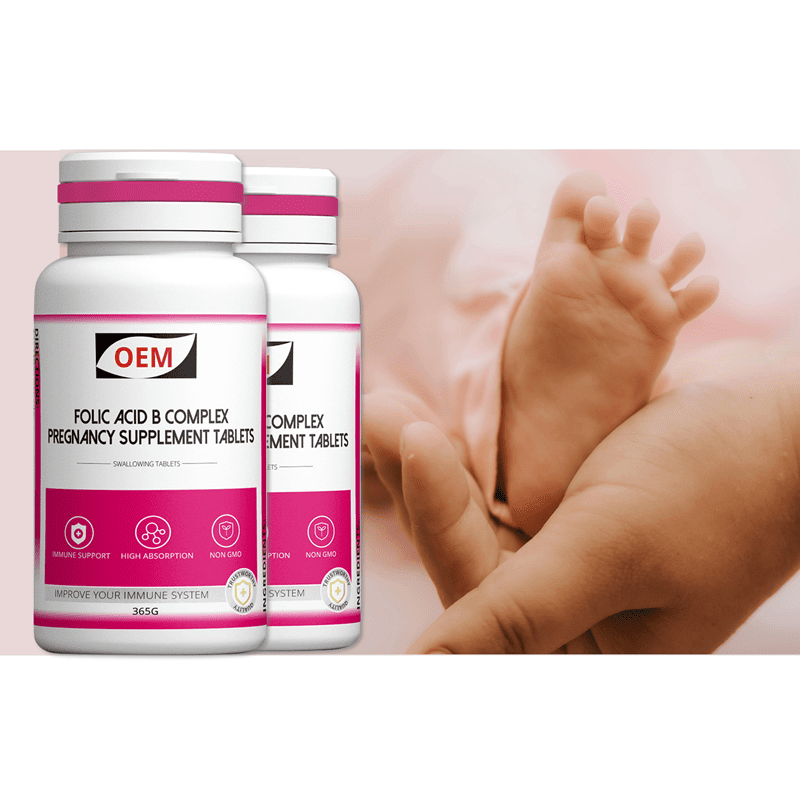
Not all prenatal supplements are created equal. While labels may look similar, products differ in ingredient quality, nutrient dosage, absorption efficiency, certifications, and user experience. These differences directly impact effectiveness, customer satisfaction, and market performance. Many customers discover these differences through real-world use: side effects, perceived benefits, and even compliance challenges.
For a brand entering the prenatal market, understanding these differences is essential. Two supplements with the same nutrient list can deliver very different results depending on form selection, ingredient forms, and quality control standards. Low-cost products may initially sell based on price, but higher-quality formulas with well-absorbed nutrients and proper certifications maintain higher repeat purchase rates.
Are Prenatal Supplements Different by Form?
Prenatal supplements are available in various forms, and each form affects user compliance and absorption.
Common formats:
- Capsules – widely used, precise dosage
- Tablets – cost-effective, slower absorption
- Gummies – taste-friendly, easy for first-time users
- Powders – flexible dosing, flavor challenges
- Liquids – fast absorption, premium positioning
From real customer feedback, form affects repeat usage:
- Capsules → high retention due to accuracy
- Gummies → high first-time conversion, but sometimes lower nutrient density
- Powders → popular in fitness-focused markets
- Liquids → premium channels, sensitive to storage
Brands must match form to target audience preferences, channel expectations, and price positioning.
Are Prenatal Supplements Different by Formula?
Formulation is the most critical factor in real-world performance. Two products may contain the same nutrients but differ in:
- Ingredient forms (e.g., 5-MTHF vs folic acid)
- Absorption efficiency (chelates vs basic minerals)
- Synergy between nutrients (some nutrients enhance absorption of others)
Example of basic vs advanced formula:
| Nutrient | Basic Formula | Advanced Formula |
|---|---|---|
| Folate | Folic Acid | 5-MTHF |
| Iron | Ferrous Sulfate | Ferrous Bisglycinate |
| DHA | Not included | 200 mg included |
| Add-ons | None | Choline, probiotics |
Customers notice the difference: advanced formulas often have fewer complaints about fatigue, nausea, or digestive discomfort.
Are Prenatal Supplements Different by Quality?
Quality varies widely between manufacturers and brands. Key indicators that matter most to customers include:
- GMP-certified production
- Third-party lab testing (COA for heavy metals, microbial content)
- Stability testing for shelf life
- Traceable raw material sourcing
Lower-quality products may:
- Cause side effects
- Show inconsistent potency
- Fail certification audits in certain markets
High-quality supplements reduce returns, increase customer trust, and support long-term brand growth.
How Do Certifications Affect Prenatal Supplements?
Certifications directly impact product market access and buyer confidence:
- GMP → baseline quality standard
- FDA → necessary for US market
- Halal → critical for Middle East and Southeast Asia
- Organic → premium positioning
- FSSC/HACCP → preferred in retail and pharmacy channels
Without proper certifications, products may fail platform approval or face legal restrictions. For example:
| Market | Certification Needed |
|---|---|
| USA | GMP + FDA registration |
| Middle East | Halal |
| EU | GMP + local compliance |
| Amazon/Shopify | COA, GMP documentation |
Brands that align certifications with target markets build trust and reduce regulatory risks.
Why Do Some Products Look Strong but Underperform?
Many supplements include long ingredient lists, but in practice:
- Dosages may be too low to be effective
- Nutrient forms may be poorly absorbed
- Overloaded formulas may interfere with absorption
Customers experience this through:
- Lack of noticeable benefits
- Digestive discomfort
- Low compliance
Effective prenatal supplements focus on 3–5 key, well-absorbed nutrients, with clinically relevant doses, rather than overloading the label.
How Do Packaging and Branding Affect Prenatal Supplement Performance?
Packaging influences customer perception and usage patterns. Real-world impact includes:
- Ease of daily use → adherence
- Label clarity → trust and transparency
- Visual appeal → shelf conversion
Examples:
- Gummy packs with clear serving instructions → higher repeat purchases
- Capsule bottles with child-proof lids → perceived professionalism
- Sachets → convenience for traveling customers
At ZOXIZO, packaging is optimized based on target market habits, compliance requirements, and distribution channel, ensuring both regulatory compliance and better consumer adoption.
How Can Brands Stand Out in a Saturated Market?
To compete successfully, brands should focus on:
- Core nutrients – folate, iron, DHA
- Absorption efficiency – use bioavailable forms
- User experience – taste, digestibility, dosage convenience
- Certifications – GMP, FDA, Halal, Organic as required
- Clear marketing messaging – highlight real benefits, not just ingredient counts
Using ZOXIZO’s manufacturing capabilities, brands can:
- Customize formulas for market needs
- Adjust dosage and nutrient form for better absorption
- Provide packaging and labeling for compliance and branding
- Test small batches for market feedback before scaling production
This ensures products are effective, compliant, and appealing to real customers.
How Should You Choose Prenatal Supplements?
Choosing the right prenatal supplement requires more than just picking the cheapest option or reading the label superficially. Customers and brands need a practical approach that balances ingredient quality, nutrient dosage, absorption efficiency, certifications, and market alignment. Real-world buyers care about effectiveness, compliance, and safety, and these factors directly influence product success and repeat sales.
For a B2B brand or cross-border seller, selecting a prenatal supplement isn’t only about formulation—it’s also about market readiness, shipping regulations, and user experience. Even a perfectly formulated product can underperform if the dosage is impractical, absorption is low, or packaging is inconvenient. Manufacturers like ZOXIZO help brands navigate these challenges by providing tested formulas, flexible customization, and certifications aligned with target markets.
How Should You Read Prenatal Supplement Labels?
Labels contain critical information that helps buyers verify product quality and compliance. The most important details include:
- Active ingredient amounts (e.g., folate 600–800 mcg, iron 18 mg, DHA 200 mg)
- Ingredient forms (e.g., 5-MTHF vs folic acid, chelated iron vs ferrous sulfate)
- Serving size and recommended daily intake
- Additives or fillers, artificial colors, or flavors
- Expiration date and storage instructions
From client inquiries, we see that customers often misinterpret labels. They may assume “more ingredients = better product,” but effectiveness depends on dosage and absorption form, not quantity.
Real usage feedback shows:
- Supplements with clearer dosage guidance have higher adherence
- Labels that show certified ingredients (GMP, Halal, Organic) reduce purchase hesitation
For cross-border brands, accurate labeling also ensures regulatory compliance for each market.
How Should You Compare Prenatal Supplements?
Comparison goes beyond price or ingredient count. Key considerations include:
- Ingredient quality – is the folate active, iron bioavailable, DHA stable?
- Form and format – capsule, gummy, powder, or liquid?
- Certifications – GMP, FDA, Halal, Organic
- Dosage adequacy – sufficient for target market’s daily requirement
- User experience – taste, swallowability, packaging convenience
From real client experiences:
- Budget formulas with low absorption rates often get poor reviews despite a long ingredient list
- Premium formulas with proper absorption forms and certifications achieve higher repeat purchase and customer satisfaction
How Should You Use Dosage and Form to Guide Choice?
Daily intake consistency and ease of use are as important as nutrient quantity. For example:
- Capsules → precise dosage, professional perception
- Gummies → improve first-time conversion but may limit nutrient density
- Powders → allow flexible dosing and market differentiation
- Liquids → fast absorption, premium positioning
Dosage should balance effectiveness and tolerability. Overly high iron can cause nausea, while low DHA provides minimal developmental benefits. Brands that align dosage with real physiological needs see better adherence.
How Should Certifications Influence Your Decision?
Certifications determine both market access and buyer trust. Common certifications include:
- GMP → baseline quality
- FDA → necessary for US market
- Halal → critical for Middle East and Southeast Asia
- Organic → premium positioning
- FSSC/HACCP → retail and pharmacy channels
Without the right certifications:
- Products may fail platform approvals
- Brands may face recalls or legal risks
- Buyer trust decreases
At ZOXIZO, we ensure products meet certification standards for multiple markets, and we provide documentation for both compliance and marketing.
How Should You Assess Manufacturer Support?
The right manufacturer reduces risk and accelerates time-to-market. Key support includes:
- R&D expertise to adjust formula for absorption, taste, or dosage
- Flexible MOQ for testing new markets
- Packaging and labeling design aligned with local regulations
- Supply chain reliability and international logistics
From real client feedback, brands that work with manufacturers offering full OEM/ODM support launch faster, scale more efficiently, and maintain consistent quality across batches.
How Should You Consider Market-Specific Needs?
Market needs vary widely:
| Market | Format Preference | Certification Priority |
|---|---|---|
| USA | Capsules/Gummies | GMP, FDA |
| Middle East | Capsules, liquids | Halal |
| Europe | Capsules, powders | GMP, Organic |
| Asia | Powders, sachets | GMP, local labeling |
Brands that fail to tailor products to market expectations often see slow adoption, poor reviews, or compliance issues. ZOXIZO provides guidance to align form, dosage, packaging, and certification with market requirements.
How Should You Test Products Before Launch?
Testing small batches with real users reduces risk:
- Start with low-MOI production for evaluation
- Collect user feedback on taste, swallowability, and perceived effectiveness
- Adjust dosage, form, or flavor before scaling up
This approach allows brands to identify and fix issues before committing to large-scale production, improving conversion and long-term sales.
Conclusion: Work With ZOXIZO to Build Your Prenatal Supplement Product
Choosing the right prenatal supplement is not just about selecting ingredients—it’s about delivering a product that women can trust during one of the most sensitive stages of life. From formula design and dosage balance to certifications and user experience, every detail affects how your product performs in the market and how your customers respond to it.
For brands, distributors, and cross-border sellers, the real challenge is turning an idea into a market-ready, compliant, and competitive product—without wasting time on trial and error. This is where working with an experienced manufacturer makes a clear difference.
At ZOXIZO, we help you move faster and reduce risk by offering:
- Proven prenatal formulas with flexible customization
- Fast sampling within 3–7 days
- Low MOQ options for market testing
- GMP-certified production and full compliance support
- Packaging design and labeling aligned with your target market
- Stable production timelines and global logistics solutions
Whether you are launching your first prenatal supplement or upgrading an existing product line, we provide the technical support, manufacturing capacity, and market insight needed to help you succeed.
If you’re ready to develop or scale your prenatal supplement product, contact ZOXIZO today for a tailored formula, quotation, and production plan built around your business goals.